The Physics and Economics of Drilling Fluid Integrity
Drilling fluid is universally acknowledged as the "lifeblood" of both deep oil & gas boreholes and trenchless Horizontal Directional Drilling (HDD) crossings.
During drilling operations, drill bits crush rock strata into millions of micro-particles (cuttings). When suspended in the circulating mud, these abrasive solids relentlessly degrade rheological properties, spike plastic viscosity (PV), escalate equivalent circulating density (ECD), and induce catastrophic wear on expensive downhole MWD/LWD tools and triplex mud pumps.
Without a rigorously engineered, multi-stage solids control system, drilling contractors face soaring mud reconstitution bills, hazardous differential sticking events, and astronomical environmental waste haulage levies.
"Allowing drilled solids to recirculate past the shaker screen is an economic disaster. As solids disintegrate into colloidal fines (<2 microns), chemical dispersion fails, penetration rates (ROP) plummet by over 35%, and pump replacement frequencies double. Total solids control is not an option—it is the foundation of drilling profitability."
The 4-Phase Solids Control Separation Architecture
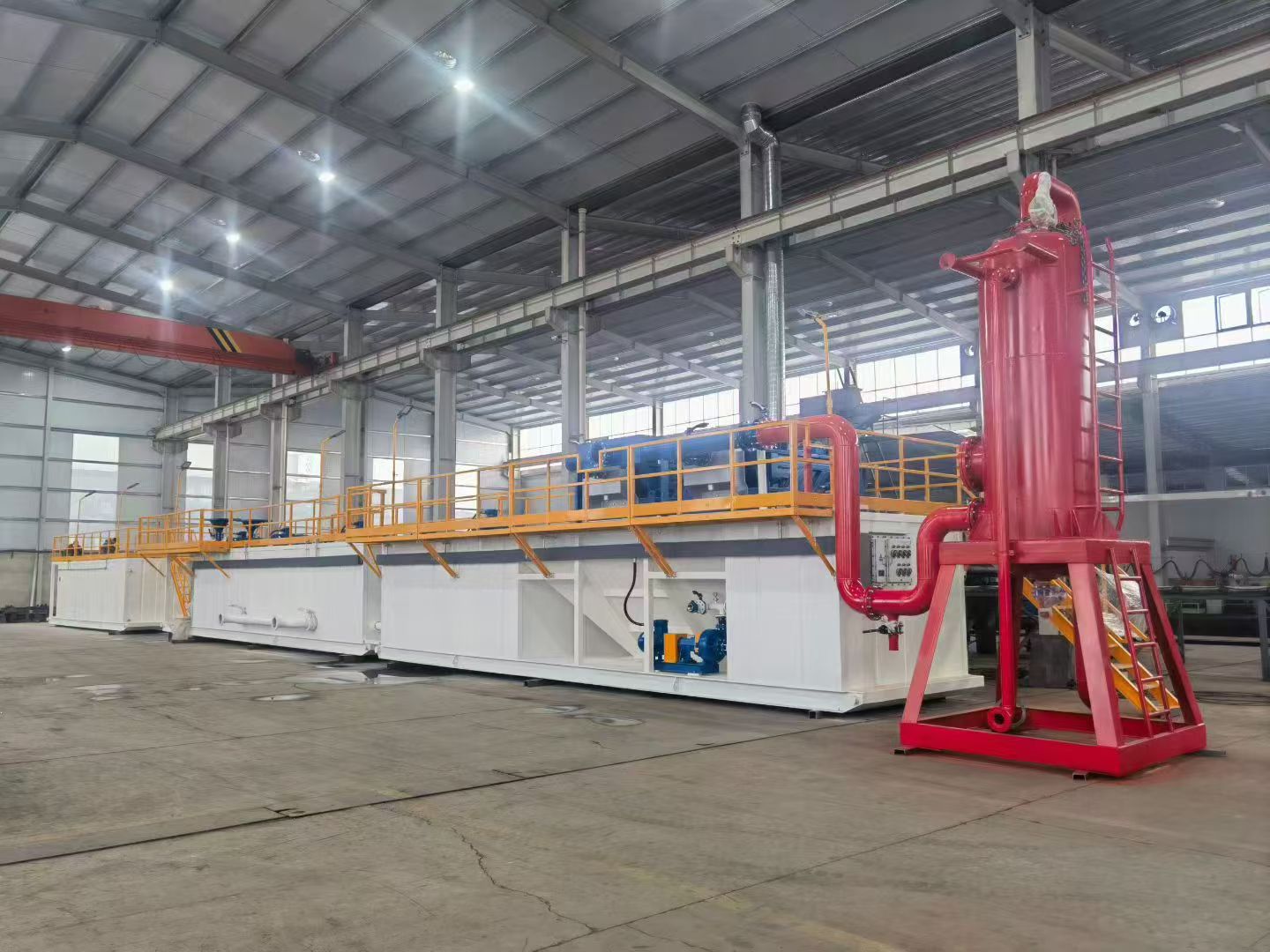
An industrial solids control system operates on sequential particle-size classification according to Stokes' Law and differential G-force acceleration, removing harmful solids while preserving vital chemical additives and barite weighting agents.
Shale Shakers (Primary)
The first line of defense. High-G linear or balanced elliptical motion shale shakers utilize pretensioned composite screens to strip large cuttings directly from the return flow line before fluid reaches the retention tanks.
- G-force up to 8.0G for rapid drying
- Pneumatic or mechanical deck angle adjustment (-1° to +5°)
- Eliminates over 70% of total solids load
Desander Hydrocyclones
Centrifugal hydrocyclone cones (typically 10-inch or 12-inch polyurethane bodies) process degassed mud at high velocity (30-40 psi feed), spinning abrasive coarse sands out via underflow.
- High-capacity volumetric throughput (up to 500 GPM per cone)
- Wear-resistant polyurethane lining
- Protects downstream mud cleaner screens
Desilters & Mud Cleaners
A battery of 4-inch desilter cones mounted above a high-frequency vibrating screen. Separates abrasive micro-silts while recycling weighted fluids back into the active drilling mud system.
- Compact footprint for modular mud systems
- Crucial for maintaining low sand content (<0.5%)
- Underflow drying screen maximizes fluid recovery
Decanter Centrifuges
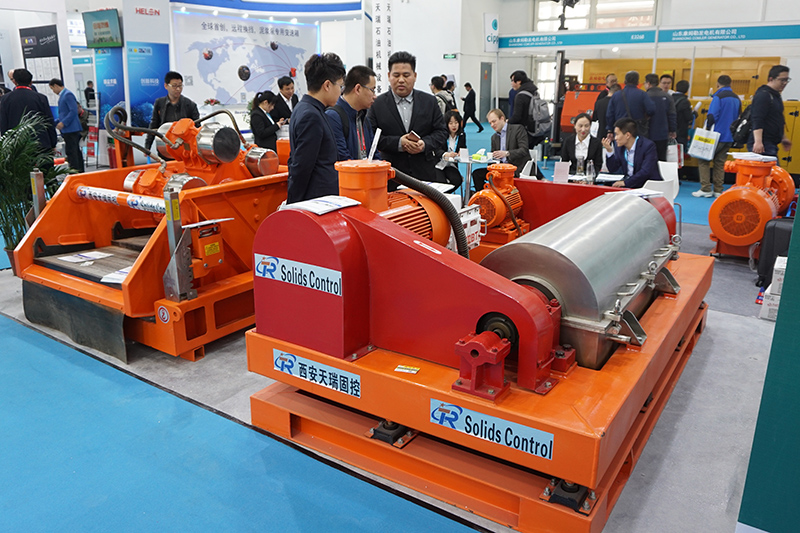
High-speed variable frequency (VFD) horizontal decanter centrifuges generating 2,500 to 3,800 RPM (up to 3,000+ Gs) to strip ultra-fine colloids, clarify liquid phase, and perform Barite recovery.
- Tungsten carbide tile protected flighting
- Independent bowl and scroll speed regulation
- Enables closed-loop dewatering & ZLD operations
Comparative Operational Demands: HDD Trenchless vs. Deep Oil Drilling
While the fundamental principle of centrifugal separation remains identical, the operational envelopes, mud rheology, and logistical constraints diverge significantly between trenchless infrastructure crossings and oilfield rigs.
Horizontal Directional Drilling (HDD) Mud Recycling
HDD projects (river crossings, utility installations) require rapid deployment, compact skid-mounted or trailerized units, and extreme flow handling (100–3000 GPM) of heavy bentonite-rich slurries laden with clay balls and aggregate.
Oil & Gas Deep Well Exploration
Demands heavy-duty API 13C compliant configurations dealing with High-Pressure/High-Temperature (HPHT) regimes, complex Oil-Based Muds (OBM) or Synthetic-Based Muds (SBM), toxic H2S gas degasification, and expensive Barite weighting recovery.
| Performance Parameter | HDD Recycling System | Oil & Gas Solids Control |
|---|---|---|
| Primary Fluid Base | Freshwater / Sodium Bentonite | WBM, OBM, SBM, Invert Emulsion |
| Mud Density Range | 1.02 – 1.15 SG (8.5 – 9.6 ppg) | 1.10 – 2.40 SG (9.2 – 20.0 ppg) |
| Core Cost Driver | Water hauling, vacuum truck fees | Base oil replacement, Barite, LGS wear |
| Key Equipment Stack | Shaker + Desander/Desilter Combo | Linear Shaker + Degasser + Cleaner + High-G Centrifuge |
| Mobility Requirement | High (Skid / Trailer / Fast Rig-up) | Modular Rig Tank System / Zero-Discharge |
Direct Cost Reduction & Environmental Compliance
Implementing high-efficiency solids separation converts massive drilling fluid waste streams into an asset-recovery loop, yielding immediate operational dividends.
60-80% Fluid Expense Savings
Continuous closed-loop solids removal enables mud reuse across multiple drill runs. Contractors save hundreds of thousands of dollars in bentonite powder, liquid polymers, weighting additives, and costly oil bases.
Zero-Discharge & Eco-Compliance
Meeting strict EPA, ISO 14001, and local municipal environmental regulations. By dewatering drilled cuttings into stackable, dry cakes, vacuum truck frequency and toxic waste disposal fees are slashed by up to 50%.
Equipment Asset Protection
Sand particles larger than 45 microns act as liquid sandpaper. Efficient desanding prevents premature washouts of mud pump liners, valve seats, swivel packings, drill pipe tool joints, and precision directional motors.
Who We Are
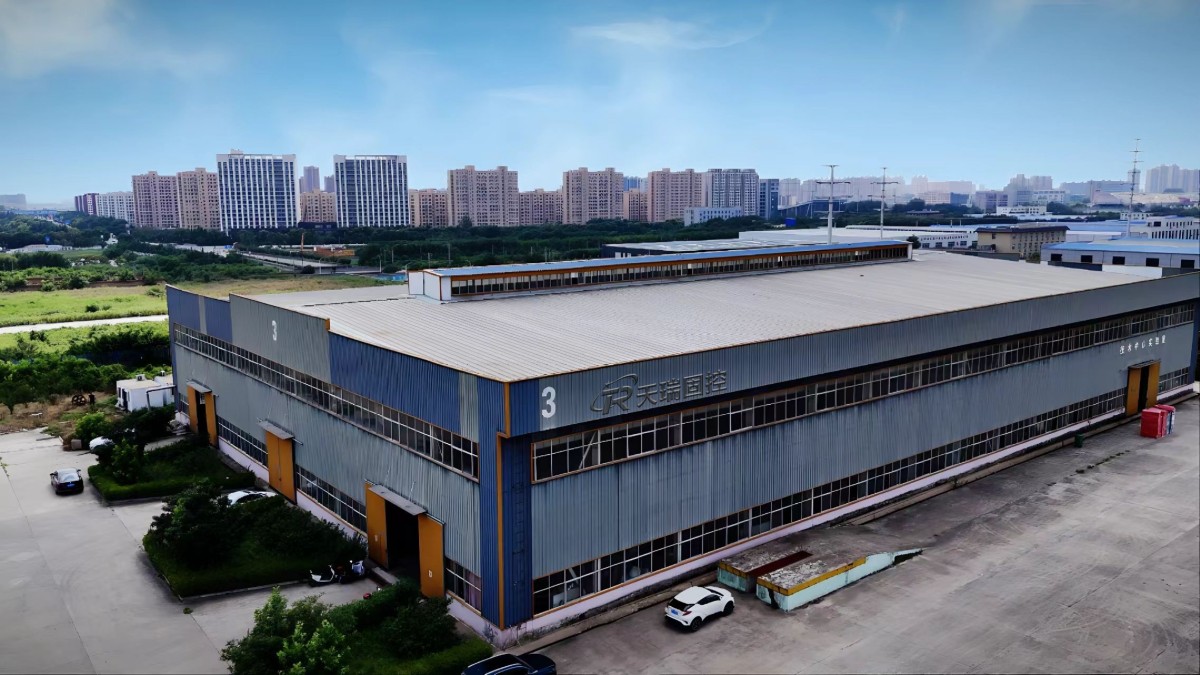
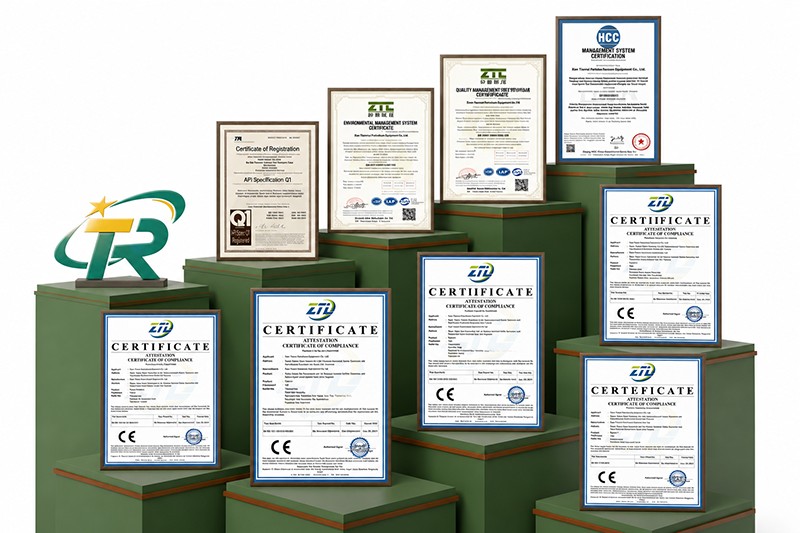
Established in 2010, TR Solids Control is a professional manufacturer specializing in drilling fluid solids control equipment and integrated solutions.
We are dedicated to the design, manufacture, sales, and services of solids control systems, following strict quality standards and providing reliable products, professional support, and fast response for global customers.
During the past years, together with our experienced engineering team and strong supply chain partners, we have supported drilling contractors, oilfield service companies, and industry partners across the Middle East, Africa, Russia, South America, Southeast Asia, and other regions, delivering efficient solids control solutions for various drilling operations.
Company ProfileCOMPANY STRENGTH
Pioneering standard-compliant solids control engineering with full-scale vertical manufacturing capabilities.

TR Solids Control
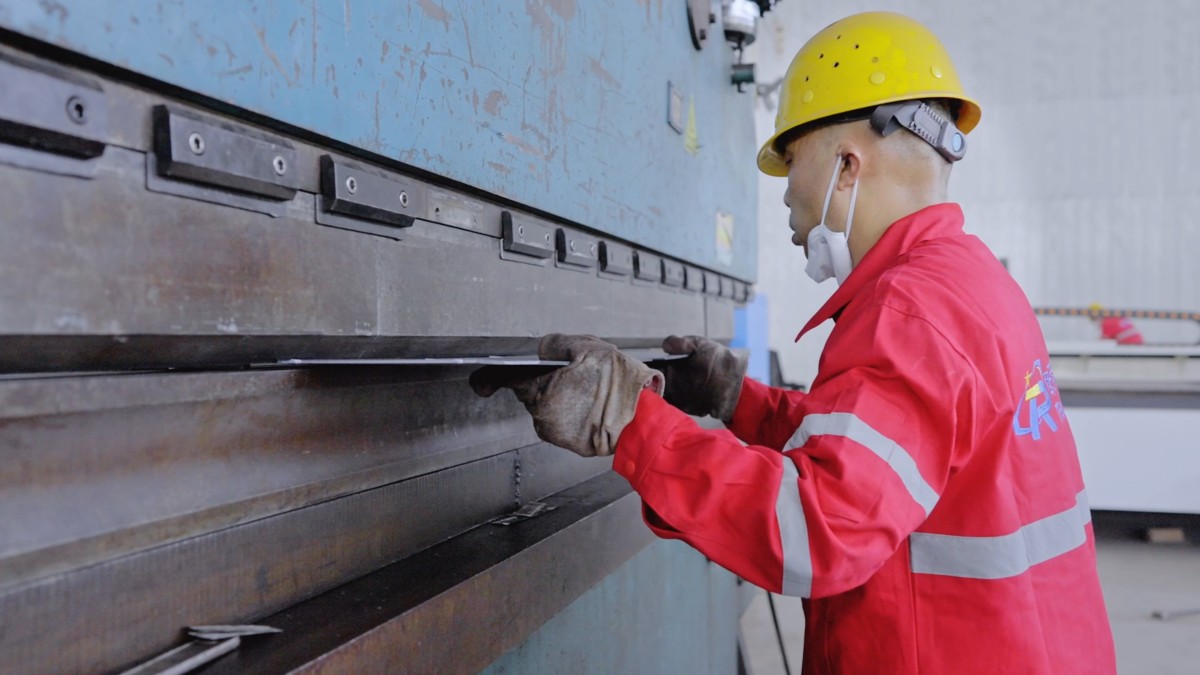
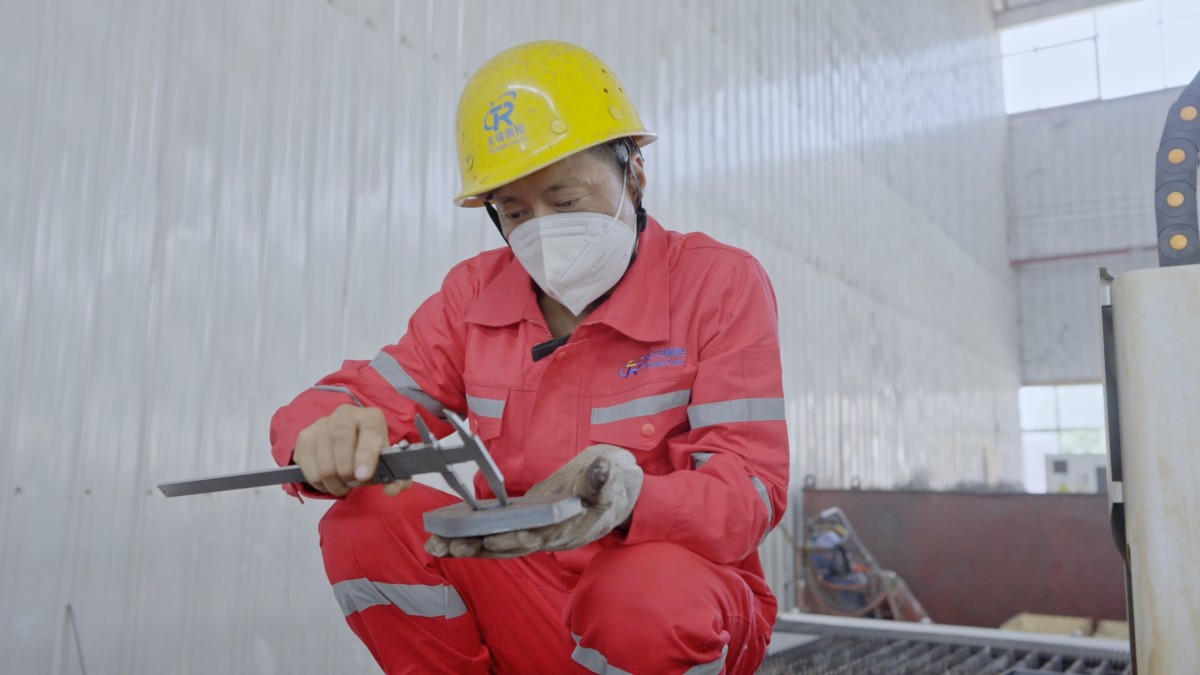
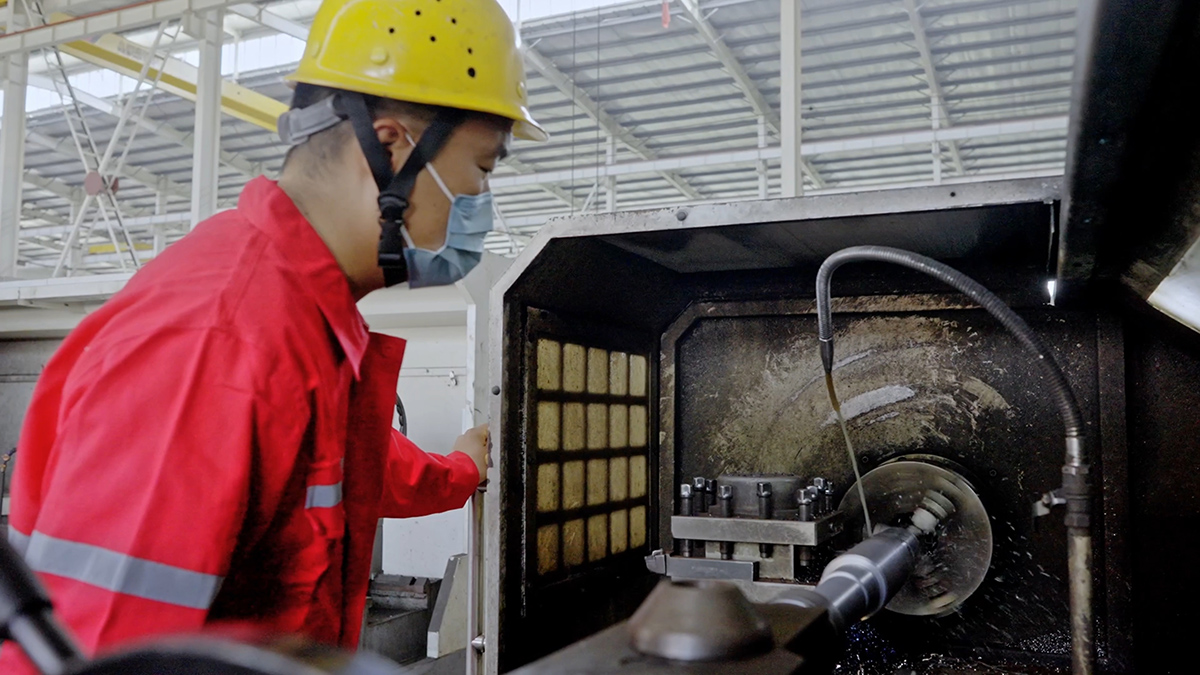
We integrate state-of-the-art structural FEA simulation, precision laser fabrication, and heavy-duty robotic welding to deliver rock-solid mud systems built to survive the harshest drilling environments on earth.