Leave Your Message
Advanced Industrial Precision Engineering

Solids Control System For PPF Paint Protection Film Coating Operations

High-precision slurry classification, continuous particulate elimination, and closed-loop fluid purification engineered to ensure zero-defect optical clarity and solvent recovery in thermoplastic polyurethane (TPU) roll-to-roll film casting.

Industry Transformation & Quality Demands

The Critical Imperative of Solids Control in Automotive PPF Coating Lines

The global Paint Protection Film (PPF) market has experienced an exponential surge driven by rapid adoption in premium automotive, aerospace, and architectural surface conservation. Modern PPF relies on multi-layer composite architectures: an aliphatic thermoplastic polyurethane (TPU) optical substrate, elastomeric self-healing top-coats, pressure-sensitive acrylic adhesives (PSA), and ultra-smooth siliconized PET liners. In this hyper-sensitive manufacturing environment, achieving an optical haze of less than 0.5% and total surface perfection demands flawless micro-particle mitigation across every stage of fluid synthesis and solvent recovery.
Industrial solids control systems—historically established in petroleum, trenchless drilling, and advanced chemical extraction—have emerged as an indispensable operational foundation within precision functional film processing plants. During the formulation of fluoropolymer top-coats, UV-stabilized polyurethane dispersions, and ceramic nanocoatings, unmanaged particulate debris (such as unmelted polymer gels, cross-linking agglomerates, abrasive dust, and environmental airborne fallouts) causes destructive micro-voids, "fish eyes," pinholes, and orange-peel textures. Deploying robust solids control machinery guarantees continuous mechanical separation, homogenous rheological suspension, and unhindered roll-to-roll slot-die extrusion.
⚙

Sub-Micron Slurry Clarification

Dynamic multi-phase separation removes agglomerated inorganic nanoparticles and gel clusters before they reach precision slot-die lips, securing uniform web thickness down to ±0.5 μm.

♺

Closed-Loop Solvent Reclamation

High-performance vacuum sludge systems and de-sanding units continuously clarify methyl ethyl ketone (MEK), toluene, and DMF wash streams for immediate closed-circuit circular reuse.

⚒

Zero-Downtime Slurry Agitation

Impeller-engineered fluid agitators eliminate dead zones in holding tanks, keeping hydrophobic silica, UV absorbers, and elastomeric oligomers thoroughly suspended without air entrapment.

Process Engineering Deep-Dive

Multi-Stage Separation Architecture in Polymer Film Manufacturing

Achieving class-100 cleanroom performance within large-scale roll coating facilities requires an integrated, multi-barrier separation train. Solids control equipment manages the complete operational life cycle of fluid streams: from bulk chemical raw material feed mixing to waste effluent minimization.
Process Phase Primary Equipment Role Target Particulates & Contaminants Impact on PPF Quality Metrics
1. Slurry Blending & Agitation Explosion-Proof Mud Agitator Systems Micro-gels, flocculated silica, pigment settling Eliminates batch stratification, uniform self-healing layer
2. Primary Coarse Hydrocyclone High-Efficiency Desander / Micro-Hydrocyclone Abrasive wear particles, scale, airborne dust (>25 μm) Protects downstream metering pumps & slot-die edges
3. Solvent Clarification Loop HDD Closed-Loop Mud Recycling Unit Dissolved resin residues, filter cake fines (>5 μm) 92% reduction in virgin solvent makeup, lower VOC costs
4. Sludge & Spent Waste Transfer Sludge Vacuum Pump & Screw Conveyors Viscous coating dregs, polymer skin peelings, tank bottoms Sealed pneumatic transfer prevents cleanroom VOC leakage
In slot-die coating processes, laminar coating bead stability is governed by liquid viscosity and fluid purity. Even a single 15-micron particulate passing through a 50-micron die gap can produce a catastrophic continuous longitudinal streak across thousands of meters of optical TPU web. By integrating hydrocyclonic classification and solid-liquid decantation upfront, modern coating plants reduce visual film discard rates from 8.2% to well below 0.7%, yielding immense commercial returns across high-value aliphatic TPU roll outputs.
Who We Are

TR Solids Control: Engineering Fluid Separation Excellence Since 2010

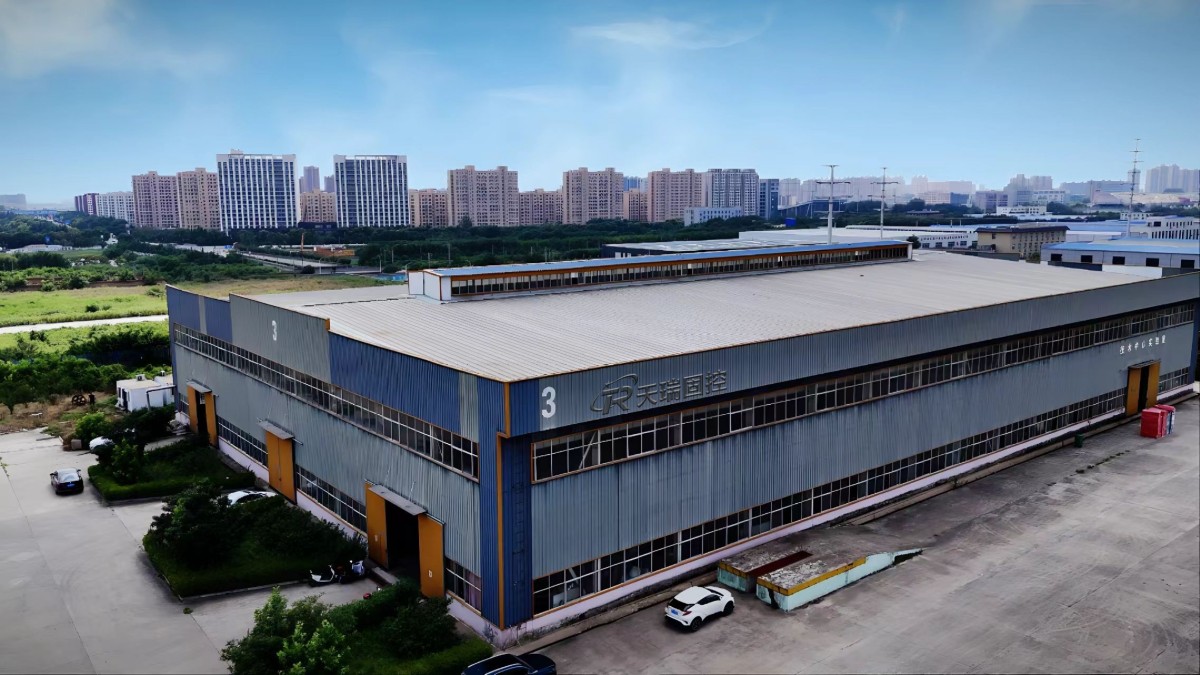
Established in 2010, TR Solids Control is a professional manufacturer specializing in drilling fluid solids control equipment and integrated solutions. We are dedicated to the design, manufacture, sales and services of solids control systems, following strict quality standards and providing reliable products, professional support and fast response for global customers.
During the past years, together with our experienced engineering team and strong supply chain partners, we have supported drilling contractors, oilfield service companies and industry partners across Middle East, Africa, Russia, South America, Southeast Asia and other regions, delivering efficient solids control solutions for various drilling operations.
Adapting these rugged, high-capacity, precision separation designs to high-end chemical synthesis, automotive coatings, and protective film production, TR Solids Control brings industrial-strength reliability and micron-grade particle separation to modern PPF manufacturing plants worldwide.
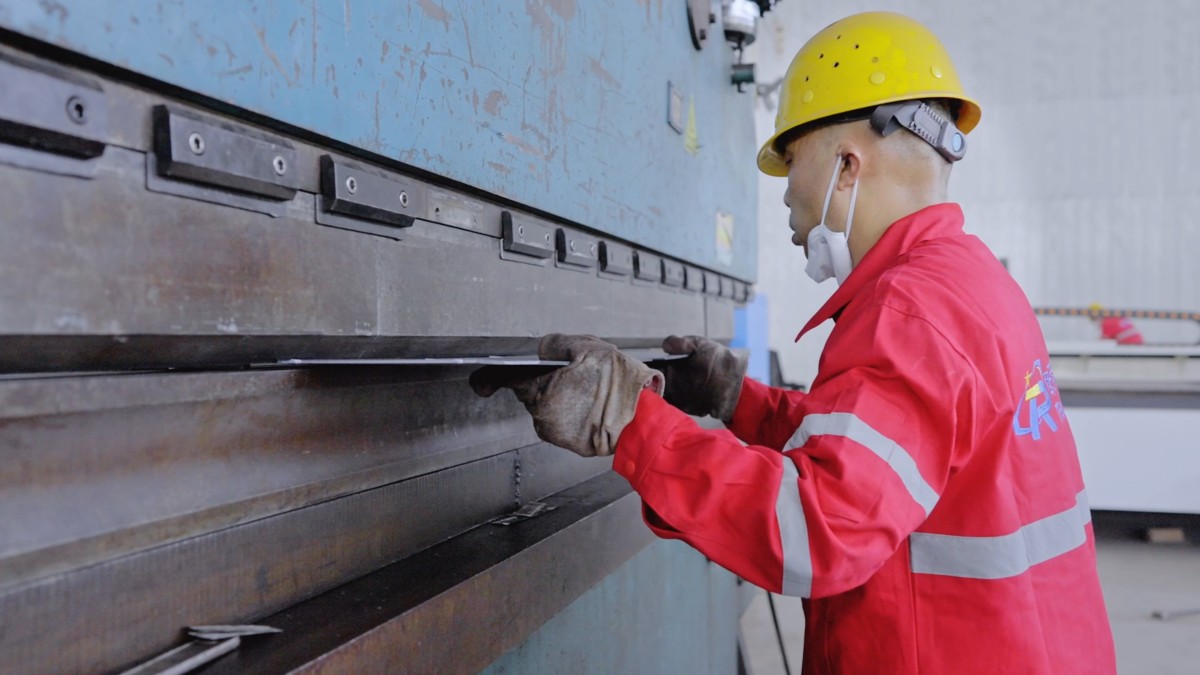
Who We Are - TR Solids Control Manufacturing Facility
Enterprise Infrastructure

COMPANY STRENGTH: World-Class Facilities & Standards

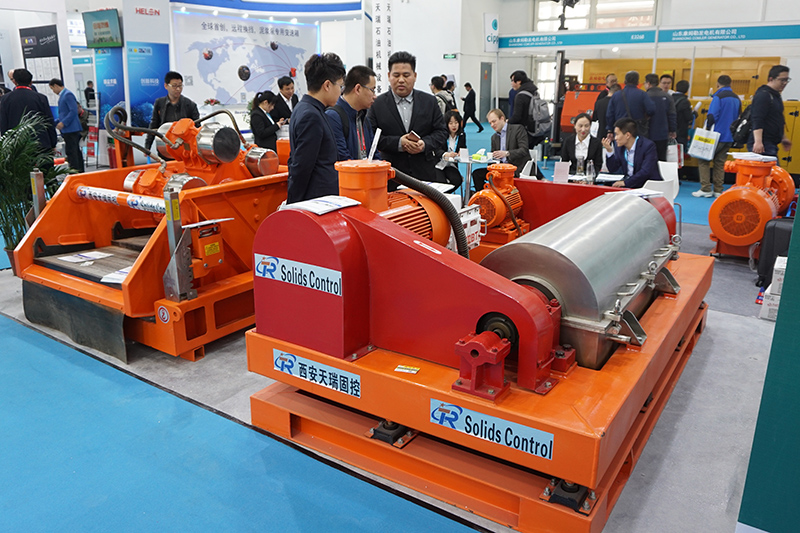
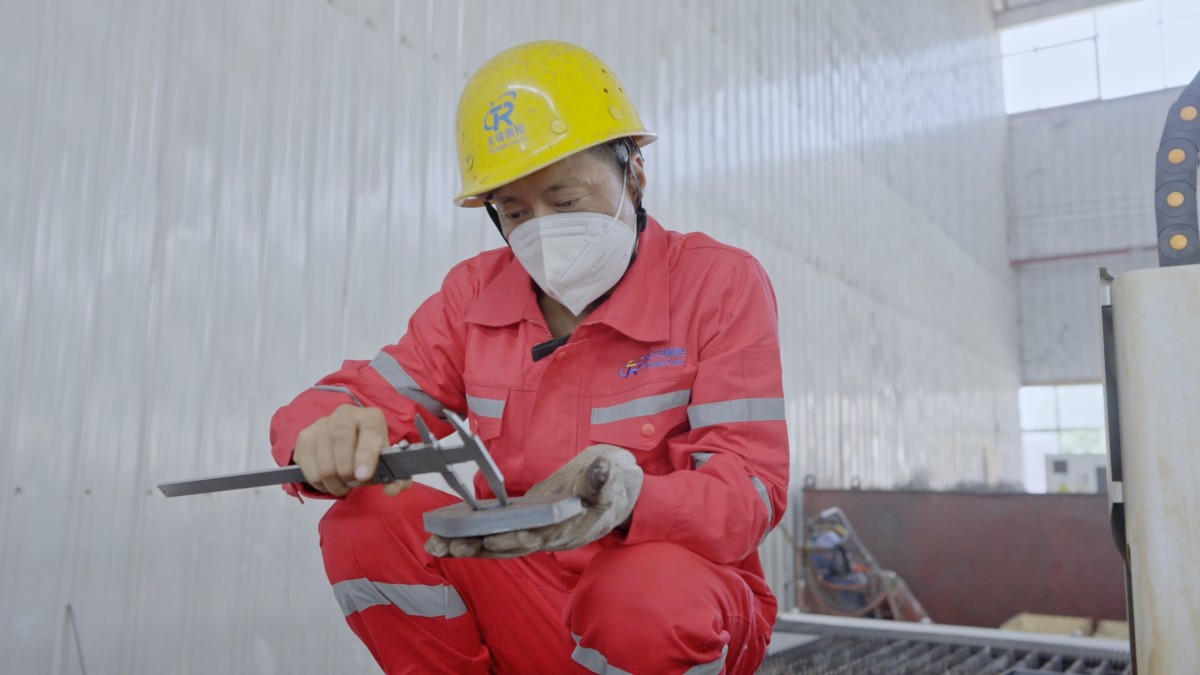
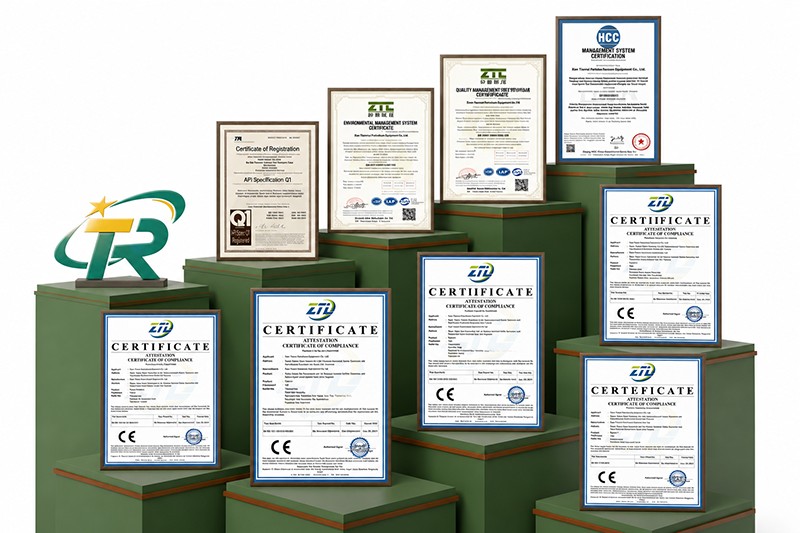
Robust quality assurance frameworks, precision fabrication facilities, and active participation in international industrial exhibitions guarantee technological superiority across all solids control deployments.

Core Competence

OUR CAPABILITIES

Manufacturing • Engineering • Global Service
Future Industry Trends

Smart AI Monitoring & Sustainable Green Closed-Loop Operations

The convergence of Industry 4.0 and advanced functional coating is reshaping film factory operations. The modern solids control loop is no longer purely mechanical; smart sensor arrays continuously record inlet turbidity, solvent density, dynamic shear viscosity, and micro-particle size distribution in real time.
By interfacing high-performance decanter centrifuges and agitator drives with AI-driven programmable logic controllers (PLCs), the separation train automatically balances impeller rotation speeds, hydrocyclone backpressures, and feed rates to prevent micro-bubble cavitation and particulate breakthrough. In addition, VOC-hermetic vacuum transmission eliminates solvent atmospheric discharge, dramatically improving cleanroom workplace health and ensuring full compliance with stringent global ESG environmental mandates.
✔ Optical Clarity Enhancement
Prevents sub-visible colloidal aggregates and silica matting agglomerations from creating micro-refractive distortions in clear gloss and matte PPF surfaces.
✔ Continuous Slot-Die Protection
Eliminates abrasive fines that induce microscopic die lip nicks, eliminating streaking defects and extending precision tool life by over 300%.
✔ Closed-Loop Solvent Circularity
Reclaims cleaning solvent rinses continuously, precipitating hardened resins and dewatering polymeric sludges without manual tank scraping.
✔ Explosion-Proof ATEX/IECEx Safety
Designed to manage flammable solvents (ethyl acetate, MEK, isopropyl alcohol) with spark-free sealing, hermetic vacuum transfer, and explosion-proof motors.
Complete Systems Catalog

Complete Solids Control Equipment Suite for Precision Film Coating

Explore our comprehensive range of separation, conveyance, and fluid conditioning equipment designed for paint protection film operations, industrial slurry processing, and zero-discharge waste management.

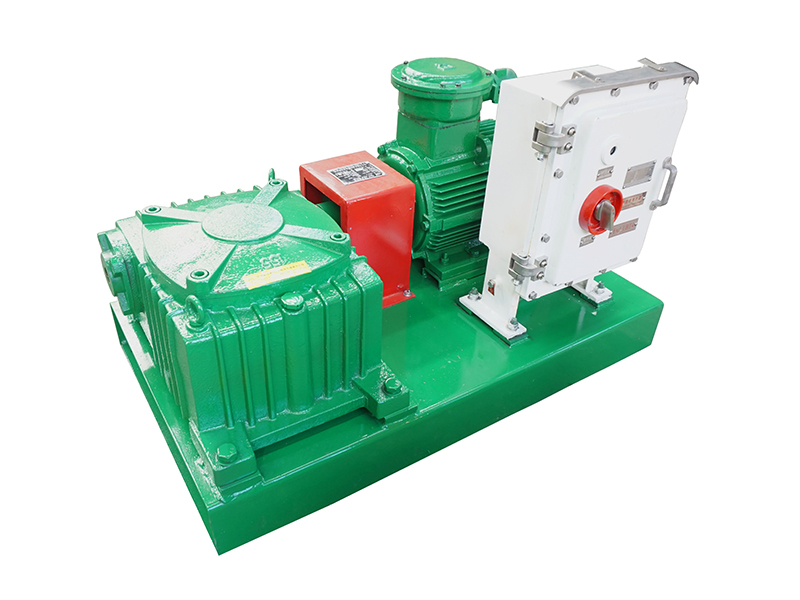
Mud Agitator for Solids Control System
Agitation

Mud Agitator for Solids Control System

Maintains steady solid-liquid suspension in coating resin tanks, eliminating pigment sedimentation and uneven chemical distribution.

View Specifications →
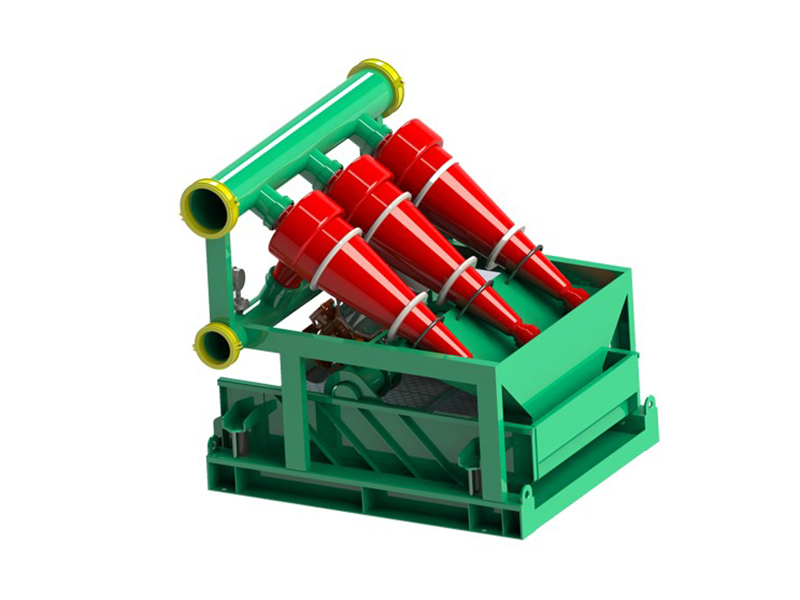
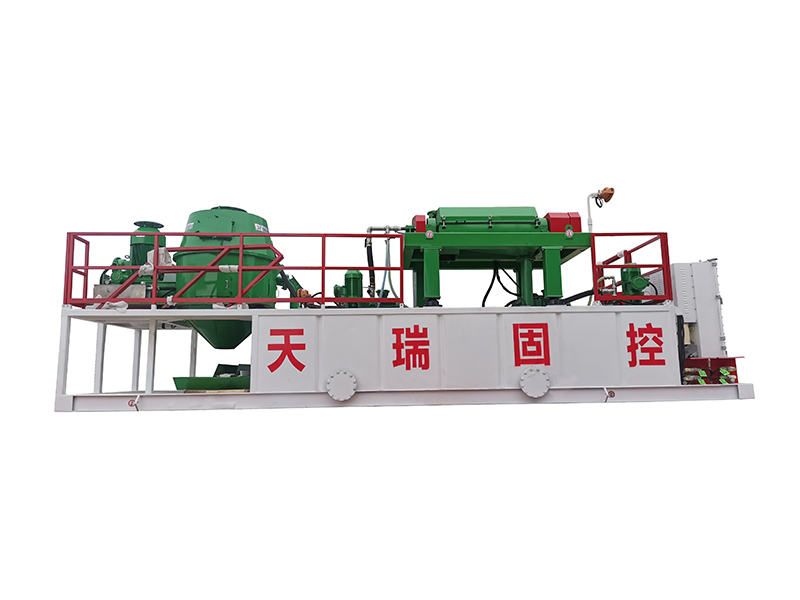
Drilling Fluid Desander for Solids Control System
Hydrocyclone Separation

Drilling Fluid Desander for Solids Control System

Polyurethane hydrocyclone cones separate abrasive solids and particulate agglomerates down to 40-75 microns at elevated volumetric throughput.
View Specifications →
Oil Based Mud for Drilling Waste Management System
Solvent Recovery

Oil Based Mud for Drilling Waste Management System

Engineered for intense hydrocarbon-solvent washing recovery, polymer residue extraction, and maximum liquid reclamation in coating lines.

View Specifications →
HDD Mud Recycling System For Drilling Solids Control
Turnkey Filtration

HDD Mud Recycling System For Drilling Solids Control

Compact footprint multi-deck unit integrating vibrating screening, desanding hydrocyclones, and fluid reservoirs for zero-discharge processing.
View Specifications →
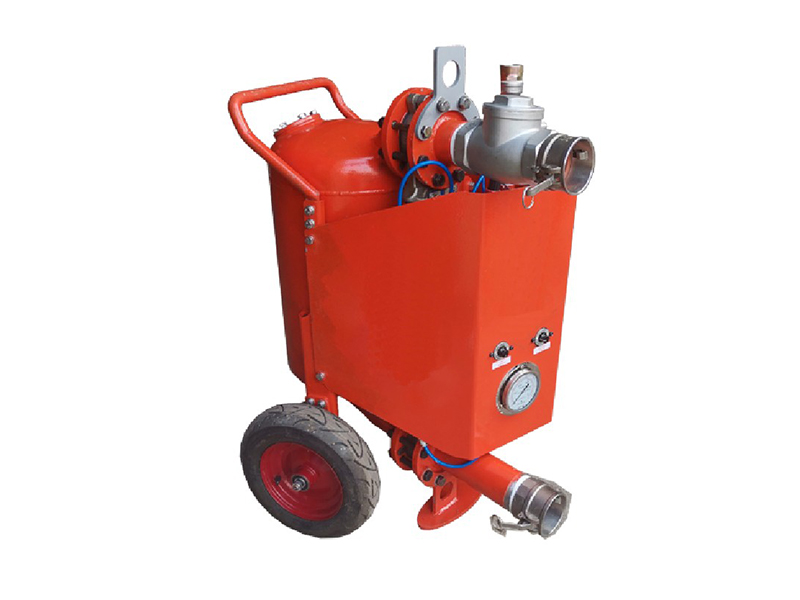
Sludge Vacuum Pump for Solids Control Transfer
Vacuum Transfer

Sludge Vacuum Pump for Solids Control Transfer

Pneumatically driven high-suction vacuum unit designed to convey high-viscosity polymer dregs, caustic residues, and hazardous tank bottoms.

View Specifications →
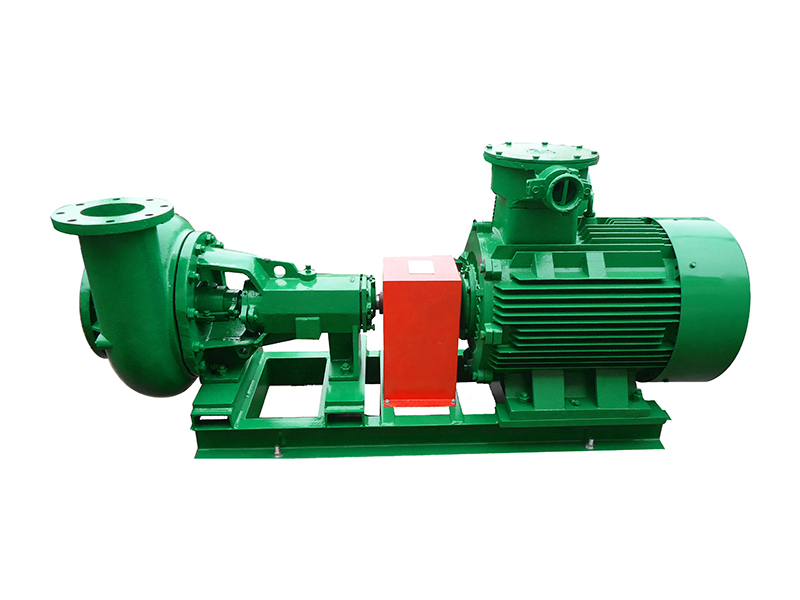
Centrifugal Pump for Drilling Solids Control System
Fluid Delivery

Centrifugal Pump for Drilling Solids Control System

Heavy concentric casing and durable impeller configuration delivering stable fluid pressure to desanding hydrocyclones without shear degradation.
View Specifications →
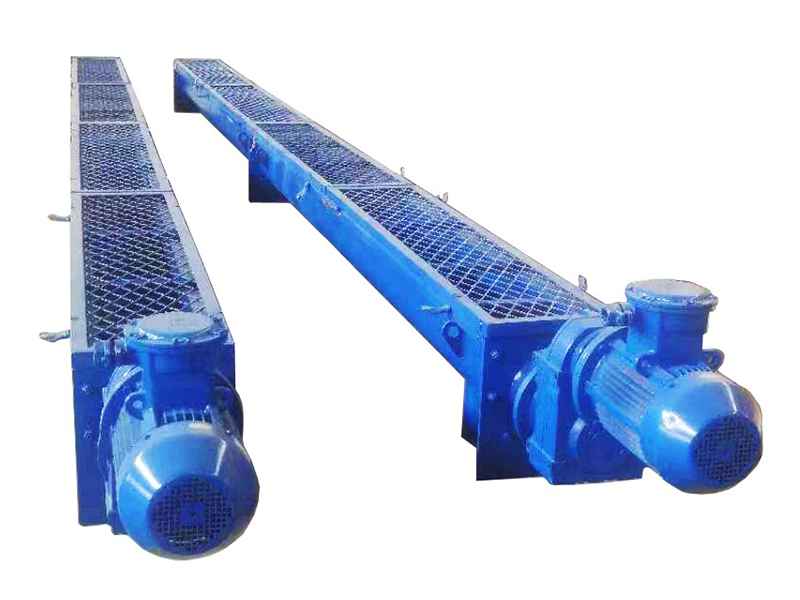
Screw Conveyor For Oil Drilling Solids Control System
Solid Cake Handling

Screw Conveyor For Oil Drilling Solids Control System

Enclosed auger conveying system transferring dewatered dry resin cakes and flocculated particulates securely without cleanroom airborne contamination.

View Specifications →
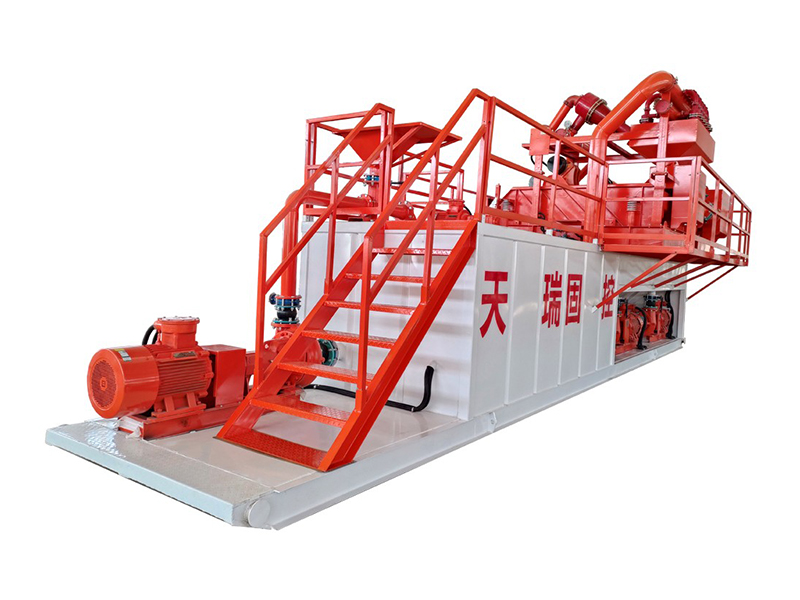
Modular PPF Fluid Recycling Platform
Modular Systems

Modular Fluid Recycling Platform for Industrial Lines

Skid-mounted plug-and-play architecture integrating tank agitation, hydrocyclonic classification, and automated waste transfer for large coating plants.

View Specifications →
Expert Engineering Q&A

Frequently Asked Questions: Solids Control in PPF Manufacturing

Q1: How does industrial solids control directly impact PPF optical haze?
Optical haze in thermoplastic polyurethane (TPU) films is caused by microscopic refractive index variations. Particulate contaminants, un-dispersed additives, and polymer micro-gels scatter light, raising haze percentage. Solids control removes agglomerates down to sub-micron scales and guarantees homogenous nanoparticle distribution, maintaining optical haze ≤ 0.5%.
Q2: Why is mud agitation critical for nano-ceramic and self-healing top-coats?
Self-healing formulations utilize delicate balances of polycaprolactone polyols, fluorinated crosslinkers, and nano-silica. Without continuous, low-shear, dead-zone-free mechanical agitation, heavy inorganic nanoparticles settle out while oligomers agglomerate, resulting in localized coating hardness disparities and loss of scratch-recovery capability.
Q3: How are volatile solvents managed safely in solids control equipment?
PPF coating processes frequently utilize volatile organic compounds (VOCs) such as ethyl acetate, MEK, and toluene. Our solids control systems incorporate ATEX/IECEx explosion-proof certified motors, nitrogen purge capabilities, fully enclosed screw conveyors, and pneumatic vacuum pumps to prevent vapor egress and eliminate ignition risks.
Q4: What cost payback can coating plants anticipate from closed-loop recycling?
By implementing closed-loop desanding, continuous dewatering, and vacuum transfer, film production facilities routinely recover over 85% of solvent cleaning washes and reduce web defect reject scrap by 75% to 90%, generating full capital payback typically within 8 to 14 months of commissioning.