Leave Your Message
-
Phone
-
E-mail
-
Whatsapp
-
WeChat

High G-force shale separation, precision auger conveyance, and advanced agitation systems optimized for deep lateral drilling across North American basins.
Navigating multi-mile lateral drilling, EPA closed-loop mandates, and high-frequency solids separation requirements across American unconventional shale basins.
The upstream oil and gas industry in the United States represents one of the most technologically aggressive, capital-intensive drilling arenas in the world. Dominated by unconventional shale plays such as the Permian Basin (Delaware and Midland basins in Texas and New Mexico), Eagle Ford, Bakken in North Dakota, Haynesville Gas Play, and the deepwater reservoirs of the Gulf of Mexico, US drilling operations are characterized by extended-reach horizontal laterals exceeding 10,000 to 15,000 feet. In these high-rate-of-penetration (ROP) horizontal sections, drilling rigs generate unprecedented volumes of drill cuttings over extremely tight operating windows. As a result, the demands placed on a Solids Control System for Oil Drilling serving the United States market go well beyond simple mud screening; they dictate drilling economics, rate of penetration, downhole tool longevity, and environmental license to operate.
Strict federal and state regulations—such as the EPA Clean Water Act, Texas Railroad Commission Statewide Rule 8, and New Mexico OCD regulations—strictly limit or prohibit open reserve pits. US operators are nearly 100% committed to "Closed-Loop Drilling Mud Systems" (pitless drilling). A modern solids control suite must recycle non-aqueous drilling fluids (NADF) and oil-based muds (OBM) while reducing moisture and dry cuttings volume for minimal landfill transport costs.
With US rig day-rates remaining elevated, non-productive time (NPT) caused by solids buildup, pump impeller cavitation, or blinded shaker screens is unacceptable. Drilling contractors require high-capacity, quick-screen-change shale shakers, rugged centrifugal feed pumps, and high-torque screw augers capable of moving sticky shale cuttings in sub-zero North Dakota blizzards or blistering 115°F West Texas summers without thermal shutdowns.
A premier Solids Control System tailored for North American exploration combines multi-stage mechanical separation designed to progressively remove drilled solids from coarse particles down to sub-micron colloidal particles without depleting valuable active barite and specialized fluid additives:
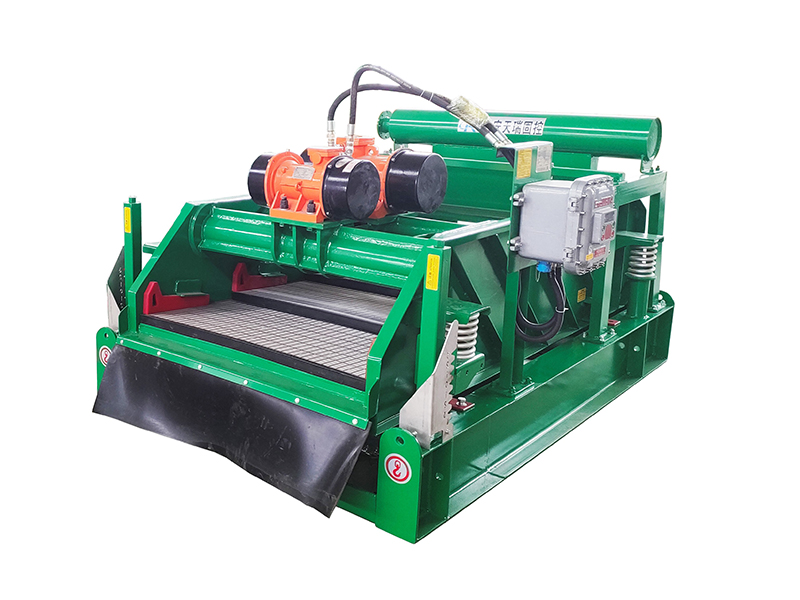
High G-force linear motion and balanced elliptical motion shale shakers with composite pre-tensioned screens (API RP 13C compliant) separate cuttings down to 74 microns (200 mesh) under massive slurry flow rates exceeding 1,200 GPM.
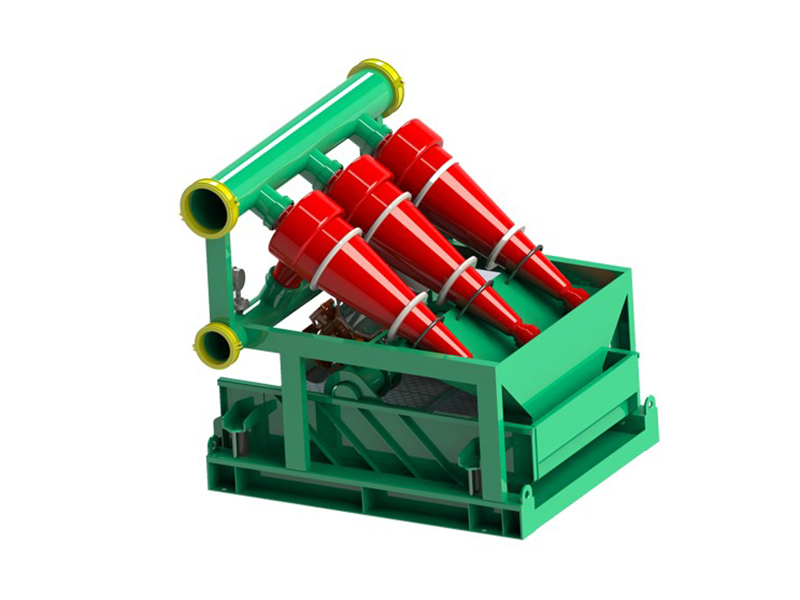
Polyurethane desander cones (10-12") targeting 45-74 micron particulates, followed by high-capacity 4-inch desilter manifolds removing 15-44 micron solids, protecting expensive mud motors, MWD/LWD tools, and triplex mud pumps from abrasive erosion.
Variable frequency drive (VFD) decanter centrifuges spinning at up to 3,500+ RPM generating 3,000+ Gs to extract ultra-fine colloidal solids (2-5 microns), returning purified liquid phase back to the active mud pits and concentrating dry cake.
From high-temperature deep gas wells to trenchless river crossings and cold-weather shale plays, solids control systems must be engineered for regional geology.
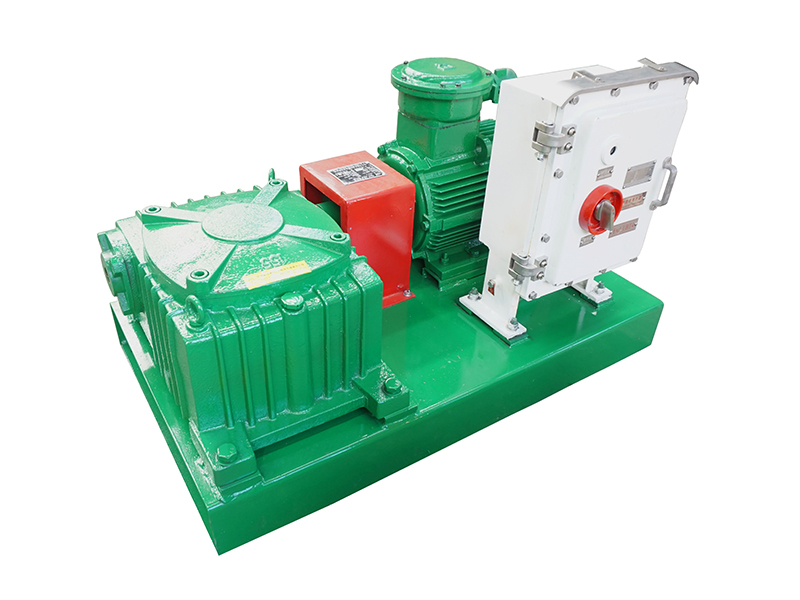
In the Permian Basin, operators run simultaneous multi-well pad drilling ("cube development") where drilling rigs operate in rapid batch succession. The formations feature abrasive sandstones, reactive shales, and salt strings that disperse rapidly into the mud. TR Solids Control systems are customized with heavy-duty mud agitators, heavy slurry screw conveyors, and vertical cuttings dryers to deliver dry cuttings compliant with strict BLM (Bureau of Land Management) lease rules while reclaiming expensive synthetic base oils.
Drilling in the Williston Basin requires freeze-proof solids control infrastructure capable of operating reliably at -30°F. Equipment is packaged with internal tank heating coils, explosion-proof electric motors (Class I, Division 1 / Division 2, UL/CSA standards), and thermal-insulated mud tank compartments to prevent freezing of water-based or synthetic drilling fluids during continuous winter drilling campaigns.
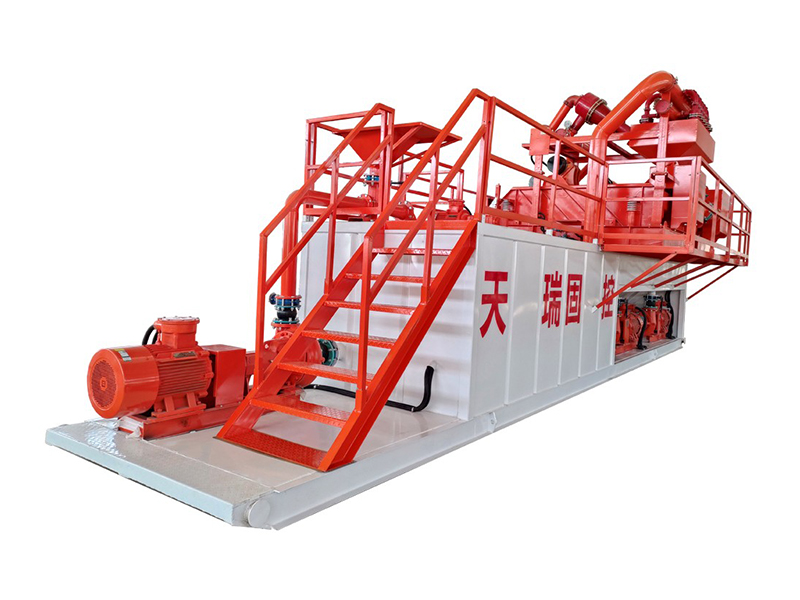
Offshore Gulf of Mexico and coastal shelf platforms demand compact skid footprints, high corrosion resistance (marine-grade sandblast with 3-coat epoxy polyurethane systems), and explosion-proof control consoles. Footprint minimization is critical: modular solids control systems integrating desanders, desilters, and underflow shale shakers on a single compact skid provide maximum treatment volume per square foot of deck space.
Beyond traditional oil and gas drilling, American infrastructure replacement projects (telecommunication conduit, natural gas pipeline crossings, municipal water pipelines) rely on Horizontal Directional Drilling (HDD) mud recycling units. Compact, trailer-mounted or containerized mud recycling systems enable trenchless contractors to recycle bentonite slurry on tight urban easements, reducing vac-truck disposal hauling costs by upwards of 70%.
The modern oilfield service contractor in North America operates under rigorous ESG (Environmental, Social, and Governance) scorecards. As operators push toward autonomous "Drilling Rig 4.0", solids control equipment is evolving from purely mechanical apparatus into intelligent processing centers:
Established in 2010, TR Solids Control is a professional manufacturer specializing in drilling fluid solids control equipment and integrated solutions. We are dedicated to the design, manufacture, sales and services of solids control systems, following strict quality standards and providing reliable products, professional support and fast response for global customers.
During the past years, together with our experienced engineering team and strong supply chain partners, we have supported drilling contractors, oilfield service companies and industry partners across Middle East, Africa, Russia, South America, Southeast Asia, and the rapidly growing United States market, delivering efficient solids control solutions for various drilling operations.
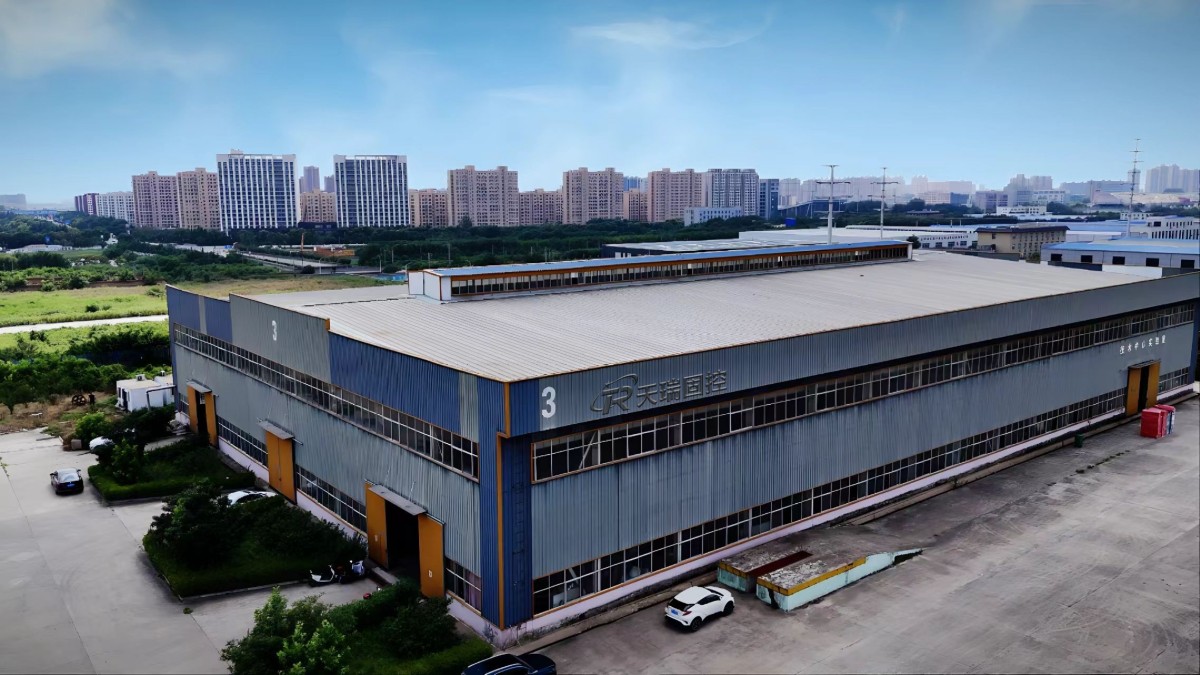
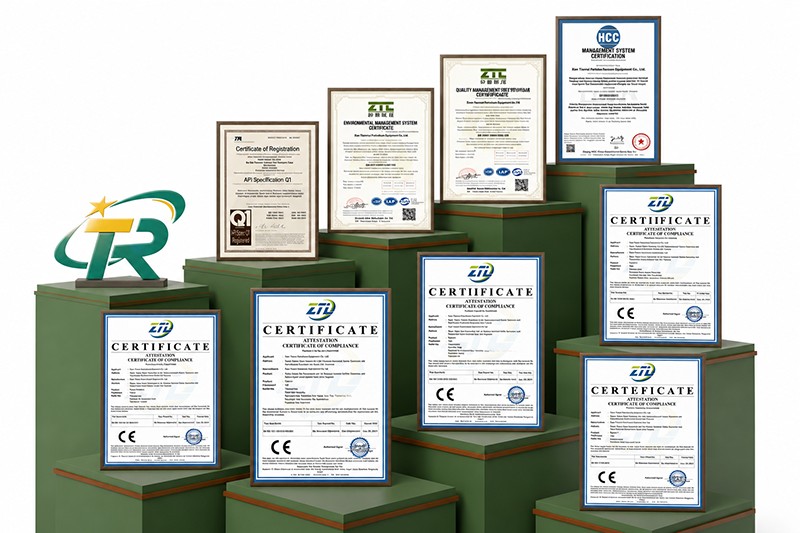
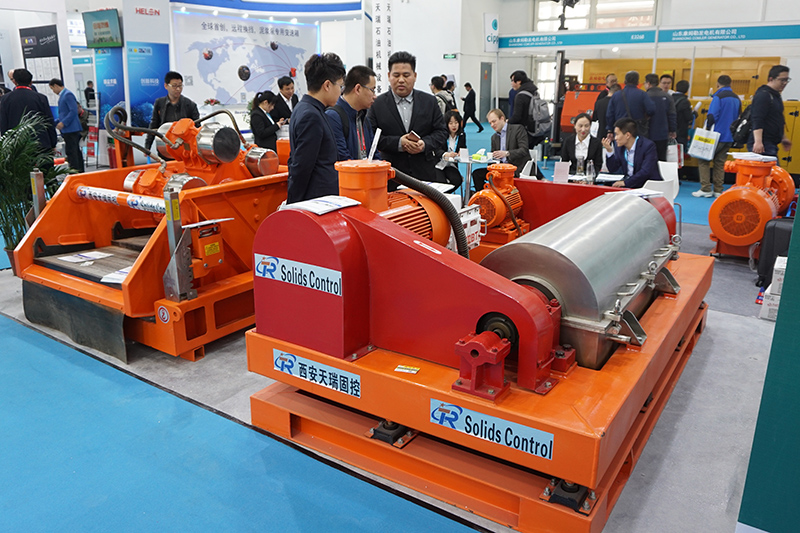
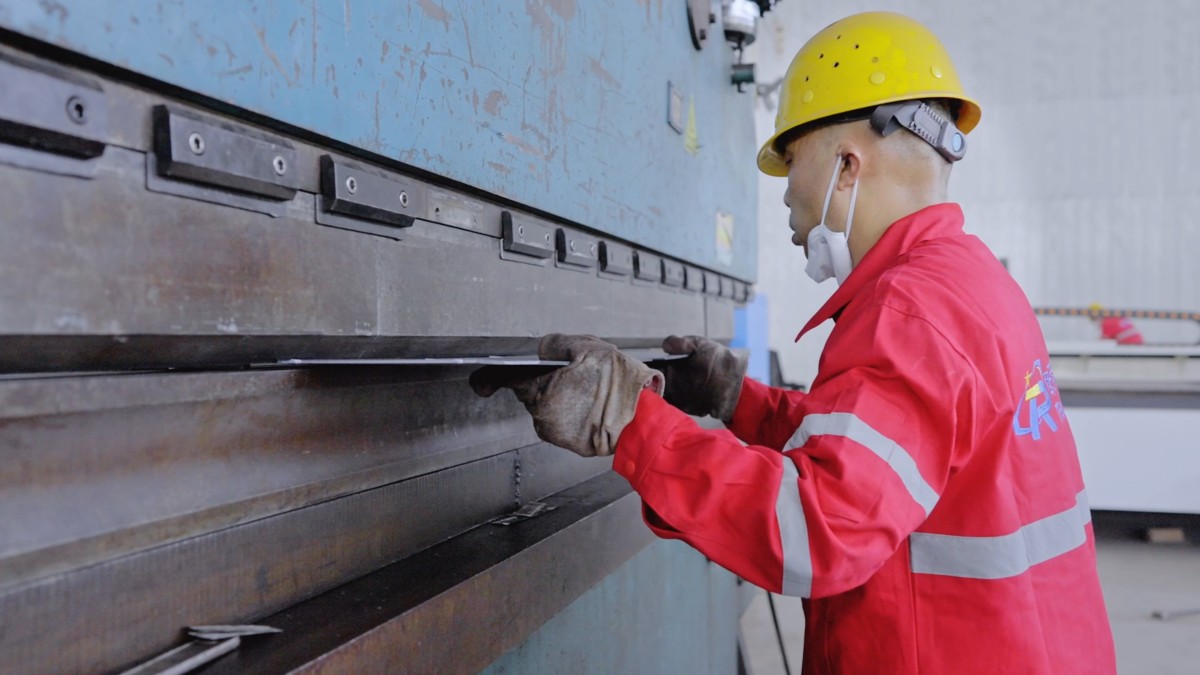
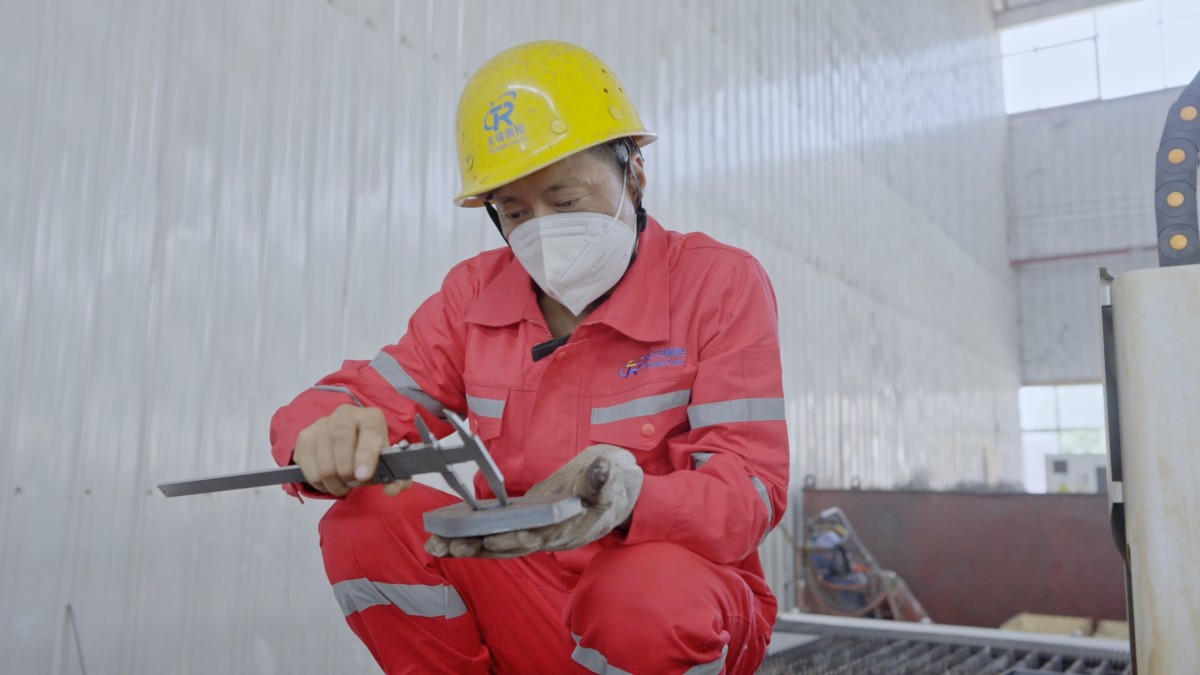
Modernized production parks, international quality certifications, and worldwide industry exhibitions supporting reliable solids control deployment.
Complete modular equipment designed to integrate seamlessly into Land Rigs, Walking Rigs, and Mobile Drilling Units across the American continent.
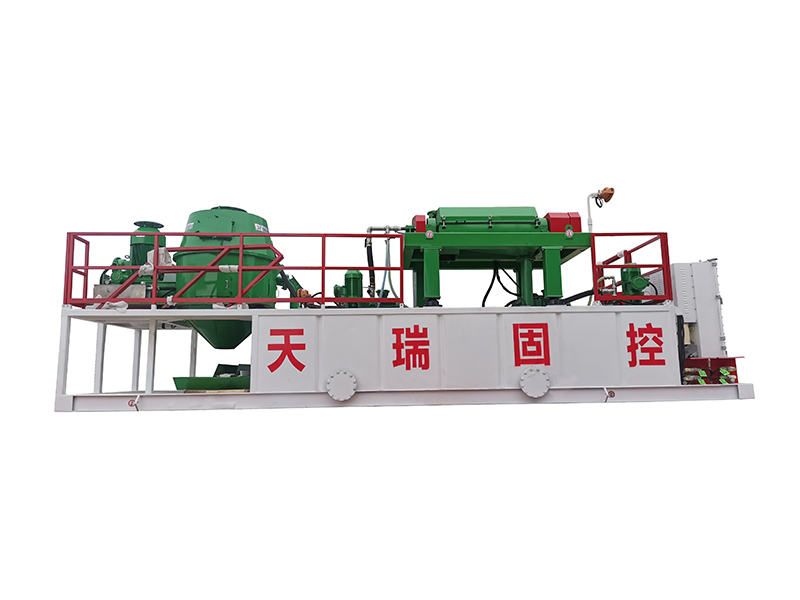
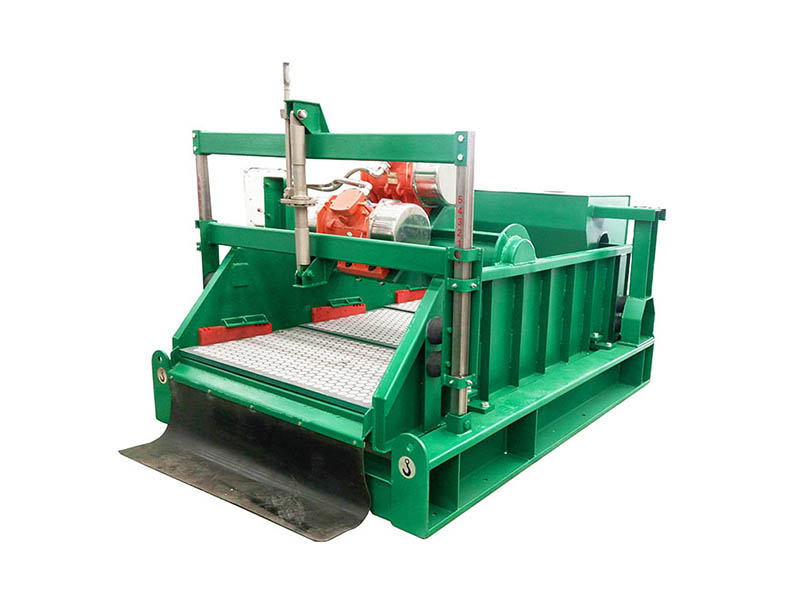
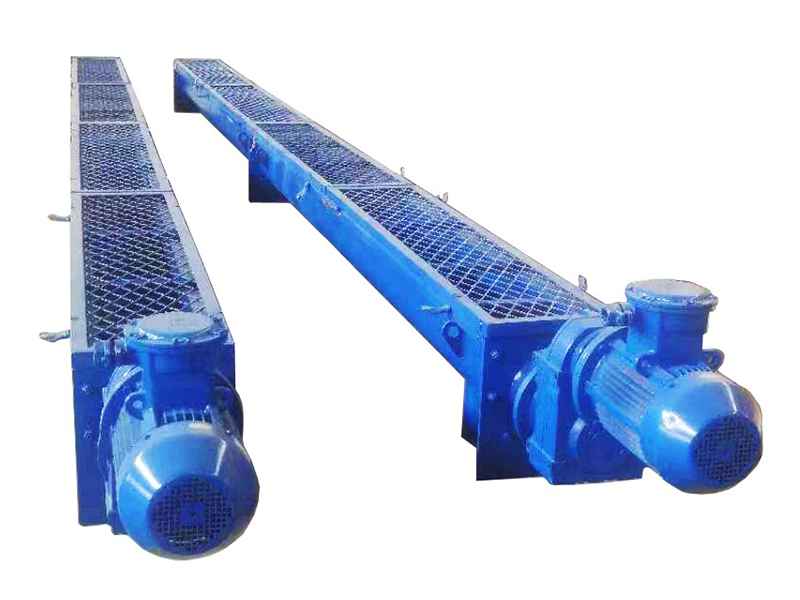
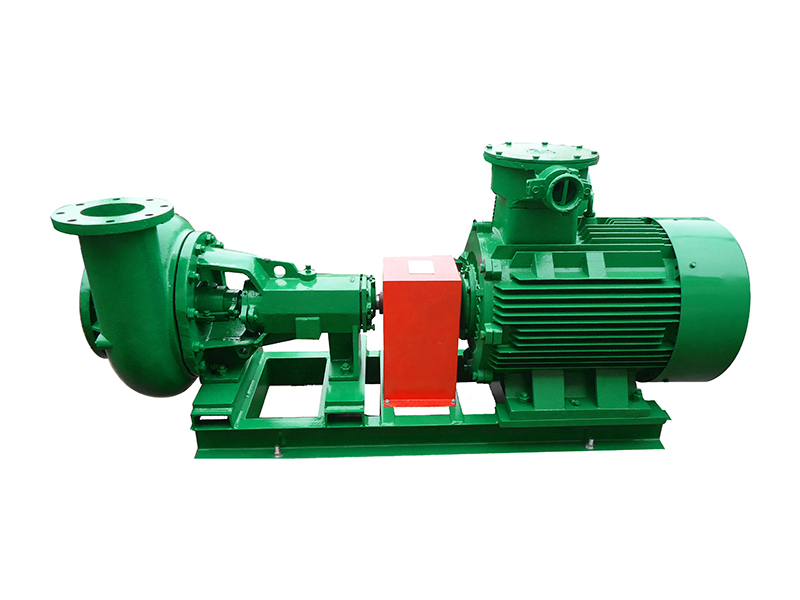
Engineering insights regarding equipment interchangeability, screen compliance, and closed-loop waste management.
All TR equipment is engineered according to standardized API oilfield dimensions and ANSI/NEMA electrical standards. Our modular skid footprints match standard North American transport trailer widths (102 inches or 8.5 feet), allowing road transport without expensive oversized escort permits across major US interstate highways (I-10, I-20, I-35, and I-94).
Yes. All linear and balanced elliptical shale shaker screens are manufactured and certified in rigorous accordance with API RP 13C standards. This guarantees uniform cut point designations (D100 separation), conductance ratings, and non-blanked area specifications, allowing interchangeability with major American composite screen frames.
By pairing high-G shale shakers, high-shear mud agitators, and continuous vertical cuttings dryers with high-speed decanter centrifuges, our integrated system captures and recovers up to 95% of active oil-based and synthetic-based muds. By reducing the liquid content on drill cuttings to below 5% OOC (Oil on Cuttings), trucking manifests and commercial disposal landfill tipping fees are cut by up to 60%, delivering rapid payback on capital equipment.