Leave Your Message
-
Phone
-
E-mail
-
Whatsapp
-
WeChat

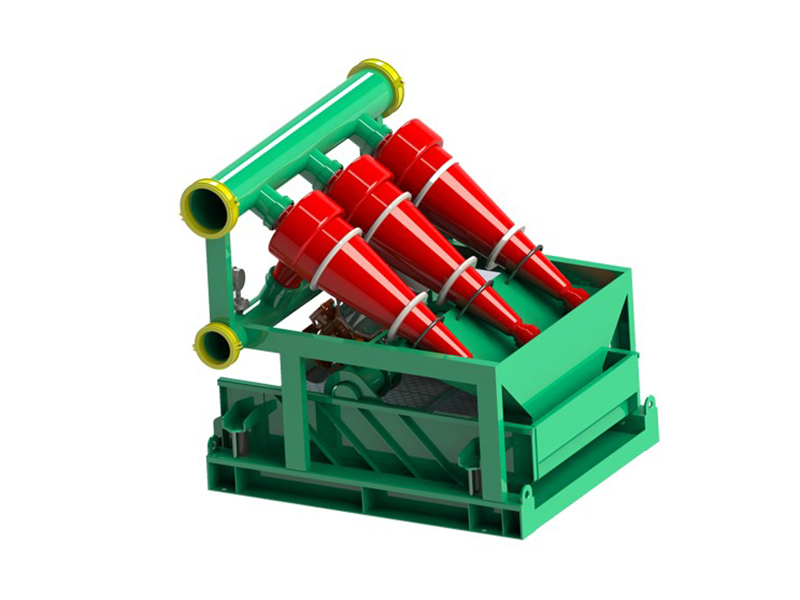
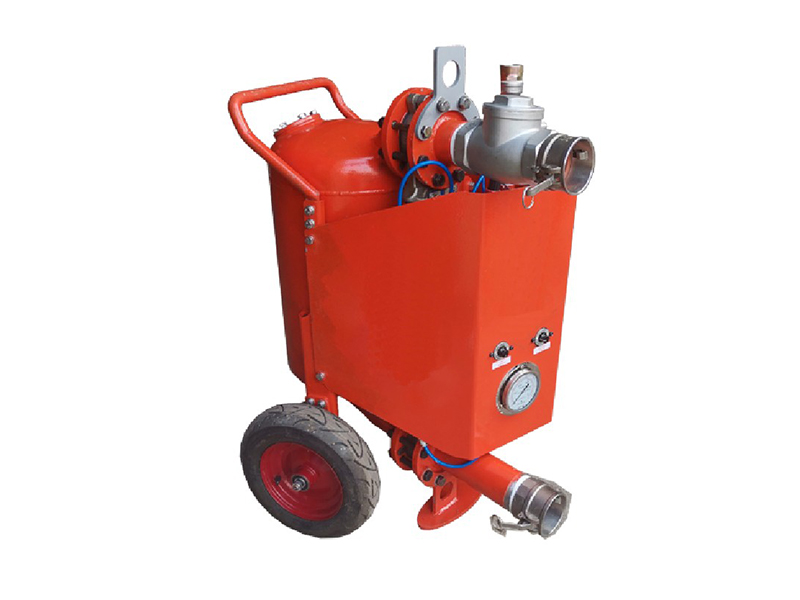
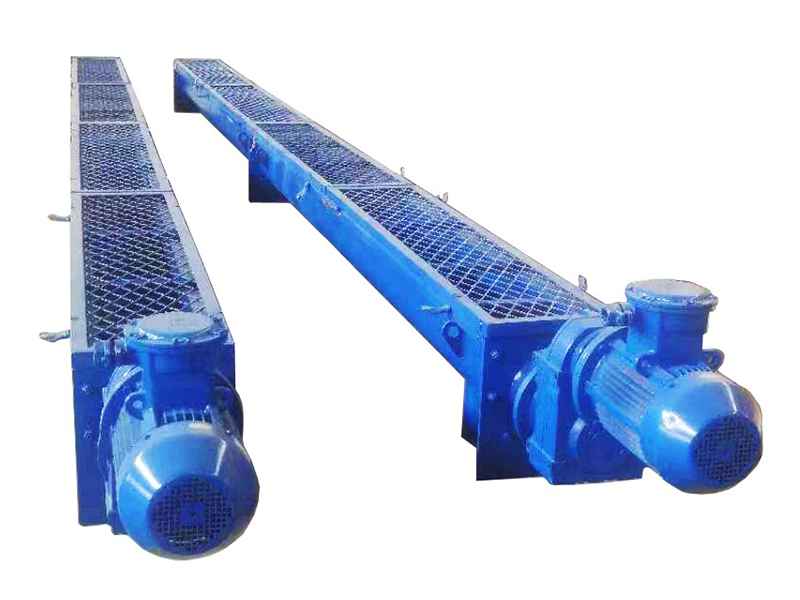
Instantly breaks surface tension of hydrophobic binders and hydrophilic hydrocolloid powders, eliminating "fish-eyes" and dry agglomerates before entering the primary tank.
Provides micro-turbulent shear field that disperses active pharmaceutical ingredients, antimicrobial silver ions, and tackifying resins evenly across tape substrates.
Replaces sluggish batch impeller tanks with an on-demand, inline recirculating process that increases compound throughput by up to 65% while reducing energy overhead.
The global wound care dressings, transdermal drug delivery patches, and medical fixation tape industries have experienced unprecedented transformation over the past decade. Modern medical pressure-sensitive adhesives (PSAs) must satisfy demanding clinical benchmarks: prolonged skin adhesion, painless, trauma-free peel mechanisms, biocompatibility without cytotoxicity or skin irritation, and dynamic moisture vapor transmission rates (MVTR). Whether formulated from polyacrylates, polyurethane hydrogels, silicone gel elastomers, synthetic block copolymers (SIS/SBS), or hot-melt formulations, these adhesives are intensely reliant on the rheological uniformity and micro-structural distribution of their constituent solid-liquid phases.
Traditionally, industrial production relied on standard batch reaction kettles, slow anchor-and-paddle mixers, or high-speed dispersion shafts. While adequate for low-demand industrial tapes, these conventional methods present catastrophic failure modes when applied to medical-grade adhesives:
To overcome these engineering obstacles, medical coating plants and adhesive converters are increasingly adapting solids control jet mixing technology—originally refined in continuous high-rate fluid processing—to the demanding requirements of medical adhesive dressing and surgical tape manufacturing.
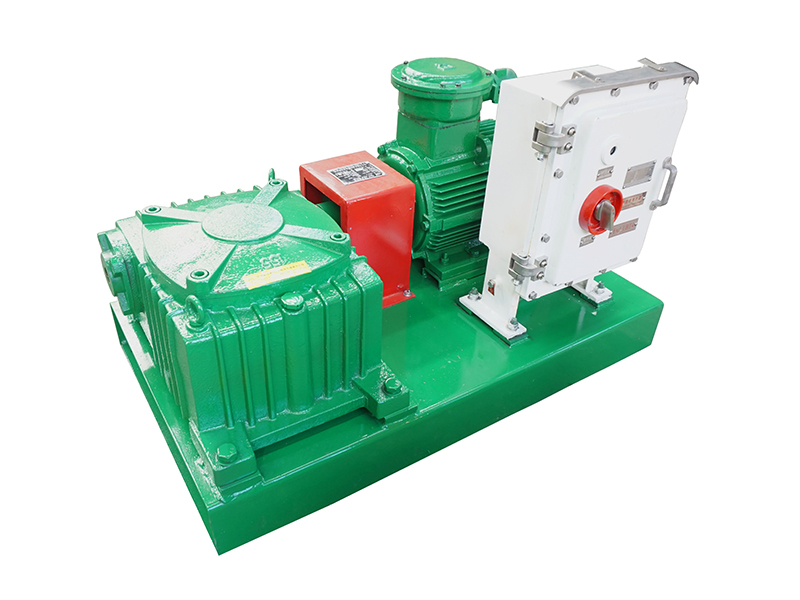
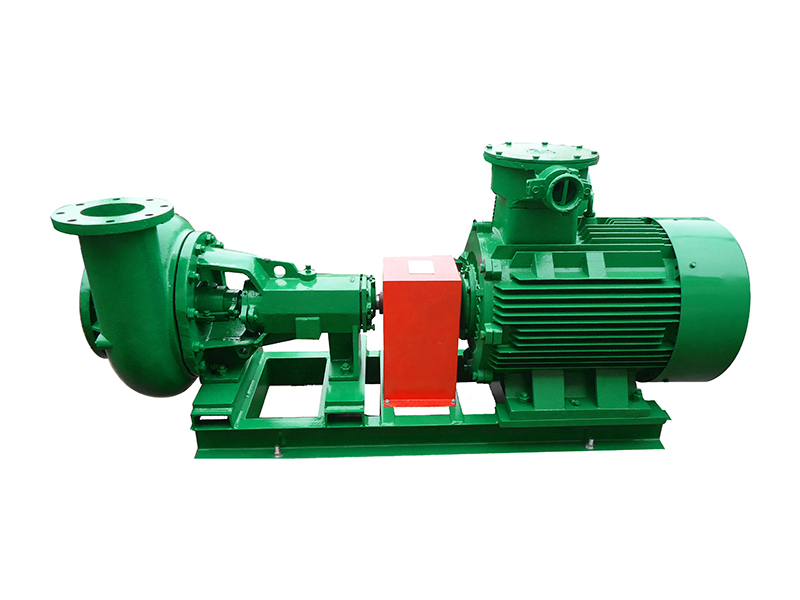
A Solids Control Jet Mixer operates upon a convergence of Bernoulli’s fluid dynamic principle and Venturi-effect depressurization. High-velocity motive fluid—whether an organic solvent slurry, an aqueous polymer solution, or a low-viscosity prepolymer—is propelled by an industrial centrifugal pump through a precision-machined convergence nozzle. As the motive fluid accelerates through the constricted orifice, its dynamic pressure surges while static pressure drops sharply below atmospheric equilibrium.
This localized low-pressure vacuum zone directly beneath the injection hopper suctions dry powders, micro-granules, functional minerals, and tackifiers into the turbulent liquid stream at controlled rates. Unlike traditional batch tanks where powders sit on top of a vortex and clump, the solids control jet mixer brings every single grain into instant contact with high-velocity shearing liquid at the throat point:
| Operational Metric | Solids Control Jet Mixer System | Traditional Batch Paddle / Cowles Impeller | High-Speed Rotor-Stator Homogenizer |
|---|---|---|---|
| Agglomerate Eradication | Near 100% elimination of fish-eyes via vacuum throat wetting | Frequent fish-eyes; demands long offline batch filtration | Effective, but prone to localized overheating & high wear |
| Powder Intake Rate | High speed continuous (Up to 150–400 kg/min continuous) | Slow, metered manual bag dumps to avoid surface capping | Moderate; limited by chamber throat throughput restrictions |
| Air Entrainment & Bubbles | Minimal when coupled with sealed pneumatic vacuum feeders | High vortex air induction, demanding extensive degassing cycles | Moderate air entrapment depending on seal arrangements |
| Thermal Profile Control | Uniform, short contact residence time prevents localized heat | High cumulative frictional heat buildup over prolonged runs | Extreme shear hotspots that can cleave synthetic polymers |
| CIP / Sanitary Cleanability | Straight-through design, minimal internal ledges, rapid flush | Complex internal baffles and shaft seals, hard to sanitize | Tight tolerances require complex disassembly for sterilization |
Hydrocolloid dressings represent the gold standard for exuding chronic wounds, pressure ulcers, and modern hydrocolloid blister and acne patches. Their core adhesive matrix consists of a synthetic rubber matrix (such as polyisobutylene or styrene-isoprene-styrene block copolymers) interwoven with hydrophilic colloidal components including sodium carboxymethylcellulose (CMC), gelatin, and pectin. These hydrocolloids absorb wound exudate and transform into a cohesive moist gel.
By introducing dry CMC and pectin powders via an engineered solids control jet mixer, manufacturing lines achieve instant hydration and homogenous micro-dispersion. Particle separation is locked in before the polymer begins to crosslink or swell, ensuring uncompromised fluid retention, consistent thickness during slot-die extrusions, and crystal-clear visual clarity without dry inclusions.
Woven, non-woven, and microporous surgical tapes often incorporate pharmaceutical-grade zinc oxide (ZnO) or bismuth subgallate to deliver soothing, mild antiseptic, and anti-inflammatory properties directly to compromised skin. Zinc oxide has high specific gravity (~5.6 g/cm³) and rapidly settles out of polymer binders if dynamic circulation is interrupted. Solids control jet mixers coupled with rugged centrifugal pump feeds preserve dynamic slurry suspension, preventing sediment blockages at the coating doctor blades and ensuring consistent antimicrobial efficacy across hundreds of thousands of linear meters.
Silicone soft-skin adhesives (SSA) and transdermal therapeutic systems require immaculate micro-structural integrity. In TDDS manufacturing, crystal active pharmaceutical ingredients (APIs), permeation enhancers, and tackifiers must be distributed uniformly down to microcrystalline scales without thermal degradation. Jet mixers provide controlled cavitation and high-shear kinetic fluid friction, solubilizing and wetting API carriers without exceeding critical temperature thresholds that would cause molecular decomposition.
The transition toward medical-grade eco-friendly, solvent-free adhesives and water-borne acrylate emulsions is forcing adhesive plants to upgrade powder-handling architectures. Solventless hot-melt and radiation-curable (UV/EB) formulas demand higher initial solids loading, often requiring 60% to 75% solid contents by weight. Attempting to introduce high-solids powders into dense polymer vehicles using low-energy mixers results in massive viscosity spikes and mechanical motor failure.
Solids control jet mixers resolve this issue through continuous hydraulic mixing energy. Because powder intake is driven by pressure differentials rather than mechanical impellers, the system effortlessly ingests dense mineral tackifiers, silicas, and synthetic clays into heavy slurries. Furthermore, as medical device factories align with Industry 4.0 paradigms, modern jet mixers are fitted with intelligent sensors monitoring pressure drop across the venturi throat, automated mass flow meters, and variable frequency drives (VFD) to auto-adjust slurry delivery in real-time, meeting stringent FDA 21 CFR Part 11 and ISO 13485 electronic batch record requirements.
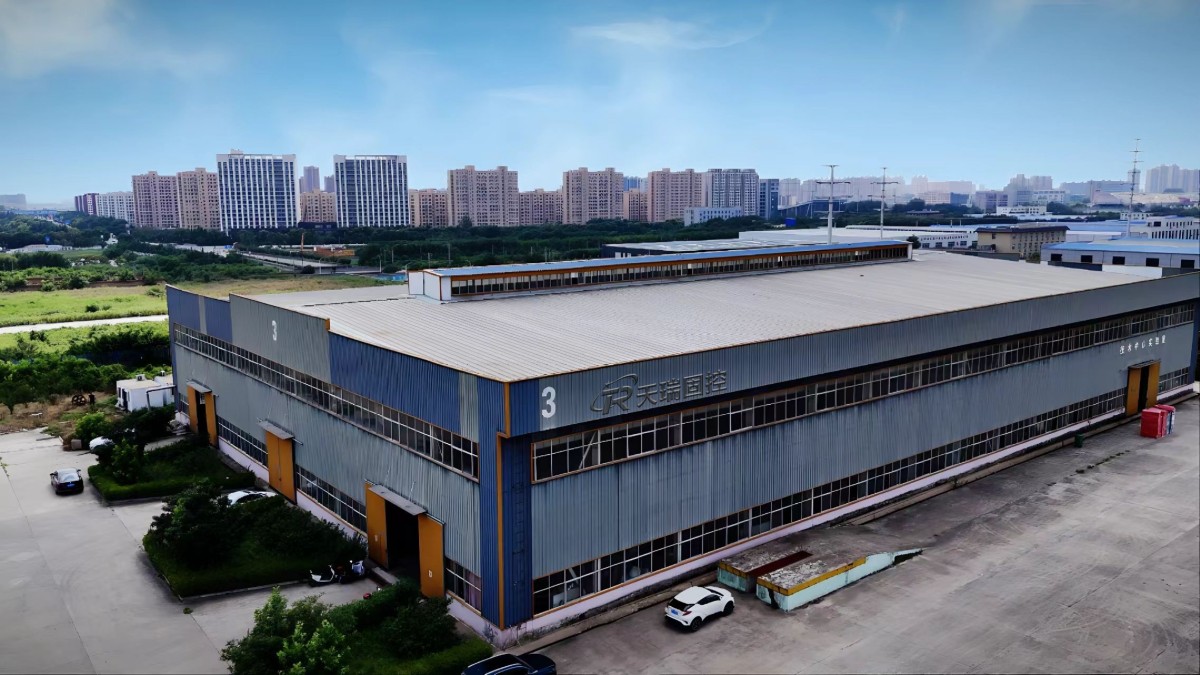
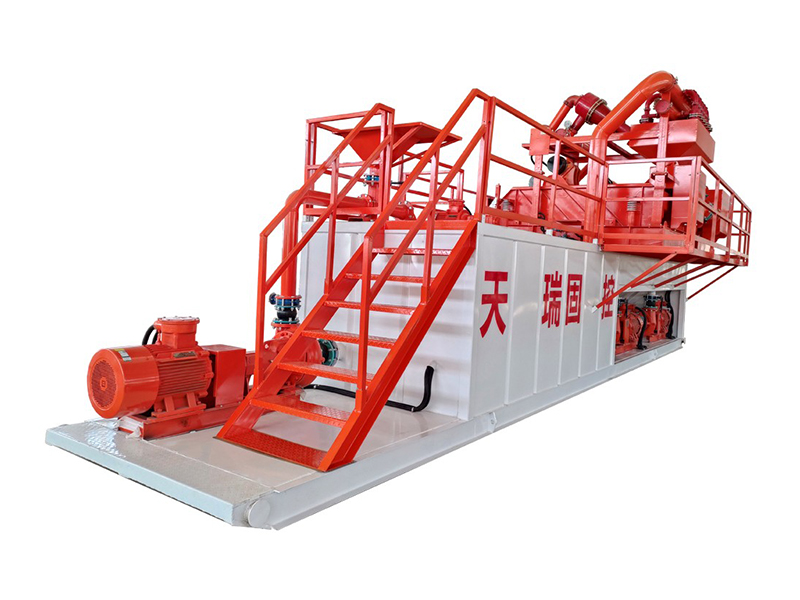
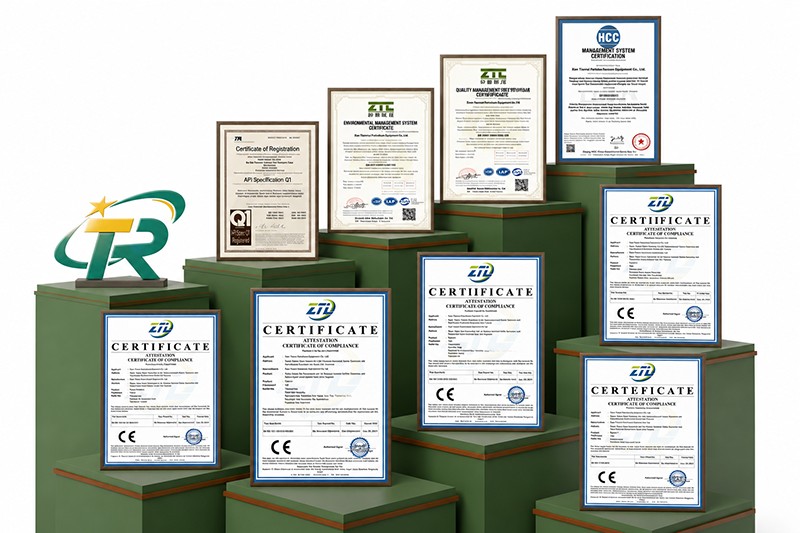
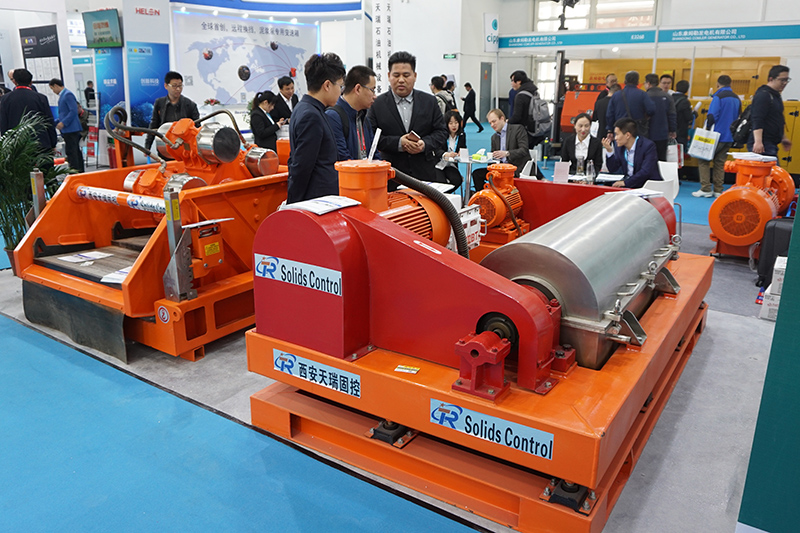
Established in 2010, TR Solids Control is a professional manufacturer specializing in fluid solids control equipment, continuous slurry preparation systems, and integrated process solutions. We are dedicated to the design, manufacture, sales, and comprehensive engineering services of high-performance solids control systems, adhering to strict international quality standards, and providing reliable equipment, turnkey engineering, and rapid global response.
Over past years, alongside our seasoned mechanical design teams and world-class industrial partners, we have supported drilling contractors, pharmaceutical intermediate processors, chemical processing facilities, and industrial tape/coating plants across the Middle East, Africa, Russia, South America, Southeast Asia, and North America.