Leave Your Message
-
Phone
-
E-mail
-
Whatsapp
-
WeChat

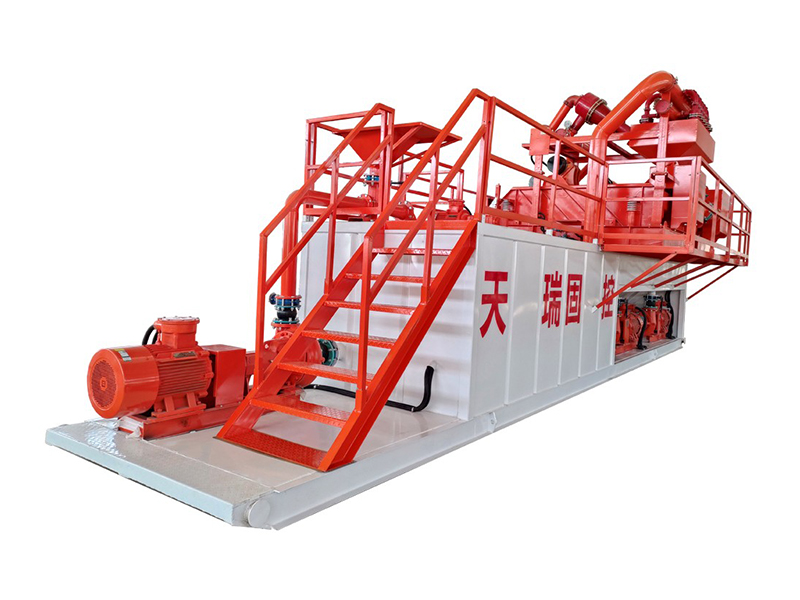
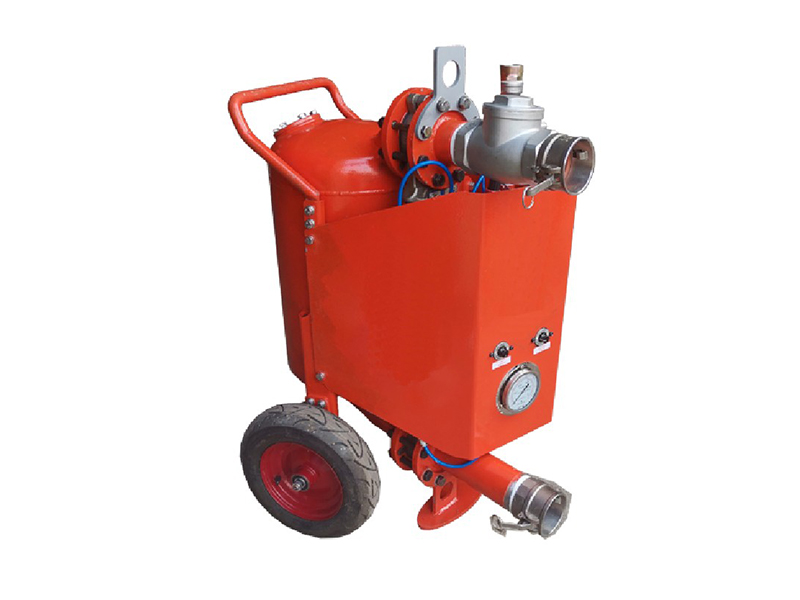
High-efficiency separation, fluid acceleration, positive conveyance, and homogeneous suspension units optimized for resinous composite slurries and chemical binders.
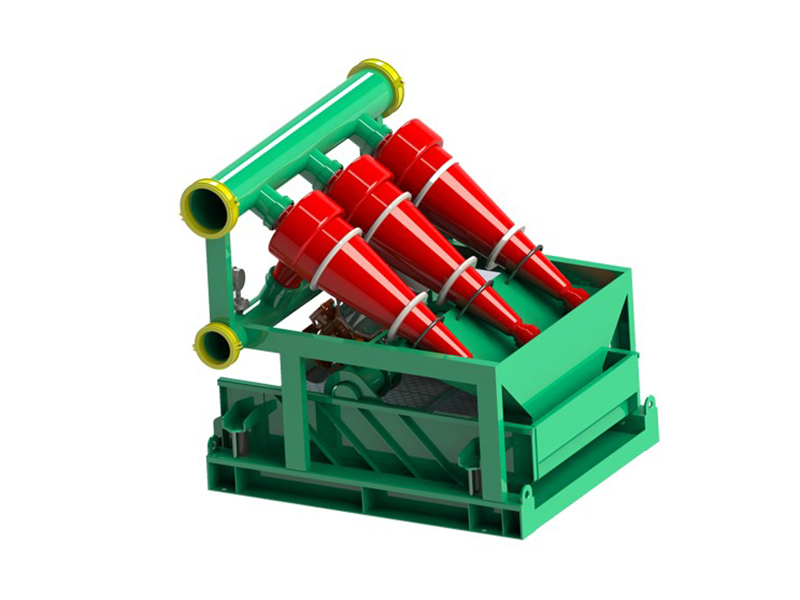
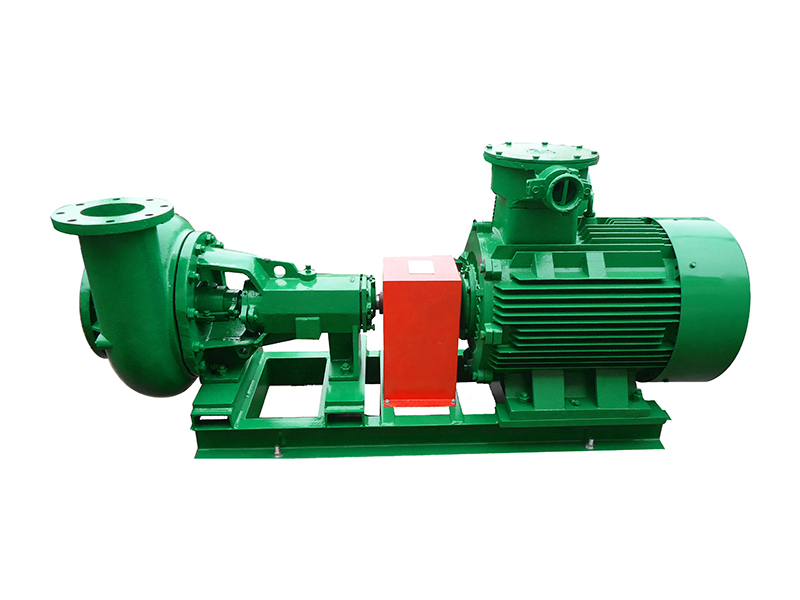
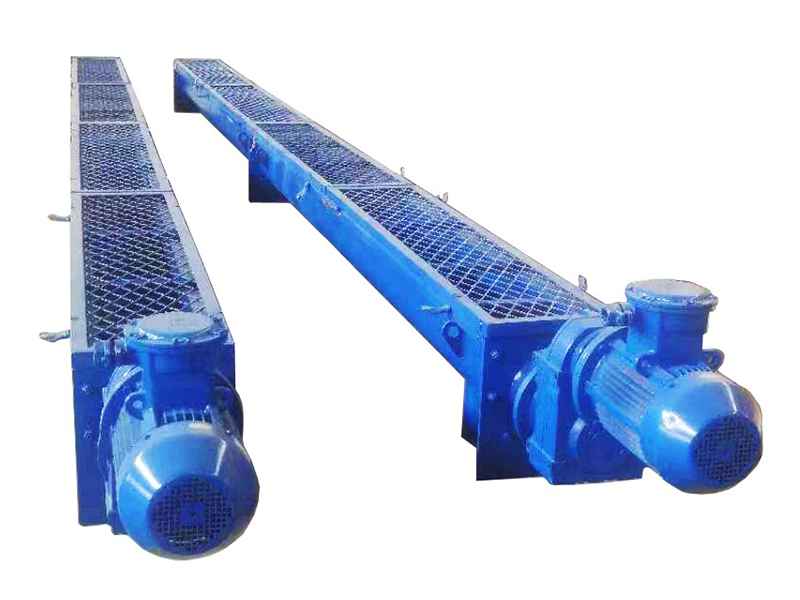
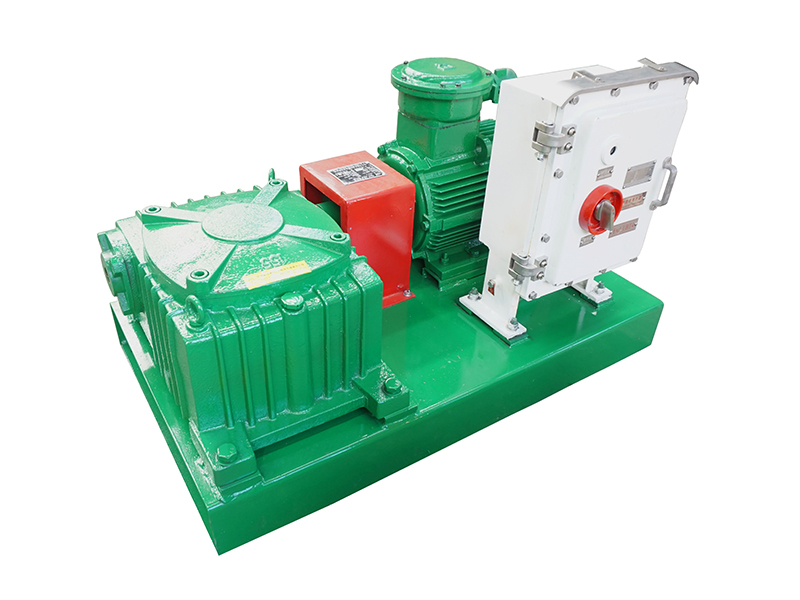
How precise phase separation and particulate classification define mechanical shear strength, thermal stability, and product yields in advanced polymer processing.
In the rapidly evolving landscape of advanced structural adhesives, prepreg composite fabrication, resin transfer molding (RTM), and polymeric matrix compounding, the management of suspended solid particles has transitioned from a basic waste-handling function to a core determinants of end-product structural integrity. Modern industrial adhesives—including two-part epoxy systems, structural polyurethanes, cyanoacrylates, and methacrylate binders—rely on precisely engineered filler distributions such as fumed silica, carbon nanotubes, calcium carbonate, and micro-alumina. Uncontrolled particulate aggregation, particulate contamination, or inconsistent solid-liquid phase ratios lead directly to void formation, bond interface micro-cracking, and premature adhesive failure in aerospace, automotive, and wind energy applications.
Solids control systems tailored for industrial adhesive and composite processing serve a two-fold engineering purpose: first, the fine separation and extraction of non-conforming macro-particulates and unreacted solid aggregates from virgin polymer blends; and second, the efficient recovery, recycling, and rheological conditioning of high-cost chemical carrier fluids, solvents, and composite process slurries. As global environmental regulations tighten around volatile organic compound (VOC) emissions and hazardous polymer sludge disposal, closed-loop solids control platforms provide chemical processing plants with a zero-liquid discharge (ZLD) pathway that lowers raw material costs by up to 35% while ensuring exact consistency in shear-thinning thixotropic formulations.
Achieving sub-micron to 45-micron cut points ensures micro-fillers remain homogenously dispersed while eliminating oversized debris that introduces stress concentration points in bonded composite joints.
Composite slurries exhibit complex non-Newtonian, shear-thinning behaviors. Specially designed low-shear pumping and dynamic agitation protect polymer chain lengths from thermal and mechanical degradation.
Continuous recovery of unreacted resins, wash solvents, and ceramic carriers cuts hazardous waste production and enables continuous production runs without frequent autoclave and mixer cleanouts.
Examining critical processing stages where precision solids separation and slurry management enhance manufacturing repeatability.
During pre-impregnated fiber manufacturing, the resin bath must maintain absolute consistency in micro-silica and flame-retardant filler distribution. Hydrocyclonic desanders and ultra-fine shakers eliminate fiber shards and polymer crumbs that otherwise cause dry spots and delamination in autoclave-cured aerospace panels.
High-performance adhesives require exact inorganic filler loading (e.g., precipitated calcium carbonate and wollastonite). Mud agitators and centrifugal blending pumps eliminate dead zones inside large blending reactors, preventing stratification and ensuring uniform curing kinetics across all production batches.
In solvent-based polymer synthesis and reactor flush cycles, vacuum transfer pumps and high-G separation systems extract viscous polymeric sludge without air entrapment, recovering up to 92% of organic solvents and minimizing volatile waste streams.
RTM processes demand resin matrices free of suspended micro-gels and unreacted catalytic lumps. Fine-tuned multi-cone solids control systems filter recirculated resin lines, eliminating mold-gate clogging and preventing surface blemishes on Class-A composite vehicle bodies.
High-temperature silicon carbide and alumina slurries used in CMC infiltration require tight control over solid-to-liquid weight fractions. Closed-loop recycling preserves optimal slurry fluidity for deep infiltration through complex 3D-woven fiber preforms.
Reclaiming carbon fibers from decommissioned wind turbine blades and aircraft panels generates heavily laden slurries. Advanced solids control equipment rapidly extracts fiber fractions from wet chemical recovery liquors.
Overcoming the physical and rheological challenges inherent in industrial polymer suspensions through customized separation mechanics.
Separating solids from industrial adhesives and composite binders fundamentally differs from conventional drilling mud or municipal water processing due to the complex non-Newtonian, thixotropic, and dilatant properties of polymer matrices. Standard separation methods fail when applied to high-viscosity resins because shear heating can trigger premature cross-linking and polymerization inside the equipment.
| Processing Parameter | Standard Drilling Mud Control | Industrial Adhesive & Composite Systems | Engineering Solution Applied |
|---|---|---|---|
| Fluid Rheology | Bingham Plastic / Dilute Herschel-Bulkley | Highly Thixotropic, Viscoelastic Resins (1,000–50,000+ cP) | Low-Shear Impellers & Variable Frequency Drives (VFD) |
| Solid Filler Hardness | Variable Sand / Barite (Mohs 3–6) | Abrasive Alumina, Silica, Carbon Fiber (Mohs 7–9) | Tungsten Carbide & High-Chrome Hardfacing Liners |
| Temperature Sensitivity | Wide Ambient Tolerance (0°C–80°C) | Strict Thermal Thresholds (<45°C to avoid curing) | Cooling Jackets & Friction-Minimized Hydrocyclone Cones |
| Entrained Micro-Bubbles | Secondary Concern | Critical: Induces Cavitation & Bond Line Voids | Integrated Sludge Vacuum Degassing & Transfer Pumps |
| Enclosure Standard | Open Atmospheric Tanks Permitted | Fully Enclosed / Vapor-Sealed against VOC Release | Vapor-Tight Screw Conveyors & Sealed Agitation Tanks |
By implementing calibrated centrifugal hydrocyclone acceleration, engineered solids control systems generate relative centrifugal forces (RCF) capable of overcoming resin viscous drag forces (as dictated by modified Stokes' Law for non-Newtonian media). This enables fine classification down to 15–20 microns without requiring excessive solvent dilution that would otherwise destabilize the resin's chemical formulation.
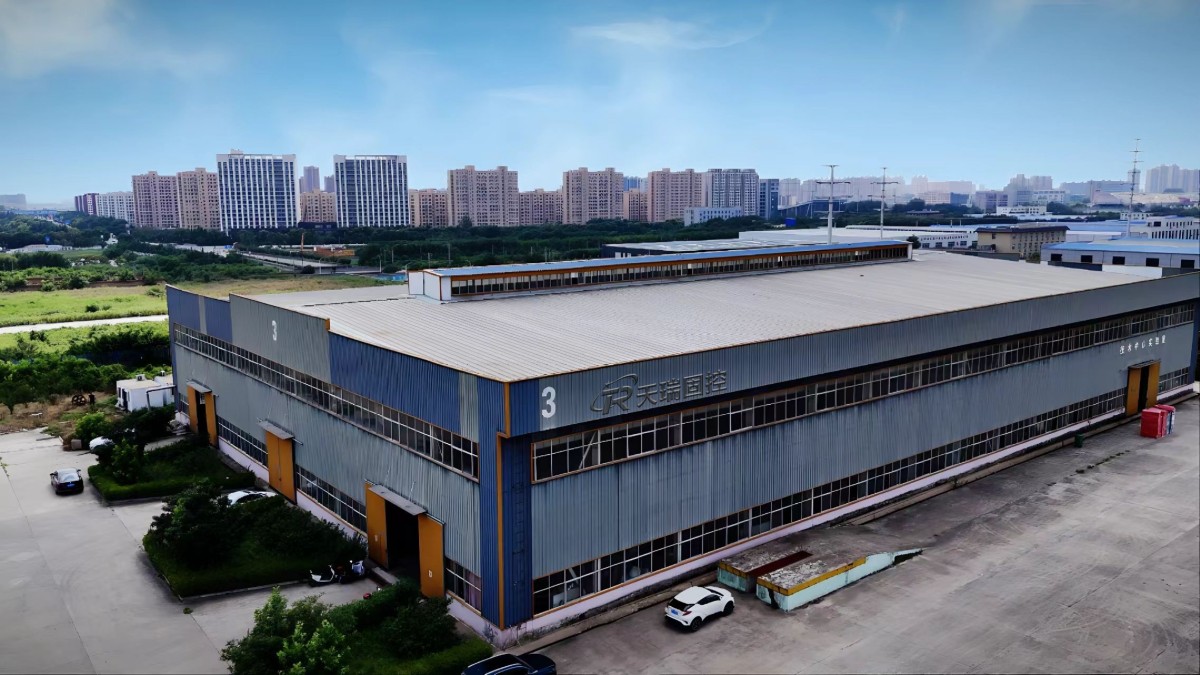
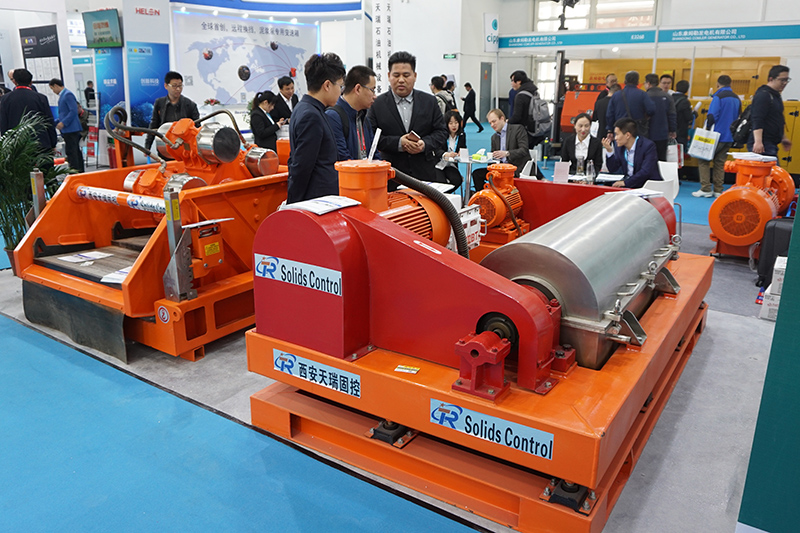
Established in 2010, TR Solids Control is a professional manufacturer specializing in drilling fluid solids control equipment and integrated solutions. We are dedicated to the design, manufacture, sales and services of solids control systems, following strict quality standards and providing reliable products, professional support and fast response for global customers.
During the past years, together with our experienced engineering team and strong supply chain partners, we have supported drilling contractors, oilfield service companies and industry partners across Middle East, Africa, Russia, South America, Southeast Asia and other regions, delivering efficient solids control solutions for various drilling operations.
Building upon our deep expertise in harsh fluid dynamics and high-solids separation, our engineering division has extended these high-performance technologies to the industrial adhesive, composite matrix recycling, tunneling, and chemical slurry processing sectors worldwide.
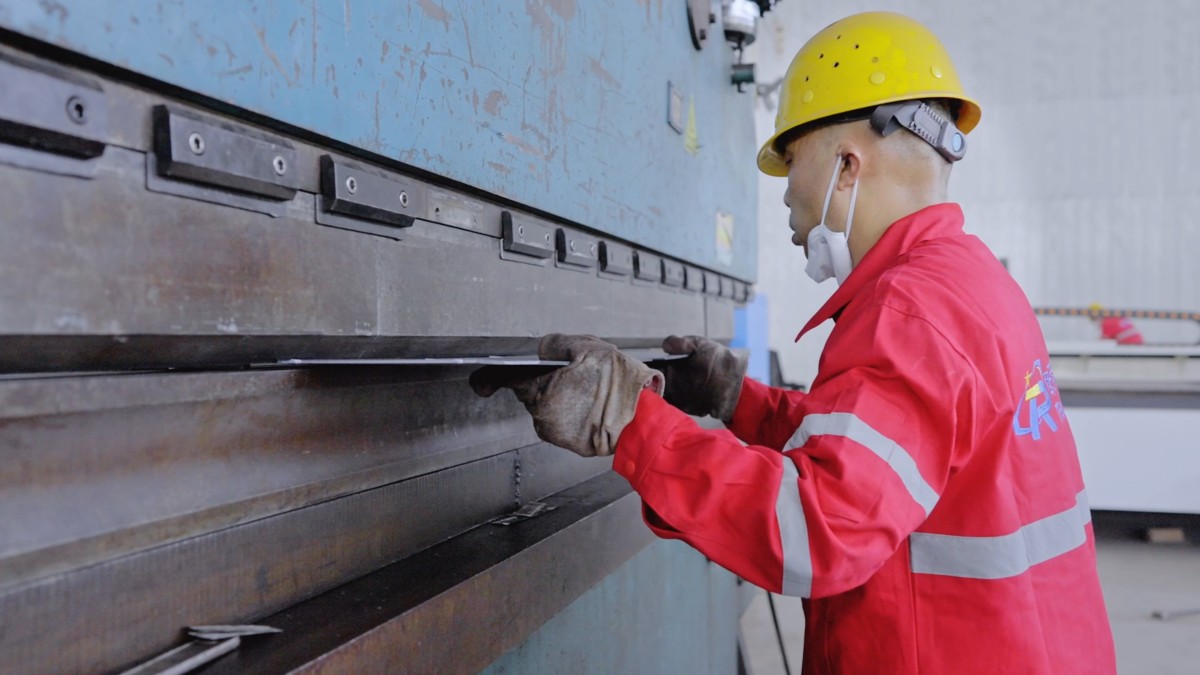
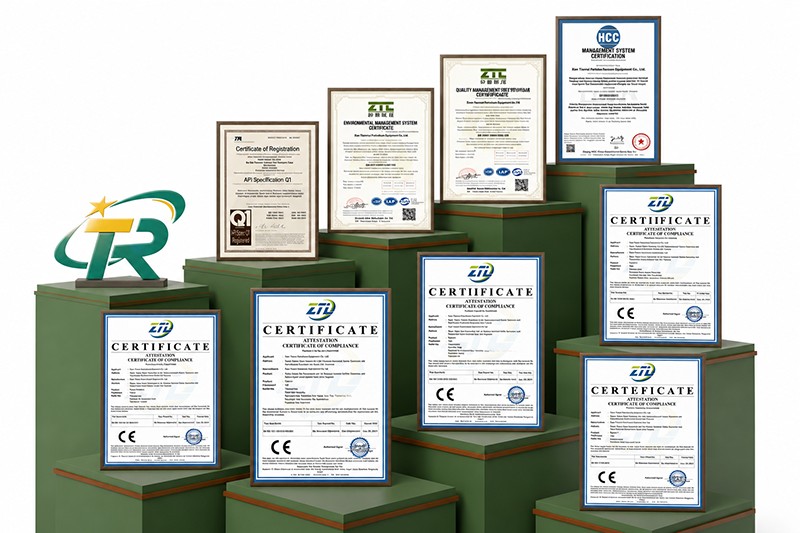
Certified manufacturing infrastructure, stringent quality compliance, and international industry presence.

The convergence of real-time rheological sensing, AI-driven automation, and modular zero-emission processing skids.
Modern composite resin synthesis facilities are shifting toward intelligent separation units equipped with integrated pressure transducers, laser particle-size counters, and acoustic viscosity meters. These Industry 4.0 sensor arrays feed continuous data into adaptive algorithmic controllers that dynamically adjust hydrocyclone apex orifices, impeller rotational velocities, and vibration frequencies on shale shakers in real time.
This automated closed loop prevents slurry blinding, mitigates premature mesh fouling during high-tack resin processing, and predicts maintenance requirements before pump seals or cyclone cones experience erosive failure.
With the global aerospace and automotive composite market adopting rigorous life-cycle assessment (LCA) criteria, waste resin disposal is subject to substantial environmental levies. Advanced solids control recycling circuits allow chemical formulators to reclaim up to 98% of clean solvent washes and re-introduce fine mineral fillers directly into virgin production batches.
By eliminating landfill-bound solid polymer cakes and cutting virgin raw filler procurement costs, manufacturing facilities achieve both ISO 14001 environmental targets and substantial operational bottom-line savings.
Explore our comprehensive portfolio of heavy-duty desanders, pumps, conveyors, agitators, vacuum transfer systems, and closed-loop recycling skids.