Leave Your Message
-
Phone
-
E-mail
-
Whatsapp
-
WeChat

Engineered to eliminate abrasive fines, polymer edge dust, and liquid-jet slurry, ensuring defect-free converting throughput at speeds exceeding 1,000 m/min.
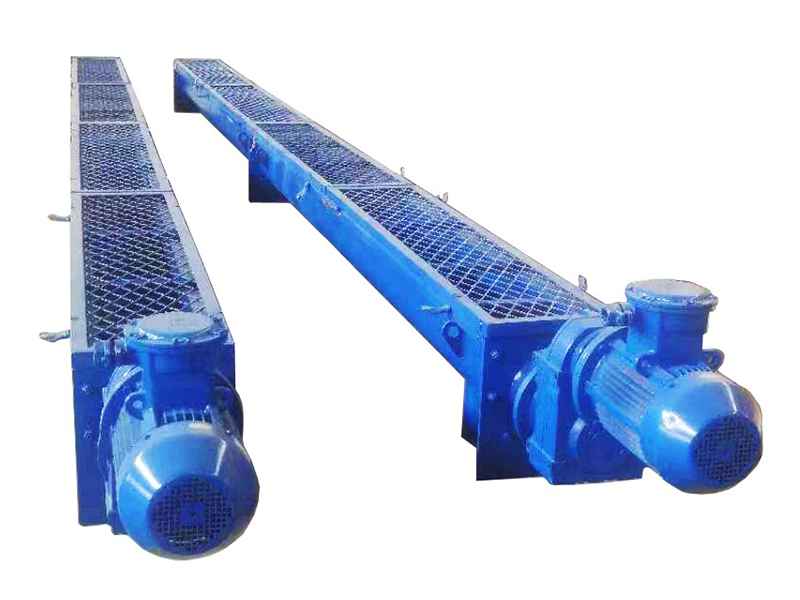
Continuous mechanical transfer of dense polymer trims, water-jet slitter sludge, and dewatered cake without clogging.
Explore System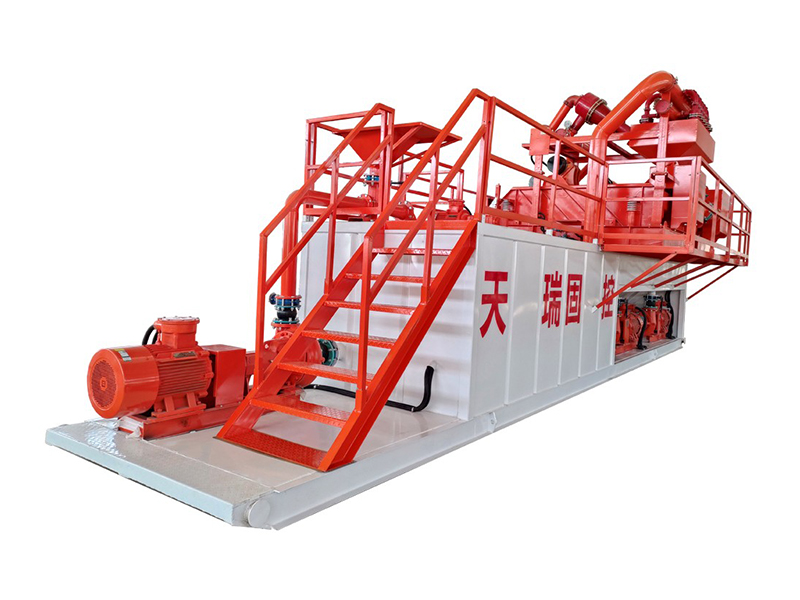
Multi-stage desanding and fine particle filtration for water-jet slitter effluent and chilled roller wash fluids.
Explore System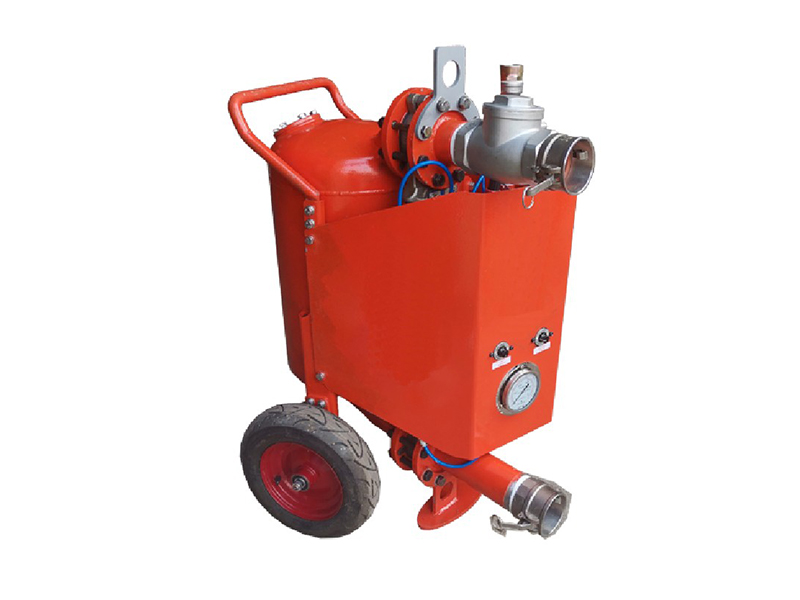
High-suction pneumatic transfer unit handling high-solid slurries, adhesive washings, and viscous polymer sediments.
Explore System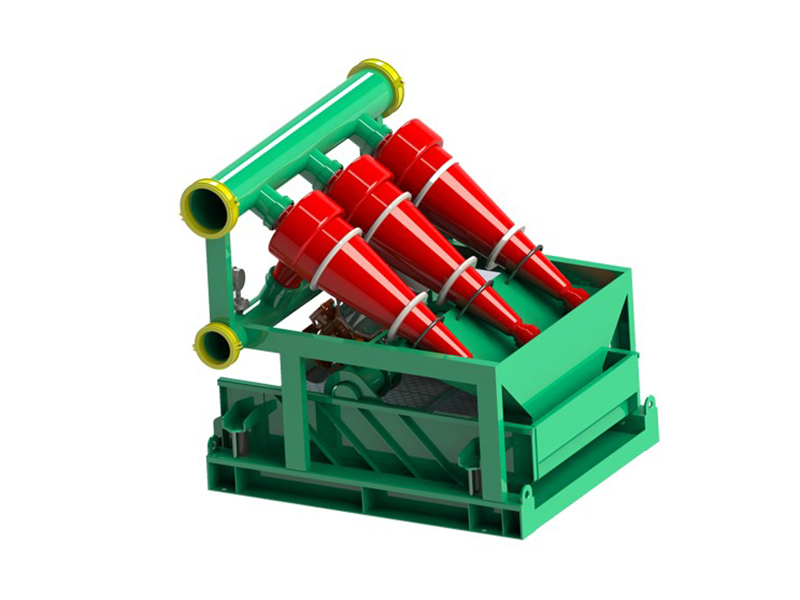
Removes abrasive mineral fillers (TiO2, CaCO3, Silica) and micro-particulates down to 20 microns from process water.
Explore SystemIn modern high-speed flexible packaging manufacturing, slitting and rewinding represent the critical final converting phase where parent rolls of polymeric films (BOPP, PET, PE, CPP), aluminum barrier foils, and complex multi-layer laminates are converted into finished commercial widths. As modern slitter rewinders accelerate to operational velocities between 800 and 1,500 meters per minute, the physics of mechanical shear, razor slicing, and liquid-assisted trim cutting generate substantial quantities of abrasive micro-debris, polymer dust, barrier slurry residues, and airborne particulates.
Without an engineered solids control infrastructure, these particulate solid contaminants recirculate throughout the plant floor, adhere to static-charged film webs via electrostatic attraction, contaminate cooling baths and water-jet slicing loops, and degrade the optical, barrier, and sealing performance of flexible food and medical packaging webs. Implementing closed-loop solids control systems—traditionally perfected in high-demand oilfield and mining separation—provides the converting industry with unprecedented hydrodynamic separation, sludge dewatering, and continuous process fluid purification.
Technical Reality: Modern multi-layer barrier films heavily utilize inorganic fillers such as Titanium Dioxide (TiO2), Calcium Carbonate (CaCO3), and silicon oxide barrier coatings. When slit at high line speeds, micro-fracturing yields sub-micron abrasive solids that erode slitter knives, contaminate rewound rolls, and destabilize chilled wash water circuits if not separated at the source.
High-speed slitting produces polymer ribbons and fine trim curls. Our integrated screw conveyors and pneumatic sludge vacuum pumps extract waste trims, preventing thermal agglomeration and airborne contamination in cleanroom converting environments.
Multi-cone hydrocyclone desanders isolate dense mineral coatings, slip additives, and degraded polymer micro-particulates down to 15–45 microns from slitter cooling circuits, preventing roll scratching and telescopic winding defects.
Combining heavy-duty centrifugal feed pumps and continuous mud agitators ensures homogenized suspension of washing fluids, enabling 98% water recovery, reduced VOC emissions, and compliance with rigorous global ESG mandates.
Achieving defect-free slitting and rewinding requires a comprehensive understanding of physical particle dynamics within converting fluid loops. During the slitting of metallized films (Met-PET, Met-OPP) and aluminum foil laminates, friction generates aluminum flitter and micro-shavings that conduct electrical current and trigger pinholes in barrier packaging. A systematic solids control circuit operates across four synchronized stages:
| Separation Stage | Target Solid Contaminant | Primary Solids Control Equipment | Separation Cut-Point | Process Benefit in Slitting/Rewinding |
|---|---|---|---|---|
| Primary Scalping | Edge trim strips, polymer splinters, matrix ribbons | Shafted & Shaftless Screw Conveyors | > 500 µm (Macro) | Prevents winding nip jams and pneumatic blower clogging |
| Secondary Hydrodynamic | Abrasive TiO2, CaCO3 fillers, water-jet grit | Centrifugal Desander Hydrocyclone Skids | 20 µm – 75 µm | Extends slitter blade life by 300% and protects roll faces |
| Tertiary Slurry Transfer | Viscous adhesive washings, primer sludge, ink fines | Self-Priming Sludge Vacuum Pumps | High Viscosity / High Specific Gravity | Automated transfer without cavitation or seal degradation |
| Fluid Homogenization | Coagulated resin particles, barrier dispersion slurry | Direct-Drive Mud Agitators & Centrifugal Pumps | Continuous Uniform Suspension | Guarantees stable head-pressure for closed-loop filtration |
In ultra-high precision slitting lines utilizing ultrasonic or ultra-high pressure (UHP) water-jet cutting heads, cutting water becomes contaminated with suspended micro-polymers and dissolved adhesive primers. Untreated recycling causes rapid nozzle orifice erosion and poor edge sealing. TR Solids Control systems implement hydrocyclone desanders paired with continuous centrifugal booster pumps to generate powerful centrifugal acceleration (up to 800 Gs inside the cyclone cone), forcing high-density polymer particulates out through the underflow orifice while clarified process water exits through the vortex finder for direct reuse in closed circuit.
Furthermore, in solvent-free and water-based lamination stations integrated upstream of rewinding, wash-down water contains tacky polymer dispersion solids. Our explosion-proof, pneumatically powered sludge vacuum pumps safely evacuate dense, gummy residues from floor sumps and collection pits without electric spark hazards, providing complete environmental containment.
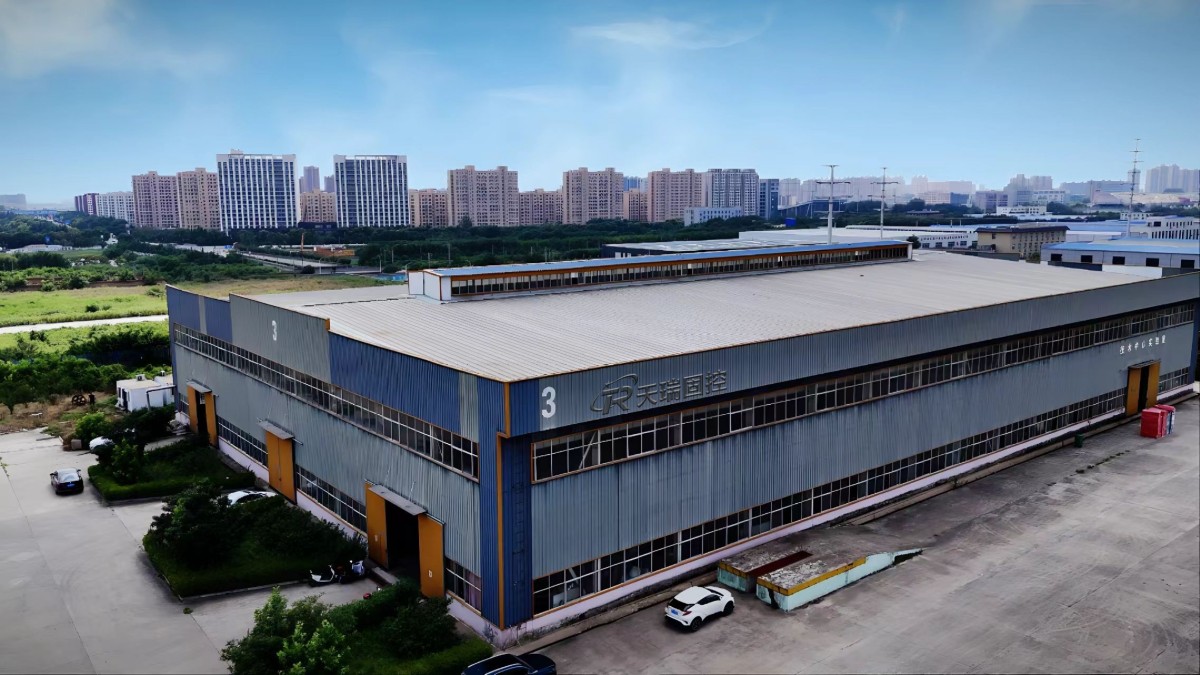
Established in 2010, TR Solids Control is a professional manufacturer specializing in solids control equipment and integrated industrial separation solutions. We are dedicated to the design, manufacture, sales and services of high-efficiency solids control systems, following strict quality standards and providing reliable products, professional support and fast response for global customers across energy, environmental recycling, and industrial converting sectors.
During the past years, together with our experienced engineering team and strong supply chain partners, we have supported drilling contractors, industrial process plants, and high-precision converting partners across Middle East, Africa, Russia, South America, Southeast Asia and other regions, delivering robust, high-performance solids control solutions for demanding production environments.
World-class manufacturing capability, rigorous international certifications, and global footprint powering industrial separation technology worldwide.

Modern Manufacturing Facilities Supporting Reliable Solids Control Equipment Production
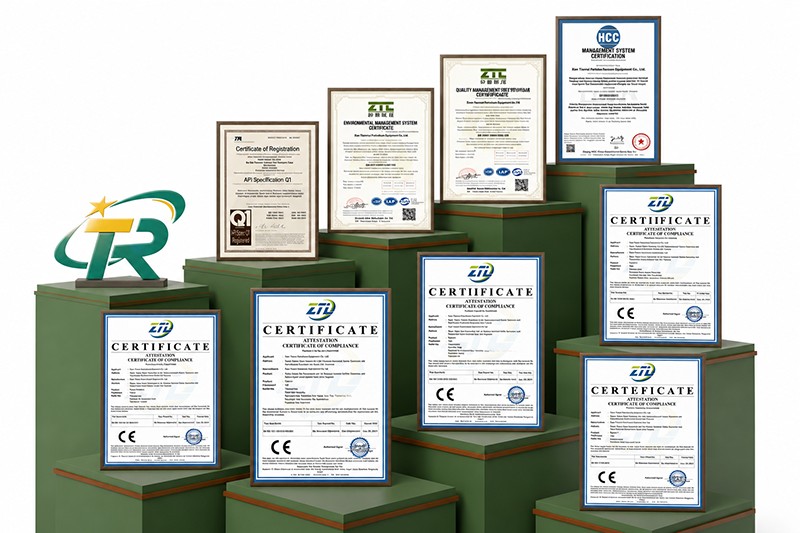
Strict Quality Management Systems Ensuring Product Reliability and International Standards
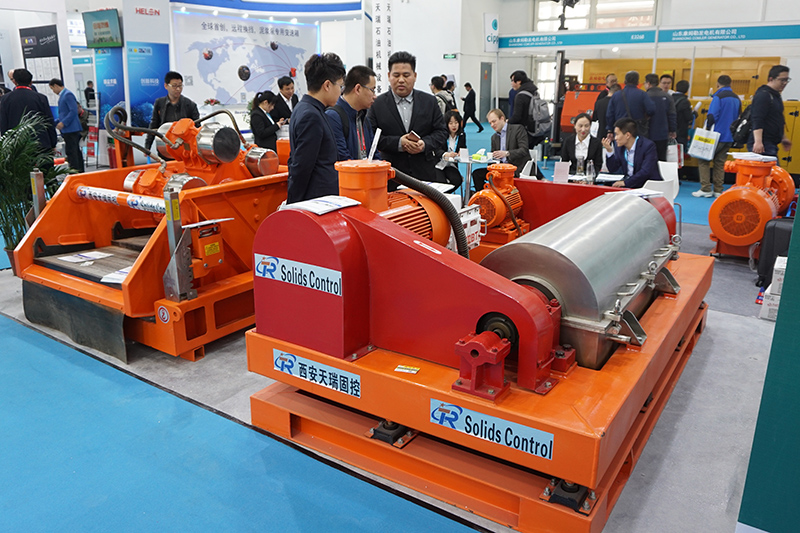
Showcasing Cutting-Edge Separation & Slurry Processing Innovations Worldwide
Manufacturing • Engineering • Global Service — Delivering turnkey separation skids tailored to exact operational parameters.
The global shift toward sustainable flexible packaging—specifically mono-material structures (all-PE or all-PP laminates), bio-based polymers (PLA, PHA), and PCR (Post-Consumer Recycled) barrier films—introduces complex solid-liquid handling challenges during slitting and rewinding operations. PCR-rich films generate higher friction coefficients and heterogeneous particulate shedding when sheared at high web tensions.
Next-generation solids control systems integrate AIoT sensory arrays that continuously measure fluid turbidity, differential pressure across hydrocyclones, and auger torque loading on screw conveyors. By dynamically modulating centrifugal pump impeller speeds and hydrocyclone apex valve geometries, these smart systems optimize separation efficiency in real time, preventing equipment overloads and ensuring zero contamination on critical medical and food-grade packaging webs.
High line speeds (800+ m/min) generate substantial polymer dust, barrier coatings, and aluminum flakes. Solids control systems isolate and dewater these contaminants at the source, preventing roll scratching, static contamination, and downtime.
Desanders utilize high centrifugal force to separate abrasive particles down to 20 microns from water-jet cutting fluid, protecting high-pressure pumps and diamond/sapphire nozzles from premature abrasive wear.
Yes. Pneumatic sludge vacuum pumps operate on compressed air and feature open flow passages without internal impellers, effortlessly transferring thick, sticky laminate residues, inks, and heavy sludges.
Routine inspection includes checking flight wear, drive gear lubrication, and shaft seal integrity. TR Solids Control utilizes abrasion-resistant Hardox alloys to provide extended operational service intervals.
Heavy-duty industrial separation machinery engineered for dependable continuous operation across global flexible packaging and converting facilities.
Continuous mechanical transport system for heavy sludge, plastic shreds, and dense particulate cakes.
View Details
Compact multi-stage separation plant integrating shale shaker screens, desanders, and fluid storage.
View Details
Explosion-proof high-vacuum pump transferring viscous polymer slurries, ink sludges, and lamination residues.
View Details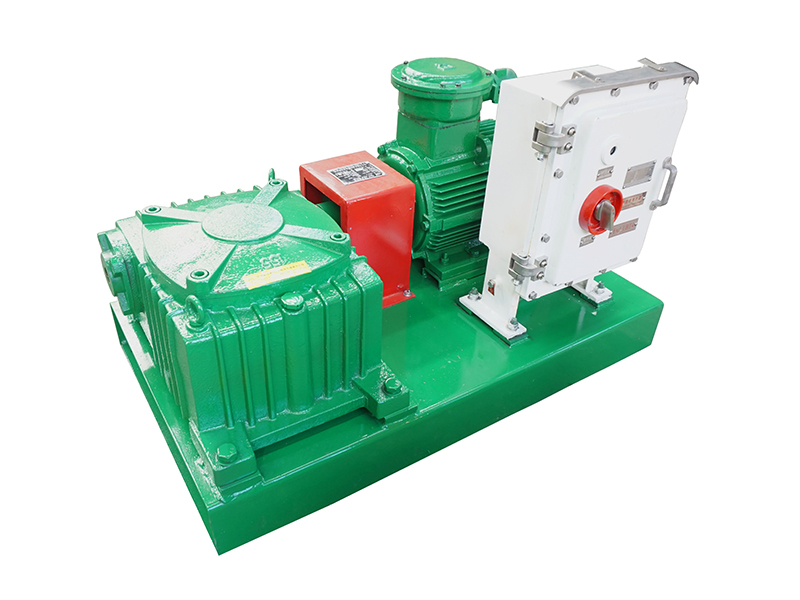
Prevents solids sedimentation in process tanks, ensuring stable slurry suspension for high-efficiency separation.
View Details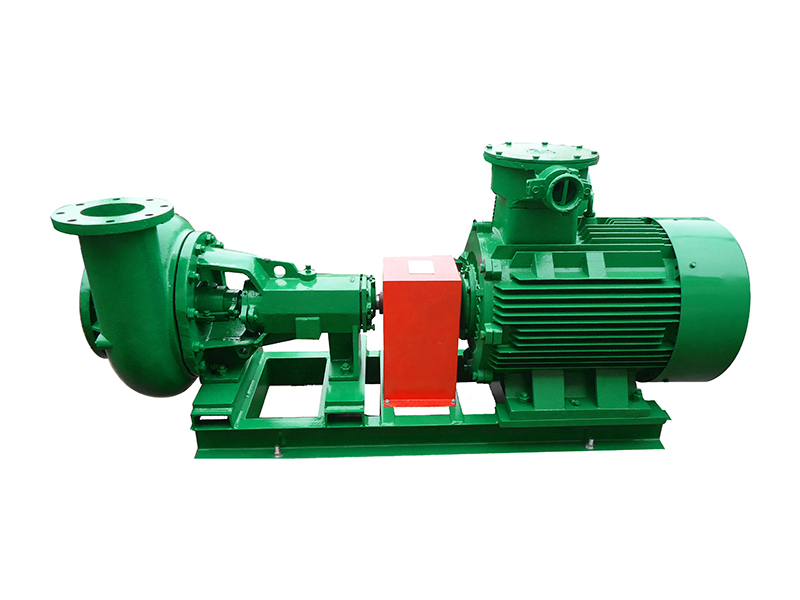
Hardened alloy mechanical seal pump delivering continuous feed pressure to hydrocyclones and filtration units.
View Details
Engineered polyurethane hydrocyclones removing fine abrasive particles down to 20 µm to safeguard tooling.
View Details
Customizable flight pitches and lengths to fit compactly underneath high-speed slitter rewinder frames.
View Details
Pneumatically driven suction unit transferring fine packaging dust and dewatered sludge cakes to collection silos.
View Details