Leave Your Message
-
Phone
-
E-mail
-
Whatsapp
-
WeChat

Optimized solids control units designed to handle high-purity chemical carriers, optical resins, and industrial effluent recycling across automotive paint protection film coating lines.
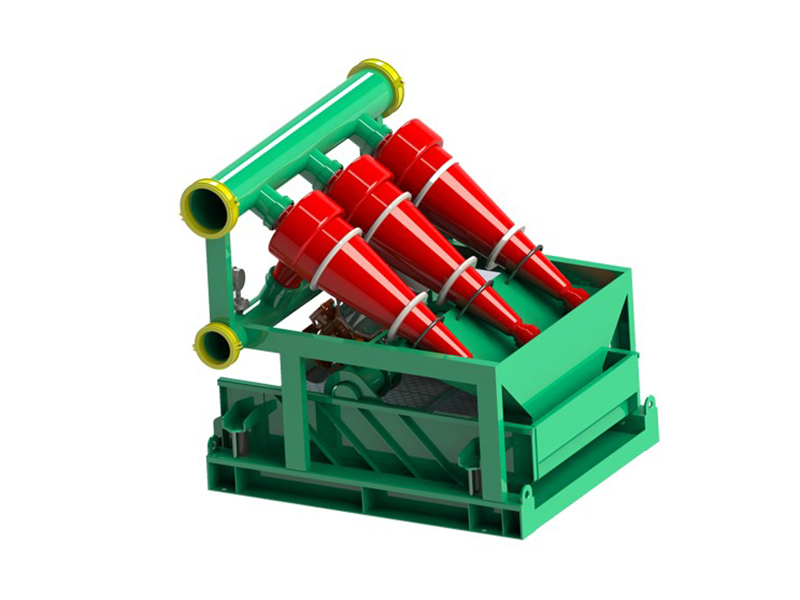
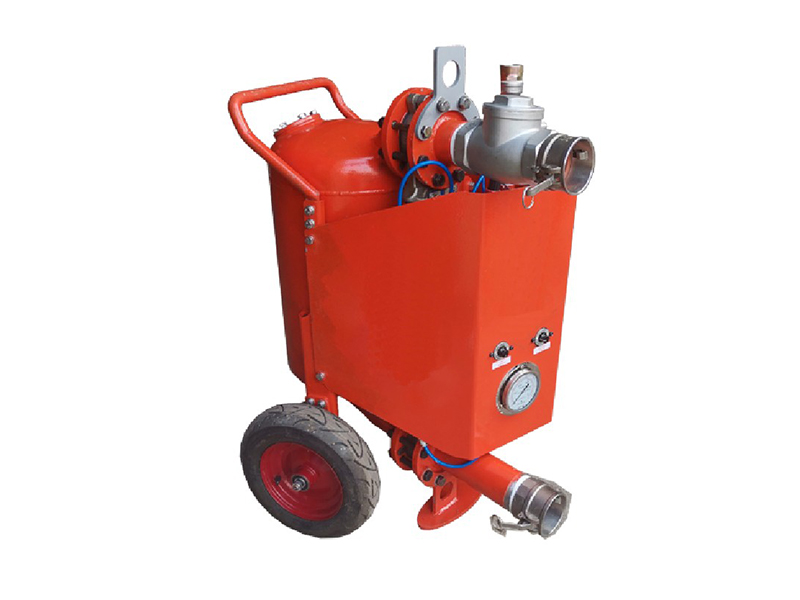
From raw Thermoplastic Polyurethane (TPU) processing to nano-ceramic topcoat synthesis, solids control systems prevent microscopic surface flaws and secure zero-discharge manufacturing compliance.
Paint Protection Film (PPF) represents the pinnacle of multi-layered optical elastomer technology. The substrate matrix relies heavily on aliphatic thermoplastic polyurethane (TPU), combined with pressure-sensitive adhesives (PSA), fluoropolymer topcoats, and self-healing elastic polymers. In industrial extrusion and slot-die coating lines, even a sub-micron agglomeration or un-dispersed particulate can cause optical hazing, fisheyes, orange peel, and dielectric breakdown.
High-performance solids control systems provide the mechanical foundation for fluid refining, masterbatch slurry homogenization, reactor washwater reclamation, and abrasive sludge dewatering. By removing oversized crystalline structures, micro-gels, and contaminant debris before precision casting, industrial manufacturers guarantee flawless optical clarity and scratch-resistant uniformity across millions of square meters of film.
Solids control equipment integrates seamlessly into five critical phases of the paint protection film manufacturing and recycling workflow.
During the compounding of raw TPU pellets with UV absorbers, thermal stabilizers, and optical brighteners, high-shear mud agitators and precision pumps guarantee isotropic dispersion, preventing phase separation and micro-crystallite precipitation within heated mixing tanks.
Self-healing topcoats integrate fluorocarbon resins and colloidal silica or graphene nano-particles. Solids control machinery removes foreign airborne debris and agglomerated clusters without shearing the sensitive polymer chains, ensuring silky-smooth slot-die extrusion.
Solvent and chemical washes used to purge precision slot dies generate heavy polymer-laden residues. Sludge vacuum pumps and desander separation units rapidly strip solid polymers, allowing rapid solvent re-refining and zero downtime during batch changeovers.
Thermal oxidizers and wet scrubbers capture VOCs and particulate overspray. Integrated HDD mud recycling loops and hydrocyclones continuously clarify scrubber water, reducing freshwater intake and maintaining tight environmental emissions thresholds.
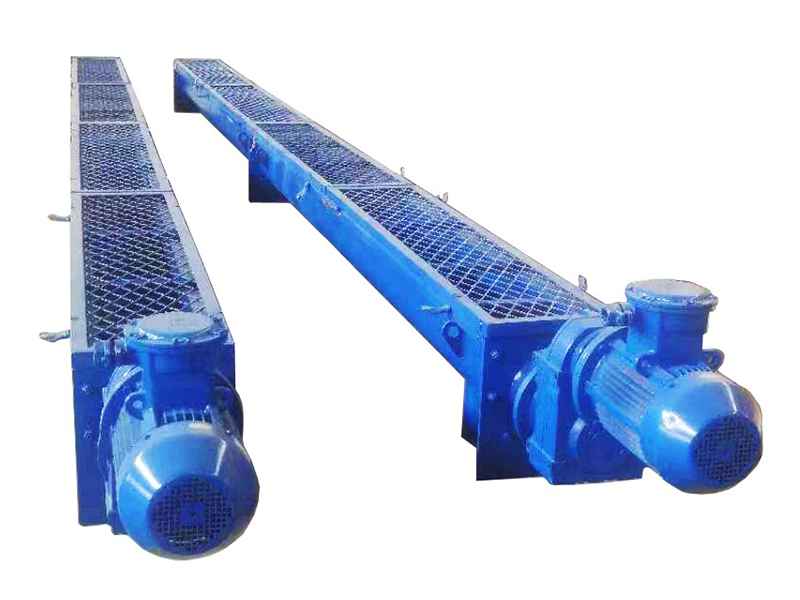
High-torque screw conveyors transfer dense coagulated polymer sludge from decanting centrifuges directly into drying silos, eliminating manual shoveling, minimizing human solvent exposure, and driving dry solids containment protocols.
Extrusion cooling baths and film washing troughs require ultra-pure, particle-free water to prevent static-induced contamination. Hydrocyclonic separation removes micron-scale scale and dust continuously during high-speed rolling.
Engineered for durability, corrosion resistance, explosion-proof environments, and continuous duty cycles in high-throughput polymer and film facilities.
| Equipment Type | Primary Role in PPF Operations | Handling Capacity | Separation Cut Point | Key Material / Feature |
|---|---|---|---|---|
| Screw Conveyor Series | High-viscosity polymer cake and dry solid transfer | 15 – 45 m³/h | Bulk dewatered sludge | Manganese/SS316 flighting, wear-resistant coating |
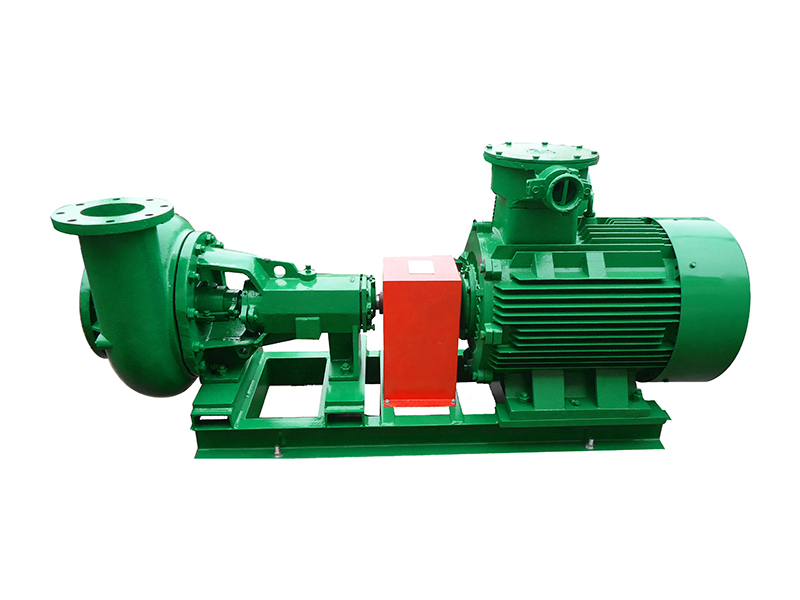
| Centrifugal Feed Pump | Hydrocyclone feeding, slurry booster, solvent wash transfer | 45 – 320 m³/h | Continuous liquid phase | Hardened ductile iron / tungsten carbide mechanical seals |
| Drilling Fluid Desander | Abrasive particulate removal from scrubber & wash loops | 50 – 240 m³/h | 40 – 75 μm | 100% Polyurethane hydrocyclone cones, quick-clamp design |
| Sludge Vacuum Transfer Pump | Pneumatic suction of high-density coating slurry and sump waste | 10 – 40 m³/h | High-solids up to 70% | ATEX / Explosion-proof pneumatic control, 100% air-driven |
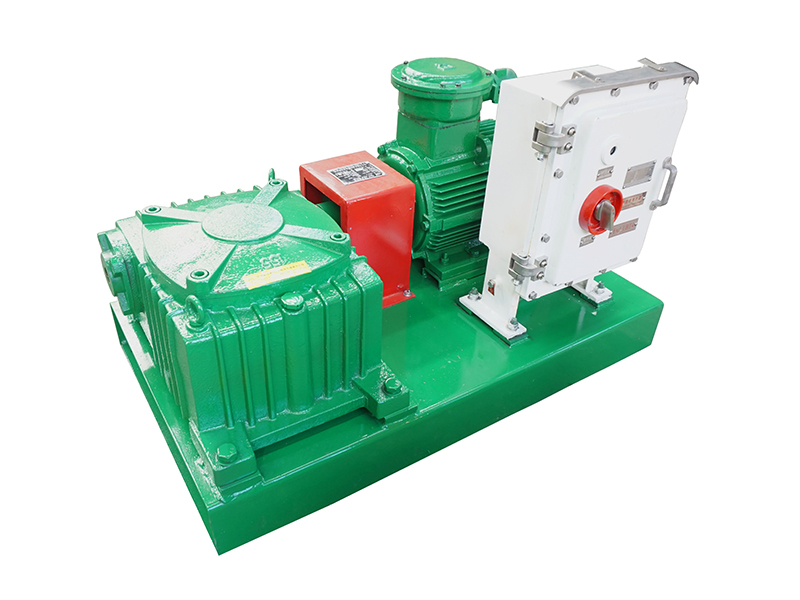
| Mud Agitator Series | Homogenization of resin carriers, polymer blending tanks | 5.5 – 22 kW Motor | Fluid suspension | Helical-bevel gearbox, dynamic CFD turbine blades |
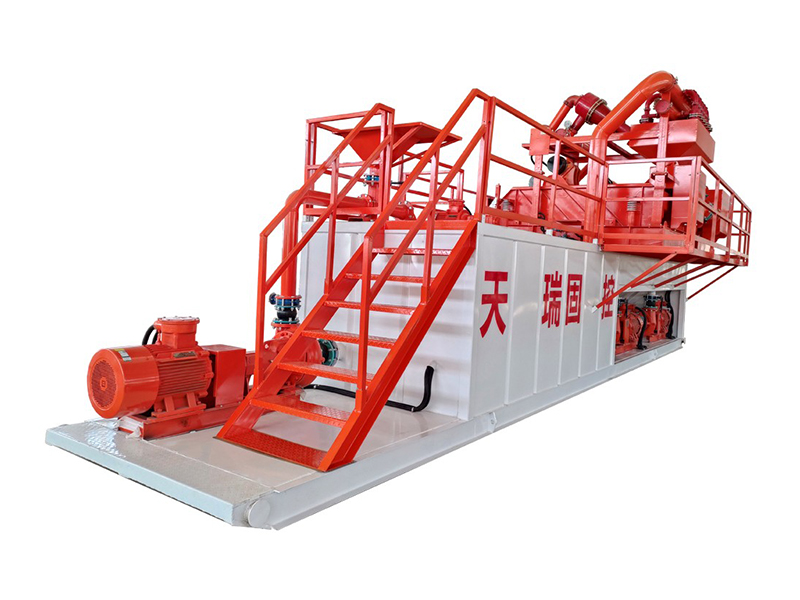
| Compact Recycling System | Closed-loop process water and solvent reconditioning | 60 – 120 m³/h | 15 – 45 μm | Skid-mounted plug-and-play architecture with smart PLC |
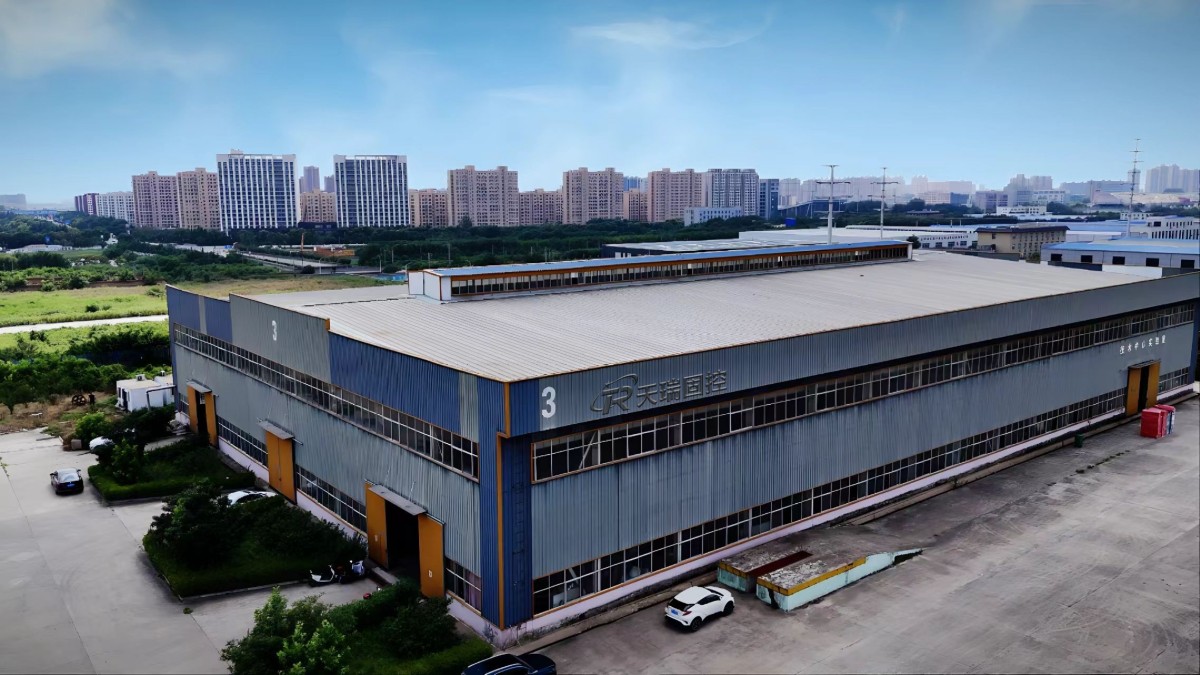
Established in 2010, TR Solids Control is a professional manufacturer specializing in drilling fluid solids control equipment and integrated solutions. We are dedicated to the design, manufacture, sales and services of solids control systems, following strict quality standards and providing reliable products, professional support and fast response for global customers.
During the past years, together with our experienced engineering team and strong supply chain partners, we have supported drilling contractors, oilfield service companies and industry partners across Middle East, Africa, Russia, South America, Southeast Asia and other regions, delivering efficient solids control solutions for various drilling operations.
Essential technical insights into integrating solids separation equipment with advanced polyurethane extrusion and precision solvent systems.
Explore our comprehensive lineup of heavy-duty, high-precision solids control machinery engineered for rigorous industrial demands.