


Leave Your Message
-
Phone
-
E-mail
-
Whatsapp
-
WeChat

Streamline adhesive prep, maintain emulsion integrity, and eliminate particle fouling across coating dies, roll coaters, and effluent dewatering stages.
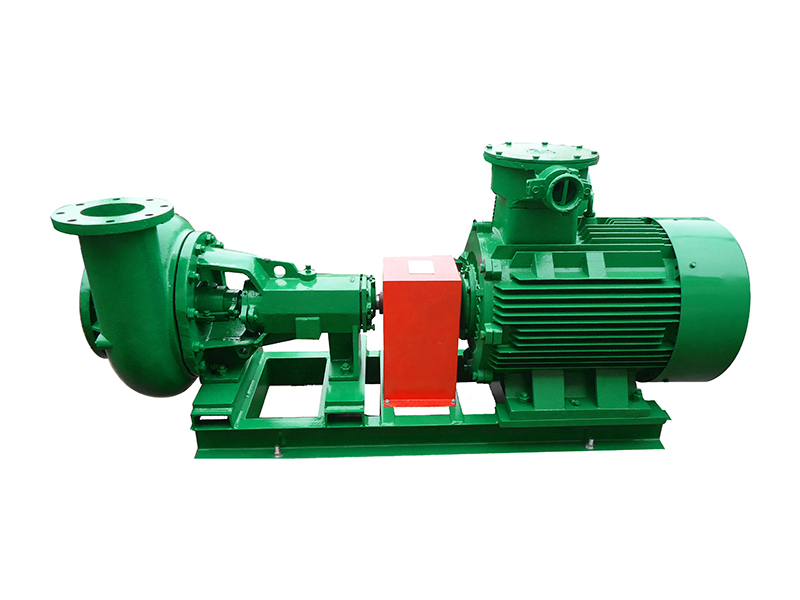
Hardened alloy mechanical-seal centrifugal pumps engineered to transfer viscous polymer binders, ground mineral fillers, and industrial washback fluids without premature wear.
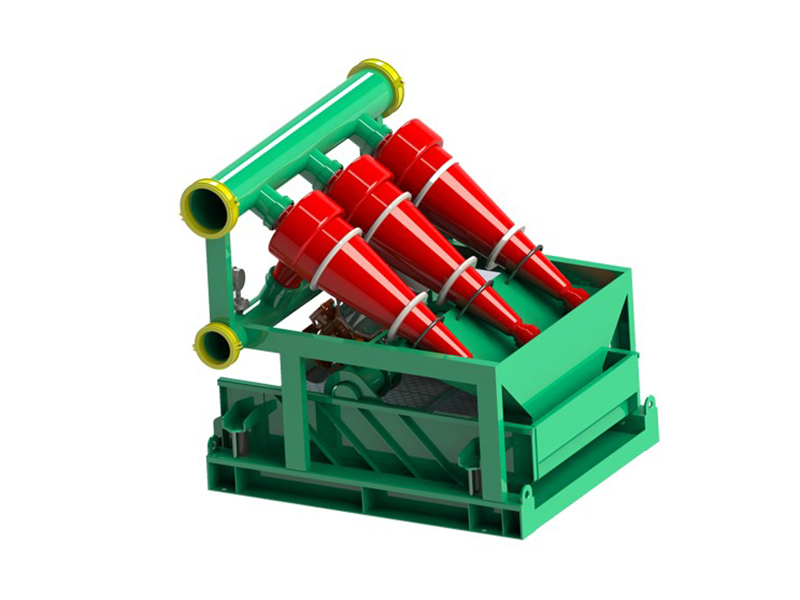
Hydrocyclonic desander units effectively extracting abrasives, unground pigments, and oversize aggregates down to 40-75 microns to protect precision slot dies and gravure cylinders.
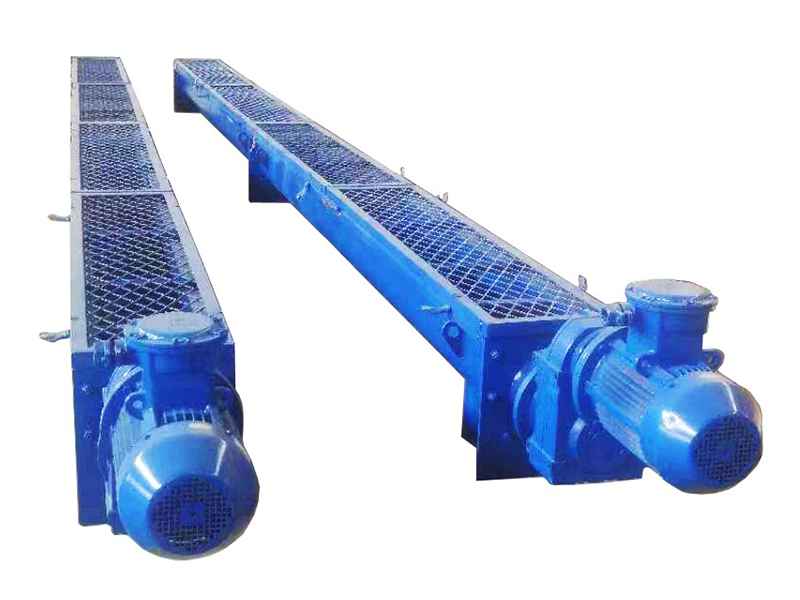
Enclosed auger conveying systems tailored for continuous transfer of coagulated adhesive waste, dewatered wet cakes, and dense filler precipitates without clogging.
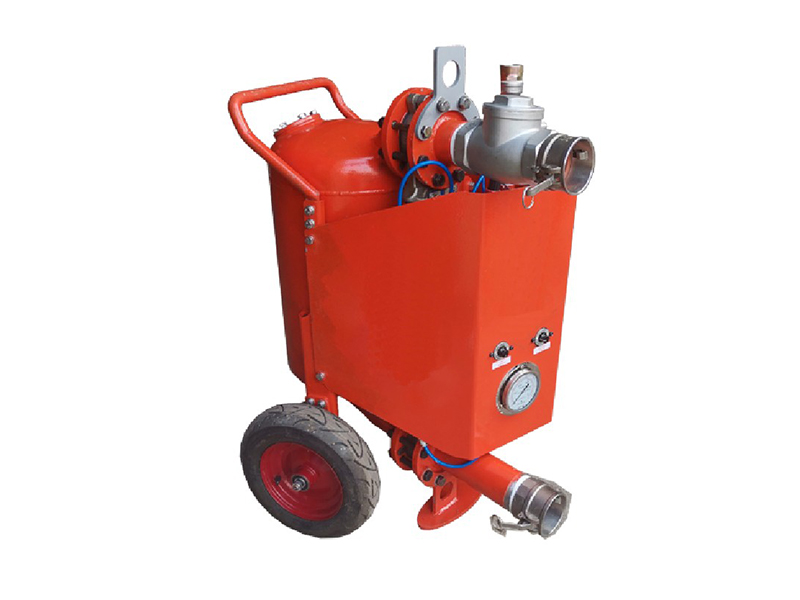
100% pneumatic high-vacuum transfer units operating with zero rotating parts in the flow stream, capable of moving heavy resins, bottom-tank sludges, and tacky sediment.
Pressure-sensitive adhesive (PSA) tapes, self-adhesive labelstock, release liners, and high-performance filmic laminates represent one of the fastest growing segments in packaging, medical consumables, automotive assembly, and electronics manufacturing. However, the wet converting operations behind these products face stringent solid-particle hurdles that threaten coat weight uniformity, equipment life, and environmental compliance.
Modern high-speed coating stations—whether employing slot-die extrusion, comma-roll knives, micro-gravure, or multi-roll curlers—operate under tight microscopic tolerances. Coating gaps regularly fall below 25 to 50 microns while running web speeds exceeding 400 to 800 meters per minute. In these high-throughput converting environments, the presence of oversized solids, polymer skins, agglomerated titanium dioxide (TiO2), calcium carbonate (CaCO3) fillers, crosslinked micro-gels, or abrasive particles generates devastating production failures. A single 75-micron speck can cause persistent streaking lines along hundreds of meters of coated master rolls, resulting in scrapped production, expensive web breaks, and hours of unexpected downtime.
Traditionally, adhesive compounding rooms and converting lines relied heavily on static consumable media, including wire-mesh strainers, cartridge filters, and felt bag filters. While effective for low-volume batch setups, static filters rapidly blind when exposed to pseudo-plastic, thixotropic, and highly tacky emulsion formulations. Operators face constant filter cartridge swap-outs, exposing workers to volatile organic compounds (VOCs) or hot fluids while throwing thousands of dollars worth of single-use hazardous filter consumables into municipal landfills. Modern solids control equipment shifts the operational paradigm from disposable manual filtration to robust, automated mechanical separation and reclamation.
From pigment pre-dispersion and emulsion compound mixing to washdown effluent treatment, discover how industrial solids control equipment optimizes each phase of adhesive and label production.
Water-borne acrylic polymers constitute over 60% of volume in standard packaging tape and paper labelstock. During emulsion polymerization and high-shear dispersion, coagulum grit, aeration micro-foam, and pigment clumping occur. Centrifugal feed pumps combined with high-G vibratory screening and desanding hydrocyclones strip out macro-particles without shearing the delicate surfactant envelopes holding the acrylic droplets in suspension.
Solventless hot-melt pressure-sensitive adhesives (HMPSA) require tackifying resins, plasticizers, and block copolymers (SBS/SIS) melted at temperatures reaching 160°C to 200°C. Foreign metallic debris, un-melted rubber blocks, and charred thermal degradation skins destroy coating dies. High-temperature rated solids control systems and continuous agitation tanks keep fillers suspended while segregating foreign detritus before slot die feed lines.
Cleaning master rolls, gravure cylinders, and coating pans creates thousands of gallons of rinse water or solvent loaded with sticky residues. Implementing high-capacity mud recycling units, hydrocyclone desilters, and decanting centrifuges strips out tacky polymer solids, producing clarified water suitable for wash re-use and dry solids cakes ideal for cost-effective disposal.
Unlike drilling fluids or simple wastewater, adhesive mixtures display intense non-Newtonian rheology. Emulsion polymers are susceptible to mechanical shear-induced breakdown: if pumped or screened through excessive shear forces, the latex particles flocculate, polymerizing inside the filtration vessel and inducing catastrophic clogging. TR Solids Control approaches this challenge by configuring low-shear centrifugal pump impellers, fine-tuned variable-frequency drive (VFD) controls, and optimized hydrocyclone inlet geometries. This guarantees that solids separation occurs at optimal Reynolds numbers without initiating thermal runaway or mechanical breakdown of tacky adhesive matrices.
Comparing the technical capabilities, cost structures, and operational efficiencies of traditional cartridge/bag strainers against modern closed-loop mechanical solids control systems in adhesive production plants.
| Evaluation Parameter | Traditional Cartridge / Bag Filter | Advanced Mechanical Solids Control System | Operational Impact & Benefit |
|---|---|---|---|
| Operating Principle | Static depth or surface media sieving | Centrifugal force, hydrocyclonic velocity & mechanical dewatering | Eliminates blinding and continuous differential pressure drop. |
| Labor & Intervention | Daily manual cartridge changeouts; high worker exposure | Continuous automated solids discharge; VFD integration | Reduces factory maintenance overhead by over 80%. |
| High-Viscosity Performance | Severe pressure drop; rapidly plugs on sticky latex/resins | Pneumatic vacuum suction & non-clog open impeller pumps | Consistent line speeds up to 800 m/min without coating starve. |
| Waste Minimization | Generates tons of landfill-bound contaminated media | Produces dry, spadeable cake; extracts reusable clean washwater | Aligns directly with corporate Zero Liquid Discharge (ZLD) metrics. |
| Coating Streak Prevention | Prone to bag puncture or bypass when pressure spikes | Predictable cut-point separation down to target micron class | Dramatically drops master roll scrap rates on release liner lines. |
As self-adhesive tape and label manufacturers adopt smart factory architectures, solids management systems are transforming from passive utility hardware into digitally integrated, self-regulating process nodes.
By linking industrial IoT pressure transmitters, ultrasonic density sensors, and Coriolis mass flowmeters directly to PLC automation loops, our equipment adjusts hydrocyclone manifold back-pressure and centrifuge basket speed in real time. If a batch of coating compound demonstrates higher viscosity or unexpected filler agglomeration, the system self-modulates G-force output to guarantee constant cut-points without operator intervention.
Tacky polymers adhere aggressively to interior metal walls, creating drag, localized cure spots, and flow channel constriction. Next-generation solids control systems implement electro-polished stainless steels (SS316L), ceramic vortex finders, tungsten carbide hard-facing on screw conveyor flights, and proprietary fluoropolymer release coatings. These advancements prevent tack build-up and make cleaning cycles effortless during formula transitions.
Regulatory pressure across North America, Europe, and Asia is tightening VOC limits on solvent-based adhesives (rubber and solvent acrylics) and restricting effluent chemical oxygen demand (COD) for water-based lines. Advanced solids separation systems dewater wet sludge immediately at the coater sumps, cutting waste transportation weights by up to 65% and enabling upstream recovery of valuable organic solvents or process water.
Space in coating cleanrooms and compounding kitchens is at a premium. Modern solids management equipment is packaged on compact, mobile, flame-proof (ATEX/IECEx certified) skid platforms that connect via quick-disconnect camlocks directly into the coating recirculating lines during live runs or washdown sequences.
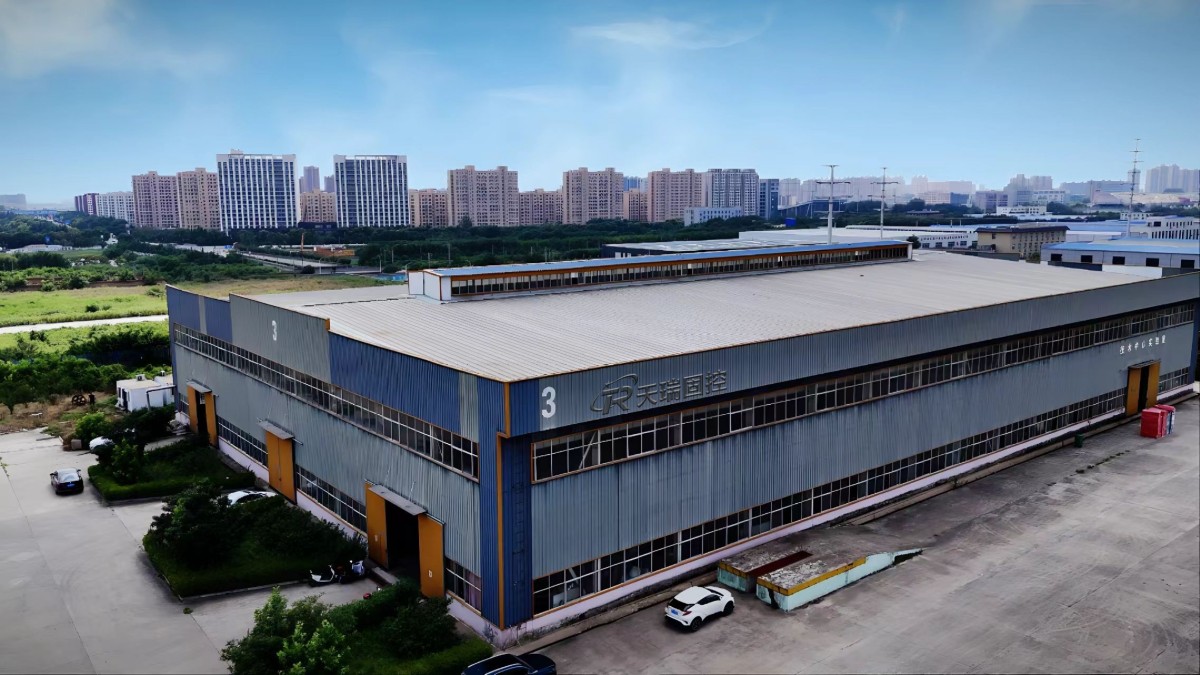

Modern Manufacturing Facilities Supporting Reliable Solids Control Equipment Production for Demanding Global Industrial Projects.
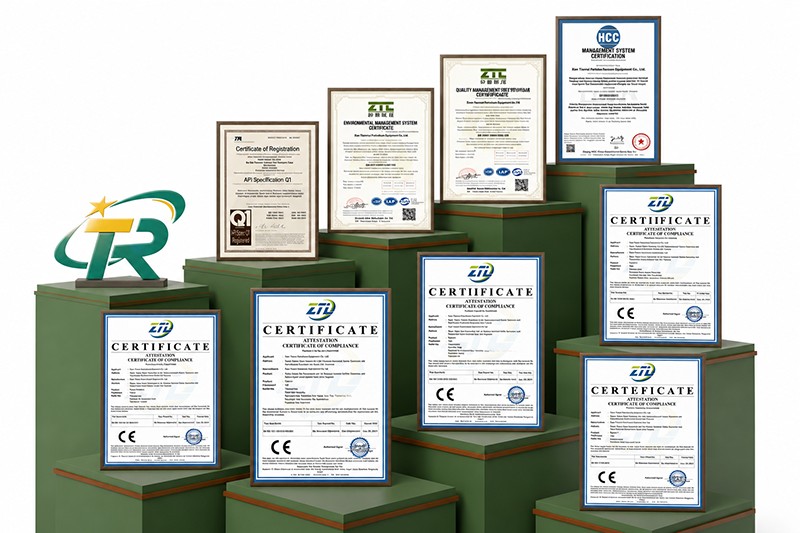
Strict Quality Management Systems Ensuring Product Reliability, API & ISO Compliance, and High International Standards.
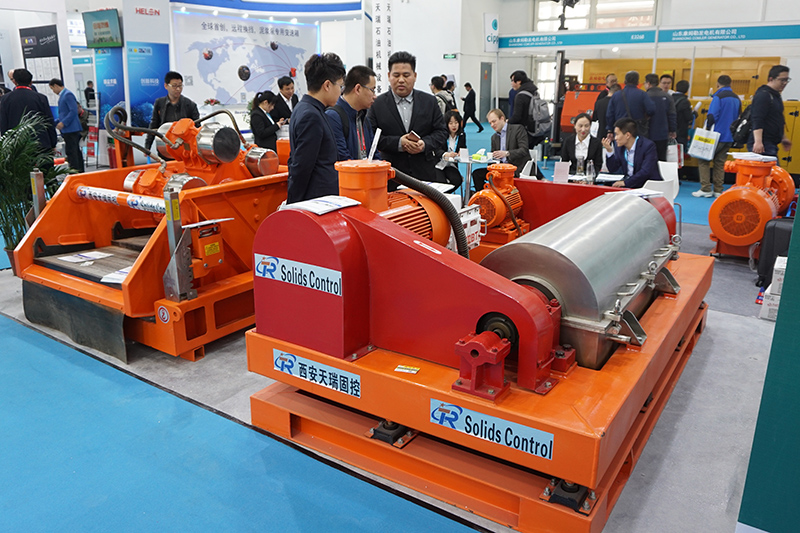
Showcasing Advanced Solids Separation Innovations Across Major International Industrial & Energy Expos Worldwide.
From initial fluid dynamics simulation to CNC precision machining, heavy assembly, and load testing under realistic process viscosities.
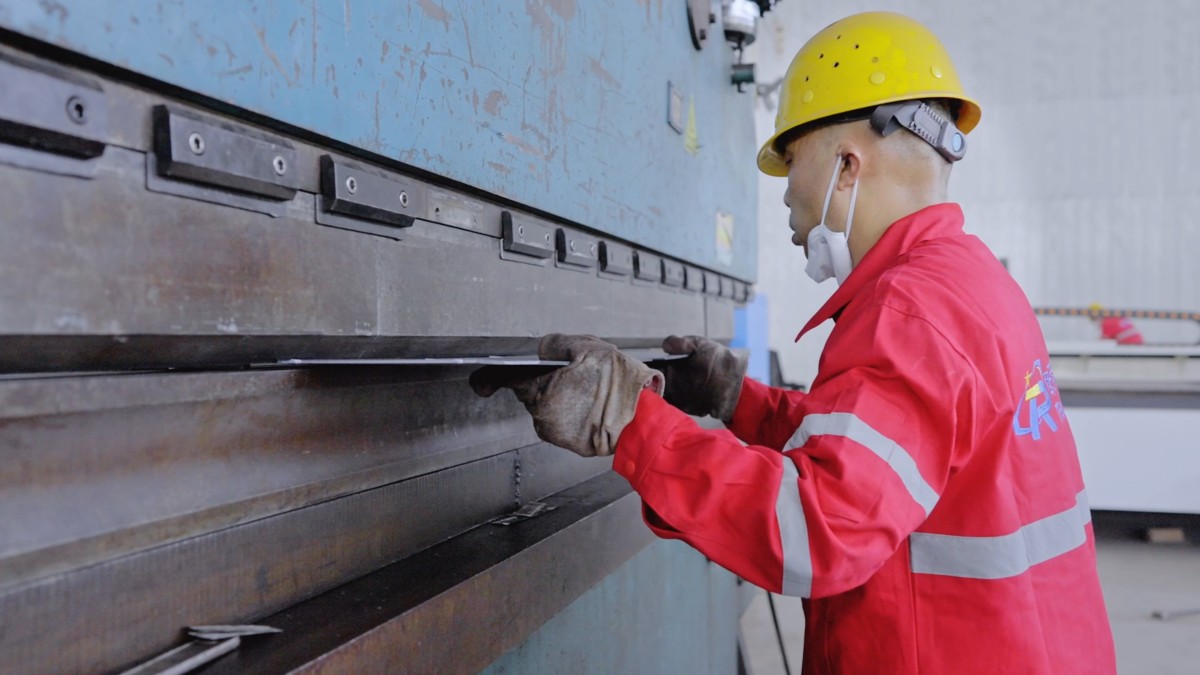
High-precision heavy machining, dynamic balancing equipment, and robotic welding lines to ensure long-term mechanical reliability.

Experienced R&D team utilizing 3D modeling and CFD fluid dynamics simulation to optimize particle velocity profiles.
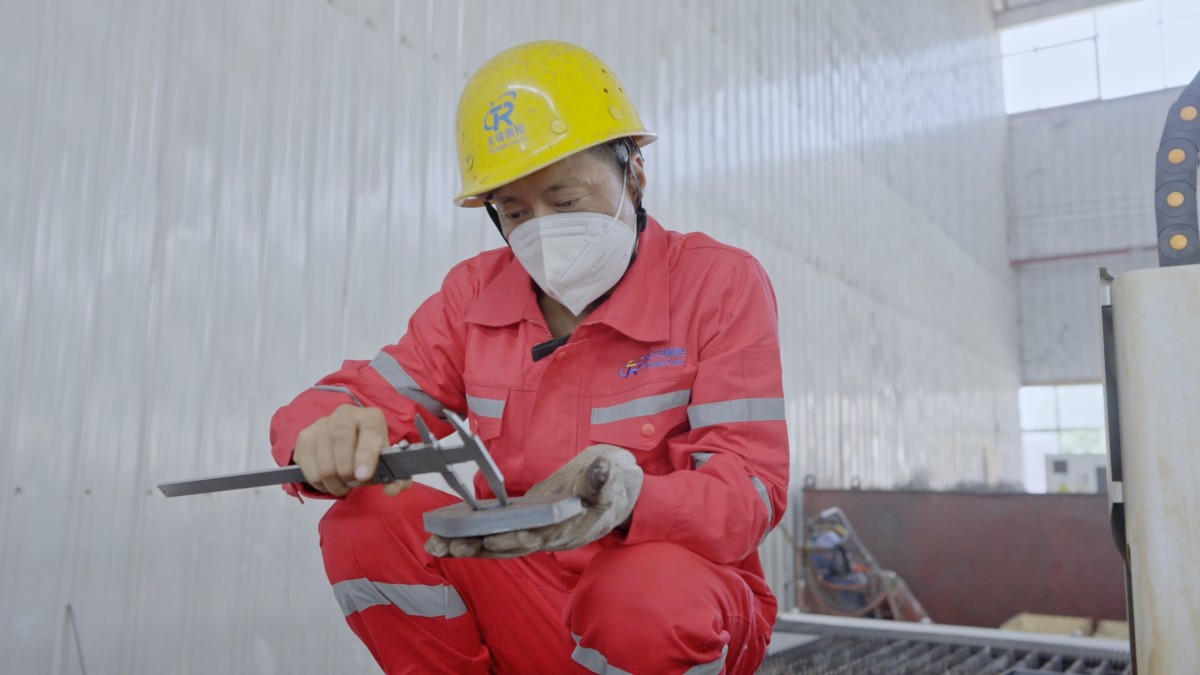
Multi-stage QA protocols including ultrasonic thickness checks, hydrostatic pressure trials, and vibration analysis before dispatch.
Explore our full lineup of industrial solids control equipment tailored for adhesive formulation kitchens, converting lines, and municipal-scale sludge reclamation.
Heavy-duty centrifugal design with abrasion-resistant impeller for uninterrupted supply to desanding manifolds and hydrocyclones.
Polyurethane hydrocyclone cones providing consistent particulate classification down to 40 microns for fine slurry purifications.
Fully enclosed U-trough and tubular augers designed to convey sticky, dense, or cake-like solids cleanly across converting bays.
Pneumatically driven high-velocity suction pump handling high-gravity slurries, sticky resins, and sumps with zero rotor wear.
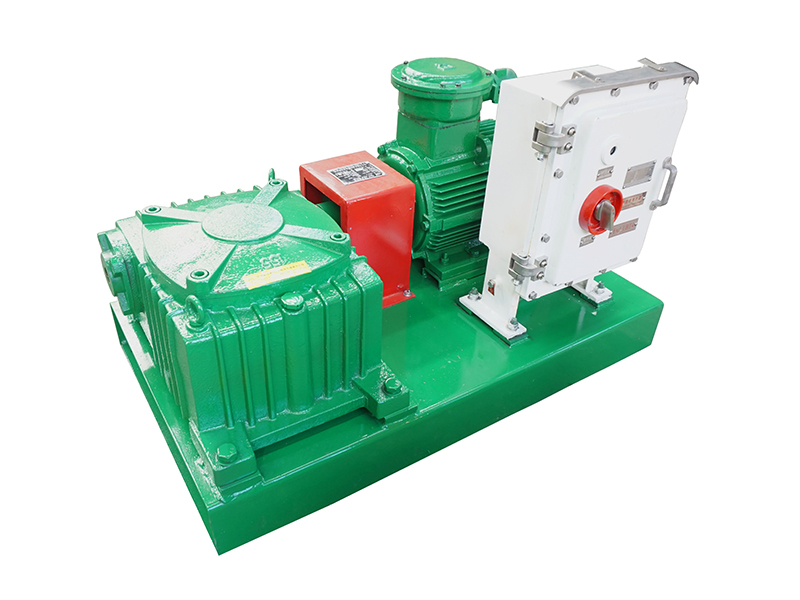
Heavy-duty worm gear and helical-bevel mechanical agitators maintaining homogeneous suspension of heavy mineral fillers and pigments.
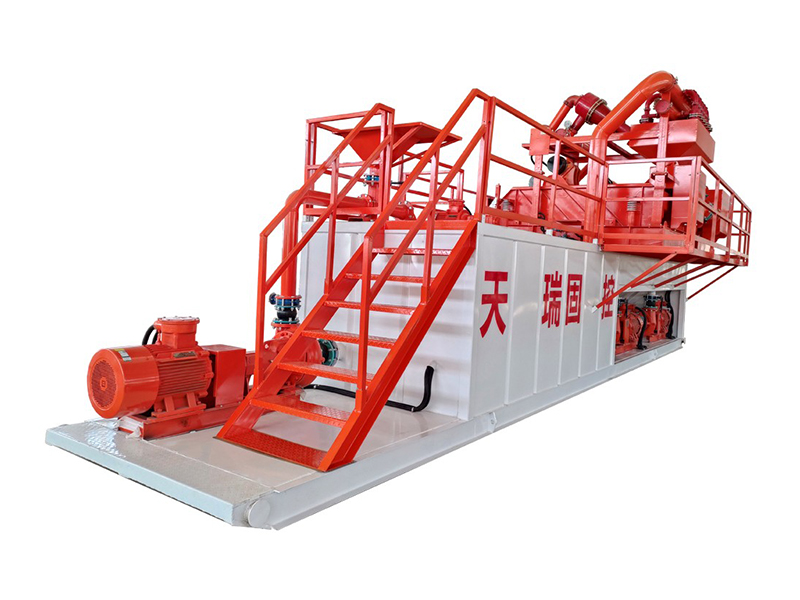
Compact multi-phase skid integrating shale shakers, desander cones, and storage compartments for comprehensive closed-circuit effluent recovery.
Tailor-made skid engineering conforming to factory footprints, ATEX electrical ratings, and specific throughput volume metrics.
Precision-manufactured under ISO9001 and international safety regimes, guaranteeing 24/7 reliability in demanding manufacturing environments.