


Leave Your Message
-
Phone
-
E-mail
-
Whatsapp
-
WeChat

Engineered for immediate deployment across the Permian, Bakken, Haynesville, and Eagle Ford basins, delivering continuous liquid-solid recovery and minimal haul-off disposal volumes.
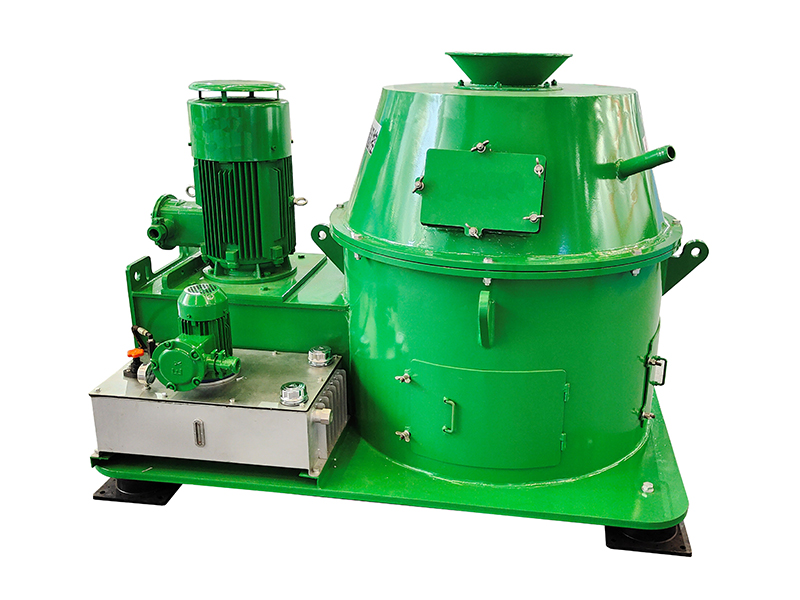
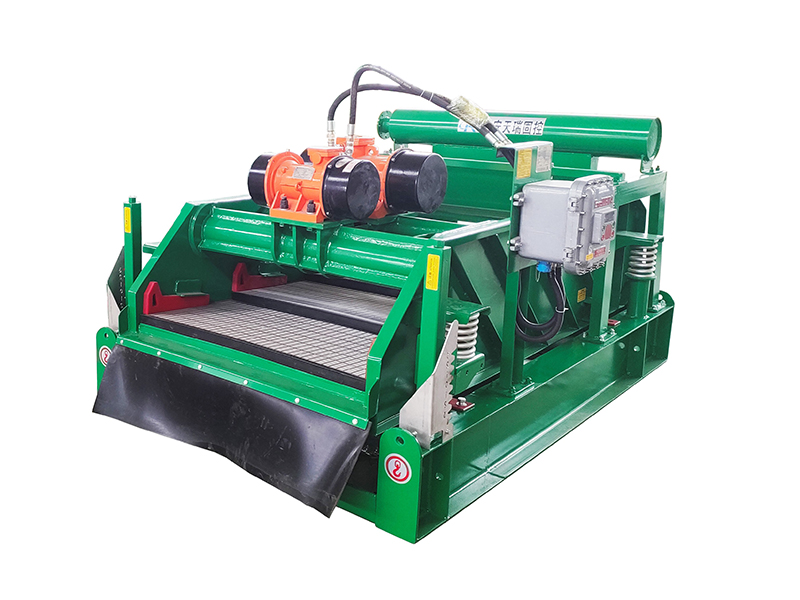
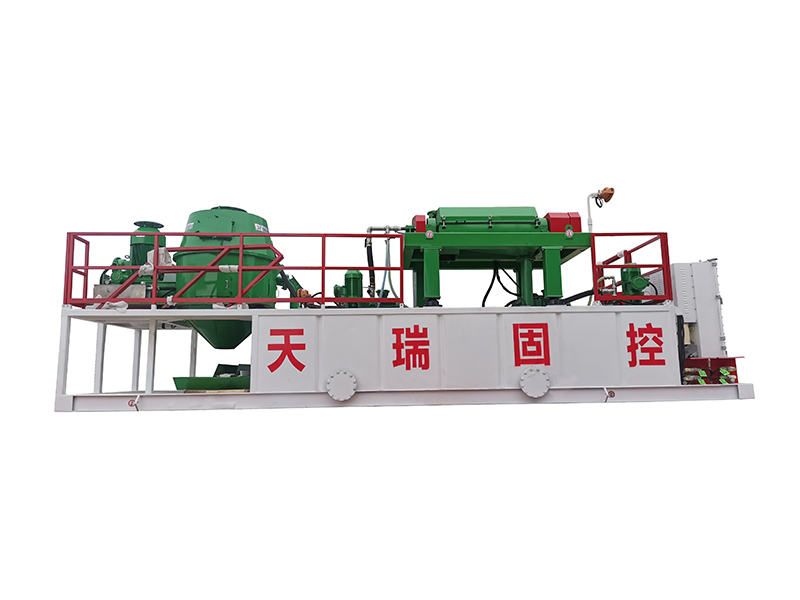
Strict screen calibration and high-G vibratory decks delivering precise particle cut points down to 2-5 microns.
Engineered to lower on-site drilling fluid discharge volume and achieve compliant dry-cake transport criteria.
Reclaim up to 90% of base oils from drilling cuttings, drastically cutting synthetic mud replenishment expenditures.
UL, Class I Division 1 & Division 2 electrical components ensuring safe operation in hazardous oilfield environments.
The onshore upstream oil and gas sector in the United States represents one of the most technologically advanced yet regulation-intensive industrial environments globally. Across premier shale plays such as the Permian Basin (encompassing the Midland and Delaware sub-basins in Texas and New Mexico), the Williston Basin's Bakken Formation in North Dakota, the South Texas Eagle Ford, and the Appalachian Marcellus and Utica gas formations, extended-reach horizontal drilling and intensive multi-stage hydraulic fracturing have redefined modern energy development. However, drilling modern 2-to-3-mile lateral sections generates immense quantities of drill cuttings, spent drilling fluids, and associated oily sludge that demand closed-loop containment, rigorous handling, and high-volume solids control.
Historically, oil and gas exploration and production (E&P) wastes enjoyed wide exemptions under the Resource Conservation and Recovery Act (RCRA) Subtitle C. Nonetheless, the regulatory climate in the United States has tightened substantially. State-level environmental authorities—including the Railroad Commission of Texas (RRC) through Statewide Rule 8 and Rule 91, the New Mexico Oil Conservation Division (NMOCD), the Pennsylvania Department of Environmental Protection (PADEP), and the North Dakota Department of Environmental Quality (NDDEQ)—impose stringent limits on total petroleum hydrocarbons (TPH), chlorides, heavy metal leaching, and unlined pit containment. Consequently, closed-loop mud systems ("pitless drilling") have transitioned from an operational alternative to an essential industry requirement for Tier-1 drillers and midstream environmental service contractors.
Characterized by extreme rig density, rapid multi-well pad drilling, and deep Delaware horizontal sections. Operators utilize oil-based muds (OBM) and synthetic-based muds (SBM) generating massive volumes of oily cuttings. Equipment must withstand desert ambient temperatures, continuous high solids loading, and stringent NMOCD pitless mandates.
Drilling through reactive shale sequences requires tailored non-aqueous drilling fluids. Winter ambient temperatures dropping beneath -30°F necessitate insulated, winterized thermal packages, durable electric drive enclosures, and continuous cuttings drying to prevent freeze-offs and disposal logistical failures.
Mountainous terrain and sensitive freshwater aquifers create strict pad footprint constraints and stringent Zero Liquid Discharge (ZLD) mandates. Operators require compact, modular dewatering units, high-efficiency decanter centrifuges, and chemically enhanced flocculation for 100% water recirculation.
High-temperature, high-pressure (HTHP) gas and condensate reservoirs require high-density weighted muds. Barite recovery, closed-loop dewatering, and balanced elliptical motion shale shakers are pivotal to minimize costly chemical replenishment and trucking ton-mile liabilities.
In the United States, commercial disposal costs, seismicity-related restrictions on saltwater disposal wells (SWD), and rising trucking logistics fees have significantly elevated the cost per barrel of drilling waste handling. Disposing of saturated cuttings at commercial landfarms or licensed subterranean salt caverns incurs steep transportation surcharges and per-ton gate fees. By integrating state-of-the-art oilfield waste management equipment—specifically vertical cutting dryers, high-G drying shakers, and automated decanter centrifuges—operators achieve tangible cost compression:
Established in 2010, TR Solids Control is a professional manufacturer specializing in drilling fluid solids control equipment and integrated solutions. We are dedicated to the design, manufacture, sales and services of solids control systems, following strict quality standards and providing reliable products, professional support and fast response for global customers.
During the past years, together with our experienced engineering team and strong supply chain partners, we have supported drilling contractors, oilfield service companies and industry partners across Middle East, Africa, Russia, South America, Southeast Asia and other regions, delivering efficient solids control solutions for various drilling operations.
To support the high-demand North American energy corridor, our design and production engineering adhere rigorously to international benchmarks, delivering modular systems configured to integrate seamlessly with standard American rig footprints, mud tank configurations, and electrical specifications.
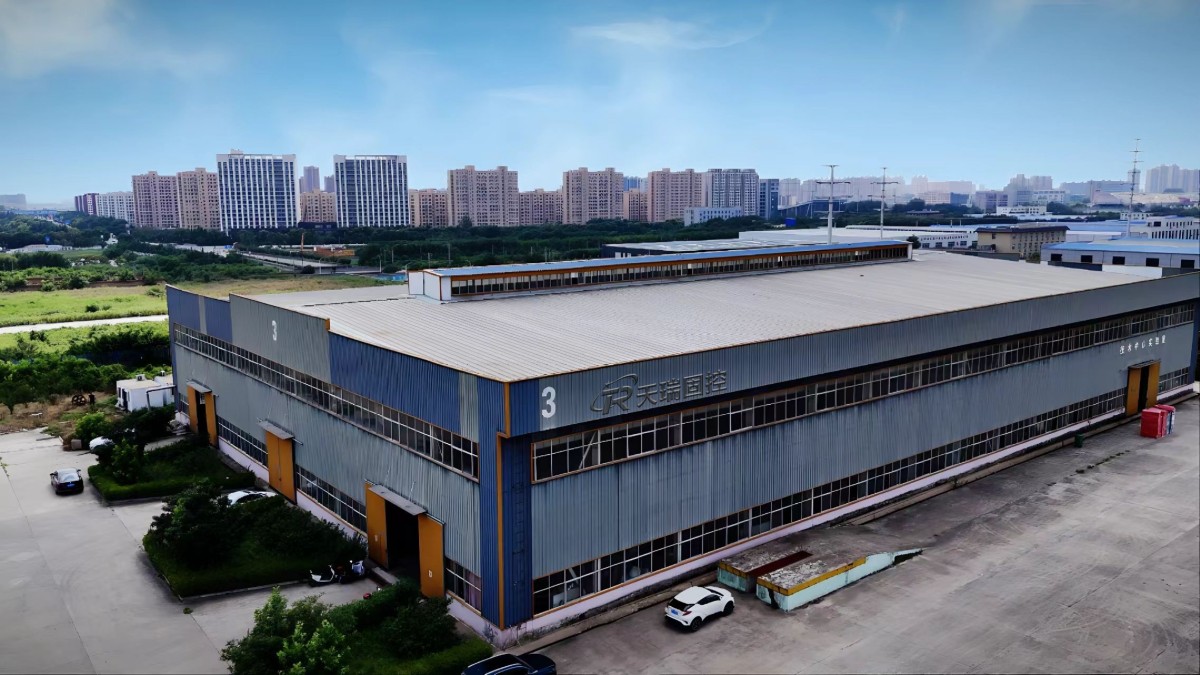
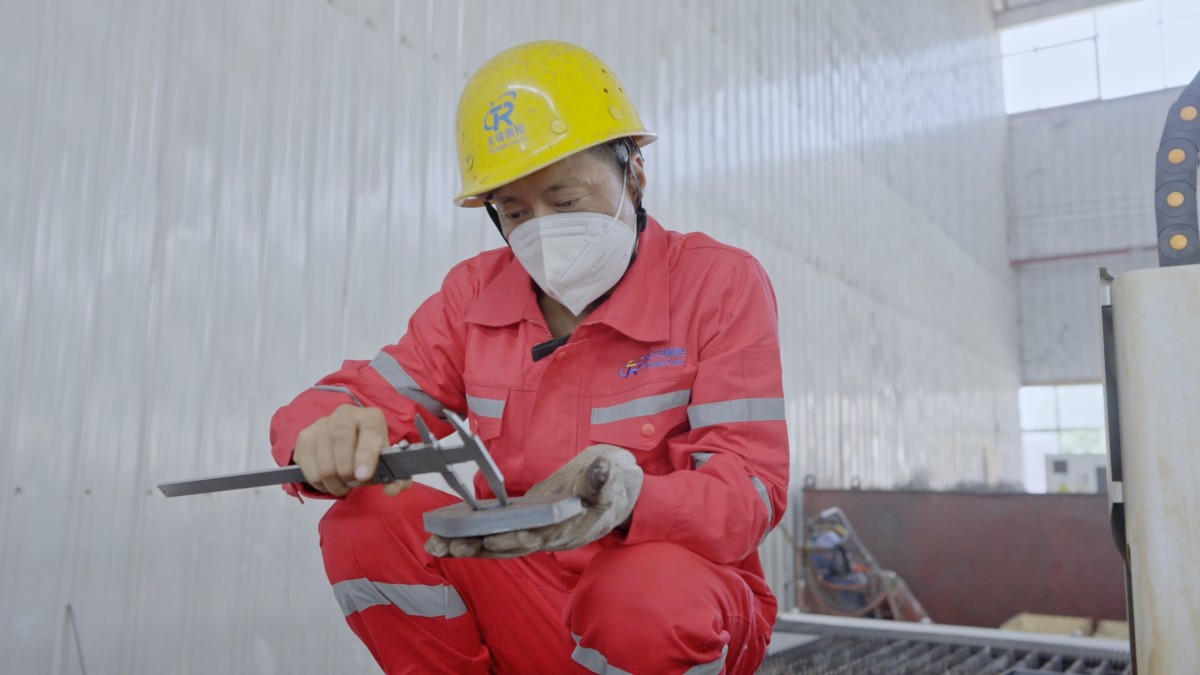
Combining modernized production facilities, stringent international certifications, and extensive global field application validation.

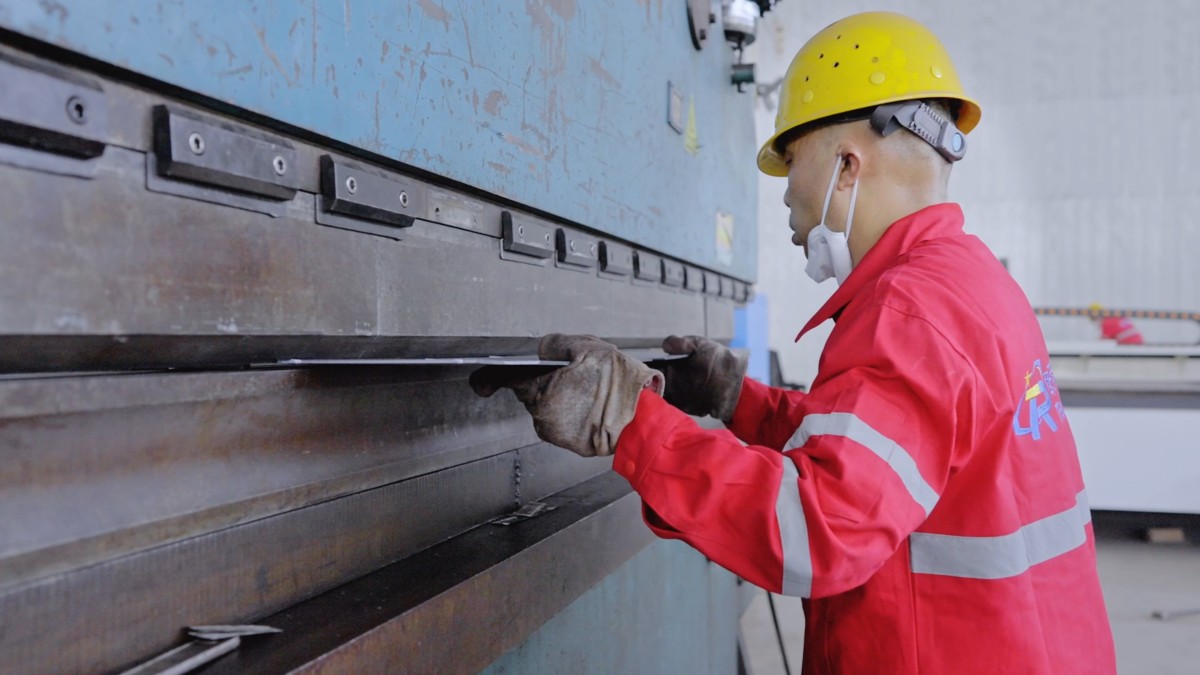
Modern Manufacturing Facilities Supporting Reliable Solids Control Equipment Production and high-precision CNC structural machining.
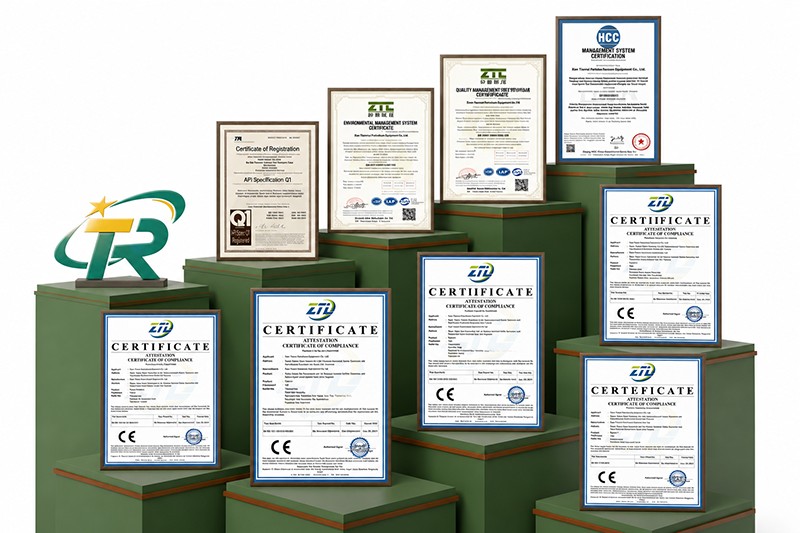
Strict Quality Management Systems Ensuring Product Reliability and International Standards including ISO 9001, ISO 14001, and CE conformance.
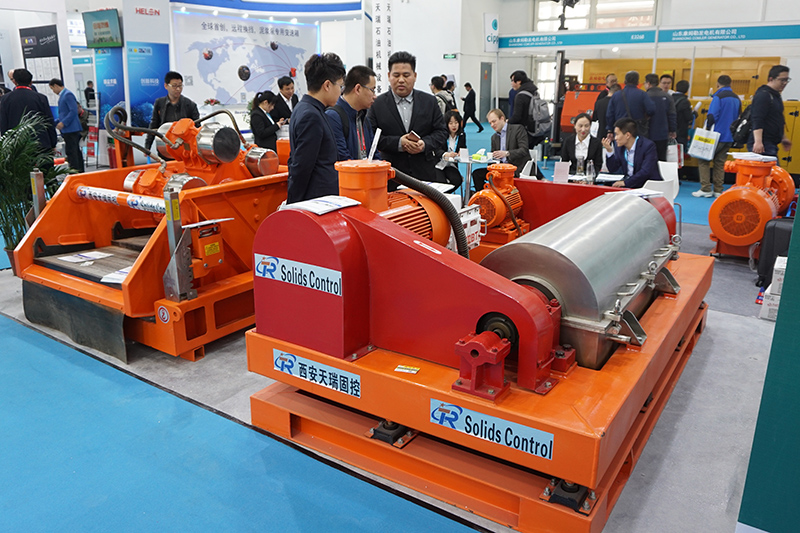
Engaging directly with international drilling operators and oilfield service providers at OTC Houston, ADIPEC, and major world energy expositions.
The transformation of oilfield waste management across North America is accelerated by automation, data telemetry, and environmental stewardship. Driven by aggressive Corporate Environmental, Social, and Governance (ESG) performance targets, US exploration operators and environmental service providers are actively transitioning from passive waste storage toward active on-site resource reclamation systems.
In conventional operations, shale shakers discharge drill cuttings containing high ratios of base mud directly into unlined reserve pits or waste bins. In a modernized closed-loop setup, cuttings discharged from primary and secondary shale shakers are routed via screw conveyors (augers) straight to a high-speed Vertical Cutting Dryer. Operating under centrifugal forces exceeding 400G to 500G, the vertical dryer separates oil and synthetic fluids from cuttings particles down to fine screen tolerances. The recovered mud is directed to a high-speed variable-frequency drive (VFD) decanter centrifuge to strip ultra-fine low gravity solids (LGS), while the dried cuttings cake is conveyed directly into lined roll-off boxes for stabilization or disposal.
In water-based mud (WBM) drilling across sensitive aquifers, chemical dewatering has become standard protocol. Modern dewatering skids integrate automated polymeric dosing units with PLC-controlled variable differential speed decanters. By continuously injecting targeted coagulants and polyacrylamide flocculants into the fluid feed line, sub-micron colloidal particles are flocculated into easily separable aggregates. This process releases sparkling clear, reusable brine or fresh water for ongoing mud makeup while discharging a stackable, moisture-deficient clay cake.
As remote operations proliferate across the expansive Permian Basin and remote Williston locations, solids control equipment is increasingly equipped with smart vibration sensors, bearing temperature probes, motor load monitors, and VFD data logging. These telemetry modules communicate real-time operating metrics to rig supervisory control and data acquisition (SCADA) platforms, anticipating screen blinded states, bearing stress, or feed slurry density surges before unplanned mechanical shut-downs occur.
For large-scale central waste treatment facilities (CTF) operating in Texas and Oklahoma, vertical cutting drying serves as the critical primary pre-treatment phase before indirect thermal desorption. Lowering the liquid and hydrocarbon content of cuttings prior to thermal processing significantly reduces the fuel consumption of rotary dryers, prevents thermal thermal-coking in burner chambers, and optimizes the overall processing capacity of regional waste treatment plants.
From single-skid components to fully integrated closed-loop cuttings treatment systems engineered to withstand harsh pad environments.

Deploying oilfield machinery in United States operations requires strict adherence to safety, electrical compatibility, and heavy transport codes. Equipment manufactured at TR Solids Control is purposefully configured for straightforward integration on American drilling rigs and remote commercial waste facilities:
Control systems, electric motors, and junction boxes are tailored to 460V/480V, 60Hz 3-phase standards. We offer explosion-proof enclosures engineered to UL 1203, Class I, Division 1 and Division 2 hazardous zone classifications with NEMA 4X / IP66 weatherproofing.
Conveyors, shakers, and modular tank skids are designed around US Department of Transportation (DOT) highway dimensional constraints, enabling standard flatbed trailer and step-deck mobilization between pad locations without oversized permit delays.
Shakers and drying equipment accommodate industry-standard screen dimensions and API RP 13C mesh designations, ensuring that drilling operators can easily source replacement screen panels directly through local supply distributors in Houston, Midland, or Casper.
All skids, tanks, and structural frames undergo comprehensive abrasive blast cleaning to SSPC-SP 10 (Near-White Blast) followed by high-build marine epoxy primer and polyurethane finish coats designed to endure harsh sun, chemical vapors, and winter brines.
Whether you are an independent oilfield service contractor in Midland, Texas, a drilling contractor operating in the Williston Basin, or an environmental remediation enterprise managing a regional waste treatment facility, TR Solids Control offers direct manufacturer pricing, agile engineering customization, and proven equipment durability. Our equipment has continually demonstrated robust performance under rigorous drilling schedules, reducing operator lifting costs while upholding the highest standards of environmental compliance across the United States oil and gas sector.