Leave Your Message
-
Phone
-
E-mail
-
Whatsapp
-
WeChat

Engineered with rugged oilfield solids control precision, these adapted high-G centrifugal separators, drying units, and elliptical screeners resolve complex solvent extraction, polymer dewatering, and viscous slurry separation challenges in modern web converting and label printing plants.
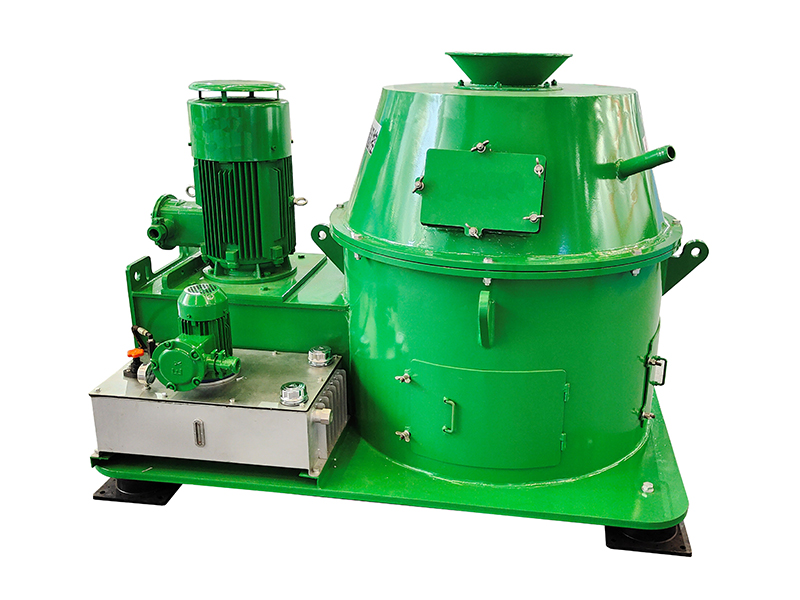
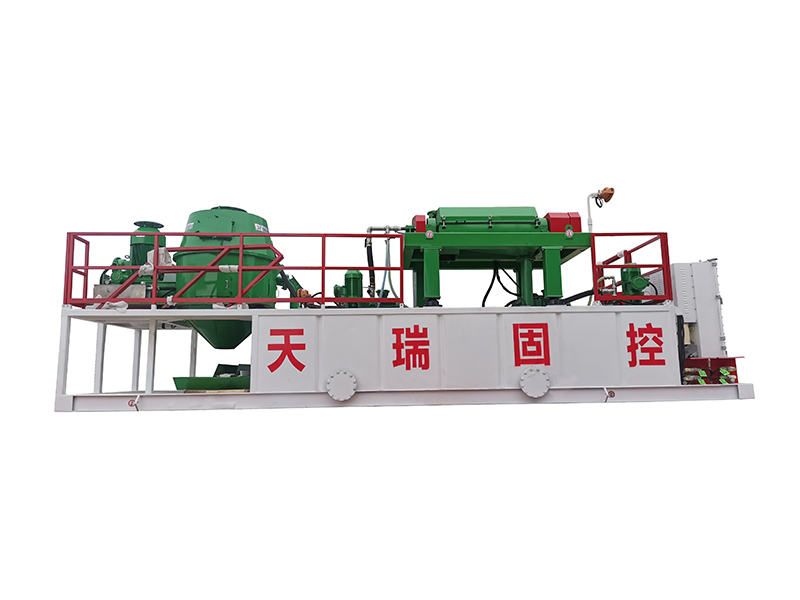
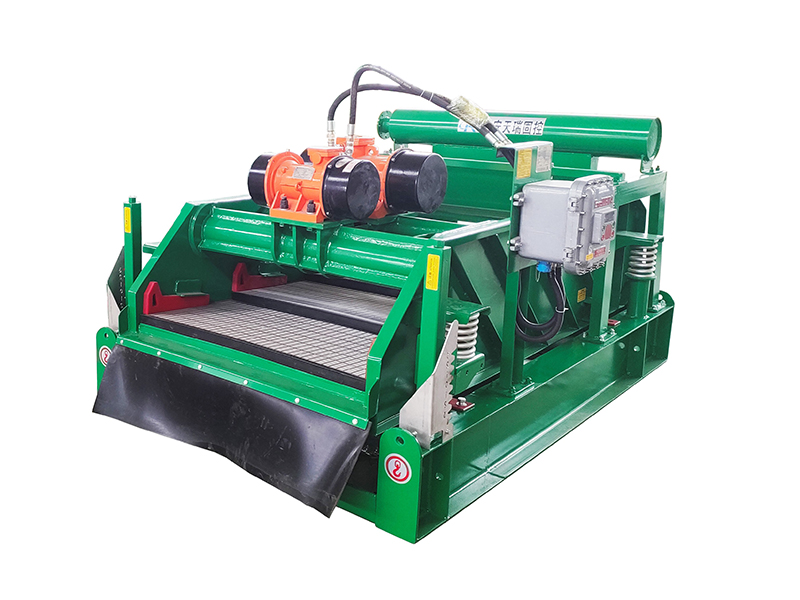
In modern adhesive tape and self-adhesive label manufacturing facilities, environmental compliance, solvent reclamation, and wastewater handling have reached a critical technological bottleneck. The convergence of oilfield-grade drilling waste management systems with adhesive production processing lines represents a profound paradigm shift in industrial mechanical separation.
Adhesive tape manufacturing lines—encompassing solvent-based rubber adhesives, waterborne acrylic emulsions, hot-melt polyolefins, and silicone release coat applications—generate aggressive effluent streams. Traditional municipal-grade or light-industrial wastewater treatment technologies fail rapidly due to blinding filter media, elastomer tackiness, micro-particulate suspension, and extreme chemical solvent loads including toluene, hexane, and ethyl acetate.
By adapting heavy-duty oilfield waste management equipment—originally engineered to process abrasive, high-density, oil-based drilling muds (OBM) under extreme G-force environments—adhesive converting plants can achieve continuous, non-clogging separation of tackified polymer matrices and reclaim critical liquid phases at unprecedented efficiencies.
Pressure-sensitive adhesive (PSA) tape manufacturing and roll-to-roll label printing plants face rigorous operational challenges. Integrating heavy-duty solids control machinery provides exceptional performance across four primary high-waste processing stations:
During line transitions between natural rubber, synthetic block copolymer (SIS/SBS), and high-performance polyacrylate tapes, coating heads and doctor blades are aggressively washed with aromatic solvent mixtures. The resulting effluent is a thick, highly flammable resinous slurry. Traditional filtration quickly blind-seals. Adapting high-torque, explosion-proof (ATEX/IECEx certified) vertical dryers and enclosed shale shakers allows continuous extraction of inert pigments, tackifier flakes, and synthetic gels, leaving clean solvent streams for immediate in-house distillation.
Silicone thermal-cure and UV-cure release liner lines release organosilicon micro-emulsions during web breaks and tray flushes. The introduction of balanced elliptical shakers with sub-40-micron screen matrices effectively removes paper fiber fines, plastic film matrix slivers, and gelatinous silicone aggregates before the liquid enters decanter centrifuges for ultra-fine clarification.
Industrial label converters generate vast quantities of waterborne, solvent, and UV-curable ink washdown fluids combined with acrylic adhesive overspray. Using flocculant-enhanced oilfield decanter centrifuges allows complete mechanical dewatering down to a transportable, non-leaching dry cake, cutting hazardous waste incineration fees by up to 75%.
| Feature | Standard Filter Press | TR Oilfield Solids System |
|---|---|---|
| Sticky Sludge Tolerance | Prone to cloth blinding | High (Continuous G-force) |
| Operation Mode | Batch / Manual scraping | 100% Continuous Flow |
| Solvent Containment | Open vapor leakage risk | Fully Enclosed Vapour-Tight |
| Cake Dryness | 18% - 30% solids | Up to 96.5% dry solids |
| Maintenance Downtime | High (Frequent wash) | Ultra-low (Self-cleaning) |
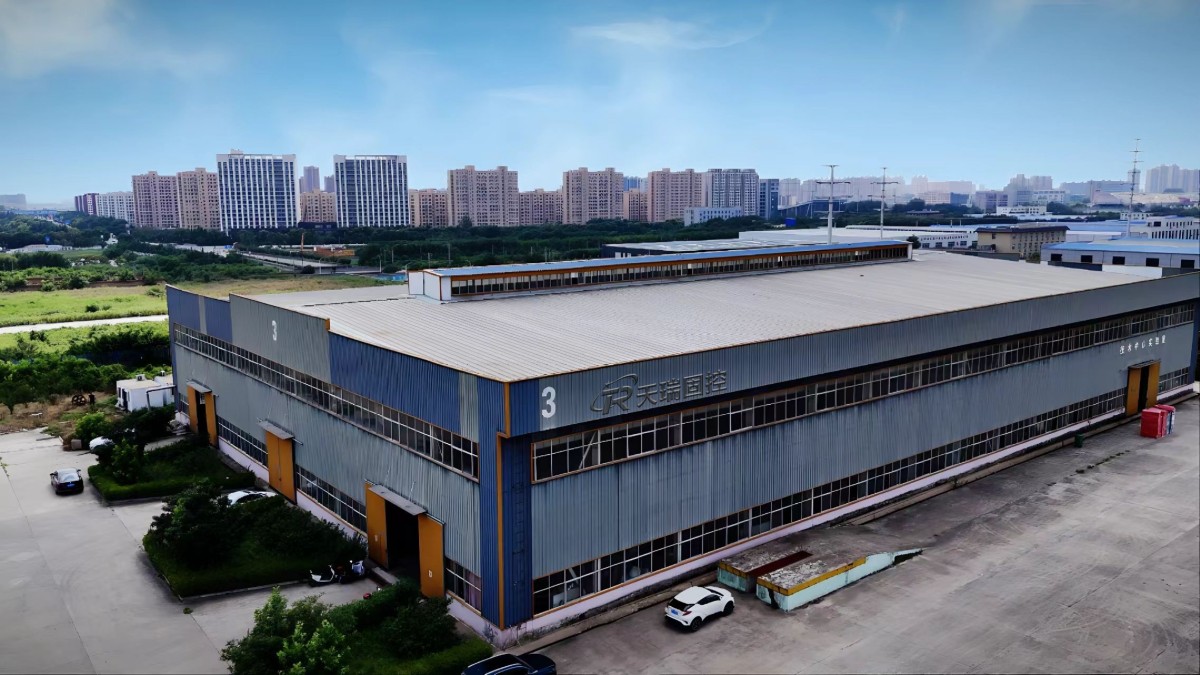
Established in 2010, TR Solids Control is a professional manufacturer specializing in drilling fluid solids control equipment and integrated solutions. We are dedicated to the design, manufacture, sales and services of solids control systems, following strict quality standards and providing reliable products, professional support and fast response for global customers.
During the past years, together with our experienced engineering team and strong supply chain partners, we have supported drilling contractors, oilfield service companies and industry partners across Middle East, Africa, Russia, South America, Southeast Asia and other regions, delivering efficient solids control solutions for various drilling operations and expanding into cross-industry continuous waste separation applications including specialized adhesive tape and label manufacturing facilities.

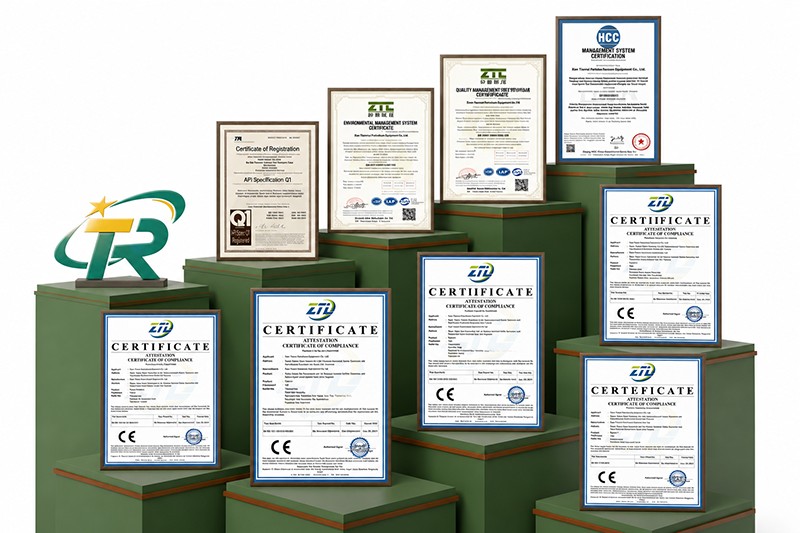
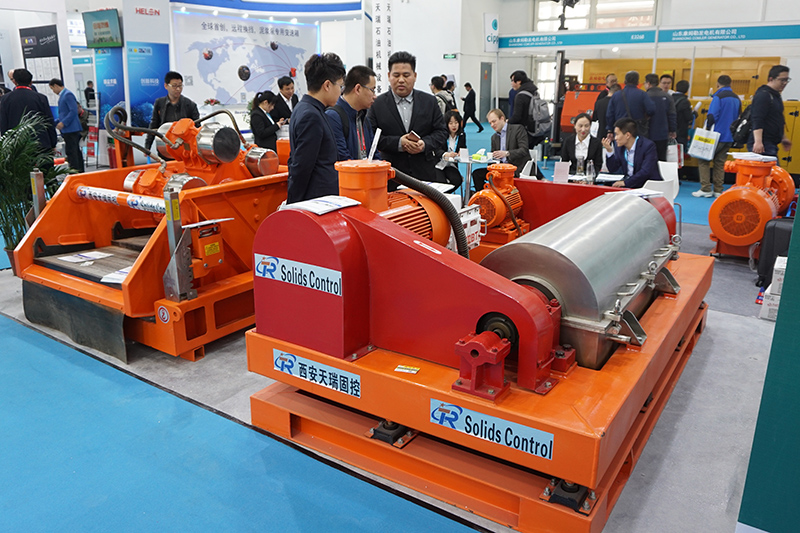
Explore our complete series of solids control machinery, vertical cutting dryers, shale shakers, and integrated processing skids engineered to optimize throughput, slash waste haulage costs, and reclaim critical liquids in demanding production plants.
Unlike traditional plate filter presses or dead-end cartridge filters, oilfield-derived shale shakers and vertical cutting dryers utilize dynamic high-G centrifugal and balanced elliptical motion fields (often exceeding 4.0 G to 7.5 G on screens and up to 4,200 G in centrifuges). This intense acceleration, combined with precision tungsten carbide scrapers and non-stick polyurethane composite screens, prevents the tacky polymer particles from lodging in the screen pores. Solids remain in continuous aerodynamic suspension along the deck, discharging dry cake without surface agglomeration.
Yes. Given that oilfield drilling muds routinely encounter volatile hydrocarbon vapors, all TR Solids Control machinery designed for solvent-based adhesive tape lines is fully customized with explosion-proof motors, purge-pressurized electrical cabinets, anti-static belts, and ATEX / IECEx / UL Class 1, Division 1/2 compliance configurations. Vapor-tight containment hoods and nitrogen-inerting ports prevent VOC gas leakage during continuous processing.
Most high-throughput pressure-sensitive tape and packaging label converters see full capital payback within 9 to 16 months. Return on investment is driven by three measurable metrics: 1) Slashing hazardous waste transport weights by up to 70% due to thorough liquid extraction; 2) Direct recovery of expensive organic cleaning solvents (toluene, ethyl acetate) for in-plant reuse; and 3) Drastic reduction in manual cleaning downtime and cartridge filter consumable replacement expenses.