Leave Your Message
-
Phone
-
E-mail
-
Whatsapp
-
WeChat

Engineered to handle micro-particulate slurries, oily coating residues, and volatile solvents with zero product degradation and optimized recovery rates.
The global precision electronic coating and optical film sectors represent the pinnacle of high-value continuous processing. From polarizing films (PVA/TAC), anti-reflective (AR) and optical clear adhesive (OCA) films for ultra-high-definition OLED/micro-LED displays to copper-clad laminates, flexible printed circuits (FPC), and semiconductor photoresist layers, coating operations consume enormous volumes of high-purity synthetic oils, high-boiling-point organic carriers, solvent vehicles, and micro-dispersed functional polymers. Inevitably, continuous multi-slot die, gravure, and micro-roll coating produce viscous oil sludge, overspray rinses, wastewater concentrates, and particulate-laden solvent slurries.
Historically treated merely as hazardous waste designated for off-site incineration or third-party disposal, optical film and precision electronic sludge pose steep commercial and compliance challenges. Escalating environmental regulations (such as zero-liquid discharge requirements, stringent VOC emission mandates, and carbon border adjustment mechanisms) alongside volatile commodity solvent prices have altered the manufacturing landscape. Advanced Oil Sludge Recovery Systems are no longer auxiliary waste-handling equipment; they are essential strategic assets that recover up to 92-98% of clean oils and solvent bases, protect cleanroom air cleanliness standards, and reduce total production costs by millions of dollars annually.
1. Sub-Micron Particulate Fouling: Nano-scale titanium oxides, silica, and cured oligomers bind tightly to viscous oils, resisting conventional static sedimentation.
2. Thermal Degradation Risks: Thermal reclamation without proper phase-controlled separation breaks down high-grade synthetic oils into non-reusable tars.
3. Cleanroom Cross-Contamination: Open sludge transfers risk fugitive VOC leaks that contaminate delicate optoelectronic substrate coatings.
Modern precision electronic coating facilities operate on thin margins where material utilization rate directly impacts competitive advantage. Recovering high-cost functional carrier fluids (such as specialized siloxanes, fluorine-containing lubricants, and optical-grade mineral distillates) allows manufacturers to reintroduce purified base fluids directly into non-critical mixing streams or wash-down cycles, realizing an average capital payback period of 8 to 14 months.
Closed-circuit recovery slashes Scope 1 and Scope 3 greenhouse emissions by eliminating cross-regional hazardous waste transportation and the thermal oxidation of petroleum derivatives.
Integrated PLC controllers and optical turbidity sensors regulate slurry flow, centrifugal G-forces, and thermal vacuum evaporation rates in real-time according to sludge density variances.
Multi-stage hydrodynamic classification coupled with non-destructive vacuum extraction ensures that reclaimed carrier solvents maintain original dielectric constants and zero trace moisture.
How cutting-edge solids control and vacuum recovery technologies are deployed seamlessly across electronic film lines.
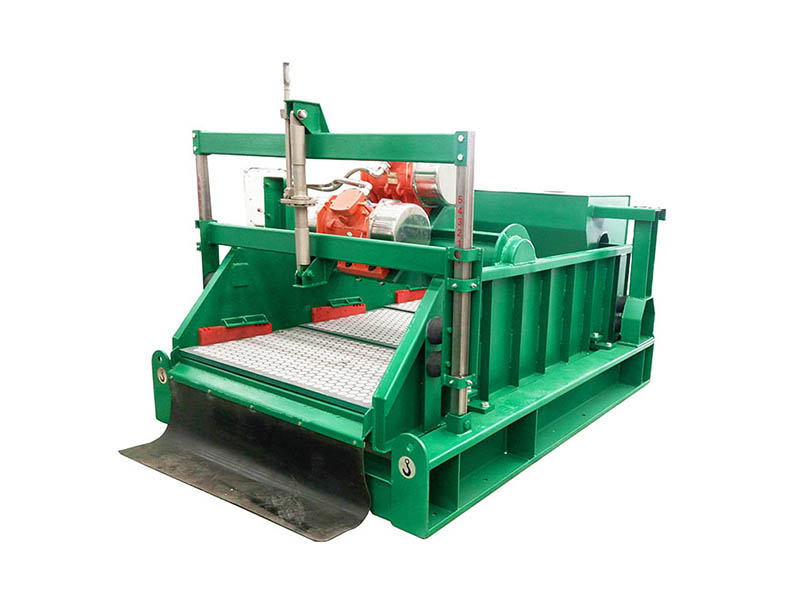
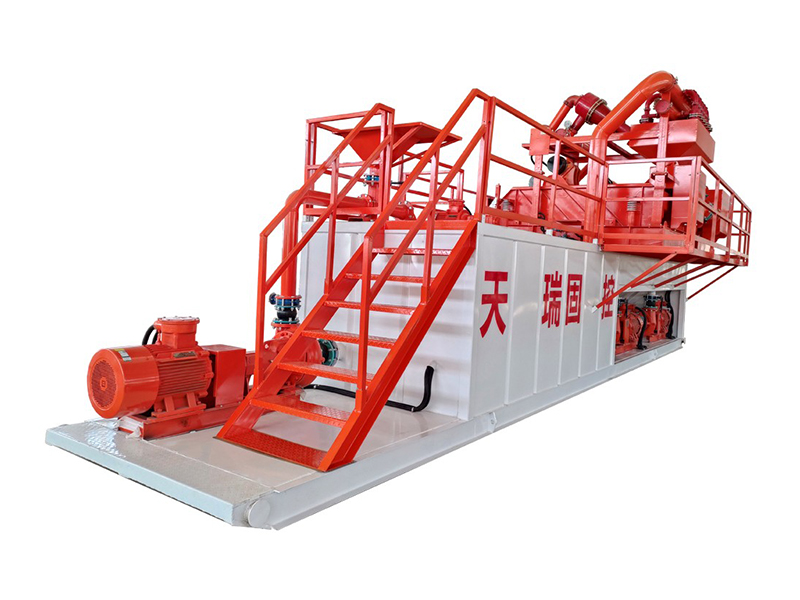
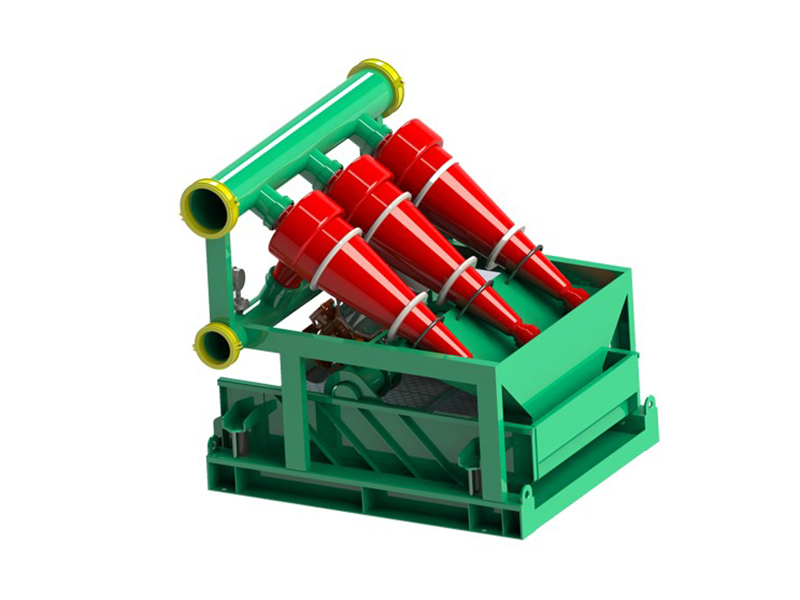
Treating oil sludge generated in optical coating workshops requires a vastly different engineering approach than standard industrial waste treatment. Because optical coatings utilize ultra-pure synthetic compounds, high-viscosity prepolymers, and sensitive photo-initiators, any shear-induced heating or improper chemical coagulation can permanently spoil the recyclable oil phase. Our system leverages a continuous 4-phase physical separation architecture:
| Separation Parameter | Traditional Chemical Coagulation / Disposal | Standard Industrial Decanter Only | TR Solids Control Optical Sludge System |
|---|---|---|---|
| Oil Recovery Efficiency | 30% - 45% (Heavily degraded) | 65% - 75% | 92% - 98% (High Purity) |
| Solid Cake Moisture / Oil Content | High liquid content (>40% OBM) | 20% - 25% oil retention | < 5% - 8% Oil on Cuttings (OOC) |
| Particle Separation Cut-Point | Uncontrolled (>100 μm) | Down to 20 μm | Down to 2 – 5 μm (Multi-Stage) |
| VOC Cleanroom Safety | High risk of fugitive emissions | Moderate open aeration | 100% Hermetically Sealed Vacuum Loop |
| Operating Expenditure (OPEX) | Extremely High ($800-$1500/ton) | Moderate ($400-$700/ton) | Lowest (<$120-$200/ton via In-line Loop) |
Custom-engineered recovery configurations designed specifically for diverse advanced manufacturing cleanroom environments.
Continuous recovery of plasticizers, paraffinic processing oils, and TAC/PVA scrap wash slurries from high-speed stretch lines. Eliminates solvent haze on roller dies and recirculates pristine washing oils.
Efficient extraction of viscous photoresist polymers, stripper solvents, and circuit board copper-cladding oils, converting hazardous chemical sludge into dry compact solids suitable for harmless disposal.
Separation of abrasive silicon carbide/diamond powders from mineral cutting lubricants and synthetic PEG-based carriers, enabling high-rate recovery of both premium lubricants and rare abrasive grits.
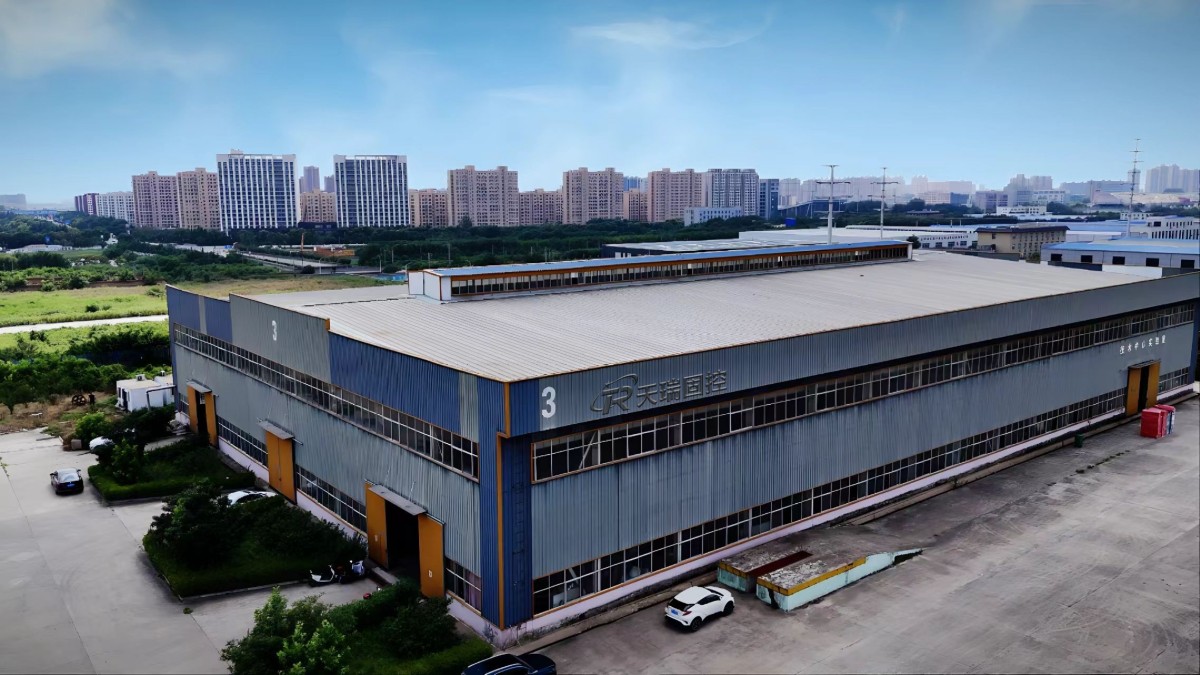
Decade-long manufacturing precision backing advanced separation systems globally.

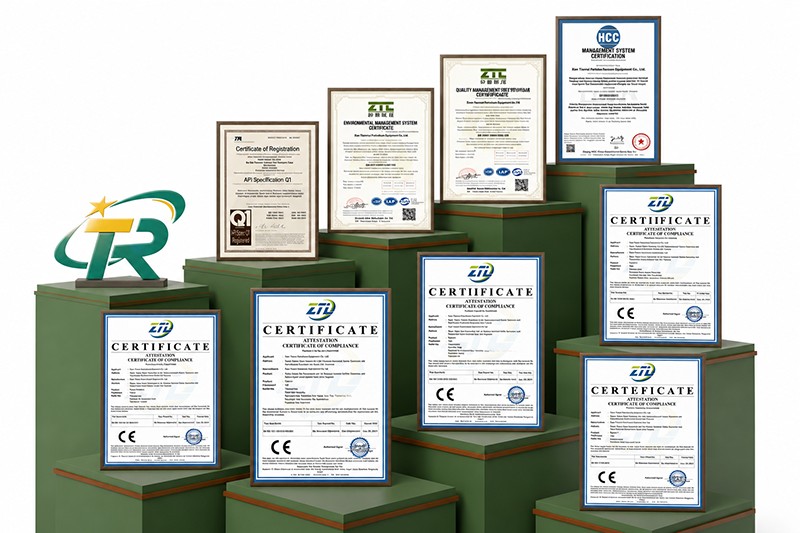
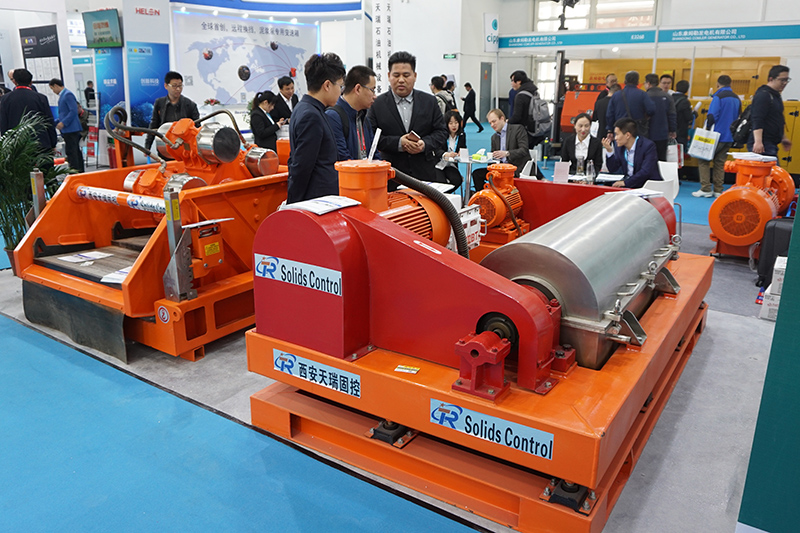
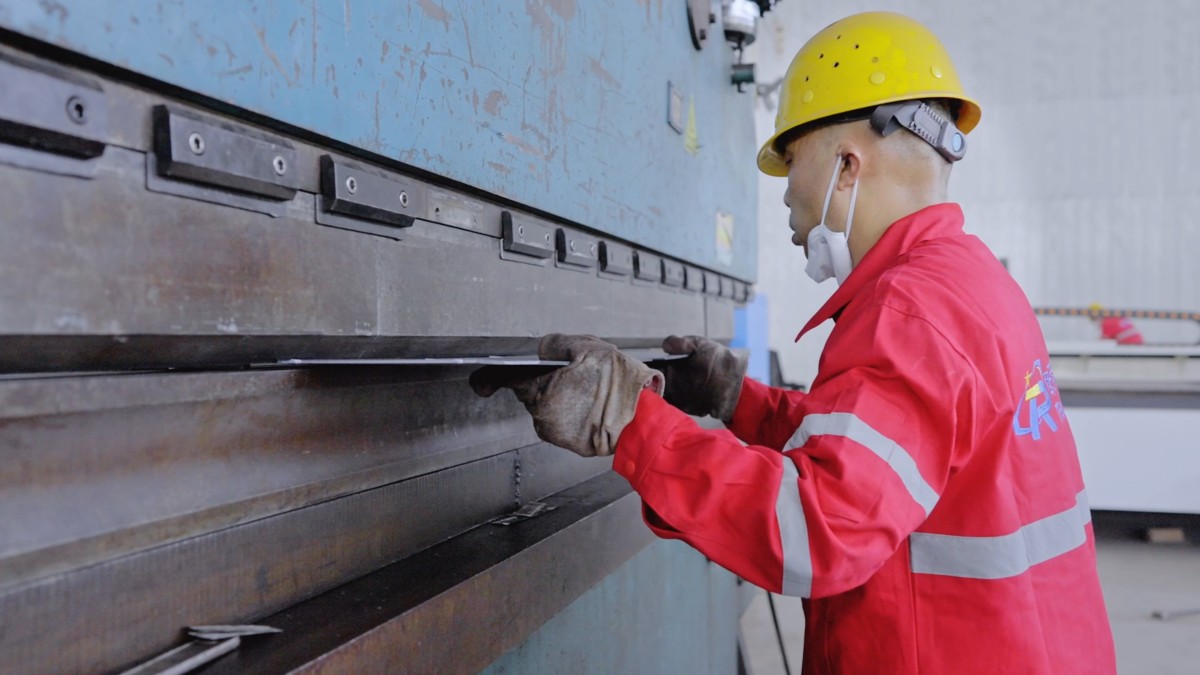

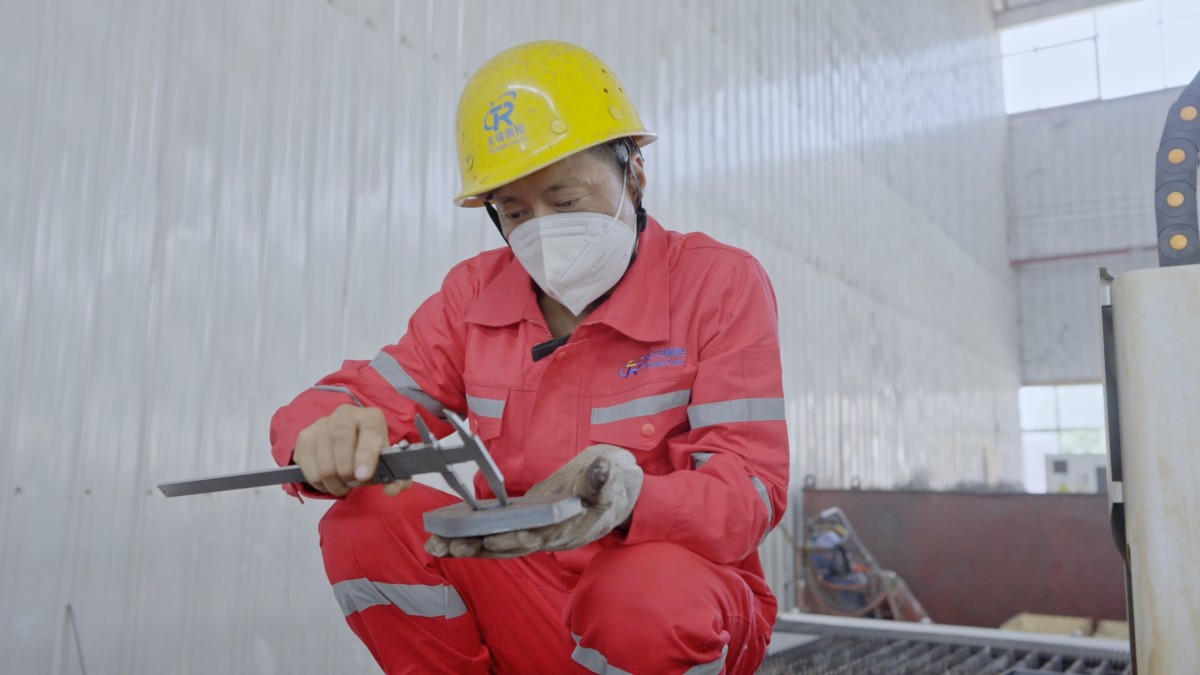
Explore our complete lineup of engineered machinery for drilling fluids, precision electronics coating waste, and hazardous industrial sludge recovery.
As microelectronics shift toward sub-3nm semiconductor nodes, ultra-thin flexible display substrates, and perovskite solar photovoltaic films, precision coating processes demand unprecedented chemical purity. The future of Oil Sludge Recovery Systems lies in the convergence of automated sensory networks, closed-loop machine learning algorithms, and zero-emission thermal-mechanical hybrid separation:
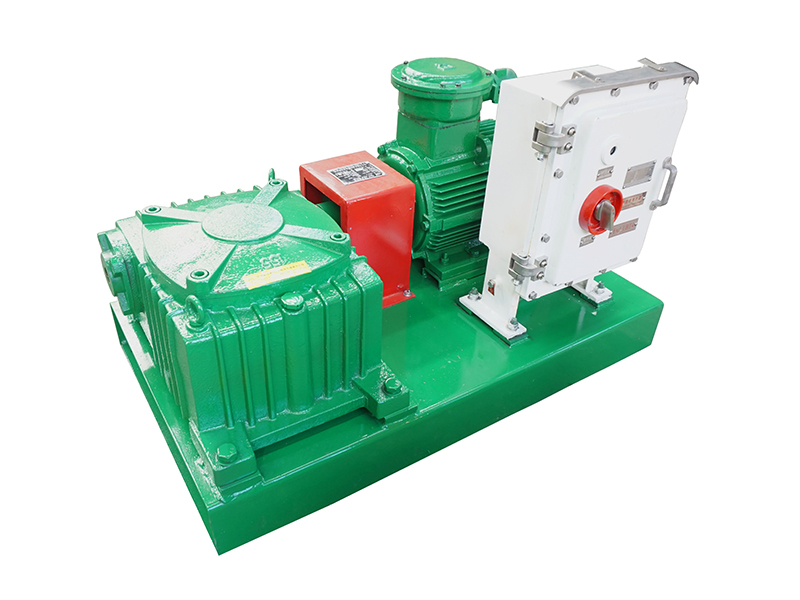
Yes. All electrical motors, agitation gearboxes, and sludge vacuum pumps comply with ATEX, IECEx, and CNEx explosion-proof standards (Zone 1/Zone 2 rating), equipped with anti-spark stainless steel contact parts and sealed inert gas purging.
We utilize multi-layered composite mesh screens with pre-tensioned anti-blinding elastomer cleaning balls and ultrasonic transducers that continuously vibrate the screen cloth at micro-amplitudes, preventing particle agglomeration.
Plants typically achieve an 80% to 90% reduction in total hazardous waste weight by extracting reusable oils and solvents, leaving only compact, non-dripping solid cakes with low oil content ready for safe secondary recovery.