Leave Your Message
-
Phone
-
E-mail
-
Whatsapp
-
WeChat

Engineered for seamless handling of adhesive matrices, thermoset sludge, synthetic binders, and oil-laden composite residues with maximum continuous throughput.
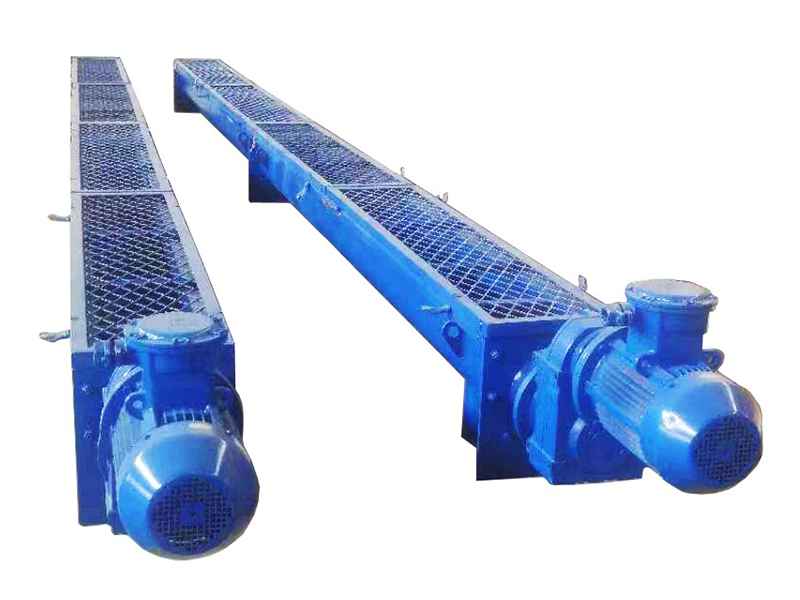
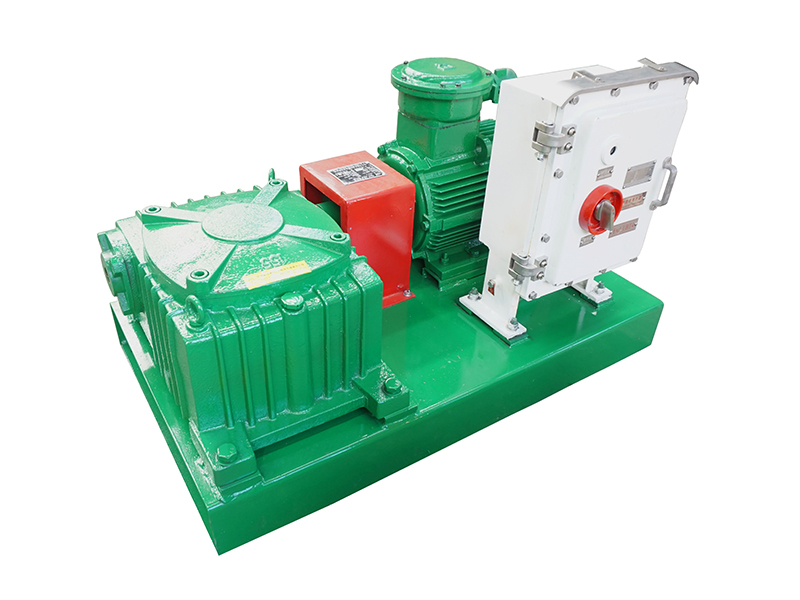
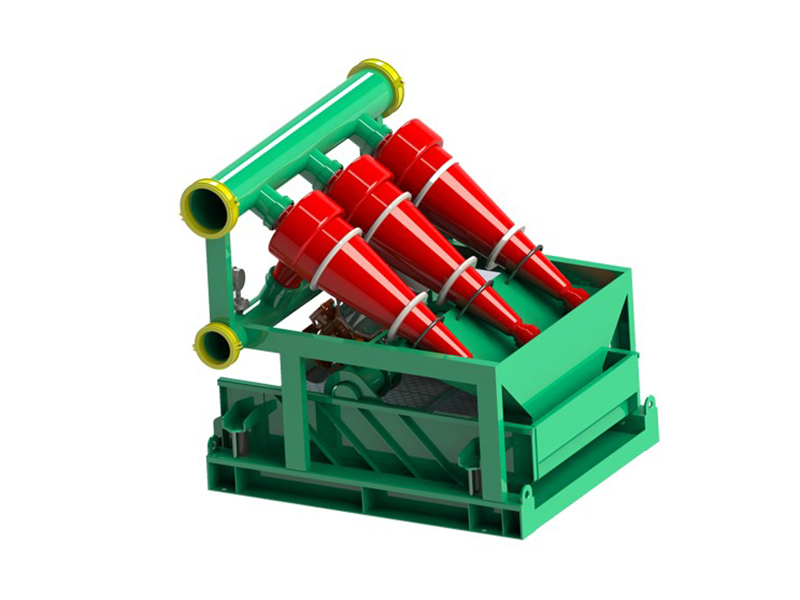
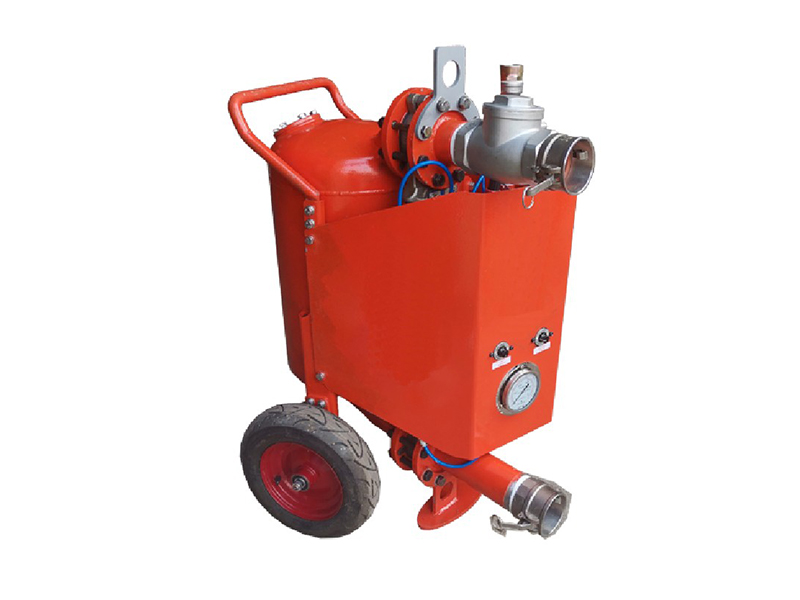
In modern advanced manufacturing, industrial adhesives, structural bonding agents, prepregs, carbon fiber matrices, and multi-layer synthetic composite laminates play a fundamental role across aerospace, automotive, wind energy, and electronics packaging sectors. However, the synthesizing, coating, molding, and autoclave washing processes generate voluminous, complex waste streams commonly termed industrial oily and resinous composite sludge. This sludge combines synthetic hydrocarbons, tackifying resins, elastomeric polymers, curing catalyst residues, solvent-borne mineral suspensions, and reinforcing micro-solids.
Traditional disposal methods such as off-site deep-well injection, high-temperature open incineration, or hazardous landfill stabilization have become economically unsustainable and environmentally non-compliant under tightening global ESG benchmarks, EPA regulations, and the European Zero Waste framework. Implementing a dedicated Oil Sludge Recovery System for Industrial Adhesive Composite Materials Processing provides a transformative paradigm shift: converting viscous, hazardous composite slurry into reusable organic carrier oils, refined solvent bases, clean water fractions, and dry, inert solid cakes suitable for secondary construction or energetic valorization.
High-precision multi-stage centrifugal and thermal desorption separation recovers up to 98.5% of high-value carrier oils, esters, and plasticizer matrices for direct line re-injection.
Integrated shear conditioning, thermo-chemical emulsion breaking, and vacuum dewatering overcome extreme tacky polymer adherence without fouling downstream equipment.
Drastic dewatering and hydrocarbon stripping reduce hazardous disposal cake volumes by over 80%, yielding major reductions in transportation and landfill tipping fees.
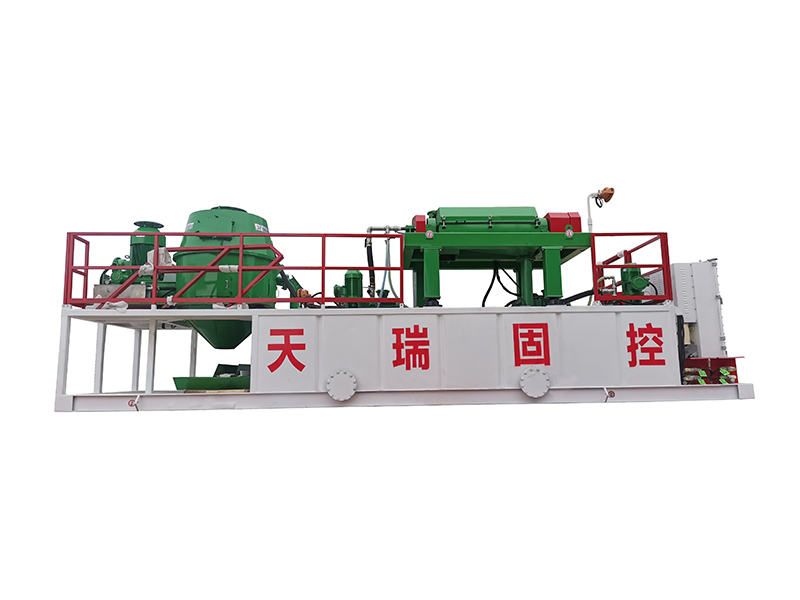
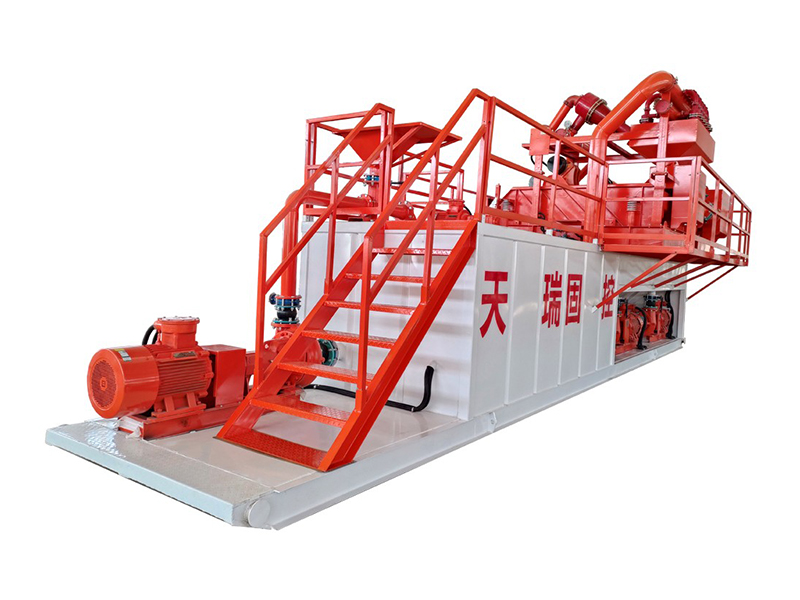
Handling industrial adhesive sludge is inherently more demanding than standard oilfield mud reclamation. Adhesive slurries exhibit non-Newtonian, shear-thinning, or thixotropic behaviors, characterized by high tackiness, tendency to polymerize under moderate heat, and ultra-fine particulate entrainment. The TR Solids Control industrial sludge recovery architecture utilizes a coordinated four-stage mechanical, thermal, and fluidic separation cascade:
| System Module | Primary Unit Technology | Operating Principle | Adhesive Composite Application |
|---|---|---|---|
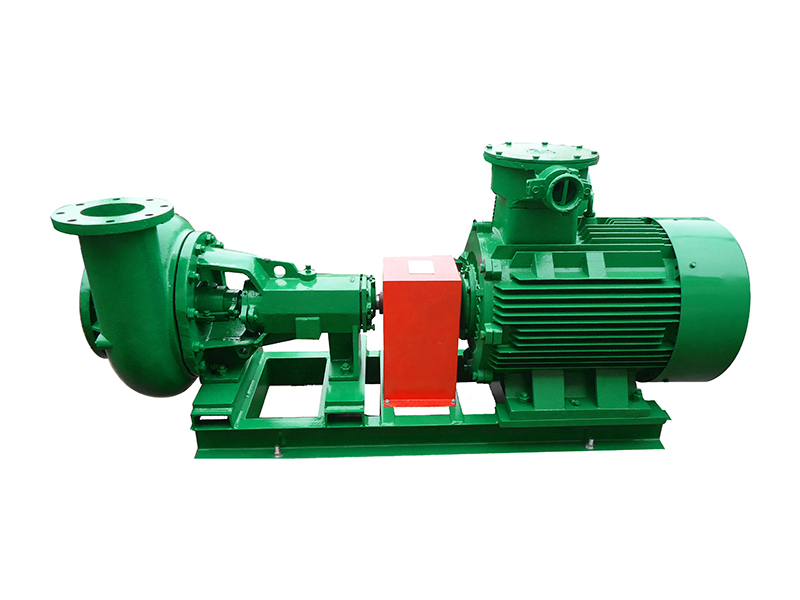
| Primary Intake & Transfer | Sludge Vacuum Pump & Agitated Buffer Tanks | Negative pressure suction, high-solid displacement | Transfers sticky, un-pumpable resin wastes, tank bottoms, and composite washdowns safely without clogging. |
| Conditioning & Breaking | High-Shear Agitators & Demulsification Dosing | Thermal injection + surfactant blending | Lowers resin viscosity, destabilizes micro-emulsions, and liberates free carrier oils from polymeric networks. |
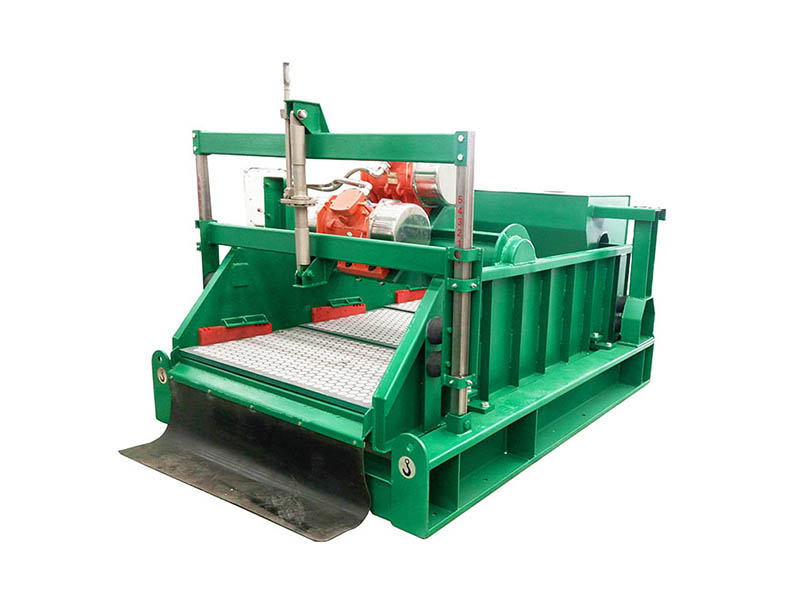
| Coarse & Fine Classification | High-G Linear Shale Shakers & Desanders | Multi-deck dynamic filtration, centrifugal hydrocyclones | Extracts reinforcing fiber strands, glass beads, inorganic fillers (silica, CaCO3), and abrasive particles down to 15 microns. |
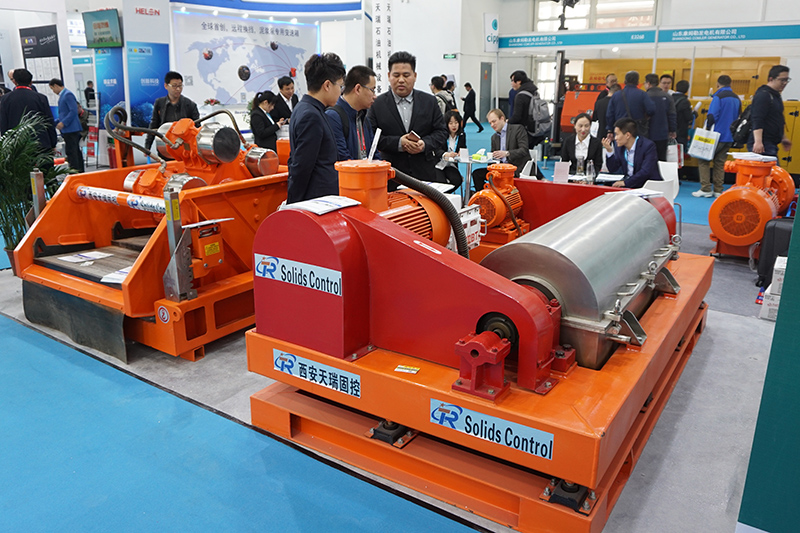
| High-Speed Decanting | Tricanter & 2-Phase High-G Decanter Centrifuges | Centrifugal force up to 3000G continuous separation | Performs definitive three-phase splitting: clean reclaimed oil, clear process effluent, and low-moisture solid discharge cake. |
The adoption of specialized oil sludge treatment loops delivers distinct engineering and economic advantages across various stages of high-performance composite production:
During batch turnover and scheduled reactor stripping, solvent washings combine with hot-melt polyolefins, tackifier terpenes, and paraffin waxes. The sludge recovery system separates the organic solvents and hydrocarbon waxes from trace carbonaceous char, allowing the solvent to be redistilled while the purified hydrocarbon stream is blended back into low-grade industrial fuel or heavy bitumen modifier formulations.
In continuous thermoset epoxy impregnation lines for aerospace structural composites, trimming waste, resin drip trays, and tooling rinse solutions form sticky epoxy-oil-solvent sludges. Our mud agitator homogenization and sludge vacuum pump loops systematically capture these sticky dregs, extract abrasive ceramic microballoons and carbon particulate, and clarify the liquid phase for localized plant reuse.
Pultrusion dies and high-pressure resin transfer molding (RTM) stations require intensive lubrication release agents, hydraulic oils, and polyol flushes. The resulting composite slurry is processed through specialized linear shakers and decanting centrifuges, eliminating release agent cross-contamination and restoring mineral oil base fluids to clean operating specs.
Investing in an engineered on-site Oil Sludge Recovery System generates rapid payback periods, often within 9 to 14 months of deployment. By reducing hazardous waste manifests by up to 85%, reclaiming raw base oils, and drastically cutting plant water consumption through closed-loop clarification, industrial manufacturers achieve superior operational resilience against escalating chemical feed prices and carbon taxes.
Looking ahead, the integration of Industrial IoT (IIoT) sensors, smart SCADA automated dosing, and AI-driven predictive torque algorithms inside decanter centrifuges and vacuum pumps enables autonomous load-level balancing. The system dynamically adjusts rotational G-forces, chemical demulsifier metering, and screw conveyor transport speeds in real-time response to shifting sludge viscosity, ensuring optimal energy efficiency and consistent cake dryness around the clock.
The system utilizes integrated thermal conditioning coils, high-shear mud agitators, and precise chemical surfactant metering to lower fluid viscosity and break adhesive bonding before reaching screening decks. Shakers feature high G-force linear motion and non-stick polyurethane or composite-framed wire mesh screens, while decanter centrifuges feature automated CIP (clean-in-place) backwash routines.
Under standard operational configurations on adhesive composite sludges, the discharged solid cake achieves a moisture content below 15-20% and an oil-on-cuttings/solids metric under 2-5%, easily meeting regulatory standards for non-hazardous landfill disposal or raw material blending for kiln co-processing.
Yes. Reclaimed hydrocarbon oils are routinely directed back into furnace preheaters, secondary mastic blending, or solvent purification loops. Clarified process water with low TSS can be recycled directly into equipment wash-down cycles or cooling water feed systems.
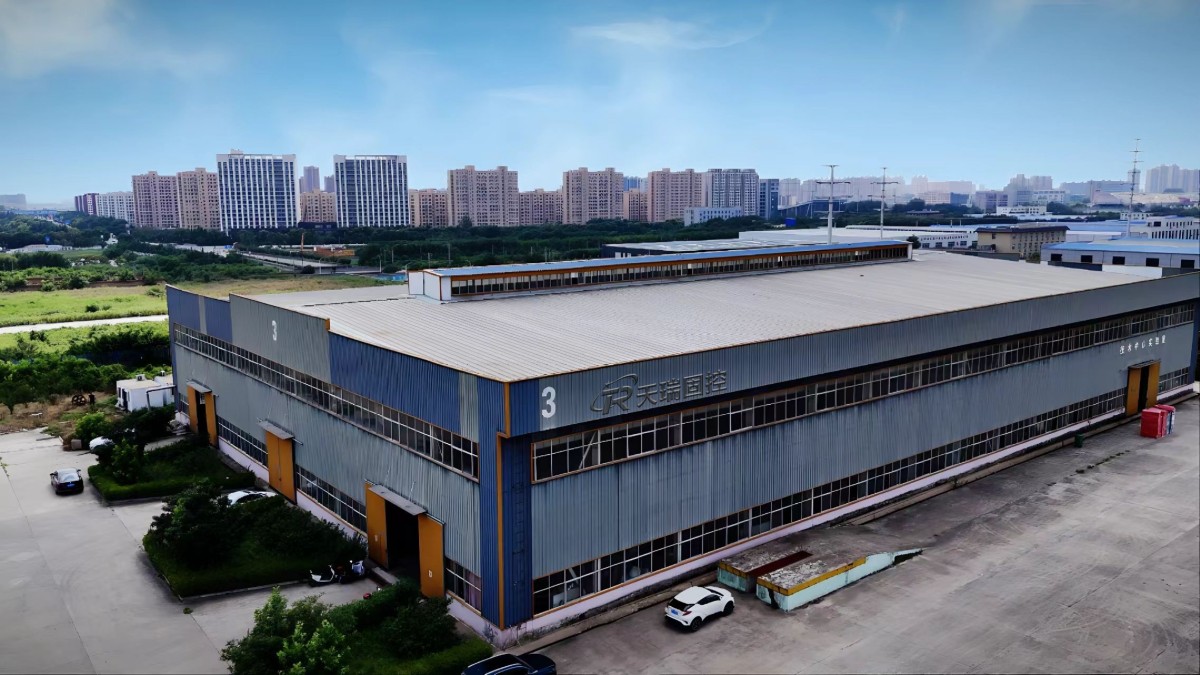
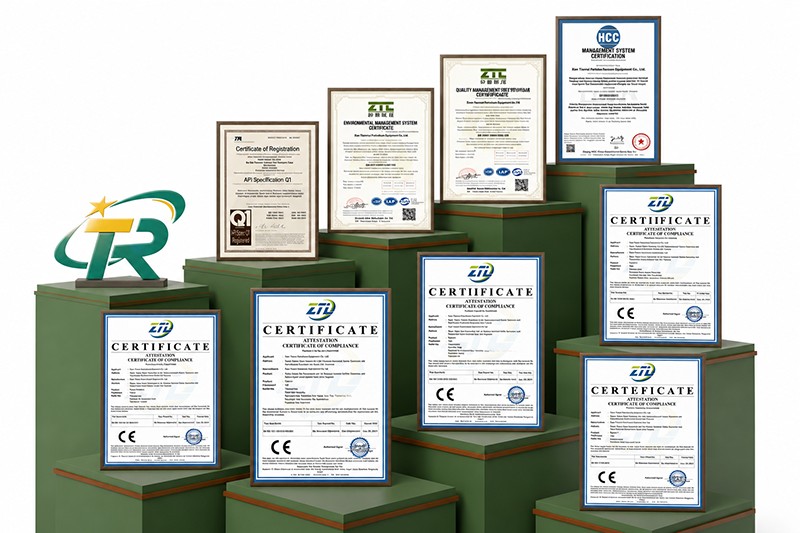
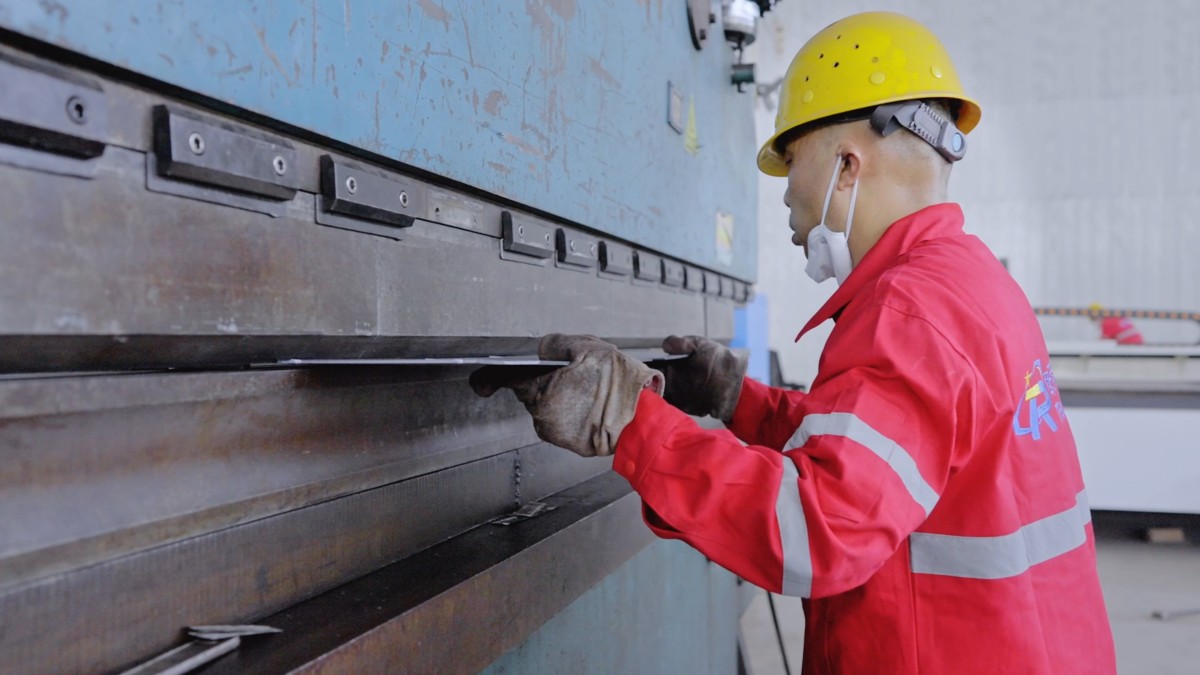
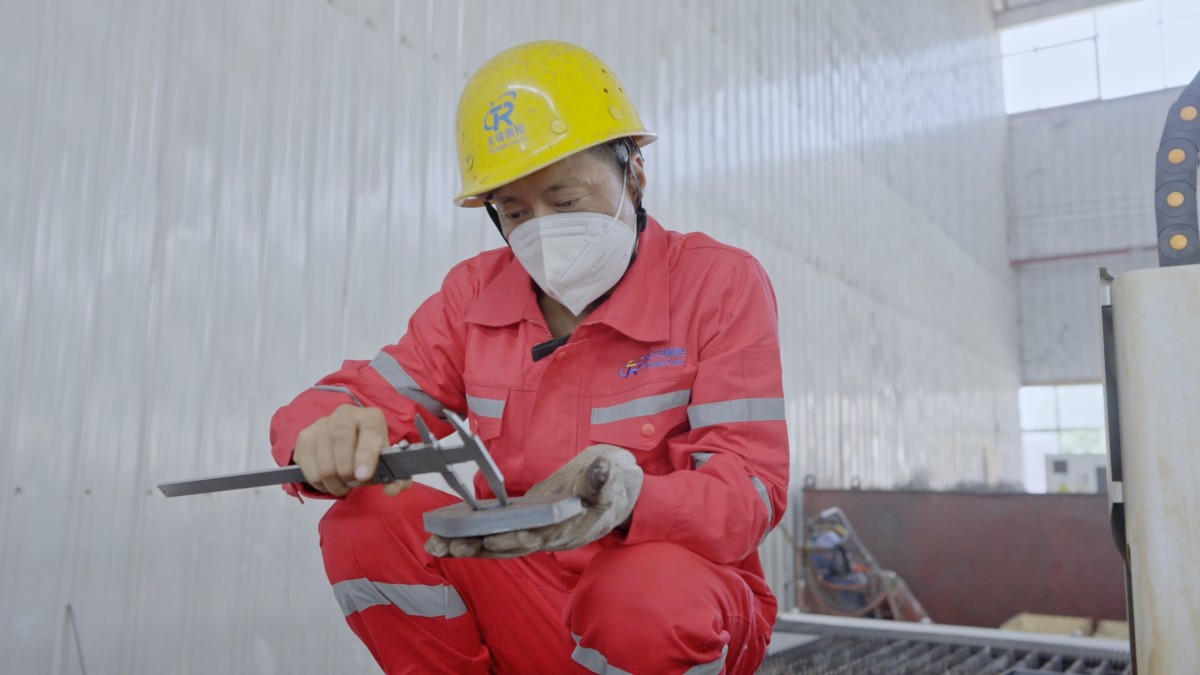
Established in 2010, TR Solids Control is a professional manufacturer specializing in drilling fluid solids control equipment and integrated solutions. We are dedicated to the design, manufacture, sales and services of solids control systems, following strict quality standards and providing reliable products, professional support and fast response for global customers.
During the past years, together with our experienced engineering team and strong supply chain partners, we have supported drilling contractors, oilfield service companies and industry partners across Middle East, Africa, Russia, South America, Southeast Asia and other regions, delivering efficient solids control solutions for various drilling operations and industrial waste remediation setups.
Explore our heavy-duty, field-tested machinery engineered to withstand corrosive, high-viscosity, and abrasive operating conditions in composite and industrial processing facilities.