Leave Your Message
-
Phone
-
E-mail
-
Whatsapp
-
WeChat

Modular, explosion-proof, high-G mechanical separation systems specifically calibrated for viscous polymers, curing agent slurries, and organic solvent washouts in automotive PPF production.
The global automotive Paint Protection Film (PPF) industry is experiencing exponential growth driven by the burgeoning luxury vehicle market, escalating consumer demand for self-healing aliphatic thermoplastic polyurethane (TPU) wraps, and rapid advancements in precision optical micro-layering. However, behind high-yield slot-die coating and multi-layer optical film lamination lines lies a critical environmental and operational bottleneck: the generation of chemically complex, high-viscosity solvent-laden oil and polymer sludge.
During PPF fabrication, precision polyurethane topcoats, pressure-sensitive acrylic adhesives (PSA), cross-linking agents, and solvent carriers (such as ethyl acetate, MEK, toluene, and functional aliphatic solvents) are continuously formulated, applied, and cured. The routine purge cycles of coating heads, cleaning of gravure rolls, distillation bottoms from solvent recovery units, and tank cleaning procedures generate heavily emulsified hazardous residues. Traditional waste disposal methods—such as third-party offsite incineration and unconditioned vacuum hauling—impose unsustainable operational expenditures (OPEX) and severe carbon footprints while exposing plant operators to stringent environmental audits under EPA, EU-REACH, and OSHA VOC guidelines.
Dramatically slash hazardous waste handling and offsite hauling costs by separating reusable organic solvents from inert solid polymers on-site.
Engineered for 24/7 in-line integration with automated slot-die and gravure coater wash stations, eliminating operational downtime.
Fully certified explosion-proof motor assemblies, purged control panels, and sealed fluid circuits compliant with Class 1, Division 1 hazardous environments.
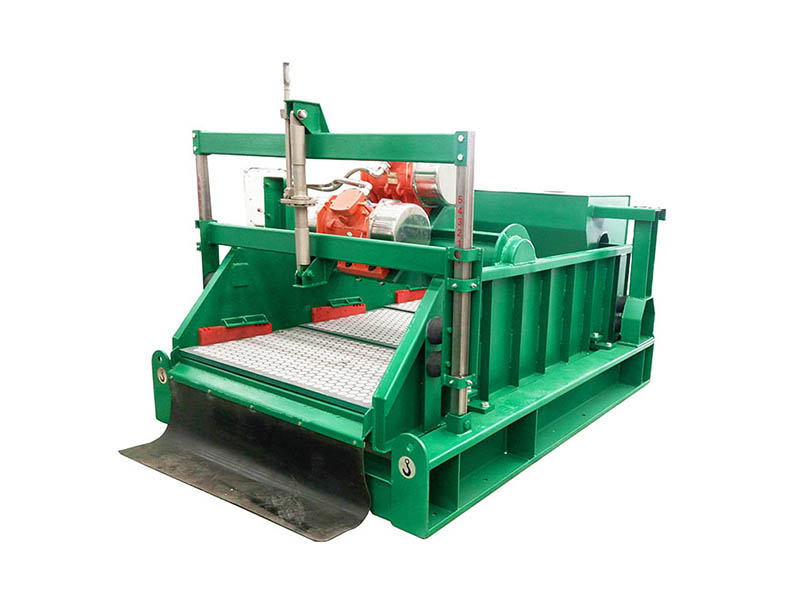
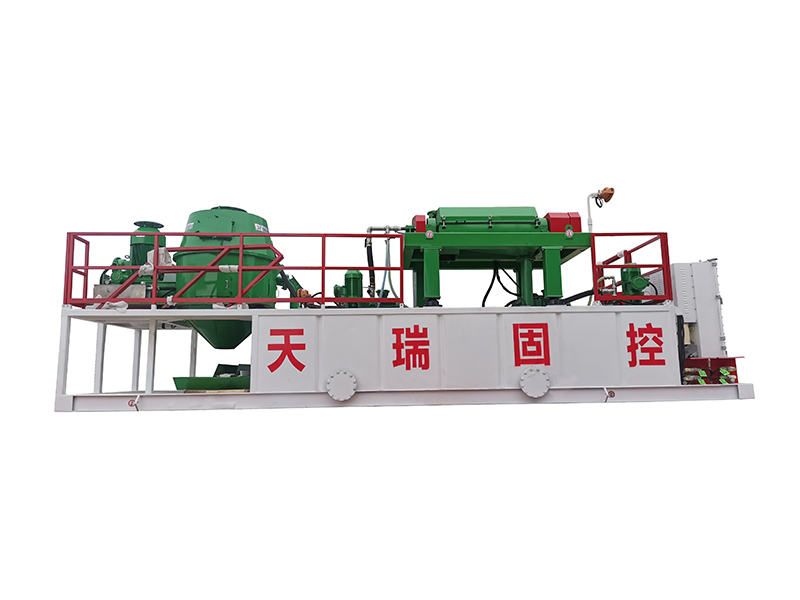
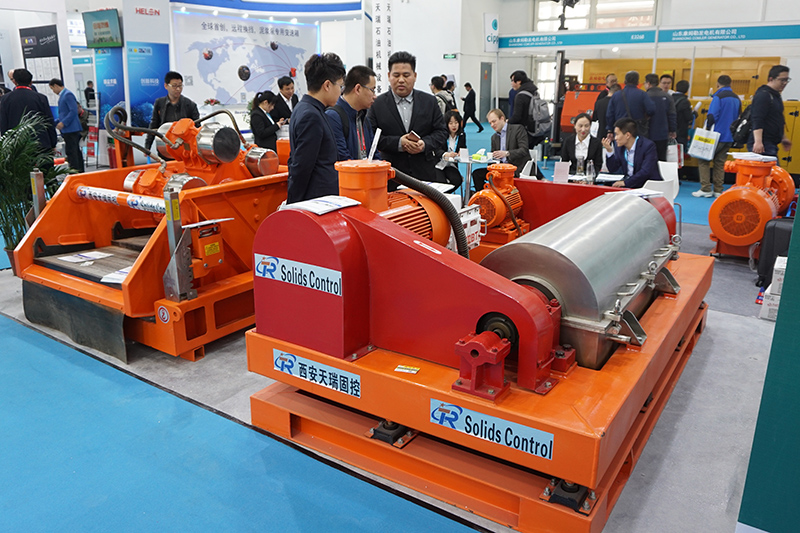
Unlike standard oilfield drill cuttings or municipal sludge, PPF coating slurry exhibits extreme thixotropy, high tackiness, and rapid polymerization when exposed to air. When aliphatic TPU polyols mix with tackified acrylic copolymers and volatile solvent mixtures, they create a dense, viscous matrix that quickly fouls conventional filtration media. A dedicated Oil Sludge Processing Unit configured for film coating facilities integrates high-shear thermal conditioning, chemical destabilization, multi-axis linear screening, and high-G two-phase/three-phase decanting centrifugation to break the colloidal suspension and achieve high-purity phase separation.
How our industrial processing skid deconstructs recalcitrant coating polymer slurries into clear reusable solvent, water, and dry transportable solid cake.
| Performance Parameter | Conventional Offsite Hazardous Hauling | TR Solids Control PPF Oil Sludge Unit |
|---|---|---|
| Raw Sludge Volume for Disposal | 100% total wet volume (Heavy hazardous liability) | Reduced by 75% – 90% (Only dry cake hauled) |
| Solvent / Hydrocarbon Recovery | 0% (Total loss, incinerated offsite) | Up to 92% reclaimed for cleaning/re-use |
| VOC Emissions & Plant Odor | High during manual decanting & storage drumming | Zero fugitive emissions; hermetically sealed circuit |
| Process Line Uptime Impact | Frequent stops for manual pit & sump cleanouts | Automated, 24/7 continuous in-line clarifying |
| Safety & Compliance Rating | High risk of vapor ignition and worker exposure | ATEX / Class 1 Div 1 certified intrinsically safe |
Real-world data metrics achieved across international polymer film casting, extrusion, and precision optical coating facilities.
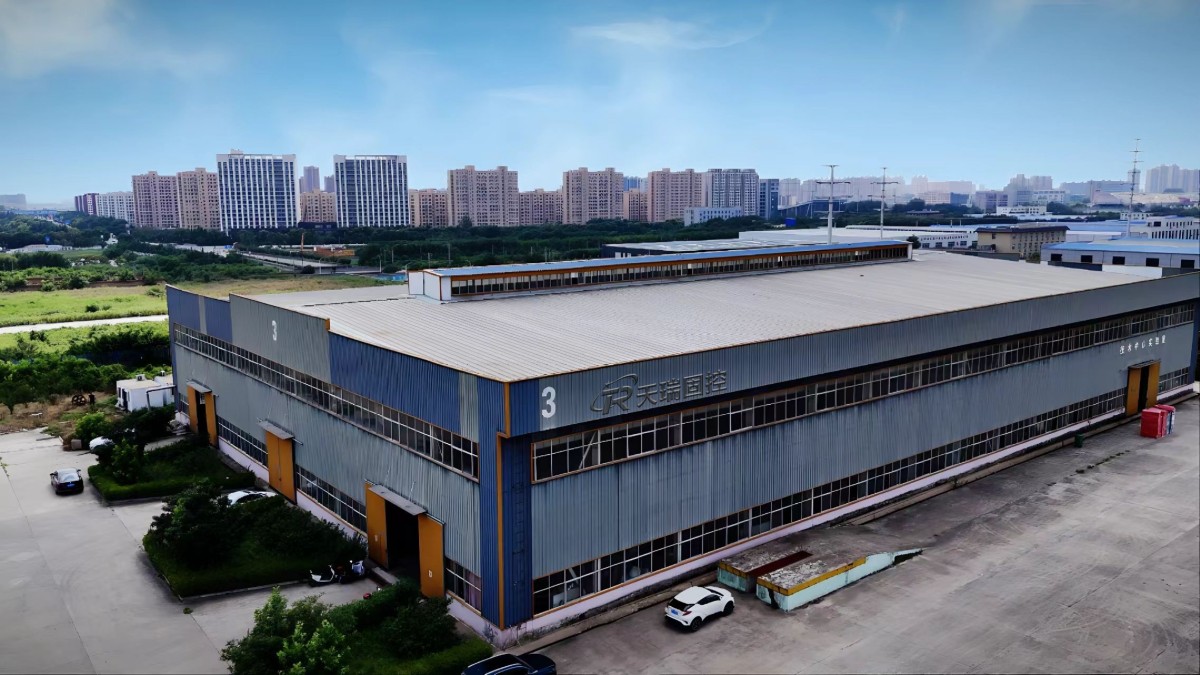
Established in 2010, TR Solids Control is a professional manufacturer specializing in drilling fluid solids control equipment and integrated industrial separation solutions. We are dedicated to the design, manufacture, sales and services of solids control systems, following strict quality standards and providing reliable products, professional support and fast response for global customers.
During the past years, together with our experienced engineering team and strong supply chain partners, we have supported industrial processing contractors, film manufacturing plants, chemical refinishing facilities, and oilfield service companies across Middle East, Africa, Russia, South America, Southeast Asia and other regions, delivering efficient separation and sludge remediation solutions.
During the thermoplastic polyurethane extrusion and casting stage of PPF base films, purge batches of raw polymers and mineral carrier lubricants are continuously generated. The TR Solids Control oil sludge unit features high-torque macerating cutters combined with linear screening to instantly granulate solid polyurethane plugs while recovering the mineral oils and synthetic lubricants, diverting tons of plasticized waste from landfills directly back into secondary re-granulation processes.
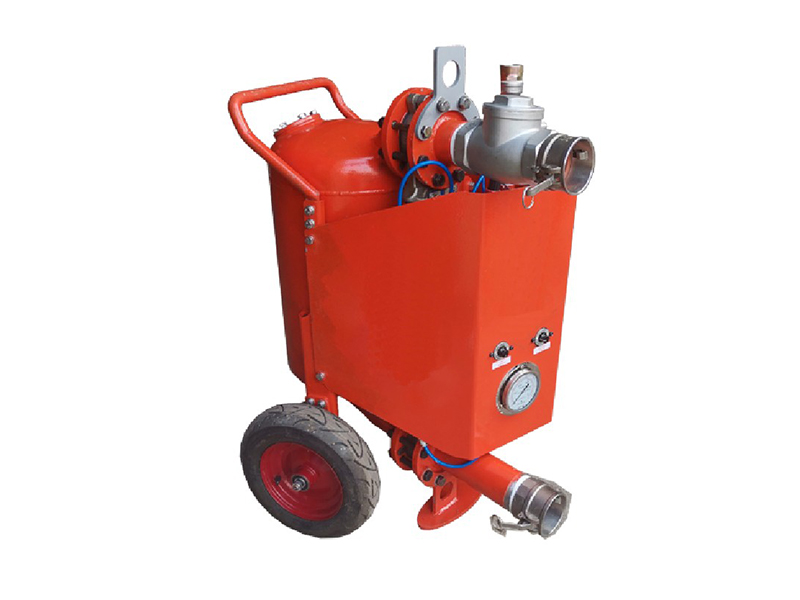
The application of optical-clarity acrylic PSA on the film backing requires precise slot-die coating heads. Solvents such as ethyl acetate used to flush coater lines create high-volatility, sticky organic sludge. Our explosion-proof vacuum extraction pump and vapor-sealed decanter centrifuge operate under inert nitrogen blankets to separate cross-linked acrylic polymers from the carrier solvents, allowing facilities to achieve Zero Liquid Discharge (ZLD) solvent parameters.
Modern high-end PPF features specialized elastomeric, self-healing, and hydrophobic ceramic topcoats containing fluoro-surfactants and nano-silica additives. When these expensive coatings are washed out, conventional treatment ruins the chemical value. Our multi-stage decanting centrifuge precisely fractions micro-solids down to 2 microns while preserving the solvent-phase integrity for cost-efficient on-site distillation and reuse.
Central wash bays that service solvent tanks, mixing vats, and gravure application rollers accumulate high quantities of multi-component organic sludge. By routing this heavy effluent through an integrated TR solids control skid, plant operators eliminate foul odors, prevent VOC accumulation in factory air, and maintain pristine ISO 14001 environmental management standards.
Explore our complete range of high-performance solids control, vacuum transfer, and oil sludge processing machinery engineered for demanding industrial coating and drilling operations.