Leave Your Message
-
Phone
-
E-mail
-
Whatsapp
-
WeChat

Precision optical film roll-to-roll casting and thin-film electronic coating generate complex viscous oil sludge, residual solvents, polymer binders, and fine particulates. Our high-efficiency solids control units isolate hazardous tailings, recover carrier oils, and minimize environmental liabilities.
As consumer electronics, automotive smart cockpits, semiconductors, and flexible displays demand ultra-pure coating operations, managing hazardous solvent-and-oil-laden sludge has shifted from a back-end burden to a core operational and financial priority.
The manufacturing ecosystem of optical functional films (such as polarizer films, TAC, PVA, anti-reflective AR/AG coatings, optical clear adhesives, prism brightness enhancement sheets) alongside precision electronic components (silicon wafer passivations, multi-layer ceramic capacitors, flexible printed circuit boards, and battery separator coatings) depends entirely on micro-meter and sub-micron chemical coatings. In these processes, volatile solvent mixtures, thermal transfer oils, lubricating synthetic silicone fluids, fluoropolymers, and functional metallic nano-powders are routinely formulated under cleanroom conditions.
However, the downstream cleaning of slot-die extrusion heads, gravure rollers, micro-gravure coating cylinders, mixing autoclaves, and pipeline flushings inevitably generates high volumes of refractory oil sludge and hazardous chemical washings. Historically, electronic fabricators treated this residue simply as high-caloric chemical waste, dispatching bulk liquid-solid tankers to third-party hazardous incineration facilities at exorbitant tipping fees exceeding $600 to $1,400 per metric ton. With worldwide tightening of environmental regulations—including EU REACH, the U.S. EPA hazardous air pollutant controls, China's National Hazardous Waste Inventory (Code HW08/HW12/HW13), and stricter global ESG compliance protocols—such disposal paradigms have become commercially non-viable and legally vulnerable.
Treating slurry generated from optical functional films and electronic coating lines presents complex chemical-physical challenges that ordinary wastewater treatment or standard industrial decanters fail to address:
Polyurethane acrylates, UV photo-initiators, silicone release coats, and epoxy polymers form high-elasticity gelatinous networks in the presence of trace moisture or ambient light, clogging traditional bag filters and binding filter press fabrics within hours.
Carrier solvents such as methyl ethyl ketone (MEK), ethyl acetate (EAC), toluene, isopropanol (IPA), and cyclohexanone exhibit ultra-low flash points. Conventional open slurry processing violates clean production safety standards and poses severe vapor ignition risks.
Electronic pastes and optical functional suspensions contain fine conductive carbon, nano-titania, indium tin oxide (ITO), silver flakes, and ceramic dielectrics down to 50–200 nanometers. Standard gravity sedimentation fails completely due to Brownian motion stabilization.
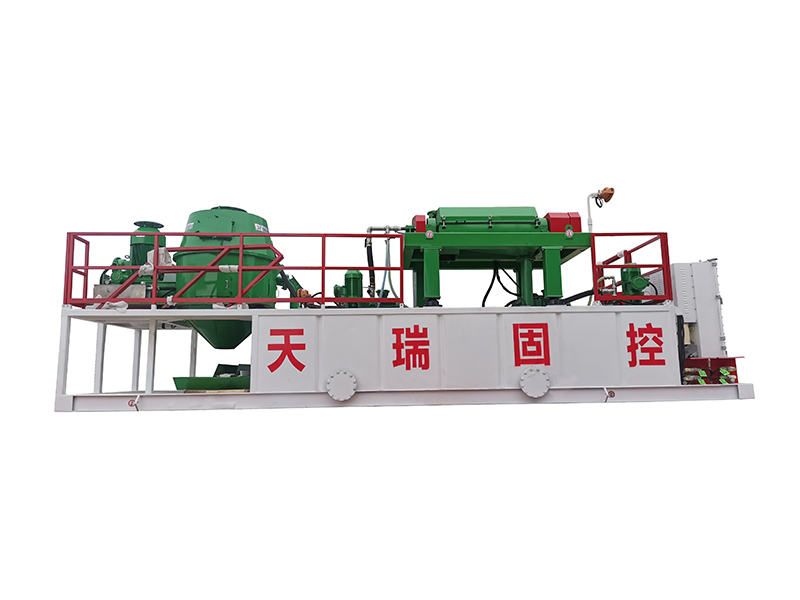
By migrating field-proven solids control engineering—traditionally refined in high-wear oilfield drilling waste management—into the precision chemical domain, plants can leverage robust, continuous, high-G mechanical centrifugal separation, airtight vacuum fluid transfer, and progressive dewatering to transform an intractable hazardous sludge stream into dry, manageable solid cakes and high-purity reclaimable oils.
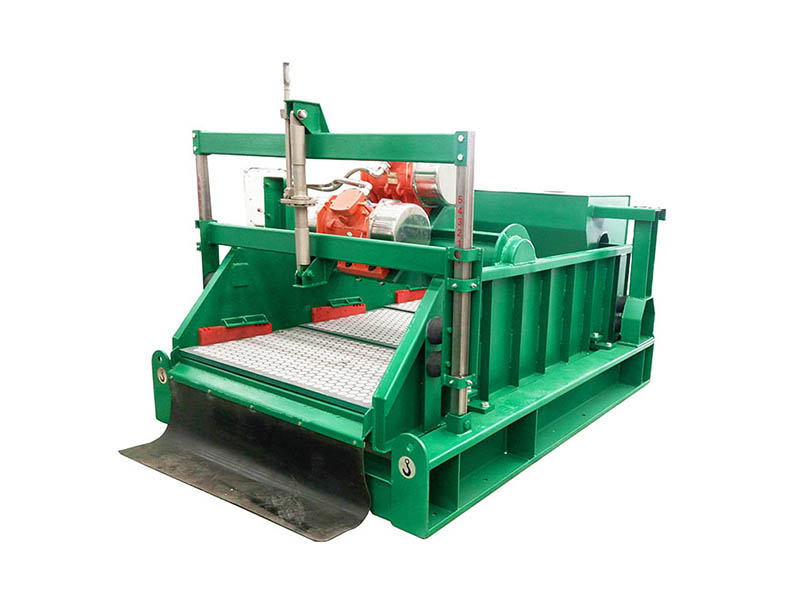
Optical roll-to-roll coater lines employ micro-gravure and comma coaters running at speeds up to 100 meters per minute. Daily cleaning and batch turnover produce viscous cleaning sludge containing high concentrations of plasticizers (e.g., triphenyl phosphate), cellulose triacetate fragments, and iodine-based dye compounds mixed with wash oils. Our integrated sludge unit utilizes a balanced-elliptical motion shale shaker equipped with composite polymer screens to instantaneously separate hardened agglomerates without sheering soft gels, feeding the clear filtrate into downstream multi-phase recovery.
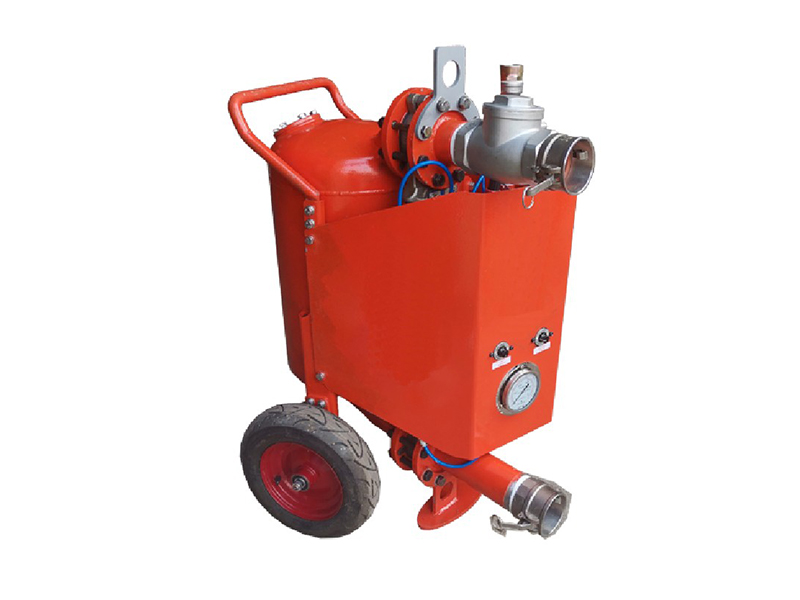
Solventless and solvent-borne silicone release coatings utilize heavy platinum catalyst additives, silicone oils (polydimethylsiloxane), and reactive crosslinkers. The resulting sludge exhibits profound hydrophobic stability and high stickiness. A standard pump locks up or suffers severe cavitation. Our 100% pneumatic-powered sludge vacuum pump generates deep vacuum suction of up to 25 inches Hg, transporting these viscous, high-friction residues cleanly across the facility without seal failures or electrical sparks.
Liquid photoimageable (LPI) solder masks and wafer-level underfill coatings generate sludge laden with epoxy-novolac oligomers, barium sulfate fillers, and toxic developer residues. The TR Solids Control modular remediation unit applies tailored demulsifiers coupled with a high-speed decanter centrifuge running at over 3,200 RPM (exerting >2,800 Gs of centrifugal force), cleanly shearing the liquid-solid phase boundary and isolating the heavy inorganic mineral phases into dry stackable cakes.
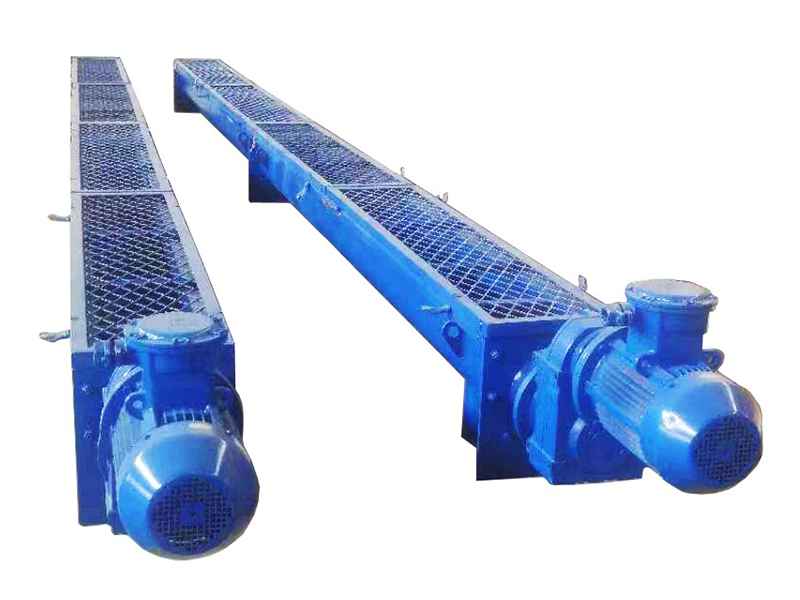
Polyamic acid precursor resins dissolved in high-boiling polar aprotic solvents such as NMP (N-Methyl-2-pyrrolidone) and DMAc generate dense oily residues during thermal imidization furnace exhaust quenching and roll washing. Our enclosed vapor-tight screw conveyor system channels the separated heavy polyimide sludge cake into secondary recovery or thermal drying without emitting fugitive organic aerosols, protecting operators and maintaining strict ISO Class 5/Class 7 cleanroom exterior environments.
The next generation of oil sludge processing units for optical and electronic applications is rapidly converging with industrial digitalization and sustainable engineering. Several emerging technological trends are defining current research and commercial procurement:
Combining robust heavy-duty separation engineering with precision industrial manufacturing standards to deliver reliable fluid handling solutions worldwide.
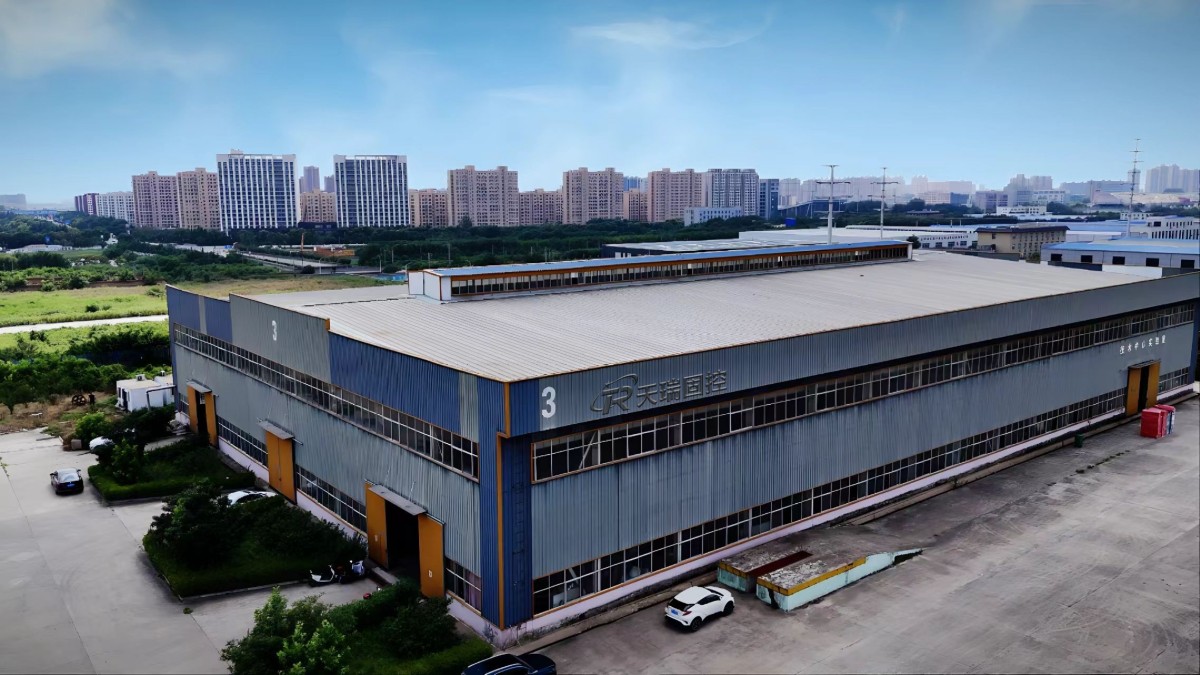
Established in 2010, TR Solids Control is a professional manufacturer specializing in drilling fluid solids control equipment and integrated solutions. We are dedicated to the design, manufacture, sales and services of solids control systems, following strict quality standards and providing reliable products, professional support and fast response for global customers.
During the past years, together with our experienced engineering team and strong supply chain partners, we have supported drilling contractors, oilfield service companies and industry partners across Middle East, Africa, Russia, South America, Southeast Asia and other regions, delivering efficient solids control solutions for various drilling operations.
Today, our engineering expertise has expanded to address complex industrial sludge streams—including precision electronic coatings, petrochemical refinery tail-ends, industrial wastewater dewatering, and optical manufacturing wash loops—bringing rugged endurance and high-precision fluid clarification together.

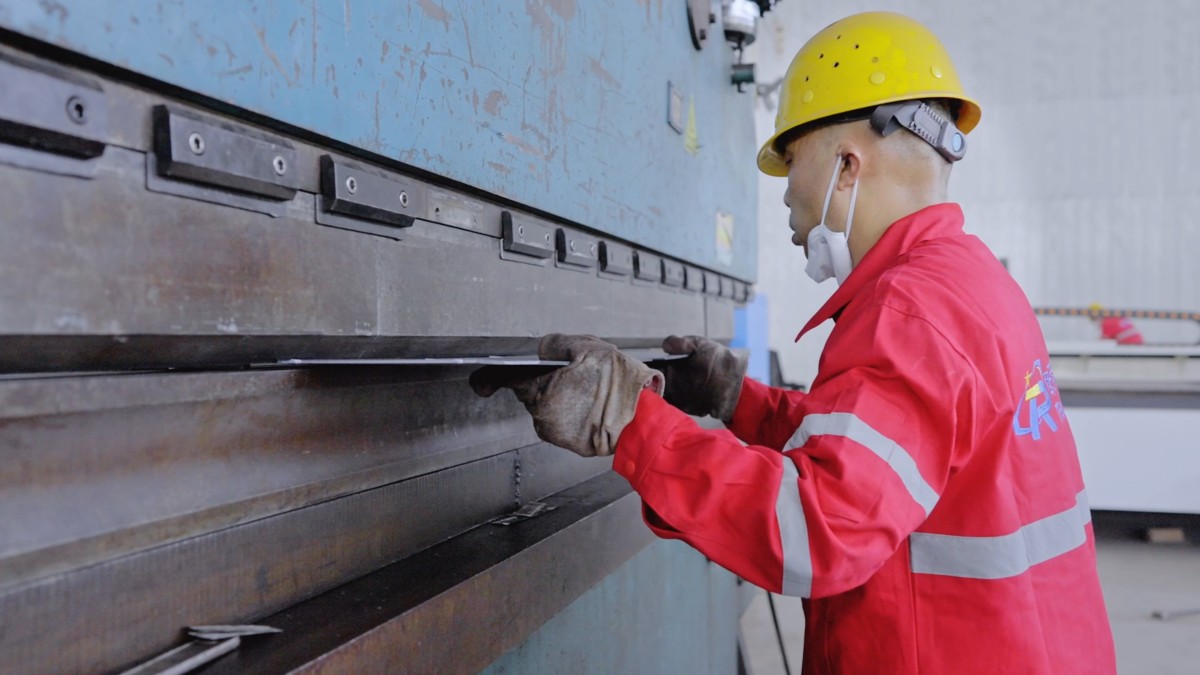
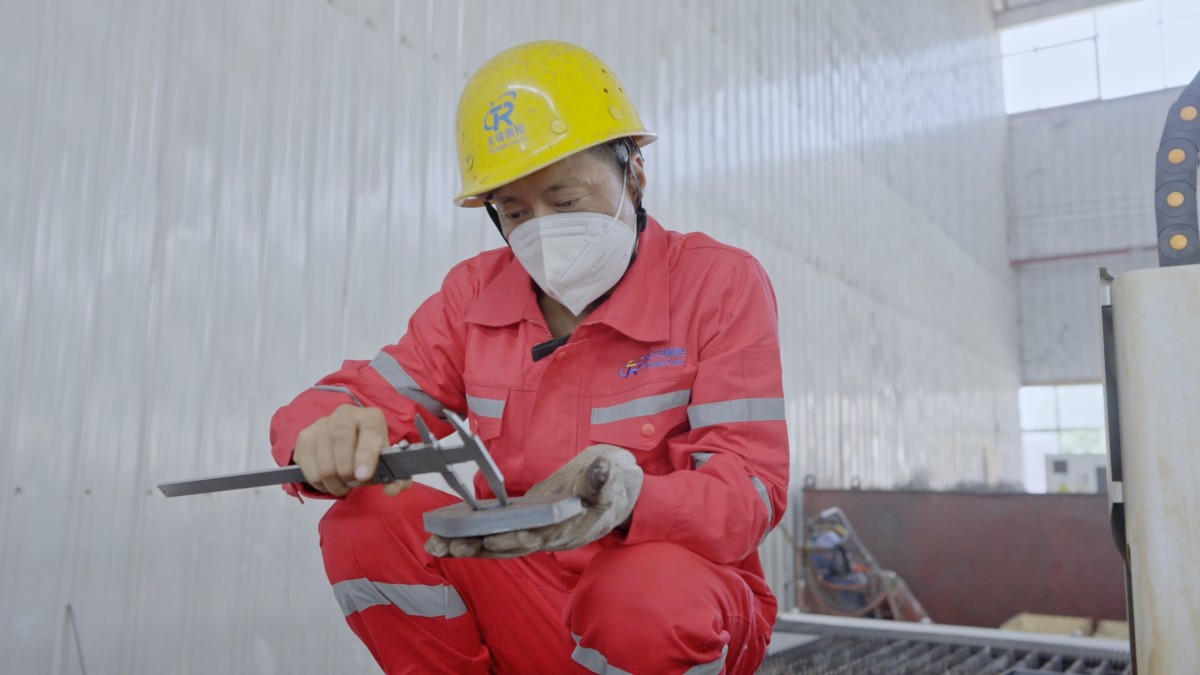
Modern Manufacturing Facilities Supporting Reliable Solids Control Equipment Production across high-spec computerized CNC machining, sandblasting, and automated assembly bays.
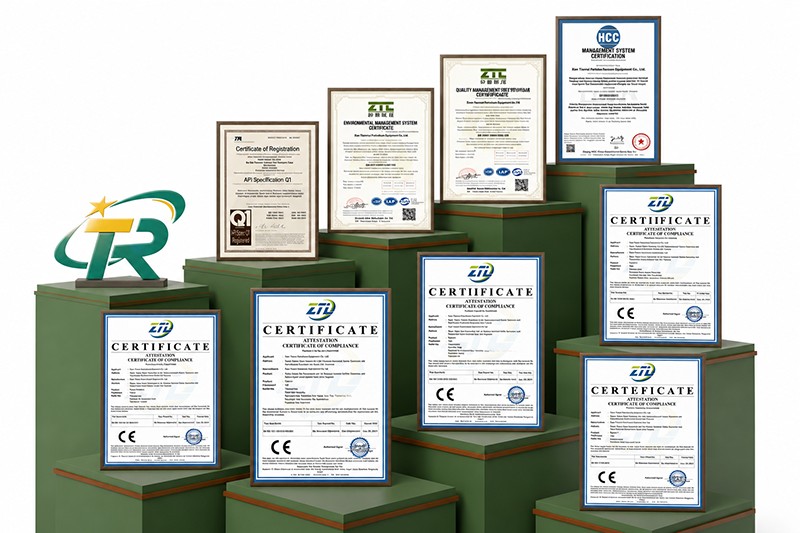
Strict Quality Management Systems (ISO9001, ISO14001, ISO45001, CE, and API specifications) Ensuring Product Reliability and International Standards adherence.
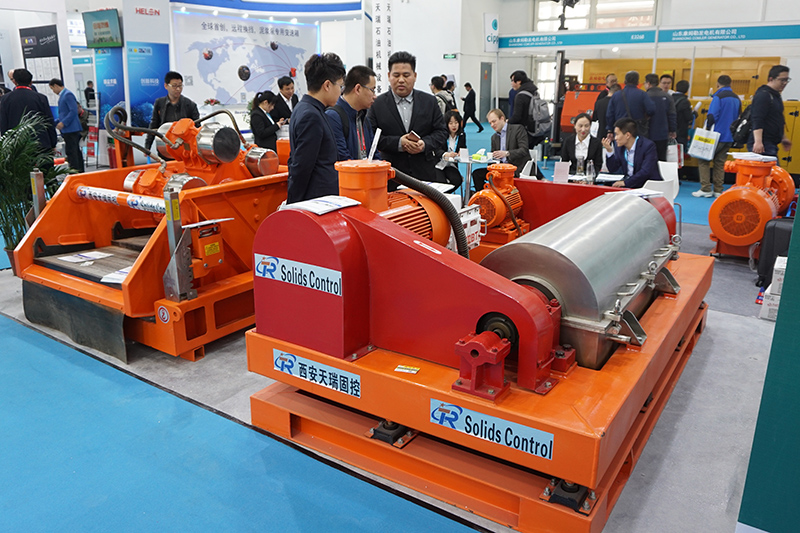
Regularly exhibiting at premier international exhibitions worldwide, showcasing cutting-edge solids handling advances to an international industrial clientele.
Explore our full line of specialized separation equipment and modular solids transfer units customized for optical coating plants, semiconductor thin-film wash facilities, and industrial hazardous sludge dewatering projects worldwide.