Leave Your Message
-
Phone
-
E-mail
-
Whatsapp
-
WeChat

Engineered to resolve viscous polymer effluents, volatile solvent recovery, and fine mineral oil contamination generated during tape coating and wound dressing line purges.
The global production of wound dressings, surgical tapes, transdermal drug delivery patches, and hydrocolloid fixators is witnessing unprecedented expansion. The transition toward skin-friendly, hypoallergenic pressure-sensitive adhesives (PSAs)—predominantly comprised of synthetic elastomers (SIS, SBS), acrylic polymers, silicone gels, and polyisobutylene (PIB)—has brought stringent quality criteria to healthcare packaging. However, this high level of product consistency creates an arduous environmental byproduct: solvent-heavy, polymer-dense, and mineral oil-laden sludge.
During the synthesizing, hot-melt extrusion, solvent-coating, slot-die spreading, and cleaning cycles of adhesive tape manufacturing, high volumes of oily slurry and resinous residue are generated. Equipment wash-downs with solvents (such as toluene, heptane, ethyl acetate, and cyclohexane), combined with mineral plasticizer oil flushes and release-liner processing effluents, yield a hazardous sludge stream that traditional wastewater facilities cannot process. Improper management risks catastrophic filtration membrane fouling, extensive VOC atmospheric emissions, and catastrophic fines under EPA, EU-REACH, and ISO 14001 guidelines.
Medical tape adhesive effluents are notoriously stubborn due to their chemical stability and hydrophobic nature. Deploying an engineered Oil Sludge Processing Unit directly at the manufacturing facility solves distinct industrial pain points:
How cutting-edge solids control systems, high-G linear dynamics, and automated decanting centrifuge technology redefine resinous sludge processing for the medical products industry.
Precise thermal dosing and specialty bio-demulsifiers shatter the bonding forces between tackifying resins and white mineral oils, freeing trapped hydrocarbons for immediate centrifugal partition.
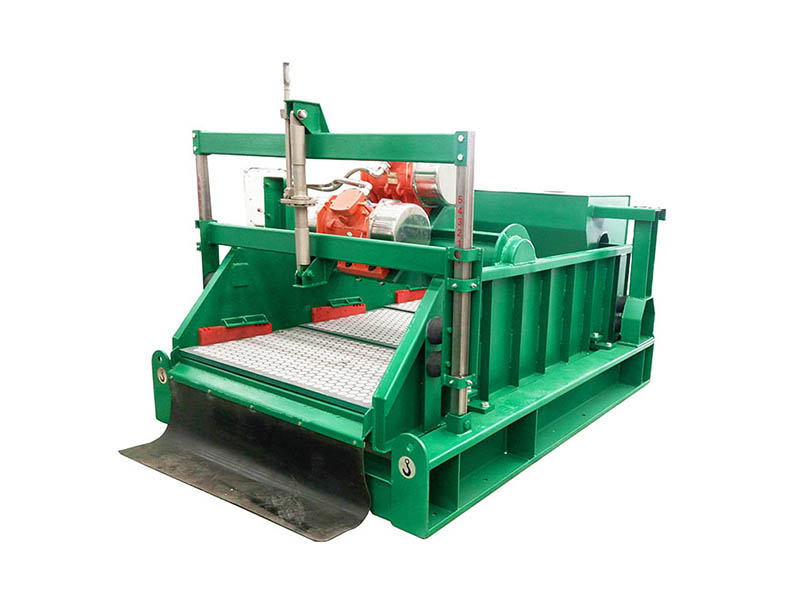
Utilizing high acceleration (up to 7.5G) across ultra-fine pretensioned polyurethane and stainless screens to strip out substrate scrim, polymer agglomerates, and synthetic fibers without mesh clogging.
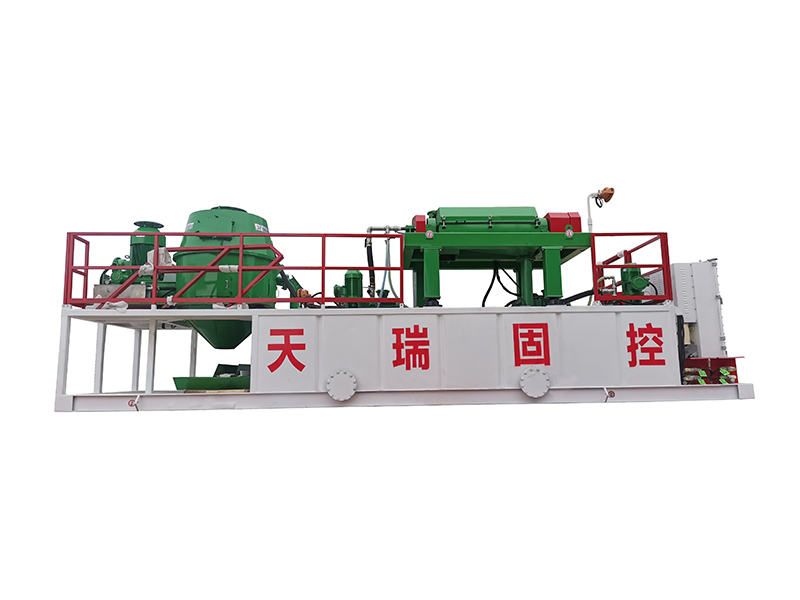
Integrated intelligent PLC algorithms continuously track sludge density and feed viscosity, dynamically modulating the differential gear speed (ΔN) to prevent centrifuge chokeups and optimize dry-cake output.
All TR Solids Control units adapted for adhesive and tape processing plants feature hermetically sealed casing, nitrogen blanketing capabilities, and vapor collection ducting. This enables seamless connection to thermal oxidizers or solvent reclamation condensers, safely handling volatile stripping solvents like toluene and ethyl acetate.
The processing dynamics of industrial oil sludge treatment systems vary significantly across different adhesive chemistry lines. Below are four key manufacturing workflows where high-performance separation hardware yields massive operational gains:
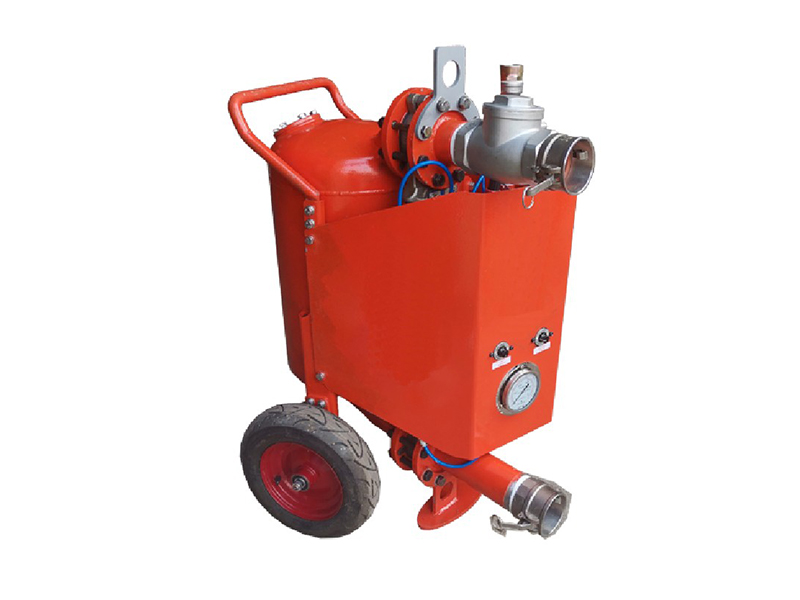
Solvent acrylic coaters produce surgical micro-porous tapes and catheter securement strips. Washing the coating rollers and supply troughs generates an aggressive effluent comprising dissolved polymethyl acrylate, solvent cocktails, and lint from cellulose backings. The Oil Sludge Processing Unit utilizes an air-driven sludge vacuum pump to evacuate the wash pit into a heated pre-treatment vessel. Thermal breaking and coagulant injection cause the acrylic chains to aggregate into macro-flocs. The fluid is passed across a high-frequency linear shaker to extract gross acrylic solids, followed by high-speed centrifugation that recovers clear solvent-water carrier for distillation, yielding an easily packable, non-leaching dry cake.
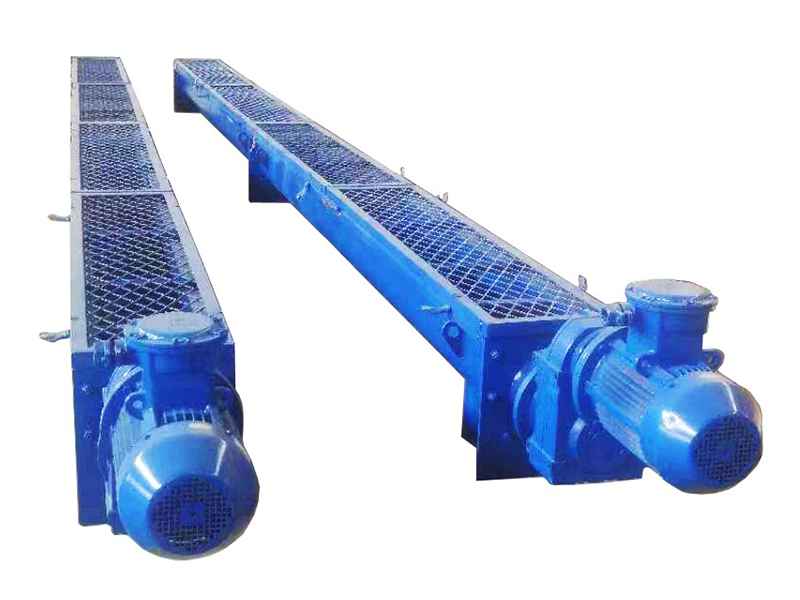
HMPSA compounding uses Styrene-Isoprene-Styrene (SIS) block copolymers combined with aliphatic tackifying resins and severe hydro-treated naphthenic or paraffinic mineral process oils. Off-spec runs, line cleaning, and extruder purge cakes form heavy, rubbery lumps encased in thick oil. Our specialized high-torque Screw Conveyor transfers hot, sticky purge waste directly into continuous thermal shear homogenizers. The sludge processing unit separates free mineral oil from the elastomer matrix, enabling re-use of process oil for non-medical manufacturing cycles or internal thermal recovery, slashing raw material waste.
Advanced wound care (such as atraumatic dressings for burn care and hydrocellular foams) relies on platinum-cured silicone adhesives and polyurethane membranes. Wash waters carry crosslinking catalysts, unreacted silicone oils, and hydrophilic polyurethane precursors. Emulsified silicone droplets resist conventional gravitational clarifiers. By implementing three-phase high-speed disc-stack and decanter centrifugation, our equipment splits the phase layers into dry polymer crust, reusable silicone wash fluids, and cleaned effluent ready for downstream ultrafiltration.
Large-scale medical tape conversion plants operate centralized solvent distillation units. The residual bottoms of these stills are exceptionally viscous, concentrated tar-like sludges containing burnt resins, thermal degradation byproducts, and heavy oily binders. Vacuum pumping these hazardous bottoms directly to an automated continuous dewatering unit eliminates hazardous manual tank entry and delivers closed-container cake ejection directly into sealed transport bins.
| Operational Parameter | Traditional Disposal / Sump Settling | TR Solids Control Integrated Oil Sludge Unit | Direct Manufacturing Advantage |
|---|---|---|---|
| Sludge Moisture Content | 70% – 85% liquid slurry | < 15% – 25% dry cake solids | Massive reduction in transport weight and landfill tipping charges. |
| Solvent & Oil Recovery | 0% (lost to hazardous disposal) | Up to 80% – 92% recoverable liquid phase | Substantial resource reclamation value, reducing raw chemical purchases. |
| Operator VOC Exposure | High risk during manual shoveling & open transfer | Zero exposure (fully sealed, pneumatic vacuum feeding) | Fulfills strict OSHA and cleanroom occupational health standards. |
| Processing Downtime | Frequent maintenance, rapid filter mesh blinding | Continuous automated self-cleaning operation | Uninterrupted coating line run-time without bottlenecking waste sumps. |
| Environmental Footprint | Heavy secondary carbon emissions via incineration | Circular resource loop, minimized landfill footprint | Helps secure ESG compliance and environmental audit accreditations. |
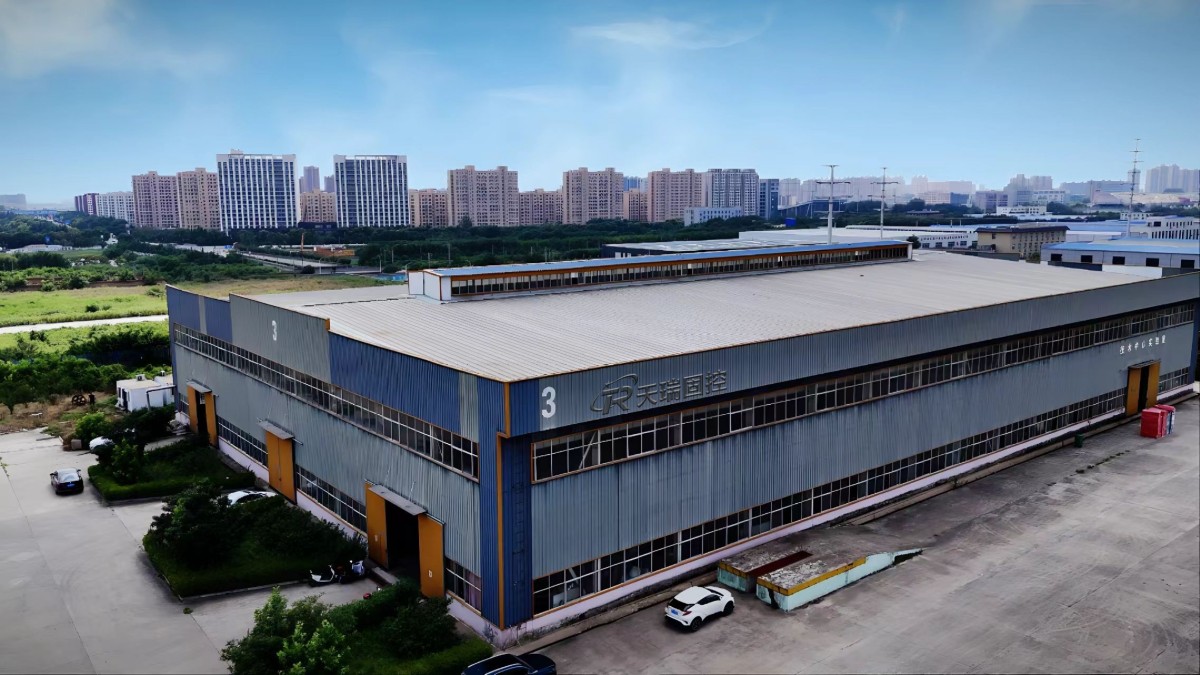
Established in 2010, TR Solids Control is a professional manufacturer specializing in drilling fluid solids control equipment, industrial separation systems, and integrated oil sludge treatment solutions. We are dedicated to the design, manufacture, sales, and services of high-performance solids control systems, following strict quality standards and providing reliable products, professional support, and rapid response for global customers.
During the past years, together with our experienced engineering team and strong supply chain partners, we have supported industrial contractors, environmental service providers, and manufacturing partners across the Middle East, Africa, Russia, South America, Southeast Asia, and other regions, delivering efficient solids-liquid separation solutions for diverse industrial challenges, including harsh chemical, polymer, and oily sludge streams.
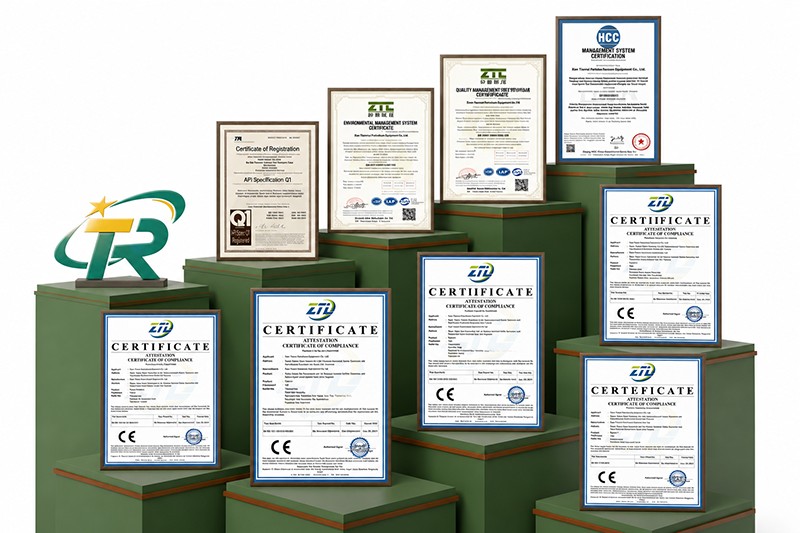
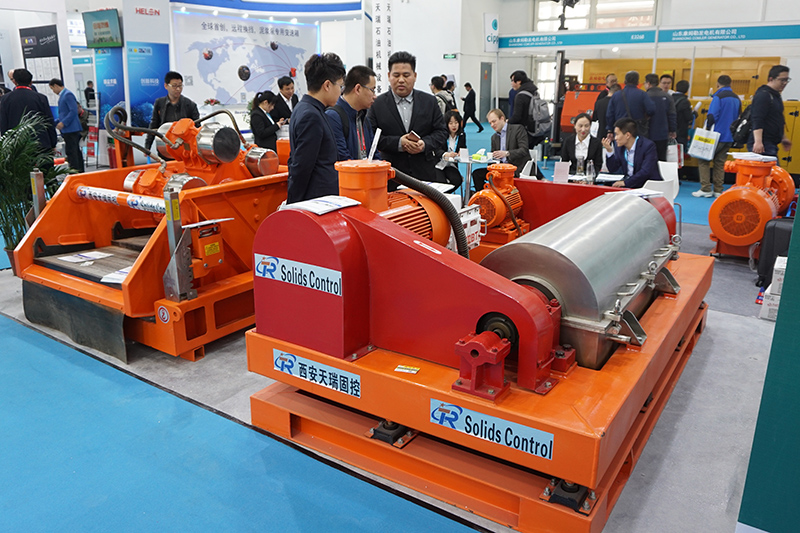
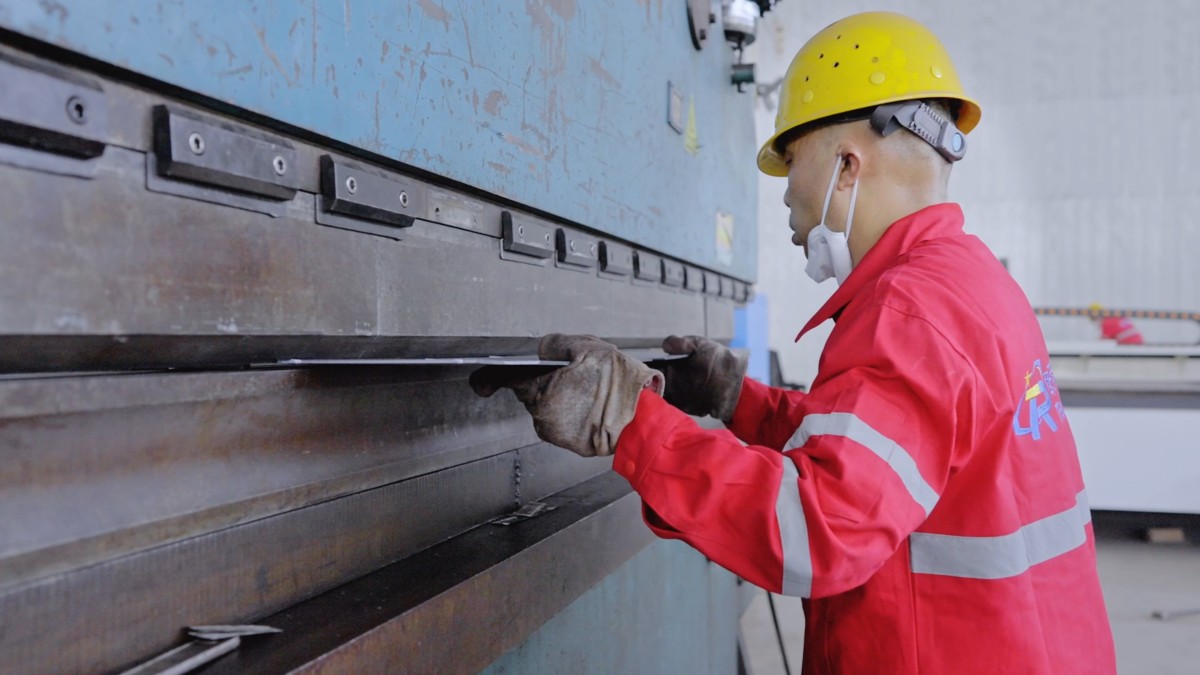
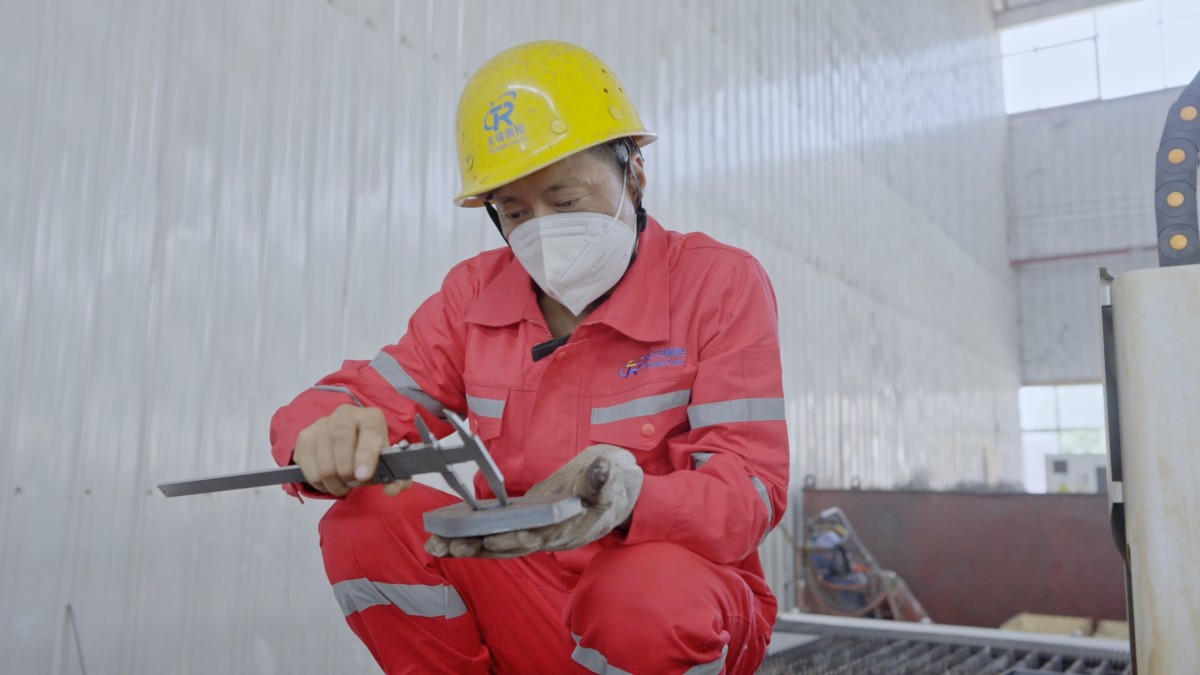
World-class industrial facilities, strict global certifications, and worldwide industry exhibitions prove our engineering dedication.
Manufacturing • Precision Engineering • Rapid Global Service
Critical considerations when specifying separation equipment for medical tape adhesive sludge.
Our units deploy a multi-tiered mitigation design: first, hot indirect steam jacketed tanks and in-line emulsion breakers reduce adhesive tackiness by keeping the slurry above its softening temperature (or utilizing specific surface-active demulsifiers). Second, the linear shaker utilizes specialized composite ultra-smooth screen surfaces that prevent adhesive bridging. Finally, the decanter centrifuge bowl and scroll utilize anti-stick tungsten carbide coatings paired with automated high-pressure solvent flush nozzles that clean the chamber at cycle completions.
Yes. Medical tape solvent processing lines handle volatile organic compounds including toluene, heptane, and ethyl acetate. TR Solids Control designs explosion-proof systems featuring explosion-proof motors, flameproof PLC control cabinets, static grounding paths, and nitrogen-purged hermetic enclosures that maintain an inert non-combustible internal atmosphere during full-scale operation.
Most facilities experience a direct payback within 9 to 18 months. Financial returns are derived from three distinct channels: 1) Massive reduction (up to 70-80%) in off-site hazardous waste transport and incineration fees; 2) Direct recovery of expensive mineral plasticizer oils and carrier fluids; and 3) Cleaned water recycling into cooling towers or scrubbing systems, dramatically lowering freshwater procurement costs.
Explore our full range of certified industrial solids control hardware, configured specifically for medical tape, dressing, and industrial chemical waste treatment.