Leave Your Message
-
Phone
-
E-mail
-
Whatsapp
-
WeChat

Engineered to handle extreme thermal stress, harsh abrasive cuttings, and high-volume circulating mud loads across US shale plays and offshore platforms.
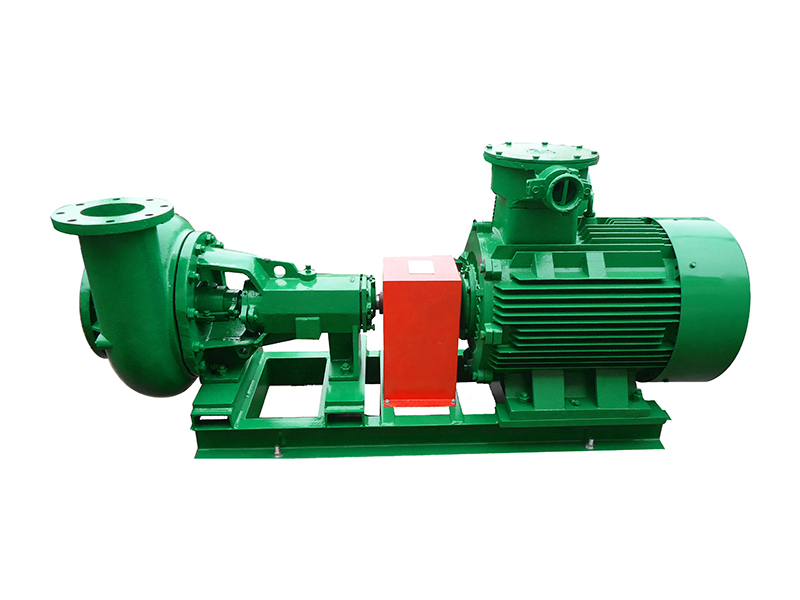
High-efficiency mud feeding pump engineered with wear-resistant tungsten carbide alloy mechanical seals for continuous circulation in US oilfields.
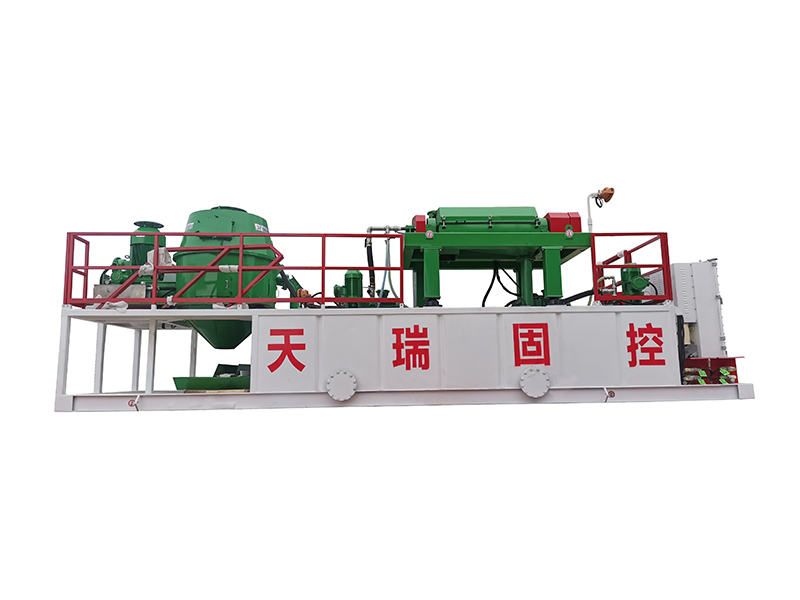
Advanced thermal and mechanical cutting dryer system maximizing synthetic-base and oil-base mud recovery in strict EPA compliance zones.
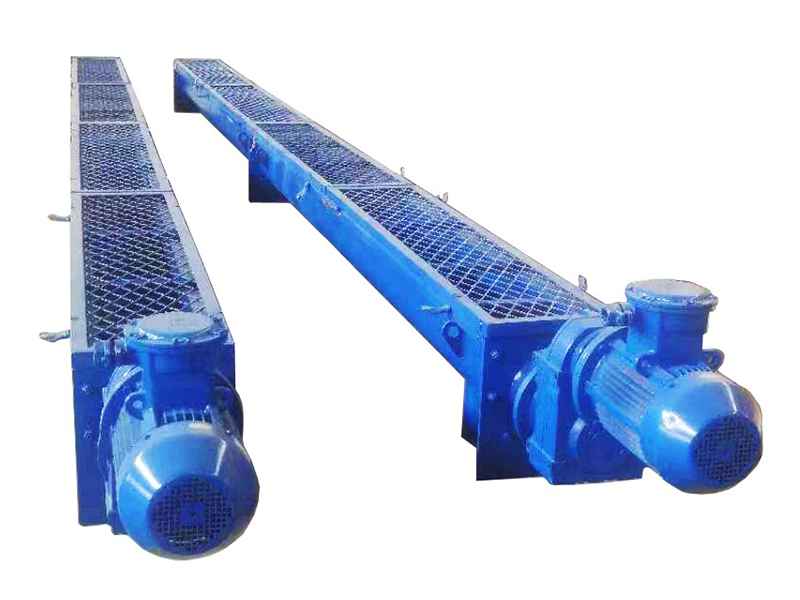
Heavy-duty auger conveyor delivering continuous cuttings conveyance from shale shaker discharge to mud coolers or waste containment bins.
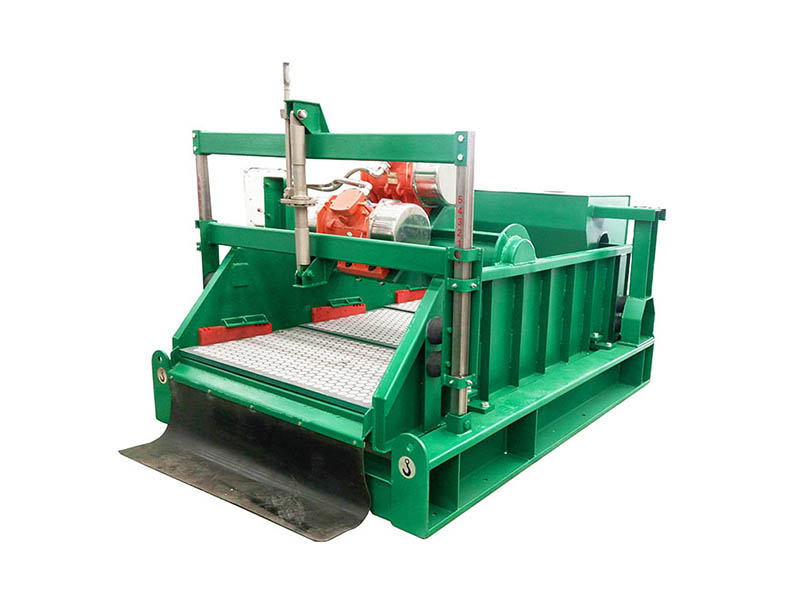
High-G acceleration shale shaker optimized for primary separation of drilled coarse solids ahead of closed-loop mud cooling exchangers.
The United States oil and gas industry has continuously pushed the frontiers of lateral reach and drilling depths. Across prolific unconventional hydrocarbon basins such as the Permian Basin (Delaware & Midland) in Texas and New Mexico, the Haynesville Shale in Louisiana, the Bakken Formation in North Dakota, and ultra-deepwater prospects in the Gulf of Mexico, downhole temperatures frequently exceed 300°F (149°C) to 400°F (204°C).
At these extreme temperatures, drilling fluids—whether water-based muds (WBM), oil-based muds (OBM), or synthetic-based muds (SBM)—experience critical rheological degradation, thermal thinning, accelerated polymer decomposition, and elevated vapor emissions. Uncontrolled circulating mud temperatures result in premature failure of downhole measurement-while-drilling (MWD) and logging-while-drilling (LWD) electronic tools, severe elastomer swelling on blowout preventers (BOP), and compromised borehole stability.
As a leading engineering pioneer in solids control and thermal management systems, TR Solids Control provides modular, high-capacity Mud Cooling Equipment and integrated mud recycling infrastructures tailored specifically for North American operators seeking zero non-productive time (NPT) and optimal drilling efficiency.
Downhole tool failures cost US drilling contractors upwards of $150,000 per trip. Continuous mud cooling maintains bottom-hole circulating temperatures within safe tool tolerances (≤250°F / 121°C).
Prevent polymer breakdown, maintain accurate yield point (YP) and plastic viscosity (PV), and ensure superior hole cleaning efficiency during extended-reach lateral drilling.
Combining heavy-duty titanium plate heat exchangers, evaporative chilling columns, and automated thermal sensors to deliver continuous closed-loop temperature reduction.
Equipped with intelligent PLC modules, automated variable frequency drives (VFD), and real-time remote telemetry that adjust fan speeds and fluid flow rates according to instantaneous downhole return temperatures.
Specially engineered wide-gap heat exchanger channels designed to process drilling fluids containing fine drilled solids (LGS/HGS) without fouling, ensuring uninterrupted high-volume circulating rates.
Modular cooling towers and dual-circuit fluid heat exchangers capable of reducing active mud temperatures by 25°F to 55°F (14°C to 30°C), dissipating up to 10+ Million BTU/hr per skid.
Constructed within standard oilfield ISO skid frames with heavy-duty lifting lugs and forklift pockets, allowing rapid rig-up and rig-down across Texas and Rocky Mountain multi-well pad drilling sites.
Utilizing high-grade stainless steel 316L, duplex alloys, and industrial coatings resistant to caustic mud chemicals, H2S sour gas traces, high brine concentrations, and synthetic drilling additives.
All motors, switchgears, and control panels comply with stringent NFPA 70 (NEC) Class I, Division 1 / Zone 1 explosion-proof hazardous location standards mandatory for US oilfield deployments.
From extended-reach shale plays to ultra-deep geothermal wells, TR Solids Control mud cooling systems safeguard operators against high-temperature operational risks.
In 3-mile to 4-mile extended-reach lateral horizontal wells, mechanical friction between the drillstring and casing generates massive surface heat. When combined with natural formation geothermal gradients, surface mud pit temperatures frequently exceed 160°F (71°C). Our skid-mounted mud coolers prevent elastomeric mud motor stator degradation, avoid bit bearing seizure, and protect drill pipe liner coatings throughout multi-day continuous drilling runs.
Offshore subsea drilling operations encounter intense bottom-hole pressures coupled with elevated geothermal temperatures in lower Miocene formations. TR Solids Control provides compact footprint mud cooling modules designed to fit constrained rig floor layouts on semi-submersibles and drillships, preventing hydraulic fluid degradation and ensuring reliable blowout preventer (BOP) seal elasticity during deepwater circulations.
Geothermal exploration wells present reservoir temperatures often surpassing 450°F (232°C). Standard surface cooling is inadequate to protect directional steering systems. High-volume, twin-tower evaporative mud cooling systems maintain drilling fluid temperatures at manageable surface thresholds, protecting drilling crews from hazardous steam flashouts and preventing catastrophic cement casing failures.
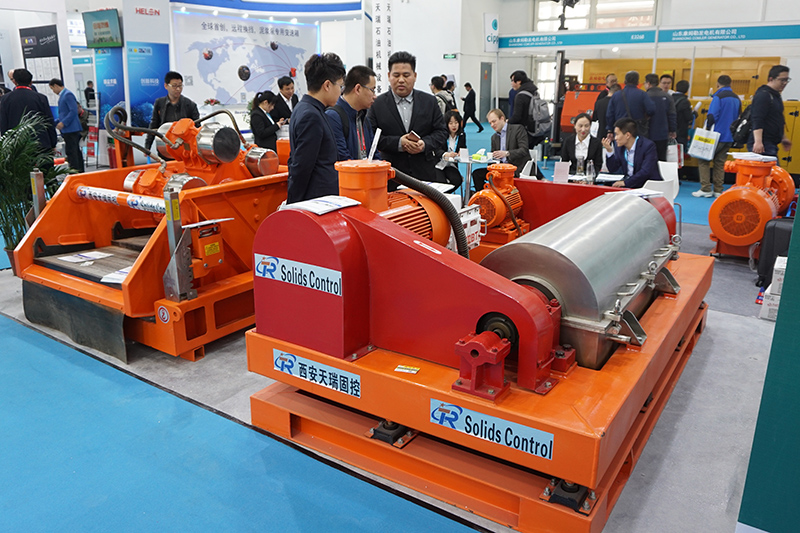
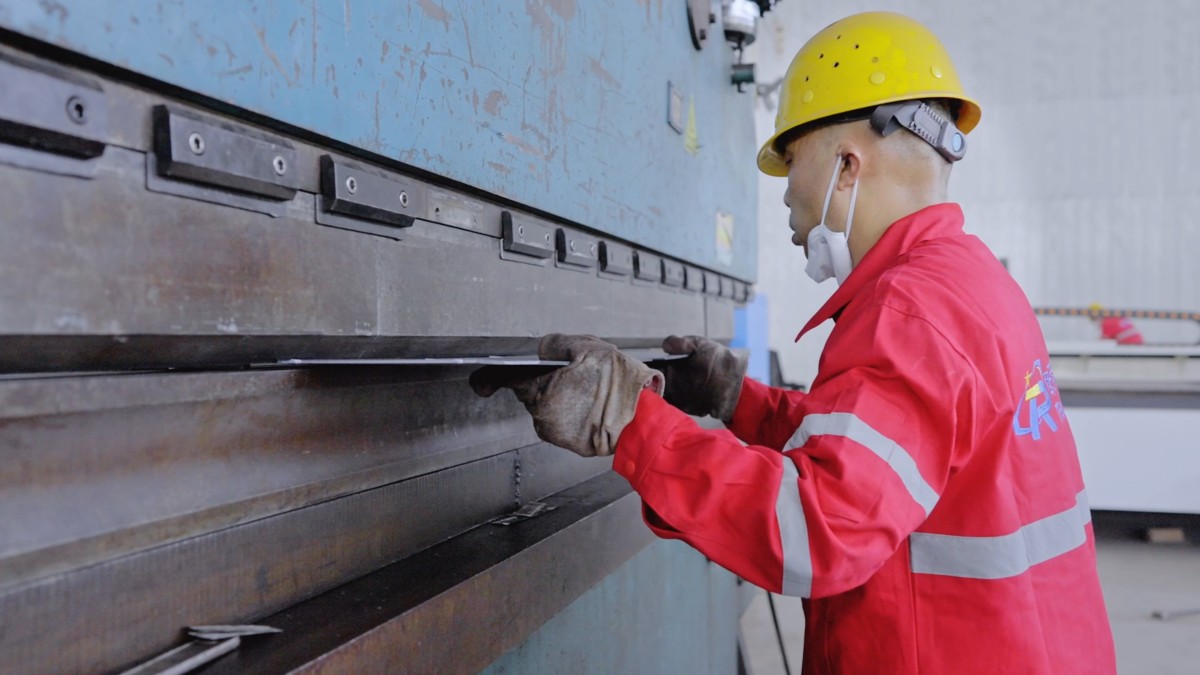
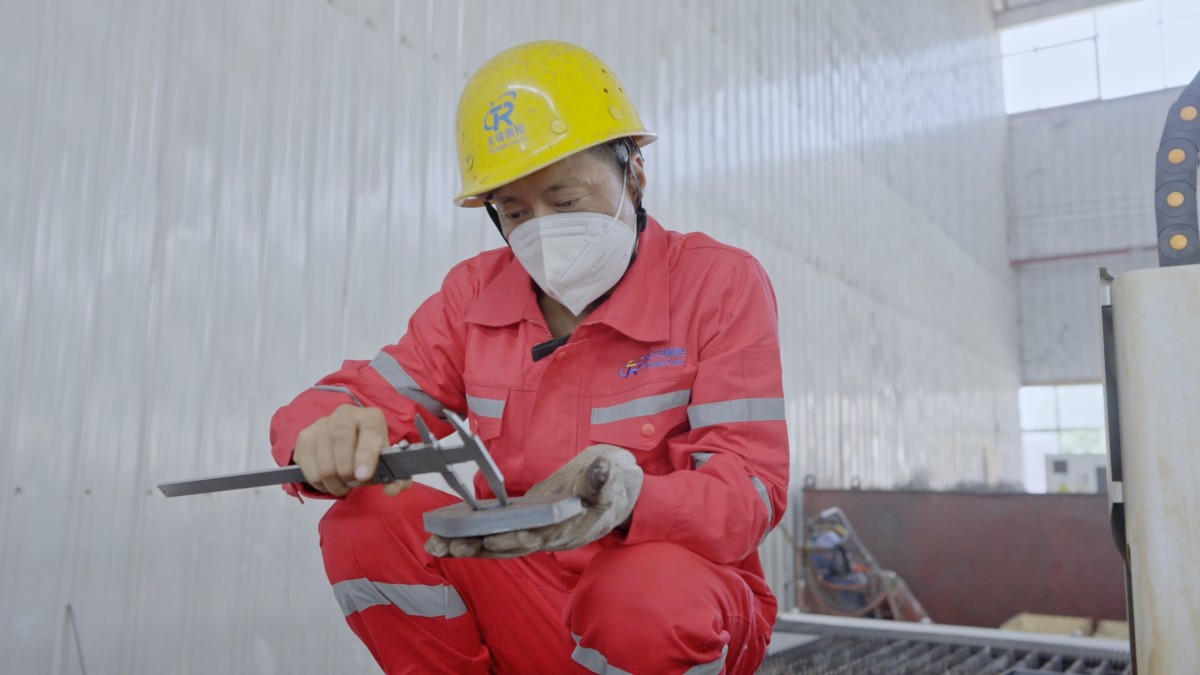
Established in 2010, TR Solids Control is a professional manufacturer specializing in drilling fluid solids control equipment and integrated solutions. We are dedicated to the design, manufacture, sales and services of solids control systems, following strict quality standards and providing reliable products, professional support and fast response for global customers.
During the past years, together with our experienced engineering team and strong supply chain partners, we have supported drilling contractors, oilfield service companies and industry partners across Middle East, Africa, Russia, South America, Southeast Asia and other regions, delivering efficient solids control solutions for various drilling operations.
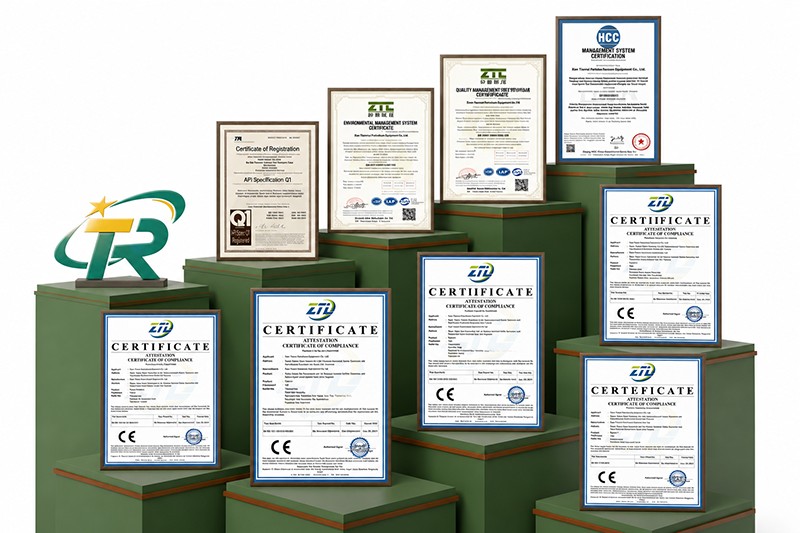
For the North American energy sector, TR Solids Control integrates cutting-edge thermal fluid engineering with API-certified solids control machinery, assisting drilling contractors throughout the United States in meeting strict drilling deadlines while minimizing mud disposal expenditures and environmental footprint.
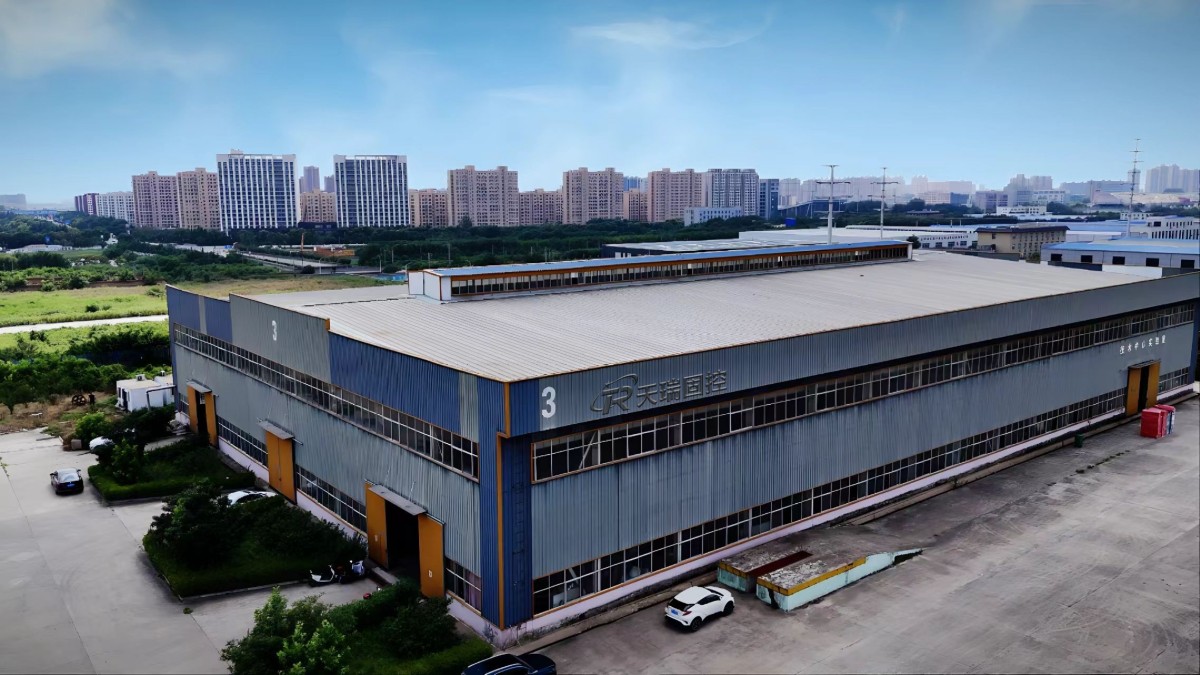
Designed to integrate seamlessly into active mud pit systems on US standard land rigs and offshore drilling packages.
| System Model | Mud Processing Rate | Heat Exchanger Type | Cooling Capacity | Electrical Standard | Target Application in US |
|---|---|---|---|---|---|
| TRMC-600 | 400 - 600 GPM (140 m³/h) | Plate / Forced Air Evaporative | 3.5 - 5.0 Million BTU/hr | Class I Div 1 / 480V 60Hz | Midland Basin Conventional Pads |
| TRMC-1000 | 800 - 1000 GPM (230 m³/h) | Dual-Circuit Wide-Gap Titanium | 6.0 - 8.5 Million BTU/hr | Class I Div 1 / 480V 60Hz | Delaware Basin HPHT Deep Horizontals |
| TRMC-1500 HD | 1200 - 1600 GPM (360 m³/h) | Hybrid Evaporative & Plate Chiller | 10.0 - 14.0 Million BTU/hr | Class I Div 1 / ATEX Zone 1 | GoM Offshore Platforms & Geothermal Wells |
| TR-SC Integrated | Custom Configured | Closed-Loop Chilled Fluid System | Custom Modular BTU/hr | NEMA 4X / Class I Div 1 | Multi-well Pad Drilling Batch Operations |
Explore our complete manufacturing portfolio of solids control equipment, centrifugal feed pumps, high-efficiency shakers, and mud recycling units engineered for high-performance drilling projects.
Heavy-duty mud pump offering superior abrasive handling capacity for desanders, desilters, and mud cooler circulation loops.
Advanced vertical cuttings dryer and fluid recovery system reducing oil on cuttings (OOC) below strict US regulatory standards.
Reliable continuous auger conveyor transporting heavy solids and high-density filter cakes between shale shakers and thermal treatment skids.
High-G linear motion shaker delivering optimal solids conveyance and dry solids discharge under heavy drilling mud volumes.
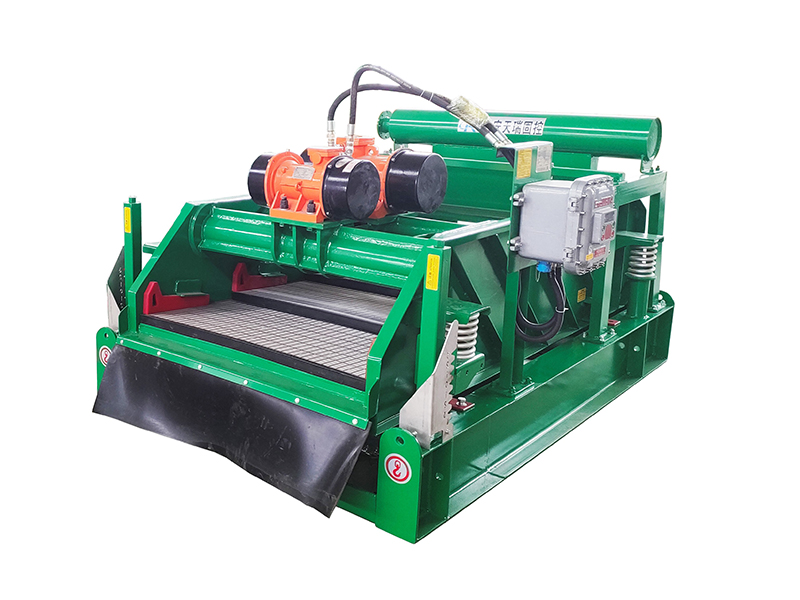
Superior balanced elliptical motion shaker preventing screen blinding when handling sticky clays and high-viscosity thermal muds.
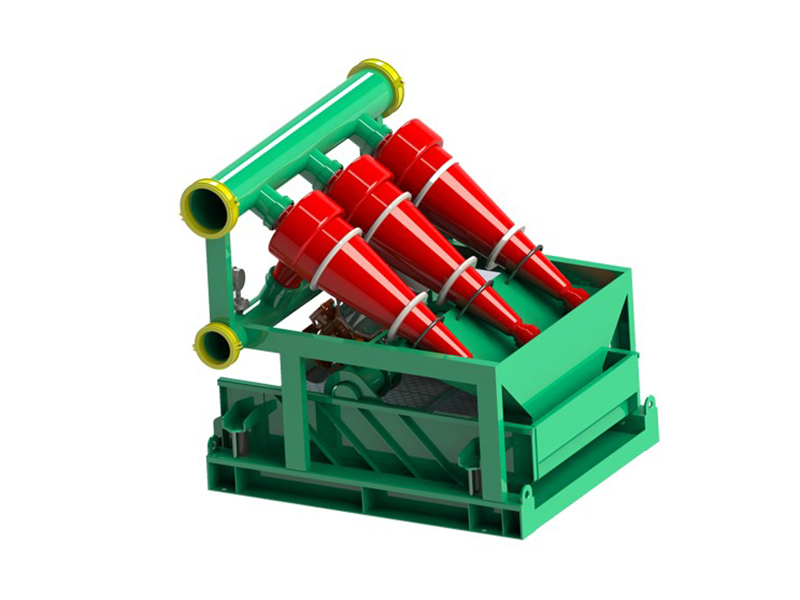
Second-phase solids control hydrocyclone system efficiently separating coarse sand particles (47-76 microns) prior to fluid chilling.
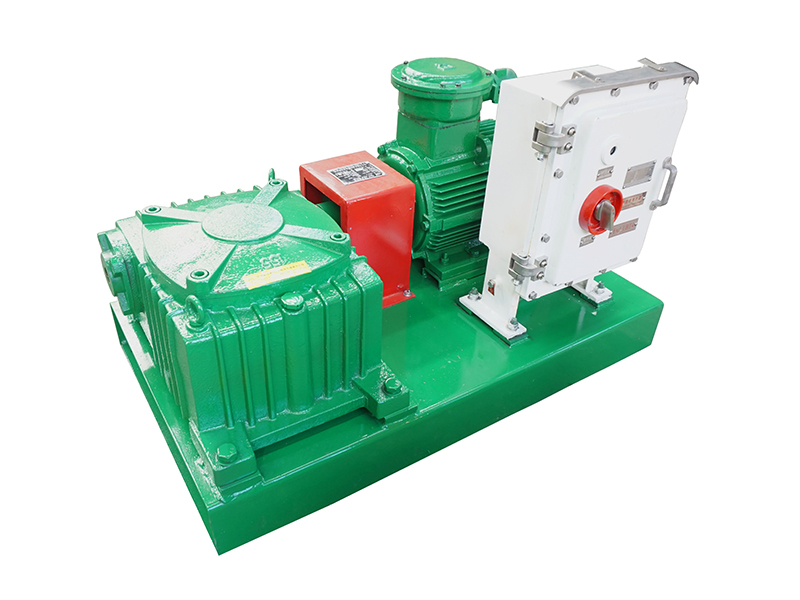
High-efficiency mechanical agitator preventing solid particles from settling in mud cooling retention tanks and active mud pits.
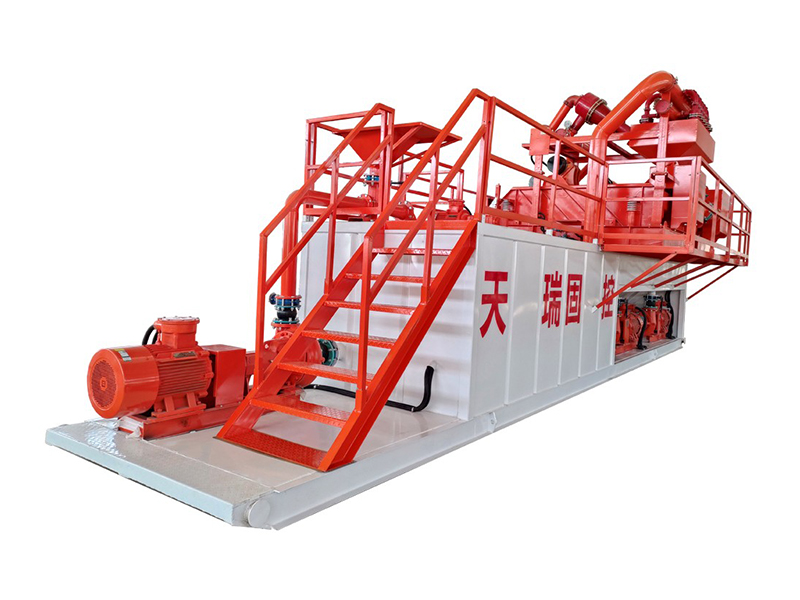
Compact, self-contained mud recycling and recovery package tailored for horizontal directional drilling and pipeline river crossings in the US.
Detailed insights for drilling engineers, mud engineers, and oilfield equipment procurement specialists.
In extended horizontal wells across the Permian and Haynesville basins, downhole temperatures and mechanical bit friction heat mud beyond 160°F–180°F at the surface. Uncooled mud degrades MWD/LWD tools, destroys motor elastomers, causes polymer shearing, and leads to expensive borehole instability. Active mud coolers keep circulation temperatures at safe thresholds.
Our mud coolers are skid-mounted and designed for plug-and-play connection. Circulating mud is typically drawn from the intermediate mud pit following primary solids removal (shale shakers and desanders), pumped through the wide-gap heat exchanger or cooling tower, and returned to the suction pit at a reduced temperature.
Yes. All motors, electrical enclosures, wiring conduits, and automated instrumentation can be configured to comply with NEC / NFPA Class I, Division 1 / Division 2, Group C & D explosion-proof ratings, as well as UL and CSA certification standards required for North American oilfield operations.
Our wide-gap plate heat exchangers feature automated backwash capabilities and quick-opening hydraulic access. Because our front-end shale shakers and desanders remove abrasive cuttings beforehand, channel fouling is minimized, allowing rapid on-pad inspection and cleaning without prolonged downtime.