



How Is a Mud Centrifugal Pump Tested?
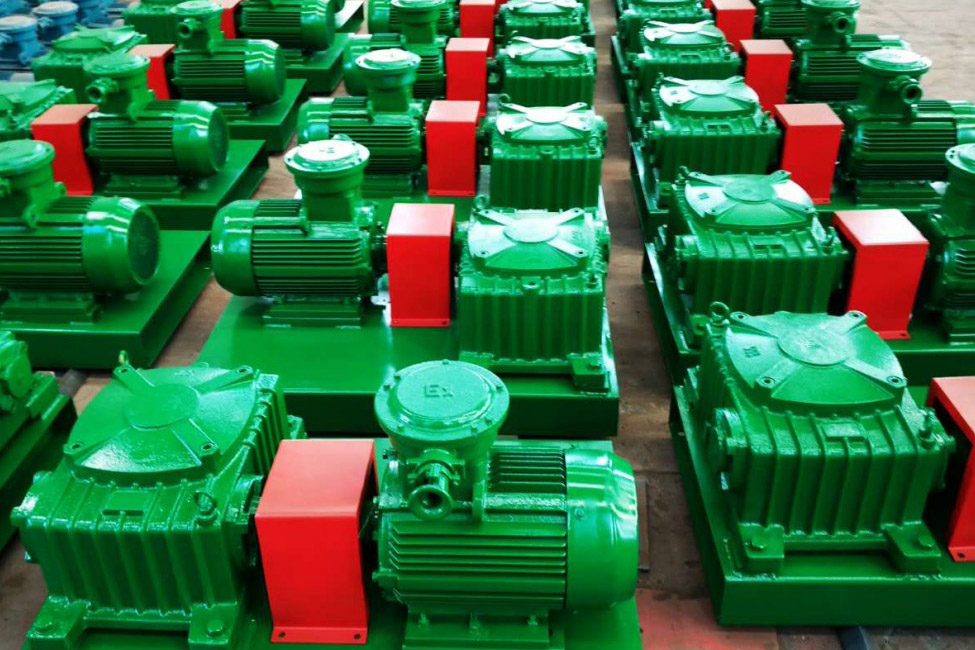
A mud centrifugal pump needs to deliver the required volume of drilling fluid at the pressure needed by the mud circulation system. A factory check verifies whether the assembled unit meets that duty and runs normally.
Engineers record the hydraulic output, motor load and mechanical condition while the pump is running. The readings are compared with the specified duty and acceptance criteria.
The exact procedure varies with the pump design, application and agreed inspection requirements.
Preparing a Mud Centrifugal Pump for Testing
Before startup, the pump and test rig are inspected.
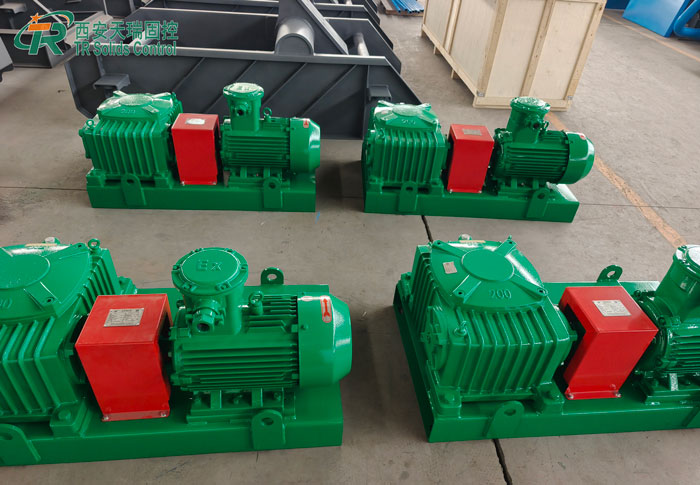
The unit is connected to the test piping and coupled to the specified motor. Pressure gauges, flow instruments and other measuring devices are installed at the required points.
The inspection covers the coupling, lubrication, electrical connections, suction and discharge lines, valves and instruments. The casing must be filled with liquid and properly vented before the motor starts. A centrifugal pump should not run without sufficient liquid in the casing.
The test medium follows the agreed procedure. Clean water is commonly used for factory performance checks, while the pump may handle drilling mud in the field. The report should state the test medium and the conditions under which the readings were taken.
Starting the Pump
Once the setup is ready, the motor is started and brought to the specified speed.
The rotation direction is checked first. The pump then runs until the operating point is stable and the readings are ready to record.
If several duty points are required, valve settings or other test parameters are adjusted to obtain different flow and pressure values.
Measuring Flow and Pressure
Flow rate shows how much fluid passes through the pump. The pressure difference between the suction and discharge sides indicates the head generated by the unit.
These two values need to match the actual pump duty. A pump that delivers the required flow at insufficient head will not meet the circulation requirement.
The duty also depends on where the pump is installed. Transferring mud between tanks may require a different operating point from feeding a desander or another solids control unit.
Several points across the operating range give a better picture of how the pump performs as flow changes.
Checking Speed and Motor Load
Rotational speed is recorded because centrifugal pump output changes with speed.
Motor power shows the load on the drive at the tested duty point. An unexpectedly high load needs investigation, even when the flow and pressure readings appear acceptable.
Mud properties also affect the power requirement. A denser drilling fluid requires more power than a lighter fluid at the same volumetric flow and head.
Checking Vibration, Temperature and Leakage
The rotating assembly also needs to run smoothly during the test.
Engineers monitor vibration while the pump is operating. Excessive vibration can indicate alignment, balance, bearing, coupling or other mechanical problems.
Temperature readings provide another check on the rotating and drive components. Depending on the design, measurements may include the bearings or bearing housing and the motor.
Seals and pipe connections are inspected for abnormal leakage. Unusual operating noise is also noted during the run.
Evaluating the Results
After the readings have been collected, engineers compare them with the pump duty and agreed acceptance limits.
When several operating points have been recorded, the data can be plotted as a pump curve showing the relationship between flow and head. This gives the buyer a useful reference across the tested range instead of relying on one reading.
Actual field performance also depends on the mud, suction conditions, piping losses, valves and downstream equipment. These factors determine where the pump operates after installation.
The factory check verifies the unit under defined conditions. Field commissioning checks its actual operating point after connection to the mud circuit.
Recording the Test
The report lists the pump identification, test medium, duty points, measured readings and acceptance results.
If a reading falls outside the agreed range, the manufacturer investigates the cause before the equipment is released. Adjustment or another test may be required, depending on the finding.
The completed report gives the buyer a reference for installation and later commissioning.
What Does the Factory Check Tell the Buyer?
A factory check shows how the mud centrifugal pump performed under the specified test conditions before shipment.
It confirms whether the supplied unit reached the agreed duty and whether the assembly ran normally during inspection.
The factory report covers the pump before shipment. Field commissioning checks the pump after it is connected to the actual mud circuit, where piping, suction conditions and drilling fluid affect the working point.