Leave Your Message
-
Phone
-
E-mail
-
Whatsapp
-
WeChat

High-efficiency Venturi jet mixing, high-shear agitation, and advanced closed-loop fluid recycling systems optimized for chemical dispersion and industrial operations.
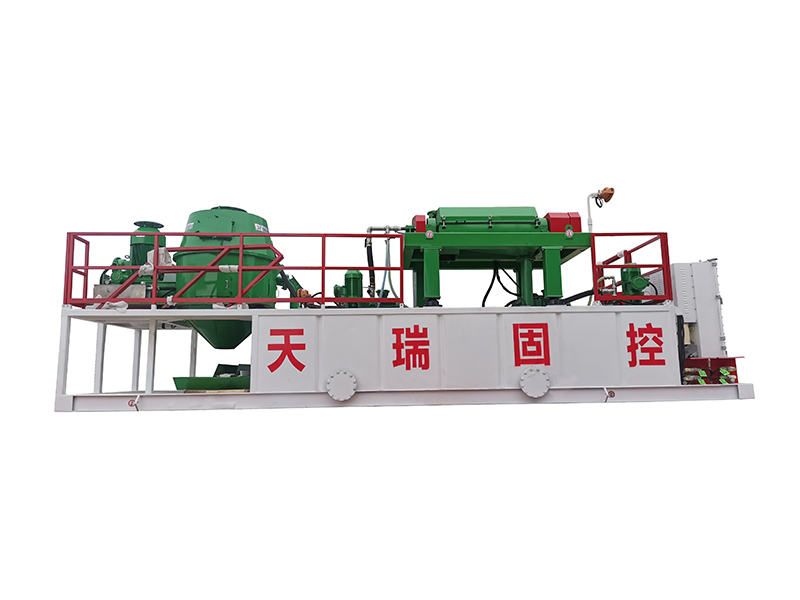
High-efficiency solvent separation and slurry purification system designed for rigorous industrial polymer recovery and environmental compliance.
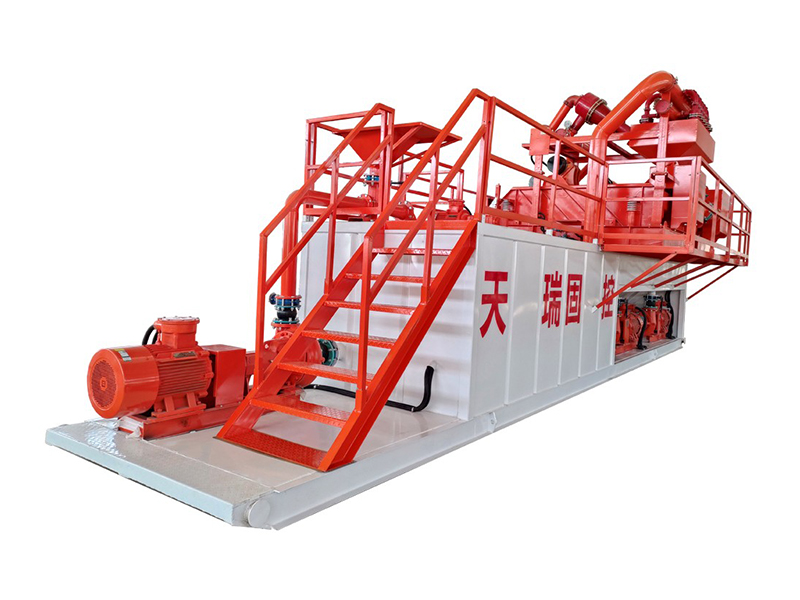
Multi-stage separation combining high-G shakers and desanders to maintain immaculate fluid cleanliness for synthetic coating processes.
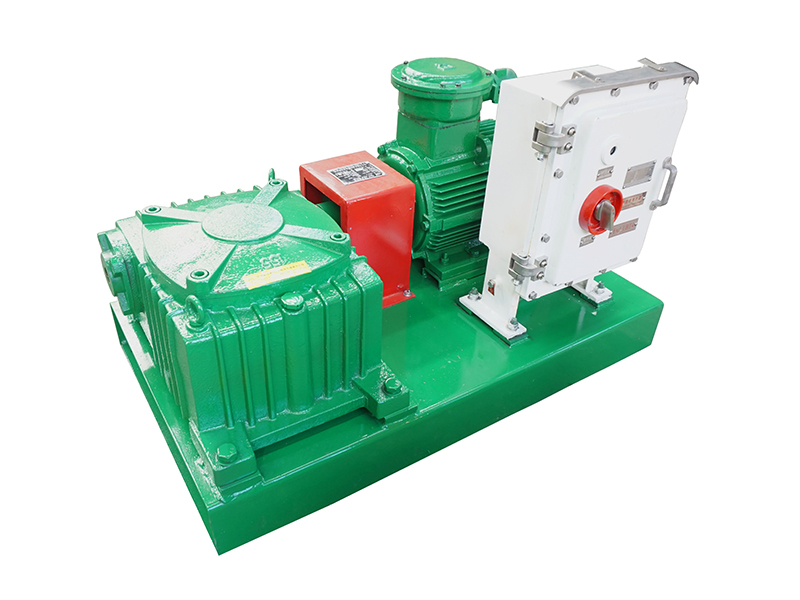
Turbine-driven low-shear/high-flow agitators preventing solid sedimentation and ensuring uniform rheological stability across viscous batches.

Advanced vortex hopper engineered for instant lump-free hydration of nano-fillers, UV stabilizers, and polyurethane resin crosslinkers.
How precision fluid mechanics and heavy-duty solids control technology are revolutionizing multi-layer thermoplastic polyurethane (TPU) synthesis and functional coating dispersion.
The global automotive Paint Protection Film (PPF) industry has experienced a paradigm shift over the last decade. Moving beyond single-layer aliphatic TPU films, modern premium PPF features sophisticated multi-layer architectures comprising self-healing memory coats, hydrophobic fluoropolymer barriers, nano-ceramic anti-fouling dispersions, and optically transparent pressure-sensitive adhesives (PSA). Preparing the chemical formulations, polymer slurries, and additive dispersions for these high-performance coats requires extreme blending precision, micro-bubble elimination, and zero agglomeration of active solids.
Originally perfected in heavy-duty oilfield fluid processing, the industrial Mud Hopper (Venturi Jet Shear Mixer) has transitioned into advanced specialty chemical lines. In PPF coating operations, the mud hopper functions as a high-shear, vacuum-induced solid-liquid induction system capable of instantaneously wetting out hard-to-disperse powders—such as hydrophobic silica, optical brighteners, hindered amine light stabilizers (HALS), silane adhesion promoters, and ceramic nanoparticles—into viscous solvent-borne or waterborne resin matrices.
Creates dynamic negative pressure at the nozzle throat, pulling fine powders smoothly beneath the liquid surface before hydration can form stubborn "fish-eyes" or micro-clumps.
High velocity jets break agglomerated nano-silica and polymeric crosslinkers into sub-micron droplets, ensuring optical clarity and ultra-high gloss in finished PPF coats.
Eliminates lengthy mechanical batch tank delays by combining solids addition and hydraulic shearing into a single continuous or recirculated in-line process flow.
Understanding the internal dynamics of mud hoppers when processing high-viscosity resins and specialized functional additives for clear coat extrusion lines.
At the heart of the mud hopper lies the Venturi mixing nozzle. A high-pressure centrifugal or positive displacement feed pump drives the liquid phase (typically solvent blends, polyols, or aqueous prepolymers) through a constricted convergent orifice. In accordance with Bernoulli's principle, the sudden contraction converts static pressure head into kinetic energy, generating fluid velocities exceeding 25-35 m/s.
This localized pressure collapse creates a deep vacuum within the hopper cone (down to -0.08 to -0.09 MPa), causing raw dry powders (such as fumed silica thixotropes, ceramic nano-particles, or UV blockers) to be drawn into the central stream without emitting airborne dust or requiring manual plunge immersion.
As the combined stream enters the expansion diffuser chamber, violent turbulence, rapid eddy dissipation, and high shear rates (exceeding 10,000 s⁻¹) smash aggregates, wetting each individual particle before they can form gelatinous skins that cause optical haze or optical distortion in automotive films.
| Parameter / Process Step | Conventional Open Agitator Batching | Venturi Jet Mud Hopper System | PPF Performance Impact |
|---|---|---|---|
| Powder Induction Method | Top gravity dumping into tank vortex | High-vacuum in-line Venturi throat suction | Zero surface floating; eliminates dust explosion hazards. |
| Agglomerate Breakdown ("Fish-Eyes") | High risk; requires lengthy ball-milling | Instantaneous high-shear hydraulic micro-cavitation | Achieves sub-micron distribution; ensures optical clarity. |
| Air Entrapment & Micro-Bubbles | Severe vortex vortex-induced aeration | Submerged jet dispersion under laminar vacuum return | Drastically reduces degassing time and pinhole defects. |
| Solid Addition Rate | Slow (15-30 kg/min) to avoid crusting | Ultra-fast (100-300 kg/min continuous capacity) | Cuts formulation cycle time by up to 65% in industrial lines. |
| Cleanability & Solvent CIP | Complex internal baffles; high solvent wash waste | Streamlined pipe geometry; rapid CIP flush cycle | Minimizes hazardous solvent emissions and cross-contamination. |
Analyzing the surging demand for high-durability automotive films, matte/satin topcoats, and how automated mixing infrastructure ensures scalable profit margins.
With tightening VOC regulations across North America, Europe, and Asia-Pacific, PPF coating lines are shifting rapidly from traditional solvent-heavy carrier systems to high-solids polyurethane dispersions (PUDs) and waterborne aliphatic resins. These environmentally sustainable systems exhibit notoriously narrow rheological windows: excessive shear can shear-thin and degrade aqueous binders, while insufficient shear causes flocculation. Modern mud hoppers equipped with variable-throat nozzles and shear pump integration provide the exact fluidic shear required without thermal degradation.
The consumer aftermarket has seen exponential growth in satin-finish and pigmented paint protection films. Creating a uniform matte finish without mottling requires dispersing precipitated silica matting agents uniformly throughout the top-coat slurry. Mud hoppers with high-precision metering guarantee that matting additives are sheared to an exact d50 particle distribution, avoiding uneven gloss bands or surface roughness across continuous wide-web (1.52m / 60") roll extrusion.
Industrial 4.0 standards have mandated automated slurry delivery. Modern mud hoppers are now fitted with mass flow meters, automated butterfly valves, load-cell hopper feeders, and inline viscometers. Real-time feedback loops dynamically adjust liquid feed pressures and dry additive dosing, ensuring that every batch of PPF coating slurry stays within ±0.5% of viscosity and solid-content tolerances.
Established in 2010, TR Solids Control is a professional manufacturer specializing in drilling fluid solids control equipment, industrial slurry dispersion systems, and integrated fluid processing solutions. We are dedicated to the design, manufacture, sales, and services of high-efficiency mixing hoppers, agitators, centrifuges, and solids control systems, following strict quality standards and providing reliable products, professional support, and fast response for global customers.
During the past years, together with our experienced engineering team and strong supply chain partners, we have supported chemical processing contractors, industrial coaters, drilling contractors, and oilfield service companies across the Middle East, Africa, Russia, South America, Southeast Asia, and other regions, delivering efficient solids control and fluid mixing solutions for high-demand operations.
Advanced manufacturing facilities, world-class certifications, and global engineering deployment supporting robust fluid handling and chemical processing.
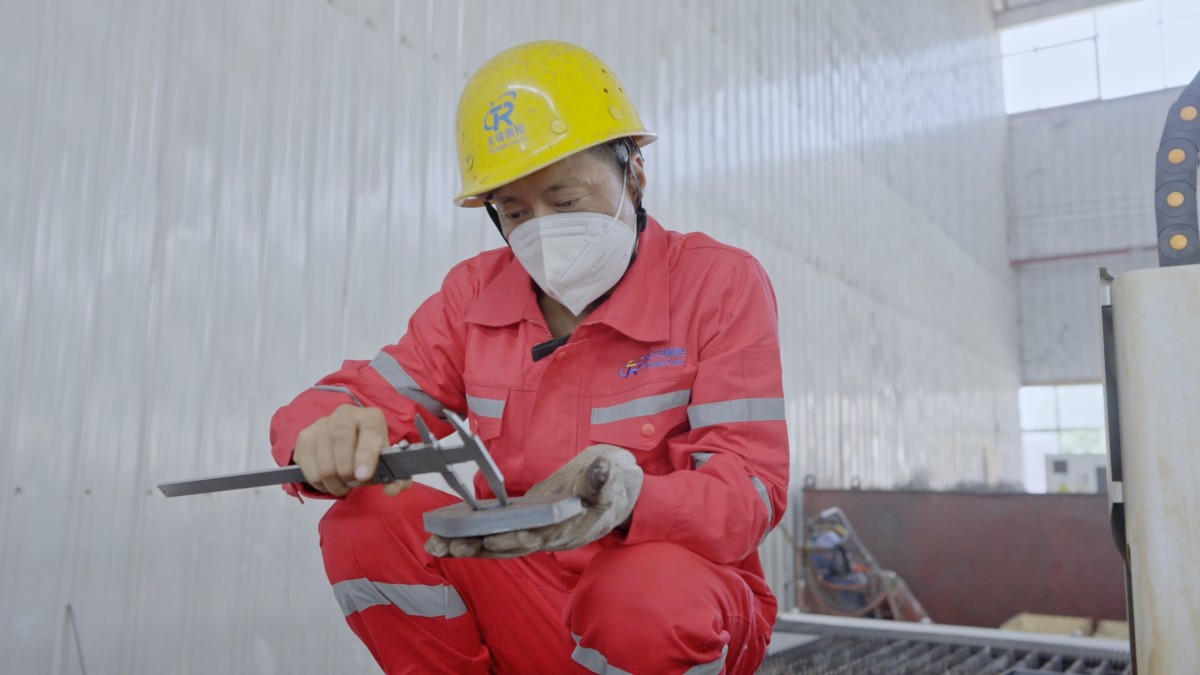
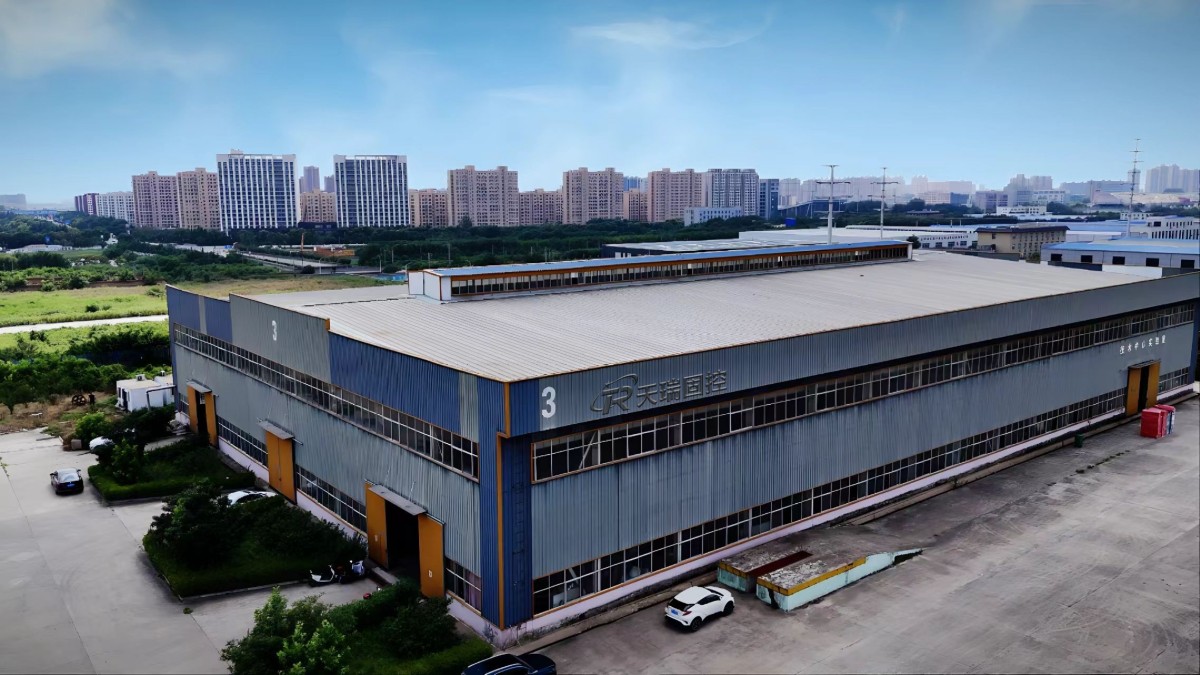
Modern Manufacturing Facilities Supporting Reliable Solids Control Equipment & High-Shear Mud Hopper Production.
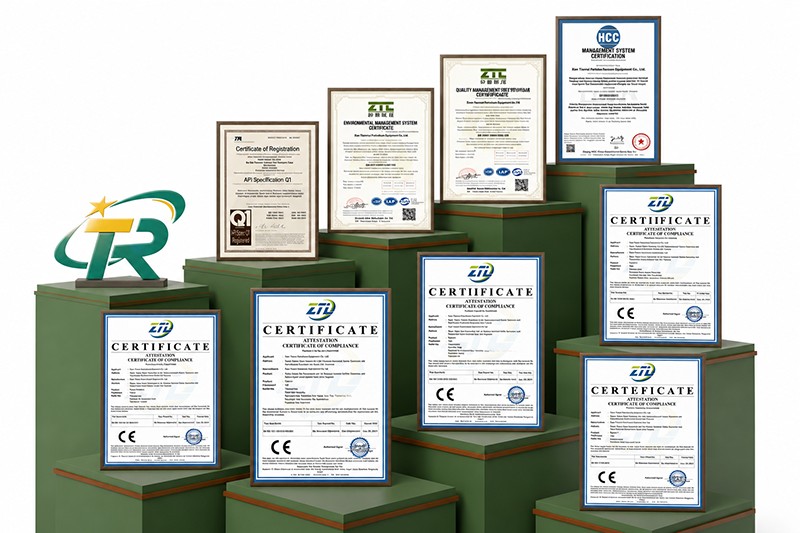
Strict Quality Management Systems Ensuring Product Reliability and International Safety Standards.
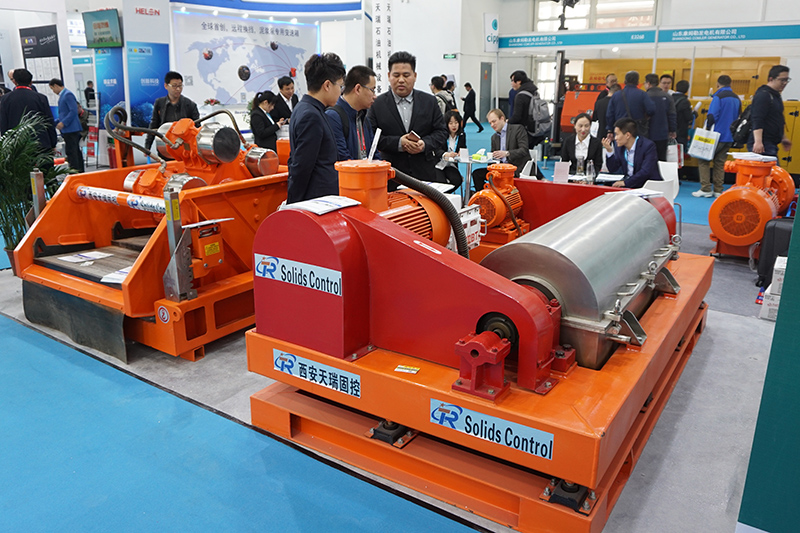
Showcasing Heavy-Duty Fluid Processing, Mud Hoppers, and Mixing Innovations on the Global Stage.
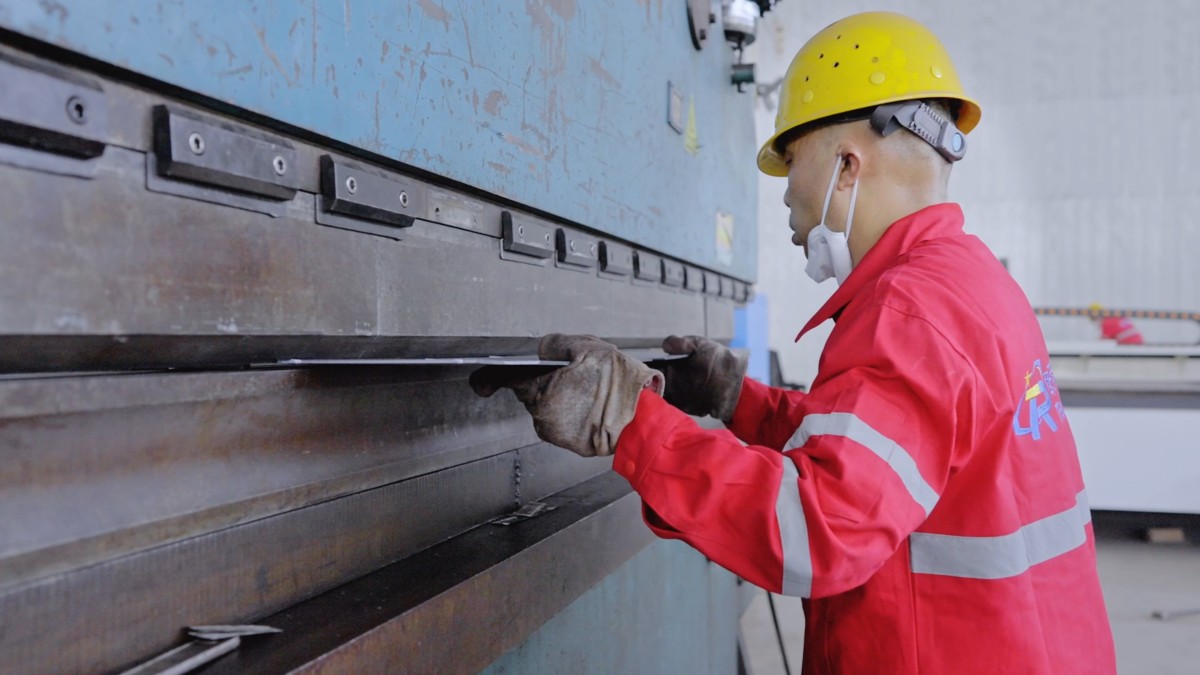
High-precision CNC machining, robotized welding, and dynamic hydraulic test stands ensuring zero-leakage operation.
Browse our complete lineup of high-shear jet mixing units, agitators, fluid recycling stations, and manufacturing facilities tailored for demanding industrial and PPF coating operations.
Specialized separation unit for continuous solids recovery, hydrocarbon containment, and polymer sludge filtration.
Compact, skid-mounted mud recycling plant engineered for rapid micro-solid removal and continuous liquid reconditioning.
Helical-bevel gear driven impellers maintaining homogeneous fluid suspensions across heavy solids and polymer slurries.
Modern Manufacturing Facilities Supporting Reliable Solids Control Equipment and Advanced Mud Hopper Units.
Strict Quality Management Systems Ensuring Product Reliability, High Pressure Integrity, and Global Standards.
Connecting with worldwide industrial processing partners and presenting state-of-the-art mud mixing solutions.
Dedicated assembly lines for Venturi hoppers, high-shear mixing pumps, and custom PPF resin compounding units.

Tailored CAD/CFD fluid simulation services to customize Venturi nozzle geometries and flow rates for unique rheologies.