


Leave Your Message
-
Phone
-
E-mail
-
Whatsapp
-
WeChat

Engineered for high-rate continuous bentonite shearing, fast chemical addition, and closed-loop waste reduction in demanding North American drilling plays.
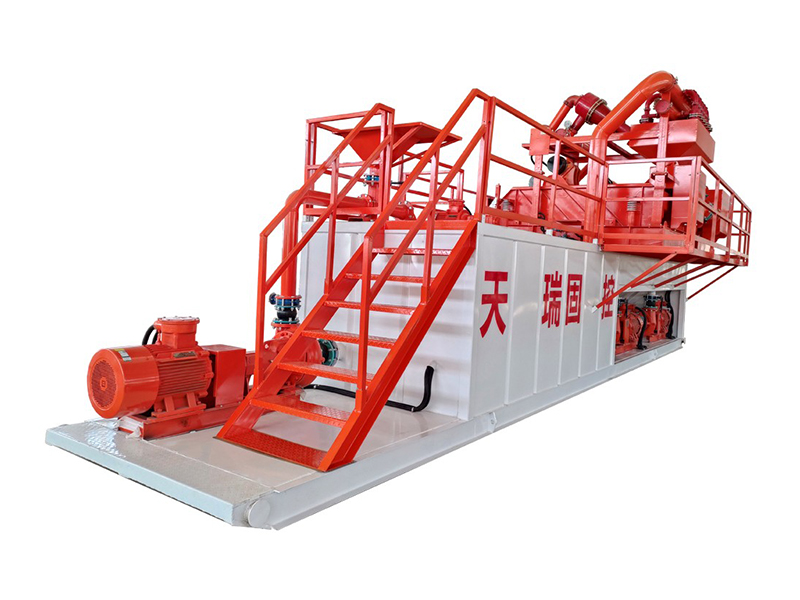
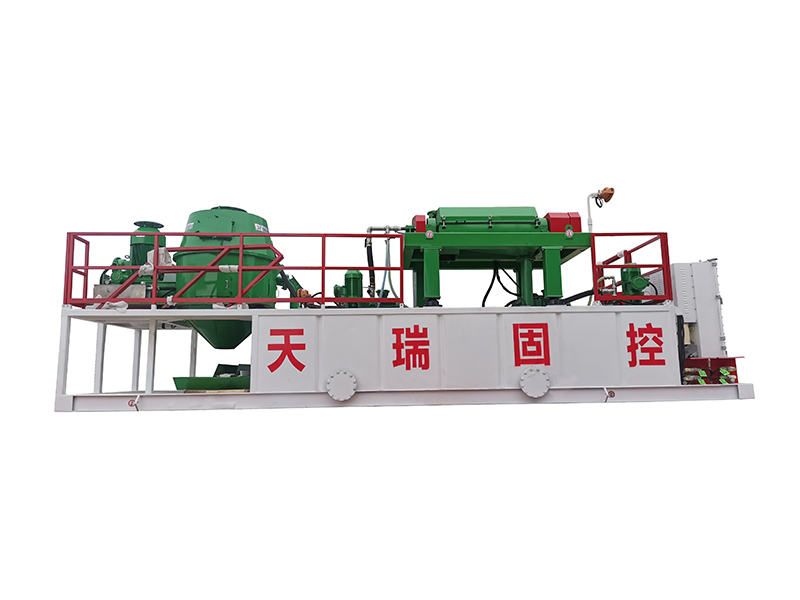
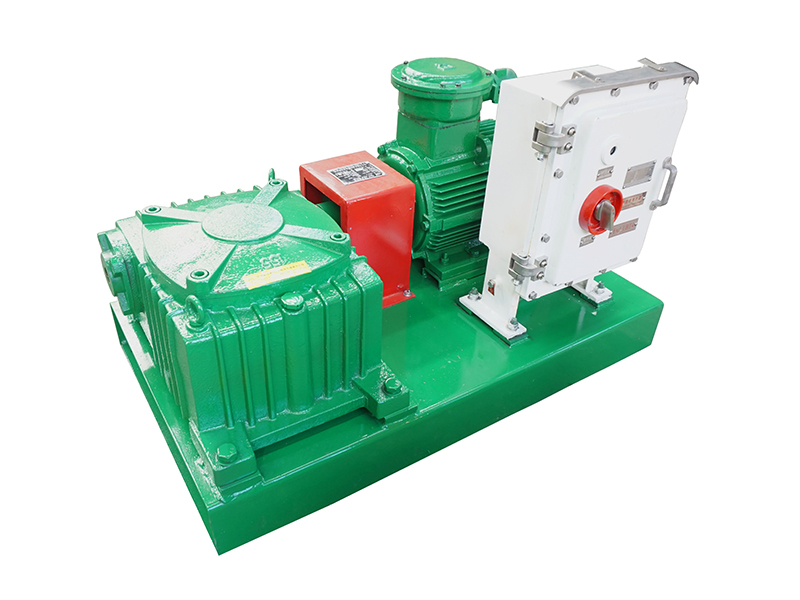
The drilling fluid mixing and solids control market in the United States is currently experiencing profound technological shifts driven by deep shale horizontal drilling, stringent environmental regulations, and massive modernizations in municipal trenchless infrastructure. As exploration and production operators across the Permian Basin (Texas & New Mexico), Eagle Ford, Bakken Formation (North Dakota), and the Marcellus Shale continue pushing lateral lengths beyond three miles, the demand for fast, homogenized, and precise drilling mud preparation has reached unprecedented levels.
In high-speed drilling environments, drilling fluid—commonly referred to as the lifeblood of the rig—must maintain consistent rheological properties, density, and viscosity under extreme subsurface temperatures and hydraulic pressures. The mud hopper acts as the critical entry point where dry powdered additives, including sodium bentonite, barite, polymers, calcium carbonate, and fluid loss control agents, are introduced into liquid streams. In conventional setups, poorly engineered hoppers frequently suffer from chemical clumping, excessive hopper back-pressure, dusting hazards, and slow hydration rates, leading to non-productive rig time (NPT) and compromised downhole stability.
Key US Market Insight: High-efficiency Venturi jet mud hoppers coupled with automated high-shear mixing nozzles can lower polymer consumption by up to 22% and reduce mud batch preparation cycles from several hours to under 45 minutes across unconventional US drill pads.
Furthermore, federal mandates governed by the US Environmental Protection Agency (EPA), alongside regional standards enforced by the Texas Railroad Commission (RRC) and the Pennsylvania Department of Environmental Protection (DEP), require drilling contractors to strictly curb chemical wastage and manage dust emissions on-site. Consequently, tier-one American drilling contractors and rental supply houses are rapidly switching to integrated Venturi jet mud hoppers equipped with dust extraction shrouds, ergonomic bulk-bag handling racks, and precision butterfly metering valves.
Utilizes precision-machined convergent nozzles to maximize vacuum suction at the throat, preventing slurry blowback and delivering instantaneous hydration for dry polymers and bentonite.
Constructed with abrasion-resistant hard-facing alloys, polyurethane-lined jet nozzles, and stainless-steel mixing cones designed to withstand erosive barite and sand slurries.
Engineered for effortless skid integration with centrifugal feeding pumps, active mud pits, mud agitators, decanter centrifuges, and shale shakers under API standard dimensions.
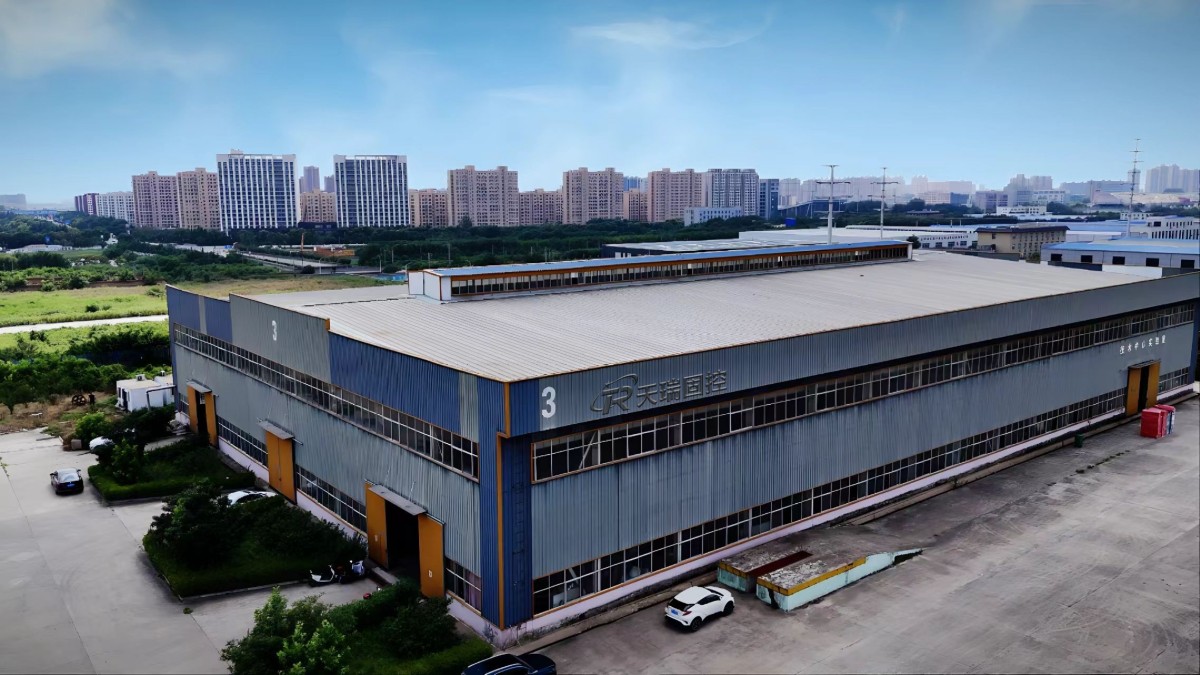
Established in 2010, TR Solids Control is a professional manufacturer specializing in drilling fluid solids control equipment and integrated solutions. We are dedicated to the design, manufacture, sales and services of solids control systems, following strict quality standards and providing reliable products, professional support and fast response for global customers.
During the past years, together with our experienced engineering team and strong supply chain partners, we have supported drilling contractors, oilfield service companies and industry partners across Middle East, Africa, Russia, South America, Southeast Asia and other regions, delivering efficient solids control solutions for various drilling operations.
With increasing operational demands across North America, our specialized mud hopper product lines, including dual-venturi jet hoppers, shearing pump combinations, and compact trenchless mud recycling packages, are rigorously adapted to satisfy American API, ASME, and UL electrical specifications.
The manufacturing and deployment of mud hoppers are no longer treated as simple sheet metal fabrication tasks. In the modern American energy and civil drilling sector, mud hoppers are central nodes within closed-loop drilling fluid management ecosystems. Major industry evolutions include:
Conventional low-pressure hoppers often fail to completely shear high-yield bentonite and long-chain polymers, resulting in unhydrated agglomerates known as "fish eyes." These agglomerates blind expensive shale shaker screens and get discarded into waste skips, creating unneeded cost. High-shear jet mud hoppers incorporate specialized shearing vortex chambers and high-velocity impellers that disintegrate polymer molecules in milliseconds, unlocking maximum viscosity and yield point immediately upon introduction.
Worker safety and occupational airborne particulate standards set by the Occupational Safety and Health Administration (OSHA) concerning respirable crystalline silica (often present in bentonite and barite additives) have mandated enclosed mixing environments. Modern mud hoppers engineered for US operators feature integrated negative-pressure dust exhaust systems, stainless steel bag slitter grates, and water curtain scrubbers that capture airborne micro-particles before they escape into the rig floor atmosphere.
Beyond traditional oil and gas drilling, Horizontal Directional Drilling (HDD) for telecom conduits, municipal water mains, and interstate pipeline installations across the US has seen exponential growth backed by the US Infrastructure Investment and Jobs Act. Trenchless operations require skid-mounted, trailer-ready mud hoppers capable of running on compact diesel or 460V/60Hz electric power packs with minimal footprint and plug-and-play field connections.
| Technical Parameter | Standard Single Hopper (TRSL100) | Heavy High-Shear Hopper (TRSL150) | Dual Jet Mixing Skid (TRSL200D) |
|---|---|---|---|
| Inlet/Outlet Diameter | 4" (100 mm) Flange | 6" (150 mm) Flange | 6" Dual / 8" Manifold |
| Barite Feeding Capacity | 120 - 180 metric tons/day | 240 - 320 metric tons/day | 400 - 600 metric tons/day |
| Bentonite Hydration Capacity | 50 - 75 metric tons/day | 100 - 150 metric tons/day | 200 - 280 metric tons/day |
| Working Fluid Pressure | 0.25 - 0.45 MPa | 0.30 - 0.50 MPa | 0.30 - 0.60 MPa |
| Venturi Throat Velocity | 25 - 32 m/s | 28 - 38 m/s | 30 - 42 m/s |
| US Electrical Standard Support | 460V / 60Hz / 3-Phase UL Listed | 460V / 60Hz / 3-Phase UL Listed | 460V / 60Hz / 3-Phase UL Listed |
State-of-the-art facilities, international quality control certifications, and active global engineering engagements that ensure every hopper unit meets stringent North American industrial standards.

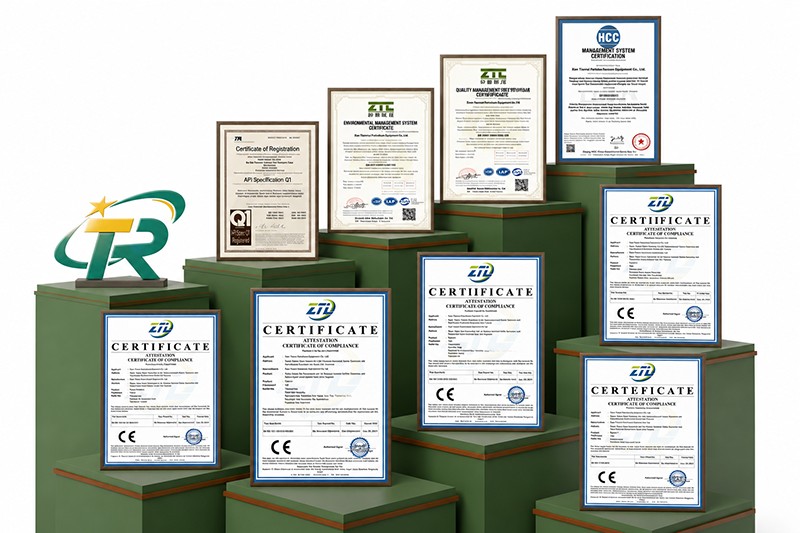
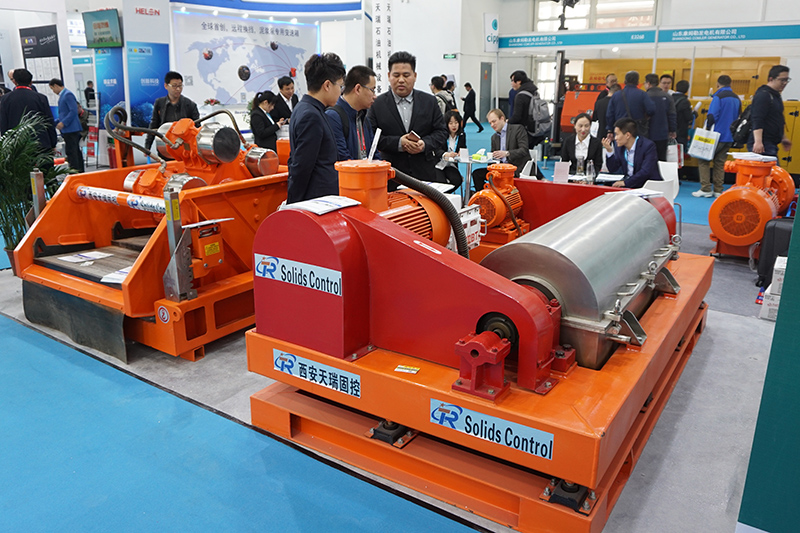
Integrated engineering, modern production lines, and strict metallurgical testing procedures built to support American drilling fleets.
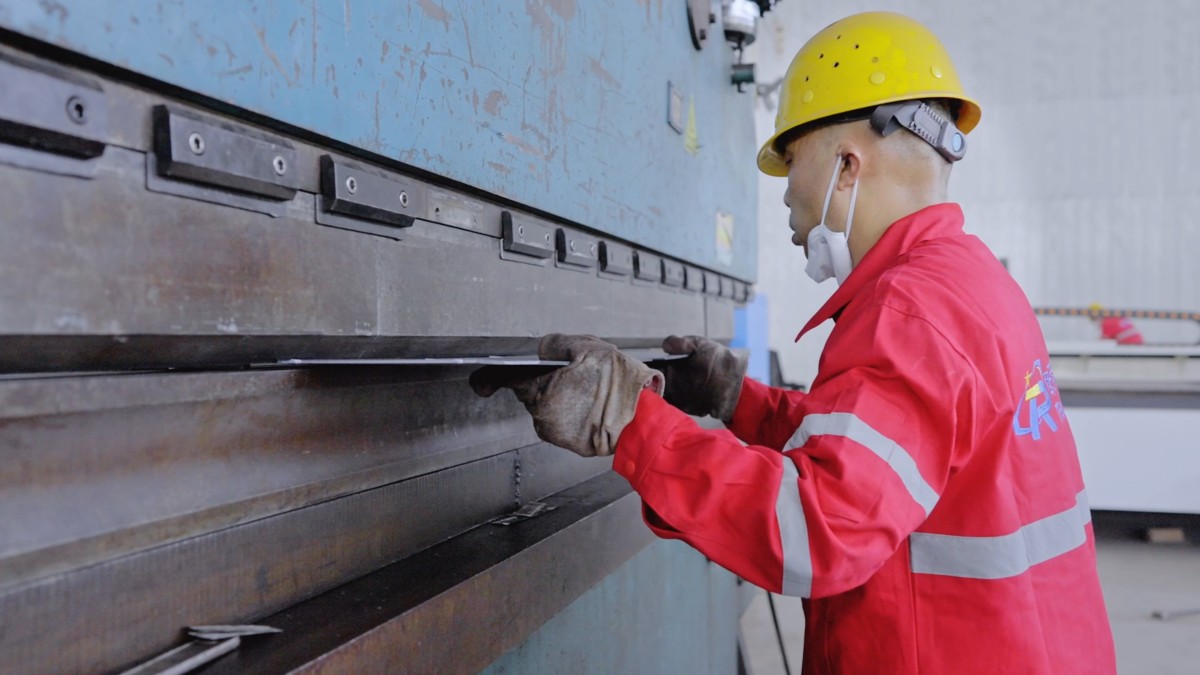

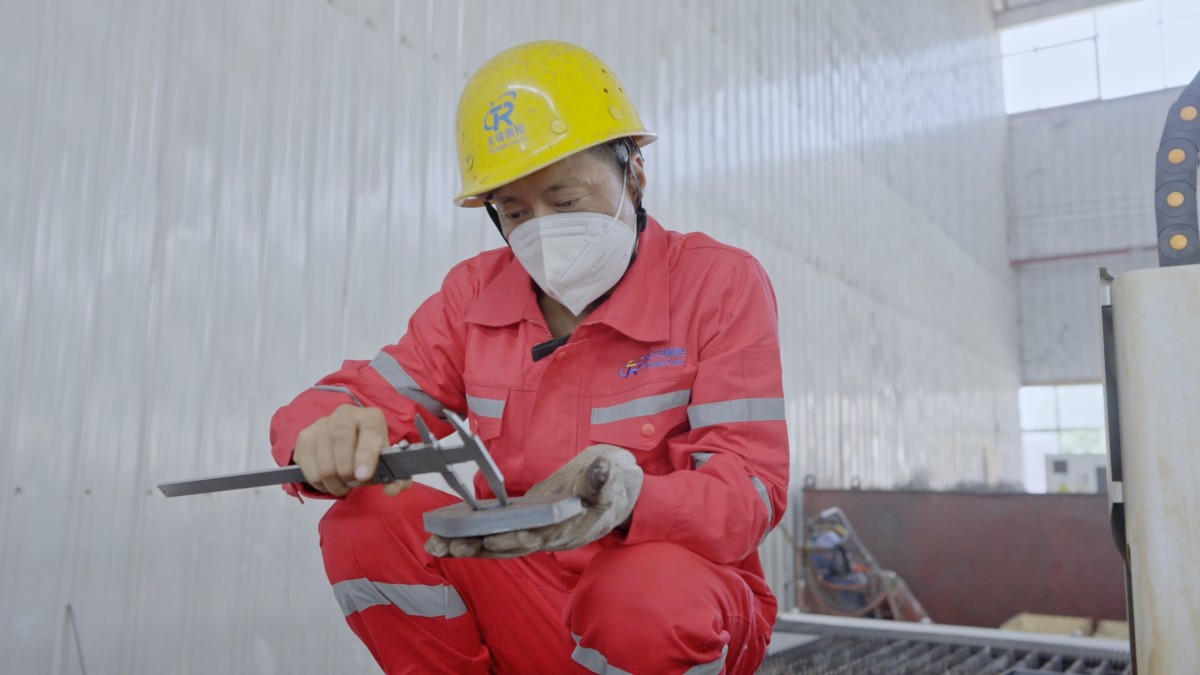
Mud hoppers manufactured for American operations must adapt to radically diverse geophysical conditions, regional mud programs, and distinct drilling applications. Here is how our equipment serves targeted operations across the United States:
Drilling operators in the Delaware and Midland basins deal with high-speed pad drilling where fast-paced additions of barite are required to balance unexpected abnormal reservoir pore pressures. In these operations, our dual jet mud hoppers coupled with 75HP centrifugal pumps deliver continuous barite charging up to 400 tons per day without plugging, ensuring steady hydrostatic columns and preventing kicks during high-speed tripping.
In sub-zero winter environments where ambient temperatures regularly plunge below -20°F, drilling fluids become sluggish and prone to freeze-ups. Our hoppers can be equipped with winterized heat trace jacket manifolds, self-draining hopper bowls, and insulated butterfly valves that prevent slurry freezing during batch intermissions, safeguarding crew safety and continuous circulation.
Geothermal exploration in the Salton Sea and Great Basin demands high-temperature drilling muds fortified with specialized lignite, synthetic polymers, and heavy weighting agents. Our hoppers feature wear-resistant chrome alloy jet nozzles and corrosion-proof seals that hold up under caustic, high-pH geothermal mud systems without premature pitting or degradation.
Trenchless contractors installing gas pipelines beneath Mississippi River crossings or laying fiber-optic conduits throughout Florida require mud hoppers with low deck elevations and simple manual bag-cutter tables. The compact design allows operators to rapidly mix high-viscosity bentonite slurries on compact jobsites where space is limited and trucking footprint must be minimized.
Our Venturi throat accelerates fluid speed to over 30 m/s, creating an intense localized vacuum zone. Dry powders are pulled downward at high velocity into a turbulent fluid vortex, dispersing individual particles instantly before hydration layers can cross-link into lumps.
Yes. All electrically-driven mud mixing packages shipped to the US can be fitted with UL, CSA, or explosion-proof motors (460V / 60Hz or 480V) engineered specifically for Class I, Division 1, Group C & D hazardous oilfield zones.
Absolutely. The hopper chamber, butterfly metering valves, and internal rubber seats utilize Viton and nitrile compounds that resist diesel, mineral oil, synthetic esters, and corrosive brine fluids without swelling or degrading.
Standard skid-mounted jet mud hoppers and replacement nozzle cartridges are kept in buffer inventory or shipped via expedited ocean/air freight into major hubs including Houston, Dallas, Oklahoma City, and Casper, WY with full documentation.
Explore our comprehensive array of field-proven drilling fluid processing solutions engineered to integrate directly with our mud hoppers for complete closed-loop rig operations.