


Leave Your Message
-
Phone
-
E-mail
-
Whatsapp
-
WeChat

Integrated solid-liquid separation solutions engineered to eliminate pinholes, stabilize viscosity, and optimize chemical slurry recycling in release liner production.
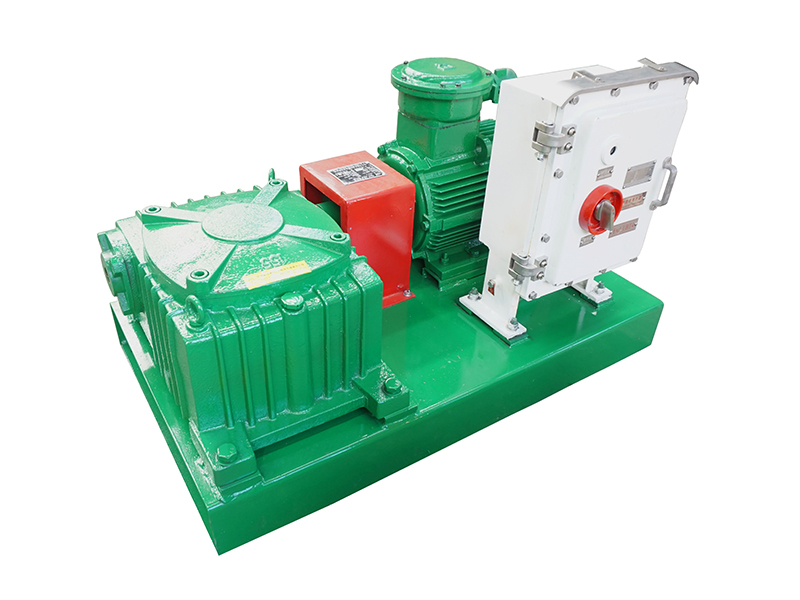
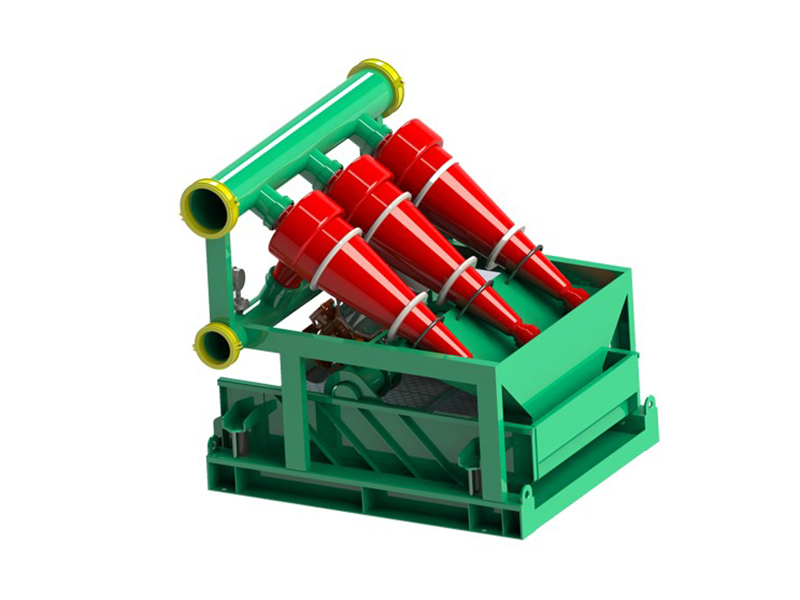
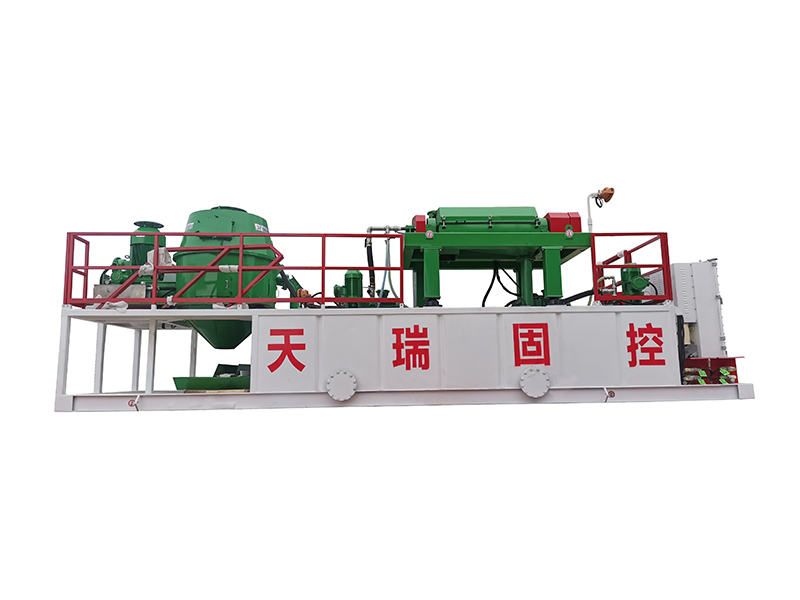
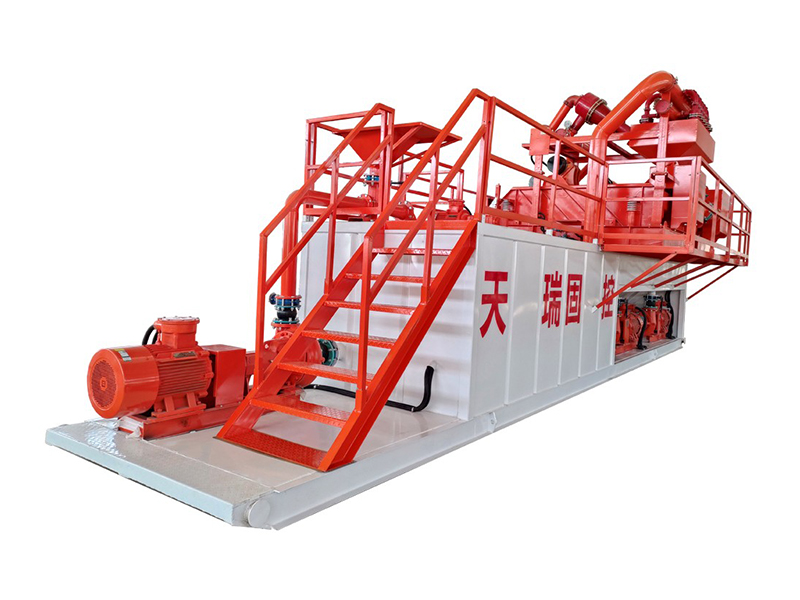
The manufacturing of release papers (such as Glassine, Clay Coated Kraft - CCK, and Polyethylene Coated Kraft - PCK) and release films (PET, BOPP, and PE substrates) requires pristine chemical slurries, high-purity coating formulations, and rigorous wastewater clarification systems. In both base paper stock preparation and high-speed silicone coating operations, particulate contamination is a primary cause of micro-pinholes, uneven release force, streak defects, and premature gravure cylinder wear.
A specialized Mud Desander utilizing high-efficiency polyurethane hydrocyclones serves as an indispensable mechanical separation stage. Operating as a secondary or tertiary solids classification module, the desander extracts abrasive siliceous particles, agglomerated filler grits (such as kaolin clay, calcium carbonate, and titanium dioxide), and process debris ranging between 40 and 75 microns from recycled process mud and coating suspensions.
Technical Milestone: Implementing hydrocyclone desanding in release substrate slurry circuits reduces coating head blockages by over 88% and extends process fluid recycling loops by up to 3.5 times.
Equipped with customizable 10-inch or 12-inch wear-resistant polyurethane cones that generate immense centrifugal acceleration to reliably remove 40–75 µm grit without degrading chemical polymer chains.
By preventing oversize grit from entering the micro-gravure, slot-die, or curtain coating stations, the system ensures pristine release coating flatness and uniform silicone curing across release liners.
Facilitates zero-liquid-discharge (ZLD) operational models by recycling raw pulp preparation washings, de-inking sludges, and formulation washouts back into the production cycle with minimum waste disposal cost.
Tailored engineering configurations designed for specific rheological properties of aqueous slurries, polymer emulsions, and chemical bath wash-outs.
In the manufacture of supercalendered Glassine and CCK base sheets, inorganic mineral fillers such as ultra-fine calcium carbonate and precipitated kaolin must be homogenously suspended in the slurry. Agglomerations, calcined impurities, and residual quartz sand present in virgin pulp cause severe scratch marks across calender rolls and create micro-voids in the barrier base coat.
TR Mud Desanders operate downstream of coarse vibrating screens to continuously remove non-reactive abrasive solids. The desander preserves expensive rheology modifiers and starch binders while discharging dense coarse sand. This ensures that the base paper achieves a smooth, dense, and non-porous top surface ready for solventless silicone application.
Furthermore, when base paper mills reclaim backwater, our desanders continuously separate fiber-free mineral sludge, preventing abrasive build-up in boiler feed lines and heat exchanger tubes.
Optical-grade and electronic-grade release films (used in MLCC ceramic capacitors, die-cutting, OCA optical adhesives, and polarization sheet lamination) enforce zero tolerance for particulate imperfections down to the sub-micron scale. During the continuous biaxial orientation and surface priming stages, significant quantities of water-glycol mixes, primer washes, and anti-static emulsions generate process wastewater filled with crystalline polymer fines and environmental grit.
Integrating a compact, high-efficiency Mud Desander into the reclamation line allows film converters to remove suspended abrasive solids before ultrafiltration or nanofiltration units. This step prevents the premature blinding of costly separation membranes, recovers valuable process solvents, and stabilizes the physical release performance across optical PET films.

High-throughput hydrocyclone desanders built with premium polyurethane materials, balanced manifold hydraulics, and variable underflow screening decks.
| Model / Parameter | Cone Quantity & Size | Processing Capacity (m³/h / GPM) | Separation Cut Point (µm) | Working Pressure (MPa) | Target Release Media Application |
|---|---|---|---|---|---|
| TRCS-10/2 Release Line Desander | 2 × 10" Polyurethane Cones | 120 m³/h (528 GPM) | 45 – 75 µm | 0.25 – 0.40 MPa | CCK / PCK Paper Coating Clay Slurry |
| TRCS-10/3 High-Flow Desander | 3 × 10" Polyurethane Cones | 240 m³/h (1056 GPM) | 40 – 70 µm | 0.25 – 0.45 MPa | Glassine Pulp Preparation & Mineral Slurry |
| TRCS-12/1 Compact Mud Desander | 1 × 12" Polyurethane Cone | 100 m³/h (440 GPM) | 50 – 80 µm | 0.20 – 0.35 MPa | PET / BOPP Primer Wash & Wastewater |
| TRCS-Multi Custom Separation Skid | Custom Hydrocyclone Cluster | Up to 360 m³/h (1585 GPM) | 35 – 65 µm | 0.28 – 0.45 MPa | Continuous Optical Release Film Lines |
Cast from ultra-pure, high-resilience polyurethane ensuring exceptional abrasion resistance against mineral slurries, extended operational lifespan, and effortless clamp-lock maintenance.
Engineered via computational fluid dynamics (CFD) to distribute equal inlet pressure across all cones, eliminating turbulence and guaranteeing uniform particle separation efficiency.
Drastically reduces fresh water consumption, cuts sludge haulage expenses, and prevents coating defects, delivering a measurable payback period of under six months on high-speed lines.
TR Solids Control delivers world-class solids control machinery and customized separation skids for diverse industrial, oilfield, and chemical manufacturing sectors worldwide.
Established in 2010, TR Solids Control is a professional manufacturer specializing in drilling fluid solids control equipment and integrated solutions. We are dedicated to the design, manufacture, sales and services of solids control systems, following strict quality standards and providing reliable products, professional support and fast response for global customers.
During the past years, together with our experienced engineering team and strong supply chain partners, we have supported drilling contractors, oilfield service companies and industry partners across Middle East, Africa, Russia, South America, Southeast Asia and other regions, delivering efficient solids control solutions for various drilling operations and industrial processing lines.
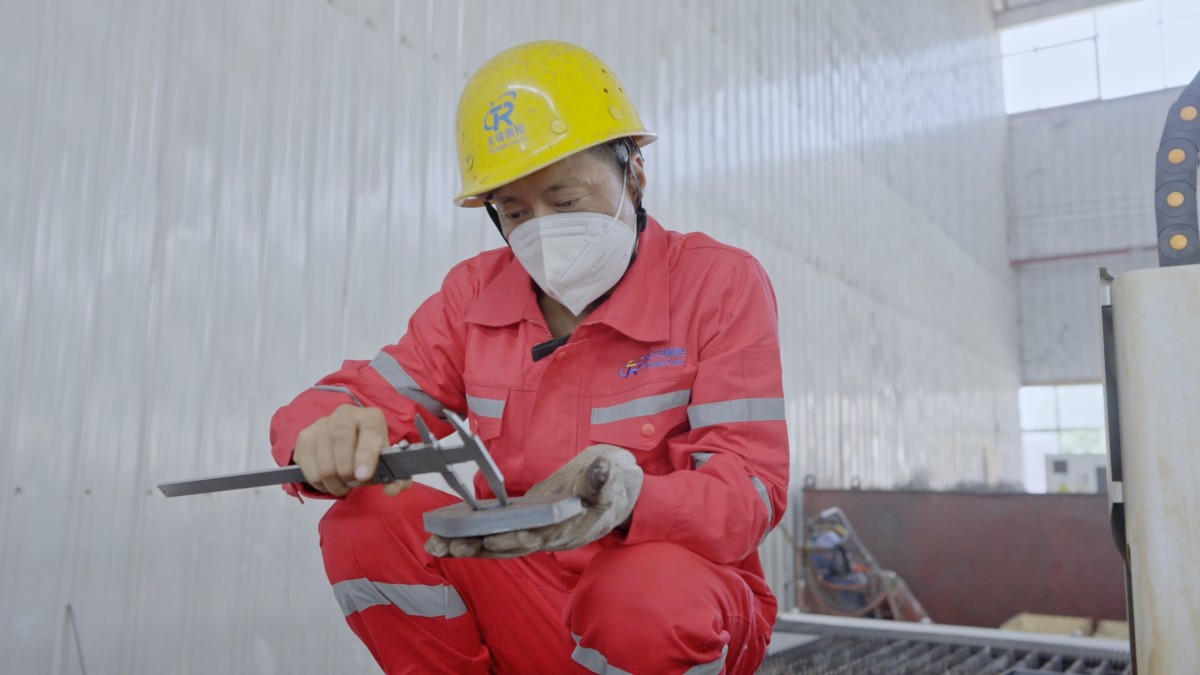

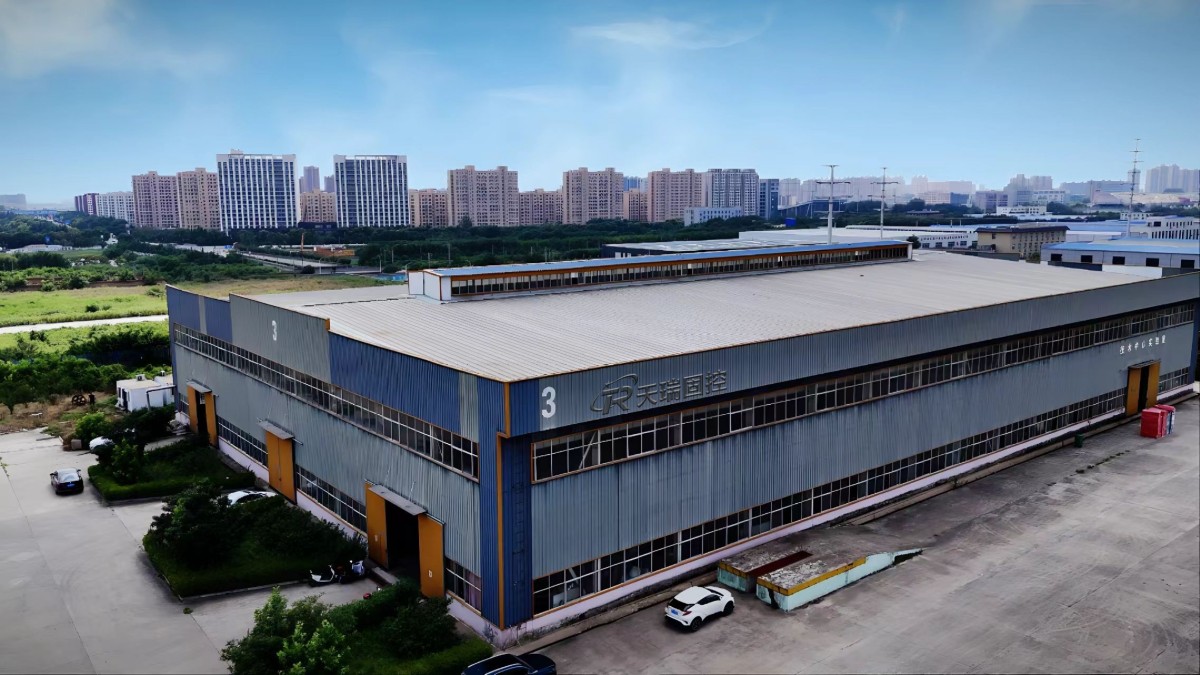
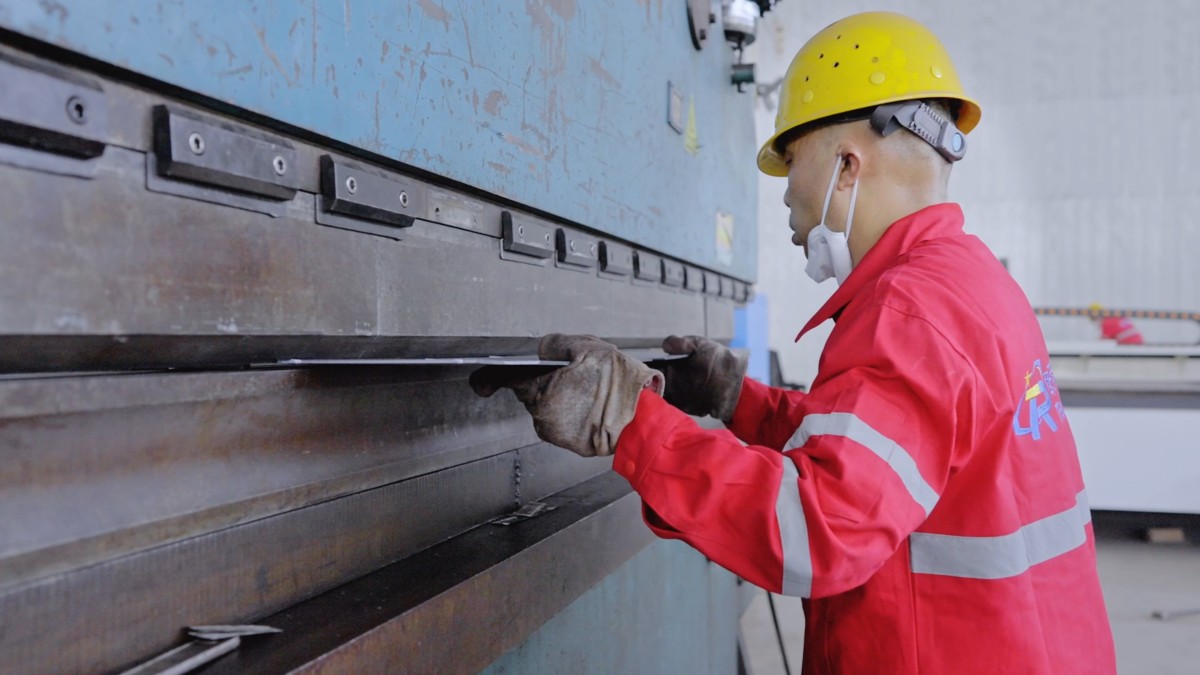
Modern Manufacturing Facilities Supporting Reliable Solids Control Equipment Production and customized separation skid assemblies.
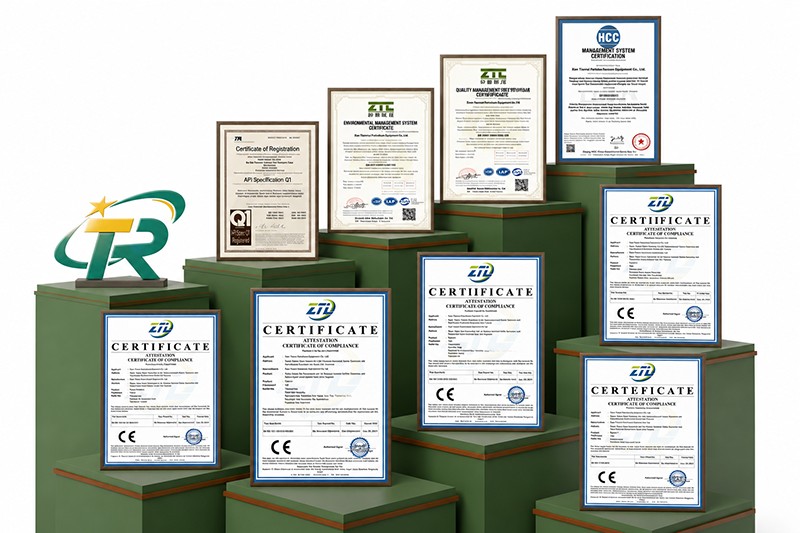
Strict Quality Management Systems Ensuring Product Reliability, API & ISO Compliance, and International Engineering Standards.
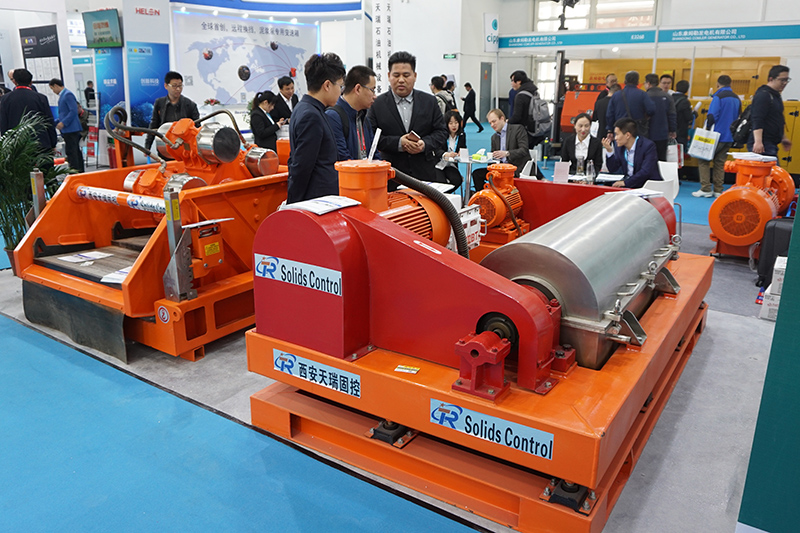
Showcasing high-efficiency hydrocyclones, desanders, decanter centrifuges, and waste management technologies across the world.
Explore our complete lineup of mud agitation, desanding, recycling, and turnkey processing modules engineered for maximum fluid longevity.
Find answers to common engineering questions regarding desander integration, micron cut-points, and release coating quality assurance.
Release paper manufacturing utilizes high-solids kaolin clay and calcium carbonate barrier coatings. Abrasive mineral agglomerations and quartz grit greater than 45 microns cause pinholes in the barrier layer and create deep scratches on calender and gravure coater rolls. A mud desander continuously strips these harmful coarse particles under high centrifugal force without stripping valuable organic additives.
TR desanders configured with 10-inch and 12-inch polyurethane hydrocyclones achieve a sharp separation cut point between 40 and 75 microns. When matched with fine underflow shaker screens, the system provides effective classification while retaining the liquid carrier phase for continuous closed-loop recycling.
Silicone coatings applied to release films and papers have thickness tolerances measured in fractions of a micron (typically 0.8 to 1.5 g/m²). Even microscopic particulate contaminants destabilize the liquid meniscus on slot dies and gravure cells, resulting in localized silicone starvation, streak marks, and irregular release force across the finished liner roll.
Yes. TR manufactures hydrocyclone cones from 100% virgin high-grade polyurethane, which provides superior resistance to chemical oxidation, mild solvent contact, and intense abrasive scouring compared to metallic cyclones. Stainless steel manifolds and specialized elastomer seals are also available for aggressive chemical washing environments.