Leave Your Message
-
Phone
-
E-mail
-
Whatsapp
-
WeChat

Specialized solids control systems designed to purify adhesive dispersions, process wash waters, and mineral filler suspensions.
Navigating the convergence of heavy solids control hydrodynamics and microscopic precision in modern web coating, siliconizing, and converting operations.
In the competitive landscape of modern converting industries, adhesive tape and label manufacturing has evolved from simple coating operations into ultra-precise chemical and mechanical engineering processes. Whether producing biaxially oriented polypropylene (BOPP) packaging tapes, pressure-sensitive labels (PSL), high-performance automotive acrylic foams, masking tapes, or silicone release liners, coating uniformity dictates end-product performance. However, one of the most persistent bottlenecks encountered by process engineers stems not from the polymer synthesis itself, but from the uncontrolled proliferation of particulate matter, abrasive mineral grinds, and process-fluid contamination within the fluid handling circuits.
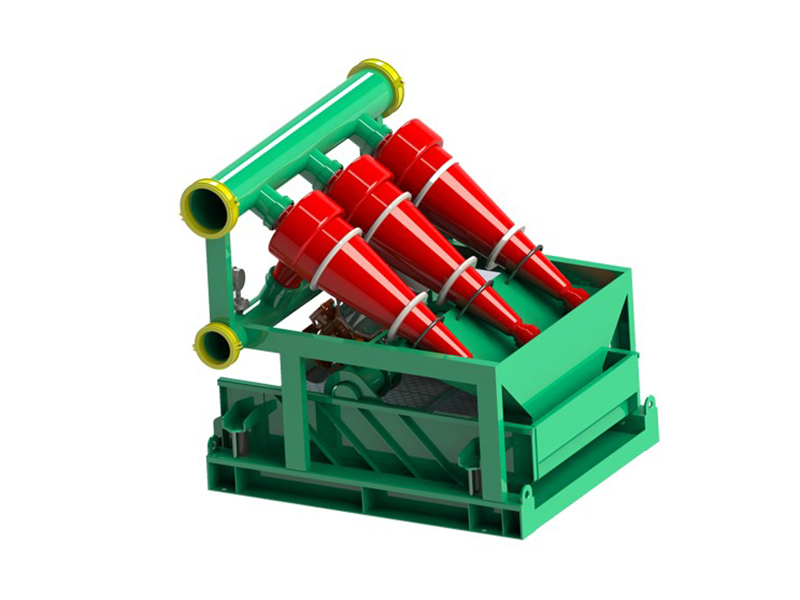
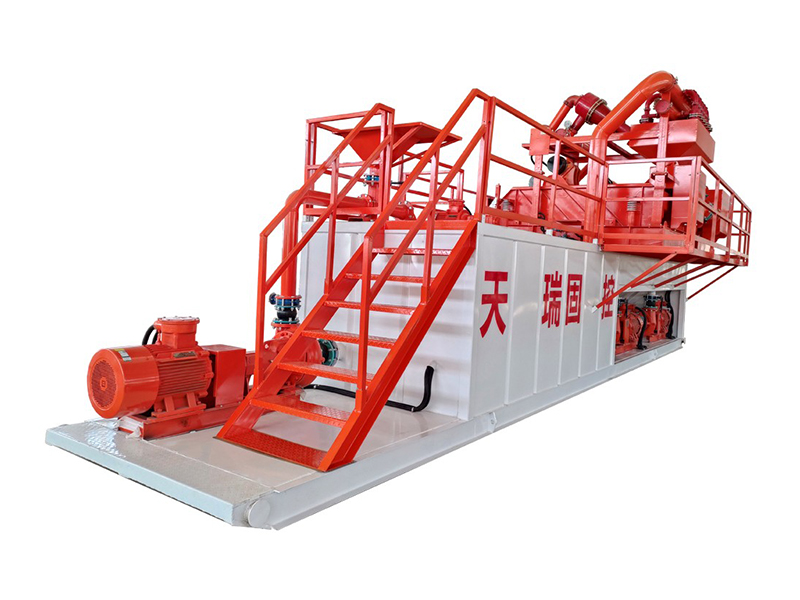
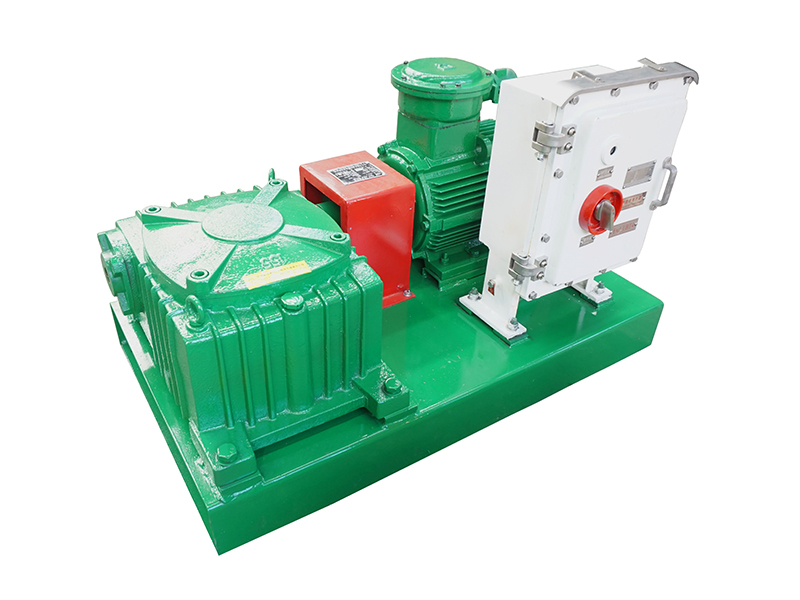
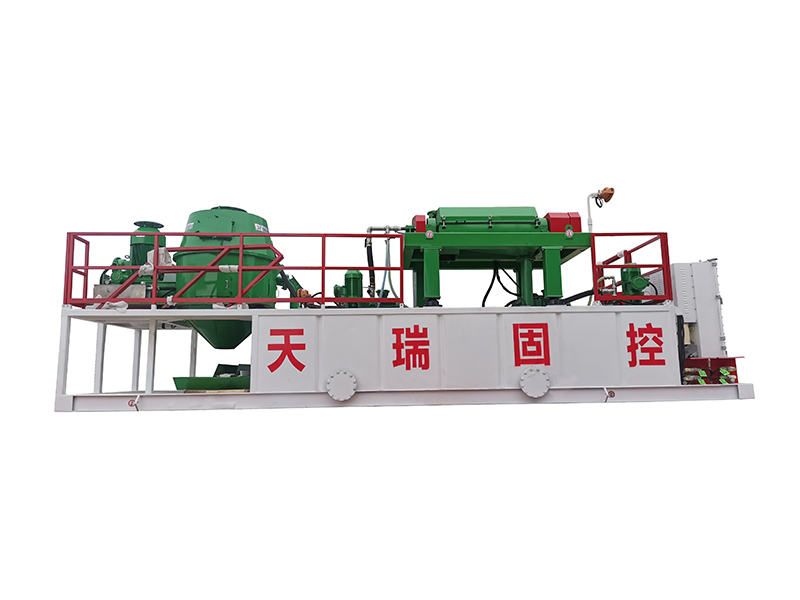
Historically developed for harsh petroleum drilling, tunneling, and civil excavation, Mud Desander systems have broken through into advanced industrial manufacturing lines. In the adhesive tape and label converting sector, these high-capacity hydrocyclone separation systems address the critical problem of clarifying wash water, purging abrasive mineral fillers (such as precipitated calcium carbonate, talc, kaolin clay, and titanium dioxide) from coating preparation slurries, and reclaiming wastewater streams in closed-loop configurations. The integration of robust solids control desanders ensures continuous uptime, prevents scoring on precision coating cylinders, and assists manufacturers in adhering to rigorous environmental Zero Liquid Discharge (ZLD) regulations.
When web speeds on modern coating lines exceed 300 to 800 meters per minute, any foreign particle or agglomerated mineral grain larger than 45 microns trapped in the coating bead will inevitably result in continuous streaks, coating voids, pinholes, doctor blade skipping, or permanent micro-scratches on expensive micro-gravure, comma, or slot-die cylinders. Deploying dedicated hydrocyclone desanders downstream of raw dispersion mixing and upstream of line feeding shields precision equipment from catastrophic abrasive wear.
Conical vortex acceleration subjects incoming streams to centrifugal acceleration exceeding 500 Gs, instantly spinning out dense particulate down to 45–74 μm without blind-clogging consumable mesh filters.
By eliminating abrasive silica, raw pigment agglomerates, and pipe scale, cylinder replacement schedules are extended by up to 400%, preventing catastrophic coating scratches on ultra-thin release and adhesive films.
Recovers up to 92% of aqueous adhesive wash water and equipment cleaning effluent, reducing fresh water intake and dramatically cutting down chemical coagulant and hazardous sludge handling costs.
The manufacturing of adhesive tapes and self-adhesive labels is a multi-tier chemical-mechanical operation. The baseline substrate—whether it is biaxially oriented polyethylene terephthalate (BOPET), BOPP, paper, spunbonded textiles, or metal foil—must be primed, coated with adhesive formulations (water-based emulsion acrylics, solvent-based rubber adhesives, UV-curable prepolymers, or hot-melt formulations), laminated with silicone release liners, dried, cured, and slit. Throughout each cycle, two major fluid pathways demand industrial solids control:
First, water-based acrylic emulsions and latex tackifier preparations often rely heavily on inorganic functional fillers. Precipitated calcium carbonate (PCC) is routinely compounded into adhesives to impart shear resistance, modify peel adhesion, and reduce raw resin expenditures. Silicas and clay particles are introduced to regulate rheology and prevent blocking. When these mineral additives are blended, poor dispersion or contaminated raw shipments introduce grit, oversized crystals, and unhydrated agglomerates into the fluid holding tanks. If these contaminants pass downstream into high-speed fluid transfer loops, they wreak havoc on diaphragm pumps, flow meters, doctor blades, and roll surfaces.
Second, equipment maintenance in tape facilities generates massive quantities of cleaning effluent. Doctor blades, coating pans, delivery hoses, mixing tanks, and adhesive filtration units must be thoroughly cleaned with high-pressure wash nozzles between production runs to prevent dried acrylic polymer build-up. The resulting wastewater is a turbid, tacky slurry containing coagulated polymer solids, mineral fillers, grit, and wash chemicals. Direct biological or chemical sewage discharge is strictly prohibited in most jurisdictions. Conventional settlement pits or static bag filters plug in minutes due to the sticky nature of acrylic polymers. Here, a continuous cyclonic Mud Desander system delivers the ideal solution.
The core mechanism of a Mud Desander involves the application of centrifugal force to achieve accelerated solid-liquid phase separation. Unlike static filtration media where pore blocking is inevitable, hydrocyclones operate continuously without moving internal mechanical parts:
1. Involute Inflow & Rotational Velocity: Contaminated process slurry or wash fluid is pumped tangentially into the upper cylindrical section (feed chamber) of the desander hydrocyclone cone under controlled pressure (typically 0.25 to 0.40 MPa). The geometry forces the fluid into an intense downward outer spiral along the inner cone walls.
2. Centrifugal Force Stratification: As the diameter of the polyurethane cone narrows toward the lower apex (underflow discharge nozzle), the angular velocity increases exponentially. According to Stokes' Law, the centrifugal sedimentation velocity is proportional to the square of particle diameter and the density differential between the solid grit and fluid carrier. Dense mineral particles, abrasive quartz grains, and coagulated polymer aggregates are thrown against the cone wall and carried down to the underflow apex.
3. Vortex Reversal & Overflow Clarification: Near the lower apex orifice, the rapid vortex encounters resistance, creating an inner ascending vortex of clarified fluid. This low-density, grit-free stream flows upward through the central vortex finder tube and discharges via the top overflow manifold, ready for reuse or delicate secondary polishing.
4. Underflow Dewatering via Fine Mesh Shaker: The concentrated dense slurry exiting the desander cone apex drops directly onto an integrated high-frequency vibrating linear shale shaker. The liquid component drains through fine-aperture composite screens, returning to the slurry system, while the dewatered dry solids are continuously ejected for straightforward disposal.
1. Raw Mineral Filler Purification in Tackifier Compounding: During the manufacturing of hot-melt pressure-sensitive adhesives (HMPSA) and solvent-borne adhesives, raw resin compounds are blended with calcium carbonate, silica, and barium sulfate. Pre-treating the liquid premix through a customized 10-inch or 12-inch desander cone allows processors to strip oversized crystalline inclusions (>50 μm) while preserving fine micro-fillers, achieving flawless coating laydowns without causing streaks across ultra-thin film webs.
2. Continuous Doctor Blade Flush & Roll Wash Fluid Recovery: Modern flexographic, rotogravure, and reverse-roll coating lines generate continuous streams of recirculated rinse water. Micro-abrasive grit captured in this water quickly ruins hardened steel or ceramic doctor blades. Integrating a desander loop keeps doctor blade flush lines perfectly clear of sand, lint, and hardened polymer skins, directly eliminating streak line rejections that can cost thousands of dollars per hour in discarded film stock.
3. Protection of Downstream Ultrafiltration and Reverse Osmosis (RO) Modules: Converting facilities striving for Zero Liquid Discharge (ZLD) utilize membrane bioreactors (MBR) and RO membranes for wash-water reclamation. However, unseparated abrasive silt rapidly degrades membrane surfaces and cuts pump impellers. The mud desander serves as an indispensable primary separation barrier, absorbing 80% to 95% of gross suspended solids and shielding delicate downstream membrane assets.
4. Solvent-Borne Waste Sludge Pre-Treatment: In solvent-based adhesive plants running rubber, polyisobutylene, or specialty silicone formulations, cleaning waste contains volatile solvents loaded with heavy pigments and tackifier residue. Utilizing specialized explosion-proof mud desanding equipment, operations can de-grit the solvent slurry before it enters distillation or solvent recovery thermal evaporators, preventing heavy sedimentation buildup in heat exchanger tubes.
The industrial landscape of solids control is no longer confined to purely mechanical, unmonitored hardware. As adhesive and label converting plants embrace Industry 4.0 paradigms, intelligent desanding solutions are leading the transformation:
AI-Driven Viscosity & Pressure Modulation: Non-Newtonian fluids, such as high-solids acrylic emulsions, alter their apparent viscosity under shear. Modern desander installations integrate smart electromagnetic flowmeters and pressure transducers linked to neural network algorithms. These AI controllers adjust variable-frequency drive (VFD) centrifugal feed pumps in real time, maintaining peak hydrocyclone separation efficiency despite fluctuating batch fluid viscosity.
Acoustic Apex Wear Monitoring: Hydrocyclone apex nozzles endure severe abrasive wear from silica and sand. Using smart acoustic emission sensors mounted on the polyurethane cone walls, AI algorithms evaluate hydrodynamic cavitation signatures and apex spray patterns ("umbrella" spray vs. "roping" condition), automatically alerting maintenance personnel prior to apex degradation and fluid carryover.
Digital Twin Fleet Tracking: Multi-plant label converters now utilize cloud-connected PLC platforms to track total suspended solids (TSS), cumulative mass separation, and power consumption across all converting lines. This data streams directly to plant ERP systems to precisely quantify water recycling ROI and anticipate consumable replacement cycles.
Established in 2010, TR Solids Control is a professional manufacturer specializing in drilling fluid solids control equipment and integrated solutions. We are dedicated to the design, manufacture, sales and services of solids control systems, following strict quality standards and providing reliable products, professional support and fast response for global customers.
During the past years, together with our experienced engineering team and strong supply chain partners, we have supported drilling contractors, oilfield service companies and industry partners across Middle East, Africa, Russia, South America, Southeast Asia and other regions, delivering efficient solids control solutions for various drilling operations.
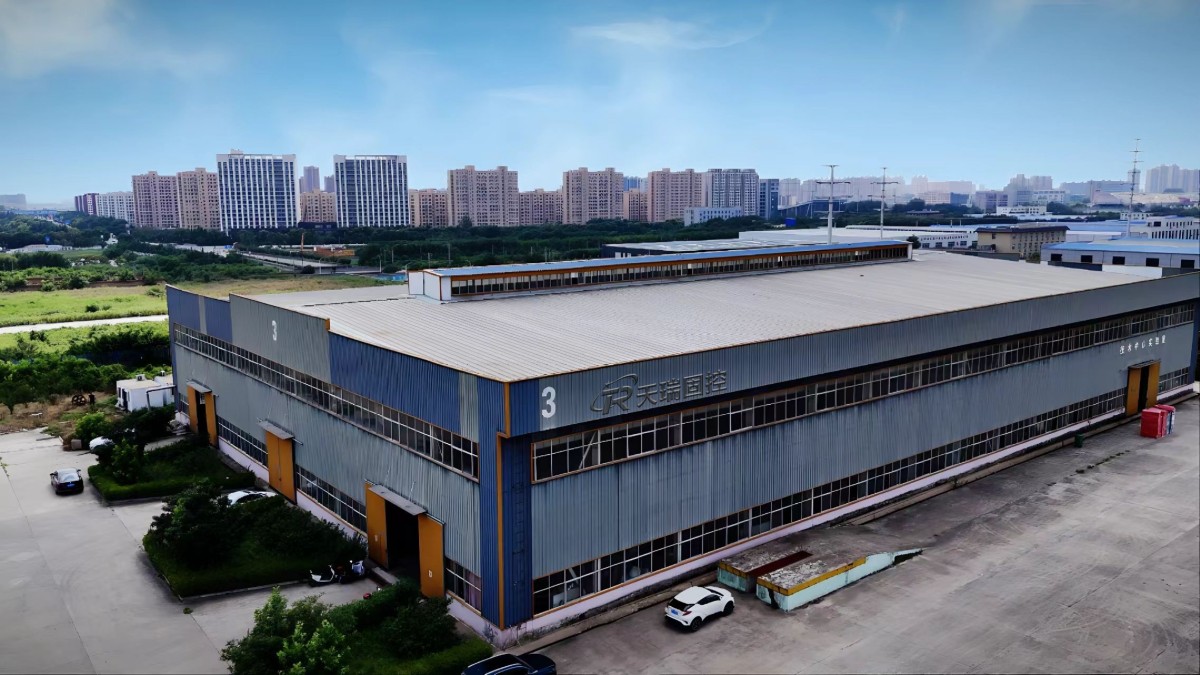
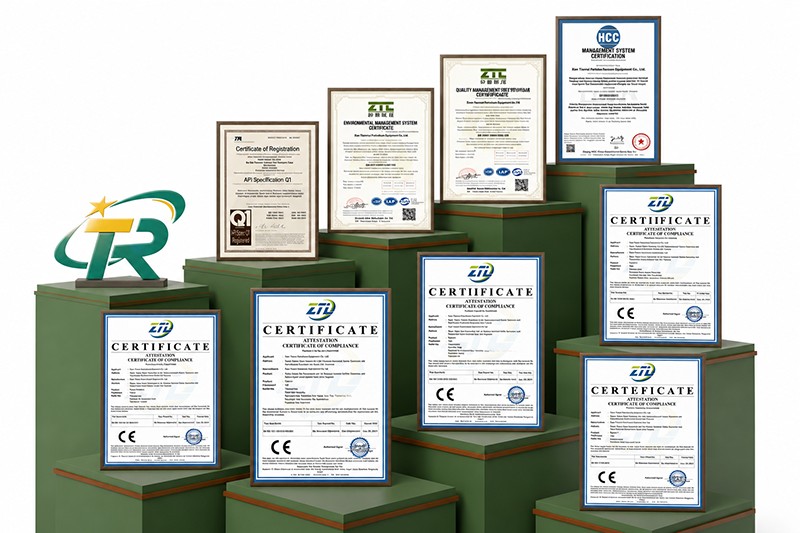
Verified manufacturing capabilities, certified quality protocols, and worldwide exhibition footprint.

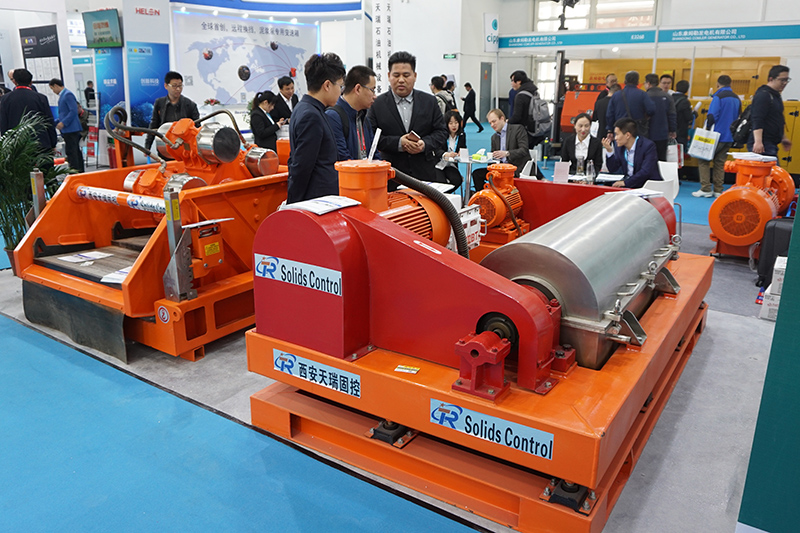
Manufacturing • Engineering • Global Service
Explore our full range of field-proven separation systems tailored to industrial slurries, adhesive recycling, and manufacturing effluent control.