Leave Your Message
-
Phone
-
E-mail
-
Whatsapp
-
WeChat

Continuous mud recycling, fluid circulation, and fine particulate solids removal optimized for high-temperature drilling rigs in Texas, New Mexico, Louisiana, and Western US basins.
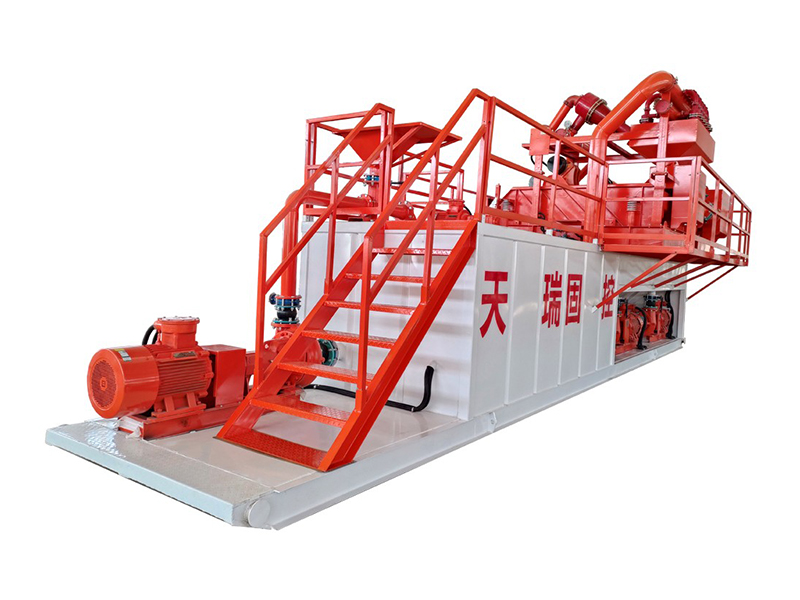
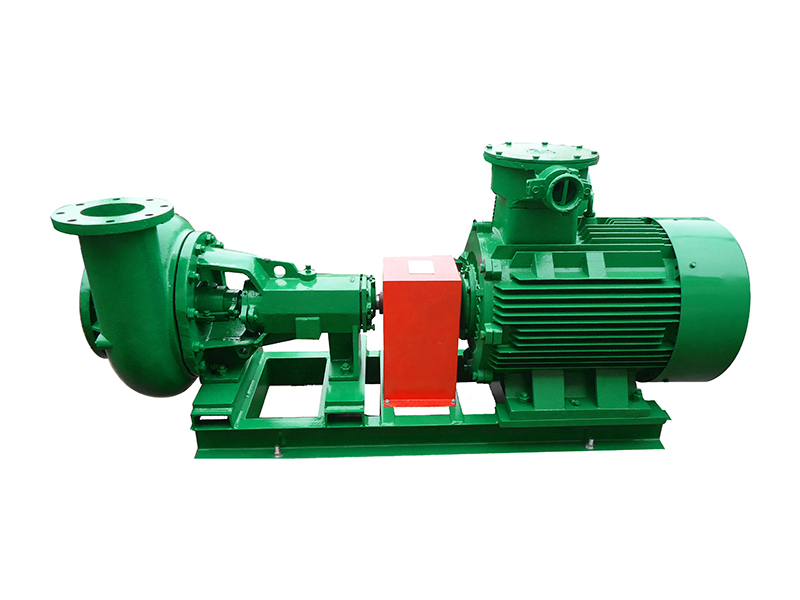
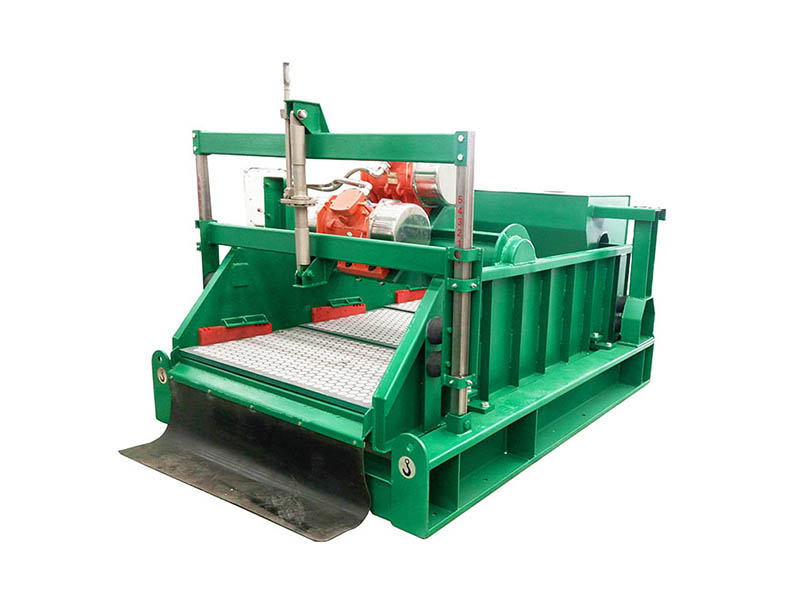
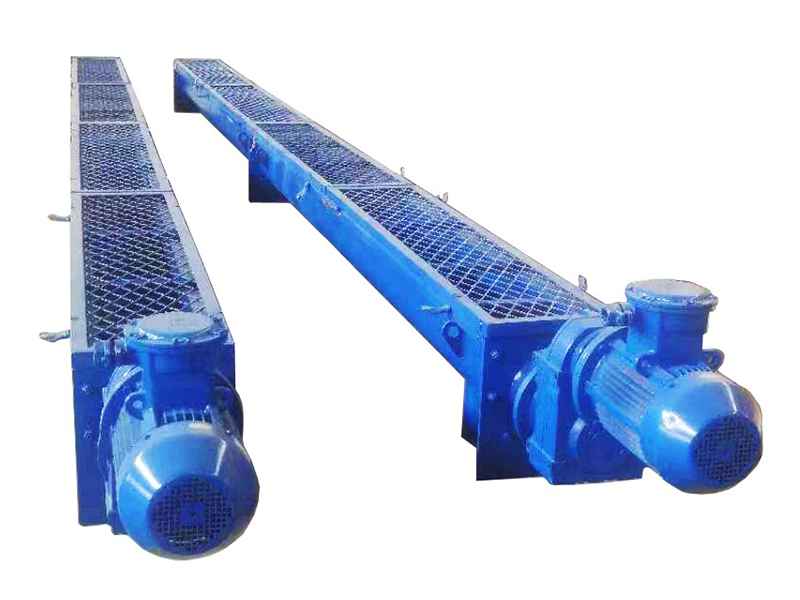
Across the United States energy landscape, drilling parameters have pushed into hostile subsurface frontiers. The convergence of ultra-deep formations, extended-reach horizontal laterals exceeding 15,000 to 20,000 feet, and high-pressure high-temperature (HPHT) subterranean environments has transformed active mud chilling from an optional auxiliary service into a mission-critical drilling necessity. In regions ranging from the ultra-hot deep gas reservoirs of the Haynesville Shale in Louisiana and East Texas to the high-temperature geothermal wells in Nevada and California's Imperial Valley, downhole bottom hole temperatures (BHT) regularly exceed 300°F (149°C) and can surpass 450°F (232°C).
Without robust, high-efficiency mud cooling systems, circulating drilling fluid experiences severe thermal degradation. Uncontrolled mud temperatures trigger additive breakdown, gelation, volatile viscosity fluctuations, accelerated destruction of downhole measurement while drilling (MWD) and logging while drilling (LWD) electronics, premature failure of elastomeric seals in mud motors, and catastrophic degradation of blowout preventer (BOP) packing components. TR Solids Control delivers advanced industrial mud cooling configurations and solids separation units custom-engineered to overcome the unique operational, environmental, and thermal challenges of the American onshore and offshore drilling sectors.
Lowers return mud temperature by 25°F to 60°F (14°C to 33°C), preventing thermal failure of sensitive directional guidance instruments, telemetry pulses, and gamma/resistivity sensors.
Prevents synthetic, oil-based (OBM), and water-based (WBM) drilling fluids from flashing, thinning, or polymer cross-linking, stabilizing yield points and plastic viscosity throughout long circulation cycles.
Cuts hazardous hydrocarbon vapor emissions, steam flashes, and oil-mist exposure at shaker pits, complying with strict US OSHA safety thresholds and state environmental regulations.
Specific geological regimes across the United States demand tailored mud cooling deployments integrated into primary solids control circuits.
The Haynesville gas play is renowned as one of the most punishing high-temperature shale basins in North America, with true vertical depths (TVD) often exceeding 12,000 to 14,000 feet and bottom-hole temperatures regularly surpassing 350°F (177°C) to 400°F (204°C). The severe heat rapidly cooks synthetic-based muds, accelerating barite sag and creating dangerous swab/surge pressures. Employing continuous closed-loop mud chillers enables drilling operators to drop surface mud temperatures to under 130°F (54°C), preserving drilling fluid polymers and safeguarding downhole rotary steerable systems (RSS).
Extended-reach laterals extending past three to four miles generate massive mechanical friction heat between the drill string, casing, and hard siliceous formations. Surface ambient temperatures during West Texas summers often surpass 105°F (40°C), drastically limiting natural radiant cooling through conventional steel surface pits. Hybrid forced-draft mud cooling towers and heat exchanger skids extract this frictional and formation heat before fluid reinjection.
With the rapid growth of the Enhanced Geothermal Systems (EGS) initiative funded by the U.S. Department of Energy (DOE), drilling operations regularly intersect crystalline granite basement rock at temperatures exceeding 400°F to 500°F (204°C–260°C). Mud cooling systems are not merely protective in this realm—they are indispensable. Dual-stage mud cooling systems equipped with titanium plate heat exchangers prevent water-based drilling polymers from boiling in the active pits and protect drill bits from sudden thermal fatigue cracking.
Offshore deepwater platforms face narrow hydraulic windows where mud temperature swings lead to extreme fluctuations in equivalent circulating density (ECD). Uncontrolled mud warming thins the fluid column, causing wellbore instability and loss of circulation in sensitive deep sandstone reservoirs. Compact, explosion-proof mud coolers skid-mounted for offshore footprint limitations ensure consistent mud weight profiles.
| U.S. Drilling Basin / Operation | Typical Downhole Temp (BHT) | Mud System Deployed | Cooling Mechanism Required | Primary Operational Benefit |
|---|---|---|---|---|
| Haynesville Shale (TX/LA) | 350°F – 410°F (177 – 210°C) | High-Density OBM / SBM | Forced-Draft Dual Mud Tower + Plate Chiller | Protects MWD pulser & prevents barite settling |
| Delaware Basin (TX/NM) | 220°F – 280°F (104 – 138°C) | Diesel / Synthetic Invert | Closed-Loop Evaporative Heat Exchanger | Counters extreme desert summer surface ambient heat |
| Basin and Range EGS (NV/UT) | 380°F – 520°F (193 – 271°C) | Thermal Water-Based Mud (HT-WBM) | Titanium Plate Chiller with Chilled Glycol Circuit | Stops fluid flash-boiling; preserves bit bearings |
| Gulf of Mexico Deepwater (GoM) | 275°F – 340°F (135 – 171°C) | Synthetic OBM / Heavy Brines | Marine-Grade Compact Plate Heat Exchanger | Maintains tight ECD tolerances to stop kick/loss cycles |
| Eagle Ford & Austin Chalk (TX) | 260°F – 320°F (127 – 160°C) | Oil-Based Invert Emulsion | Modular Skid-Mounted Fan Cooler Unit | Eliminates shaker steam, volatile mist & VOC spikes |
Integrating fluid thermals directly with modern automated solids control circuits ensures pristine drilling economics and zero process interruptions.
The mechanical process of mud cooling relies on thermodynamic principles optimized for viscous, abrasive non-Newtonian drilling slurries. Standard shell-and-tube coolers frequently suffer from severe scaling, erosion, and clogs when exposed to heavy solids loads. Next-generation systems for the United States market employ high-turbulent plate-and-frame heat exchangers utilizing corrosive-resistant titanium, Hastelloy, or 316L stainless steel plates, paired with automated backflushing mechanisms.
Furthermore, current US oilfield developments favor the integration of smart IoT-enabled telemetry with the rig's central Programmable Logic Controller (PLC). Digital temperature probes positioned at the flowline, shaker discharge box, active mud suction, and standpipe manifold feed telemetry algorithms. These edge devices calculate real-time thermodynamic dissipation curves, modulating fan speed, water distribution spray rates, and mud circulation throughput to sustain a target downhole temperature without wasting diesel generator wattage.
By keeping surface active pits below 110°F to 125°F (43°C to 52°C), operators report an average 35% to 55% reduction in synthetic base fluid addition, a 70% decrease in downhole instrument thermal trip frequency, and extended bit elastomer lifespan that eliminates costly non-productive trip time (NPT).
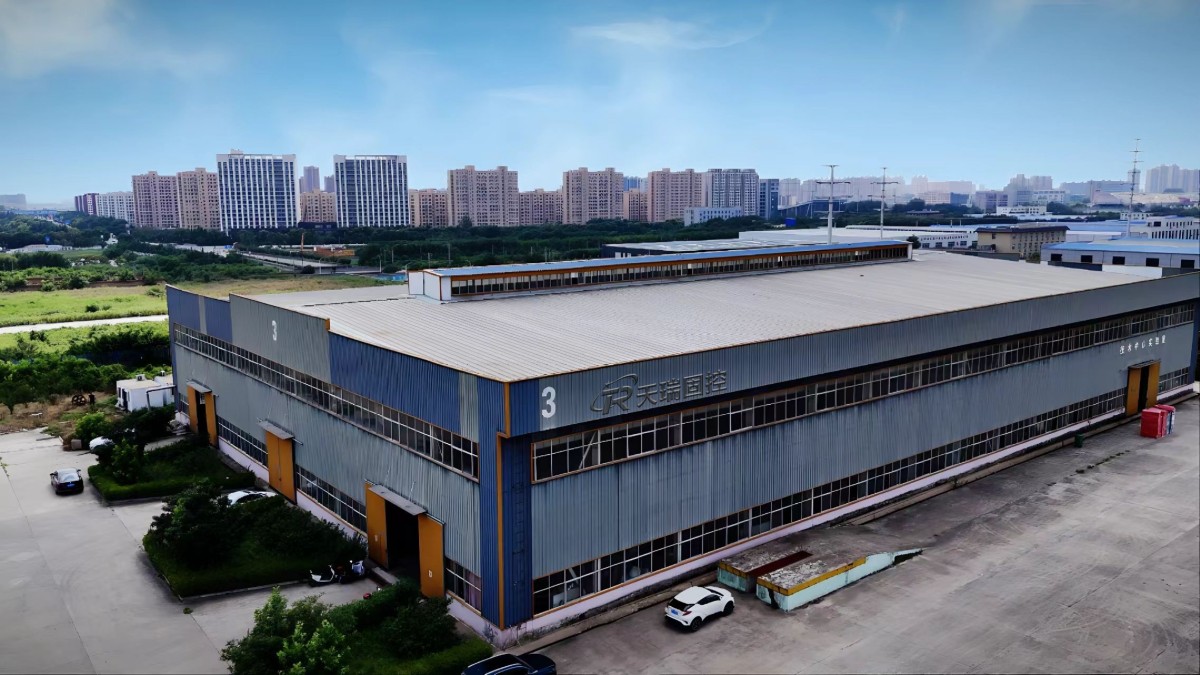
As exploration pushes deeper into extreme reservoirs across the United States, our engineering division has developed integrated mud cooling packages and ultra-durable solids control units capable of meeting the stringent operational and environmental specifications demanded by American drilling operators.
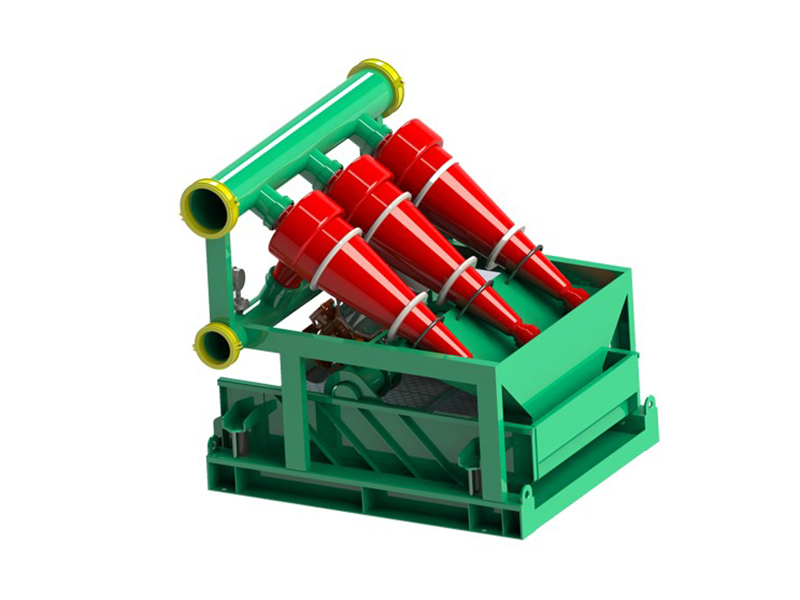
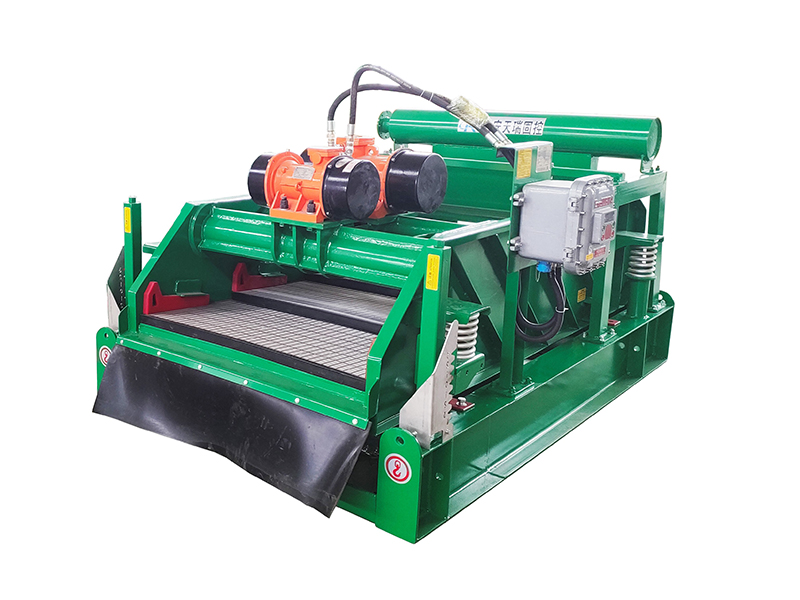
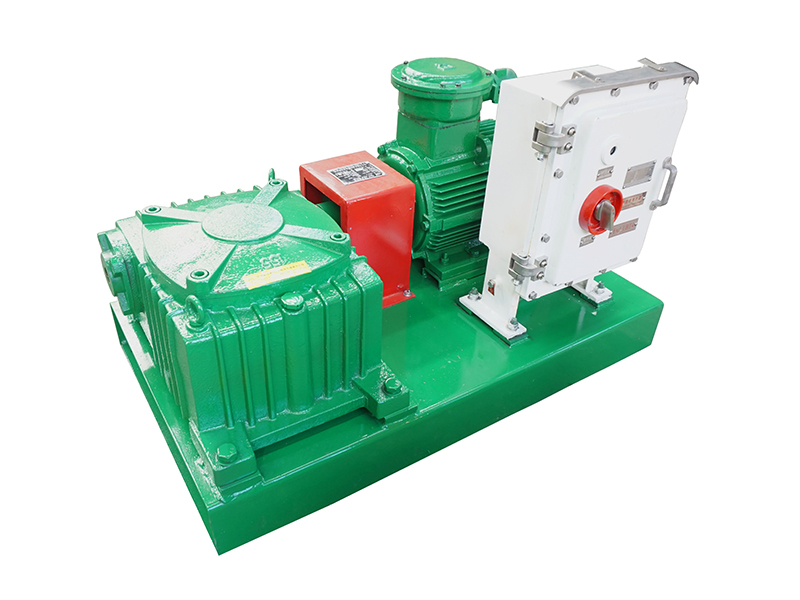
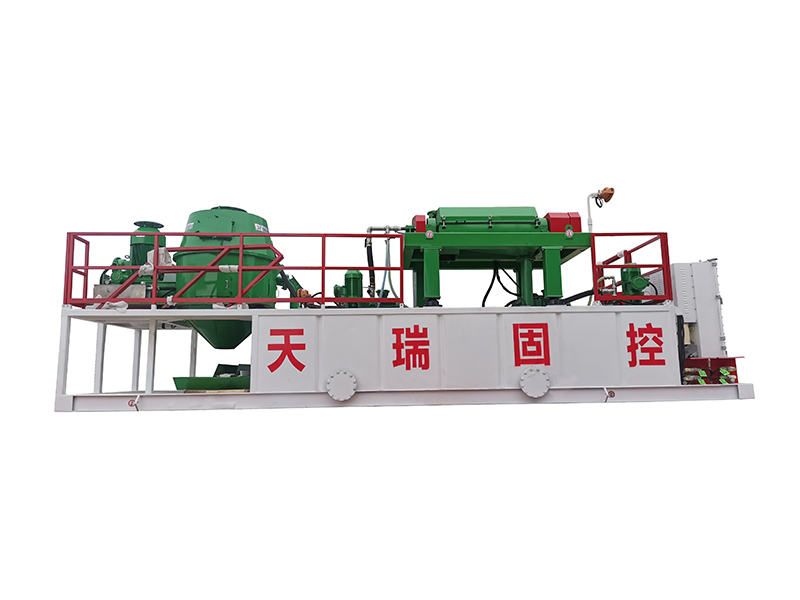
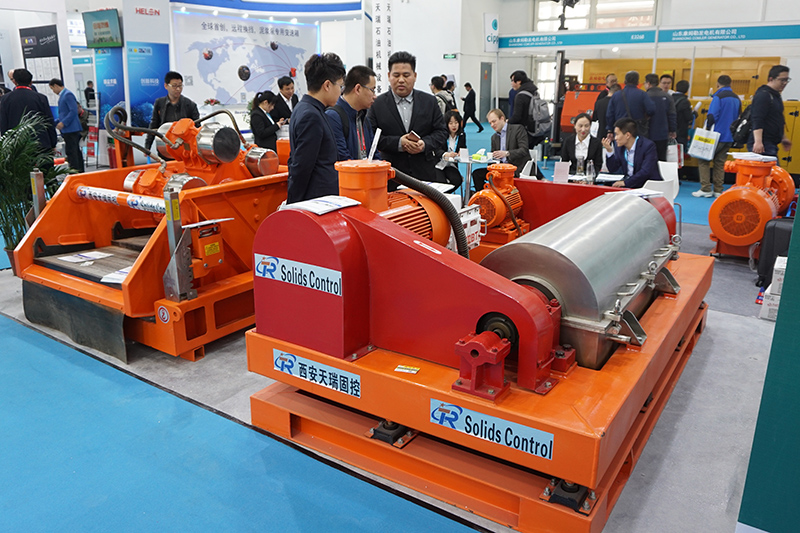
Full fleet of separation, solids control, agitation, and cuttings conveyance machinery integrated with high-efficiency mud cooling configurations for United States oilfield operations.