


Leave Your Message
-
Phone
-
E-mail
-
Whatsapp
-
WeChat

Engineered for seamless integration into Paint Protection Film (PPF) coating chemical recycling loops, continuous abrasive de-gritting, and functional nano-slurry solid-liquid separation.
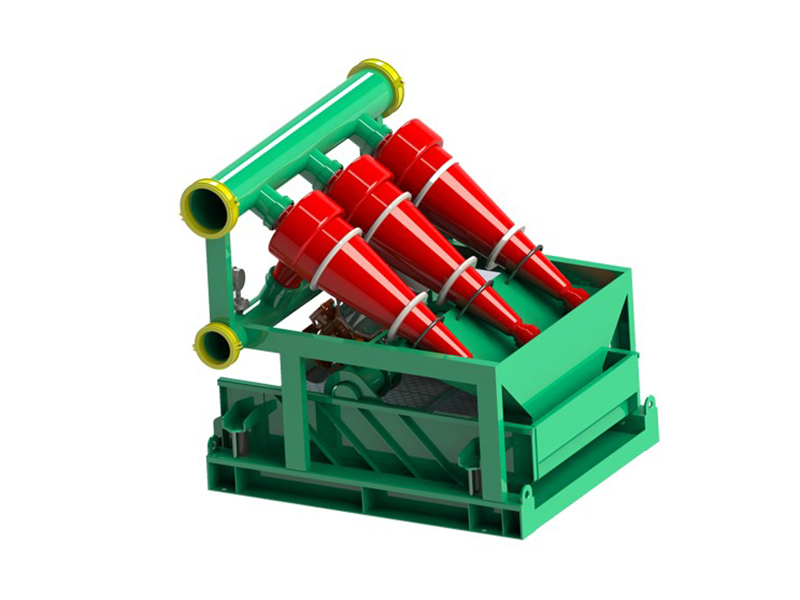
Specialized desanding hydrocyclone modules that eliminate micro-particulates (>45μm) from raw polymer slurries to guarantee optical clarity.
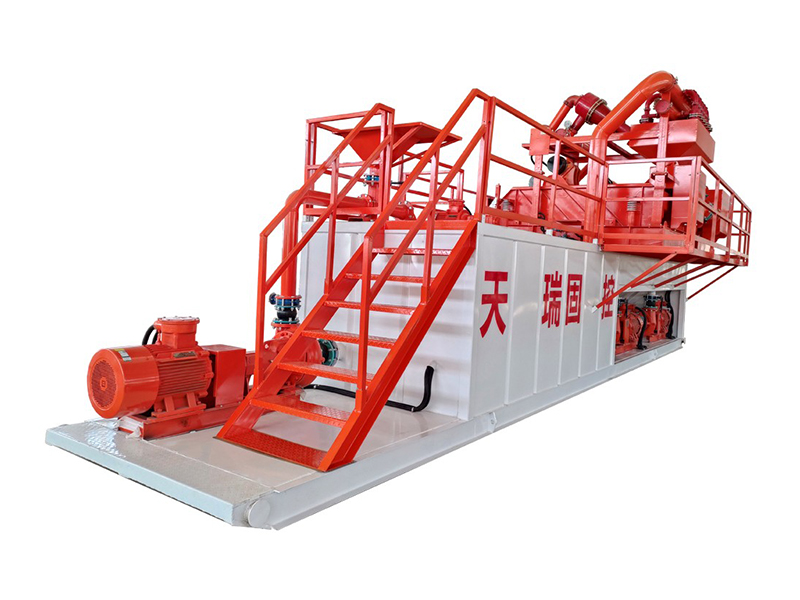
Compact multi-stage fluid recovery station designed for zero-discharge recycling of aqueous washes and chemical solvents.
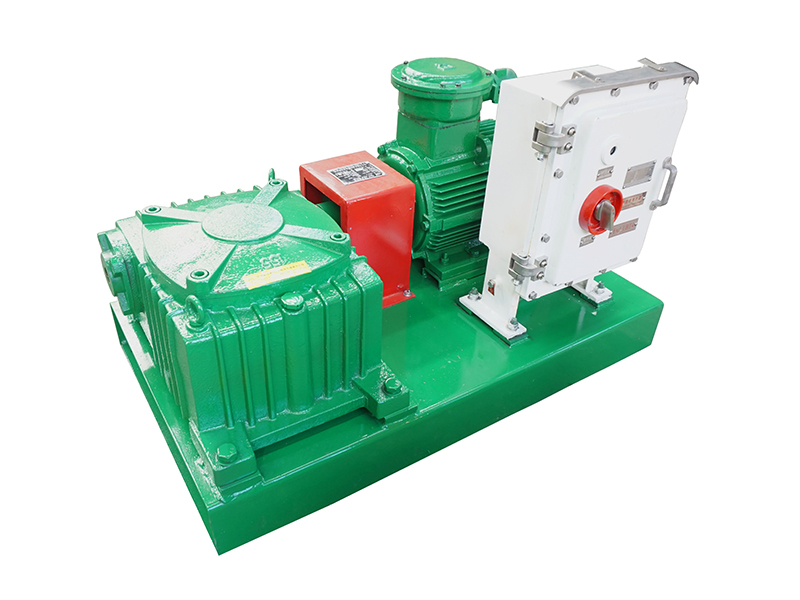
High-torque turbine agitator preventing premature settlement of heavy inorganic fillers, ceramic nanoparticles, and polyurethane additives.
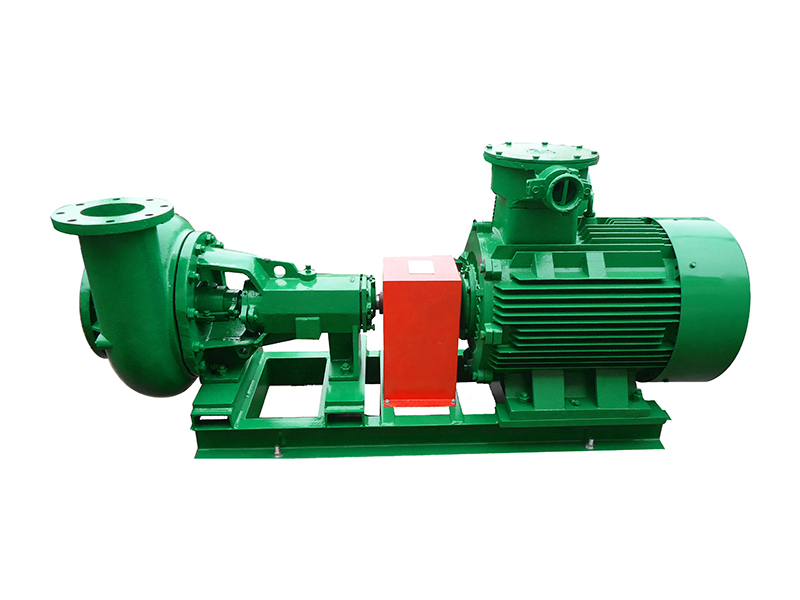
Hardened alloy impeller transfer pump ensuring stable, non-pulsing feed to desanders, decanters, and ultra-filtration manifolds.
The global automotive Paint Protection Film (PPF) market has witnessed monumental exponential expansion, driven by skyrocketing consumer demand for aliphatic thermoplastic polyurethane (TPU) films engineered with self-healing topcoats, hydrophobic nano-ceramic matrices, and hyper-optical clarity. However, beneath the flawless gloss of ultra-high-performance PPF rolls lies an intensely demanding chemical compounding and continuous web-coating process.
In modern high-speed slot-die and comma roll PPF coating lines, vast amounts of aqueous carrier fluids, raw polymer emulsions, high-viscosity adhesive slurries, and inorganic optical pigment dispersions are synthesized, circulated, washed, and discharged. The presence of abrasive micro-solids, oversized polymer aggregates, airborne crystalline dust, or inorganic fines (such as silica, titanium dioxide, and alumina nanoparticles) creates catastrophic flaws—such as orange peel defects, pinholes, streak lines, and haziness—in the cured optical film. Consequently, adopting industrial-grade Mud Cleaning Systems and Multi-Stage Solids Control Technologies has evolved from an optional auxiliary step into a mission-critical infrastructure investment across advanced coating operations.
Continuous mechanical separation of micronized particles prevents micro-scratching, polymer gel coagulation, and bubble inclusions during high-precision coating web passes.
Closed-loop reclamation yields up to 92% recovery of process solvents and washing fluids, slashing volatile organic compound (VOC) waste and municipal disposal overhead.
Equipped with intelligent sensors for dynamic viscosity matching, automated differential pressure alarms, and variable frequency drive (VFD) centrifugal agitation.
In coating manufacturing environments, fluid processing is complicated by the presence of thixotropic non-Newtonian polymer resins, tackifying resins, cross-linkers, UV stabilizers, and volatile organic compounds (VOCs). Traditional static settling tanks and basic bag filters suffer from rapid clogging, excessive consumable costs, and high product retention losses. Industrial mud cleaning and solids control systems resolve these operational bottlenecks through multi-tier progressive phase separation:
Vibrating shale shakers with ultra-fine pretensioned mesh screens intercept macroscopic resin clumps, unblended pellets, and agglomerates (>74μm).
High-g hydrocyclone cones isolate dense inorganic particulates, abrasive silicates, and raw filler debris down to 45μm under continuous pressurized feed.
Miniature polyurethane hydrocyclone banks extract fine abrasive elements down to 15μm, safeguarding sensitive downstream coaters and pumping gear.
High-speed horizontal decanter centrifuges and flocculation systems strip sub-micron colloidal fines to output pristine carrier fluid for re-batching.
When high-solids waste streams are generated during clean-in-place (CIP) line flushing, thermal curing oven condensation cycles, or roll-cleaning stages, robust conveyance through industrial screw conveyors ensures zero-spill transfer of dehydrated cake, dramatically decreasing plant environmental footprint.
The operational contrast between conventional bag/cartridge filtration and modern solids control mud recovery infrastructure in high-throughput PPF plants is substantial:
| Operational Metric | Traditional Bag & Cartridge Filters | Integrated Solids Control & Mud Cleaners | Engineering Advantage |
|---|---|---|---|
| Continuous Run Time | 2 – 6 hours (frequent cartridge blinding) | Continuous 24/7 non-stop operation | Eliminates downtime across coating line runs |
| Micro-Solid Separation | Surface clogging, non-scalable | High-G Centrifugal Hydrocyclone Separation | Consistent cut-point without pressure surges |
| Solvent & Fluid Recovery | Low (15% - 30% lost in disposed media) | Up to 90% - 95% clarified fluid recovery | Substantial OPEX savings on raw solvent stock |
| Maintenance Overhead | High manual intervention & filter costs | Automated self-cleaning & continuous cake discharge | Reduces labor exposure to VOCs & chemical vapors |
| Optical Clarity Retention | Variable due to cartridge breakthrough | Precise multi-stage classification | Superior optical transmission, Zero defect spikes |
The versatility of heavy-duty solids control and fluid management technology extends far beyond oilfield drilling into sophisticated polymer engineering and web-coating industries:
During the synthesis of high-tack acrylic and silicone adhesives used for PPF bottom layers, insoluble polymer skins and unmelted monomer gels must be stripped prior to degassing. Solids control desanders and high-shear mud agitators ensure that polymer slurries maintain perfectly uniform rheology without settling or micro-clotting before entering precision slot dies.
Advanced instant self-healing PPF requires topcoats embedded with hydrophobic silicon-fluorine resin and nano-sized alumina or silica particles. If these inorganic additives agglomerate, they form optical scattering points that ruin gloss. Hydrocyclone desanders paired with precision agitators keep the nanoparticles fully dispersed while expelling oversize particles that would cause blade streaking.
Switching between matte, gloss, and color-infused PPF films requires extensive line flushes. Industrial mud recycling systems and decanting centrifuges recover the flushing solvents, separating heavy polymer curd from reusable carrier chemicals, thus transforming a major environmental liability into a cost-effective closed-loop cycle.
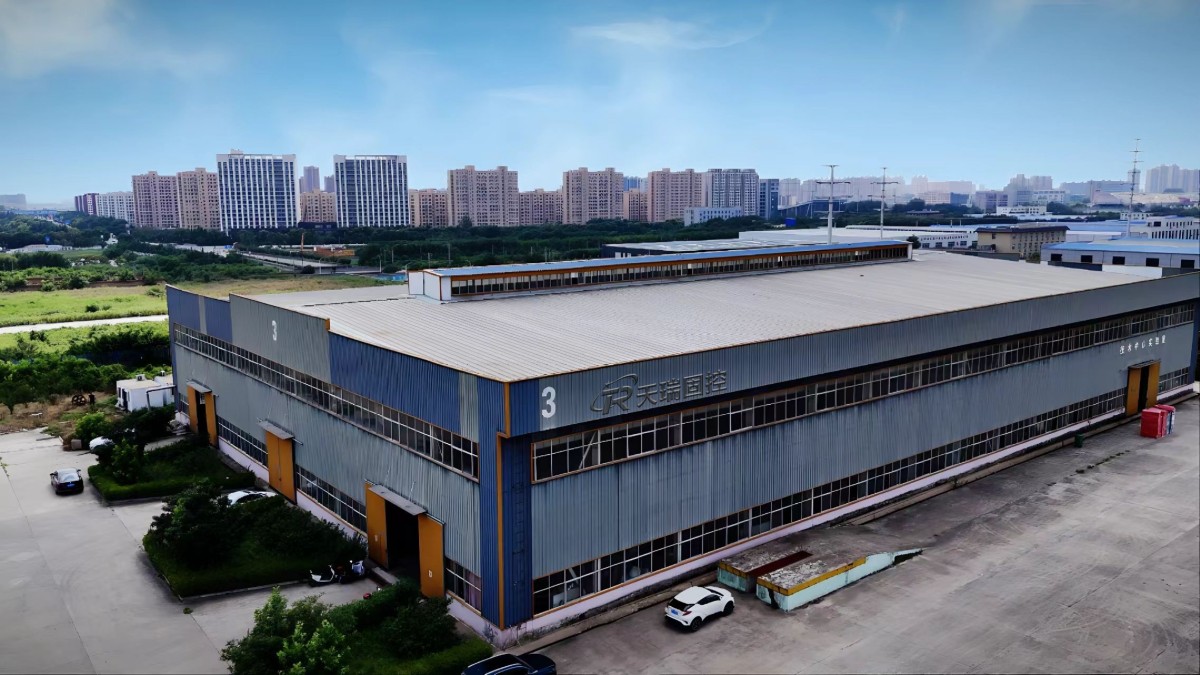
Established in 2010, TR Solids Control is a professional manufacturer specializing in drilling fluid solids control equipment and integrated solutions. We are dedicated to the design, manufacture, sales and services of solids control systems, following strict quality standards and providing reliable products, professional support and fast response for global customers.
During the past years, together with our experienced engineering team and strong supply chain partners, we have supported drilling contractors, oilfield service companies and industry partners across Middle East, Africa, Russia, South America, Southeast Asia and other regions, delivering efficient solids control solutions for various drilling operations and industrial fluid separation tasks.
International quality certifications, modern manufacturing infrastructure, and an active worldwide industry presence.

Modern Manufacturing Facilities Supporting Reliable Solids Control Equipment Production
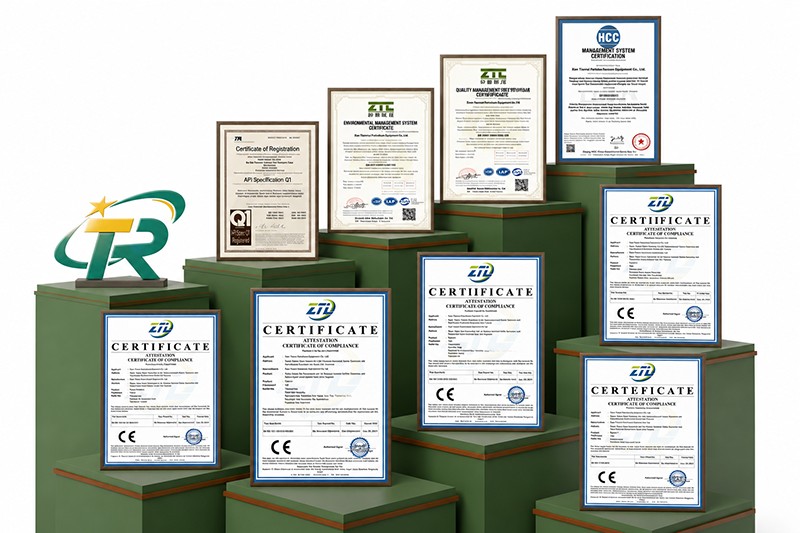
Strict Quality Management Systems Ensuring Product Reliability and International Standards
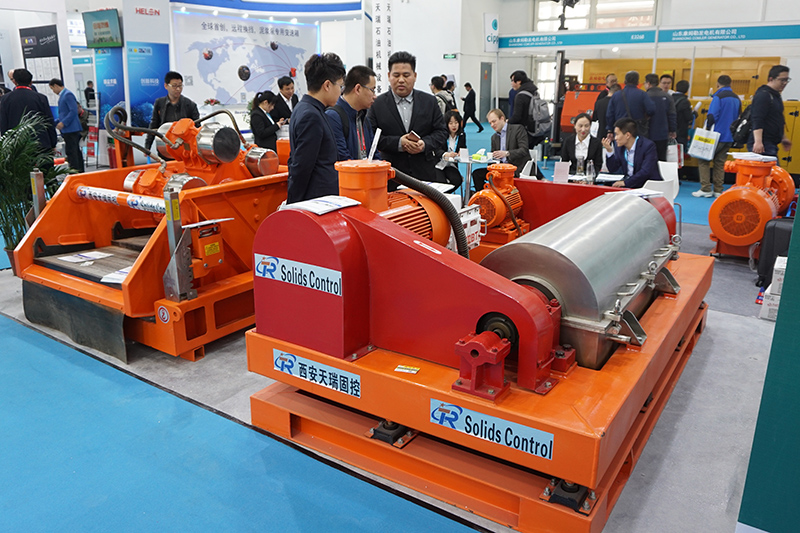
Showcasing cutting-edge solids control engineering and fluid purification systems worldwide.
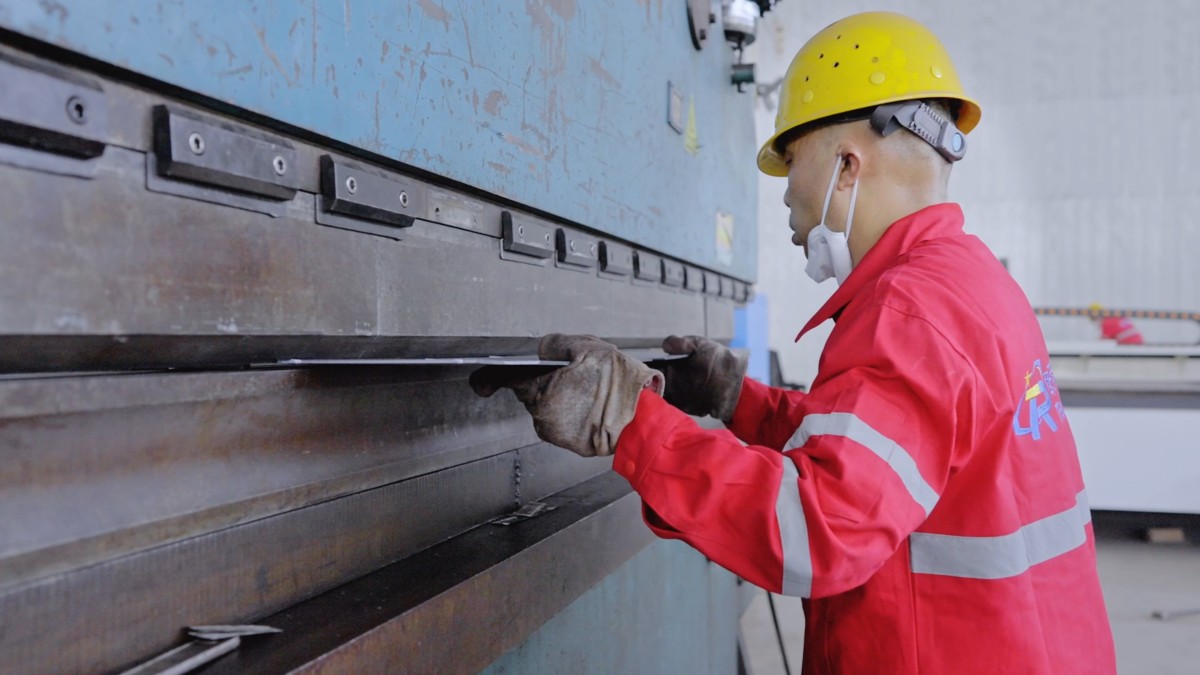

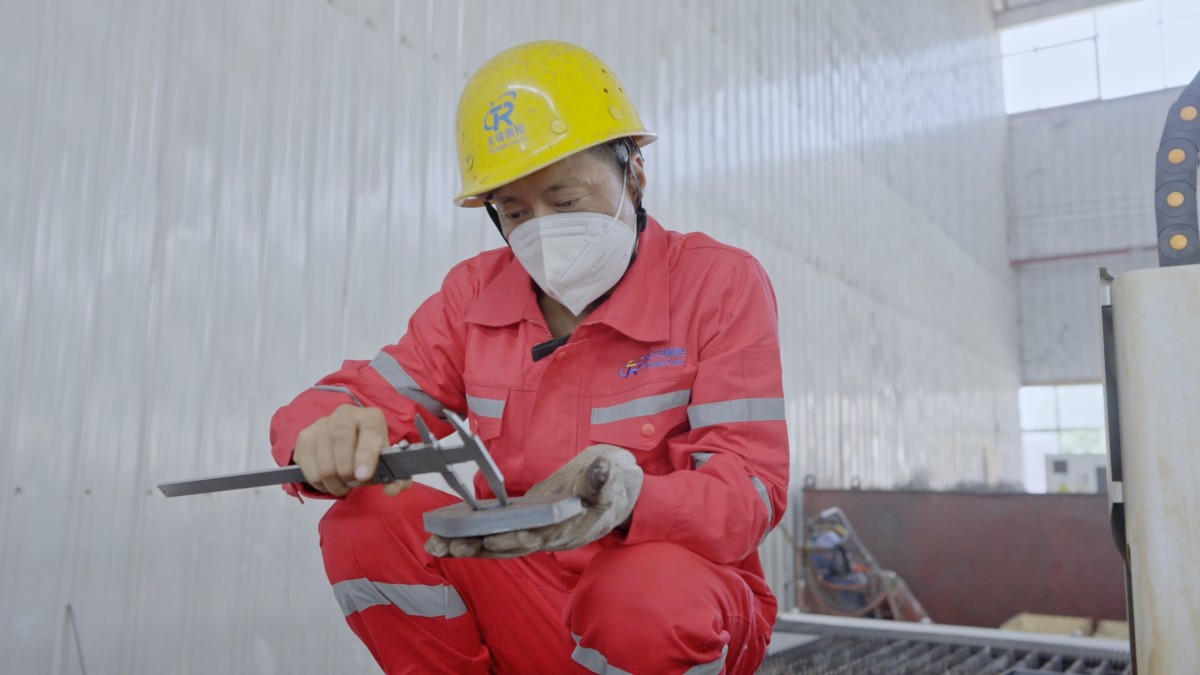
Comprehensive, high-durability solutions for oilfield drilling waste, chemical polymer separation, and high-precision PPF coating slurry operations.
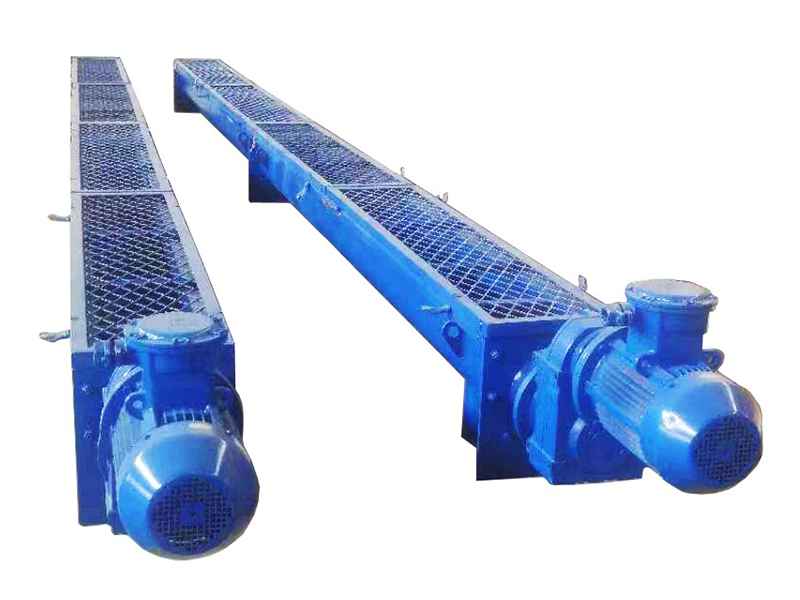
Heavy-duty continuous auger transport for dewatered cakes, drill cuttings, and viscous coagulated polymer sludge.
Wear-resistant mechanical seal centrifugal pump engineered to handle abrasive slurries and high-viscosity chemicals.
Hydrocyclone unit separating intermediate solids down to 45 microns, safeguarding fine mesh shakers and decanters.
Skid-mounted compact mud recovery station with high processing capability and integrated multi-cone clarification.
High-efficiency worm/helical gear agitator providing intense uniform blending in mud storage tanks and reaction vessels.
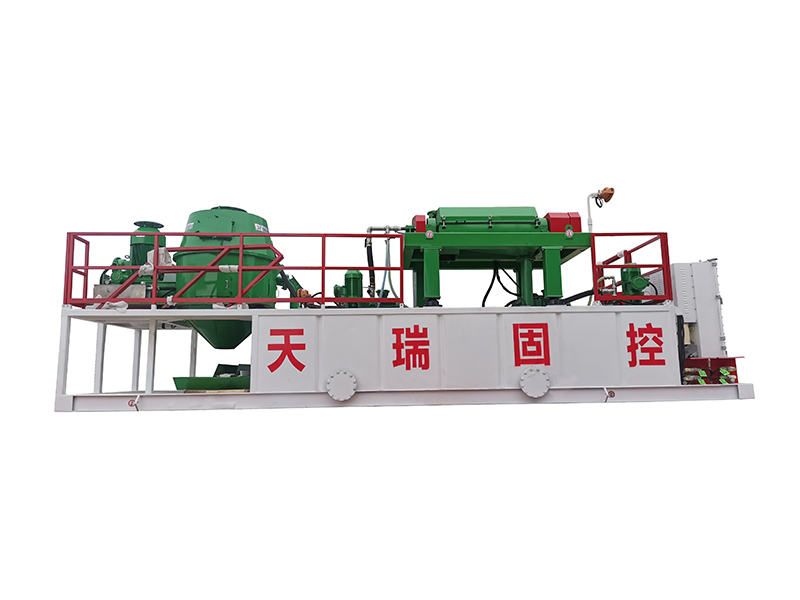
Specialized thermal/mechanical separation treating hazardous oily residues and hydrophobic polymer effluent.
Enclosed U-trough design with high-strength flighting preventing vapor leaks and material cross-contamination.
Precision-balanced open impeller configuration preventing clogging during heavy particle slurry transfer.
Consult our process engineering team to configure high-efficiency mud cleaning, solvent recovery, and solid-liquid separation systems tailored to your industrial coating, HDD, or drilling projects.