Leave Your Message
-
Phone
-
E-mail
-
Whatsapp
-
WeChat

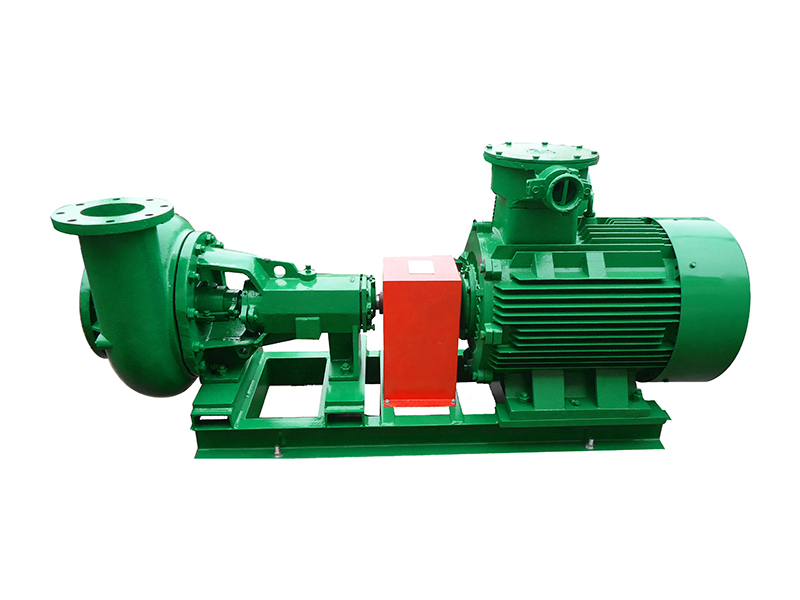
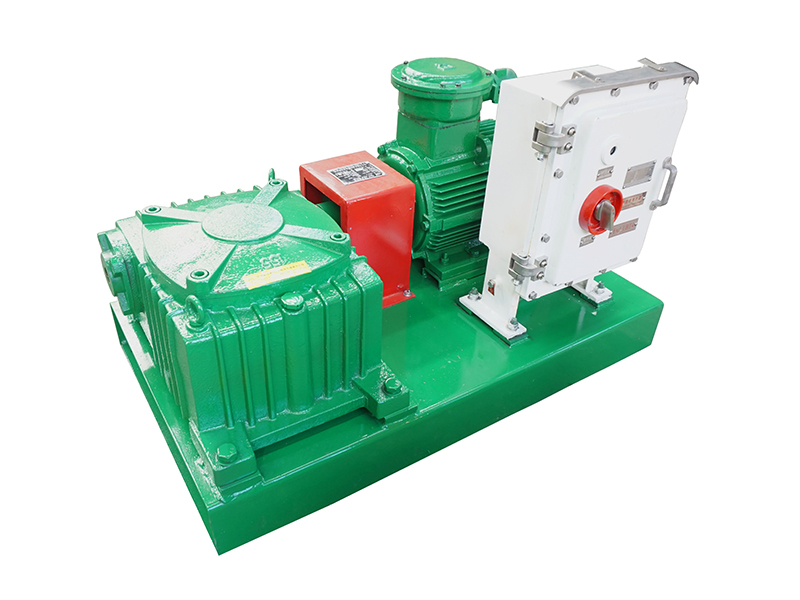
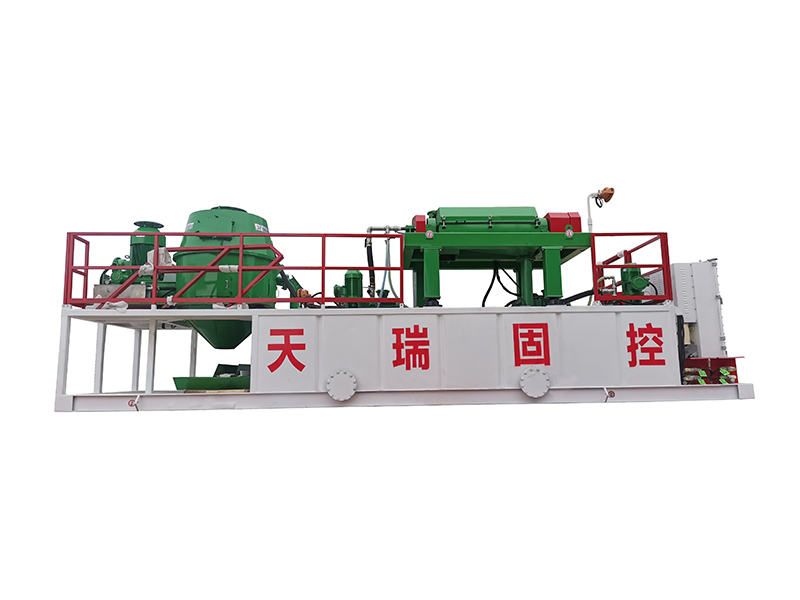
The global Paint Protection Film (PPF) market has undergone exponential expansion over the past decade, driven by accelerating consumer demand for automotive aesthetics, surface self-healing resilience, and advanced UV/chemical barrier protection. As PPF architectures transition from standard PVC and aromatic thermoplastic polyurethanes (TPU) to ultra-clear optical-grade aliphatic TPU infused with nano-ceramic, fluoropolymer, and self-healing elastomeric top-coats, the fluid formulation requirements for coating dopes have reached unprecedented stringency. In this advanced manufacturing landscape, the implementation of a Jet Mud Mixer paired with a Heavy-Duty Centrifugal Pump provides an indispensable technological breakthrough, solving high-viscosity dispersion, powder wetting, and micro-bubble entrapment challenges that conventional low-shear tank agitators fail to address.
Instantaneous vacuum induction pulls micronized additives (fumed silica, UV light stabilizers, polyol modifiers) directly into high-velocity fluid jets, eliminating dust, clumping, and dry-core fisheyes.
Centrifugal impellers paired with specialized shearing nozzles generate hydraulic turbulence and micro-cavitation, breaking nanoparticle agglomerates down to primary particle sizes under 50 nanometers.
Replaces stagnant batch reactors with high-throughput inline recirculating loops, reducing mixing cycles by up to 70% while maintaining absolute batch-to-batch optical clarity and viscosity consistency.
The contemporary PPF product matrix encompasses multiple multi-functional strata: the release liner, the acrylic pressure-sensitive adhesive (PSA) layer, the core aliphatic TPU substrate film (typically 150 to 200 microns), and the high-performance functional top-coat (10 to 25 microns). The top-coat formulation represents the most critical differentiator in brand competitiveness. This layer delivers hydrophobic water-beading (water contact angles exceeding 110°), non-yellowing weathering endurance, stain resistance against bird droppings and acid rain, and instantaneous heat-activated or ambient self-healing capabilities.
Achieving these dual properties requires homogeneous blending of polyols, aliphatic isocyanates (such as HDI or IPDI dimers/trimers), nano-scale hydrophobic silica, fluorinated polyurethanes, hindered amine light stabilizers (HALS), and flow levelling agents. When traditional mixing kettles with standard blade impellers are employed, powder additives tend to float on the liquid surface or form agglomerated crusts ("fish-eyes") that cause microscopic pinholes, orange peel texture, and optical haziness during precision slot-die or reverse micro-gravure coating lines. The Jet Mud Mixer with Centrifugal Pump introduces a closed-loop hydrodynamic system that subjects every milliliter of coating dope to uniform mechanical and hydraulic shear forces.
The integrated mixing assembly functions via an engineered interplay between fluid velocity, static pressure differential, and dynamic shear zones:
| Performance Parameter | Conventional Open Tank Agitator | Jet Mud Mixer + Centrifugal Shear Pump System |
|---|---|---|
| Powder Dispersion Efficiency | Slow wetting; leaves unmixed lumps ("fish-eyes") | Instantaneous sub-micron wetting through Venturi suction |
| Batch Cycle Duration | 4 to 8 hours per masterbatch formulation | 45 to 90 minutes via high-throughput continuous loop |
| Optical Clarity & Haze Rate | Haze variation ± 0.8% due to inconsistent shearing | Ultra-low haze (< 0.3%) with tight particle size distribution |
| Dust Emission & Worker Safety | High airborne dust risk during manual hopper dumping | Zero external dust escape due to deep negative pressure suction |
| Viscosity Stability Across Batches | Moderate fluctuation (±12% deviation) | Exceptional homogeneity (±1.5% deviation across batches) |
The jet mud mixing and centrifugal pumping skid delivers measurable technological superiority across three key segments of the PPF manufacturing process:
Automotive PPF adhesives must exhibit exceptional tack, shear strength, optical transparency, and clean peelability without adhesive residue. Compounding acrylic copolymers with tackifying resins and crosslinkers requires thorough mixing under controlled shear to avoid thermal degradation or polymer chain rupture. The centrifugal pump maintains smooth laminar circulation while the jet mixer introduces adhesion promoters and anti-static additives under pinpoint vacuum metering.
Self-healing top-coats rely on hydrogen-bonding dynamic networks or memory-shape elastomeric polymers. Introducing nano-structured silicones and fluorine-doped polycaprolactones demands uniform micro-domain distribution. The high shearing action inside the jet nozzle ensures that nano-scale crosslinking agents are evenly dispersed across the prepolymer matrix, preventing local phase separation and ensuring uniform scratch recovery across the entire film web width.
With the surging popularity of satin and matte automotive PPF, synthetic silica matting agents must be uniformly dispersed into the top-coat. Uneven dispersion causes blotchiness, uneven gloss levels (measured at 60° gloss meters), and surface graininess. The jet mud mixer prevents matting agent sedimentation and maintains an exact gloss tolerance across thousands of linear meters of coated film.
As environmental regulations (such as REACH and EPA VOC emission caps) tighten across North America, Europe, and Asia, the PPF sector is accelerating its transition toward solvent-free waterborne aliphatic polyurethane dispersions (PUDs) and 100% solids UV-curable formulations. Waterborne PUDs present unique shear-sensitivity and foaming challenges. Modern jet mud mixing skids are evolving with automated variable-frequency drives (VFDs) linked to centrifugal pump impellers, enabling closed-loop inline viscosity and temperature control that dynamically optimizes shear rates without destabilizing waterborne emulsions.
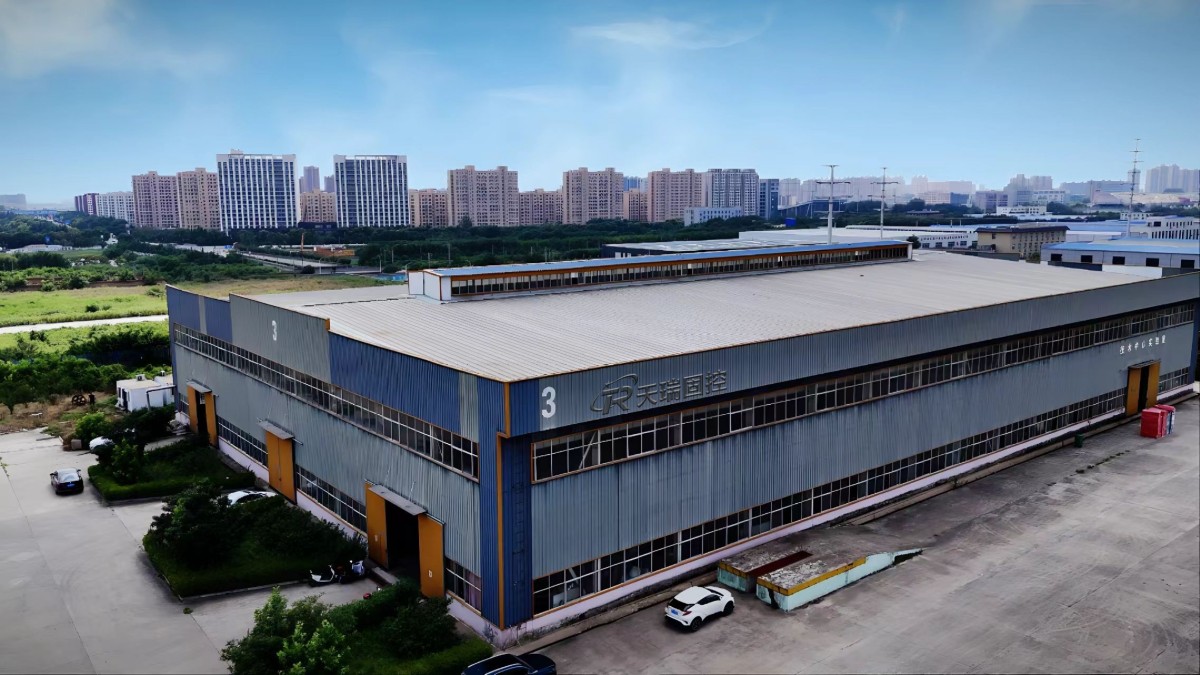
Established in 2010, TR Solids Control is a professional manufacturer specializing in drilling fluid solids control equipment, industrial high-shear mixing machinery, and integrated fluid processing solutions. We are dedicated to the design, manufacture, sales, and services of fluid separation and mixing systems, following strict international quality standards and providing reliable products, professional engineering support, and fast response for global industrial customers.
During the past years, together with our experienced engineering team and strong supply chain partners, we have supported industrial processing contractors, film coating plants, chemical refineries, and energy service companies across the Middle East, Africa, Russia, South America, Southeast Asia, and North America, delivering efficient fluid mixing and solids control solutions for specialized fluid processing operations.
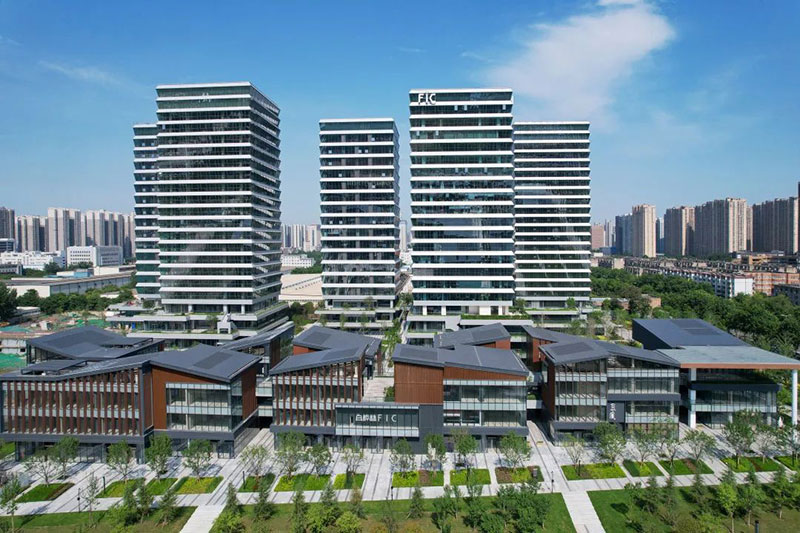
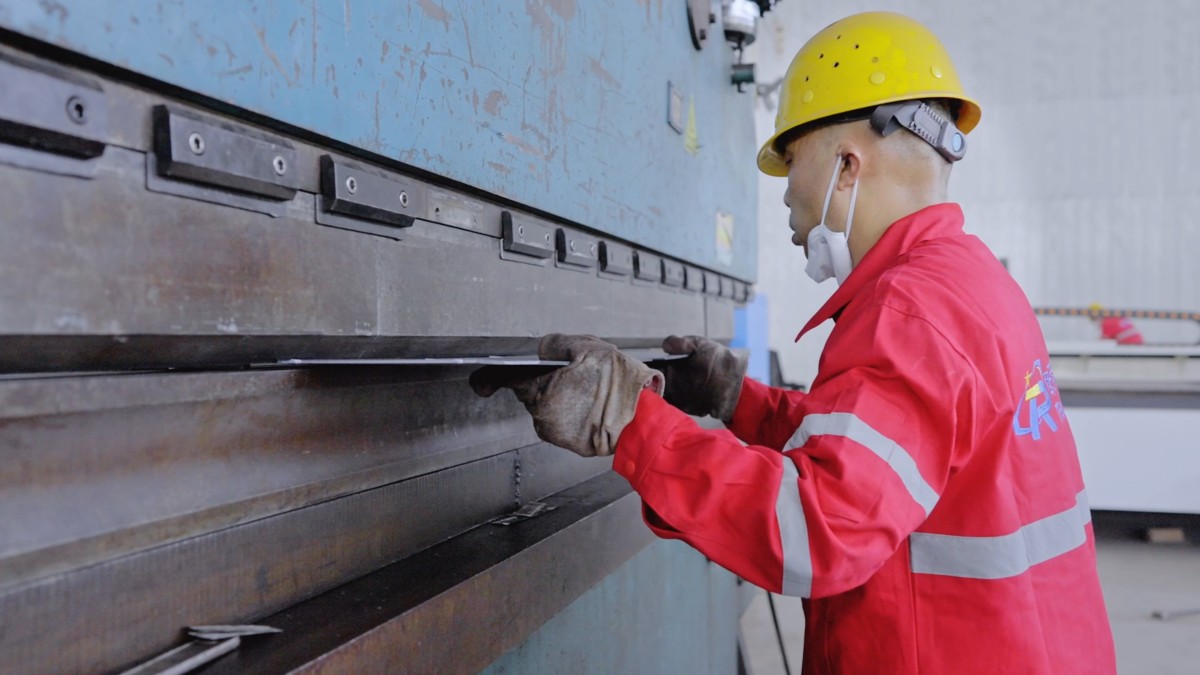
Modern manufacturing facilities supporting precision jet mud mixer and heavy-duty centrifugal pump production.
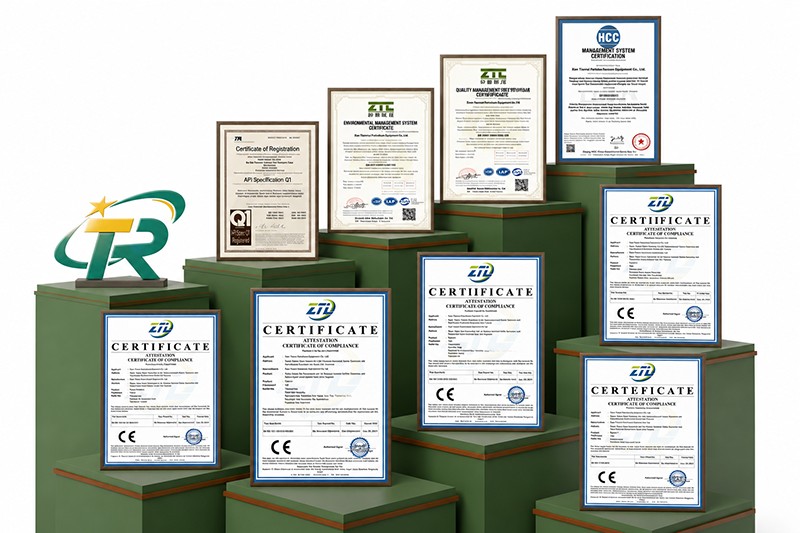
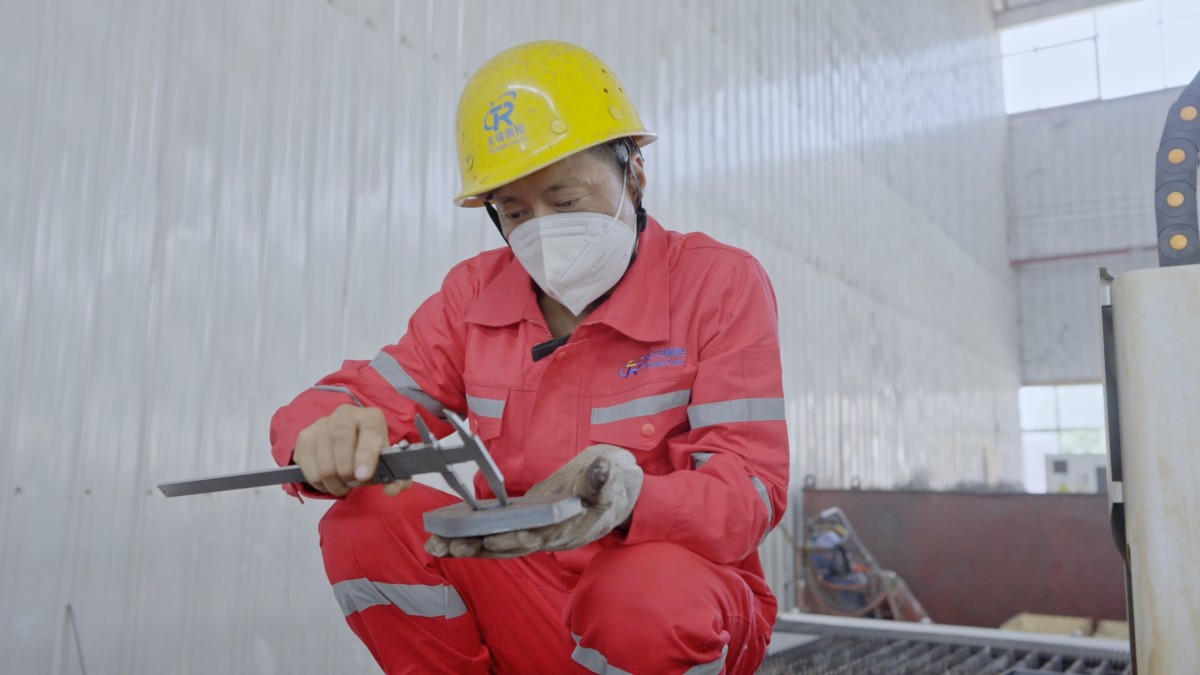
Strict quality management systems ensuring equipment reliability, API/CE compliance, and international safety standards.
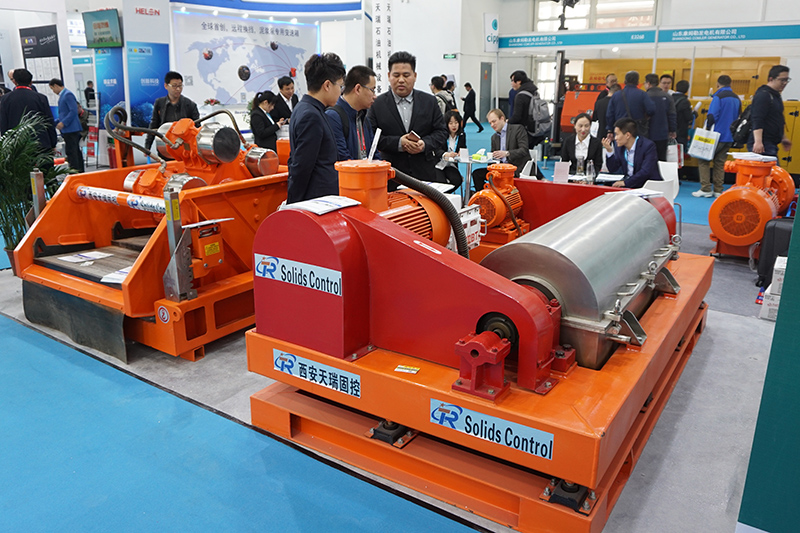
Showcasing cutting-edge solids control and specialized industrial mixing technology at premier global trade expos.