



Understanding the Strategic Role of Shale Shakers in Solids Control Systems
In modern oil and gas operations, trenchless horizontal directional drilling (HDD), coalbed methane (CBM), and geothermal drilling, the shale shaker serves as the first-phase solids control equipment. Positioned downstream from the bell nipple and flowline, it strips coarse drilled solids (cuttings) from the returning drilling fluid before the fluid passes to downstream desander cones, desilter cones, or decanter centrifuges. Selecting the wrong drilling fluid shaker creates a immediate ripple effect: rapid wear on mud pumps, clogged hydrocyclones, excessive mud weight buildup, and costly non-productive time (NPT).
G-Force Acceleration
Determines how rapidly fluid separates from solids. High G-force (up to 7.5G) speeds up liquid recovery and produces drier cuttings discharge, preventing valuable mud loss.
Non-Blinded Screen Area
Effective screen footprint governs hydraulic throughput capability. Larger usable mesh surfaces reduce fluid bypass risks during high-rate interval drilling.
Motion Trajectory Profile
Choosing between linear motion vs. balanced elliptical motion affects fluid conveyance speeds, particle degradation, and screen cloth operational lifespan.
Flow Rate Matching: Hydraulic Load & Installation Constraints
Calculating the required shaker processing capacity involves more than matching pump discharge numbers. Mud viscosity, plastic viscosity (PV), yield point (YP), mud weight (PPG), and solids loading per hour must be evaluated against the shaker deck area.
1. Flow Rate (GPM / m³/h) & Rheology Matrix
Water-Based Muds (WBM) vs. Synthetic/Oil-Based Muds (OBM) exhibit drastically different surface tension and throughput speeds. High-viscosity heavy muds require higher G-force and larger screen surface areas to prevent mud overflowing off the front end of the shaker deck.
- Top-Hole Fast Drilling: Flow rates often exceed 800–1200 GPM (180–270 m³/h) with coarse cuttings loading.
- Reservoir Deep Sections: Lower flow rates (300–500 GPM), but requires ultra-fine API screens (API 140 to API 230) where screen blind resistance is vital.
2. Deck Footprint & Rig Installation Envelope
Whether Retrofitting an existing solids control tank or outfitting a new jack-up, land rig, or compact HDD unit, structural dimensions matter. Multi-shaker arrangements (dual, triple, or quad skid setups) must accommodate mud distributor feeder headers, weir height, and maintenance access.
- Compact Land Rigs / HDD: Integrated single-skid double deck or tandem shale shakers save mud tank space.
- Deep Offshore Rigs: Quad-shaker skids with centralized mud distribution manifolds guarantee redundancy during peak pump outputs.
Engineering Rule of Thumb for Sizing
Always size your total active screen area to operate at no more than 75% maximum hydraulic capacity under nominal drilling conditions. This 25% safety margin prevents unexpected fluid losses when encountering reactive clay formations, heavy mud weight increases, or sudden fast-drilling rate of penetration (ROP) spikes.
Motion Dynamics: Linear Motion vs. Balanced Elliptical Motion
The motion profile generated by the vibration motors dictates particle conveyance velocity, liquid pool formation, and structural stress on the shaker basket.
| Evaluation Parameter | Linear Motion Shale Shaker | Balanced Elliptical Motion Shaker |
|---|---|---|
| Motion Path | Straight-line vector angled relative to the deck plane (usually 45° to deck). | Elliptical orbit trajectory with equal force distribution across the basket. |
| Primary Application | Top-hole fast drilling, high solids volume, heavy muds, aggressive cuttings discharge. | Sticky clay sticky formations, fine mesh screening, fragile formations, OBM recovery. |
| Fluid Conveyance Speed | Extremely fast particle movement across the screen surface. | Moderate, controlled movement allowing extended fluid retention time. |
| G-Force Range | Typically 6.5 G to 7.5 G for intense liquid separation. | Typically 5.0 G to 6.5 G smooth balanced acceleration. |
| Screen Service Life | Standard screen wear rate under high dynamic stresses. | Extended screen lifespan (up to 20%-35% longer screen cloth survival). |
| Cuttings Dryness | High dryness when operating on positive deck incline angles. | Exceptional fluid recovery without pulverizing soft sticky solids into fines. |
When to Choose Linear Motion?
Choose a linear motion shale shaker when handling high volume drilling operations where maximum throughput and fast solids conveyance are required. It excels in top-hole sections where high pump output pushes massive cuttings volumes over the screens.
When to Choose Balanced Elliptical Motion?
Opt for a balanced elliptical motion shaker when drilling through gummy, sticky shales or clay formations where linear vibration causes particle pegging or screen blinding. The gentler elliptical path keeps screen mesh clean while preventing soft cuttings from breaking down into un-screenable sub-micron fines.
Screen Selection, Clamping Systems & Deck Angle Adjustment
Even the best-engineered shaker performance drops significantly if paired with poor screen panel designs or slow deck adjustment mechanisms.
API RP 13C Compliance & Mesh
Always specify screen panels tested under API RP 13C standards. Focus on API number, non-blanked area, and D50 cut point rather than traditional mesh count alone to ensure predictable solids separation performance.
Wedge Block vs. Pneumatic Clamping
Wedge block tensioning provides fast replacement with manual hammers, whereas modern quick-seal pneumatic wedge systems reduce screen changeover times down to under 2 minutes while maintaining consistent tension.
Hydraulic Deck Angle Adjustment
Look for robust mechanical or hydraulic deck pitch adjustment (-1° to +5°). Continuous adjustment allows operators to control the fluid pool depth dynamically as drilling fluid properties shift mid-operation.
A Clear Corporate Profile For Partners And Procurement Teams
Key company information is organized here for qualification, sourcing, and early-stage project communication.
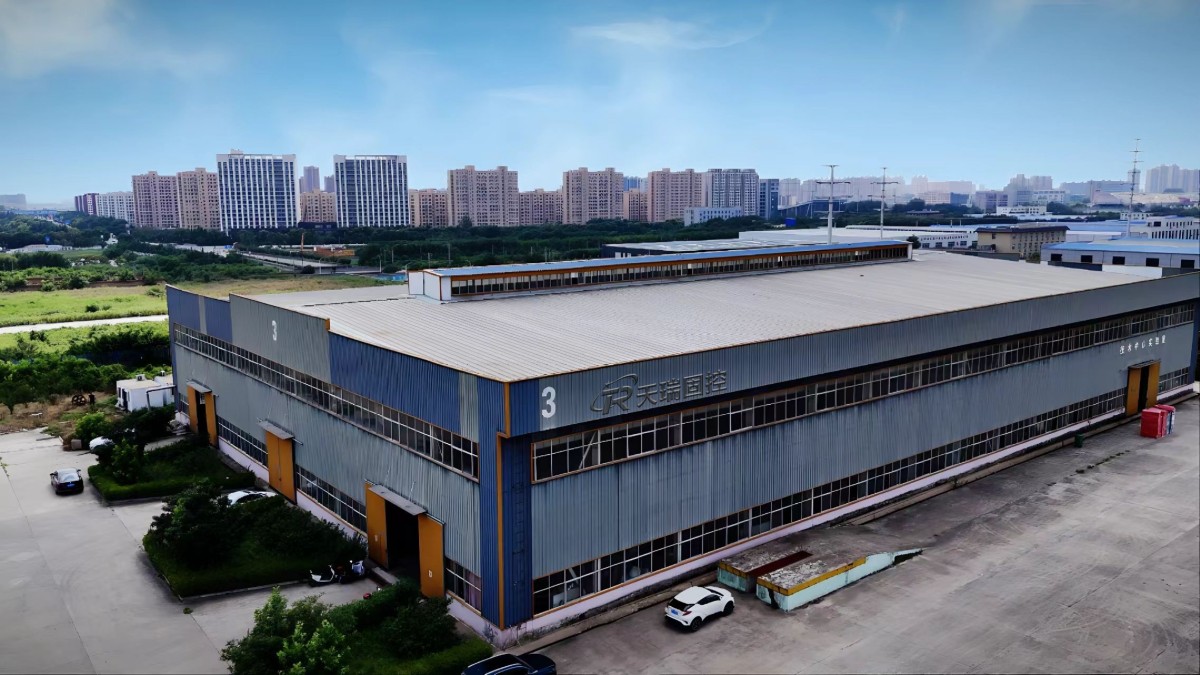
Global Solids Control Equipment Manufacturer
Established in 2010, TR Solids Control is a professional manufacturer dedicated to the research, development, production, and supply of drilling fluids solids control and drilling waste management equipment. Headquartered in Xi'an, China, the company serves the oil & gas, HDD, CBM, geothermal, mining, and other drilling industries worldwide.
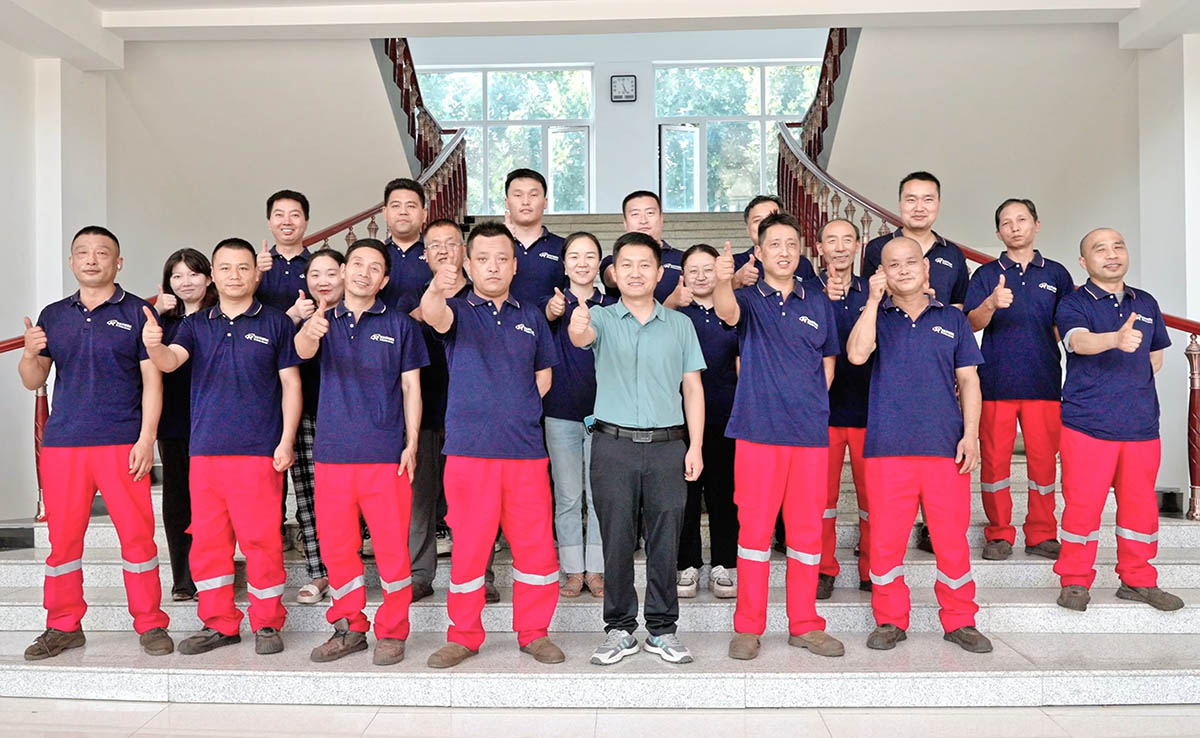
Driven by a commitment to quality, innovation, and customer satisfaction, TR Solids Control has built a strong reputation for delivering reliable engineering solutions and professional technical support. Today, our products and systems are trusted by customers in more than 60 countries and regions, supporting drilling operations with dependable performance and long-term value.
Complete Equipment Portfolio & System Integration
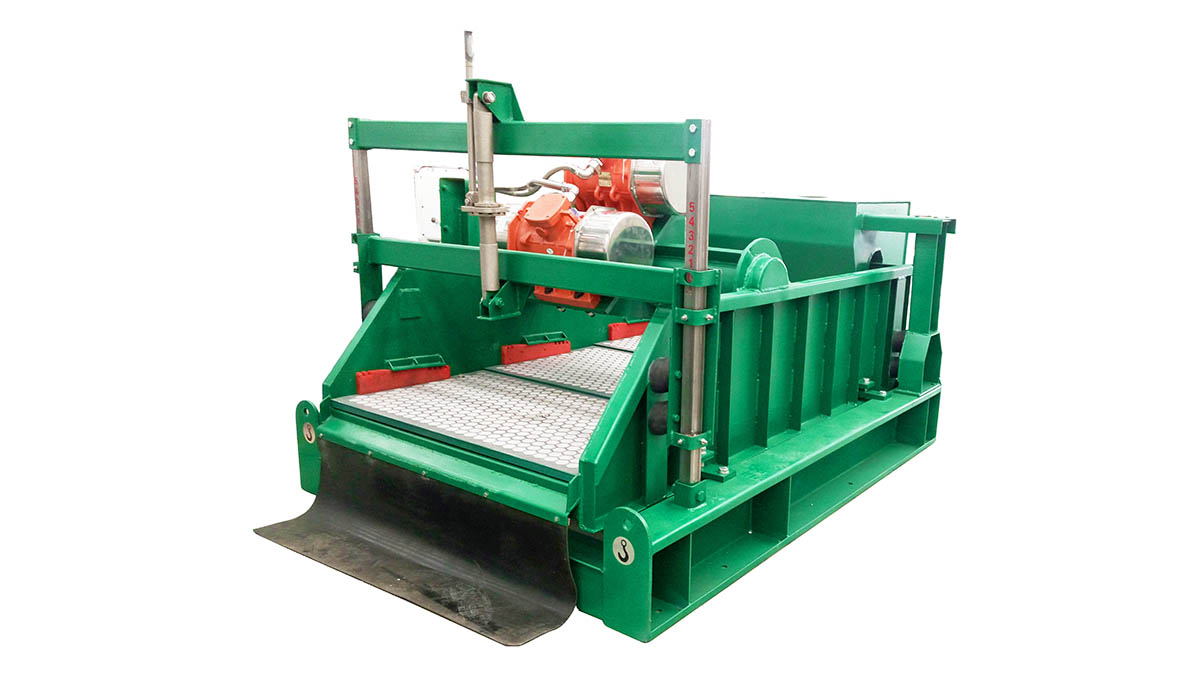
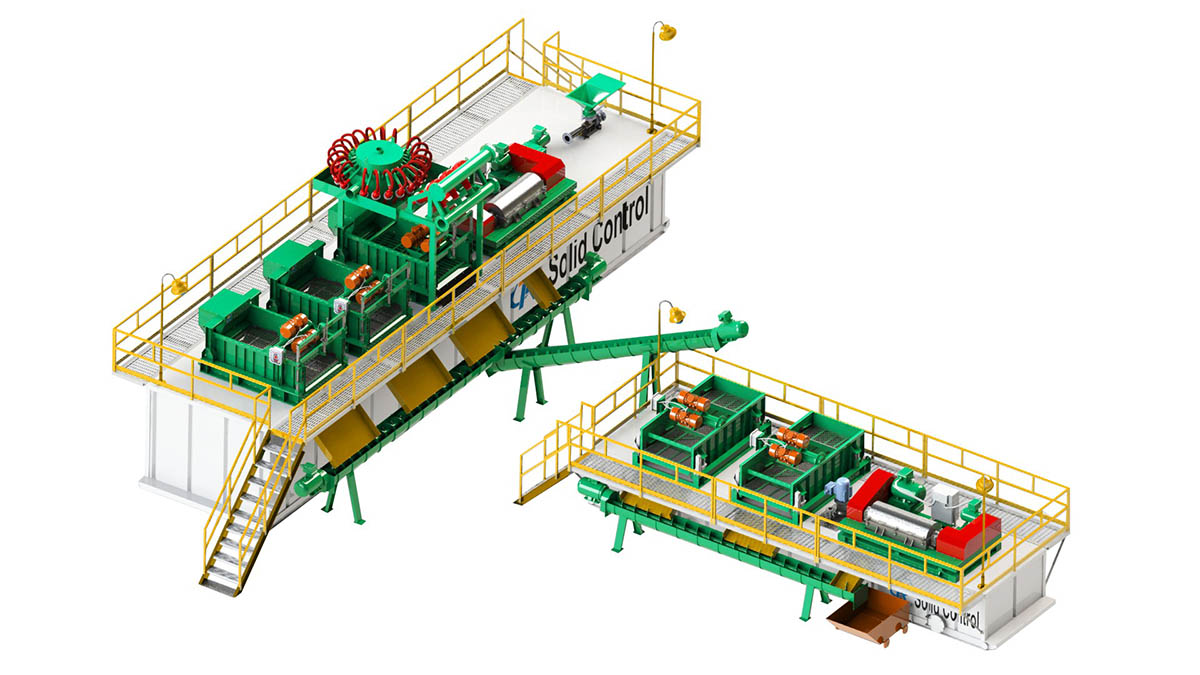
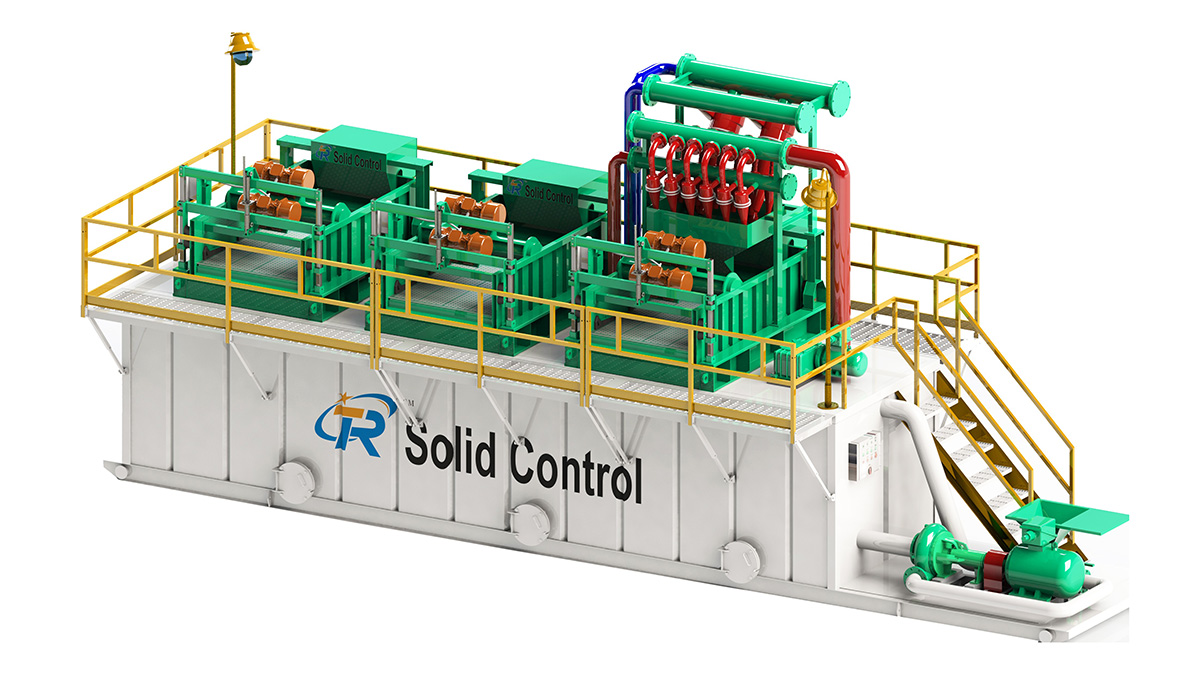
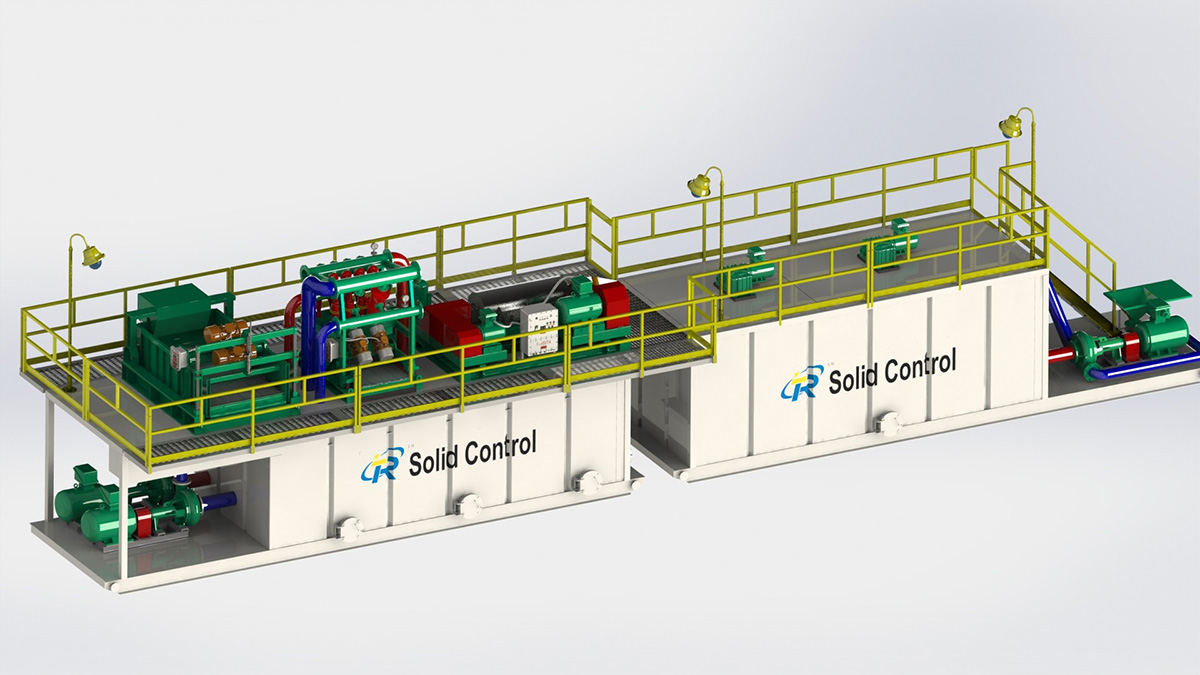
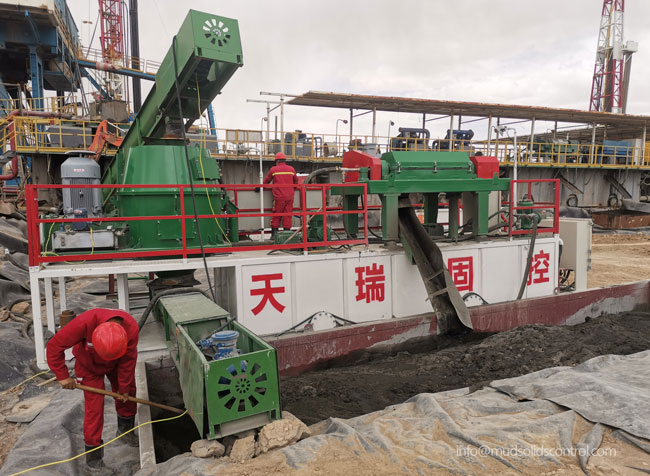
From standalone shale shakers, mud cleaners, vacuum degassers, desanders, and desilters to complete rig-ready mud recycling systems and waste management units, TR Solids Control offers end-to-end engineering tailored to site-specific drilling constraints.
Why Choose TR Solids Control
Our Corporate Mission
At TR Solids Control, our mission is to deliver reliable, efficient, and innovative solids control solutions that enhance drilling performance while reducing environmental impact. We are committed to continuous technological advancement, strict quality standards, and customer-focused service to meet the evolving needs of the global drilling industry. By combining engineering expertise with dependable manufacturing, we strive to create lasting value for our customers, partners, and employees. Through integrity, professionalism, and long-term collaboration, we aim to build trusted relationships and contribute to safer, more sustainable, and more efficient drilling operations worldwide.
Share Your Mud Flow Target And Job Conditions
Get a tailored shale shaker and solids control recommendation matched precisely to your drilling, HDD, tunneling, or waste treatment workflow.