Leave Your Message
-
Phone
-
E-mail
-
Whatsapp
-
WeChat

Standard-setting mixing units designed for optical-grade polymer blends, electronic functional pastes, and high-shear industrial slurry preparation.
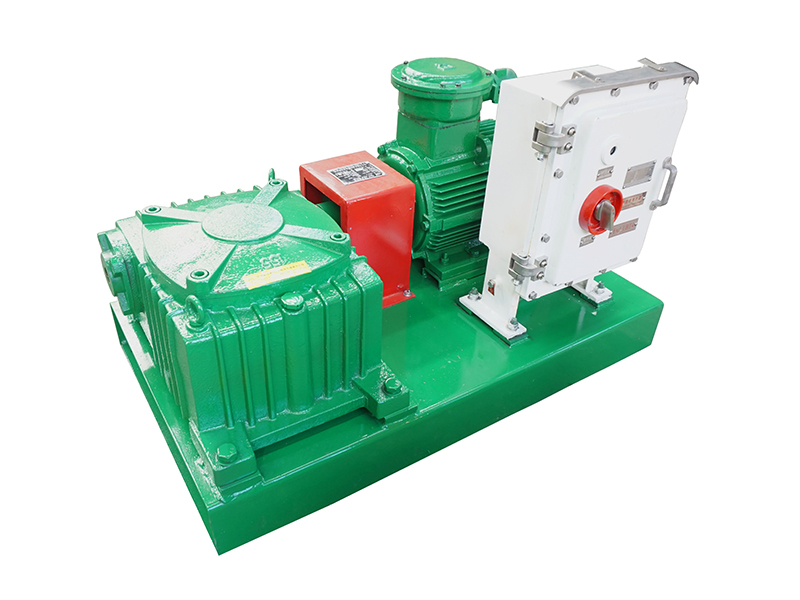
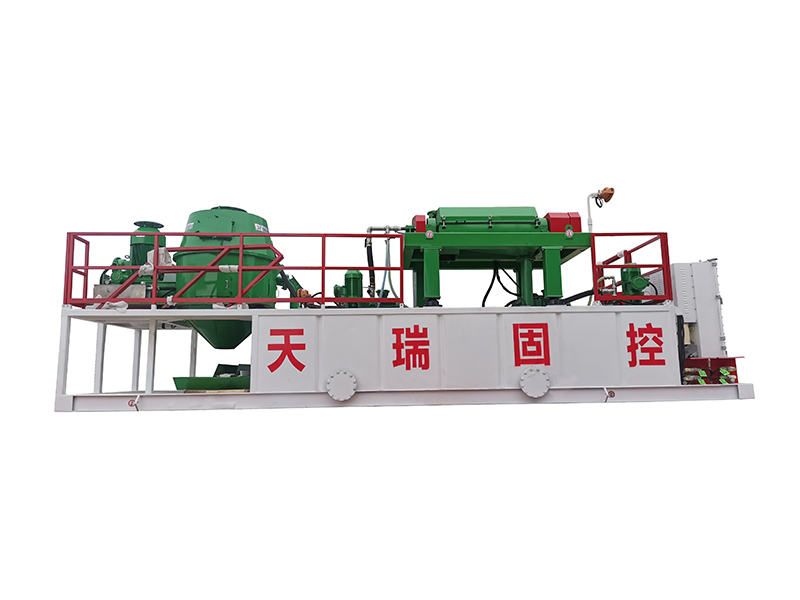
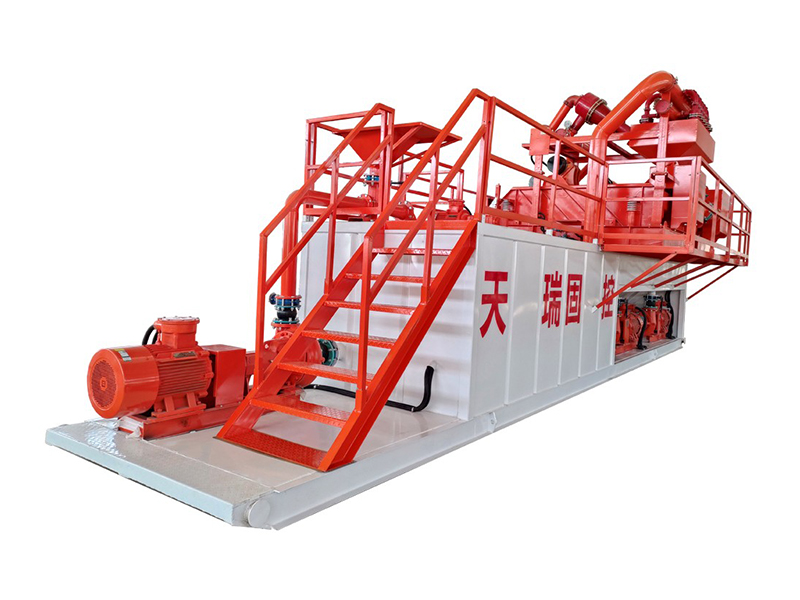
Transitioning heavy-duty fluid dynamics into sub-micron precision slurry formulations for next-generation optoelectronics and energy storage.
The manufacturing landscape of precision electronic components and optical films has undergone an unprecedented paradigm shift. Driven by relentless miniaturization in semiconductor packaging, flexible OLED/Micro-LED display substrates, multilayer ceramic capacitors (MLCC), and solid-state battery electrolytes, the demand for nanoscale rheological stability has made traditional batch stirring obsolete. Industrial processing engineers are increasingly adopting the High Shear Jet Mud Mixer architecture—a fusion of high-velocity hydrodynamic cavitation, optimized Venturi acceleration, and vortex shearing mechanisms originally pioneered in mission-critical drilling mud engineering and now precision-calibrated for high-viscosity, contamination-sensitive electronic slurries.
Eliminates agglomerates in anti-reflective (AR), anti-glare (AG), hard-coat silica matrices, and polarizing PVA/TAC films. Prevents micro-defects, pinholes, and optical haze below 0.1% thresholds.
Provides instantaneous powder-liquid wetting for MLCC barium titanate ($BaTiO_3$), conductive silver/copper pastes, and lithium battery cathode/anode binders with zero dead-zone accumulation.
Utilizes pressure differential gradients up to 0.45 MPa to generate intense localized shear rates ($>100,000\ s^{-1}$), instantly de-agglomerating primary nanoparticles without damaging delicate polymer backbones.
By coupling high-efficiency centrifugal pressurization with an erosion-resistant tungsten-carbide/ceramic Venturi jet nozzle, modern high shear jet mixers reduce slurry preparation cycles by 65%, while lowering batch-to-batch polydispersity index (PDI) variations to under 1.5%.
Comparing critical operational parameters for precision coating slurries and advanced industrial dispersions.
| Performance Indicator | High Shear Jet Mud Mixer | Conventional Mechanical Impeller | High-Pressure Homogenizer |
|---|---|---|---|
| Dispersing Mechanism | Venturi nozzle jet cavitation + High kinetic shear | Rotational laminar/turbulent vortex | Ultra-high pressure impact gap |
| Powder Ingestion Rate | Continuous vacuum induction (Up to 350 kg/min) | Top-loading gravity manual dump (Slow) | Pre-mixed liquid feed only |
| Agglomerate Eradication | Instantaneous sub-micron break-up (< 200 nm) | Leaves macro "fish-eyes" and lumps | Excellent (< 100 nm) |
| Aeration / Bubble Entrapment | De-gassing negative pressure cycle / Minimal | High vortex air induction (Requires defoamer) | Moderate |
| Maintenance & Wear Resistance | Ceramic/Silicon Carbide liners (5,000+ hrs) | Frequent seal & shaft bearing wear | High valve seat cavitation wear |
| Energy Efficiency (kW·h/Ton) | 1.8 – 3.2 kW·h/Ton (Optimized continuous flow) | 4.5 – 7.0 kW·h/Ton (Prolonged batch cycles) | 12.0 – 25.0 kW·h/Ton (Extremely intensive) |
When preparing optical coatings such as quantum dot enhancement films (QDEF) or UV-curable hard coats, nanoparticle clustering results in unacceptable light scatter and refractive index fluctuations. The high shear jet mud mixer forces the fluid-powder matrix through an engineered orifice where velocity increases dramatically, creating a localized pressure drop below the fluid vapor pressure.
As these micro-cavitation bubbles collapse downstream in the high-pressure recovery chamber, shockwaves exceeding 1,000 MPa at localized points shatter inorganic nanoparticle clusters (such as $SiO_2$, $TiO_2$, and $Al_2O_3$), dispersing them homogeneously throughout the organic resin binder.
Optical and electronic fabrication cleanrooms cannot tolerate metallic ion contamination or cross-batch residue. Our specialized systems are constructed with electropolished SS316L/Hastelloy flow paths and sanitary dynamic sealing interfaces.
Integrated fluid modeling ensures that no dead corners exist inside the hopper cone or the Venturi throat, facilitating 100% automated CIP and SIP cycles between coating recipe transitions.
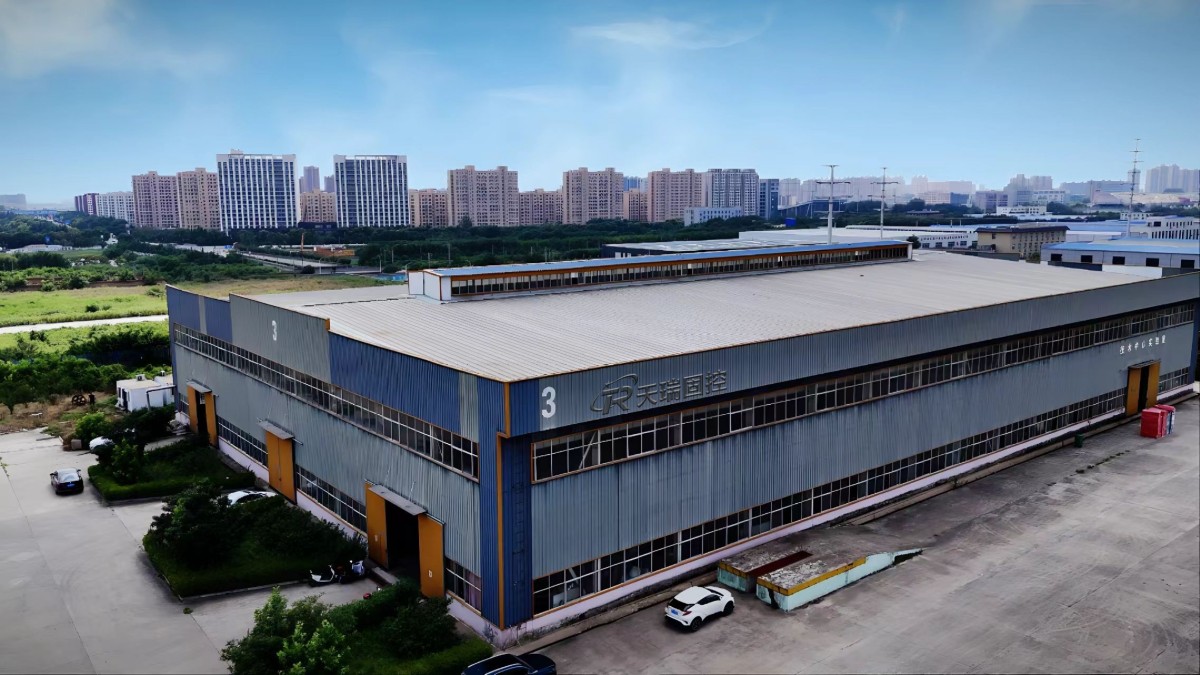
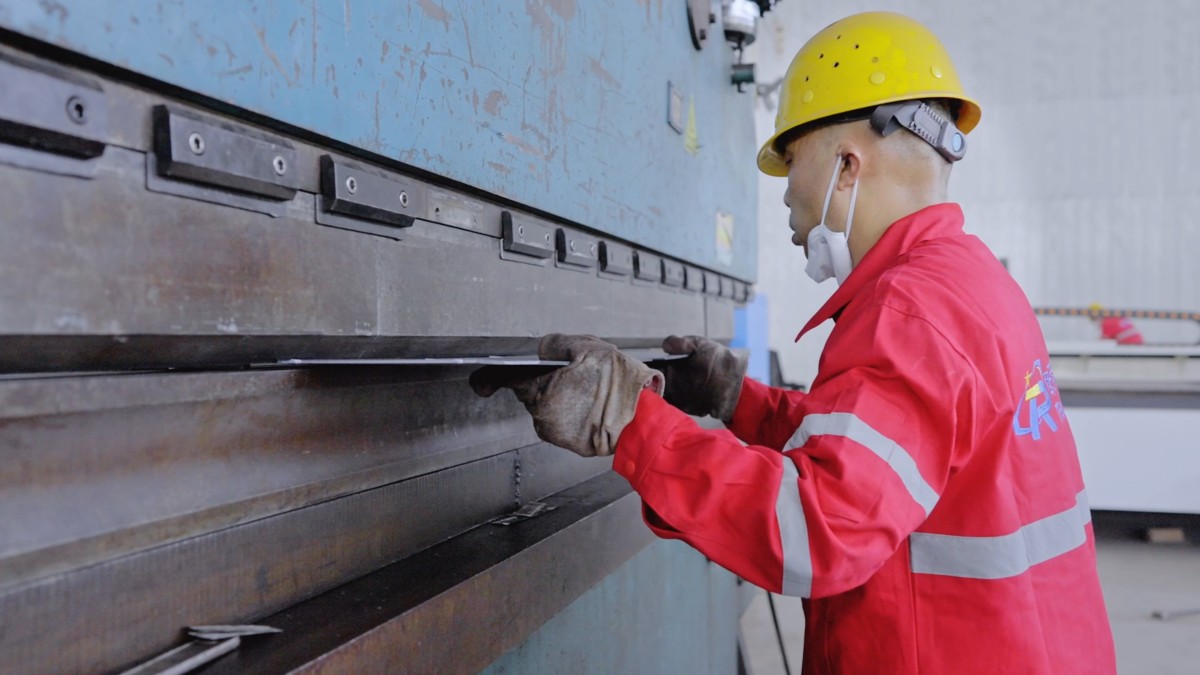
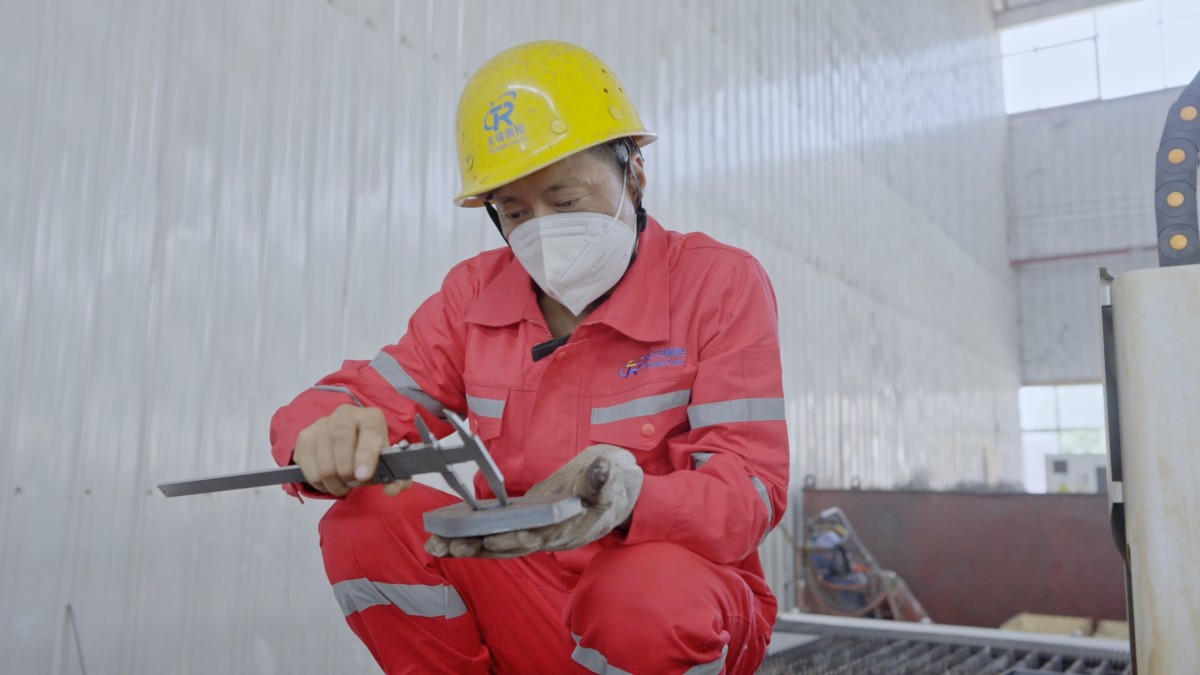
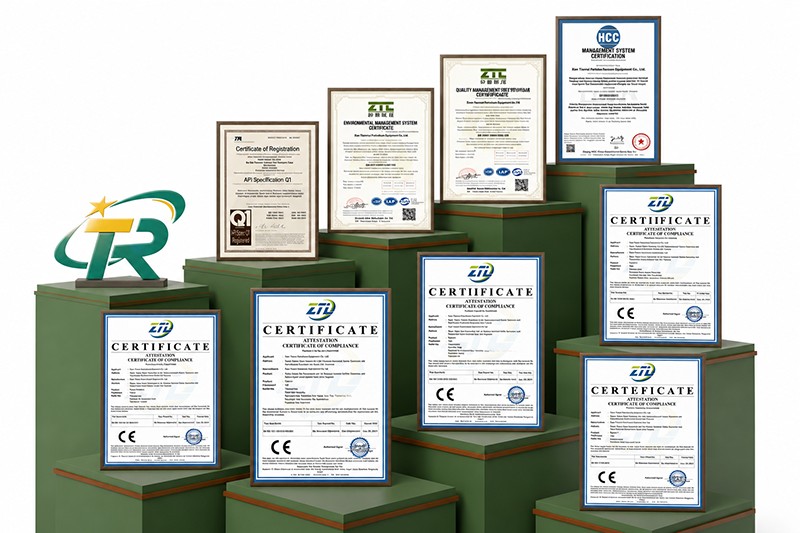
Established in 2010, TR Solids Control is a professional manufacturer specializing in drilling fluid solids control equipment and integrated solutions. We are dedicated to the design, manufacture, sales and services of solids control systems, following strict quality standards and providing reliable products, professional support and fast response for global customers.
During the past years, together with our experienced engineering team and strong supply chain partners, we have supported drilling contractors, oilfield service companies and industry partners across Middle East, Africa, Russia, South America, Southeast Asia and other regions, delivering efficient solids control solutions for various drilling operations.
Manufacturing • Engineering • Global Service
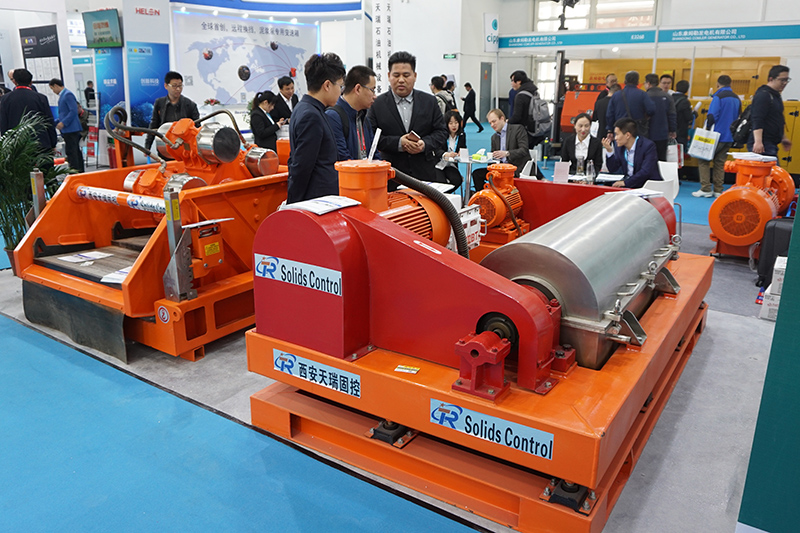
Discover our full line of solids control, mud shearing, slurry recycling, and agitation equipment operating in over 40 countries worldwide.

In modern display architectures (OLED, QLED, and Micro-LED), optical films require multiple nano-functional coatings including anti-fingerprint (AF), anti-reflective (AR), hard-coating (HC), and refractive index matching layers. When dispersing fluoropolymer additives, colloidal silica, or metallic oxide nanoparticles into fast-curing organic matrices, high shear jet mixers ensure:
MLCC capacitors demand dielectric layer thicknesses below 1 micron. The ceramic slurry—composed of $BaTiO_3$, dispersants, binders, and solvents—must maintain extreme rheological consistency with narrow particle size distributions. The Venturi high shear jet system eliminates:
The future of high-shear jet mixing lies in closed-loop automated viscosity feedback, real-time in-line particle size tracking (dynamic light scattering sensors), and adaptive nozzle geometries. As electronics transition toward 3D chip packaging and ultra-flexible display substrates, high shear jet mud mixing technology provides the fundamental fluid mechanical foundation to achieve zero-defect, high-throughput commercial roll-to-roll manufacturing.