Leave Your Message
-
Phone
-
E-mail
-
Whatsapp
-
WeChat

Ruggedized separation equipment built to satisfy stringent API specifications, minimizing drilling waste volume and driving down total operational cost per foot.
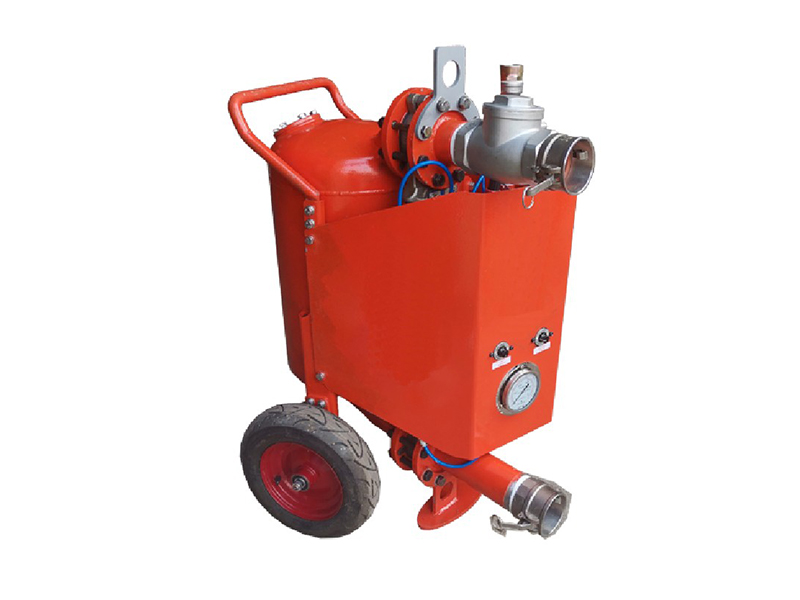
100% pneumatic high-vacuum transfer system engineered to convey high-density drill cuttings, heavy sludges, and hazardous fluids across North American drilling pads without mechanical impellers.
Explore Specifications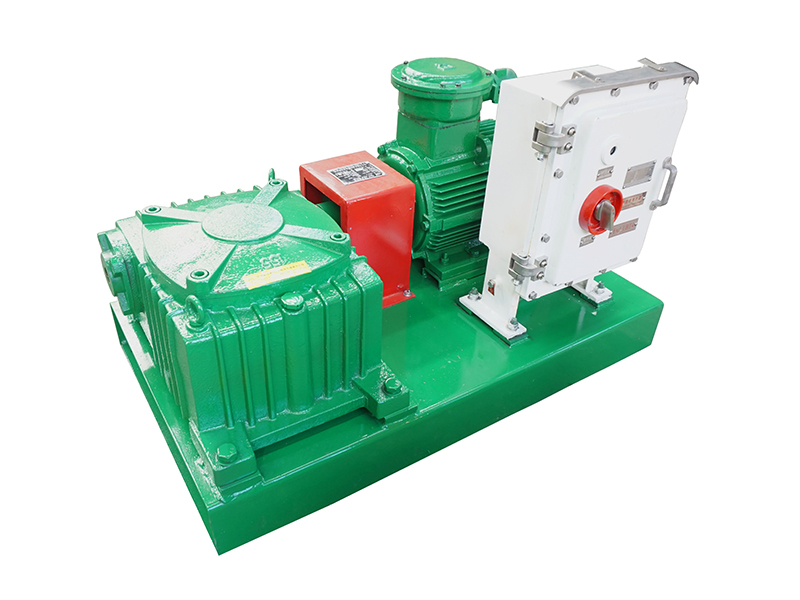
Heavy-torque worm and helical gear mud agitators designed to maintain homogenous drilling fluid suspension, preventing solid settling in active reserve pits and heavy weighting agent stratification.
Explore Specifications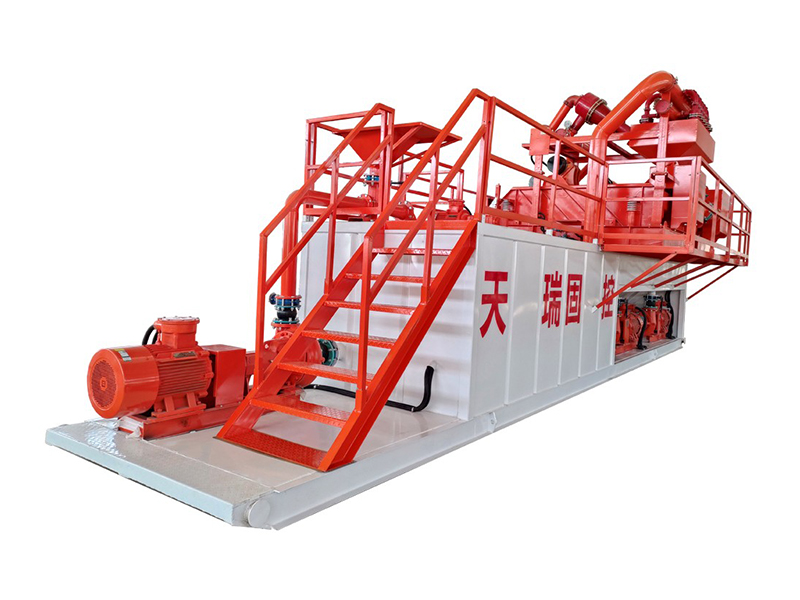
Integrated compact mud recycling units tailored for trenchless horizontal directional drilling, utility installations, and urban micro-tunneling projects with strict zero-discharge discharge limits.
Explore Specifications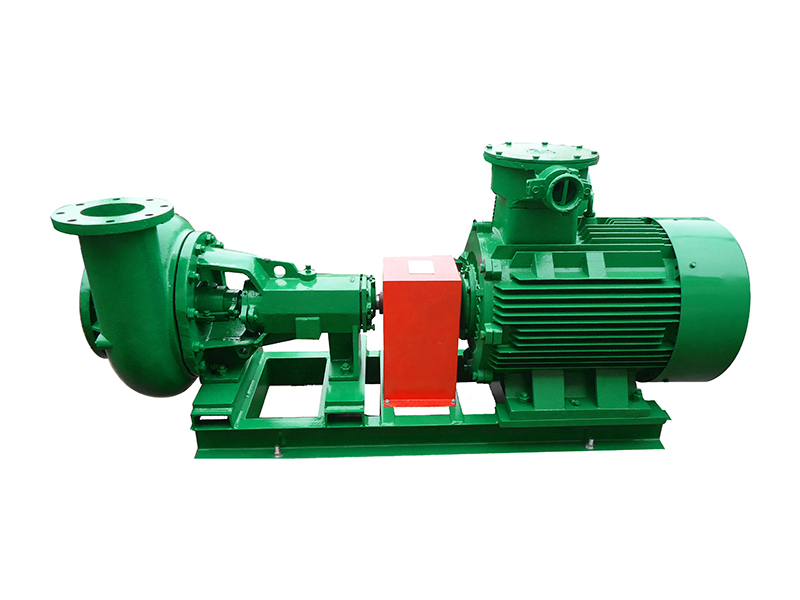
Wear-resistant ductile iron centrifugal slurry feed pumps providing continuous feeding head pressure for hydrocyclone desanders, desilters, and high-flow shearing systems on continuous drilling rigs.
Explore SpecificationsNavigating high-intensity drilling dynamics, regulatory compliance mandates, and extreme operational conditions in major American industrial sectors.
The industrial landscape for solids control systems within the United States has entered a decisive era defined by deep horizontal reach, fast-drilling extended lateral wells, and unprecedented regulatory oversight. From the massive oil and gas reserves of the Permian Basin (Midland and Delaware sub-basins) in West Texas and New Mexico to the liquid-rich plays of the Eagle Ford, Bakken Formation in North Dakota, and the gas giants of Haynesville and Marcellus/Utica, solids control has evolved from a secondary drilling support process into a primary operational determinant of economic viability.
In modern US drilling basins, operators routinely complete horizontal lateral sections stretching beyond 15,000 to 20,000 feet. At these rapid rates of penetration, downhole solids generation surges exponentially. If colloidal and ultra-fine low-gravity solids (LGS) are not purged immediately at the surface, they re-circulate downhole, creating severe friction, differential pipe sticking, premature drill bit wear, and massive formation damage. Consequently, American exploration and production (E&P) operators demand solids control equipment with exceptional separation efficiency, mechanical longevity, and automated monitoring capabilities.
Beyond traditional upstream energy development, the US civil infrastructure sector is undergoing an historic upgrade under the Infrastructure Investment and Jobs Act (IIJA). Trenchless Horizontal Directional Drilling (HDD), urban utility tunneling, high-speed rail boring, and micro-tunneling across congested metropolitan corridors in states like California, Texas, Florida, and New York require compact, mobile, and self-contained solids recycling systems. Disposal fees for spent slurry in urban landfills have escalated dramatically, prompting general contractors to install turnkey closed-loop mud recyclers to separate clean sand and gravel for local backfill while recycling water-based bentonite continuously.
Smart automation, predictive analytics, closed-loop sustainability, and modular cold-weather engineering define modern North American procurement.
The traditional method of manual shaker deck adjustment and periodic centrifuge sampling is rapidly being superseded on Tier-1 US super-spec rigs. Smart solids control systems now feature integrated sensor arrays, variable frequency drives (VFD), and real-time rheology telemetry. Centrifuges and shale shakers dynamically modulate basket angles, G-force acceleration, and differential bowl speeds according to changes in incoming fluid density, cutting size distribution, and downhole penetration rates. This automated optimization ensures peak LGS removal without human intervention, mitigating costly mud formulation losses.
The transition toward sustainable industrial drilling in the US has rendered unlined reserve pits obsolete across most jurisdictions. Closed-loop drilling systems (often called "pitless" systems) collect 100% of return effluents. Utilizing a sequential separation cascade—primary shale shakers, vacuum degassers, hydrocyclonic desanders and desilters, followed by high-speed decanter centrifuges and chemically assisted flocculation/dewatering units—these assemblies isolate drill solids into stackable, dry cakes suitable for civil roadbed use or low-cost commercial landfill disposal. Recaptured fluids are immediately redirected into active mud systems, conserving millions of gallons of freshwater in arid drilling environments such as the Chihuahuan Desert.
US contractors operate in drastically diverging climatic conditions: from sub-zero blizzard environments in North Dakota's Williston Basin and Alaska's North Slope, where equipment must incorporate steam tracing, enclosure housing, and cold-rated metallurgy, to ambient temperatures exceeding 115°F (46°C) in South Texas and southeastern New Mexico. Modern solids control equipment incorporates modular skid frames with integrated lift pockets, hydraulic self-raising legs, and high-spec flameproof electrical enclosures conforming to Class I, Division 1 / Division 2 hazardous area standards.
Real-world applications where custom separation technology ensures regulatory adherence and unmatched process uptime.
In high-temperature, high-pressure horizontal oil wells, the use of expensive synthetic-based inverted emulsion muds is imperative. Primary vibrating shakers equipped with API RP 13C compliant composite screens scalp cuttings above 74 microns. The remaining fine fraction is processed through dedicated hydrocyclonic desander/desilter assemblies fed by heavy-duty centrifugal pumps. Finally, high-G decanter centrifuges spin out micron-level particles, stripping low-gravity fines while returning heavy weighted barite to the mud system, saving drillers hundreds of thousands of dollars per wellbore.
Large-diameter cross-country natural gas, crude oil, and carbon capture pipeline projects require continuous Horizontal Directional Drilling under waterways and highway infrastructure. TR compact HDD mud recycling units deliver continuous mud cleaning with a minimal rig footprint, handling viscous polymer and bentonite slurries to facilitate seamless reamer pullbacks without surface spill risks.
Refineries, industrial chemical plants, and municipal water reclamation plants along the US Gulf Coast utilize pneumatic sludge vacuum pumps for heavy sediment transfer. Traditional centrifugal or progressive cavity pumps frequently fail when handling abrasive sands, thick bottoms sediment, and oily gravel. 100% pneumatic vacuum systems operate without dynamic seals, eliminating priming failure risks while ensuring zero hazardous volatile emission venting during transfer.
In geothermal drilling fields located in Nevada and California, drilling mud encounters extreme volcanic temperatures and hard, highly abrasive igneous basalt formations. Ruggedized solids control systems featuring tungsten carbide wear protection and specialized mud agitators ensure uniform temperature dissipation and eliminate settled bed formation within surface holding tanks.
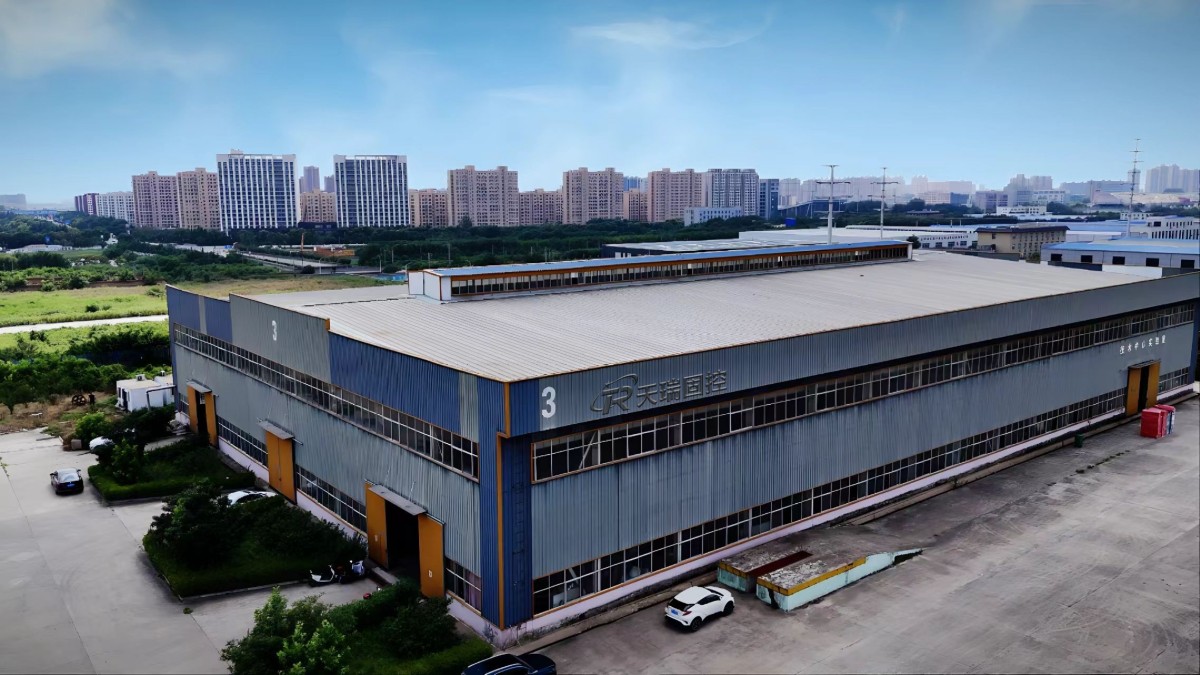
Established in 2010, TR Solids Control is a professional manufacturer specializing in drilling fluid solids control equipment and integrated solutions. We are dedicated to the design, manufacture, sales and services of solids control systems, following strict quality standards and providing reliable products, professional support and fast response for global customers.
During the past years, together with our experienced engineering team and strong supply chain partners, we have supported drilling contractors, oilfield service companies and industry partners across North America, Middle East, Africa, Russia, South America, Southeast Asia and other regions, delivering efficient solids control solutions for various drilling operations.
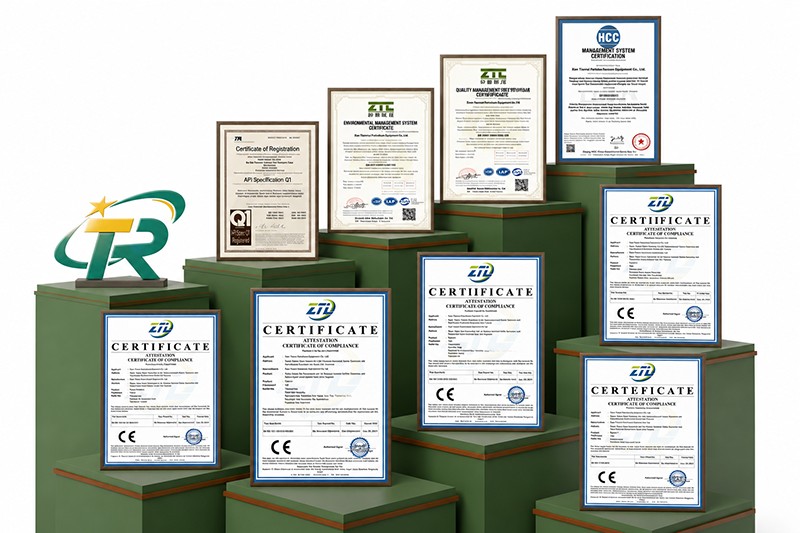
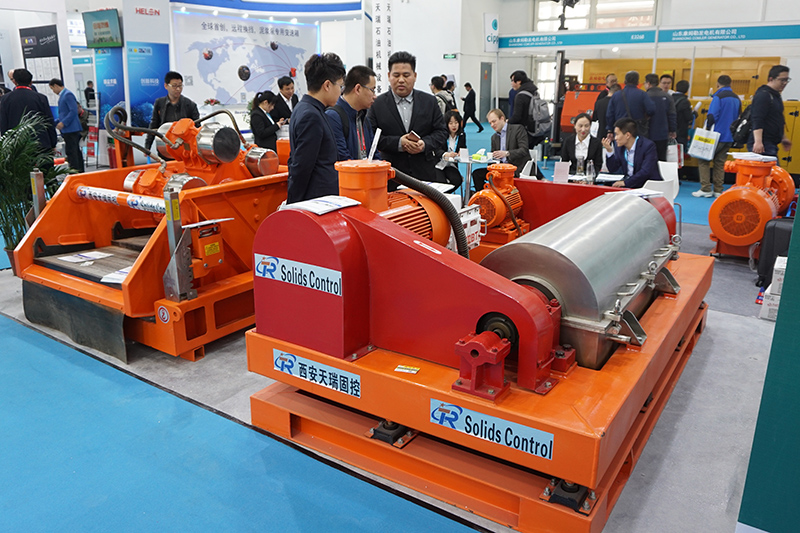
Robust infrastructure, certified quality systems, and worldwide trade participation underpinning our customer commitment.

Frequently asked technical queries regarding API RP 13C compliance, separation stages, and US operational considerations.
A standard multi-stage separation train consists of four sequential phases: Phase 1: Coarse Separation via linear motion shale shakers removing cuttings >74 microns; Phase 2: Hydrocyclone Degritting utilizing 10-inch desander cones (removing 40-74 microns) and 4-inch desilter cones (removing 15-40 microns); Phase 3: Fine Centrifugal Decanting via high-G decanter centrifuges extracting ultra-fine low-gravity colloidal solids (down to 2-5 microns); and Phase 4: Chemical Dewatering/Zero Discharge systems using flocculant dosing units for complete liquid clarification.
The API RP 13C standard specifies exact laboratory testing methods to define non-biased cut points (D100 separation size) and screen conductance. Utilizing certified composite frame screens guarantees that driller engineers receive transparent performance, preventing premature mud loss, reducing blinding in sticky shale formations, and maximizing fluid transmission across high G-force linear shaker baskets.
Yes. All electrical motors, variable frequency drives (VFDs), and control panels can be tailored to meet UL/CSA certifications as well as NEC Class I, Division 1 or Division 2 (Explosion-Proof Groups C and D) requirements, ensuring rapid inspection sign-off and safety compliance on onshore and offshore US drilling rigs.
Pneumatic vacuum pumps operate with compressed air and have no internal rotating impellers, mechanical seals, or tight clearances. They can handle high-density slurries with up to 80% solid concentrations, aggregate debris up to 2-3 inches, and harsh oilfield chemicals without suction cavitating or burning out components, making them ideal for zero-discharge cuttings transfer.
Explore our full line of solids control systems, sludge pumps, desanders, and fluid agitation machinery engineered for superior field reliability.
Pneumatic-driven vacuum pump moving thick slurries, oil base mud cuttings, and tank bottoms with maximum suction lift.
View Details
Compact footprint, high-efficiency mechanical agitation preserving homogeneous fluid density throughout active and reserve mud tanks.
View Details
Self-contained mud recycling skid incorporating shaker, desander, and desilter for trenchless civil engineering and piling.
View Details
Heavy-duty slurry handling with mechanical seal longevity, feeding hydrocyclones, mud hoppers, and supercharging mud pumps.
View Details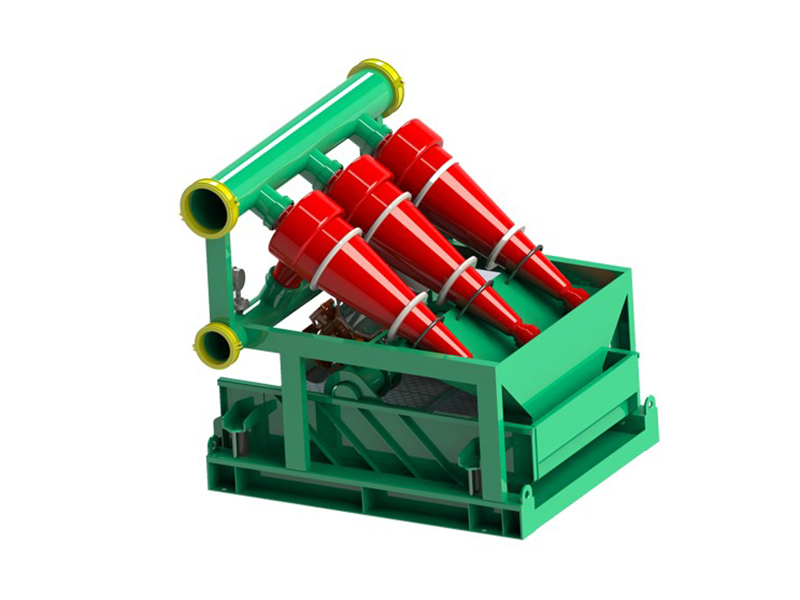
Hydrocyclonic sand separator removing abrasive particles between 40-100 microns to safeguard downstream machinery and bits.
View Details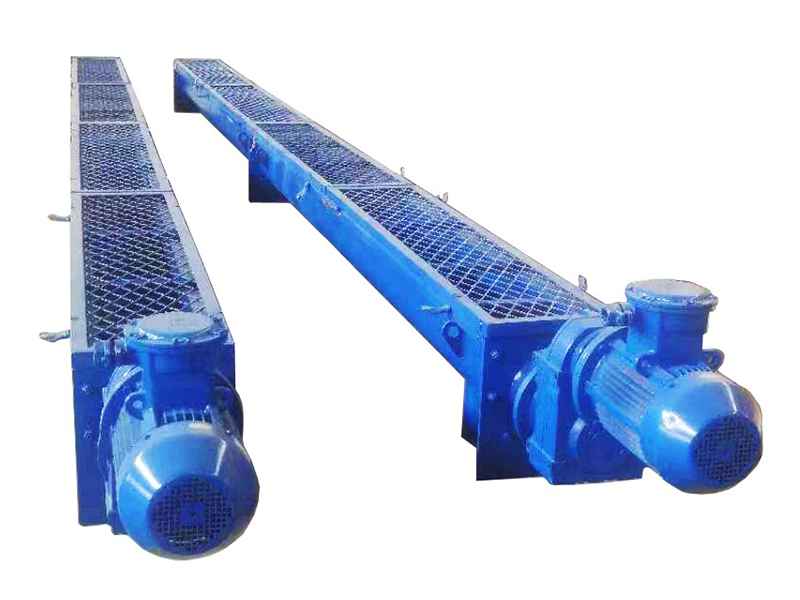
Auger-type cuttings conveyor transferring spent shale shaker discharge and centrifuge cakes to skips and containment areas.
View Details
Continuous vacuum suction mechanism customized for environmental waste reclamation, mine slimes, and mud pit cleaning.
View Details
Compact trailer-mounted solids removal plant optimizing bentonite consumption and sloughing disposal fees in US civil drilling.
View Details