Leave Your Message
-
Phone
-
E-mail
-
Whatsapp
-
WeChat

The United States is home to some of the most dynamic, high-volume, and technologically advanced drilling operations in the world. From the sprawling unconventional shale plays across the Permian Basin and Eagle Ford in Texas, the Bakken Formation in North Dakota, to the Marcellus and Utica gas reservoirs in the Appalachian region, the demand for high-performance drilling sludge treatment systems is at an all-time peak. Contemporary American drilling operations are characterized by deep horizontal wellbores, extended lateral reaches, and heavy usage of synthetic and oil-based muds (OBM) alongside complex water-based fluids (WBM).
As operators drive deeper and faster, the sheer volume of spent drilling mud, oily drill cuttings, and viscous colloidal sludge produced per wellpad has multiplied dramatically. Managing this waste footprint requires moving beyond conventional open pit containment or straightforward landfill haul-off. In the US market, drilling sludge is no longer treated merely as waste; it is an asset from which expensive base oils and clean water can be recovered, recycled, and returned directly to the active mud circulation loop.
Stringent environmental regulatory frameworks across federal and state levels—governed by the US Environmental Protection Agency (EPA) Clean Water Act, Resource Conservation and Recovery Act (RCRA), Texas Railroad Commission (RRC) Statewide Rule 8, and the New Mexico Oil Conservation Division (OCD)—have placed non-negotiable boundaries on liquid disposal, chloride migration, and total petroleum hydrocarbon (TPH) levels in discharged solids. Consequently, turnkey Drilling Sludge Treatment Systems featuring closed-loop modular designs, decanter centrifuge acceleration, and chemical flocculation are now vital infrastructure across American rig sites and central waste processing hubs.
Intensive multi-well pad drilling requires high-throughput sludge transfer vacuum pumps and high-G linear shale shakers capable of handling thousands of barrels per day with zero downtime and ultra-low oil-on-cuttings (OOC < 5%).
Environmentally sensitive Appalachian watersheds necessitate zero liquid discharge (ZLD) systems, chemical dosing decanter units, and compact skid packaging designed for mountainous, limited-footprint well locations.
Municipal utility expansion, telecommunication pipeline crossings, and river drillings in California, Florida, and the Midwest demand highly mobile mud recycling systems that continuously separate fine silts from bentonite slurries.
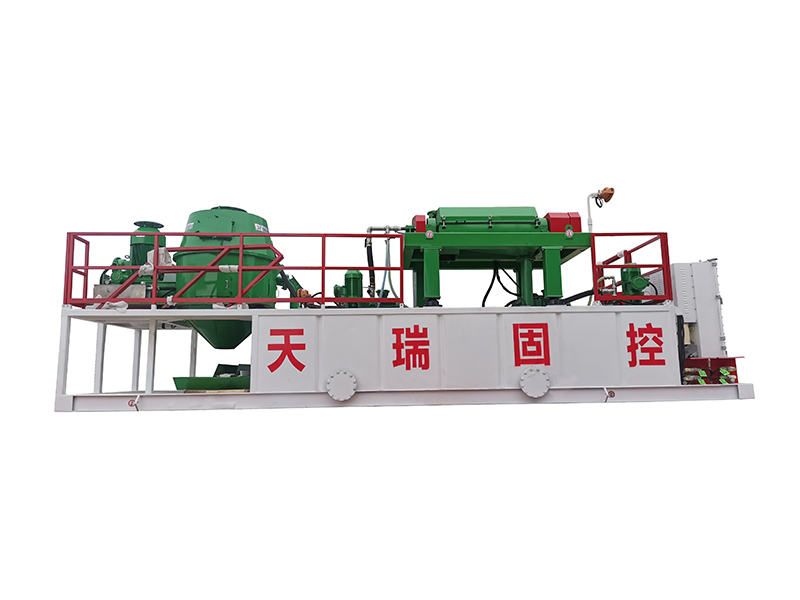
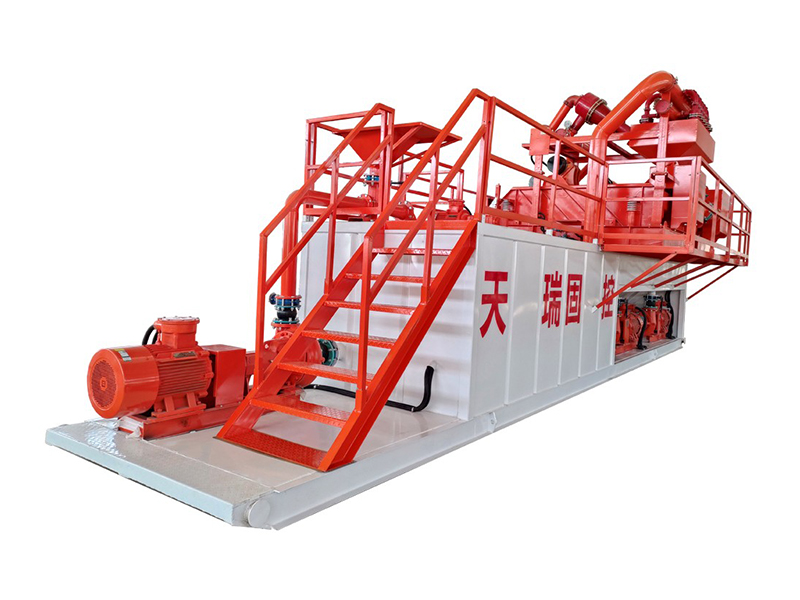
A standard industrial drilling sludge treatment unit engineered for the North American market incorporates a synchronized four-phase solid-liquid separation workflow. Untreated sludge contains a complex matrix of drill cuttings, emulsified water, base oil, barite, and sub-micron colloidal particles. Our systems utilize progressive mechanical separation combined with precision physicochemical treatment to recover clean liquids and deliver stackable, transport-ready solids.
| Separation Stage | Primary Equipment Deployed | Particle Cut Point | Target Outcome & US Industry Benchmark |
|---|---|---|---|
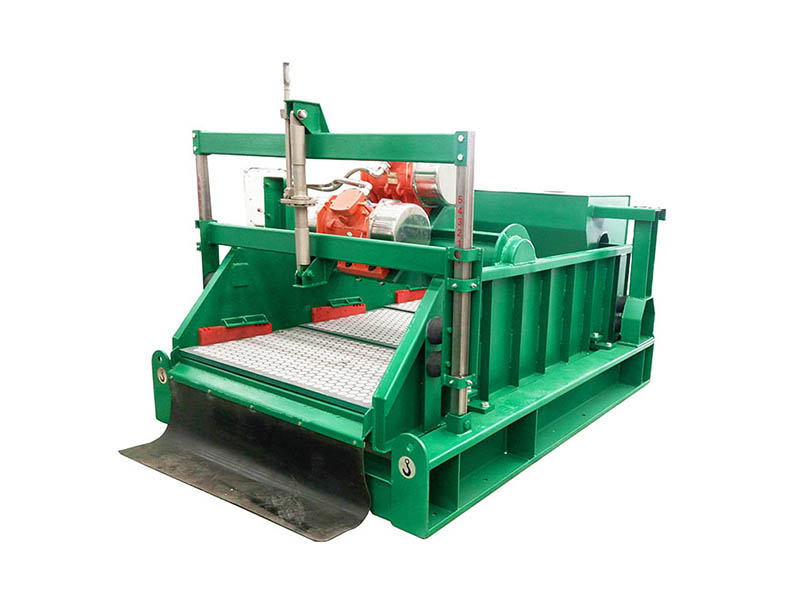
| Stage 1: Primary Scalping | High-G Linear Motion Shale Shakers | > 75 μm (Microns) | Removes coarse cuttings, heavy gravel, and formation rock chunks directly from the mud return line. |
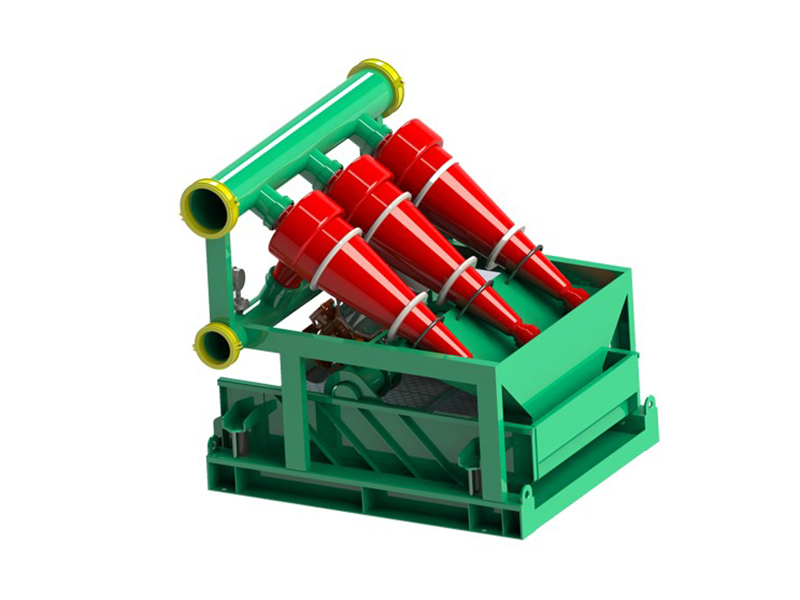
| Stage 2: Hydrocyclone Desanding & Desilting | Desander (10"–12" Cones) & Desilter (4" Cones) | 15 μm – 75 μm | Protects downstream equipment from abrasive sand erosion; preserves valuable rheological drilling additives. |
| Stage 3: High-Speed Centrifugal Dewatering | Variable Speed Decanter Centrifuges | 2 μm – 7 μm | Separates low-gravity colloidal solids from drilling fluids; facilitates clear barite recovery and viscosity control. |
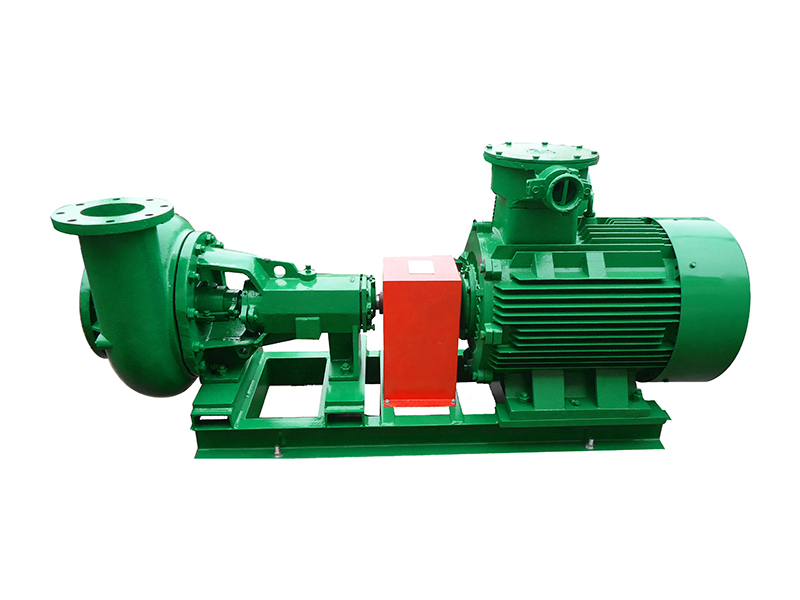
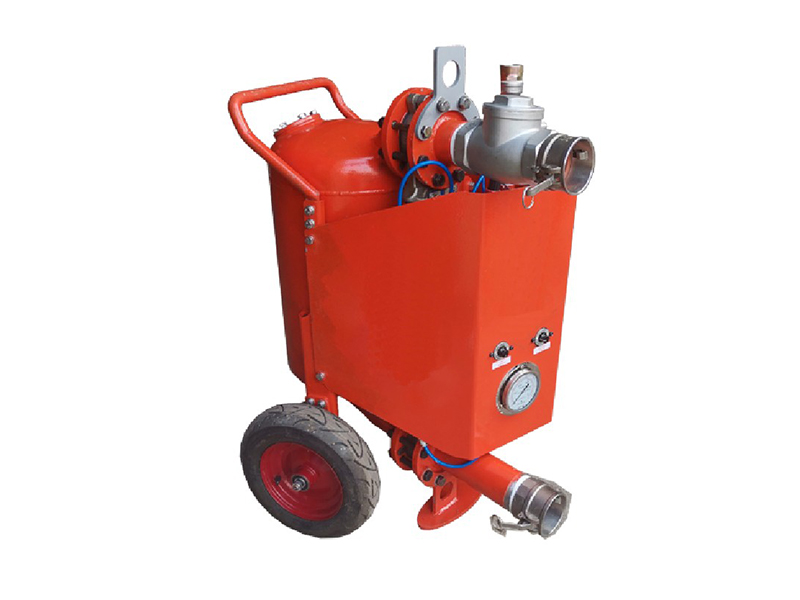
| Stage 4: Chemical Conditioning & Sludge Transfer | Dosing Units & Sludge Vacuum Pumps | Sub-Micron (< 2 μm) | Polymer flocculation breaks oil-water emulsions; vacuum transfer moves heavy sludge across 100+ meters without clogging. |
The drilling waste management landscape in North America is rapidly evolving under the twin forces of corporate ESG (Environmental, Social, and Governance) commitments and aggressive field automation. The historical standard of manual valve adjustments and continuous human monitoring has been superseded by intelligent, telemetry-enabled equipment capable of adapting to fluctuating mud weights and sludge viscosity in real time.
1. AI-Driven Smart Variable Frequency Drives (VFD): Modern decanter centrifuges and shaker decks incorporate intelligent sensors that continuously monitor motor torque, vibration harmonic signatures, and differential bowl speeds. By utilizing predictive load algorithms, TR sludge treatment systems dynamically adjust G-force acceleration to prevent bowl plugging during sudden surges of heavy cuttings, cutting electrical consumption by up to 25% on diesel-generator-powered field sites.
2. Thermal Desorption & OBM Recovery Maximization: With base oil prices subject to global volatility and strict disposal surcharges at commercial disposal wells, recovering pure base oil from oily sludge is an economic imperative. Integrated treatment trains combining high-speed vertical cuttings dryers and sludge vacuum pumps achieve dry cake discharges with Total Petroleum Hydrocarbons (TPH) optimized for bio-remediation or structural road-base stabilization.
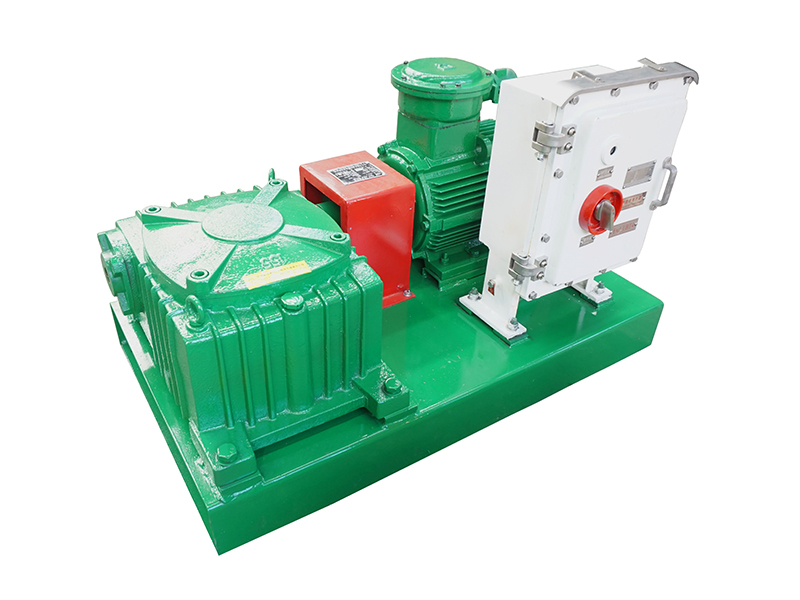
3. Compact Skid & Mobile Trailer Modularity: In urban horizontal directional drilling (HDD) projects and dense multi-well pad locations in West Texas, footprint efficiency is crucial. Complete mud recycling units—comprising shale shakers, desander hydrocyclones, mud agitators, and centrifugal charge pumps—are integrated onto single road-legal trailers for swift highway transit and plug-and-play field commissioning.
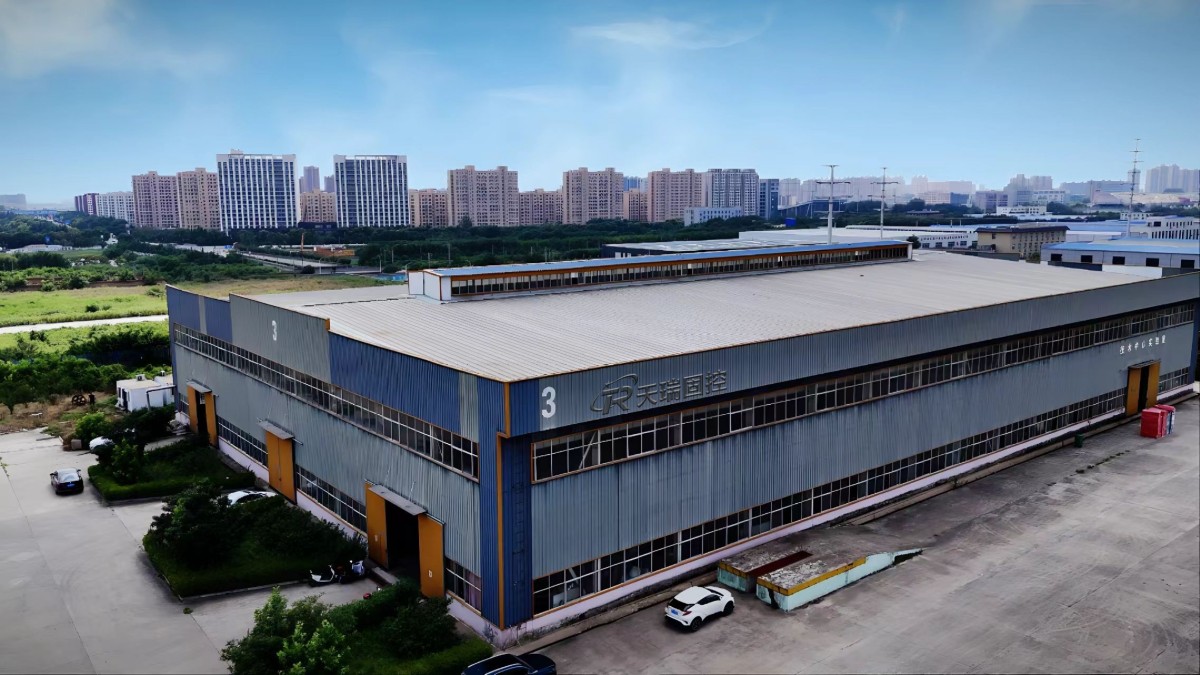
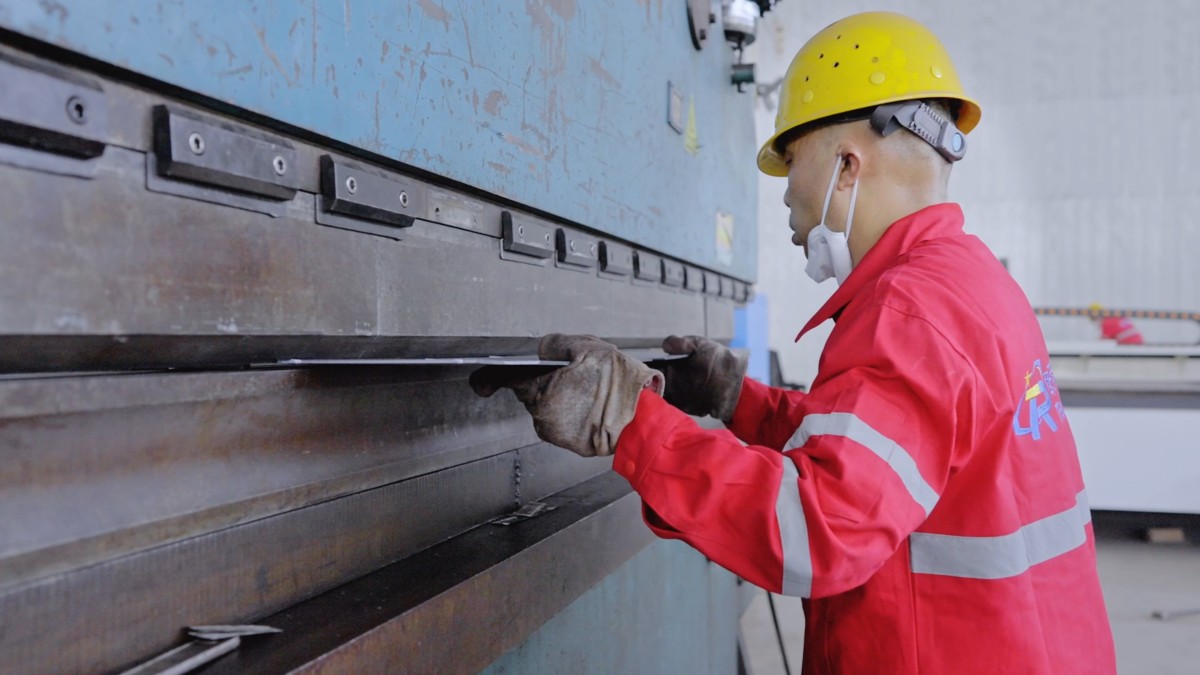
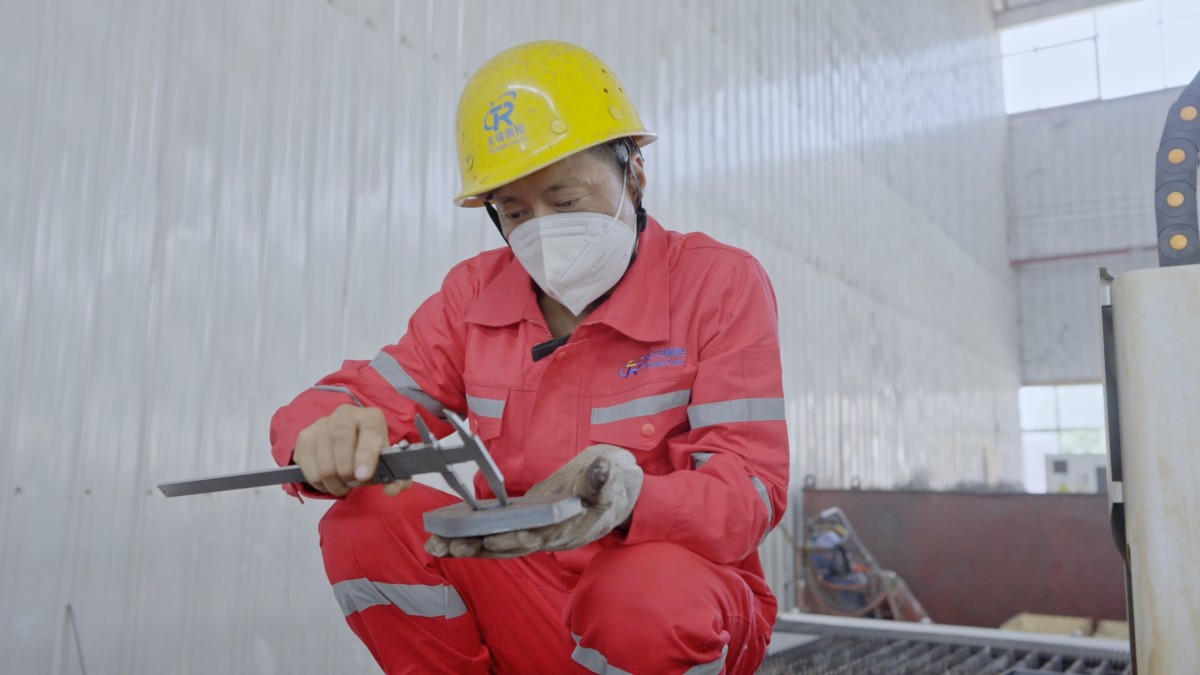
Established in 2010, TR Solids Control is a professional manufacturer specializing in drilling fluid solids control equipment and integrated solutions. We are dedicated to the design, manufacture, sales and services of solids control systems, following strict quality standards and providing reliable products, professional support and fast response for global customers.
During the past years, together with our experienced engineering team and strong supply chain partners, we have supported drilling contractors, oilfield service companies and industry partners across Middle East, Africa, Russia, South America, Southeast Asia and other regions, delivering efficient solids control solutions for various drilling operations.

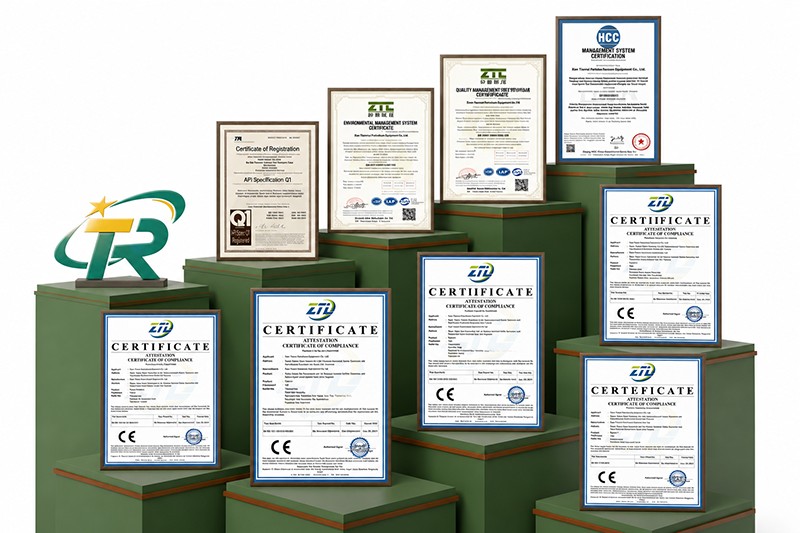
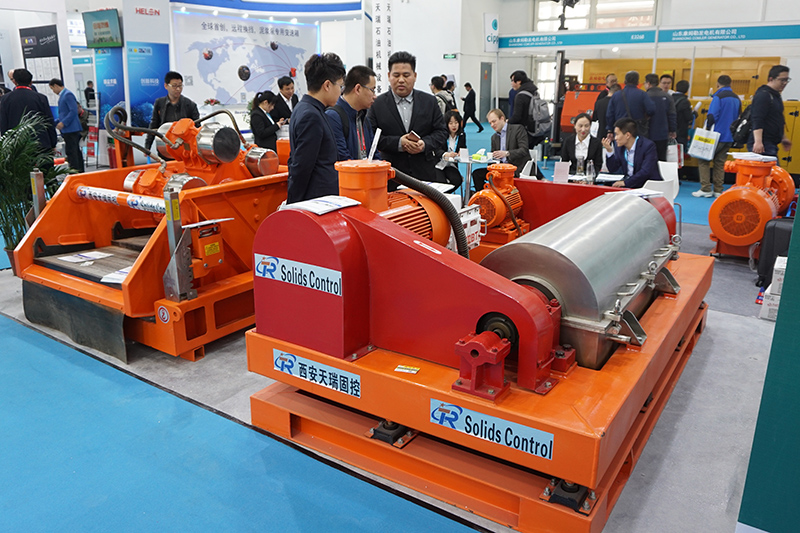
Full-line API-standard solids control machinery, mud recycling systems, and sludge transfer units available for immediate deployment across North American operations.