Leave Your Message
-
Phone
-
E-mail
-
Whatsapp
-
WeChat

Core components engineered for continuous duty across US oilfields, optimizing drilling fluid circulation, solids removal efficiency, and active thermal dispersion.
Understanding the thermodynamic thresholds of modern unconventional extended-reach laterals and deep geothermal horizons across Texas, New Mexico, North Dakota, and Louisiana.
The relentless expansion of extended-reach drilling (ERD) across the Permian Basin (Delaware & Midland basins), the deep high-pressure gas plays of the Haynesville Shale, and deepwater Gulf of Mexico projects has fundamentally redefined thermal management on modern American drill rigs. As wellbores stretch beyond 20,000 feet with multi-mile lateral segments, bottom-hole temperatures (BHT) frequently exceed 300°F (149°C) to 400°F (204°C). When drilling fluids return to surface at elevated temperatures approaching 170°F to 200°F, downhole tools, polymer additives, and elastomers undergo severe distress.
Uncontrolled drilling mud temperatures trigger rapid polymer thermal degradation in both Synthetic-Based Mud (SBM) and Water-Based Mud (WBM) packages. Costly viscosifiers, fluid-loss control agents, and friction reducers break down prematurely, skyrocketing the chemical reconditioning costs for US operators. By deploying an industrial-grade forced-draft Drilling Fluid Cooling System (Mud Cooler), operators reliably depress return mud temperatures by 25°F to 45°F, extending synthetic chemical integrity and reducing overall mud consumption costs by up to 30% per wellbore.
Furthermore, elevated mud temperatures accelerate the degradation of measurement-while-drilling (MWD), logging-while-drilling (LWD), and rotary steerable system (RSS) electronics. Replacing a heat-damaged downhole electronics assembly in a deep lateral can run into hundreds of thousands of dollars in non-productive time (NPT). A precision drilling fluid cooling system delivers continuous thermal control, preserving bottom-hole assembly (BHA) reliability and ensuring consistent hydraulic telemetry.
In hot drilling zones, excessive surface mud temperatures pose distinct occupational hazards regulated strictly under OSHA standards. High fluid temperatures generate increased hydrocarbon vapor flash-off, toxic hydrogen sulfide (H2S) release, and oil misting around shale shakers, degassers, and active mud pits. By cooling the mud stream before it strikes primary separation screens, vapor emissions are suppressed at the source, creating a noticeably safer, cleaner, and compliant working environment for rig floor crews and mud engineers.
From a geomechanical standpoint, circulating cooled drilling fluids plays an irreplaceable role in stabilizing reactive shale formations across the Bakken and Eagle Ford plays. Cooled mud minimizes thermal expansion stresses on the wellbore walls, mitigating tensile fracturing, spalling, and hole collapse. This thermal stabilization significantly reduces swabbing pressures, prevents tight hole trips, and guarantees smooth casing and liner running operations.
In addition, maintaining optimal fluid temperature directly protects surface solids control assets. Centrifugal pump mechanical seals, shale shaker screen urethane bondings, desander polyurethane hydrocyclones, and centrifuge elastomers operate within safe thermodynamic limits, eliminating premature failures and costly rig downtimes during critical 24-hour horizontal drilling campaigns.
Continuous closed-loop heat dissipation maintaining mud surface temperatures below 135°F (57°C) even during ambient triple-digit West Texas summer heatwaves.
Variable Frequency Drive smart controllers that monitor inlet/outlet temperature differentials and adjust airflow velocity in real time, conserving diesel and generator kilowatts.
Specially engineered indirect shell-and-tube or plate heat exchangers prevent oxygenation of drilling mud, eradicating downhole drill-string pitting and pipe corrosion.
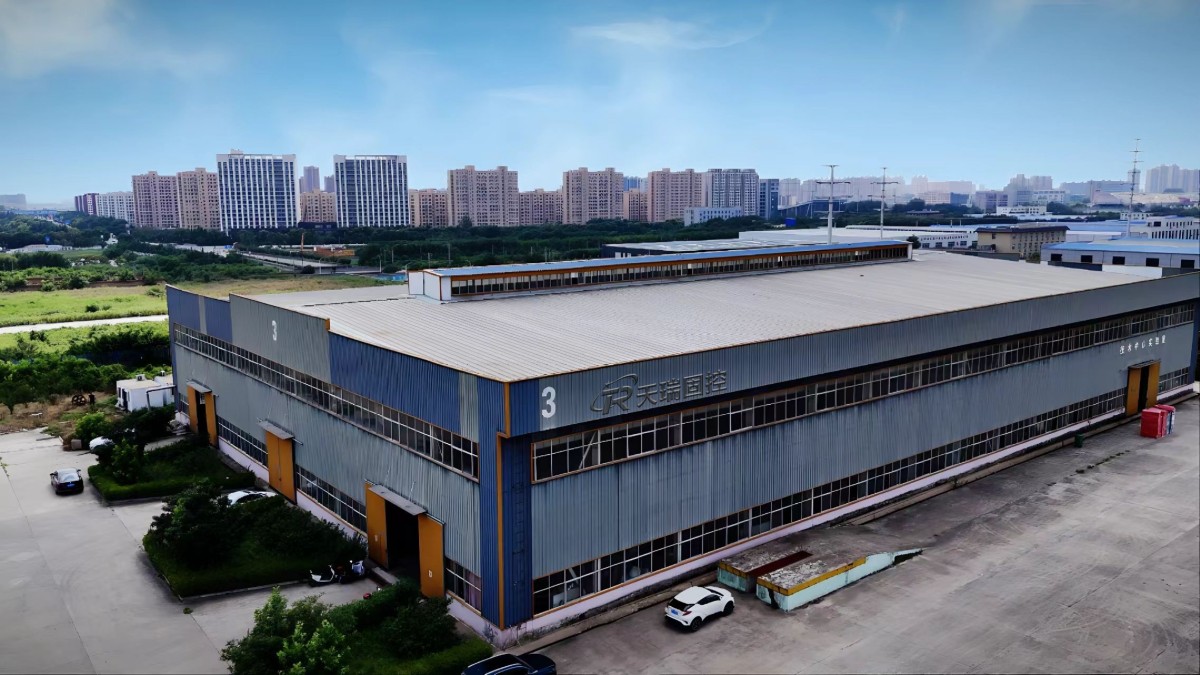
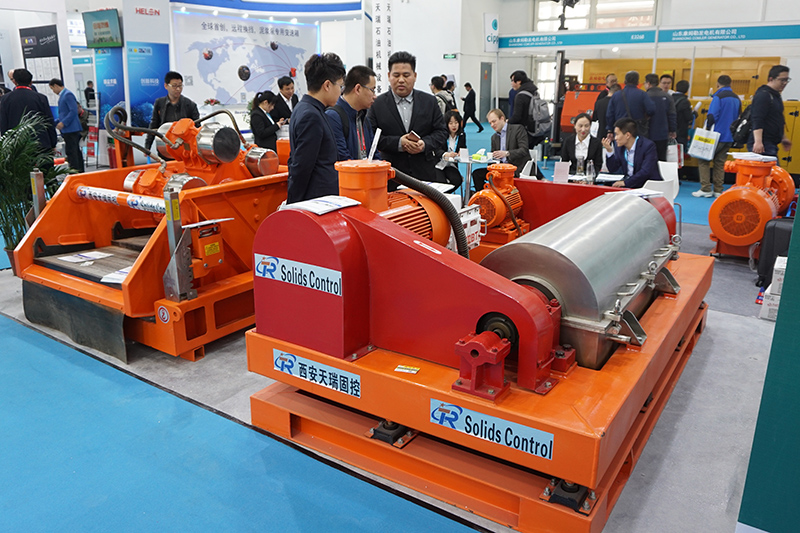
Established in 2010, TR Solids Control is a professional manufacturer specializing in drilling fluid solids control equipment and integrated solutions. We are dedicated to the design, manufacture, sales and services of solids control systems, following strict quality standards and providing reliable products, professional support and fast response for global customers.
During the past years, together with our experienced engineering team and strong supply chain partners, we have supported drilling contractors, oilfield service companies and industry partners across North America, the Middle East, Africa, Russia, South America, Southeast Asia and other regions, delivering efficient solids control solutions for various drilling operations.
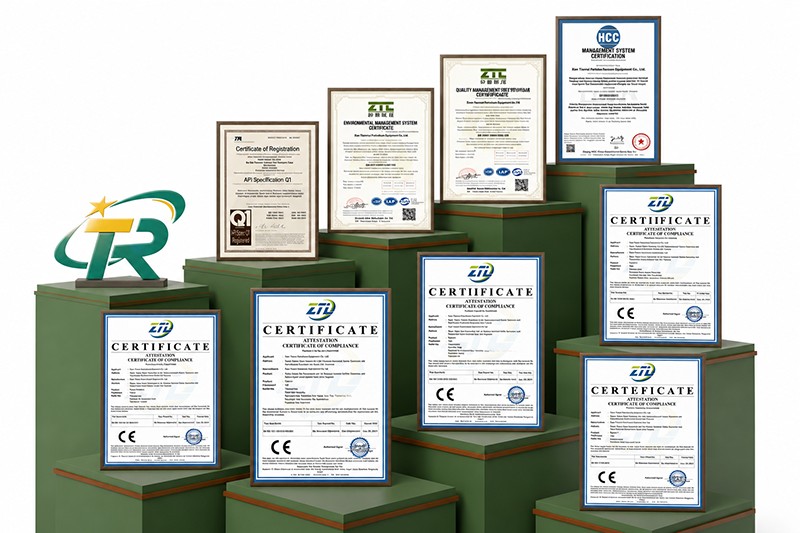
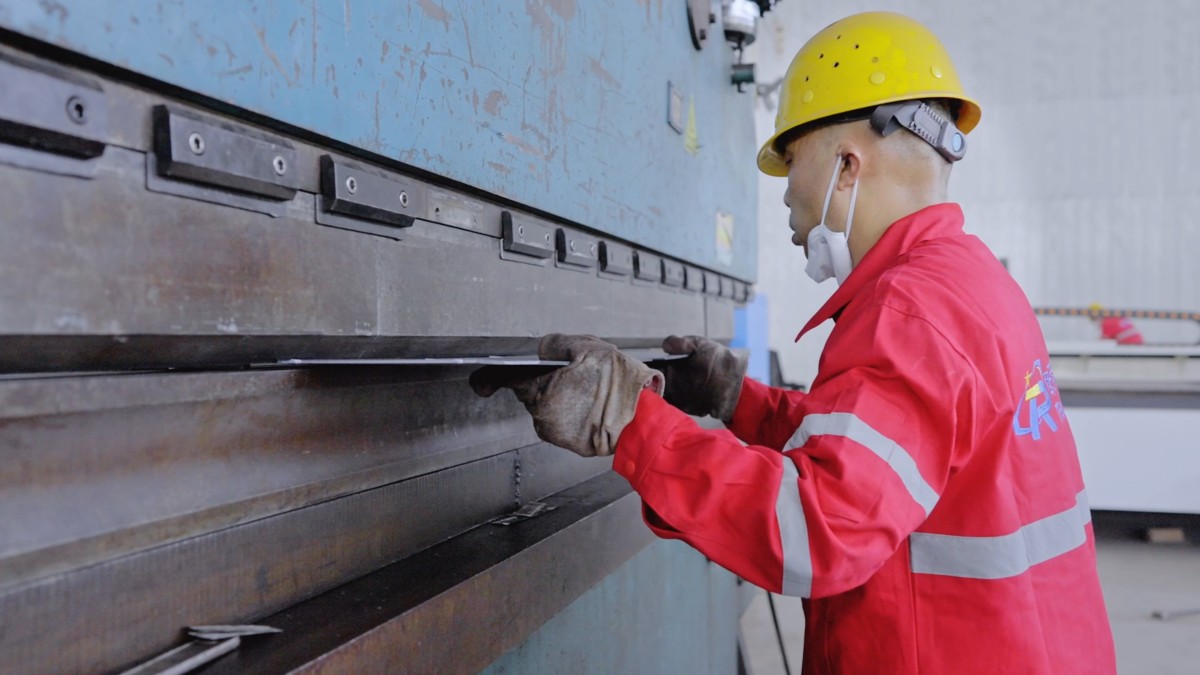
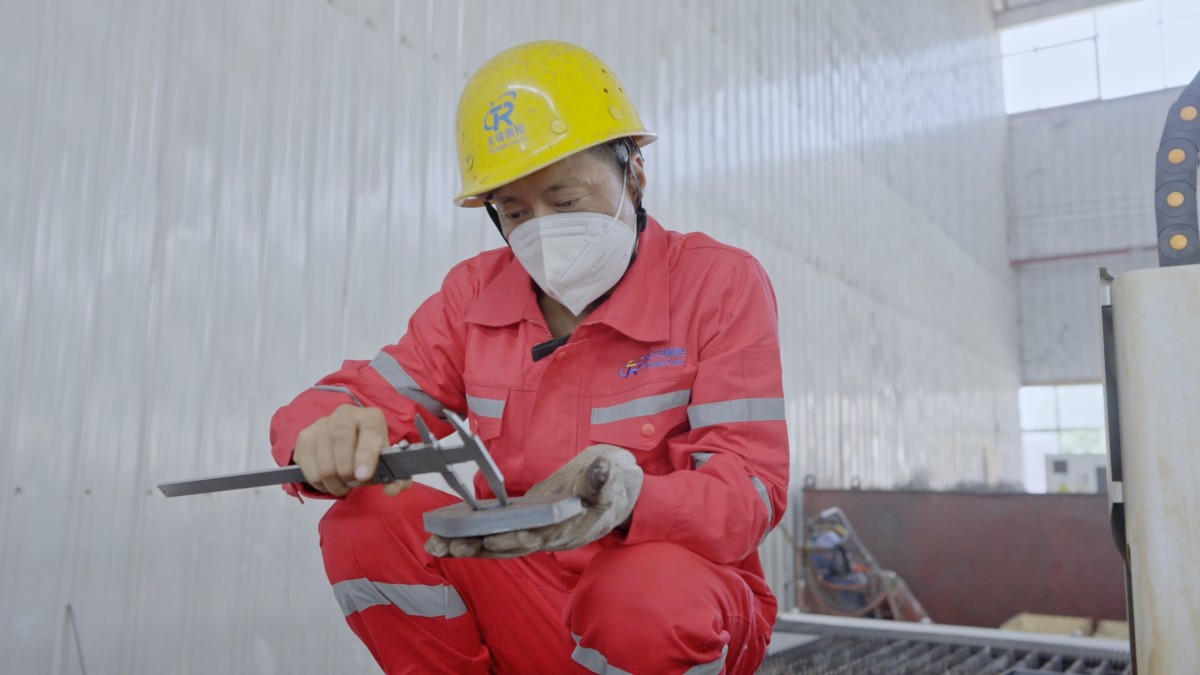
Recognizing the rigorous requirements of the United States energy sector, our manufacturing infrastructure combines cutting-edge robotic CNC machining, robotic seam welding, finite element thermodynamic modeling, and API-compliant quality assurance protocols. Every drilling fluid cooling system and solids control assembly undergoes rigorous non-destructive testing (NDT), hydraulic pressure trials, and thermodynamic heat-exchange load testing before international mobilization to US oilfield service hubs.
How digital automation, automated thermodynamic balancing, and stringent emissions standards are modernizing closed-loop surface drilling operations.
The oil and gas industry in North America is navigating a pivotal technological transition toward smart drilling rigs and autonomous solids control management. Traditional evaporative cooling towers, while effective, historically posed challenges involving open-air mud vapor venting, water replenishment logistics, and manual valve manipulation. The latest industry trend relies on high-efficiency, fully enclosed plate-type and fin-fan shell-and-tube mud chillers equipped with automated cleaning cycles.
Integrated with programmable logic controllers (PLCs) and cloud-connected telemetry, these modern drilling fluid cooling systems communicate seamlessly with the rig's centralized SCADA platform. Intelligent algorithms evaluate real-time mud weight, flow rate, ambient humidity, and return temperatures to continuously adjust fan blade pitch, coolant valve apertures, and bypass dampers. This closed-loop automation eliminates manual intervention, maximizes cooling delta per gallon, and prevents fluid crystallization or viscosity spikes caused by overcooling.
Furthermore, American operators are adopting skid-mounted modular cooling units that feature rapid quick-connect camlock couplings and standardized US DOT highway transport dimensions (width under 8.5 ft). This modularity reduces inter-well mobilization time between pads in multi-well shale pad batch drilling programs.
Environmental, Social, and Governance (ESG) compliance has become a governing benchmark for US public and independent E&P operators. Elevated drilling fluid temperatures in shale plays often lead to accelerated volatilization of base oils, light aromatic hydrocarbons (BTEX), and synthetic additives. This not only generates unpleasant odors and hazardous breathing zones for drilling rig workers but also exposes operators to severe regulatory penalties under Clean Air Act stipulations.
Modern drilling fluid cooling systems act as an indispensable environmental safeguard by depressing fluid vapor pressures upstream of primary solids separation. By cooling the mud stream prior to shaker discharge, volatile emissions are slashed by up to 65%, drastically lowering VOC emissions on location. Simultaneously, lower temperatures preserve oil-based mud emulsions, significantly decreasing whole-mud retention on drill cuttings and reducing waste haulage expenses to disposal facilities.
Additionally, our equipment utilizes ultra-low-noise aerodynamic composite fan blades and energy-saving high-efficiency explosion-proof electric motors (Class I, Div 1 / ATEX compliant) that reduce sound signatures on urban fringe drilling pads in the Dallas-Fort Worth or DJ Basin regions.
Engineered to confront distinct geographic, geological, and climatic rig conditions across North America.
In scorching desert ambient conditions reaching 115°F (46°C), drilling 3-mile horizontal laterals in the Wolfcamp and Bone Spring formations generates intense mechanical friction. Our mud cooling systems lower return mud temperatures significantly, safeguarding downhole mud motors and directional steering pads while eliminating elastomer swelling.
Geothermal exploration encounters extreme downhole temperatures surpassing 450°F (232°C). Standard drilling fluid solids control cannot survive without active mud chilling. TR Solids Control systems provide the thermal dissipation required to prevent flash boiling in the mud tanks and preserve critical drill bit bearings.
Offshore operations require ultra-compact equipment footprints and explosion-proof electrical assemblies certified to US Coast Guard and Bureau of Safety and Environmental Enforcement (BSEE) regulations. Our marine-grade mud cooling skids utilize duplex stainless steel heat exchanger plates resistant to corrosive seawater environments.
Large-diameter horizontal directional drilling projects across rivers and highway arteries generate severe slurry temperatures during continuous reaming. Deploying our mobile HDD mud recycling system paired with modular chilling loops prevents bentonite polymer degradation and mud cake thinning.
Explore our full line of solids control and drilling waste management systems manufactured for high performance across global and American drilling operations.
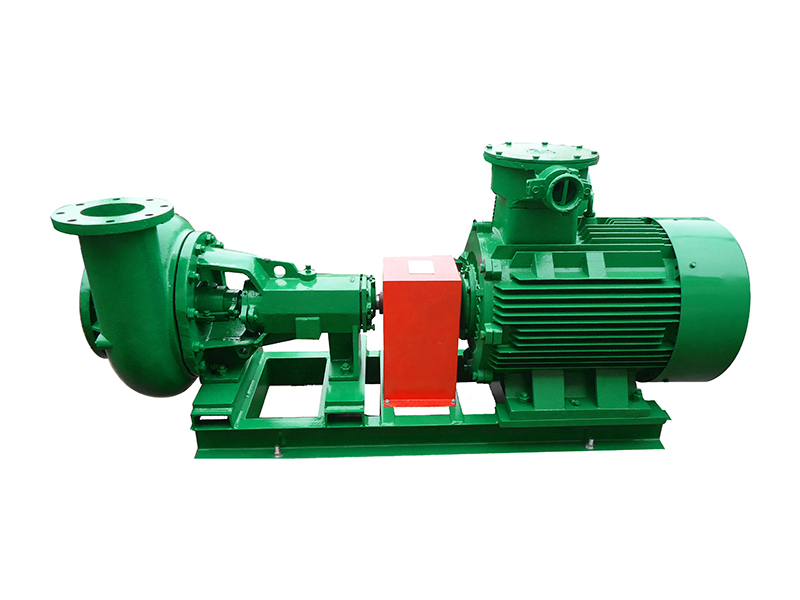
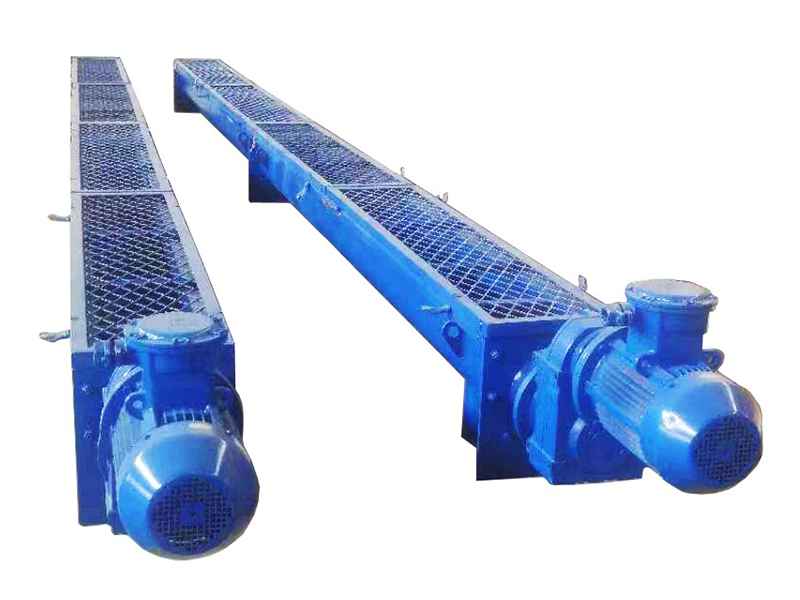
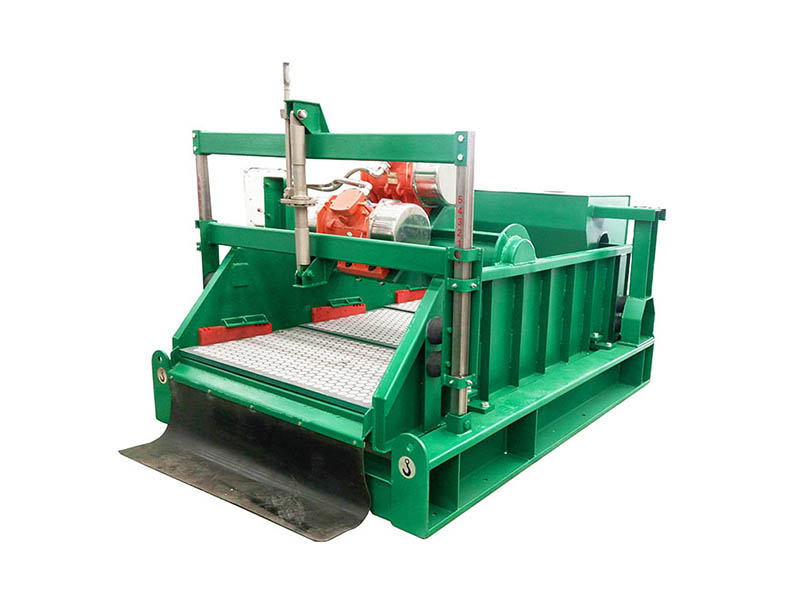
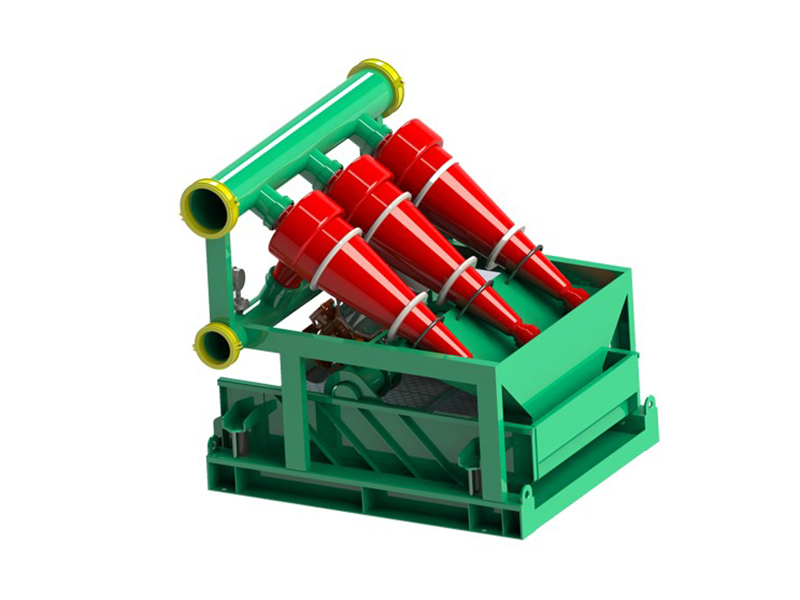
Direct technical insights addressing integration, maintenance, and thermodynamic optimization on American drilling rigs.
Depending on ambient relative humidity, circulation flow rate, and inlet fluid temperature, our forced-draft and plate-type cooling systems deliver a reliable temperature delta (ΔT) of 20°F to 45°F (11°C to 25°C). This temperature reduction is sufficient to keep active pit temperatures safely below the critical 135°F to 145°F threshold where downhole tool elastomers and synthetic polymers experience rapid breakdown.
The system is typically positioned downstream of primary solids control equipment (such as shale shakers and desanders/desilters) and before or inside the active suction mud pit. Removing coarse abrasive solids first protects the internal heat exchanger surfaces from erosion and plugging, ensuring optimal thermal conductivity and prolonging equipment lifespan.
Yes. All systems destined for the United States oilfield market are engineered with explosion-proof electrical switchgear, VFDs, and motors complying with Class I, Division 1 or Division 2 hazardous area classifications under NEC standards, as well as optional ATEX / IECEx certified configurations for offshore platforms in the Gulf of Mexico.
In basins such as the Permian and Eagle Ford, elevated temperatures cause the oil phase to evaporate, altering the oil-to-water ratio (OWR) and destabilizing electrical emulsion stability. Cooled OBM maintains steady rheological properties (plastic viscosity and yield point), drastically decreases the need for supplemental organophilic clays and emulsifiers, suppresses hazardous volatile emissions around the shakers, and delivers substantial chemical savings.