Leave Your Message
-
Phone
-
E-mail
-
Whatsapp
-
WeChat

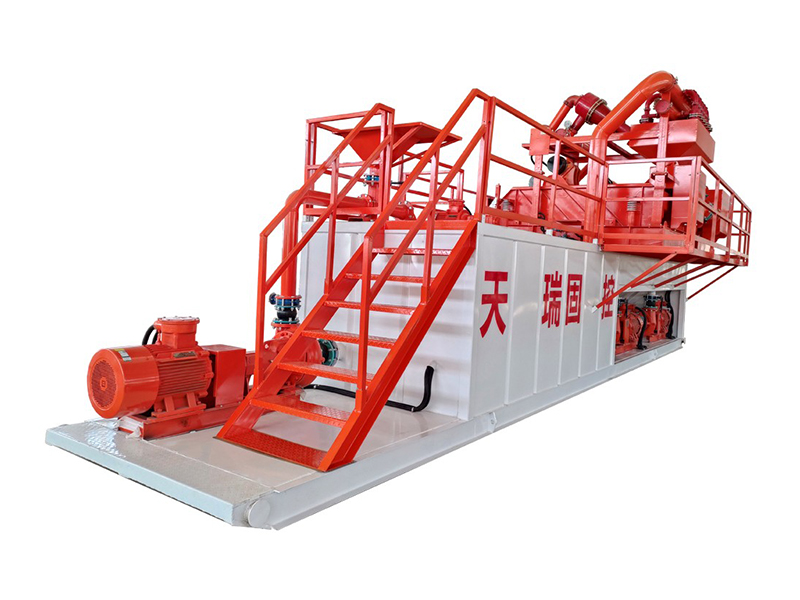
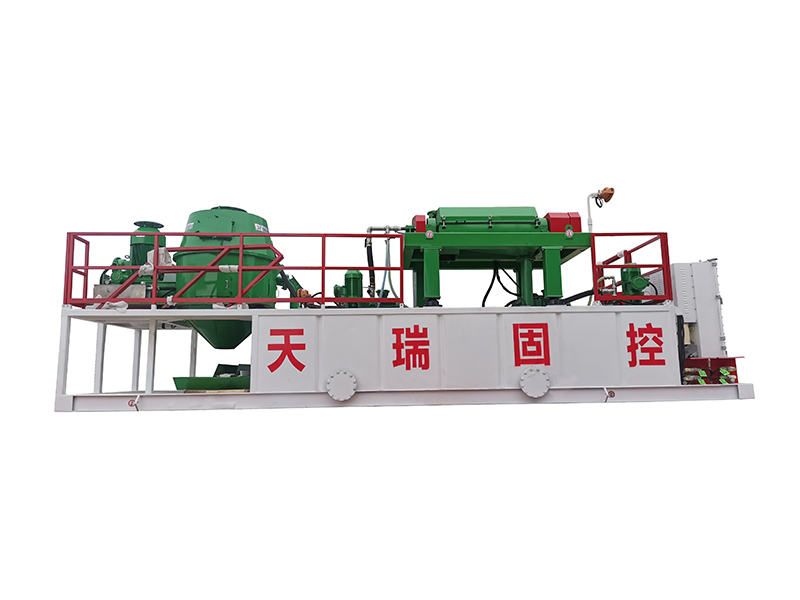
High-capacity mud processing modules engineered to withstand continuous 24/7 demanding shale operations, deep horizontal well drilling, and urban closed-loop environmental standards.
Across major unconventional shale formations—from the Midland and Delaware Basins in West Texas to the Marcellus Shale in the Northeast—modern drilling operations are pushing technical boundaries with lateral lengths exceeding 15,000 feet.
In the contemporary North American upstream oil and gas sector, efficient drilling fluid management is not merely an auxiliary task; it is the definitive determinant of Rate of Penetration (ROP), downhole tool longevity, and overall well economics. As horizontal drilling programs in the Permian Basin, Bakken Formation, Eagle Ford, Haynesville, and DJ Basin continuously scale in complexity, high-solids loading presents extreme challenges to traditional mud circulation systems. Drilled ultra-fine solids (particles below 5 to 10 microns) rapidly degrade mud rheology, increase plastic viscosity, induce excessive torque and drag, and cause catastrophic bottom-hole assembly (BHA) wear if not systematically removed.
Furthermore, stringent regulatory frameworks enforced by the U.S. Environmental Protection Agency (EPA) and state governing bodies such as the Texas Railroad Commission (RRC) and the North Dakota Department of Mineral Resources mandate rigorous drilling waste management and Zero Liquid Discharge (ZLD) protocols. Disposing of oil-based mud (OBM) cuttings and spent synthetic-based fluids (SBM) carries substantial environmental taxation and transportation logistics costs. A high-efficiency, American Petroleum Institute (API) standard solids control system functions as a high-yield closed-loop refinery on location, recovering up to 95% of clean active mud while generating ultra-dry, haul-off cuttings ready for environmental stabilization.
Strict screen cut-point adherence and high G-force linear motion shakers ensuring precise separation from API 20 to API 325 mesh without slurry blinding.
Maintains low gravity solids (LGS) below 3% by volume, dramatically reducing differential sticking risks and maximizing downhole motor life across long laterals.
Integrated vertical cuttings dryers, decanter centrifuges, and screw conveyors recover costly base oils, significantly slashing disposal trucking overhead.
A high-performance mud solids control system operates as a continuous, multi-stage mechanical separation chain. Each piece of equipment is precisely calibrated to target a specific particle size distribution (PSD), ensuring that expensive weighting materials such as barite are preserved while abrasive drill cuttings are purged from the circulating system:
| Separation Stage | Primary Equipment | Cut Point Range | Operational Function & US Application Value |
|---|---|---|---|
| Stage 1: Primary Scalping | High-G Linear Motion Shale Shakers | > 74 μm (API 60 - API 200) | Removes bulk large drilled cuttings directly from flowline; protects downstream hydrocyclones and mud pumps. |
| Stage 2: Degassing | Vacuum Degasser / Centrifugal Degasser | Entrained Gas Bubbles | Extracts dangerous methane and entrained gases, restores mud specific gravity, prevents pump gas locking. |
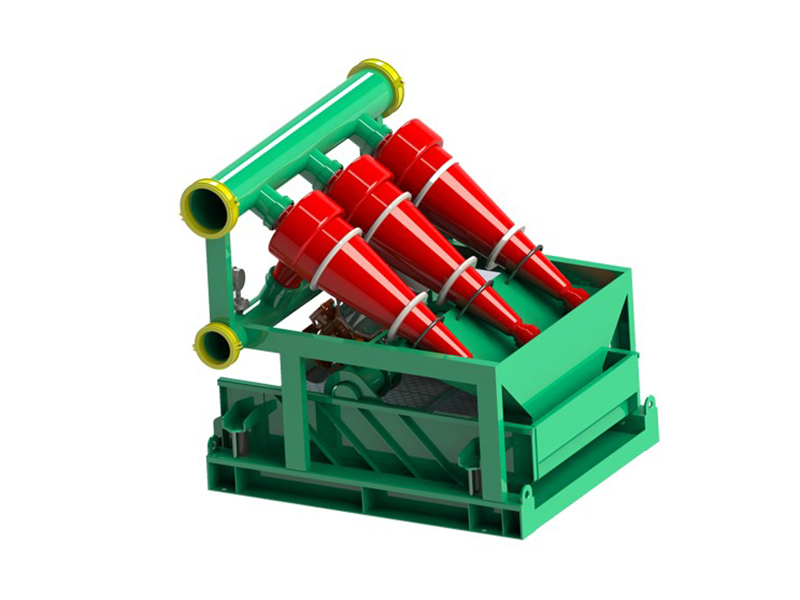
| Stage 3: Desanding | Desander Cones (10" or 12" Hydrocyclones) | 45 μm – 74 μm | Eliminates abrasive coarse sand particles, preventing erosive wear on impeller pumps, valves, and MWD tools. |
| Stage 4: Desilting | Desilter Cones (4" or 5" Hydrocyclones) | 15 μm – 44 μm | Separates fine silt particles; essential for maintaining low plastic viscosity (PV) in water-based and brine fluids. |
| Stage 5: Centrifuging | High-Speed Decanter Centrifuges (VFD) | 2 μm – 7 μm (Colloidal) | Recovers valuable barite weighting agent or purges ultra-fine colloidal solids to clarify drilling fluids in closed loops. |
Today's American drilling contractors are transitioning rapidly toward Smart, Digitally Integrated Solids Control Packages. In basins characterized by multi-well pad drilling (super-spec rigs operating on batch drilling schedules), equipment mobility, footprint minimization, and automated monitoring are critical:
1. Variable Frequency Drive (VFD) Centrifuge Intelligence: Utilizing advanced programmable logic controllers (PLCs) with IoT cloud telemetry, modern decanter centrifuges adjust bowl and differential scroll speeds in real-time based on mud weight and solids intake torque, preventing bowl plugs and optimizing power consumption.
2. Composite Frame Screen Technology: Engineered to withstand high acceleration forces (up to 8.0 Gs), composite screens offer up to triple the service life of traditional pre-tensioned metal screens, preventing premature screen tearing and fluid bypass in high-viscosity shale sections.
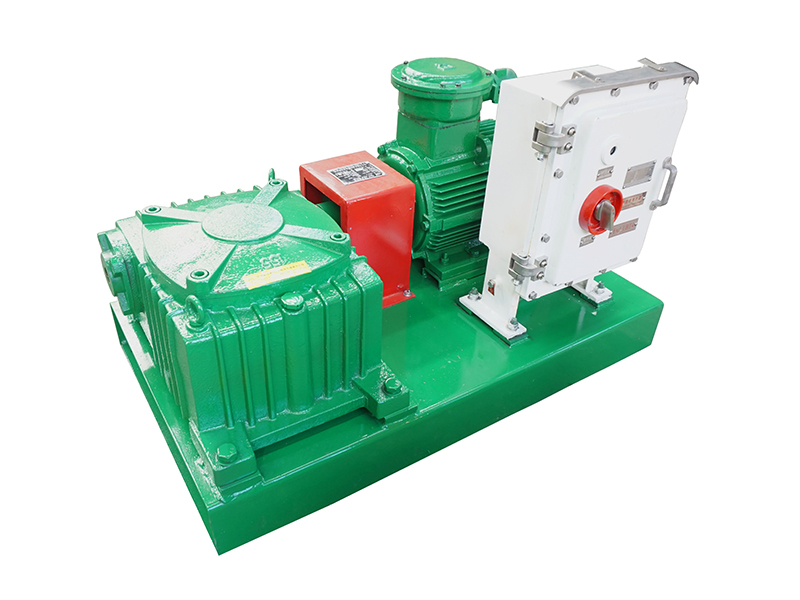
3. Explosion-Proof (Class 1, Division 1 / Zone 1) Rig Safety: All electrical motors, control consoles, mud agitator drives, and centrifugal feed pump motors adhere strictly to UL, CSA, and IECEx standards, guaranteeing failsafe operation in hazardous volatile hydrocarbon environments.
From heavy oil sands and unconventional shale to urban trenchless infrastructure, our solids control systems are customized to match regional geological complexities across North America.
Engineered for high-volume circulating rates (1,000+ GPM) in synthetic and diesel-based mud systems. Maximizes cutting dryness and minimizes synthetic fluid loss on cuttings to below 5% OOC.
Compact, skid-mounted HDD mud recycling units (200 GPM to 1500 GPM) tailored for civil fiber optic, water main, and interstate pipeline river crossings with fast rig-up time.
Specialized mud cooling, high-temperature elastomer desanders, and heavy abrasive solids handling packages for geothermal energy extraction in Nevada, California, and Utah.
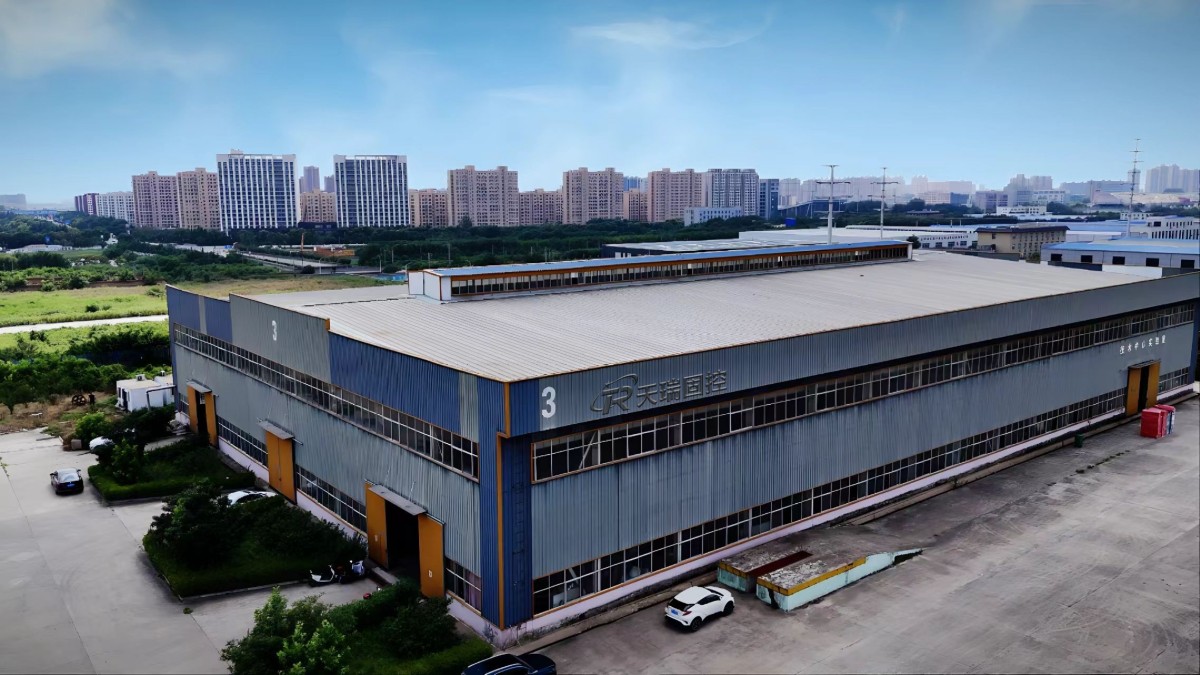
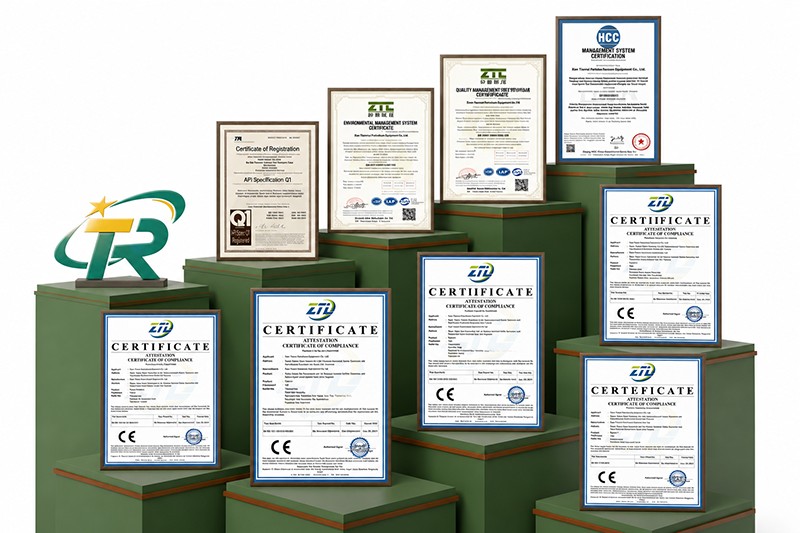
Established in 2010, TR Solids Control is a professional manufacturer specializing in drilling fluid solids control equipment and integrated solutions. We are dedicated to the design, manufacture, sales and services of solids control systems, following strict quality standards and providing reliable products, professional support and fast response for global customers.
During the past years, together with our experienced engineering team and strong supply chain partners, we have supported drilling contractors, oilfield service companies and industry partners across Middle East, Africa, Russia, South America, Southeast Asia and other regions, delivering efficient solids control solutions for various drilling operations.

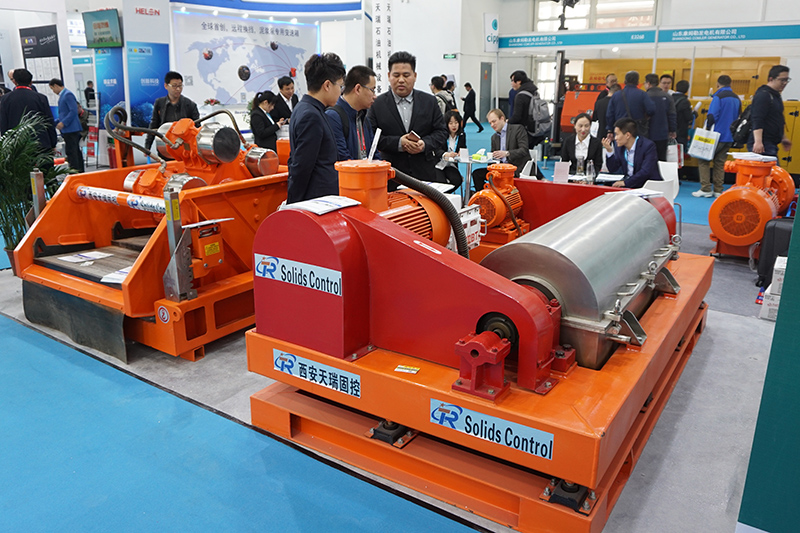
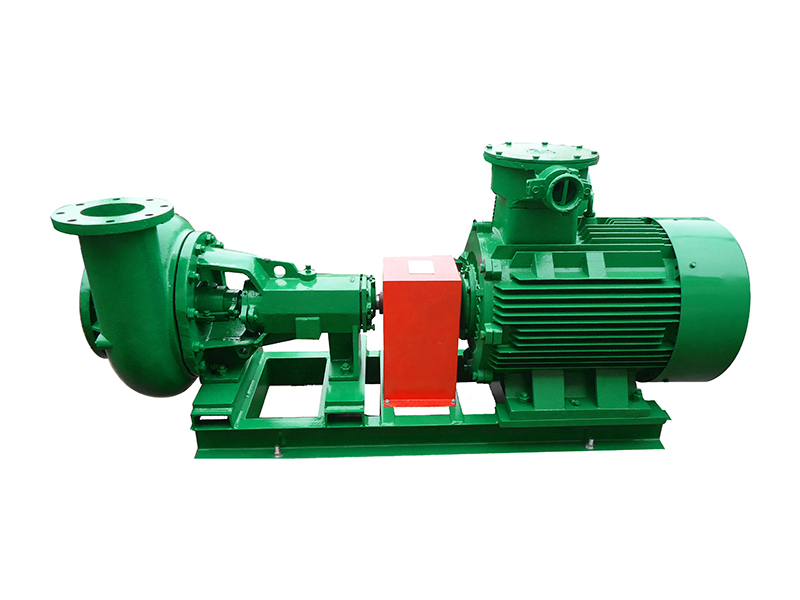
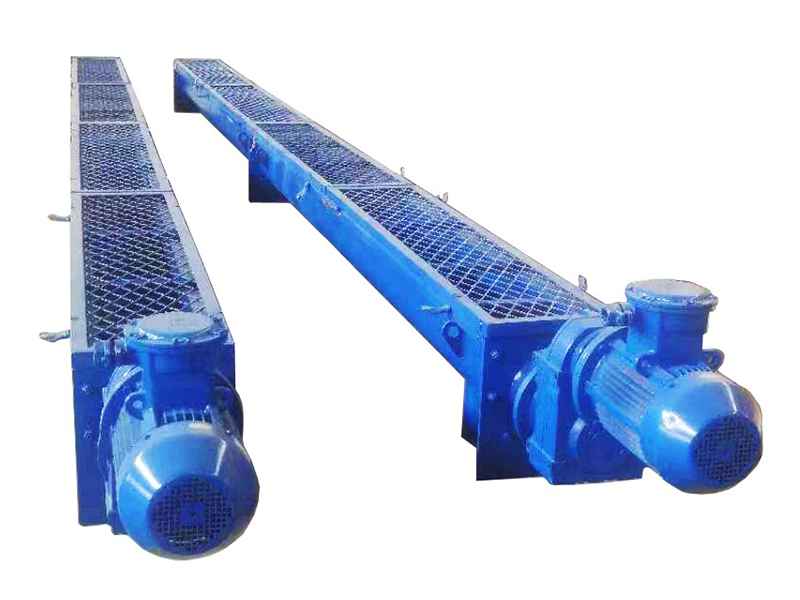
Explore our full line of solids control systems, sludge vacuum pumps, centrifugal feed pumps, screw conveyors, and waste treatment equipment for the North American energy market.
Key technical insights for rig managers, petroleum engineers, and procurement directors sourcing solids control equipment for US drilling assets.
API Spec 13C defines rigorous laboratory testing standards for shaker screen cut points (D100) and conductance. Utilizing API 13C compliant screens guarantees exact micron cut-offs, prevents misleading mesh ratings, protects downstream desanders and centrifuges, and ensures consistent fluid rheology across high-penetration shale intervals.
In active basins like the Delaware and Midland (Permian), base oil recovery systems (vertical cuttings dryers and high-speed centrifuges) typically achieve a full return on investment within 3 to 6 active drilling wells. By lowering oil-on-cuttings (OOC) from 15% to below 5%, operators save tens of thousands of dollars in synthetic base oil replacement and hazardous waste trucking disposal costs per well.
Yes. Our modular skid designs, standardized manifold connections, and North American electrical configurations (480V/60Hz, Class 1 Div 1 explosion-proof) are 100% compatible with walking rigs, box-on-box substructures, and compact urban pad drilling installations across the United States.