Leave Your Message
-
Phone
-
E-mail
-
Whatsapp
-
WeChat

Engineered for robust solid-liquid shearing, rapid tackifier blending, and continuous viscosity stabilization across industrial coating lines.
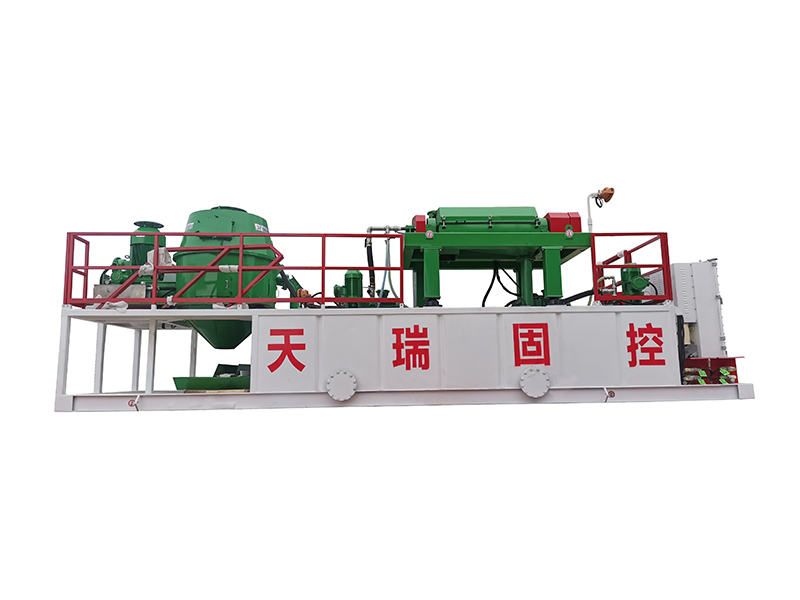
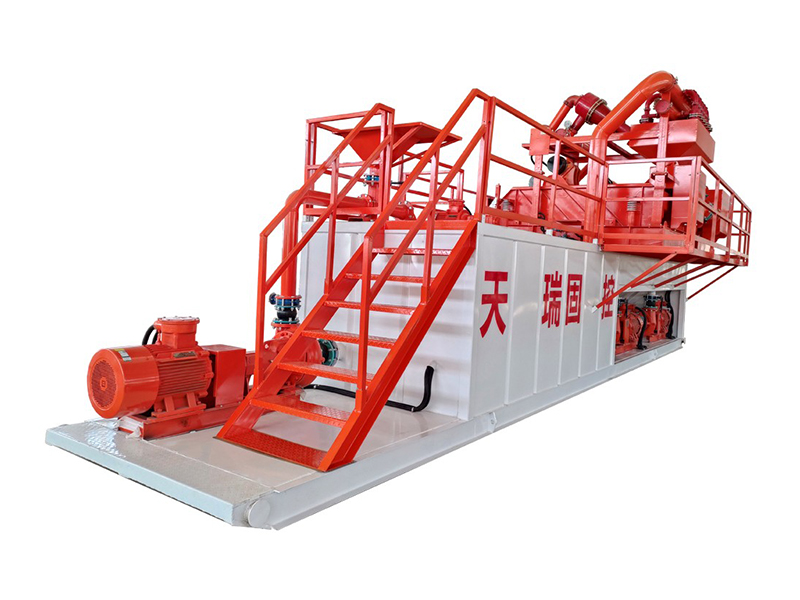
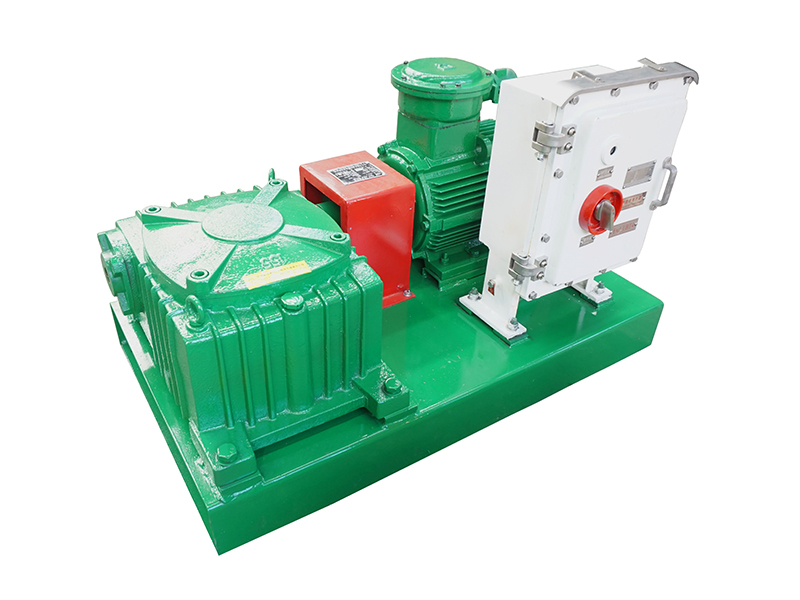
In modern industrial manufacturing, hot melt adhesive (HMA) coating and laminating processes represent the backbone of multi-layer material bonding, barrier packaging, automotive interior assembly, technical textiles, and non-woven hygiene product manufacturing. The urgent shift away from volatile organic compound (VOC) solvent-based adhesives toward 100% solid thermoplastic and reactive polyurethane (PUR) hot melts has escalated the demands on chemical mixing and fluid handling infrastructure. To achieve high peel strength, uniform coat weight, and optical transparency without pinholes or delamination, adhesive formulators must homogenize dense mineral fillers (such as calcium carbonate, talc, fumed silica, and titanium dioxide), tackifying resins, plasticizers, and elastomeric polymers under rigorous thermal and shear parameters.
Traditional low-shear batch reactor kettles and standard mechanical impellers frequently encounter significant bottlenecks when dealing with high-viscosity non-Newtonian hot melt fluids and abrasive inorganic slurry additives. Common problems include powder agglomeration ("fish-eyes"), thermal localized degradation, extended batch turnaround times, uneven filler settling, and persistent micro-bubble entrapment. Integrating a High Flow Jet Mud Mixer redefines the fluid preparation protocol. By harnessing extreme venturi-accelerated hydraulic shear, high-velocity jet nozzles, and synchronized powder induction funnels, industrial coating and laminating operations can achieve continuous, homogeneous, and bubble-free compound preparation at throughput capacities exceeding hundreds of gallons per minute.
Generates high negative differential pressure at the throat nozzle, drawing powders directly into the core liquid vortex to instantaneously eliminate lumps and dry agglomerates.
Engineered to handle dense polymer slurries, shear-thinning thixotropic liquids, and high-solid mineral charges without clogging or drop in hydraulic line pressure.
Submerged continuous jet shearing prevents erratic surface vortex air entrainment, drastically lowering bubble-induced pinholes on precision slot-die coating surfaces.
The core operating mechanism of a high flow jet mud mixer relies on the conversion of dynamic fluid pressure into kinetic velocity through a precision-machined convergent-divergent venturi nozzle. As the carrier liquid or pre-melted polymer vehicle is delivered via a centrifugal or positive displacement feed pump under pressures ranging from 0.3 to 0.6 MPa, it enters the specialized nozzle assembly. The sudden narrowing of cross-sectional area forces the fluid velocity to surge dramatically, generating a deep localized vacuum zone (Bernoulli principle) directly beneath the hopper intake.
When dry chemical modifiers, flame retardants, or tackifying powders are introduced into the hopper, they are instantly drawn into the ultra-turbulent shear zone rather than resting on the liquid surface. Within milliseconds, the solid particles collide with the high-speed liquid jets, breaking particle clusters down to the primary particle scale. The downstream diffuser cone gradually expands the conduit cross-section, decelerating fluid velocity while restoring static pressure, ensuring thorough molecular wetting and uniform distribution before the compound enters secondary surge tanks or directly feeds the continuous coating slot die.
To understand the quantitative operational advantages of deploying high flow jet fluid mixers within continuous laminating lines, consider the performance parameters detailed below:
| Evaluation Parameter | Conventional Batch Stirred Tank | High Flow Jet Mud Mixer System | Industrial Coating Impact |
|---|---|---|---|
| Powder Induction Velocity | 15 – 30 kg/min (Manual / Gradual) | 120 – 350+ kg/min (Continuous Jet Suction) | 80% reduction in pre-mix cycle time |
| Dispersive Shear Uniformity | Uneven shear distribution near impeller tips | 100% of fluid volume passes high-shear nozzle | Zero fish-eyes, uniform adhesive coat weight |
| Air Entrapment Risk | High (Surface vortex introduces micro-bubbles) | Extremely Low (Submerged hydraulic jet flow) | Eliminates pinhole defects on barrier films |
| Thermal Gradient Control | Localized hot spots near vessel walls | High continuous turnover prevents hot spots | Prevents premature cross-linking and polymer charring |
| High-Viscosity Capability | Stagnation zones with thixotropic fluids | Overcomes yield stress via jet kinetic energy | Handles heavy inorganic filler loads effortlessly |
The integration of high flow jet mud mixing systems is revolutionizing production lines across multiple mission-critical industries, delivering tangible cost savings and superior bond integrity:
Automotive headliners, trunk carpets, dashboard skin laminations, and sound-dampening NVH sheets utilize heavy-filled hot melt compounds packed with barium sulfate and calcium carbonate for sound attenuation. The high flow jet mixer ensures that high-density mineral fillers remain completely suspended without sedimenting at bottom pipe manifolds, preventing density discrepancies and weak adhesion zones across curved automotive composite parts.
In high-speed roll-to-roll web laminating machines running up to 600 meters per minute, any microscopic inconsistency in hot melt viscosity leads to streaking, uneven coating thickness, and optical haze. The jet mud mixer provides sub-micron level de-agglomeration of silica anti-blocking agents and antioxidant packages, providing crystal-clear adhesive bond lines with high oxygen and moisture barrier reliability.
Baby diapers, feminine hygiene products, surgical drapes, and wound dressings require skin-safe, breathable, and highly elastic adhesive bonding. The high flow jet mud mixer allows ultra-rapid integration of low-tack modifier resins and antimicrobial agents without introducing foreign particulates or entrapped air, guaranteeing soft hand-feel, dependable elasticity, and rapid production line speeds.
PUR hot melts used for moisture-curing exterior panel lamination and edge-banding require extremely tight control over reactive pre-polymers and chemical additives. High flow jet mixing enables rapid single-pass mixing of color pigments, UV stabilizers, and fire-retardant chemistry directly prior to extrusion, minimizing waste from premature curing during production stops.
The next frontier in hot melt adhesive coating and laminating lies in the convergence of high flow jet hydraulics with intelligent industrial IoT sensors. Modern jet mud mixing skids are increasingly outfitted with dynamic inline acoustic rheometers, laser particle sizing modules, and automated pressure feedback throttles. By feeding continuous viscosity and shear-rate data into algorithmic neural networks, the system can automatically modulate feed pump RPM and jet nozzle orifice geometry in real-time, compensating for batch variations in raw resin grades and maintaining constant target rheology under shifting factory ambient temperatures.
Established in 2010, TR Solids Control is a professional manufacturer specializing in drilling fluid solids control equipment, continuous high-shear jet mixing units, and integrated industrial fluid solutions. We are dedicated to the design, manufacture, sales, and services of solids control systems, following strict quality standards and providing reliable products, professional support, and fast response for global customers.
During the past years, together with our experienced engineering team and strong supply chain partners, we have supported drilling contractors, industrial coating operators, oilfield service companies, and industry partners across Middle East, Africa, Russia, South America, Southeast Asia, and other regions, delivering efficient solids control and fluid mixing solutions for diverse global operations.
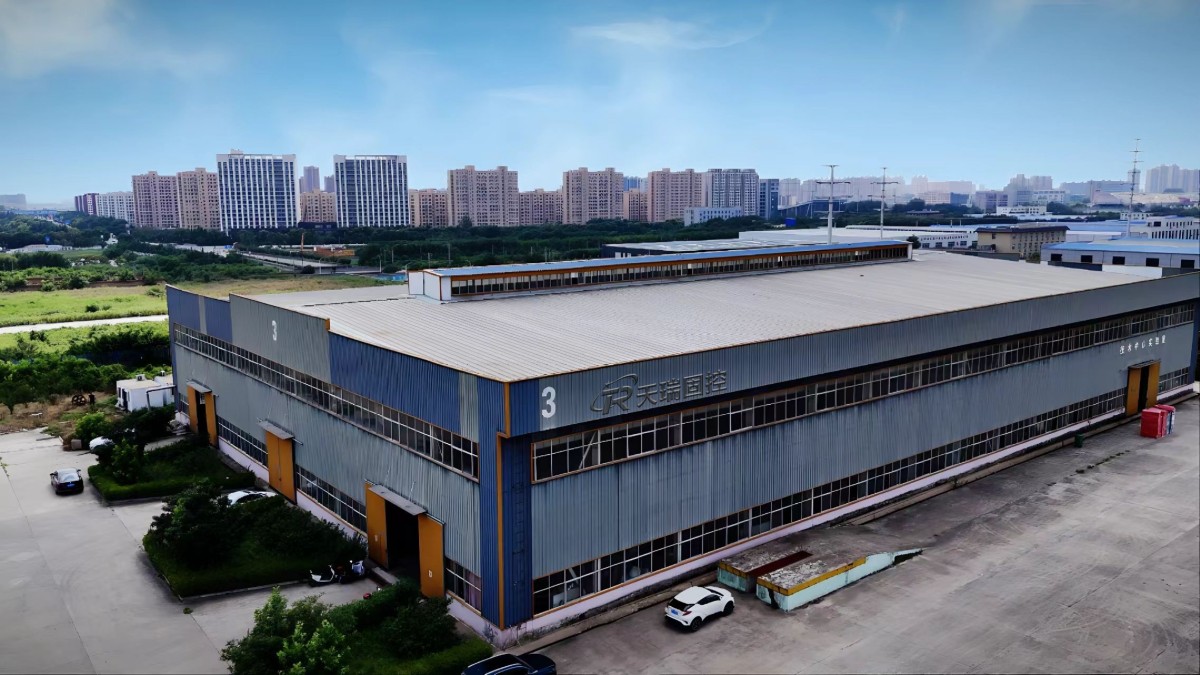

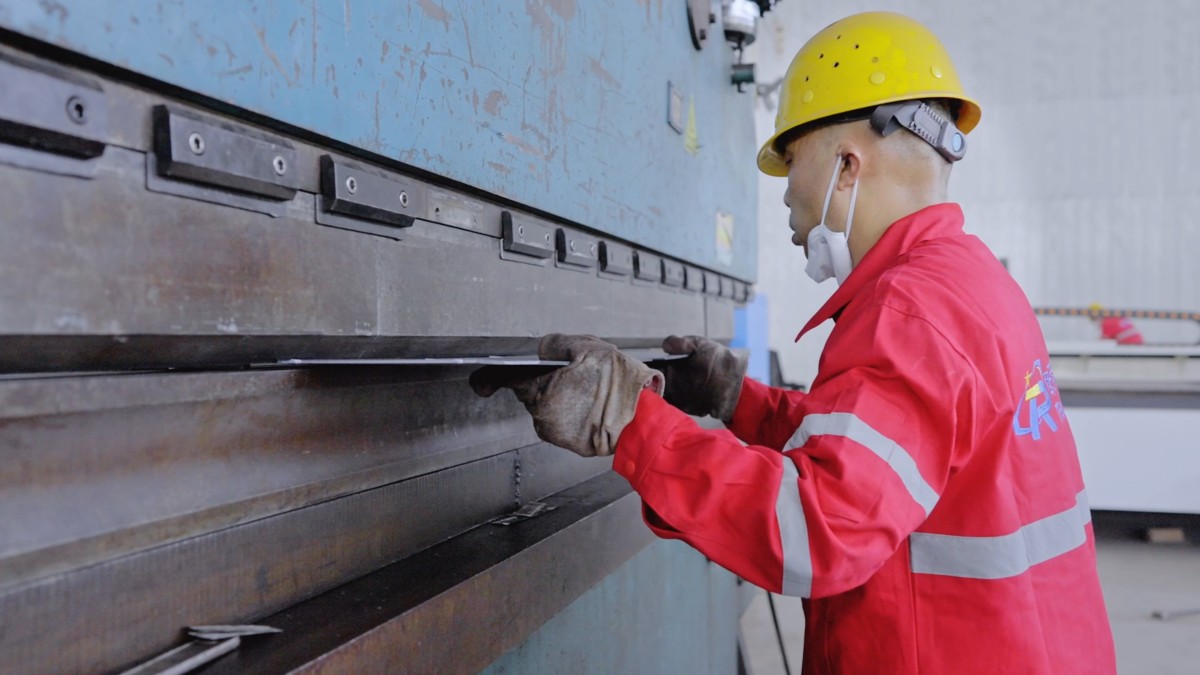
Modern Manufacturing Facilities Supporting Reliable Solids Control Equipment & Jet Mud Mixer Production
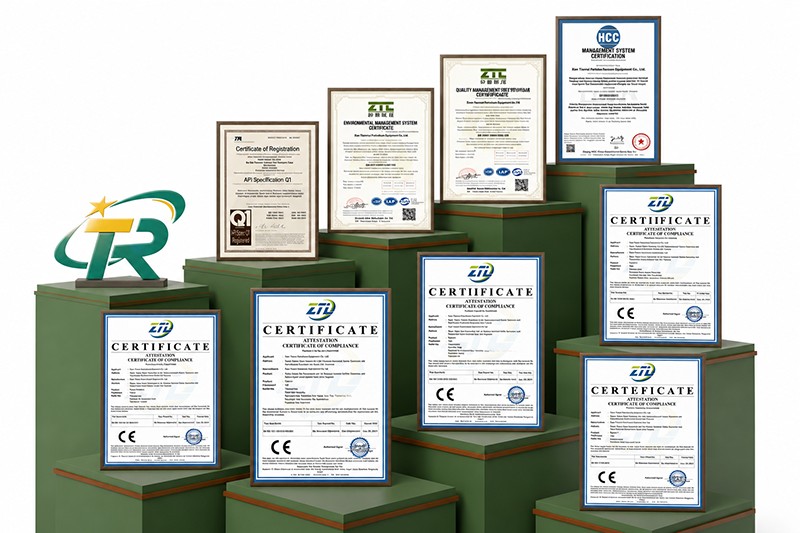
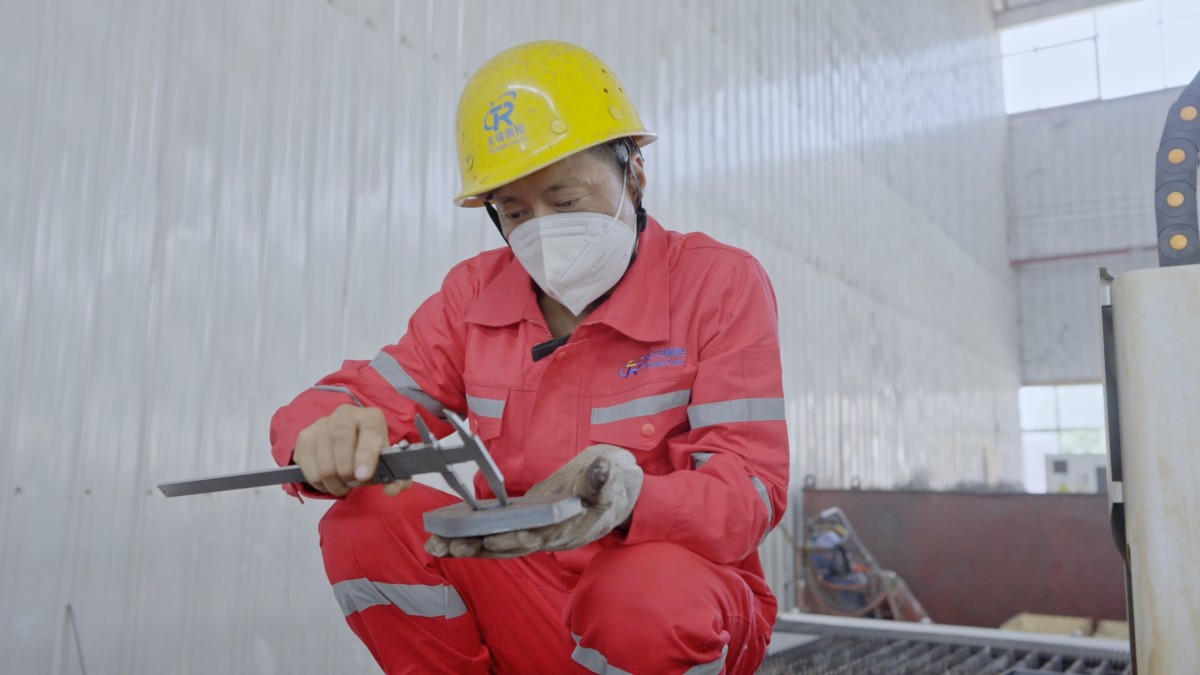
Strict Quality Management Systems Ensuring Product Reliability and International Standards Compliance
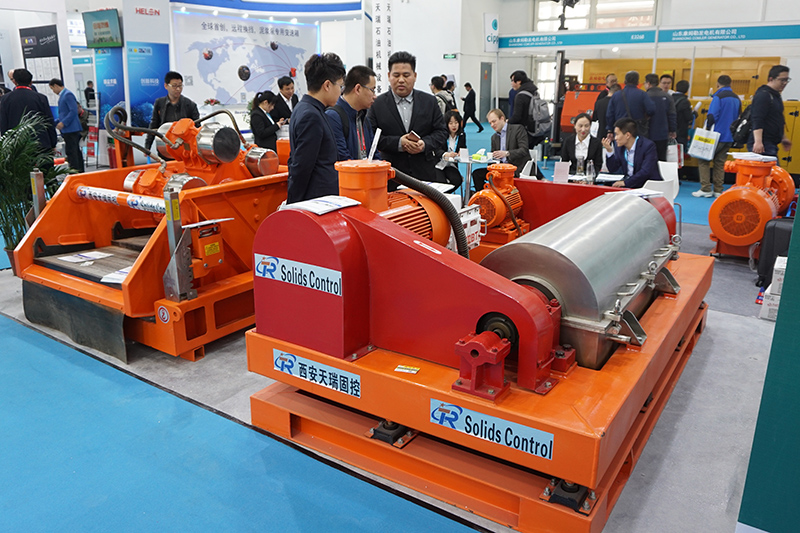
Worldwide Technical Showcases Demonstrating Advanced Fluid Separation and Continuous Mixing Innovations
Our jet mud mixers are configured with replaceable tungsten carbide or ceramic venturi nozzles and high-hardness alloy liners, ensuring long-term erosion resistance even when continuously shearing heavy abrasives like titanium dioxide and silica.
Yes. The high flow velocity ensures that the residence time of material within the peak shear zone is measured in milliseconds, preventing thermal accumulation, hot spots, or premature cross-linking commonly encountered in stationary heated kettles.
When paired with high-head centrifugal or progressive cavity feed pumps, the system smoothly handles non-Newtonian shear-thinning adhesives and slurries spanning from low-viscosity fluids (100 cP) up to viscous pastes exceeding 50,000 cP.
The streamlined hydraulic interior contains zero dead zones or mechanical seal pockets. Automated Clean-in-Place (CIP) flush cycles can completely cleanse the venturi core in minutes, drastically reducing changeover scrap and downtime.
Explore our full range of heavy-duty, high-flow mixing, fluid recycling, and solids control machinery built to international engineering standards.