Leave Your Message
-
Phone
-
E-mail
-
Whatsapp
-
WeChat

Engineered for ultra-fine solid-liquid separation, high-viscosity slurry handling, and closed-circuit chemical recovery in high-grade industrial applications.
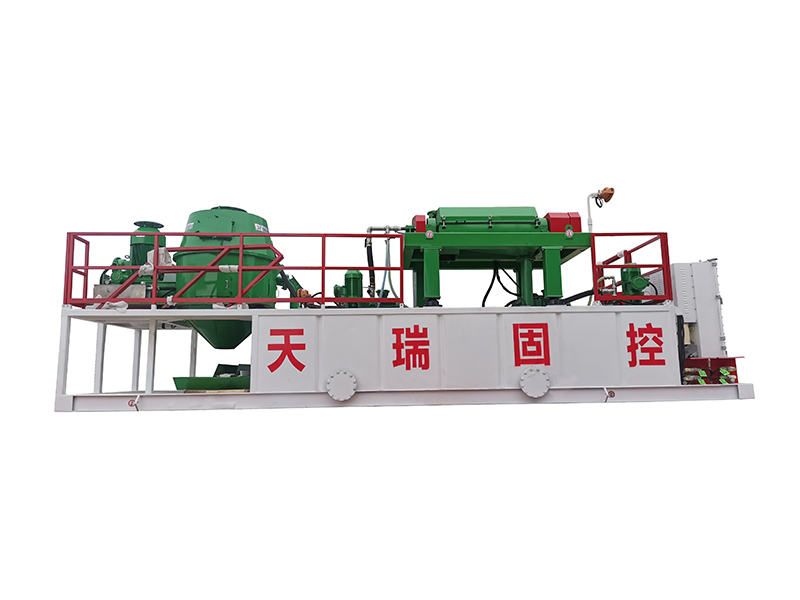
In the contemporary manufacturing of high-end optical films (polarizing films, anti-reflective coatings, brightness enhancement films for OLED/LCD) and precision electronic substrates, machining processes such as diamond core drilling, precision glass edging, and substrate planarization generate high-density slurry and chemical sludge. These waste streams contain ultra-fine micro-abrasives, polymer carriers, organic solvents, and rare ceramic oxides.
Deploying an advanced Drilling Sludge Treatment System within precision coating and optical fabrication lines represents a vital commercial and technical pivot. Modern facilities no longer view sludge as mere hazardous waste, but as an recoverable resource. Implementing closed-loop separation allows global manufacturers to slash raw material expenditure, recover valuable solvents, avoid stringent environmental disposal penalties, and guarantee steady process consistency.
Micro-contaminants larger than 5 microns in recycled grinding fluids can induce fatal surface striations and pinhole defects during optical roll-to-roll coating. A dedicated multi-stage solids control system maintains liquid purity down to sub-micron thresholds, directly boosting production yield rates across high-speed optical coating lines.
Solving complex solids control challenges in precision electronics through modular, high-G-force mechanical separation combined with hydrocyclonic classification.
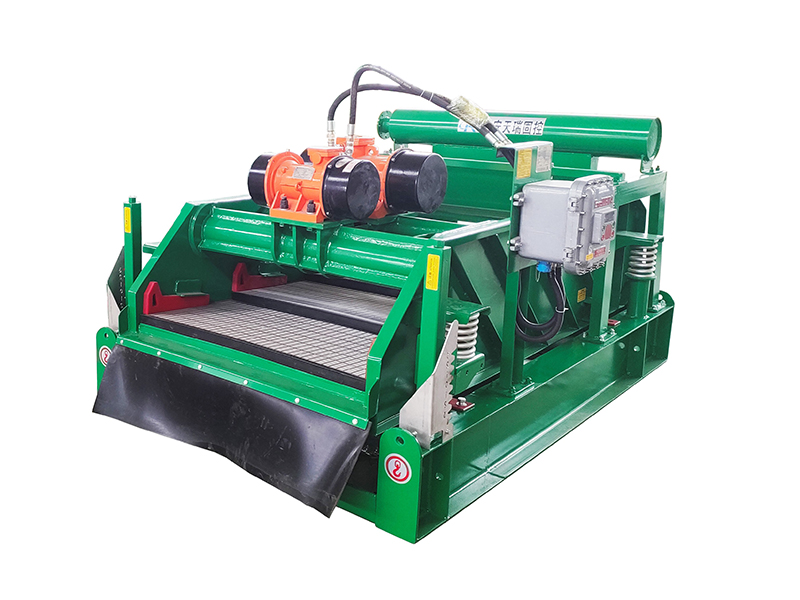
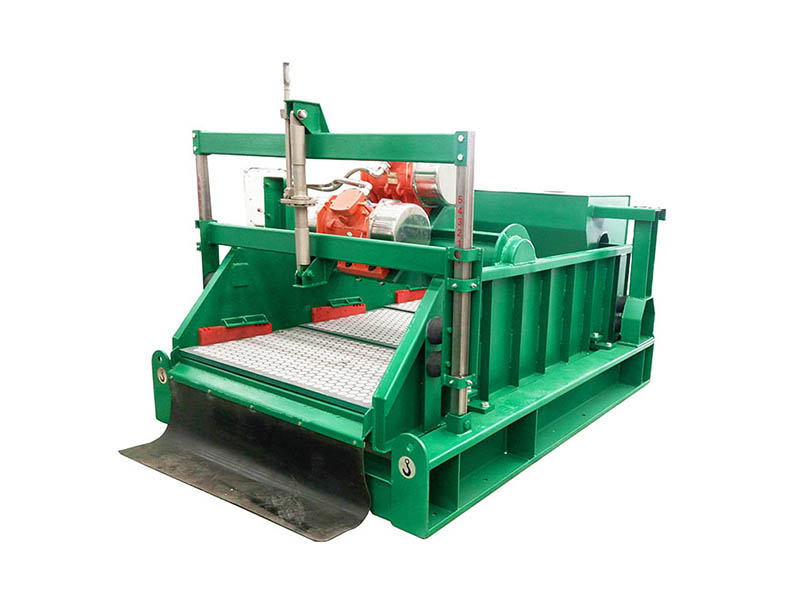
Balanced elliptical and linear motion shale shakers isolate bulk abrasive cuttings and polymer crusts (75 µm to 2 mm) without blinding the micro-mesh screens, ensuring low moisture content in discharged cake.
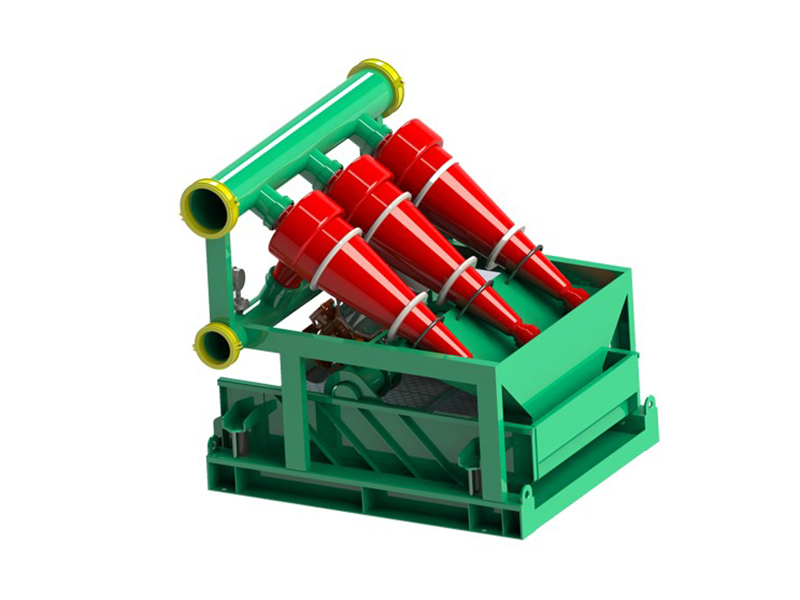
Customized polyurethane desanders and desilters process high-viscosity carrier fluids, stripping abrasive silts and micro-fines in the 15–75 µm zone while preserving fluid chemistry and chemical additives.
Operating at G-forces exceeding 3000G, decanter centrifuges clarify ultra-fine colloidal suspensions (
How our solids control systems integrate directly into high-precision cleanroom facilities and industrial coating operations.
CNC ultrasonic core drilling and beveling of sapphire, Gorilla glass, and quartz substrates consume vast volumes of coolant laced with diamond dust and micro glass silts. The TR Solids Control system performs continuous, in-line solid removal, preventing diamond bit glazing, reducing coolant replacement frequency by up to 85%, and delivering completely dry solid cake ready for non-hazardous recycling.
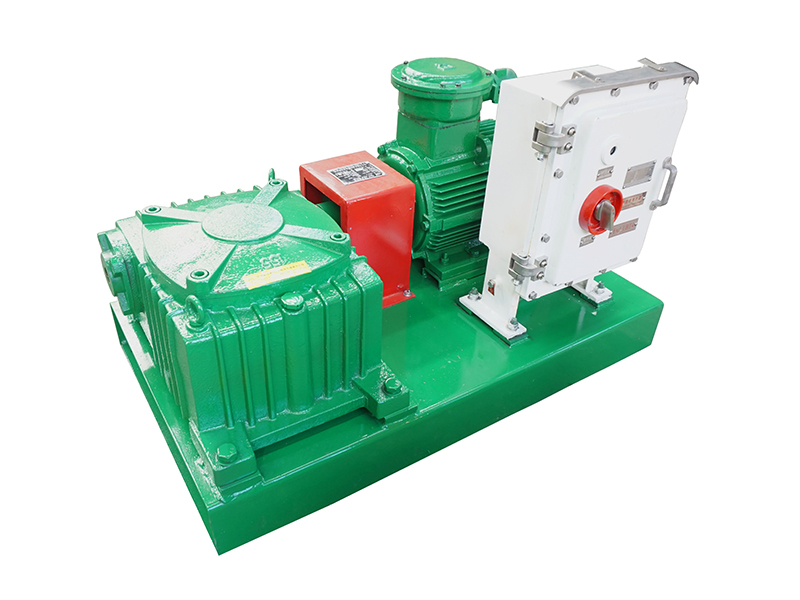
In flexible functional film manufacturing (PET, TAC, COP barrier films), excess slurry containing silica, titanium dioxide, and acrylate polymers is discharged during slot-die washdowns. Our vacuum transfer pumps and customized mud agitators keep the fluid in continuous uniform suspension before centrifugation, maximizing solvent recovery while eliminating volatile organic compound (VOC) emissions.
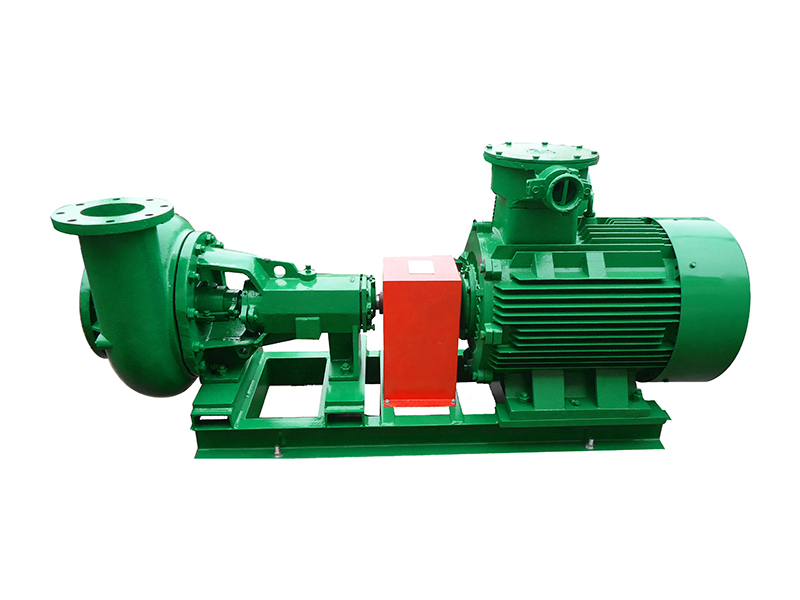
Alumina (Al2O3) and Silicon Nitride (Si3N4) drilling in power semiconductor modules generates abrasive slurries with acute abrasive characteristics. Standard pumps fail within weeks; our robust centrifugal pumps and heavy-duty solids control equipment deliver sustained abrasion resistance, maintaining stable hydraulic pressure throughout 24/7 automated continuous operation.
Modern microelectronic fabs must comply with strict Zero Liquid Discharge regulations. By integrating balanced elliptical shakers, desanders, and sludge vacuum pumps into a unified dewatering skid, facilities achieve a closed-loop water/solvent recovery cycle with virtually zero wastewater discharge to municipal treatment channels.
Comparative operational parameters of TR solids control modules applied in optical and precision electronic slurry circuits.
| Equipment Module | Separation Cut-Point (D50) | Max Processing Capacity | Primary Industrial Role | Material Construction |
|---|---|---|---|---|
| Balanced Elliptical Shale Shaker | ≥ 74 µm (200 Mesh) | 120 – 240 m³/h | Bulk abrasive cutting & flake extraction | SS304 / SS316 Screen Deck, Q345B Frame |
| Hydrocyclonic Desander Unit | 40 – 75 µm | 150 – 300 m³/h | Intermediate micro-grit classification | 100% Polyurethane Hydrocyclones |
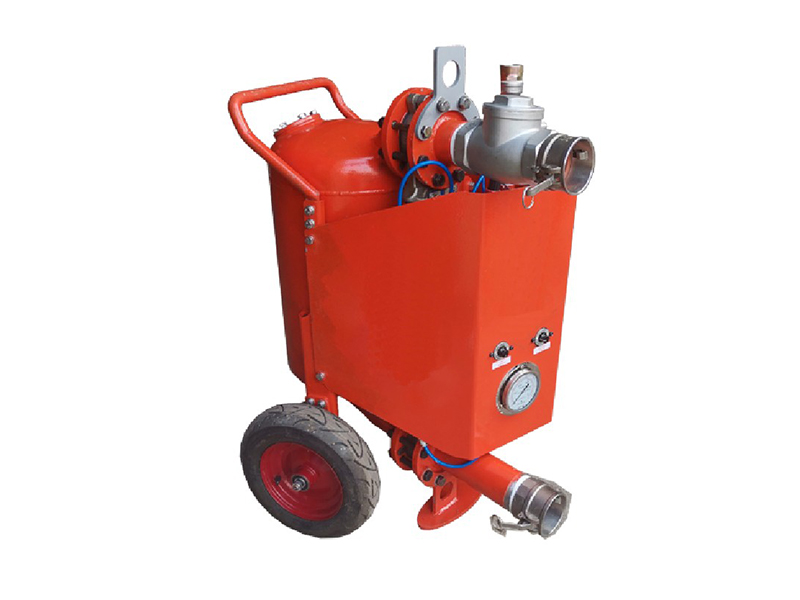
| Sludge Vacuum Transfer Pump | 100% Sludge & Slurry Handling | 20 – 40 m³/h | Explosion-proof hazardous slurry suction | Anti-corrosion Alloy & Tungsten Carbide |
| Solid-Liquid Mud Agitator | Homogeneous Fluid Dispersion | Custom Tank Matched | Prevent particulate settling in holding tanks | Helical-Bevel Gearbox with SS Impellers |
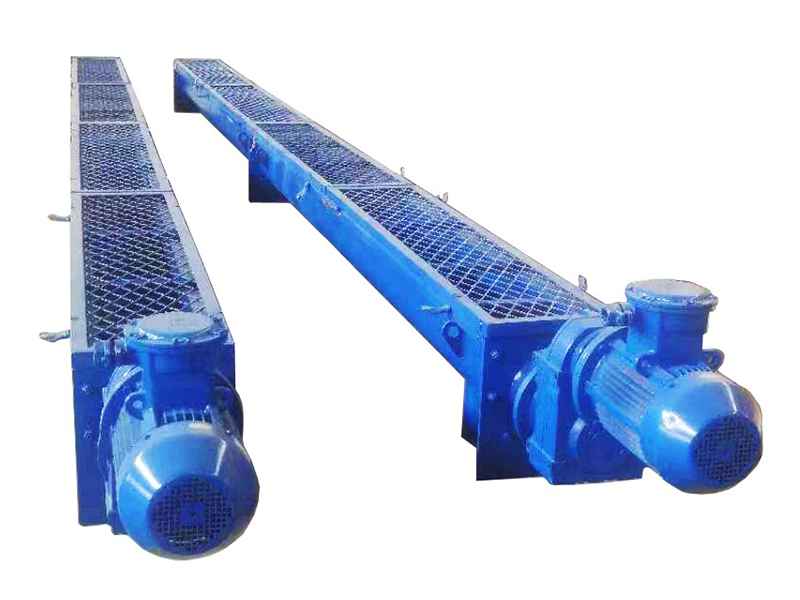
| Industrial Screw Conveyor | Continuous Cake Transport | 15 – 30 m³/h | Dry solid discharge transfer to disposal silo | Manganese Wear-Resistant Flighting |
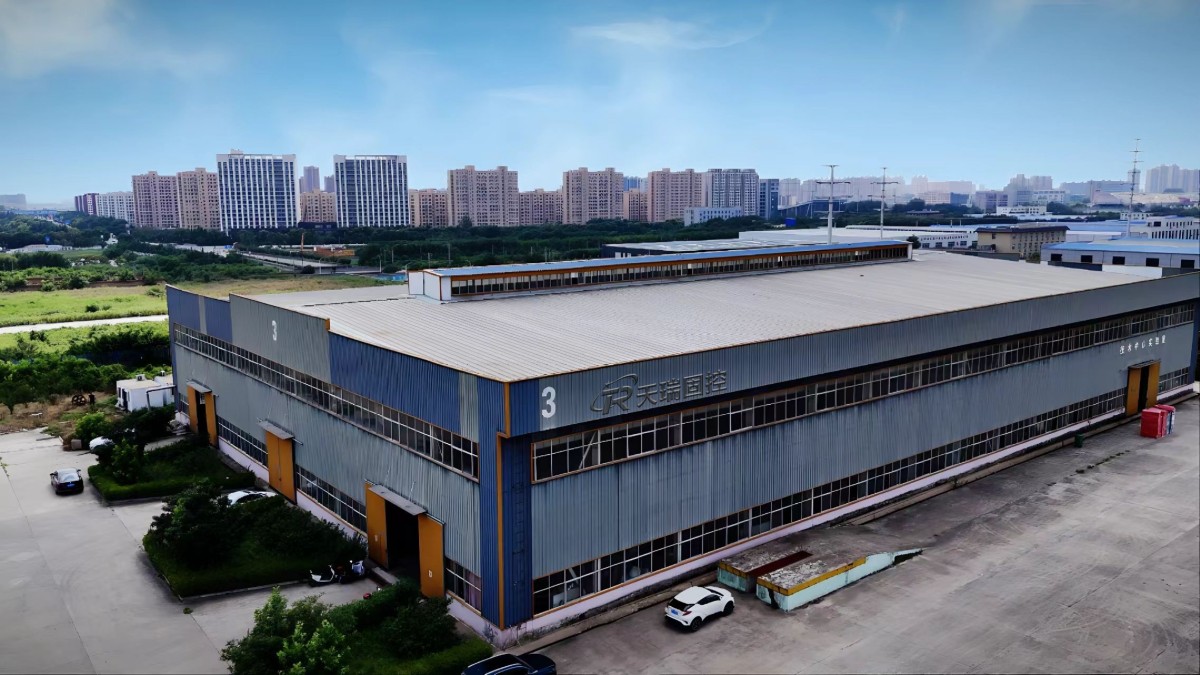
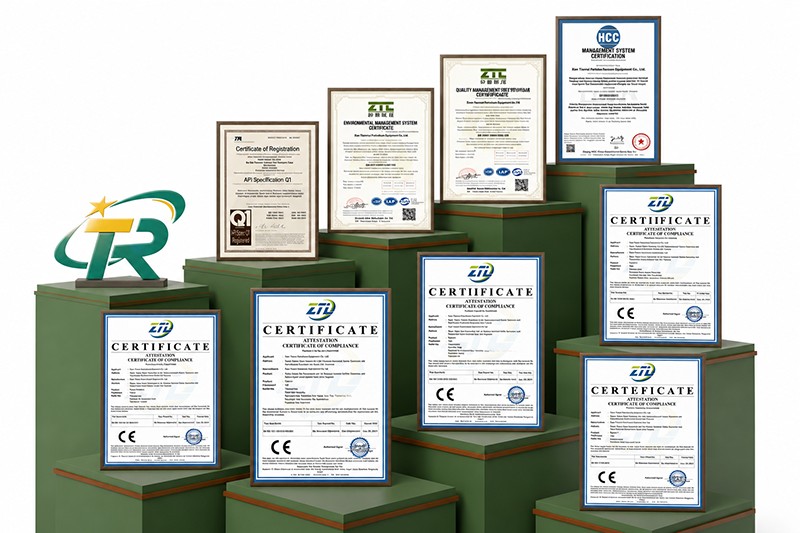
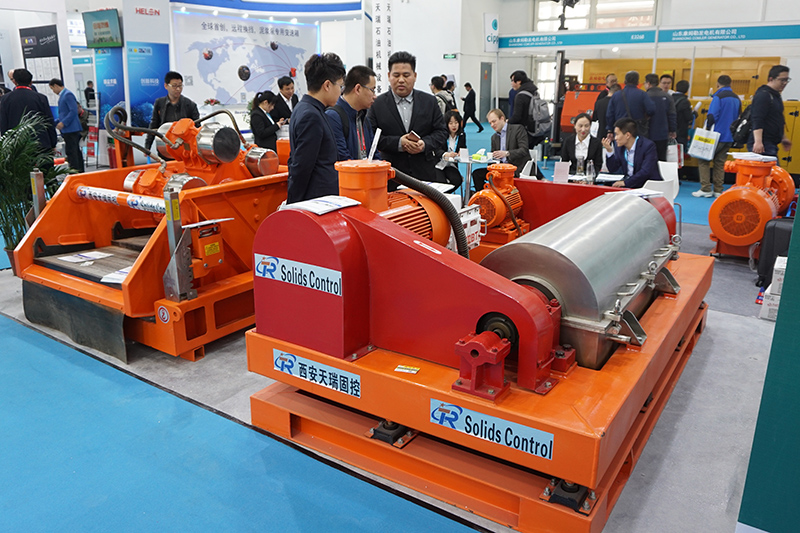
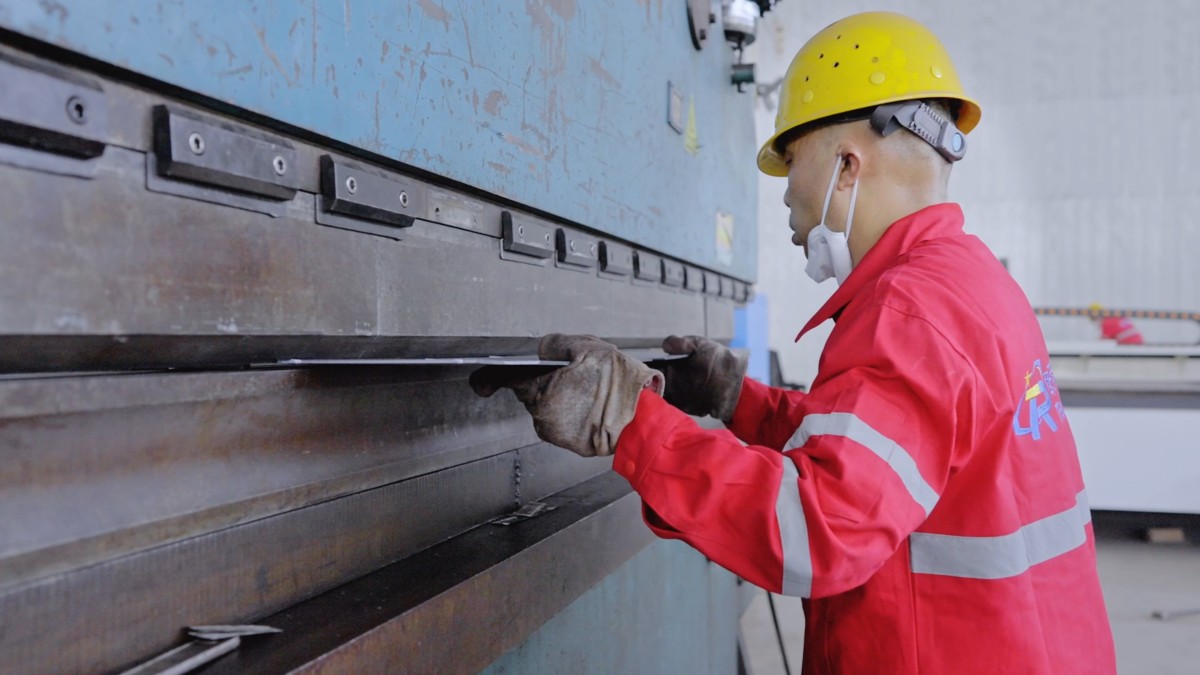
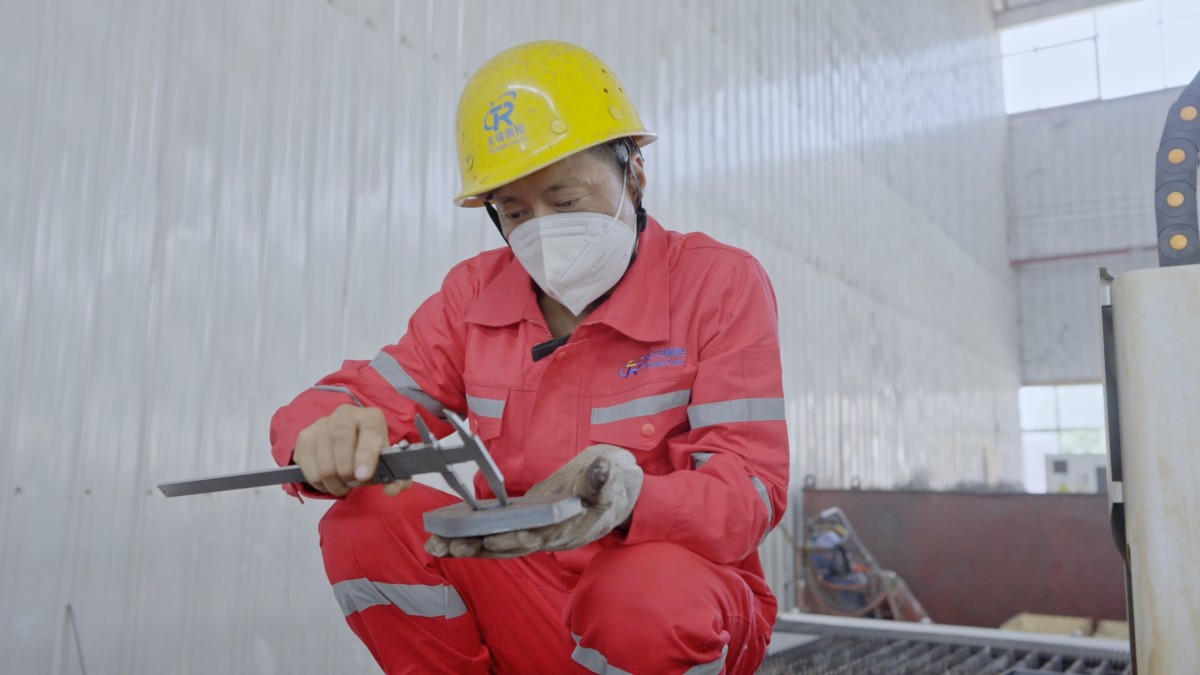
Established in 2010, TR Solids Control is a professional manufacturer specializing in drilling fluid solids control equipment and integrated solutions. We are dedicated to the design, manufacture, sales and services of solids control systems, following strict quality standards and providing reliable products, professional support and fast response for global customers.
During the past years, together with our experienced engineering team and strong supply chain partners, we have supported drilling contractors, oilfield service companies and industry partners across Middle East, Africa, Russia, South America, Southeast Asia and other regions, delivering efficient solids control solutions for various drilling operations.
Pioneering smart sensing, automated density feedback loops, and resource circularity in high-tech material processing.
Modern systems are integrating IoT telemetry to monitor slurry density and viscosity in real time. Variable-frequency drives (VFD) automatically tune shale shaker vibration angles and centrifuge RPM to optimize separation efficiency without manual operator intervention.
As optical films transition to sub-nanometer coatings, sludge treatment systems employ flocculation kinetics and micro-cyclone arrays to capture nanoparticles down to 0.5 µm, eliminating residual haze and turbidity in recovered processing fluids.
By segregating high-purity glass silts and rare abrasive minerals (such as Cerium Oxide) from the carrier effluent, electronic manufacturing fabs achieve circular economic loops, reselling or reusing high-grade abrasives directly in primary grinding cycles.
Full portfolio of industrial-grade shale shakers, desanders, pumps, conveyors, and complete waste management solutions.
Clear answers regarding equipment sizing, solvent compatibility, maintenance schedules, and performance ROI.