Leave Your Message
-
Phone
-
E-mail
-
Whatsapp
-
WeChat

Integrated oilfield machinery engineered to maintain peak drilling fluid rheology, optimize solid-liquid separation, and support closed-loop mud cooling across American drilling basins.
Across the United States, exploration and production (E&P) operators in prolific shale plays such as the Permian Basin (Delaware and Midland sub-basins), the Haynesville Shale, the Eagle Ford, and deep-shelf Gulf of Mexico offshore fields are routinely drilling deeper, hotter, and longer lateral sections. With bottom-hole temperatures (BHT) consistently exceeding 300°F to 450°F (150°C to 230°C), thermal degradation of drilling fluids has emerged as a paramount challenge for drilling engineers, rig contractors, and mud service companies alike.
Uncontrolled bottom-hole heat transmits directly into the returning drilling fluid. Without heavy-duty drilling mud cooling systems (mud coolers), the surface mud pit temperatures can skyrocket above 160°F to 190°F (70°C to 88°C). Operating at such elevated thermal thresholds triggers rapid polymer degradation in water-based muds (WBM), barite sag, severe viscosity drops, emulsion instability in synthetic/oil-based muds (OBM), premature failure of elastomer seals on blow-out preventers (BOPs), and catastrophic electronic burnouts in costly downhole Measurement-While-Drilling (MWD) and Logging-While-Drilling (LWD) tool strings.
Lowering returning drilling mud temperatures by 30°F to 60°F dramatically reduces heat fatigue on downhole directional telemetry sensors, avoiding expensive rig downtime and unbudgeted tripping operations.
Preventing thermal breakdown of chemical viscosifiers, fluid-loss additives, and emulsifiers. Stabilized yield point and gel strength eliminate barite sag and minimize expensive daily chemical mud reconditioning.
Cooling active mud tanks mitigates toxic vapor emissions, hot mud splash hazards on the rig floor and shale shaker decks, and controls dangerous volatile hydrocarbon gas flashes around shaker screens.
A high-performance mud cooling system acts as an indispensable heat extraction bridge between the active solids control system and downhole circulation loops. Depending on regional ambient conditions across Texas, New Mexico, North Dakota, or Nevada, our cooling systems leverage dual modular configurations:
In arid or semi-arid US drilling sectors (such as the Permian Basin and Nevada Geothermal corridors), open and semi-closed evaporative cooling towers deliver exceptional thermal efficiency. Mud is pumped into high-efficiency non-clog distribution manifolds and sprayed across proprietary fouling-resistant polypropylene structured fill packs. Induced-draft axial fans blow ambient air counter-currently against the cascading fluid droplets. Through latent heat evaporation, heat is transferred directly into the exhaust air stream, dropping drilling mud temperatures by 20°F to 45°F (11°C to 25°C) in a single continuous cycle without degrading mud density or solids distribution.
For environmentally sensitive operations, high-salinity brine systems, or heavy Oil-Based Mud (OBM) formulations in high-humidity zones like coastal Louisiana or offshore Gulf of Mexico, our closed-loop mud chillers utilize heavy-gauge titanium or 316L stainless steel wide-gap plate heat exchangers. The drilling mud flows through dedicated, smooth channels isolated from the external cooling water circuit or mechanical refrigeration loop. This eliminates mud contamination, prevents ambient VOC gas evaporation, and conforms to stringent zero-discharge environmental regulations.
The US Department of Energy's rapid expansion of geothermal energy projects across Utah (FORGE), California (The Geysers, Salton Sea), and Nevada has driven drilling depths into crystalline granite rock exceeding 500°F (260°C). Conventional mud systems boil at the surface, destroying pump seals and drill bit bearings within hours.
Our heavy-duty geothermal mud cooling units utilize explosion-proof, skid-mounted multi-stage evaporative exchangers with automated PLC thermal sensors. Real-time temperature feedback loops automatically adjust fan speeds and fluid bypass valves, maintaining steady 115°F (46°C) inlet temperatures to the mud pump suction line, extending bit life by up to 280%.
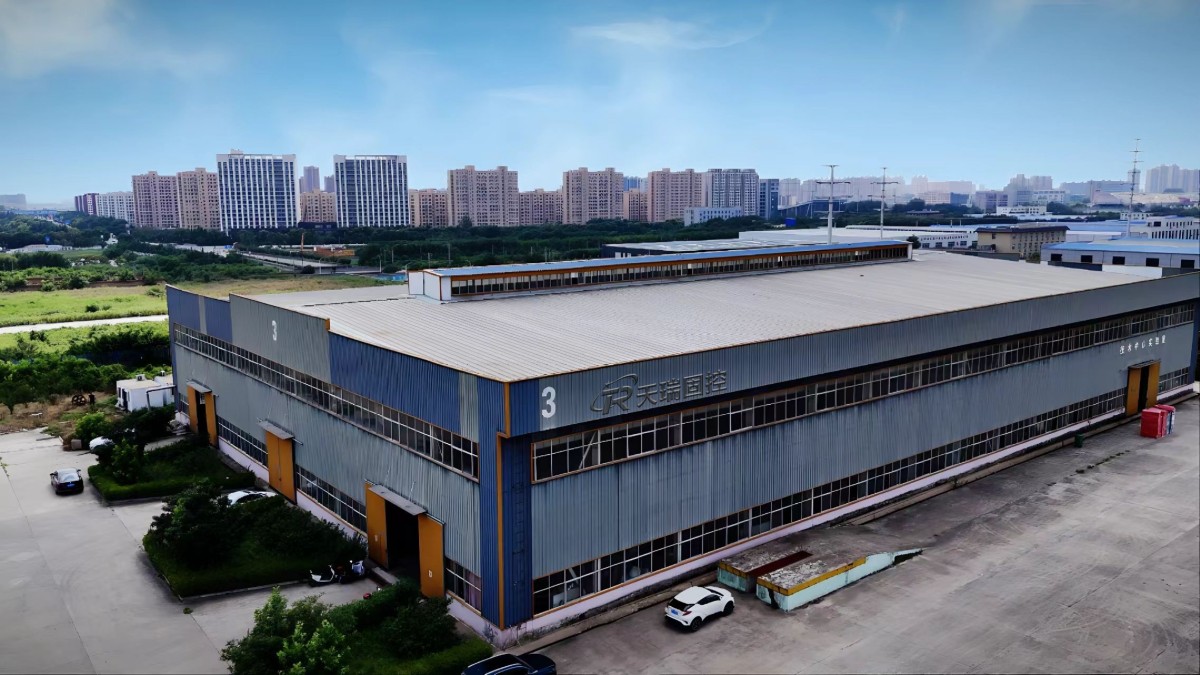
Established in 2010, TR Solids Control is a professional manufacturer specializing in drilling fluid solids control equipment and integrated solutions. We are dedicated to the design, manufacture, sales and services of solids control systems, following strict quality standards and providing reliable products, professional support and fast response for global customers.
During the past years, together with our experienced engineering team and strong supply chain partners, we have supported drilling contractors, oilfield service companies and industry partners across Middle East, Africa, Russia, South America, Southeast Asia and other regions, delivering efficient solids control solutions for various drilling operations.
For the North American energy market, our systems are engineered to satisfy demanding API Q1 specifications, ASME pressure vessel codes, and OSHA electrical standards, ensuring continuous 24/7 high-volume cooling and solids control performance under extreme ambient temperatures from winter in the Bakken to summer in the West Texas desert.

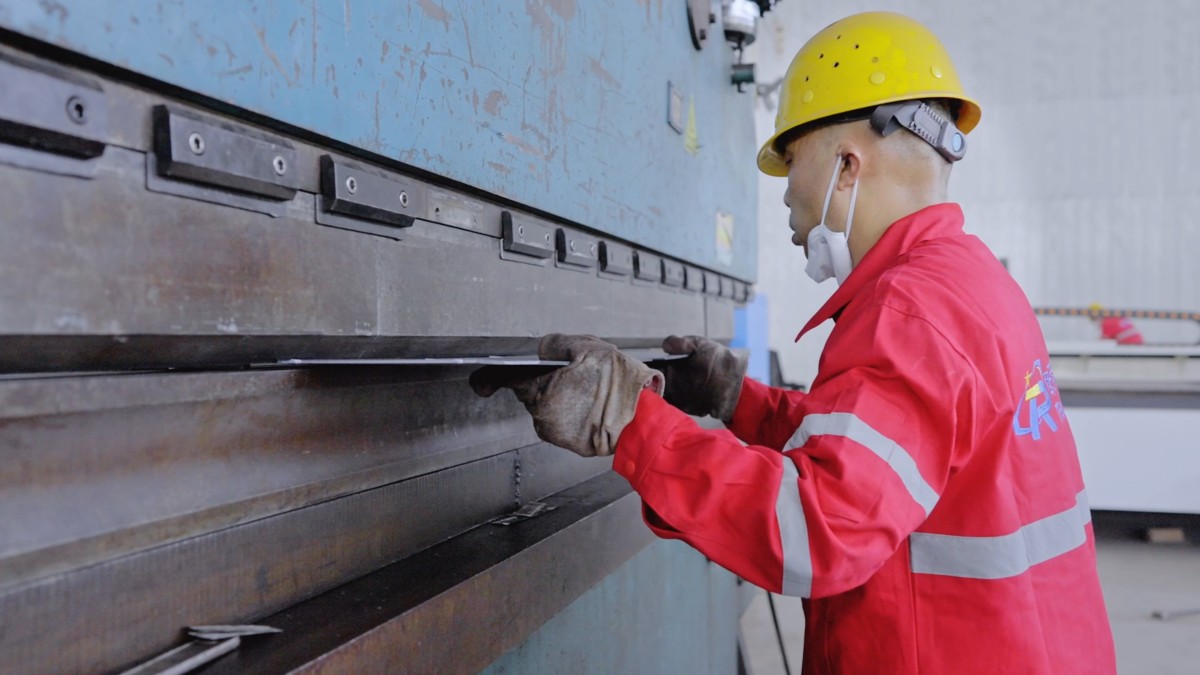
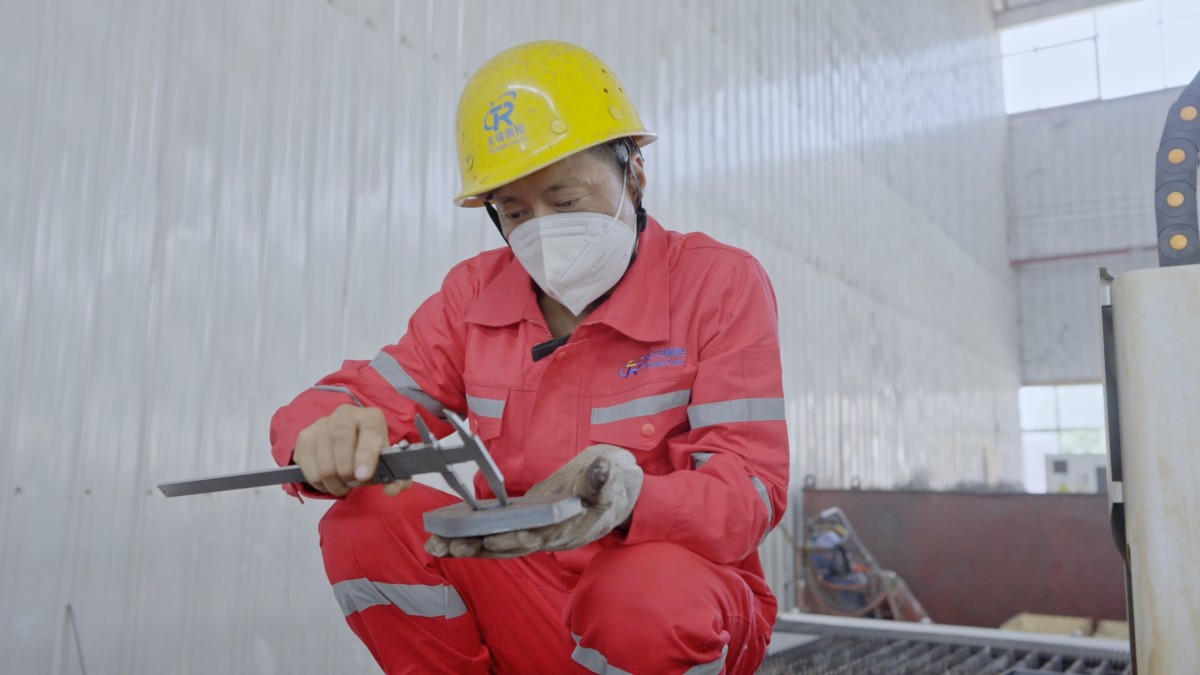
Modern Manufacturing Facilities Supporting Reliable Solids Control Equipment Production and customized skid engineering.
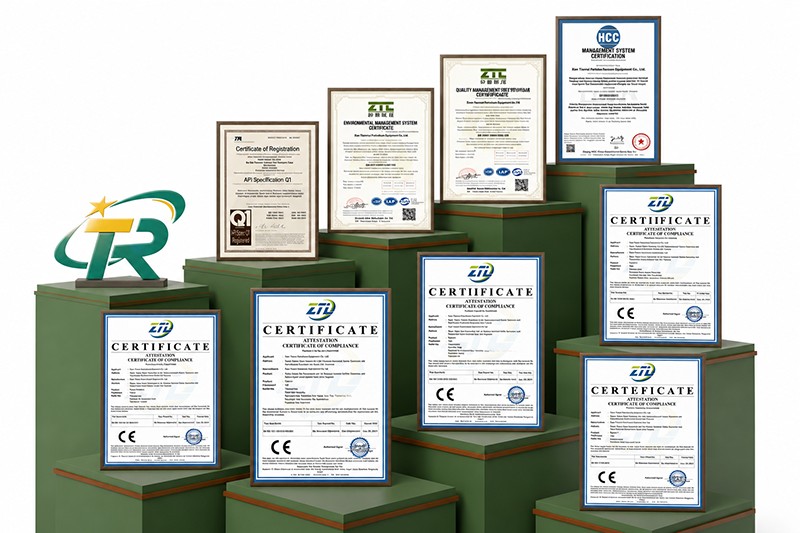
Strict Quality Management Systems Ensuring Product Reliability, ISO 9001/14001, and International Standards Compliance.
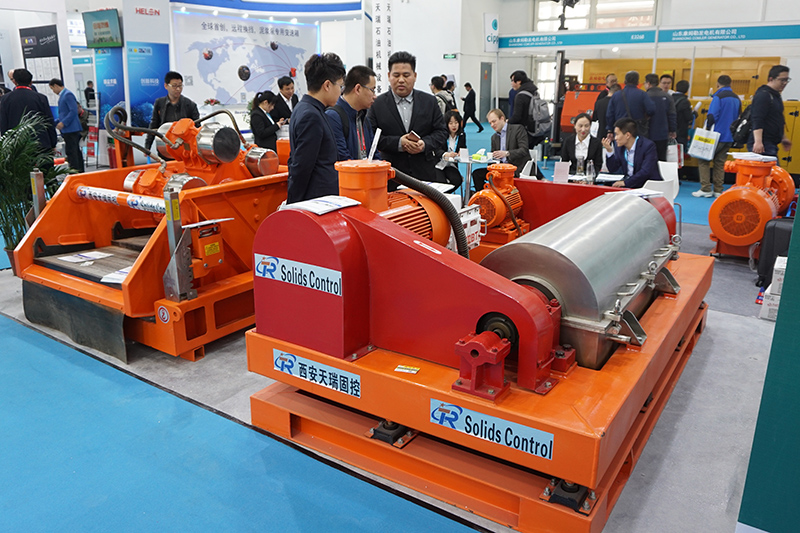
Active participation in premier oilfield expos (OTC Houston, ADIPEC) serving tier-one operators worldwide.
A drilling mud cooling system does not operate in isolation; it works in continuous synchronization with the complete solids control line. Proper installation positioning is vital to prevent abrasive drill solids from eroding the heat exchanger matrix and to maximize heat rejection efficiency:
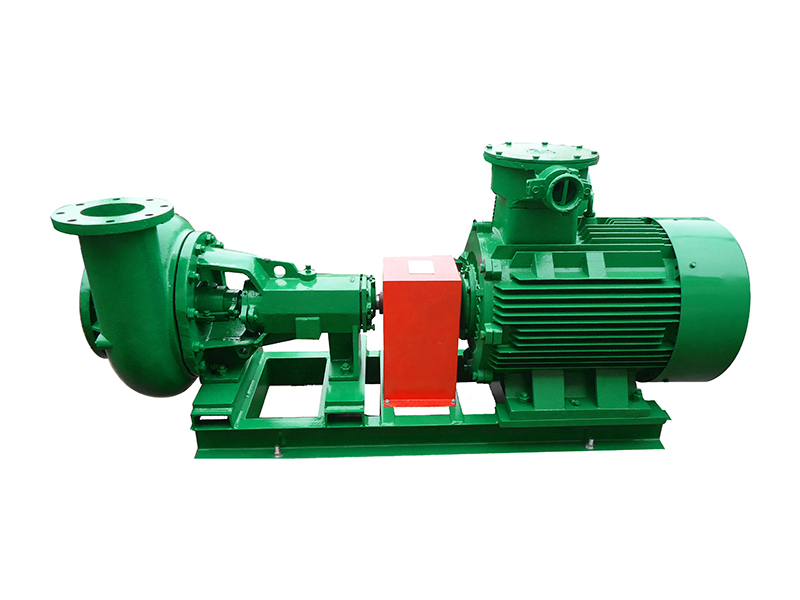
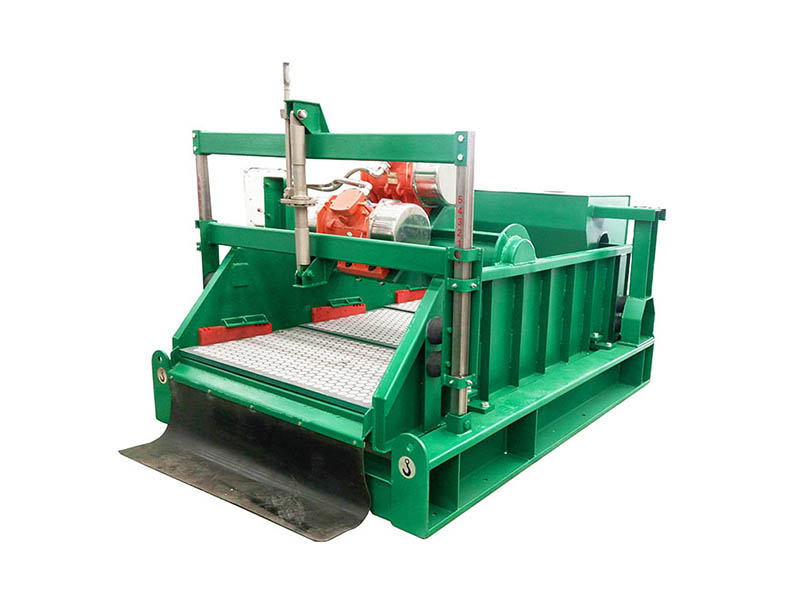
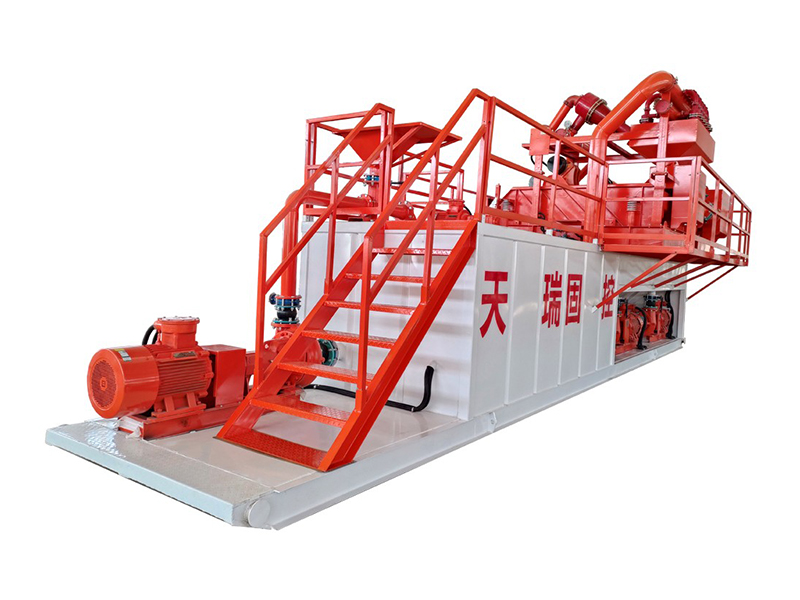
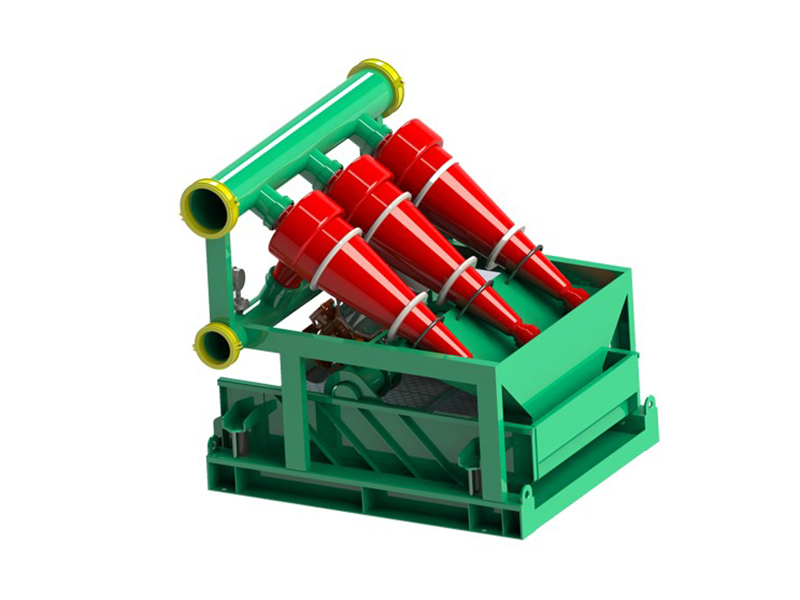
Explore our comprehensive lineup of drilling fluid processing equipment, heavy-duty shale shakers, desanders, mud agitators, and waste recycling packages.