Leave Your Message
-
Phone
-
E-mail
-
Whatsapp
-
WeChat

Engineered for dynamic viscosity control, micro-particle separation, and precision thermodynamic stability across extreme continuous operations.
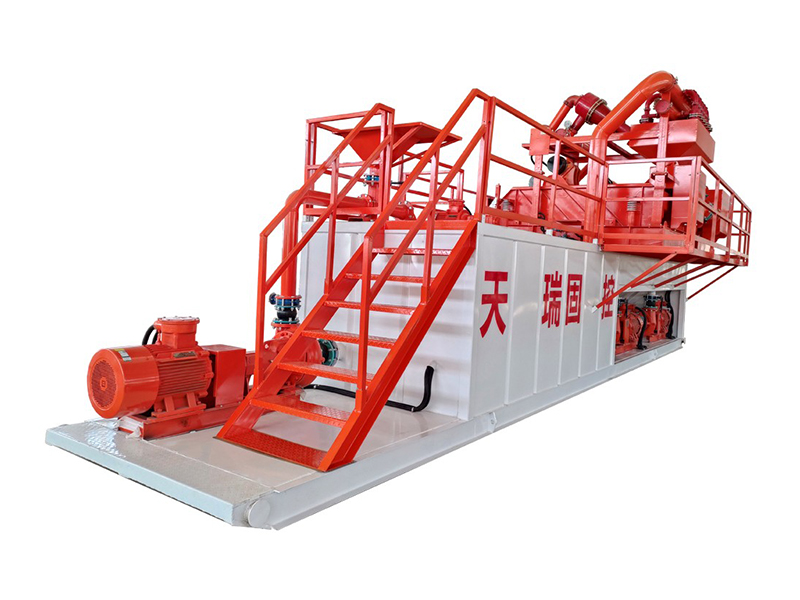
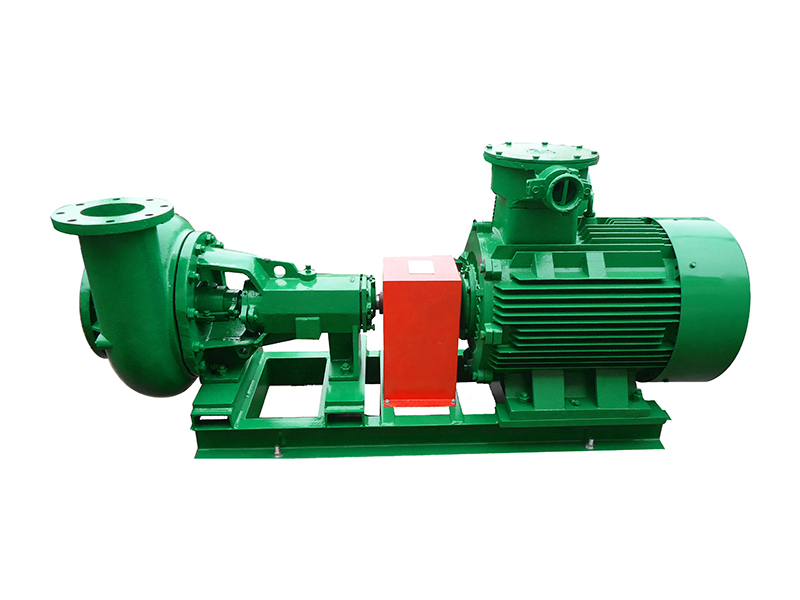
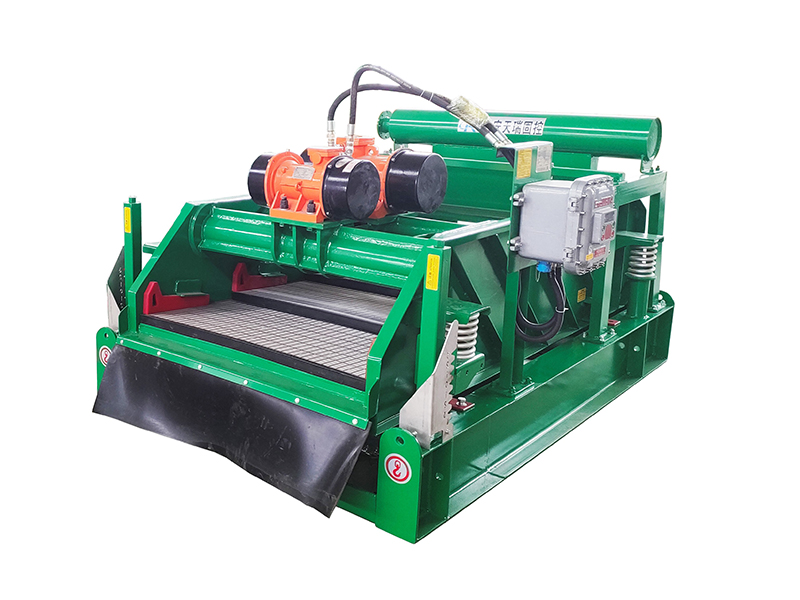
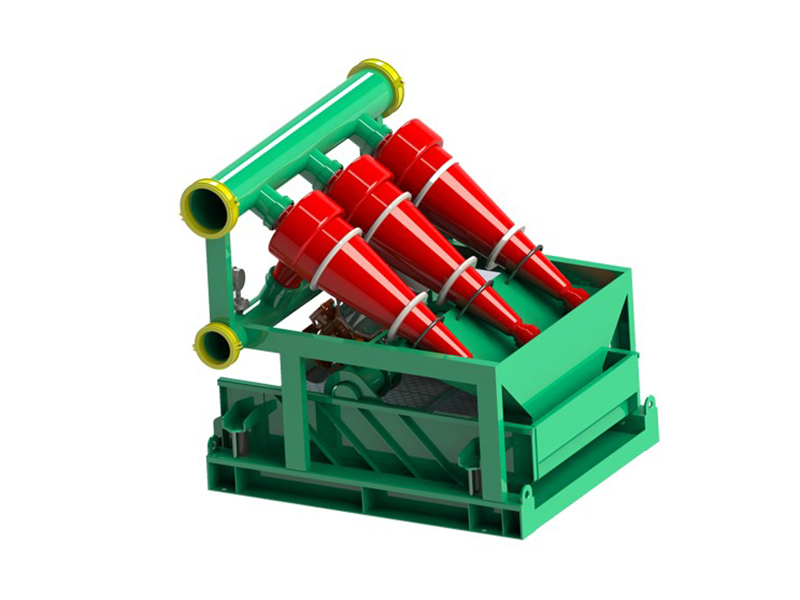
In modern advanced manufacturing, heat dissipation and fluid thermodynamic equilibrium represent the defining boundaries of processing yield, material homogeneity, and operational throughput. Historically, large-scale mud cooling systems were engineered exclusively for deep-well geothermal, oilfield, and trenchless horizontal directional drilling (HDD) applications, where extreme downhole friction, rock shearing, and ambient formation temperatures degrade fluid polymers and destabilize drilling mud rheology. However, the aggressive growth of the optical film and precision electronic coating industries has created an unprecedented demand for high-capacity, non-clogging, continuous thermodynamic cooling architectures capable of managing dense, abrasive, high-viscosity suspensions.
Precision functional films—ranging from multi-layer optical polarizers, anti-reflective display substrates, prism sheets, and OLED barrier coatings to micro-electronic slurry casting—require liquid coatings applied with sub-micron thickness uniformity. When raw chemical suspensions, ceramic dielectric slurries, or polymer emulsions are mixed, pumped, recirculated, and milled at high velocity, immense mechanical shear converts kinetic energy directly into thermal build-up. Without an industrial-grade, anti-fouling fluid cooling loop adapted from proven solids-control mud engineering, these slurries experience uncontrolled viscosity drift, premature cross-linking, solvent flash-off, micro-bubble entrainment, and catastrophic coating defects such as pinholes, orange peel, and optical birefringence anomalies.
Continuous thermal throttling prevents non-Newtonian shear thinning and thermal degradation, preserving critical meniscus dynamics at slot-die coating heads.
Wide-gap corrugated titanium and high-chrome alloy plates resist micro-particle abrasion and prevent slurry agglomeration during intense heat dissipation cycles.
Integrated temperature sensors and PID logic adjust variable-frequency chilling fans and pump flow rates within ±0.2°C to eliminate micro-fluctuations in fluid properties.
The application of drilling mud cooling methodologies to precision electronic slurries relies on rigorous thermodynamic principles. In high-speed slot-die coating, micro-gravure roll coating, and curtain coating lines, functional slurries contain high concentrations of abrasive ceramics (e.g., BaTiO3 for MLCCs, Al2O3, SiO2), conductive nano-silver, or optical-grade siloxanes suspended in volatile organic solvents or deionized water matrices. As these heavy fluids are continuously circulated through desanders, agitators, and high-pressure delivery lines, the heat generated by mechanical agitation and pumping elevates slurry temperature by up to 25°C to 40°C above ambient baseline if left uncooled.
Such thermal spikes trigger severe chemical and physical instability. Solvents evaporate prematurely at the delivery nozzle, creating localized skinning, pinholes, and agglomerated dry nodes that score ultra-smooth PET and TAC carrier films. By incorporating an automated Drilling Mud Cooling System into the slurry preparation and delivery loop, engineers can continuously bleed off thermodynamic energy without creating flow dead zones or shear-induced micro-bubbles.
Standard HVAC-style water chillers or shell-and-tube heat exchangers suffer catastrophic fouling when exposed to dense, particle-laden suspensions. Narrow tubes clog instantly, causing high pressure drops, localized baking of coating polymers onto heat transfer walls, and catastrophic system shutdown.
Our heavy-duty cooling modules employ wide-channel plate heat exchangers, continuous pneumatic agitation, and low-shear centrifugal propulsion. Originally developed to handle drilling cuttings and barite-weighted fluids, these systems circulate high-density slurries effortlessly, maintaining laminar flow conditions and ensuring 100% suspension stability without localized hot spots or particulate settlement.
Accommodates up to 30% solid content by volume without flow constriction, pressure spikes, or plate boundary stagnation.
Specialized open-impeller centrifugal pumps eliminate polymer chain scission and abrasive degradation of delicate coating nano-structures.
Integrated mud agitators prevent thermal stratification, ensuring every milliliter of slurry reaches the coating die at the exact target temperature.
| Thermal & Operational Parameter | Standard Chemical Chiller | TR Industrial Cooling & Recirculation System | Optical & Electronic Impact |
|---|---|---|---|
| Solid Content Tolerance | < 3% w/w (prone to severe fouling) | Up to 45% w/w (slurry/mud grade) | Enables ultra-dense ceramic & metallic coatings |
| Temperature Regulation Precision | ± 2.5°C (slow thermodynamic feedback) | ± 0.2°C (high-response PLC logic) | Eliminates wet coating thickness variations |
| Flow Volume Capacity | 5 - 30 m³/h | 50 - 300+ m³/h continuous recirculation | Supports high-throughput gigafactory web speeds |
| Wear & Abrasion Resistance | Standard 304 Stainless Steel | Hardened Chromium Alloy & Titanium Composites | Zero metallic ion contamination into cleanroom coating |
| Solvent Flash-off Prevention | Uncontrolled secondary heat buildup | Direct counter-flow thermal extraction | Prevents pinholing, surface haze, & dry spots |
Discover how rugged drilling solids control principles and thermal cooling systems deliver critical advantages across cutting-edge electronic and optical manufacturing sectors.
In PVA film iodine dyeing and TAC optical compensation coating lines, temperature variations alter optical retardation and haze. Mud cooling systems maintain precise dye bath and adhesive slurry temperatures, preventing thermal stress birefringence across 3000mm ultra-wide webs.
Multilayer Ceramic Capacitor (MLCC) manufacturing requires sub-micron ceramic green sheets. High-energy bead milling generates intense heat that causes binder gelation. Industrial cooling recirculation loops extract heat instantly, ensuring defect-free green tape casting below 1 micron thickness.
Cathode (NCM/LFP) and anode slurries undergo high-shear planetary mixing. Uncontrolled temperature spikes cause NMP solvent evaporation and localized binder agglomeration. High-capacity slurry cooling keeps viscosity perfectly stable for high-speed slot-die coating.
Moisture barrier films require alternating organic and inorganic nano-coatings deposited without surface defects. Low-vibration, continuously cooled monomer supply systems eliminate thermal expansion variations in the coating manifold, guaranteeing pinhole-free water vapor barrier properties.
Chemical Mechanical Planarization (CMP) silica and ceria slurries are sensitive to temperature-induced particle agglomeration. Mud cooling heat exchange loops prevent micro-scratching on 300mm silicon wafers during wafer-level polishing by stabilizing chemical reaction kinetics.
Solar cell antireflective coatings rely on sol-gel precursors that hydrolyze rapidly under elevated temperatures. Chilled mud recirculation ensures identical sol viscosity over 24/7 continuous operation, optimizing optical transmission and solar cell conversion efficiency.
The global precision coating equipment market is projected to reach $18.4 billion by 2030, driven by the exponential demand for electric vehicle battery packs, micro-LED displays, foldable smartphones, and next-generation photovoltaic cells. Simultaneously, the energy footprint of coating lines has come under intense regulatory scrutiny. Traditional process cooling systems that waste energy through uncontrolled chilling cycles are being phased out in favor of intelligent, variable-frequency mud cooling systems equipped with AI-assisted thermodynamic monitoring.
Modern solids-control cooling platforms integrate industrial IoT sensors that log slurry viscosity, inlet/outlet Delta-T, solids density, and flow velocity in real-time. Cloud-connected machine learning models predict heat generation spikes before they occur, automatically modulating cooling fan pitch, refrigerant expansion valves, and mud agitator RPMs. This predictive thermal management reduces total energy consumption by up to 34% while virtually eliminating coating thickness anomalies.
Intelligent thermodynamic bypass valves and variable-speed fan arrays only consume power when active heat dissipation is required, lowering overall factory Scope 2 carbon emissions.
Double-wall isolated plate heat exchangers ensure that refrigerant or cooling water can never cross-contaminate ultra-pure optical and electronic coating solutions.
Seamless communication via Modbus TCP/IP, Profinet, and OPC-UA allows complete automation synchronized with main web-handling and slot-die coating line controllers.
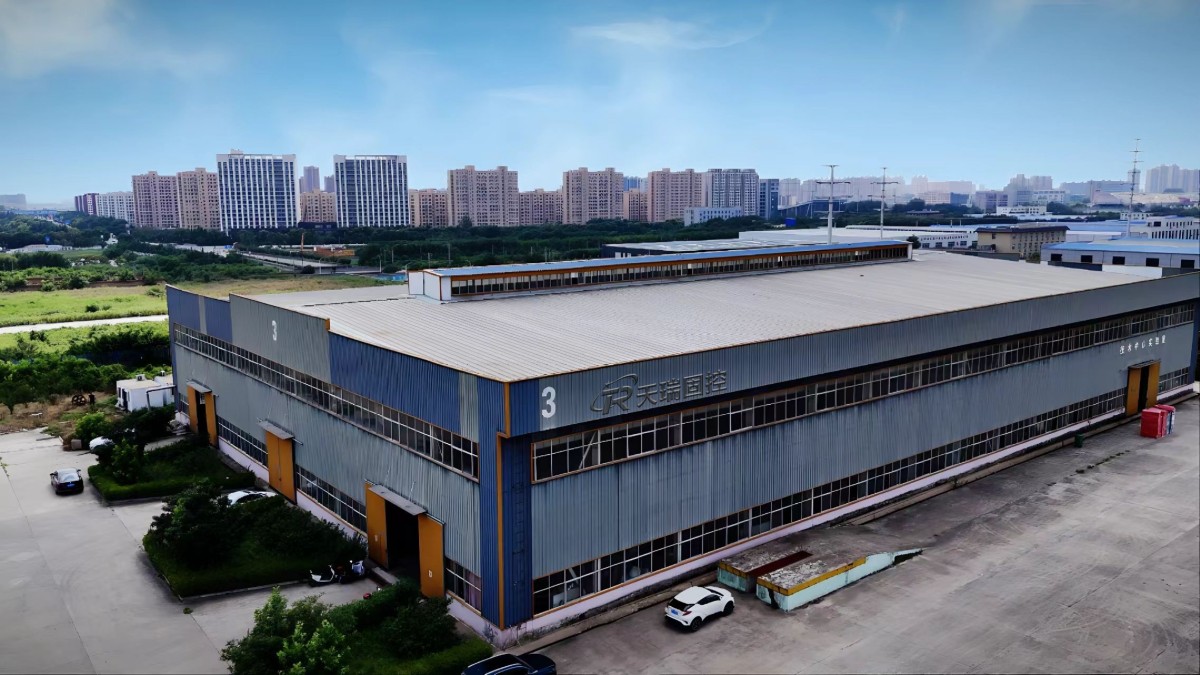
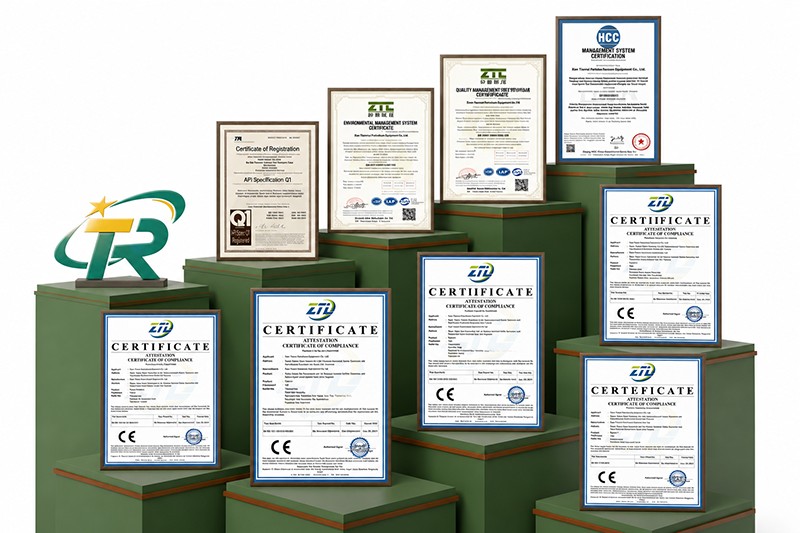
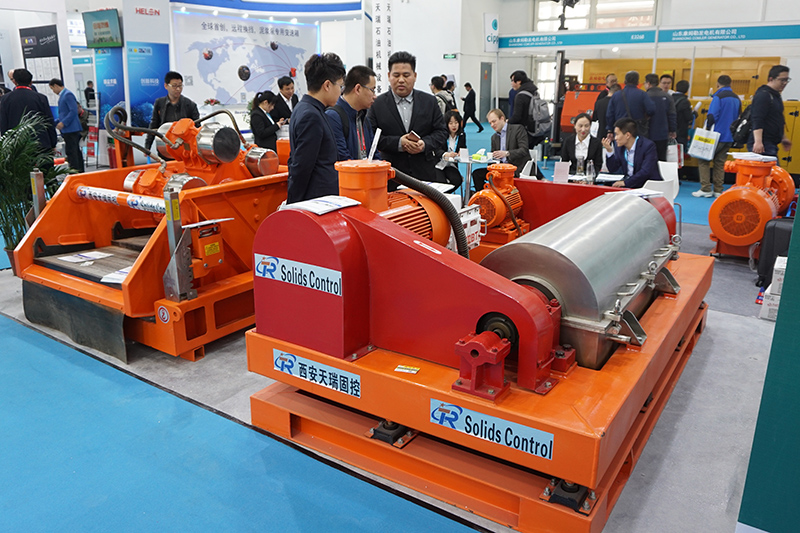
Established in 2010, TR Solids Control is a professional manufacturer specializing in drilling fluid solids control equipment and integrated thermal solutions. We are dedicated to the design, manufacture, sales, and service of solids control systems, following strict quality standards and providing reliable products, professional support, and fast response for global customers.
During the past years, together with our experienced engineering team and strong supply chain partners, we have supported drilling contractors, high-tech industrial processors, and international service companies across the Middle East, Africa, Russia, South America, Southeast Asia, and other regions, delivering efficient solids control and fluid cooling solutions for demanding continuous operations.
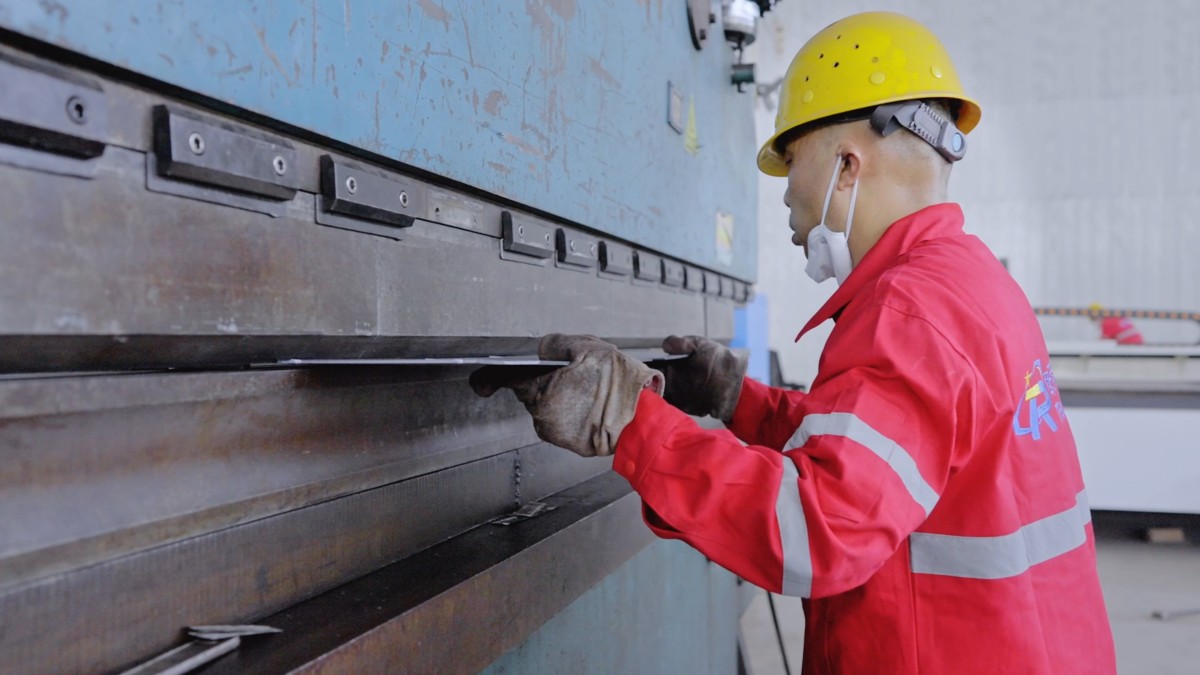
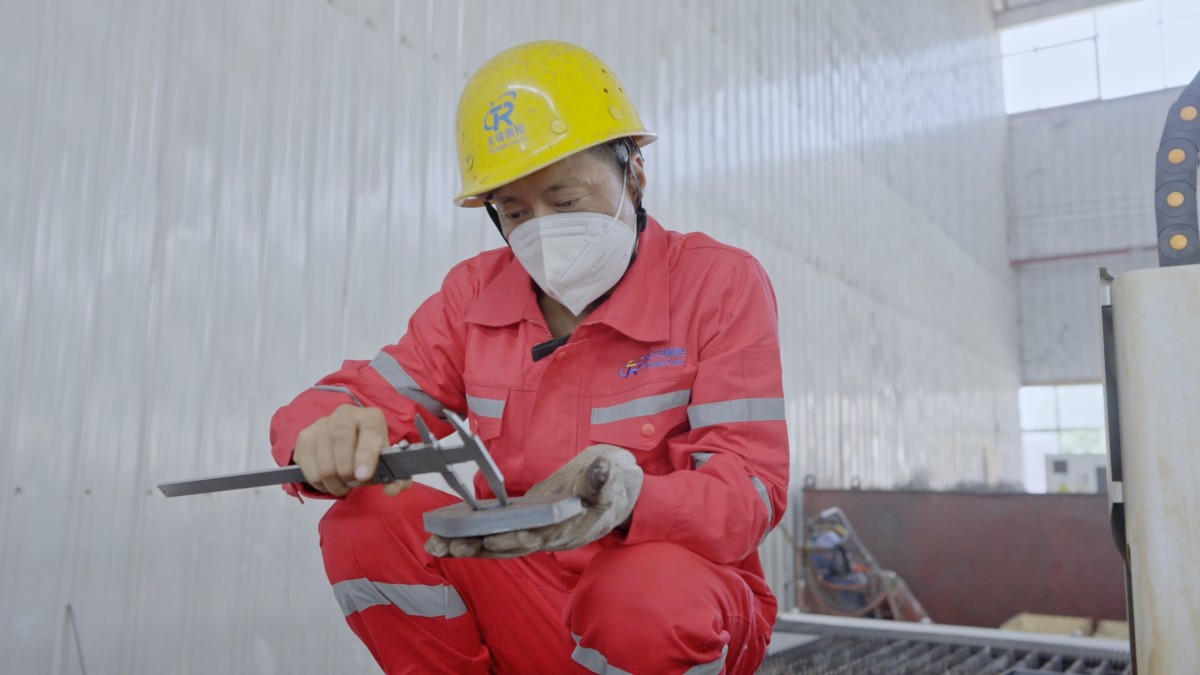
Manufacturing
•Engineering
•Global Service
Explore our full line of industrial equipment engineered for slurry handling, fluid cooling, solid-liquid separation, and continuous recirculation.
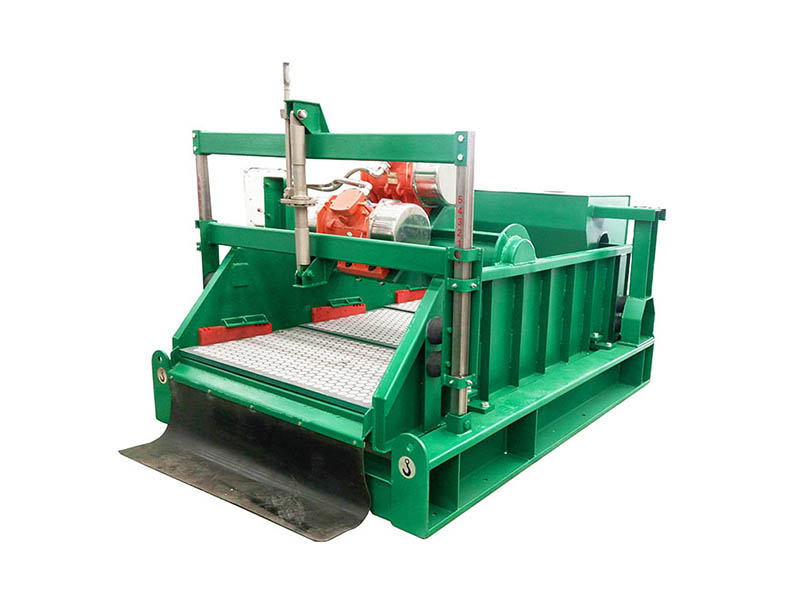
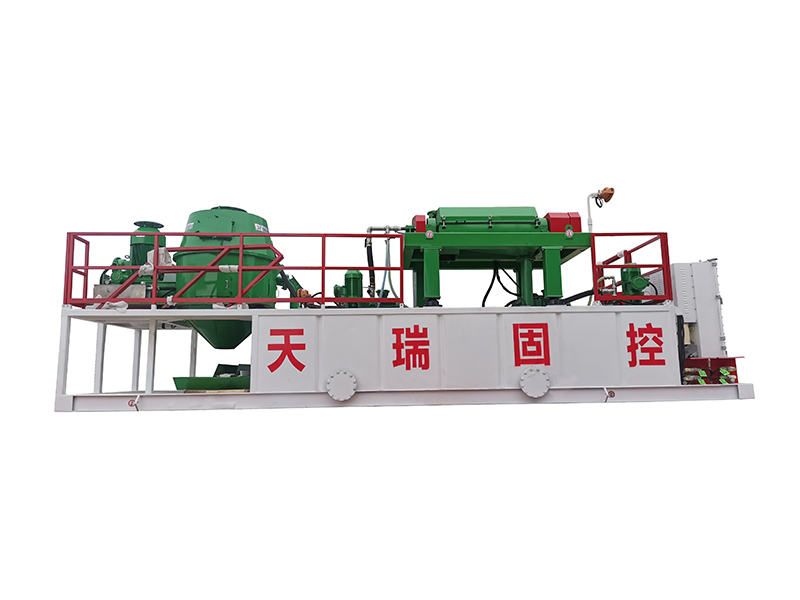
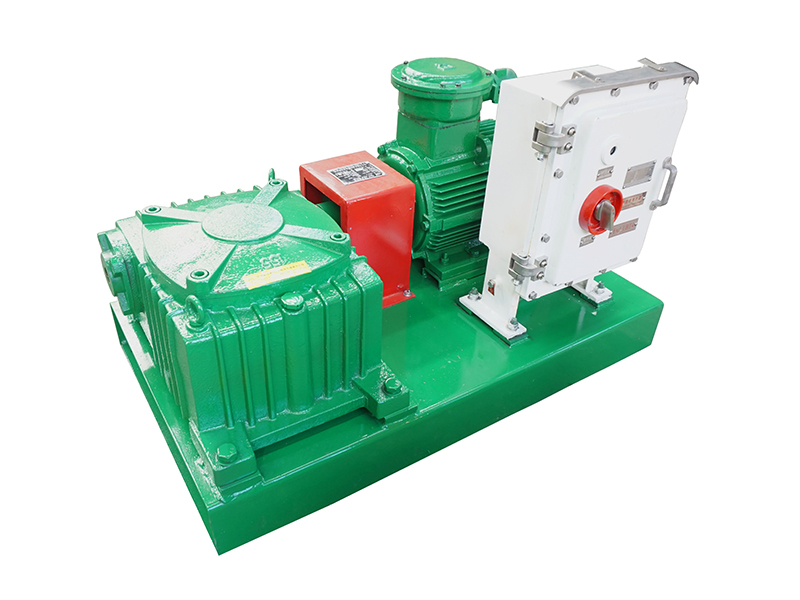
Slurry temperature directly dictates fluid dynamic viscosity, solvent evaporation rate, and binder polymerization kinetics. Fluctuations as small as 1°C can alter wet coating thickness, leading to optical interference fringes, pinholes, and substrate delamination.
Unlike standard chillers with narrow tube bundles, industrial mud cooling systems utilize wide-gap corrugated plate heat exchangers and high-flow agitation channels. This ensures uniform fluid shear, prevents particle settling, and allows continuous operation with up to 45% solids by weight.
Yes. Our systems offer stainless steel cleanroom enclosures, closed-loop sanitary sanitary piping, explosion-proof ATEX/IECEx certified motors, and standard PLC communication protocols (Modbus, Profinet, Ethernet/IP) for turnkey integration into modern manufacturing facilities.