


Leave Your Message
-
Phone
-
E-mail
-
Whatsapp
-
WeChat

Adapted from heavy-duty drilling solid control mechanics to satisfy cleanroom-grade stability, micro-solid classification, and automated viscosity equilibrium across precision optical coating lines.
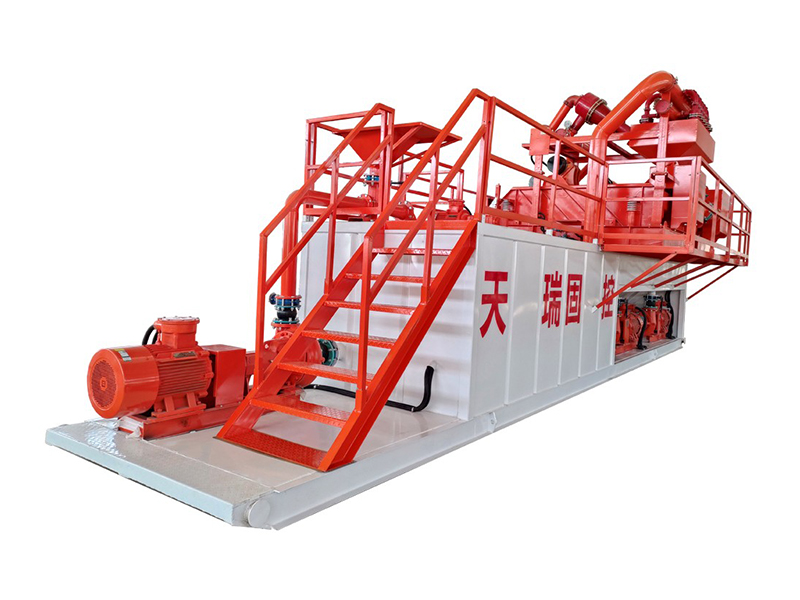
High-efficiency closed fluid circuits ensuring continuous particulate dispersion and non-stop rheological control for thick optical films.
Explore Technical Specs →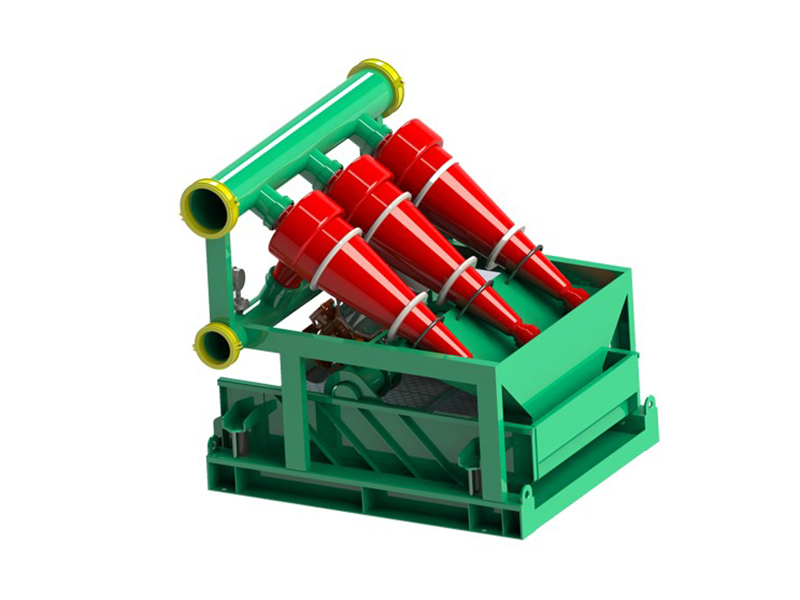
Hydrodynamic desanding architecture designed for separating oversized agglomerates in conductive electronic inks and functional slurries.
Explore Technical Specs →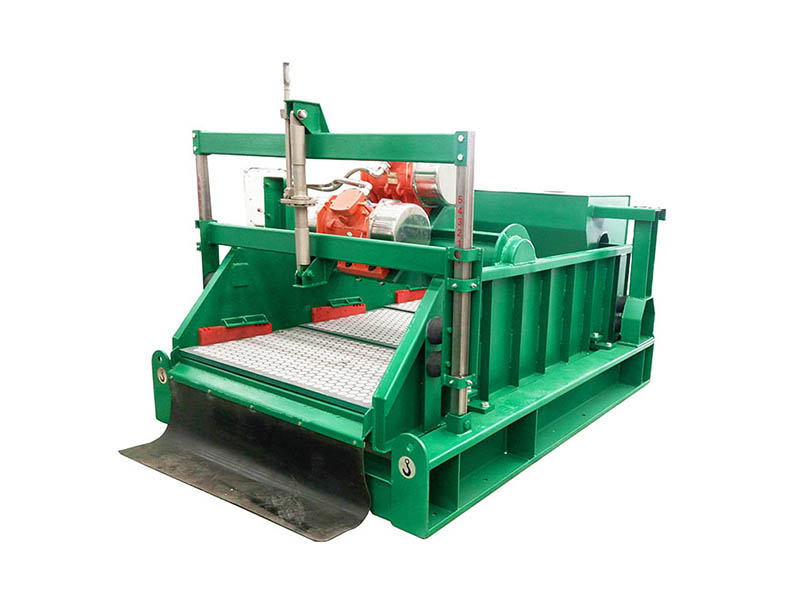
Eliminates foreign inclusions and macro-particulates prior to ultra-fine coating passes with minimal shear degradation of polymeric media.
Explore Technical Specs →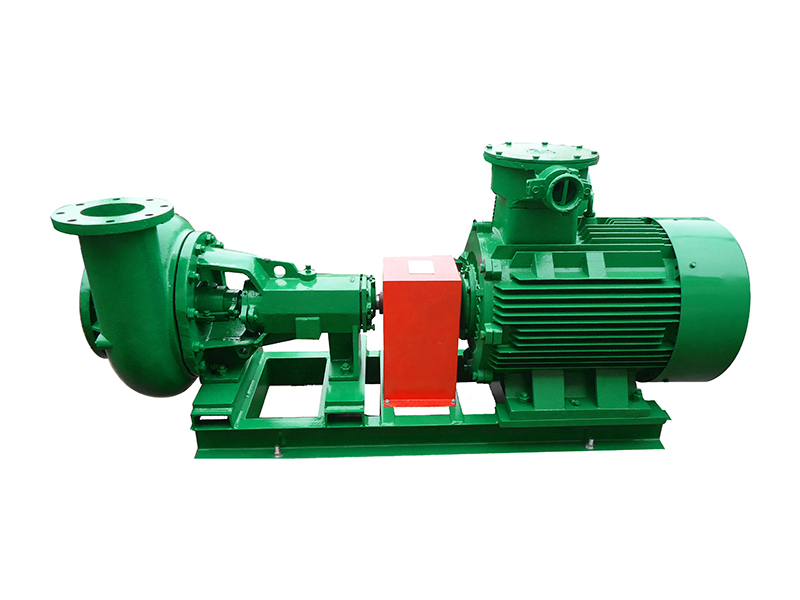
Engineered with wear-resistant fluid impellers delivering uniform shear energy to dissolve high-molecular polymer thickeners instantly.
Explore Technical Specs →The convergence of heavy-duty hydrodynamic shearing principles and micro-electronic film precision manufacturing establishes a new standard for high-throughput coating slurry preparation.
The manufacturing landscape for optical films, polarizers, diffusers, antireflective layers, and precision electronic substrates has reached unprecedented complexity. Modern electronic coatings, such as those utilized in multi-layer ceramic capacitors (MLCC), flexible copper clad laminates (FCCL), transparent conducting oxide (TCO) films, and OLED barrier packaging, require slurries characterized by extraordinary dispersion consistency, rigorous particle-size distribution curves, and strictly governed thixotropic behavior. Traditionally, optical slurry preparation relied exclusively on delicate, small-scale laboratory agitators that struggle to scale to high-volume manufacturing throughput without introducing batch-to-batch inconsistencies, vortex-induced cavitation, or polymer degradation.
Concurrently, modern drilling fluid mixing systems developed by solids control engineering leaders like TR Solids Control have engineered supreme fluidic power: processing thousands of gallons of thixotropic bentonite-polymer fluid systems per minute under stringent shear conditions, high Reynolds numbers, and intense mechanical durability. When this robust hydraulic design philosophy is refined for high-purity, cleanroom-compatible chemical formulations, it solves critical bottlenecks in electronic functional slurry preparation. By adapting high-speed venturi hoppers, pressurized vortex chambers, and high-efficiency centrifugal delivery units, industrial manufacturers achieve instantaneous wetting of micro- and nano-sized pigments, functional metal oxides (such as ITO, ATO, and TiO2), and high-molecular resin binders without micro-aggregation or hot-spot air entrainment.
Utilizing high-velocity hydrodynamic venturi shearing forces to break apart persistent nanoparticle clusters, ensuring that optical clarity and haze metrics remain pristine throughout slot-die or micro-gravure application.
Designed with pressurized mixing headers and smooth continuous pipe manifolds that neutralize bubble nucleation. Pinholes and micro-voids in precision optical barrier films are thoroughly mitigated before the fluid reaches the coating head.
Maintains uniform temperature and solid-liquid shear balance across large production batches, suppressing thermal stratification and preserving targeted fluid elasticity indispensable for ultra-thin sub-micron dry coatings.
From flexible OLED protective barriers to lithium-ion ceramic separators, fluid mixing units maintain the exact balance of micro-shearing and uniform kinetic dispersion.
Anti-reflective and anti-glare optical coatings rely on uniform dispersion of colloidal silica, zirconia (ZrO2), or titania (TiO2) particles embedded in UV-curable acrylic resin matrices. Minor agglomerations larger than 0.5 microns manifest as optical scattering defects, pinhole anomalies, and localized refractive variation.
By leveraging modified high-shear fluid mixing skids, additives and photoinitiators are introduced directly into an accelerated vortex. The fluid dynamics ensure complete wetting within milliseconds, eliminating agglomerated lumps before slurry stabilization. The result is an optical substrate with ultra-low haze (
Precision touch panels, flexible display backplanes, and photovoltaic electrodes demand conductive slurries incorporating indium tin oxide (ITO), silver nanowires (AgNW), or conductive polymers. These delicate suspensions are acutely vulnerable: excessive shear snaps silver nanowires (destroying electrical percolation), while insufficient shear leads to uneven conductive networks and localized resistance spikes.
Engineered fluid mixing units integrate multi-stage variable frequency controllers. Initial bulk blending occurs under medium laminar agitation, followed by controlled low-shear recirculation that maintains stable colloidal suspension. This prevents sedimentation in dead zones while safeguarding delicate anisotropic conductive networks during prolonged electronic coating runs.
Modern electric mobility and portable electronics rely on ultra-thin microporous polyolefin separators coated with boehmite (AlOOH) or alumina (Al2O3) to forestall thermal runaway. The slurry comprises high solid loadings (often exceeding 50 wt%) suspended in aqueous or solvent-based systems alongside water-soluble binders and wetting agents.
Industrial-scale fluid mixing skids handle high solids concentration without pump cavitation or motor overload. By integrating heavy-duty centrifugal impellers and precision hoppers, ceramic powders are dispersed into aqueous polymer solutions with high repeatable consistency. Solids control separation units simultaneously eliminate coarse debris that could pierce 5-micron separator films, guaranteeing thermal stability up to 180°C.
Flip-chip Ball Grid Array (FCBGA) and 2.5D/3D advanced packaging architectures necessitate liquid underfills with extremely high silica filler content to match silicon's coefficient of thermal expansion (CTE). Even microscopic agglomerations can block the micro-gaps beneath high-density solder bumps, leading to void formation and chip failure during reflow soldering.
The solids control separation and mixing architecture guarantees thorough particulate sorting down to critical micrometric cut-points. Combined with active fluid circulation, the underfill matrix maintains zero filler sedimentation throughout prolonged holding tanks, providing stable capillary flow dynamics during high-speed electronic dispensing.
The convergence of Industry 4.0 automation, AI closed-loop viscosity tuning, and zero-emission solvent reclamation is redefining precision fluid mechanics.
The ongoing transition to roll-to-roll (R2R) optical coating speeds exceeding 100 meters per minute dictates that mixing and solids processing equipment transition from static, manual batch tanks toward dynamic, sensor-integrated cyber-physical systems. Leading trends dominating this domain include:
1. AI-Driven Rheological Real-Time Compensation: Conventional fluid mixing relies on periodic offline rheometer sampling, which introduces significant latency. Next-generation mixing units incorporate in-line acoustic wave sensors and viscometric transducers linked to machine learning algorithms. If solvent evaporation or shear-thinning induces deviation from the predetermined viscosity envelope, the unit autonomously meters solvents or active modifiers in real-time, preserving coating thickness tolerances within ±10 nanometers across multi-kilometer runs.
2. Hermetic Closed-Loop Solvent Management & Green Chemistry: As the optoelectronics industry shifts from VOC-heavy solvents (such as toluene and MEK) toward aqueous solutions, UV-curable monomers, and eco-friendly esters, mixing units must prevent oxidation, solvent vaporization, and volatile skin formation. Hermetically sealed mixing skids with inert nitrogen-gas blanketing protect both the operators and the delicate chemistry, allowing 100% material utilization without skinning or crystallization on agitator shafts.
3. Advanced Centrifugal Classification for Ultra-Fine Tolerances: While conventional shale shakers and hydrocyclones excel at coarse and medium particulate extraction in drilling applications, precision electronic coating calls for fine-tuned decanter centrifuges and micro-hydrocyclones operating at thousands of G-forces. This permits razor-sharp D99 particulate cut-points, intercepting oversized abrasive particles before they damage costly slot-die coating lips or create optical streak lines.
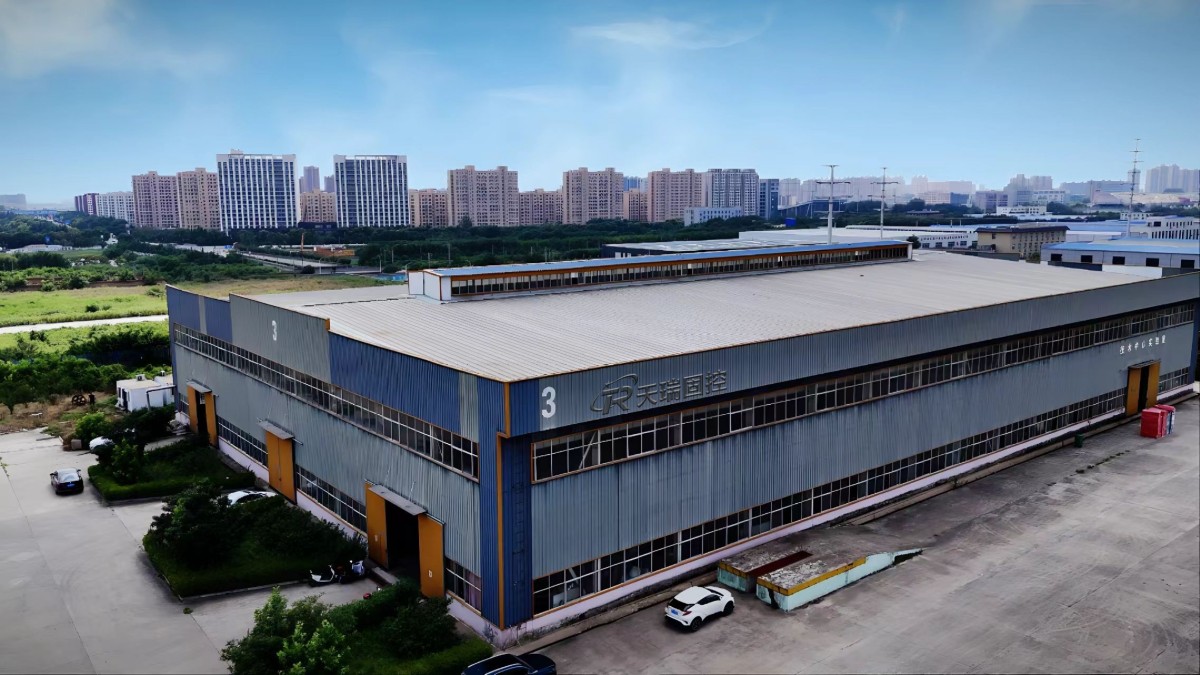

Modern Manufacturing Facilities Supporting Reliable Solids Control Equipment Production
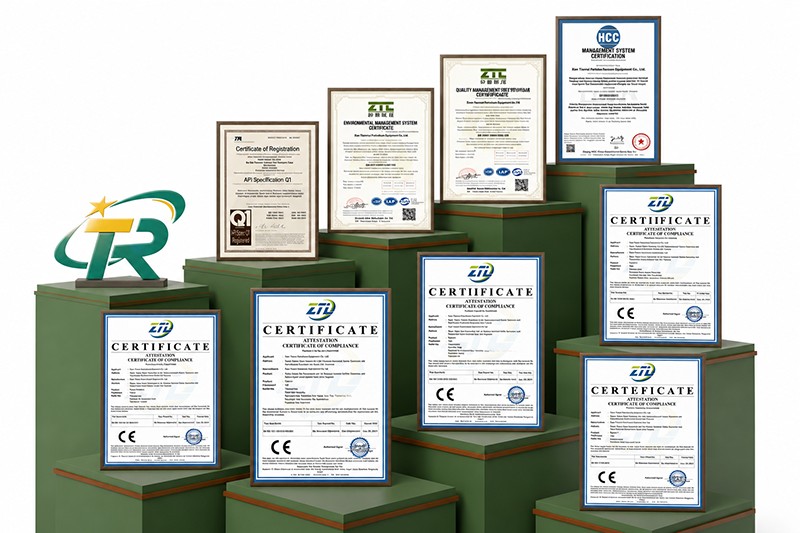
Strict Quality Management Systems Ensuring Product Reliability and International Standards
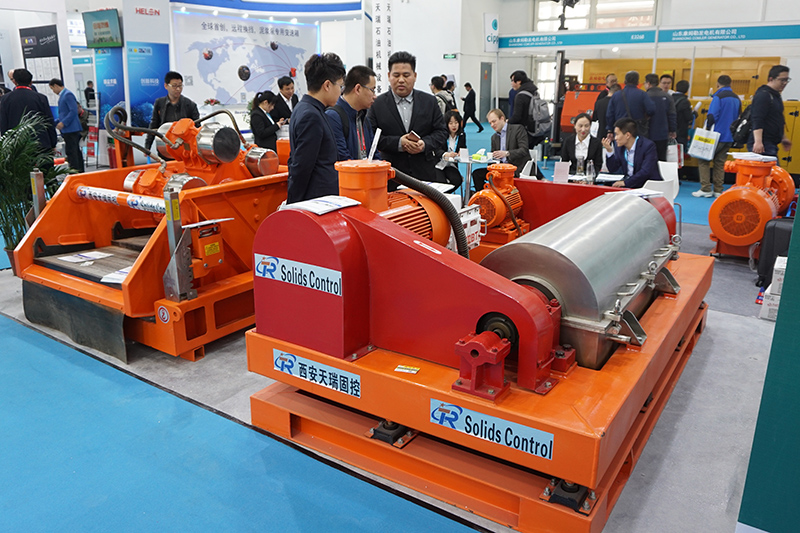
Showcasing Industrial Fluid Processing Innovations Across International Industry Forums
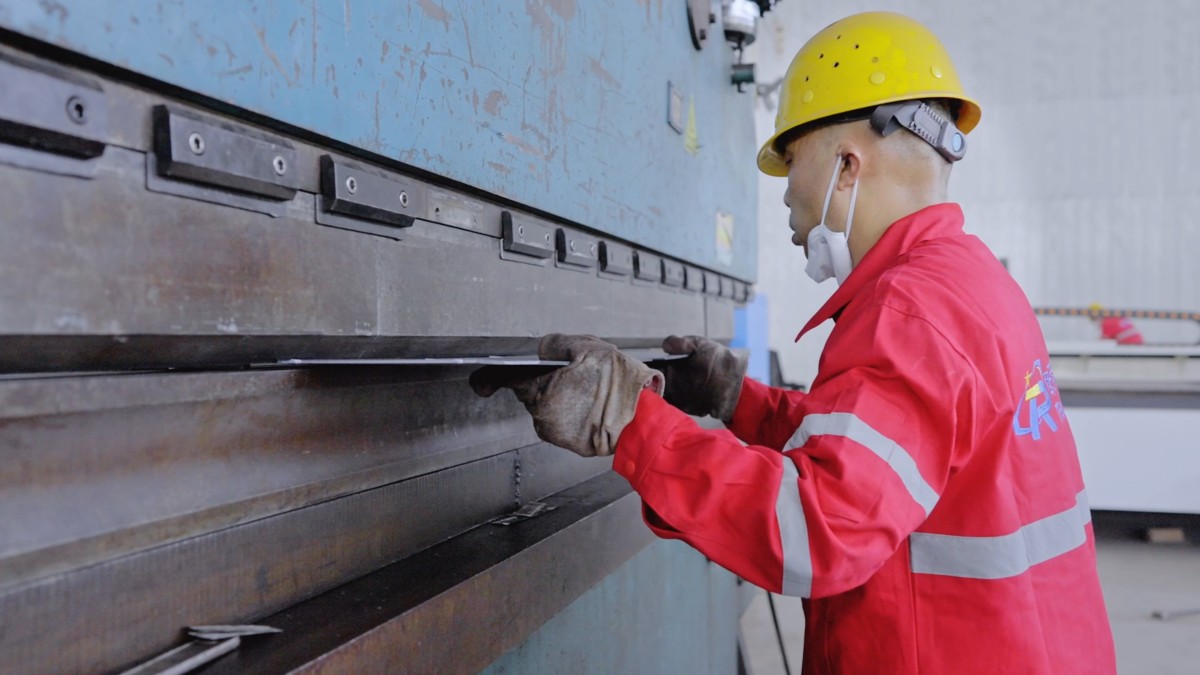

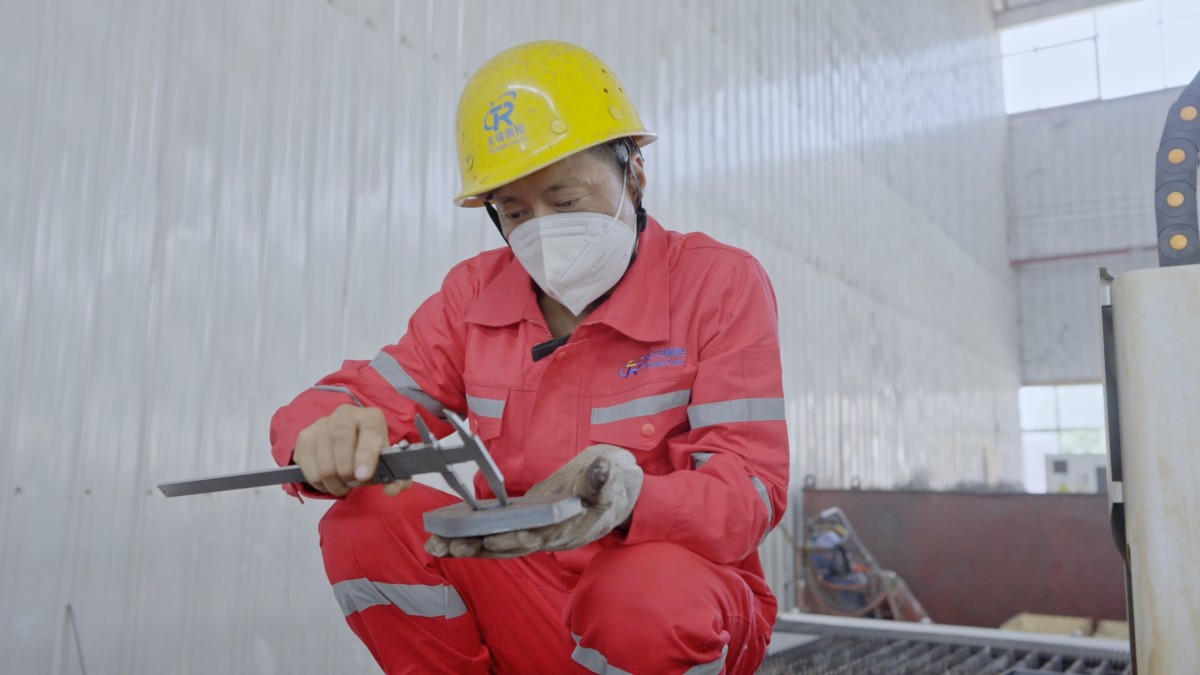
Industrial-grade machinery engineered for severe duty, high separation efficiency, continuous multi-component mixing, and long-term operating life across varied liquid mediums.
Complete closed-circuit modular solids control unit with integrated shaker, desander, and mixing hopper tanks.
View Product →
High-efficiency polyurethane hydrocyclones removing particles in the 45-75 micron range from heavy slurries.
View Product →
Dual-motor drive delivering linear motion G-force for primary classification and heavy solids separation.
View Product →
Heavy-duty open impeller design engineered to transfer abrasive slurries, high-viscosity coatings, and drilling mud.
View Product →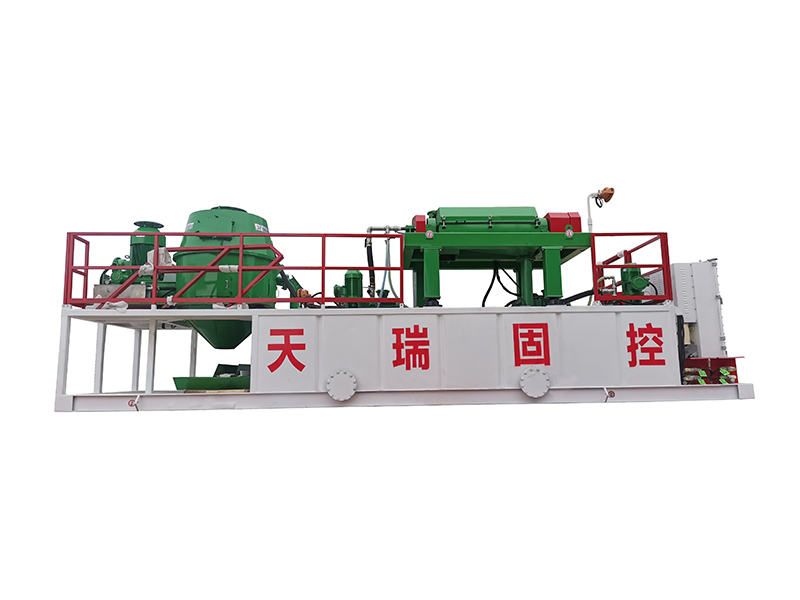
Thermal and mechanical recovery configurations designed for hydrocarbon extraction and clean solvent reclamation.
View Product →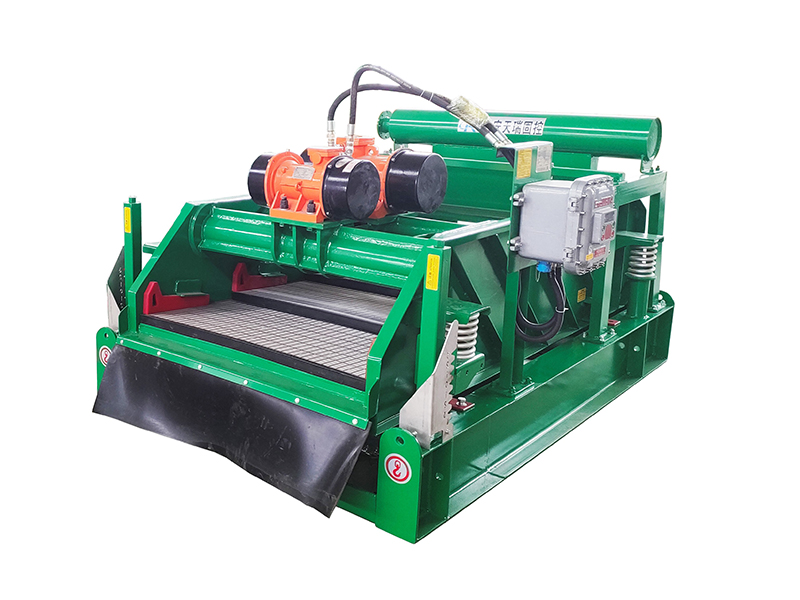
Proprietary motion paths extending screen service life while processing sticky, highly concentrated slurries.
View Product →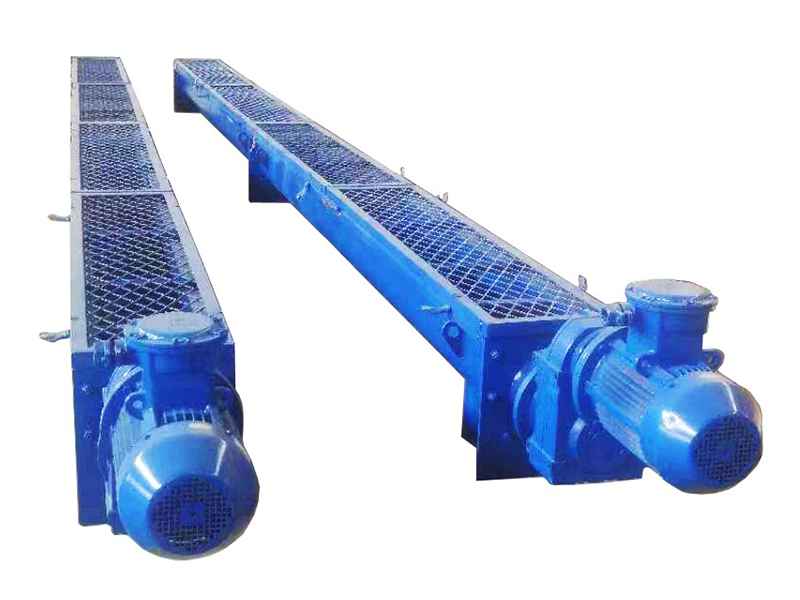
Continuous flight auger conveyor transporting dense separated solid cakes without clogging or spillages.
View Product →
Fully plumbed mixing hopper, venture jet line, and agitation tank built for high-shear polymer and chemical formulation.
View Product →