Leave Your Message
-
Phone
-
E-mail
-
Whatsapp
-
WeChat

Transferring heavy-duty solids control and dynamic fluid mixing principles to advanced industrial adhesives, structural composite matrices, and synthetic resin batching.
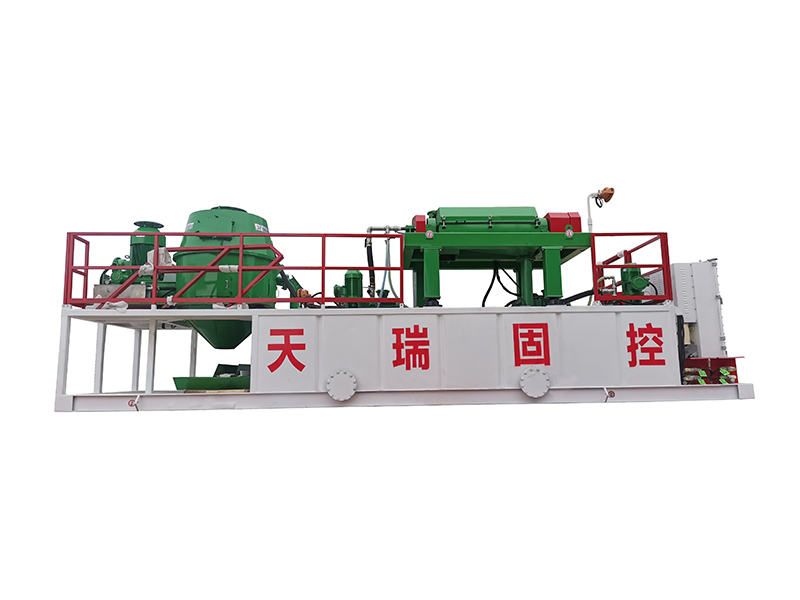
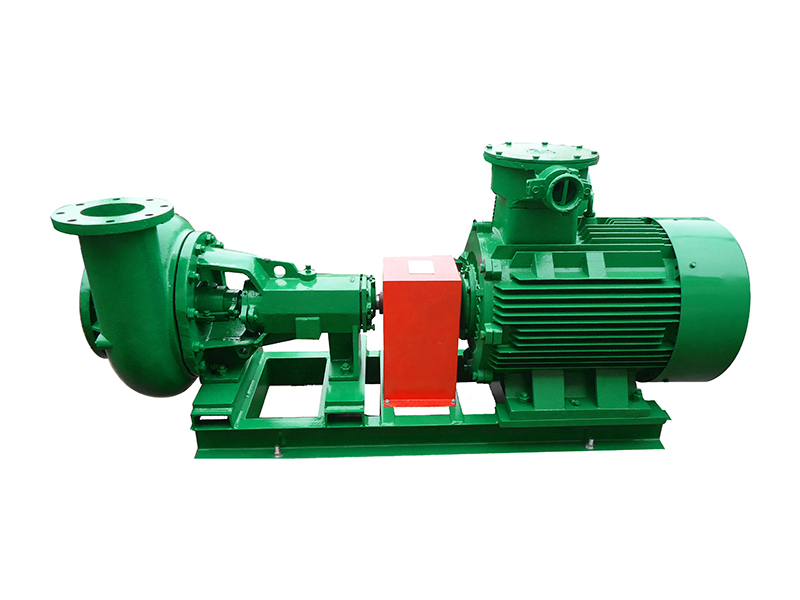
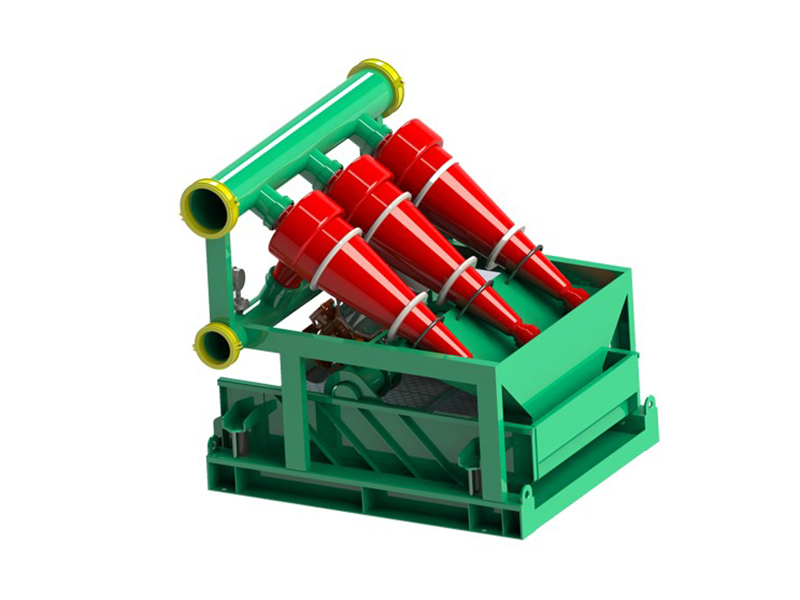
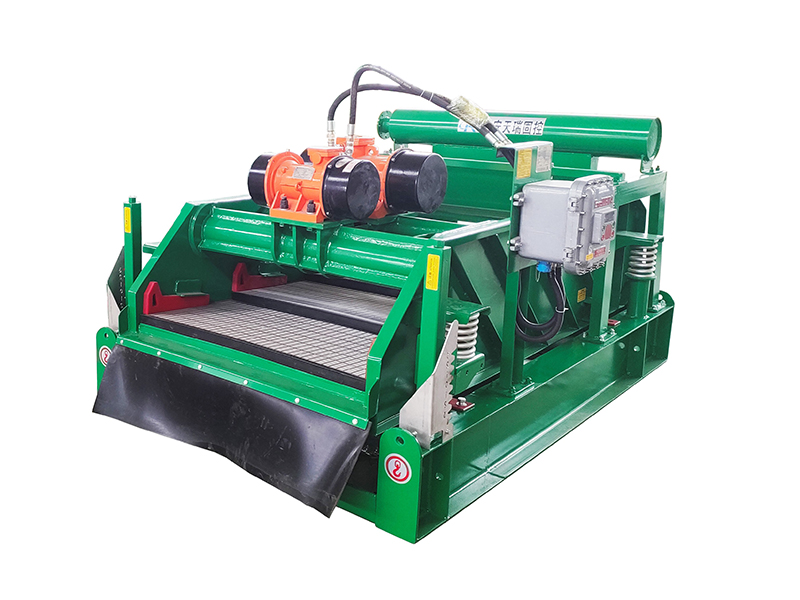
The manufacturing of advanced structural adhesives and engineered composite materials requires meticulous control over rheological consistency, colloidal suspension stability, and micro-filler dispersion. In modern industrial operations—ranging from wind turbine blade manufacturing and carbon fiber aerospace laminates to structural automotive bonding—formulators consistently encounter operational bottlenecks when incorporating fine mineral powders (such as fumed silica, calcium carbonate, barite, alumina trihydrate, and carbon nanotubes) into high-viscosity epoxy, polyurethane, acrylic, and phenolic resin matrices. Conventional batch mixers, planetary dissolvers, and Cowles blade dispersers frequently suffer from localized overheating, incomplete wetting resulting in unhydrated polymer "fish-eyes," long cycling intervals, and unsustainable energy consumption.
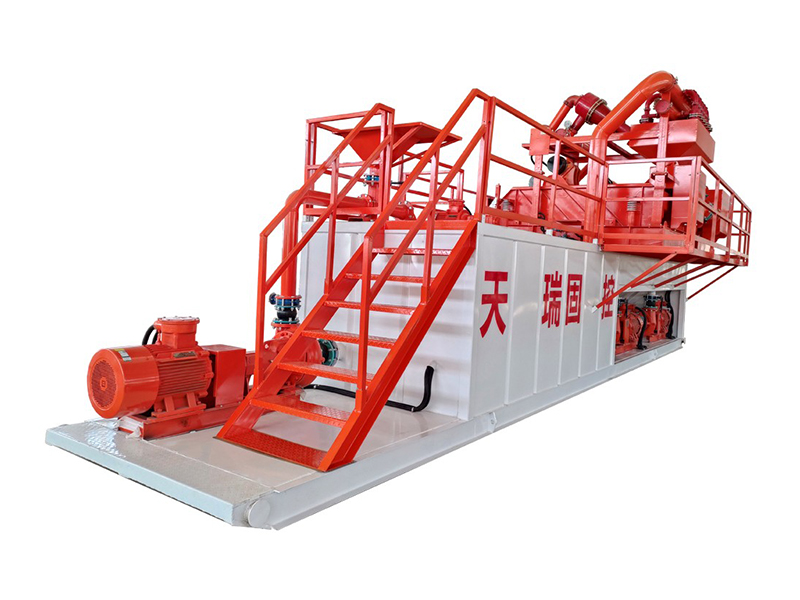
To solve these deep manufacturing challenges, material science engineers and chemical process designers are turning to heavy-duty, high-shear Drilling Fluid Mixing Units. Originally perfected within the demanding upstream energy sector to instantly disperse massive tonnages of bentonite clay, synthetic polymers, and heavy weighting minerals into drilling mud systems under harsh continuous field conditions, these hydrodynamic jet mixing units represent an optimal technological transfer for high-throughput composite adhesive compounding. By leveraging high-velocity Venturi eductors, specialized vortex shear chambers, and aggressive centrifugal acceleration, a modified industrial drilling fluid mixing unit converts difficult powder-liquid compounding into a continuous, micro-homogeneous slurry stream.
Rapidly expands negative pressure zones to suck dry micro-fillers directly into high-velocity resin streams, eliminating agglomeration before particles enter bulk storage tanks.
Imparts controlled shear stresses that temporarily decrease apparent viscosity, enabling smooth conveyance and bubble-free hydration of high molecular weight polymers.
Built to stringent ATEX/IECEx explosion-proof standards, perfectly matching hazardous production environments where volatile organic solvents or reactive monomers are handled.
The global industrial adhesives and composite materials market is experiencing accelerated growth, propelled by the relentless pursuit of structural lightweighting across electric vehicles (EVs), next-generation commercial aircraft, marine hulls, and gigantic multi-megawatt wind turbine blades. The composite matrix must demonstrate extreme lap-shear strength, thermal endurance, impact damping, and fracture toughness. To reach these performance metrics, resin formulators must integrate increasingly complex additive packages:
Traditional industrial composite processing configurations struggle with batch consistency when mineral filler loadings exceed 45% by weight. A high-efficiency drilling fluid mixing unit solves this capacity bottleneck by operating continuously at flow rates up to 150–300 m³/h, dispersing dry additives uniformly into the liquid matrix in a single pass before passing to deaeration and packaging skids.
The application of high-energy mud mixing skids, shear pumps, and centrifugal feed systems extends across several critical manufacturing niches in the adhesive and composite sectors:
Wind turbine rotor blades exceeding 100 meters in length demand hundreds of kilograms of specialty infusion epoxy resin per shell cycle. Any unhydrated solid clump or air pocket leads to catastrophic interlaminar shear failure. By routing liquid epoxy precursors through an explosion-proof jet mud mixer, solid thixotropic agents and core curing accelerators are instantly sheared under negative vacuum. The Venturi throat completely disperses micro-clays and aerogels in milliseconds, preventing pre-cure thermal spikes and yielding a crystal-clear, rheologically consistent infusion fluid.
Automotive OEMs depend on rubber-toughened epoxy and structural methacrylate paste adhesives to bond stamped aluminum, ultra-high-strength steel, and carbon-fiber roof panels. These formulations contain high concentrations of reactive core-shell rubber nanoparticles and calcium carbonate fillers. Industrial drilling fluid mixing pumps utilize engineered impellers and internal shearing vanes to break down nanoparticle agglomerations down to their primary particle diameter (50–200 nm), optimizing crash-impact absorption without degrading the synthetic polymer chains.
In EV lithium-ion battery packs and aerospace power electronics, thermal potting adhesives must be packed with boron nitride, aluminum oxide, and zinc oxide up to 70% by weight to maximize thermal conductivity. The extreme abrasive nature of these ceramic minerals rapidly erodes ordinary processing mixers. Drilling fluid mixing systems—engineered with high-chromium white iron, stellite inserts, and tungsten-carbide mechanical seals—easily withstand the relentless abrasion of dense ceramic slurries, maintaining constant hydrodynamic velocity over thousands of operating hours.
| Performance Parameter | High-Shear Drilling Fluid Mixing Unit | Traditional High-Speed Cowles Dissolver | Planetary Double-Blade Mixer |
|---|---|---|---|
| Continuous Processing Rate | Continuous In-Line (30 – 250 m³/h) | Batch Limited (1 – 5 m³/batch) | Batch Limited (0.5 – 2 m³/batch) |
| Dispersing Mechanism | Venturi Cavitation + Hydrodynamic Shear | Mechanical Blade Velocity Gradient | Low-Shear Mechanical Kneading |
| Powder Ingestion Rate | 150 – 400 kg/min (Direct Vacuum Induction) | Slow Top-Hatch Addition (Dust Hazards) | Manual / Screw Feed (Risk of Floating Crusts) |
| Agglomerate Elimination ("Fish-Eyes") | 100% Micro-Wetting in Venturi Throat | Frequent Agglomeration at Tank Wall | Requires Long Kneading Cycles (4–8 hrs) |
| Thermal Build-Up During Mixing | Low (Rapid Residence Time < 0.5s) | High (Prolonged Friction Generates Heat) | Moderate to High (Demands Cooling Jackets) |
| Wear Life on High-Abrasive Fillers | Ultra-High (Heavy Cast Chrome/Alloy Liners) | Low (Fast Blade Edge Degradation) | Moderate (Shaft and Seal Wear Under Grit) |
The modernization of drilling fluid mixing skids for industrial polymer compounding incorporates cutting-edge Industry 4.0 automation. Equipped with digital Coriolis mass flow meters, in-line acoustic rheometers, and programmable logic controller (PLC) automation, modern jet mixing units continuously measure the dynamic viscosity, fluid density, and loss modulus of the adhesive composite slurry in real time.
If mineral settling or chemical viscosity shifts are detected due to raw material variations, the automated system micro-adjusts the hydraulic nozzle gap, centrifugal pump RPM, and hopper powder delivery valve within milliseconds. This creates an unvarying, high-precision manufacturing loop that completely mitigates human formulation error, guarantees zero batch-to-batch deviation, and complies fully with aerospace AS9100 and automotive IATF 16949 quality certifications.
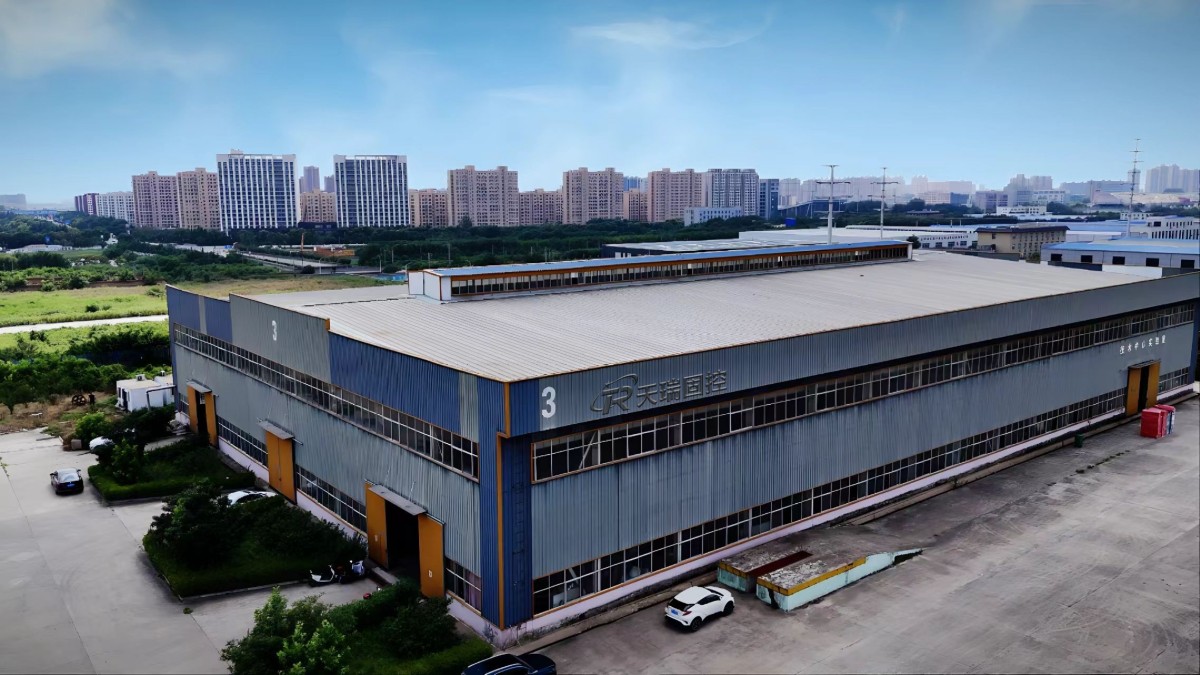
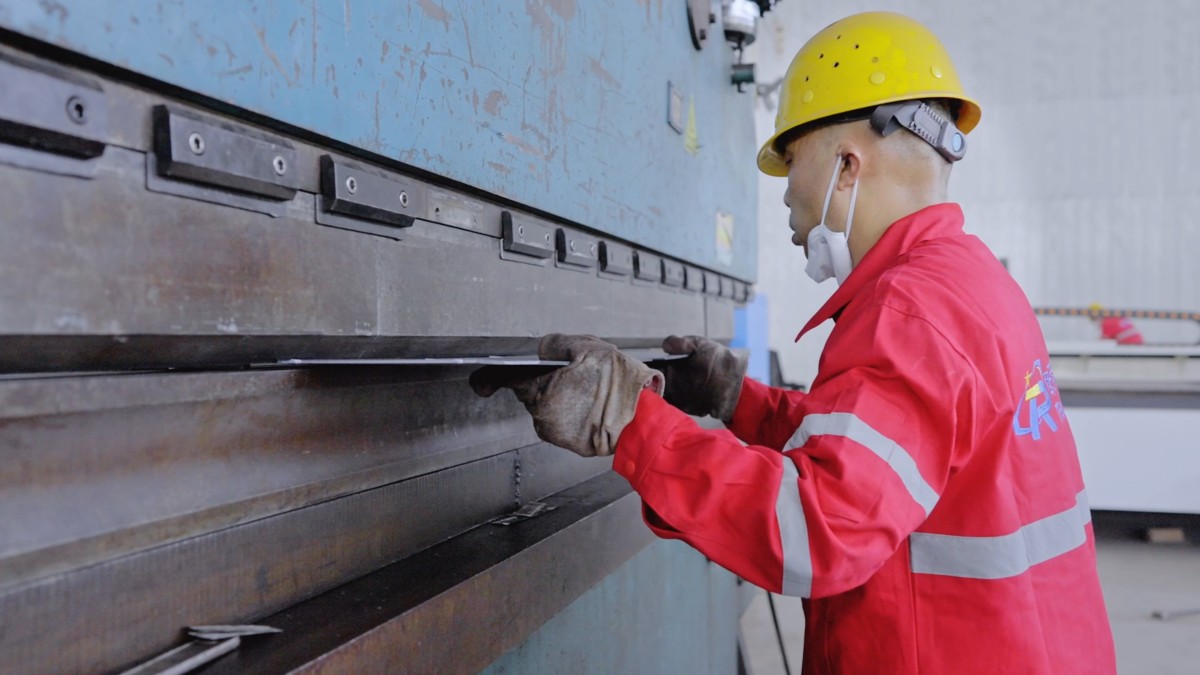
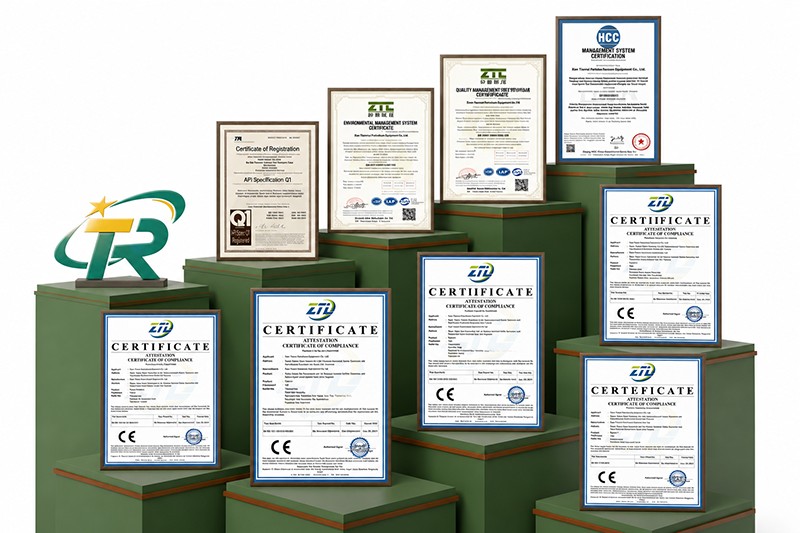
Established in 2010, TR Solids Control is a professional manufacturer specializing in drilling fluid solids control equipment and integrated solutions. We are dedicated to the design, manufacture, sales and services of solids control systems, following strict quality standards and providing reliable products, professional support and fast response for global customers.
During the past years, together with our experienced engineering team and strong supply chain partners, we have supported drilling contractors, oilfield service companies and industry partners across Middle East, Africa, Russia, South America, Southeast Asia and other regions, delivering efficient solids control solutions for various drilling operations.

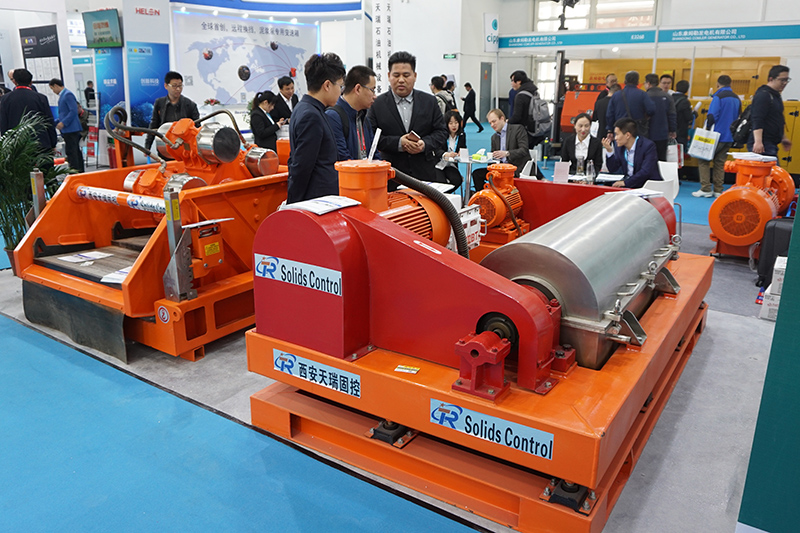
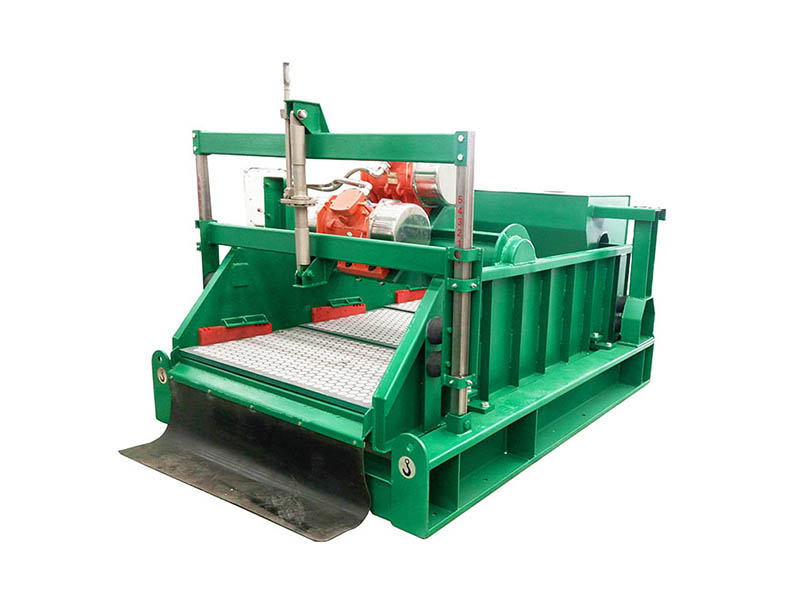
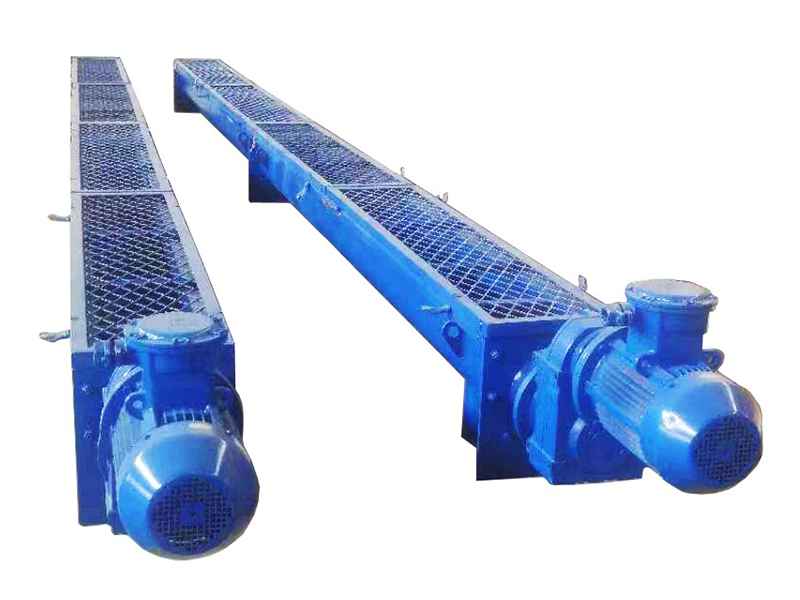
Precision-engineered equipment configured for heavy abrasive handling, chemical formulation, closed-loop recycling, and dense composite material blending.