Leave Your Message
-
Phone
-
E-mail
-
Whatsapp
-
WeChat

High-shear dispersion units and robust auxiliary equipment engineered for continuous polymer hydration and micro-particle mixing.
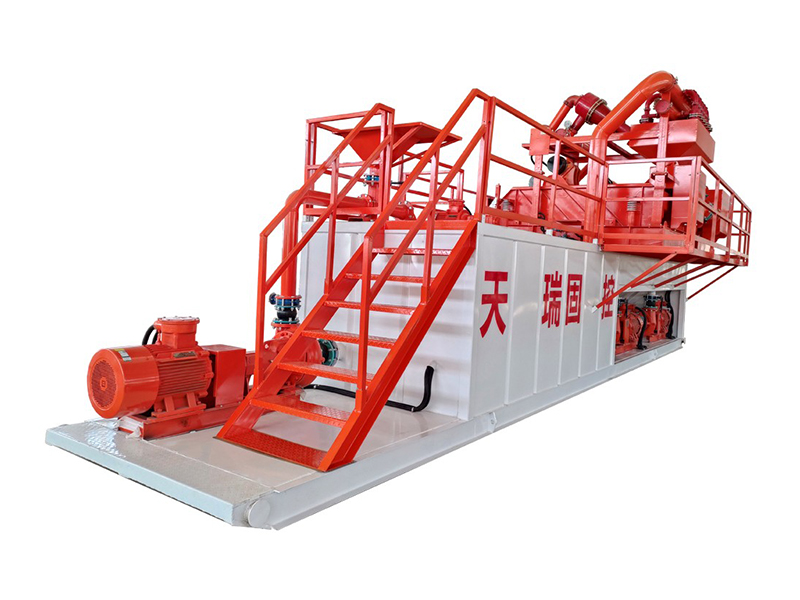
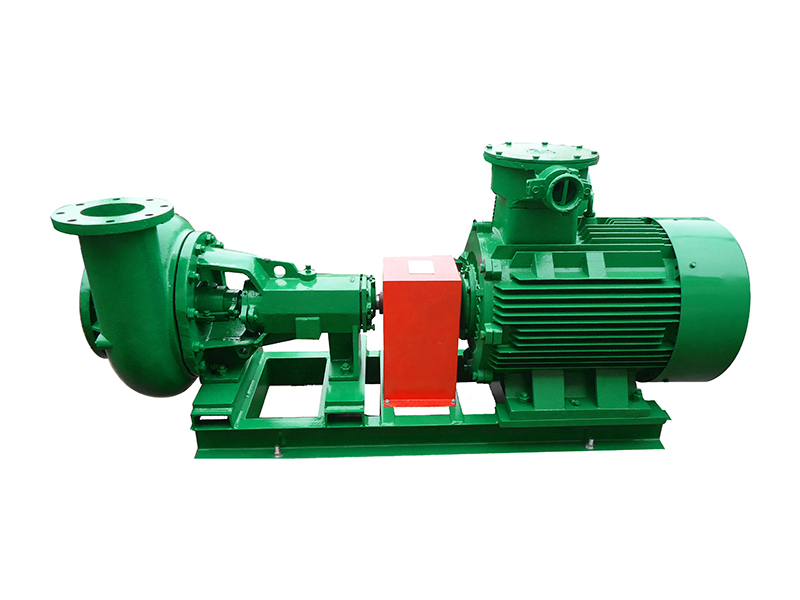
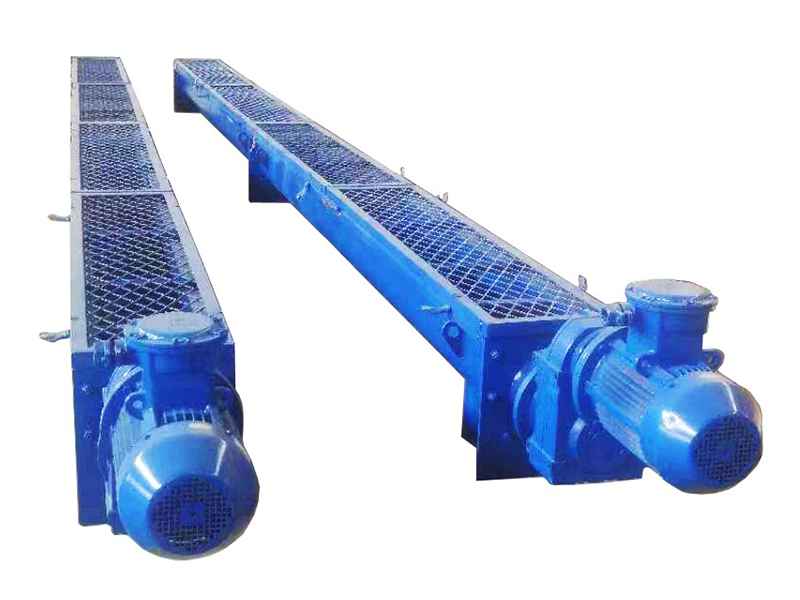
How deep petroleum fluid engineering principles revolutionized modern textile composite bonding, latex immersion, and micro-porous membrane coatings.
In modern non-woven textile manufacturing and advanced technical fabric coating, binder homogeneity is the ultimate determinant of tensile integrity, hydrostatic resistance, breathability, and coating bond strength. Traditionally, the industrial formulation of high-viscosity coatings—such as aqueous polyurethane dispersions (PUD), ethylene-vinyl acetate (EVA) copolymers, acrylic latex emulsions, polyvinyl alcohol (PVA) matrices, and specialty silica or carbon black suspensions—relied on conventional mechanical paddle stirrers or high-speed dissolvers. However, these legacy mixing techniques frequently suffer from severe micro-agglomeration ("fish-eyes"), uneven pigment/fire-retardant dispersion, slow batch cycle times, and localized batch degradation caused by thermal build-up.
To resolve these compounding bottlenecks, technical coating plants have rapidly adopted Drilling Fluid Mixing Hoppers (Venturi Hydro-Shear Mixers). Originally perfected in deep-well exploration for rapid, instantaneous hydration of dry bentonite, barite, and long-chain polymers into water- or oil-based muds under high-throughput conditions, these heavy-duty Venturi jet hoppers have emerged as an extraordinary asset for industrial chemical blending. By leveraging high-velocity hydrodynamic pressure drops (Bernoulli's principle), high-shear vacuum suction, and vortex cavitation nozzles, a drilling fluid hopper can introduce, wet, and thoroughly homogenize powdered solids directly into continuous liquid coating streams without introducing entrapped micro-air or unmixed dry lumps.
The fluid dynamics operating within a high-performance drilling fluid hopper combine classical Venturi acceleration, negative gauge pressure suction, and high-Reynolds-number turbulent mixing. When motive fluid—consisting of carrier water, solvent mixtures, or diluted resin bases—is pumped through the nozzle under centrifugal pump pressure (typically 0.35 to 0.65 MPa), it is forced into a constricted throat. This cross-sectional reduction converts hydrostatic pressure head into massive kinetic velocity, creating a deep vacuum (up to -0.08 MPa gauge pressure) directly below the hopper intake funnel.
| Parameter | Conventional Batch Dissolver Tank | High-Shear Venturi Mixing Hopper Skid |
|---|---|---|
| Hydration Efficiency | Moderate (Requires 45–180 min agitation) | Instantaneous (Milliseconds inside Venturi throat) |
| Micro-Agglomeration ("Fish-eyes") | High risk with hydrophilic powders (CMC, Guar, PVA) | Completely eliminated via negative pressure wetting |
| Air Entrapment & Foam Generation | High surface vortex vortexing introduces micro-foam | Closed in-line fluid stream eliminates aeration |
| Energy Consumption per Ton | 12.5 – 18.0 kWh / metric ton | 4.2 – 6.5 kWh / metric ton |
| Scalability & Automation | Batch-limited, high labor for bag dumping | Continuous, easily coupled with loss-in-weight feeders |
The cross-application of drilling fluid solids control and hopper mixing technologies has penetrated multiple high-growth technical textile sectors. Below are the primary industrial environments where Venturi hoppers serve as vital infrastructure:
The global technical textiles market is projected to exceed $250 billion within the next decade, propelled by strict environmental regulations, increased demand for lightweight composite materials in aerospace and e-mobility, and the surge in hygienic non-wovens. To stay competitive, coating manufacturers are executing three major industrial transitions where specialized fluid hoppers play a pivotal role:
1. Transition from Solvent-Based to High-Solids Waterborne Systems: Environmental directives (such as EU REACH and EPA VOC caps) are mandating the elimination of toxic volatile solvents. Waterborne coatings require significantly higher solids loadings (up to 65–75% solids) to maintain fast line speeds without excessive evaporative energy costs. High-solids formulations exhibit pronounced pseudoplastic and thixotropic rheology, making them notoriously difficult to disperse with conventional blades. Heavy-duty Venturi fluid hoppers deliver the necessary shear stresses to mobilize, hydrate, and stabilize ultra-high-solids formulations seamlessly.
2. AI-Driven Smart Closed-Loop Dosing: Modern continuous coating lines are integrating Coriolis mass flow meters, differential pressure transmitters, and digital loss-in-weight powder feeders directly onto the fluid hopper funnel. Machine learning algorithms continuously monitor real-time viscosity and fluid density, dynamically fine-tuning the butterfly valve intake and motive pump RPM. This closed-loop automated system ensures tighter coating weight tolerances (within ±0.5 g/m²), drastically decreasing raw material waste.
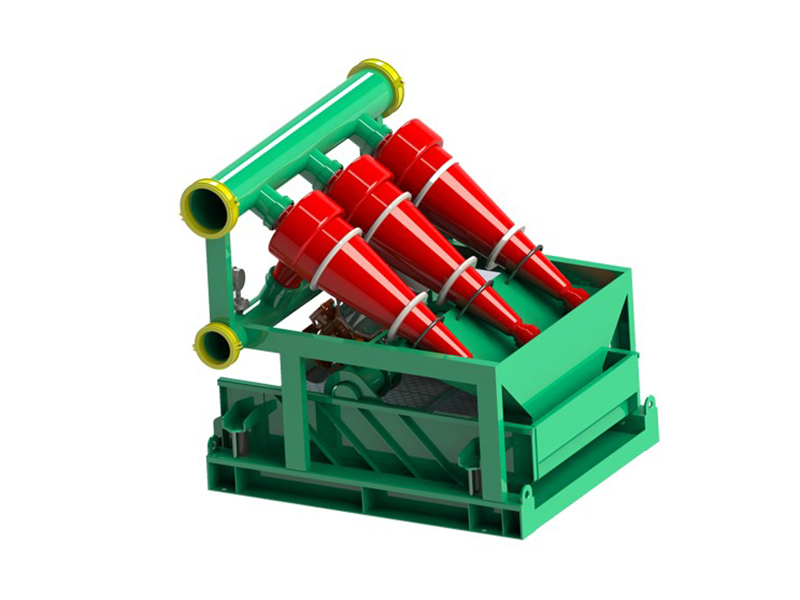
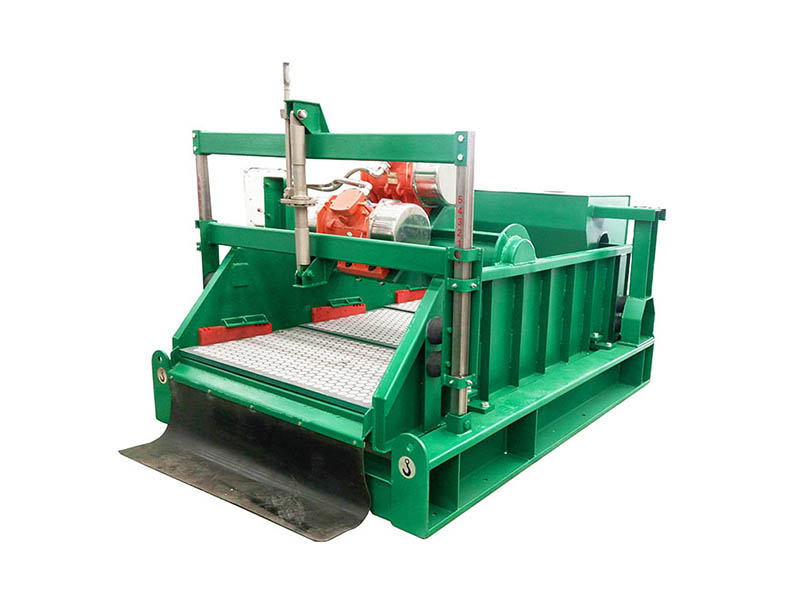
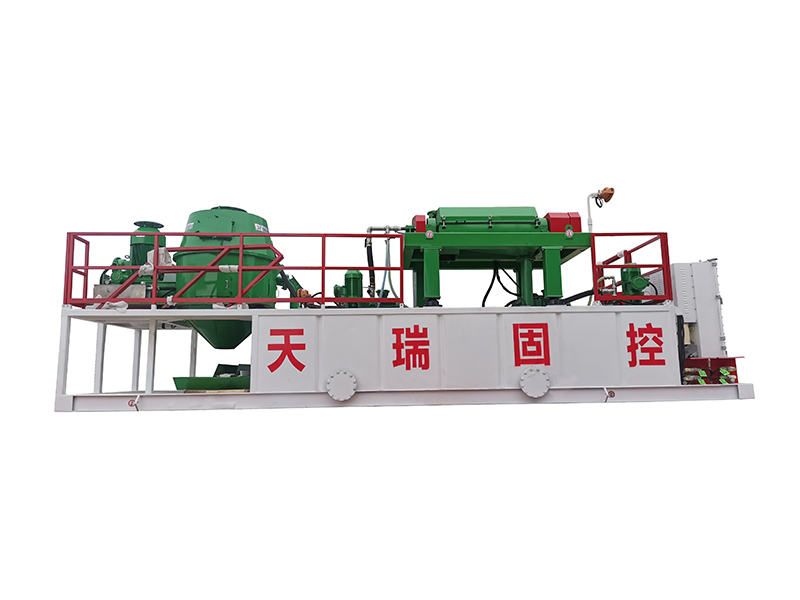
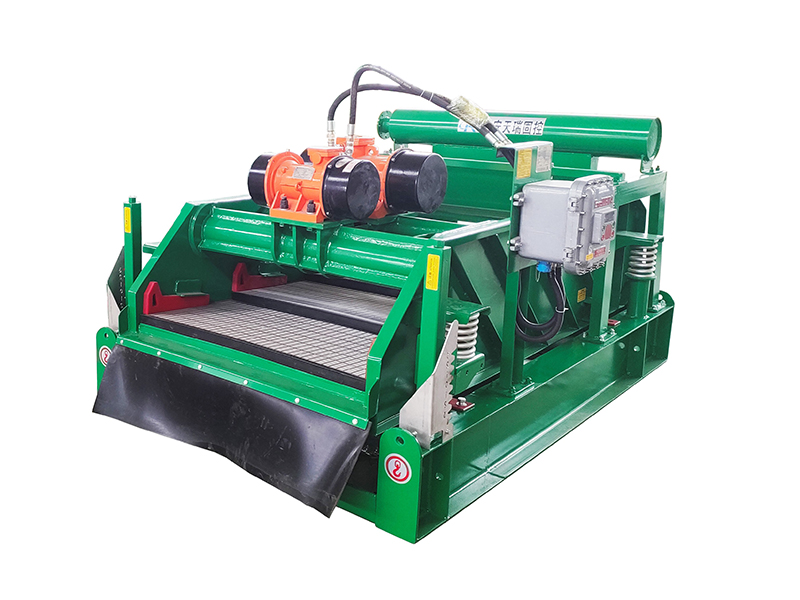
3. Integration of Mud Recycling & Solids Recovery Architectures: Coating waste effluent contains valuable polymer solids, titanium pigments, and synthetic fibers. Industrial coating facilities are utilizing mud recycling systems (comprising fine-mesh shale shakers, desanders, and decanter centrifuges) to recover and dewater coating residues. The reclaimed solids and clarified process water can be re-circulated back into the preparation stream via the mixing hopper, creating a circular zero-discharge coating facility.
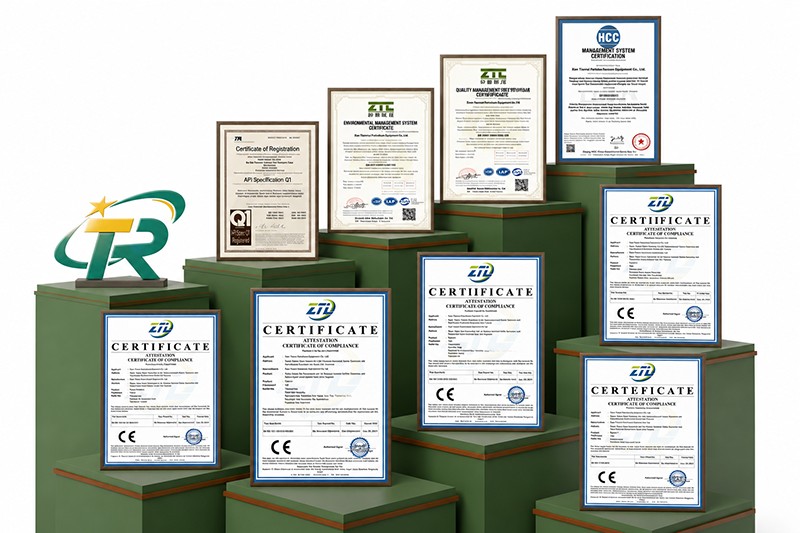
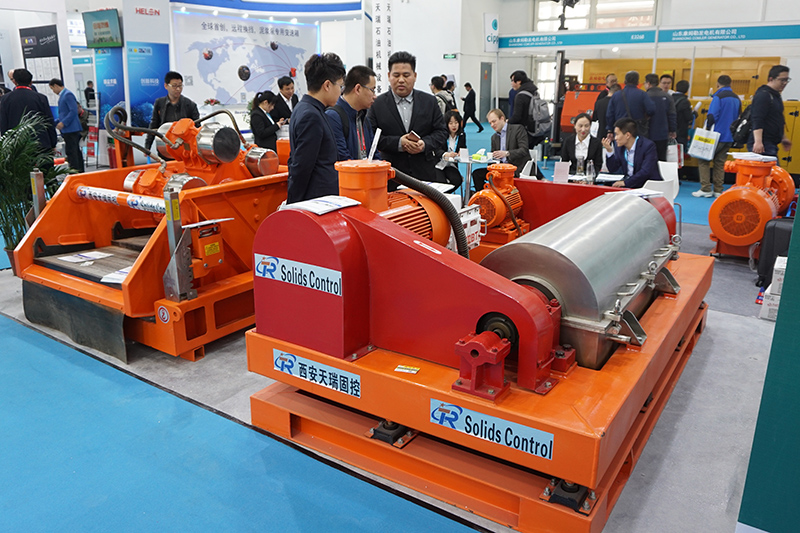
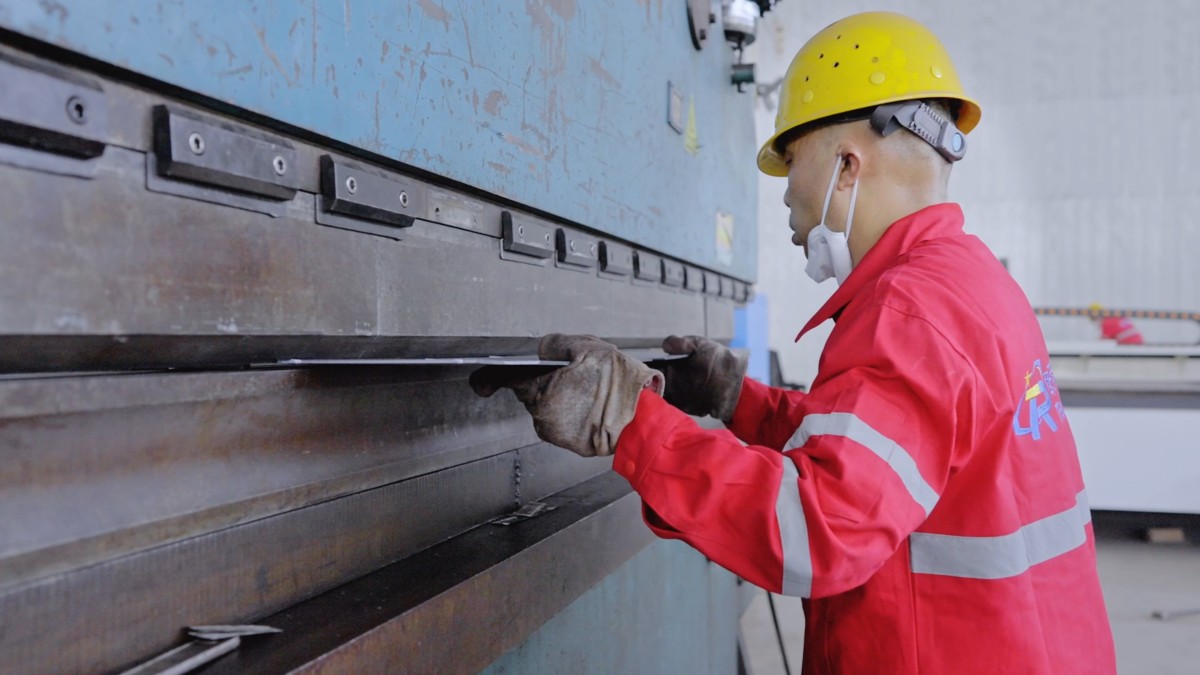
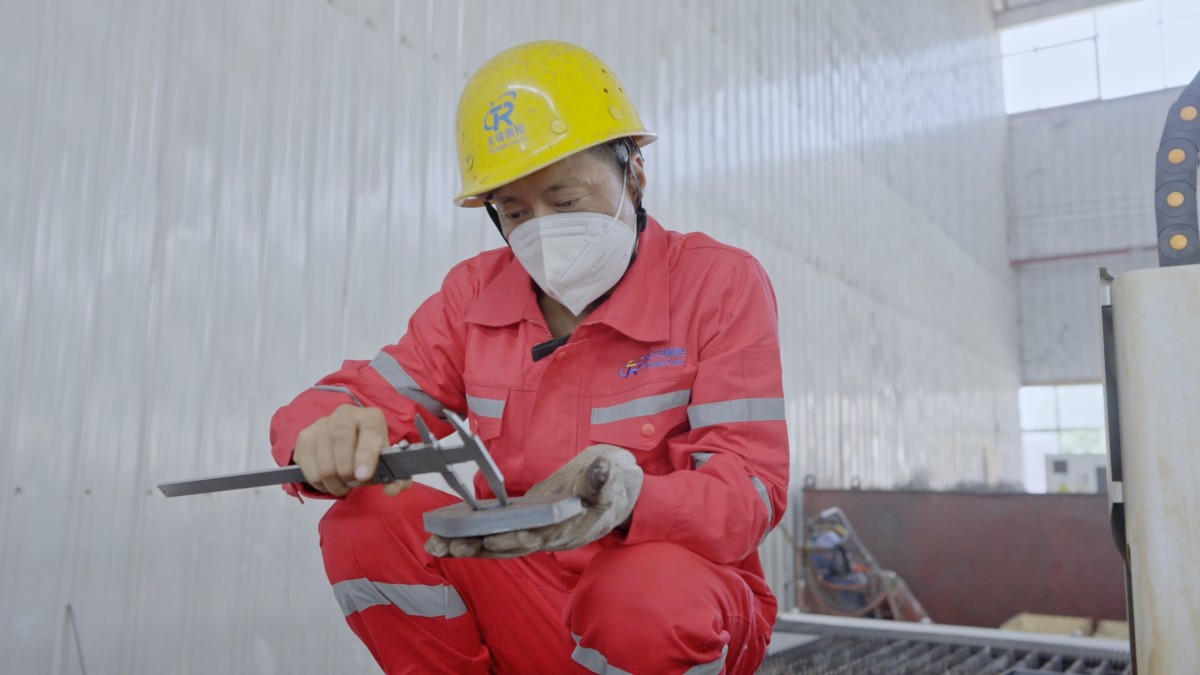
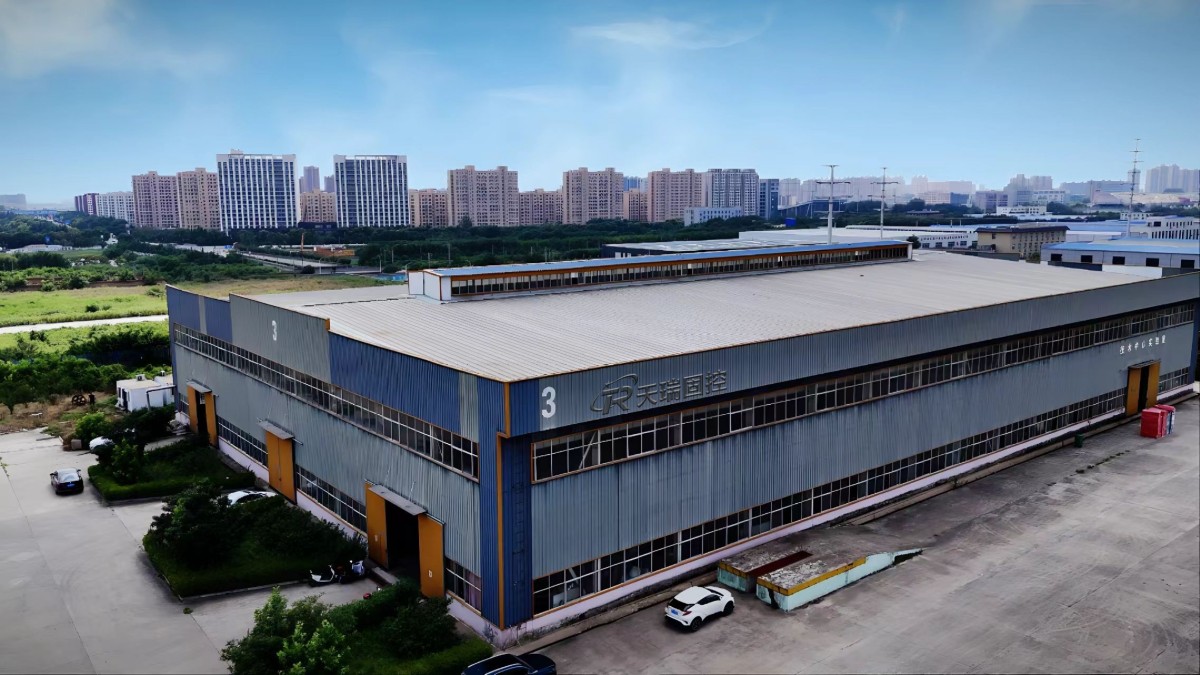
Established in 2010, TR Solids Control is a professional manufacturer specializing in drilling fluid solids control equipment and integrated solutions. We are dedicated to the design, manufacture, sales and services of solids control systems, following strict quality standards and providing reliable products, professional support and fast response for global customers.
During the past years, together with our experienced engineering team and strong supply chain partners, we have supported drilling contractors, oilfield service companies and industry partners across Middle East, Africa, Russia, South America, Southeast Asia and other regions, delivering efficient solids control solutions for various drilling operations.
Complete industrial machinery engineered for heavy-duty slurry dispersion, particulate separation, continuous chemical dosing, and environmental fluid recycling.