Leave Your Message
-
Phone
-
E-mail
-
Whatsapp
-
WeChat

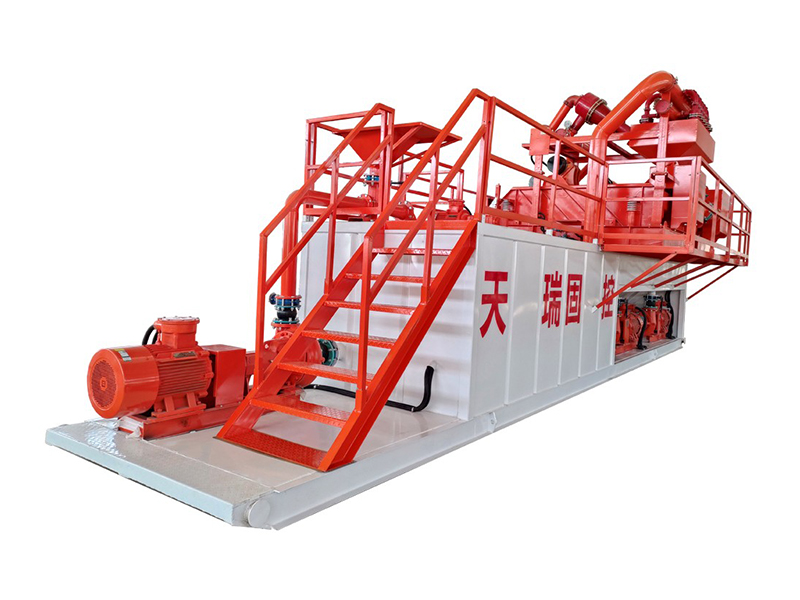
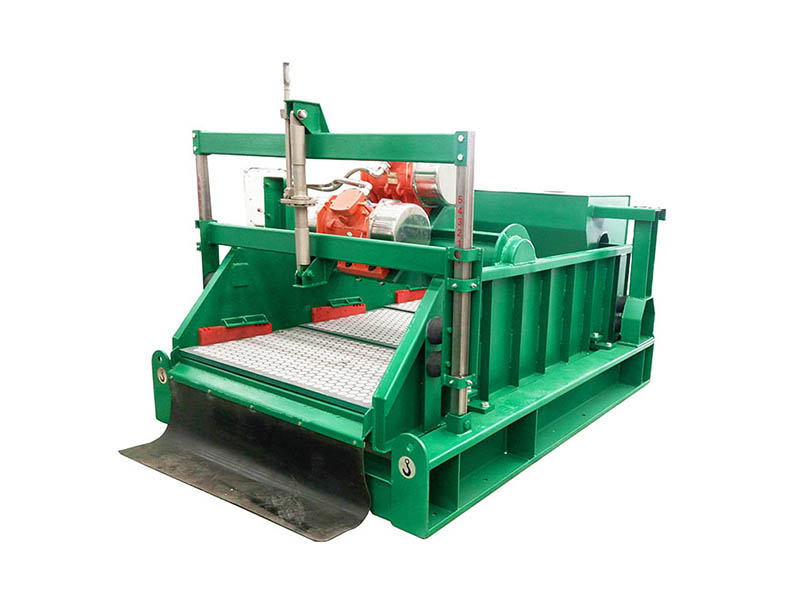
Engineered hydrocyclone desilters, high-G shale shakers, and slurry transport systems adapted for polymer processing fluid refinement.
Bridging heavy-duty solid-liquid separation engineering with ultra-clean precision manufacturing in BOPP, PET, CPP, and multilayer film converting lines.
In modern high-speed flexible packaging manufacturing, the processes of slitting and rewinding represent the final, most critical stages where web tension, slitting blade cleanliness, cooling fluid dynamics, and micro-particle contamination dictate the commercial yield. Historically recognized within oilfield engineering and heavy trenchless operations, high-efficiency Drilling Desilter technology has rapidly migrated into specialized industrial applications, notably within closed-loop filtration loops for flexible packaging materials slitting and rewinding plants. As web speeds exceed 600 to 1,000 meters per minute across complex multi-layer barrier films, bi-axially oriented polypropylene (BOPP), polyethylene terephthalate (BOPET), cast polypropylene (CPP), and metallized foils, the management of micro-particulate debris, slitting coolant slurry, and wash-bath fluid contamination becomes decisive for operating uptime, blade longevity, and pristine optical substrate purity.
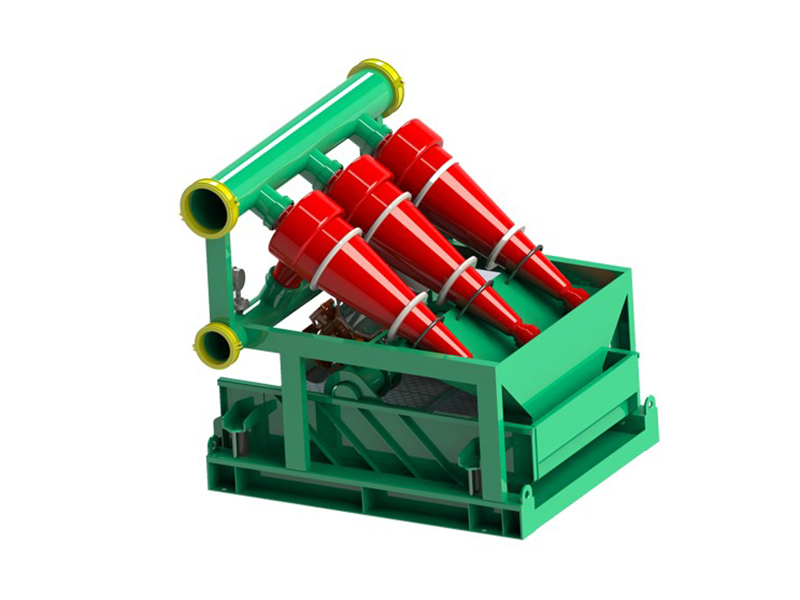
Utilizing 4-inch polyurethane hydrocyclone cones to consistently separate ultrafine polymer abrasive fines and slitting slimes that standard cartridge filters miss.
Dramatically extends the service lifecycle of cooling fluids, blade lubricants, and static-neutralizing baths by preventing slurry build-up.
Eliminates airborne and liquid-borne micro-contaminants that cause web pinholes, scratch defects, and roll interleaving imperfections.
The flexible packaging sector has undergone unprecedented transformation driven by the expansion of barrier films, sustainable mono-material recyclable laminates, and ultra-thin substrates. High-speed slitter rewinders employ rotary shear knives, razor-in-groove, or crush-cut slitting mechanisms that generate continuous friction, micro-polymer dust, static-charged slimes, and localized thermal loads. To sustain blade sharpness, suppress thermal degradation, and mitigate static discharge, advanced converting lines implement continuous liquid washing, water-bath cooling, and lubrication circuits.
However, recirculated process water and emulsion coolants rapidly accumulate abrasive polymer flocs, aluminum vapor particles from metallized films, and environmental particulates. Standard bag and cartridge filtration systems suffer from premature blinding, high replacement costs, and pressure surges that destabilize cooling flow rates. Here, the adaptation of the Drilling Desilter—specifically configured with 4-inch or 5-inch polyurethane hydrocyclone cones—provides a continuous, non-clogging centrifugal separation mechanism capable of stripping solid particulates down to 15 to 44 microns with unmatched volumetric processing efficiency.
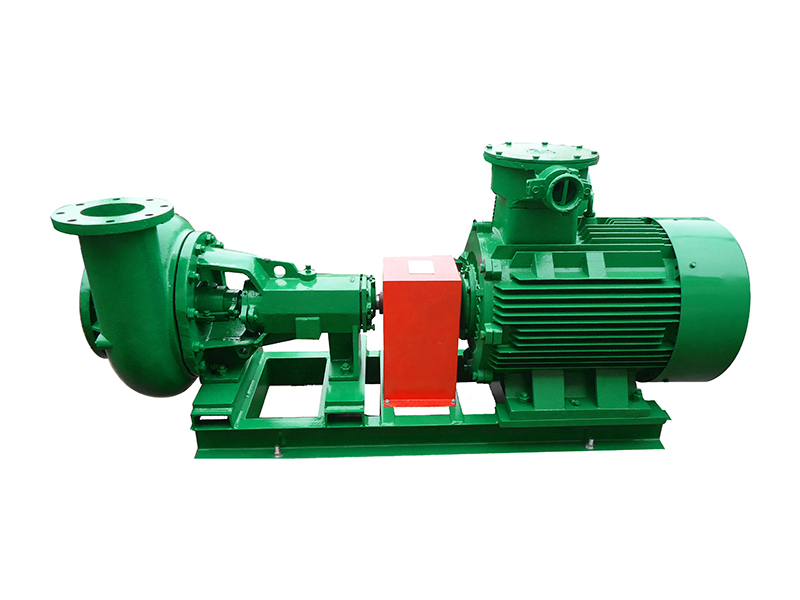
A desilter operates on centrifugal sedimentation principles. Process slurry is introduced tangentially under continuous head pressure (typically 0.25 to 0.40 MPa) generated by heavy-duty centrifugal pumps. As fluid spirals down the converging interior of the polyurethane cone, intense centrifugal forces (exceeding 500 to 1,000 Gs) accelerate high-density particulates toward the inner periphery wall. The heavier polymer residues, aluminum flakes, and slitting slurries discharge continuously through the bottom apex (underflow orifice), while clarified fluid forms an upward helical vortex along the central axis, exiting through the top overflow manifold back into the converting line's clean fluid reservoir.
| Parameter | Heavy Oilfield Standard | Flexible Packaging Slitting & Rewinding Spec |
|---|---|---|
| Hydrocyclone Cone Size | 4" Polyurethane / Cast Iron | 4" High-Purity Virgin Polyurethane (Anti-Abrasion) |
| Separation Cut-Point (D50) | 15 – 44 Microns | 12 – 35 Microns (Optimized Manifold Velocity) |
| Treated Medium | Bentonite / Polymer Drilling Fluids | Synthetic Coolants, Emulsions, Slitter Wash Water |
| Solids Classification | Drilled Rock Silt & Barite | Polymer Micro-Dust, Slit Fines, Metal Flakes |
| Operating Pressure Range | 0.25 – 0.45 MPa | 0.20 – 0.38 MPa (Pulsation-Dampened) |
Integrating desilter technology into converting facilities solves critical engineering bottlenecks across several key areas:
A. Continuous Slitting Blade Cooling & Washing Circuit: During the slitting of biaxially oriented polyethylene (BOPE) and multi-layer EVOH co-extruded films, blade edges accumulate polymer buildup ("angel hair" and micro-melt beads). Continuous fluid jets equipped with desilter-clarified loops continuously clean the knife bevels without introducing micro-grit that accelerates blade dulling. This triples knife lifespans and guarantees burr-free, razor-sharp slit edges vital for downstream pouch-making and form-fill-seal (FFS) machines.
B. High-Velocity Rewind Spindle Thermal Management: Modern center-surface rewinding equipment relies on internal liquid cooling within differential friction shafts to maintain uniform core temperatures and accurate winding tension across 50+ slitted coils. Sediment-laden cooling water causes scale and silt blockage inside rotary unions and expanding friction rings. Desilter filtration eliminates micro-solids, protecting precision pneumatic bladders and rotary couplings from catastrophic failure.
C. Metallized Film Scrubbing Water Treatment: In plants processing vacuum-metallized PET/BOPP, slitting releases microscopic aluminum dust that oxidizes and forms abrasive metallic hydroxides in water collection trays. Passing this effluent through a specialized desilter unit isolates the metallic silt, preventing cross-contamination of clean web surfaces and complying with industrial wastewater discharge benchmarks.
The industrial converting landscape is rapidly evolving under the dual pressures of ESG (Environmental, Social, and Governance) mandates and Industry 4.0 automation. The integration of desilters into packaging machinery lines reflects three prominent trends:
1. Smart Real-Time Hydrocyclone Monitoring: Modern desilting skids are now instrumented with AI-driven differential pressure transmitters, ultrasonic density meters, and automatic apex orifice actuators. Machine learning algorithms continuously analyze inlet pressure against fluid viscosity, automatically tuning bypass valves to maintain peak separation efficiency regardless of sudden fluctuations in slitting line speed or contaminant load.
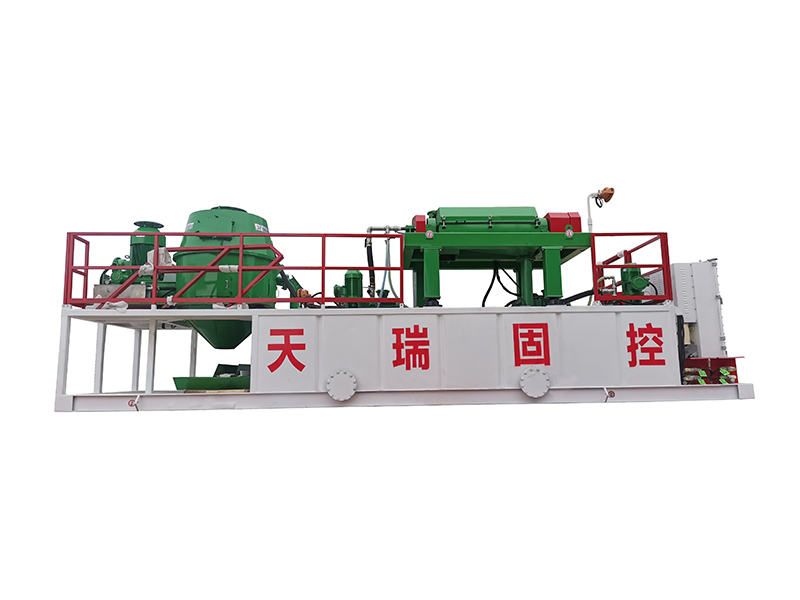
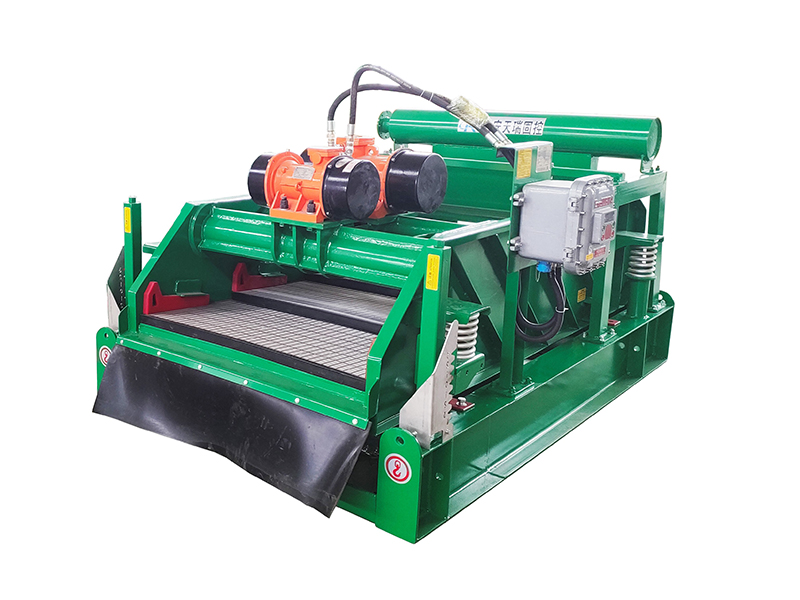
2. Zero Liquid Discharge (ZLD) in Film Finishing: Water conservation is paramount. Modern flexible packaging facilities no longer dispose of contaminated cutting effluents. Instead, a multi-stage closed-loop solids control configuration—combining fine linear shale shakers, desanders, drilling desilters, and decanter centrifuges—enables 98.5% process fluid reclamation, reducing virgin fluid procurement costs by over 70% annually.
3. High-Tension Web Stability & Particle-Free Quality: As packaging substrates become thinner (e.g., down to 8–12 micron PET), the presence of airborne or droplet-suspended silt particles during winding can cause severe micro-dents and layer interleaving defects. Clarified liquid mist suppression powered by desilter filtration guarantees an ultra-clean slitting envelope.
Investing in robust desilting equipment yields tangible operational ROI for packaging converters. Unscheduled stops on 800 m/min slitter rewinders cost thousands of dollars per hour in lost throughput. By maintaining process fluid clarity below 25 ppm of abrasive suspended solids:
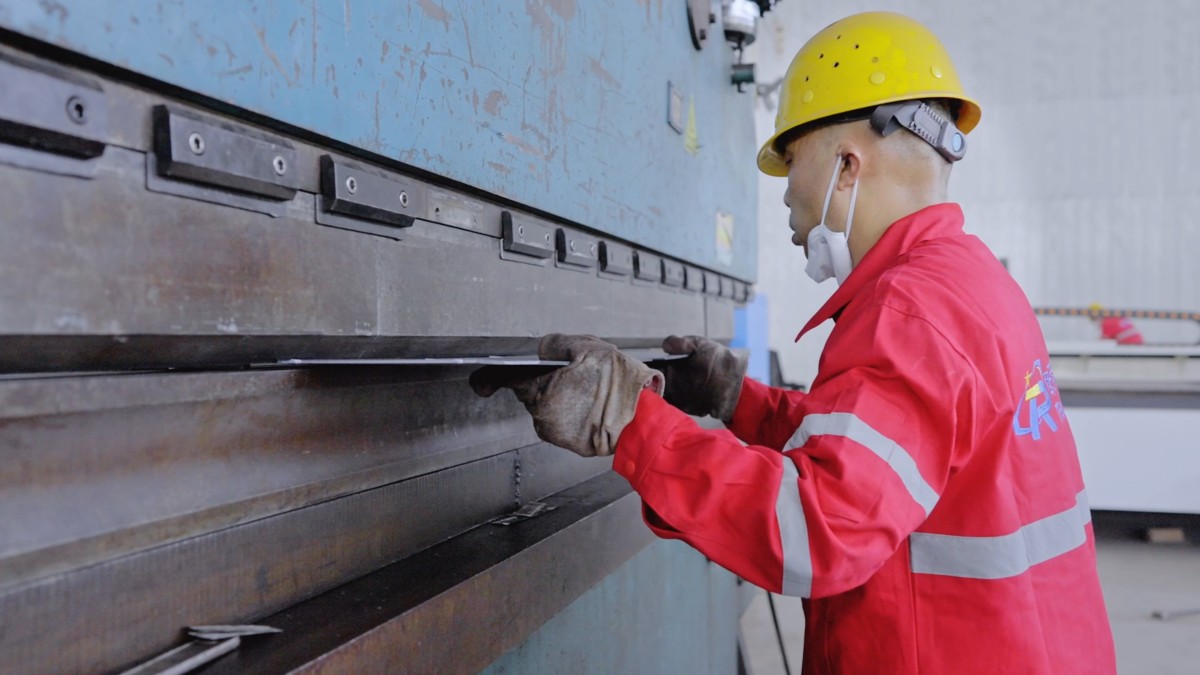
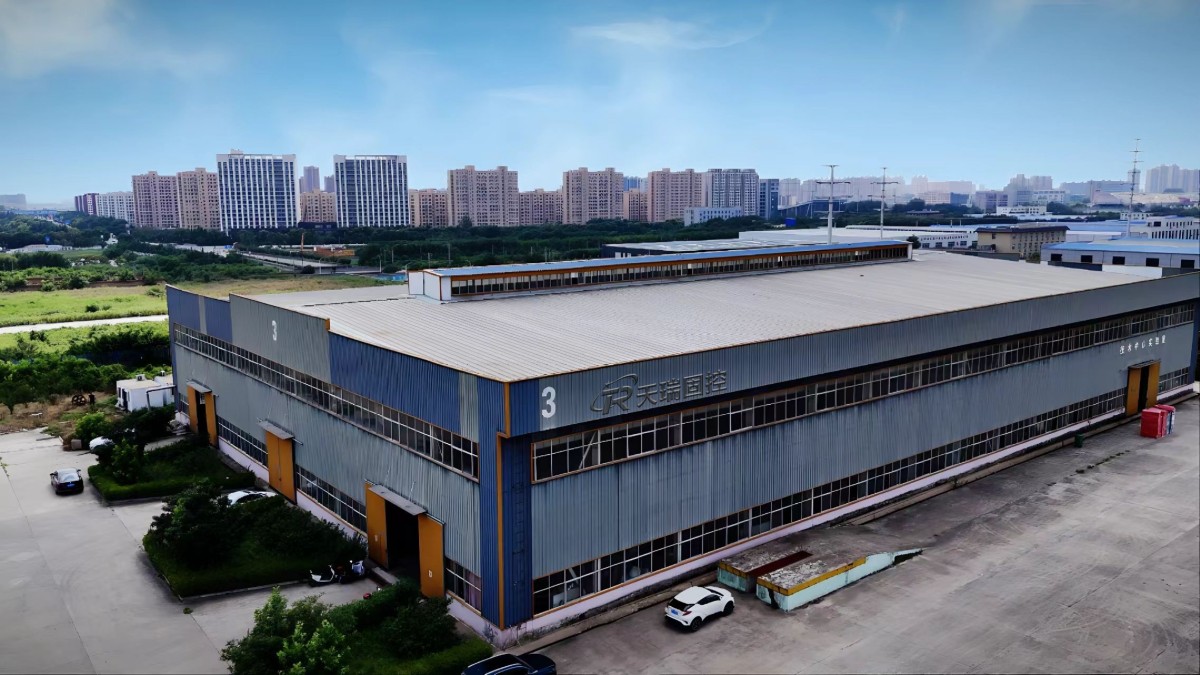
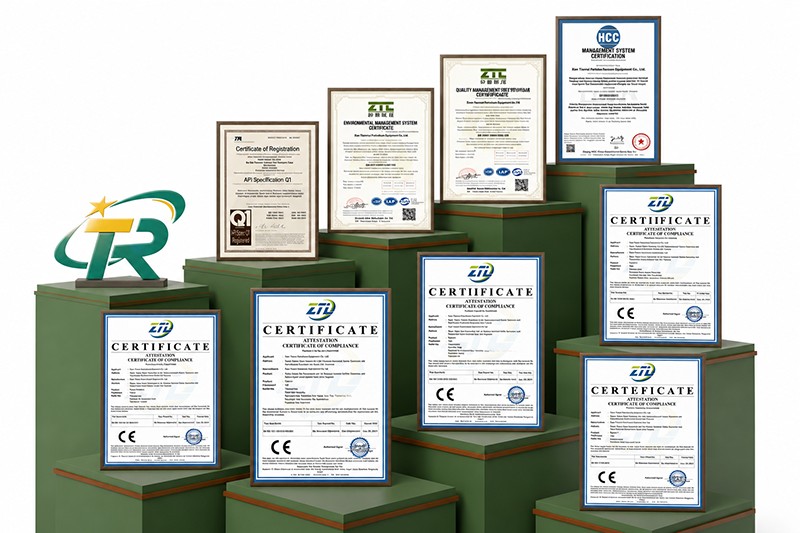
Established in 2010, TR Solids Control is a professional manufacturer specializing in drilling fluid solids control equipment and integrated industrial separation solutions. We are dedicated to the design, manufacture, sales, and service of advanced solids control systems, adhering to strict quality standards and delivering reliable equipment, professional engineering support, and rapid global response.
Over the past decades, alongside our experienced engineering team and strong supply chain partners, we have supported drilling contractors, industrial process plants, and manufacturing partners across the Middle East, Africa, Russia, South America, Southeast Asia, and beyond, providing high-efficiency separation solutions tailored for demanding operational environments.

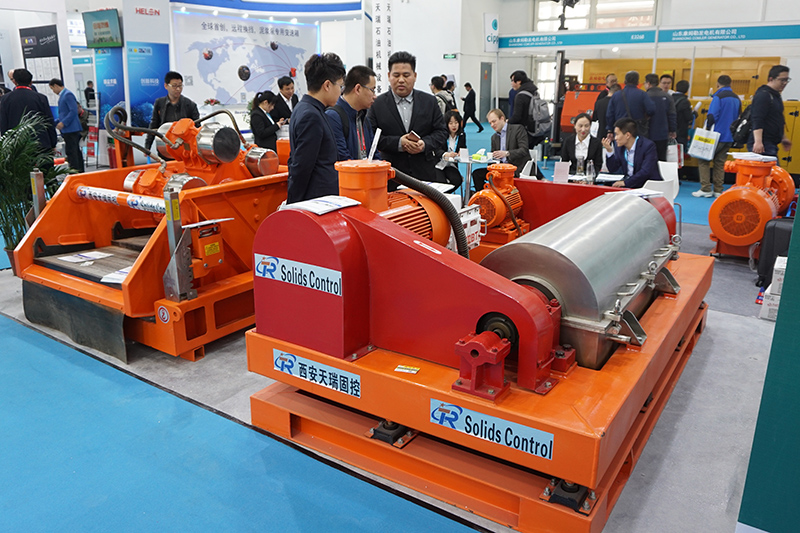
Explore our complete machinery catalog supporting continuous mud recycling, fluid clarification, and industrial slurry desilting.