Leave Your Message
-
Phone
-
E-mail
-
Whatsapp
-
WeChat

Continuous particulate cut-point control (15–44 µm) designed to eliminate nozzle clogging, prevent adhesive coating streaks, and recover valuable formulation materials.
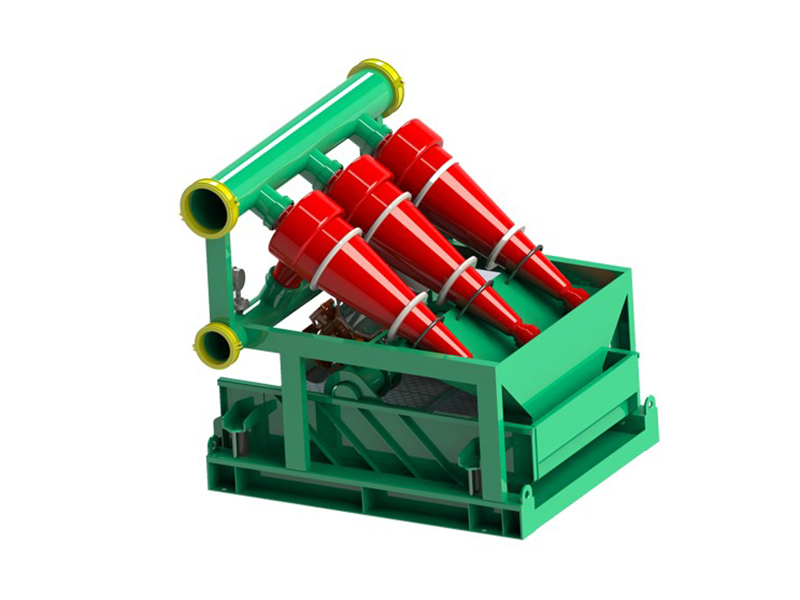
In modern industrial converting, the manufacturing of pressure-sensitive adhesive (PSA) tapes, self-adhesive labels, release liners, and technical specialty films demands unprecedented chemical purity and particulate homogeneity. Traditionally deployed in heavy-duty oilfield and geotechnical drilling mud reclamation, Drilling Desilters—featuring polyurethane hydrocyclone arrays—have emerged as revolutionary separation assets within advanced adhesive tape and label manufacturing facilities.
During the compounding, emulsion polymerization, coating, and roll-washing stages of acrylic, rubber-based, and polyurethane adhesives, process fluids become laden with fine filler aggregates, insoluble coagulated polymer particles, micron-sized silica, and calcium carbonate (CaCO₃) particulates. When left unchecked, these abrasive suspended solids (15–44 microns) degrade high-precision slot-die and comma roll coaters, generate optical micro-voids and fisheye defects on clear BOPP/PET film laminates, and accelerate the wear of closed-circuit wash systems.
High-velocity centrifugal vortex dynamics separate micro-grit, dried latex specks, and mineral fillers without requiring consumable cartridge filters or damaging chemical coagulants.
Recovers up to 94% of chemical washwater and carrier emulsions from flexographic printing and slot-die flushing lines for sustainable, closed-circuit industrial reuse.
Eliminates streak defects, micro-scratches on silicone release liners, and high-pressure nozzle abrasion, drastically cutting line downtime and maintenance overhead.
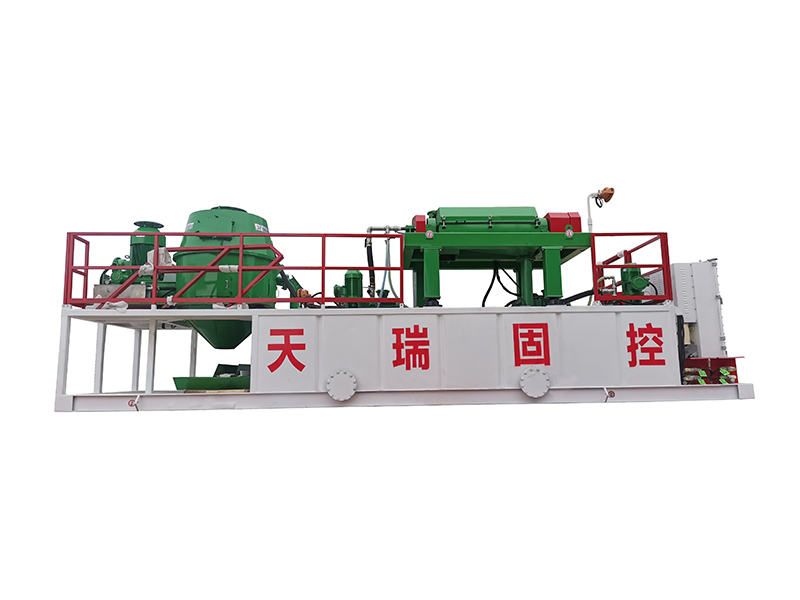
The cross-industry integration of drilling-grade desilter hydrocyclones provides continuous, high-throughput separation capable of handling high fluid densities, aggressive rheologies, and abrasive particle loads. Below is an engineering analysis of how desilting systems integrate across specific tape and label manufacturing modules:
Water-borne acrylic adhesives rely on delicate surfactant emulsions. During large-scale reactor batching and recirculation, shear forces often trigger localized micro-gelation. Traditional strainers choke rapidly under viscous polymer load. A specialized 4-inch desilter manifold, operating under controlled feed pressure (0.25 to 0.40 MPa), exerts accelerated centripetal acceleration (over 500 Gs) to spin out coagulated polymeric lumps and inorganic crosslinkers while allowing intact polymer micelles to discharge through the vortex finder without shear degradation.
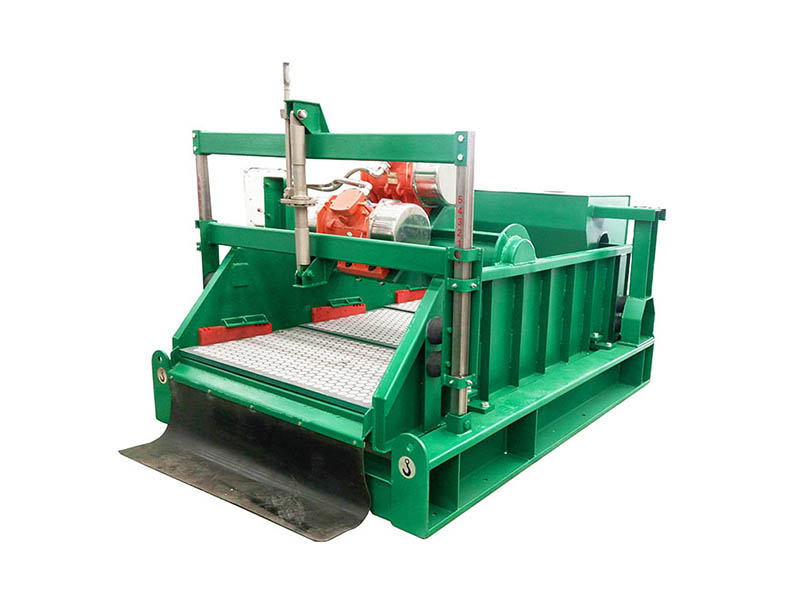
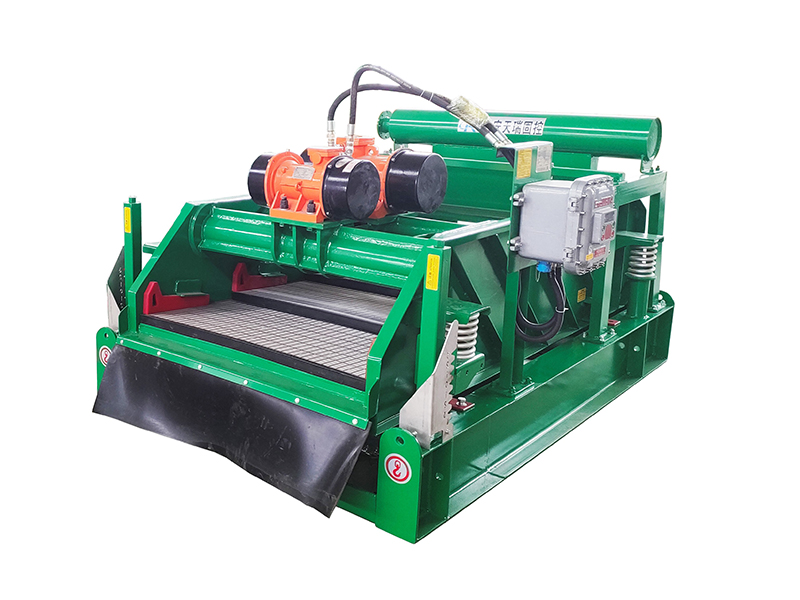
In thermal and UV-cured silicone release liner manufacturing (Kraft paper, glassine, PET film), washing circuits remove unreacted silicone monomers, silica matting agents, and paper fiber slimes. Desilter units downstream of primary vibratory shakers strip out the abrasive sub-40-micron silicates. This purified washwater stream can be recycled directly to cleaning headers, mitigating biological fouling and reducing chemical effluent disposal charges.
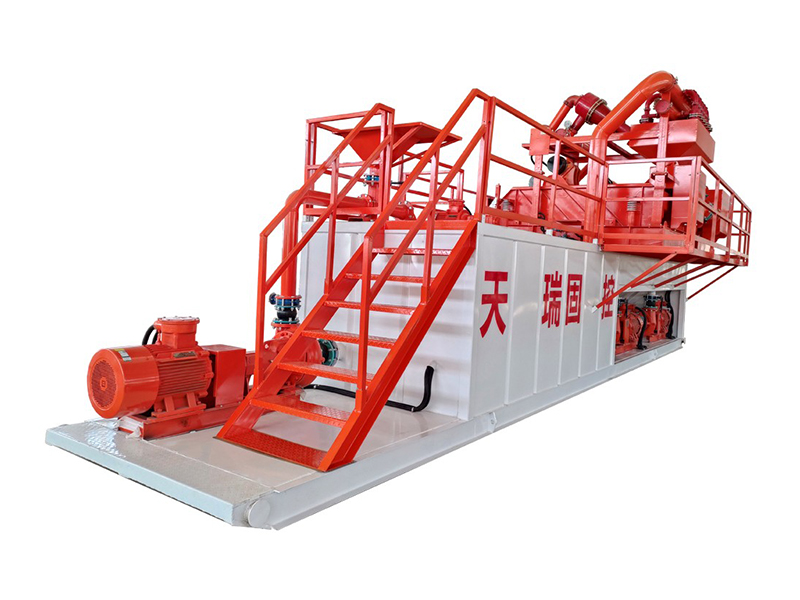
Hot-melt pressure-sensitive adhesives (HMPSA) incorporate tackifying hydrocarbon resins, SIS/SBS block copolymers, and anti-oxidative mineral stabilizers. Fluidized molten tackifiers or solvent-dissolved intermediates are passed through temperature-jacketed hydrocyclone desilter skids. Solid impurities originating from raw gum bases or calcined clay additives are rejected through bottom apex orifices, safeguarding high-speed extrusion coating lines against streaking defects.
High-definition self-adhesive label lines combine flexographic, screen, and digital printing. Washdown operations generate wastewater rich in titanium dioxide (TiO₂) pigments, metallic flakes, and dried ink resins. Drilling desilters integrated with underflow dewatering shakers concentrate heavy pigments into dry-stackable filter cakes, slashing hazardous chemical waste volume by up to 75%.
| Operational Metric | Industrial Drilling Desilter Skid | Bag / Cartridge Filter Arrays | Static Clarification Tanks |
|---|---|---|---|
| Separation Cut Point | 15 – 44 Microns Continuous | 5 – 50 Microns (Degrades as cake builds) | > 80 Microns (Gravity dependent) |
| Throughput Capability | 120 – 360 m³/h Continuous Flow | 20 – 60 m³/h (Chokes under high solids) | Slow Batch (Requires large footprint) |
| Consumable Media Cost | Zero (Pure Hydrocyclonic Force) | High (Frequent cartridge replacements) | Moderate (Flocculants & coagulants) |
| Resistance to Polymer Blinding | Immune (High centrifugal sweep) | Extremely Vulnerable (Fast blinding) | Prone to sludge floatation |
| Footprint & Line Integration | Compact Skid-Mounted Platform | Moderate | Extremely Large Settling Basins |
The global adhesive tape and packaging label industry is navigating stringent environmental regulations, escalating raw chemical costs, and zero-defect quality standards from pharmaceutical, automotive, and electronics packaging end-users. Key industrial drivers favoring hydrocyclone desilter deployment include:
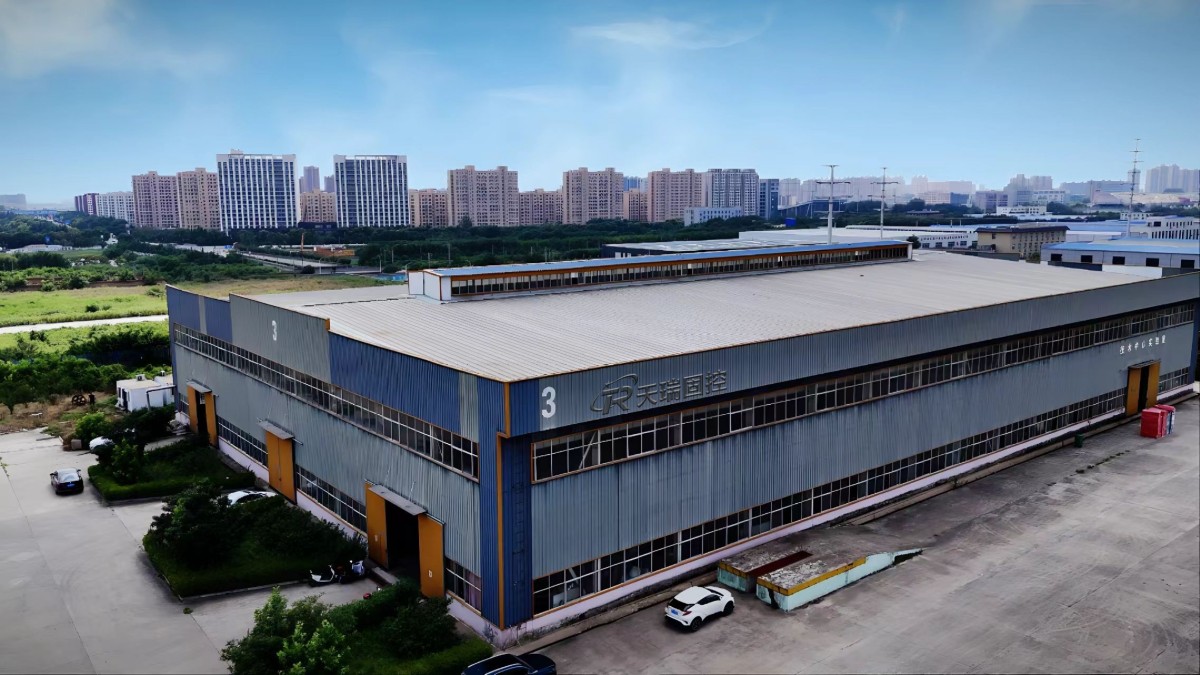
Established in 2010, TR Solids Control is a professional manufacturer specializing in drilling fluid solids control equipment and integrated solutions. We are dedicated to the design, manufacture, sales and services of solids control systems, following strict quality standards and providing reliable products, professional support and fast response for global customers.
During the past years, together with our experienced engineering team and strong supply chain partners, we have supported drilling contractors, industrial process plants, and manufacturing partners across Middle East, Africa, Russia, South America, Southeast Asia and other regions, delivering efficient solids control solutions for diverse industrial separation operations.

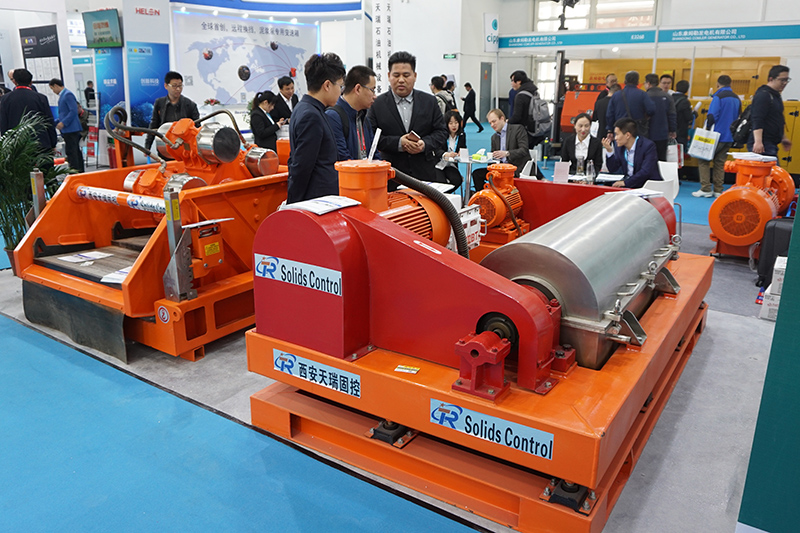
Explore our full line of industrial solids control, slurry clarification, and waste management machinery engineered for seamless turnkey integration.