Leave Your Message
-
Phone
-
E-mail
-
Whatsapp
-
WeChat

Engineered to withstand rigorous API specifications and field demands across Texas, Oklahoma, North Dakota, and Louisiana drilling rigs.
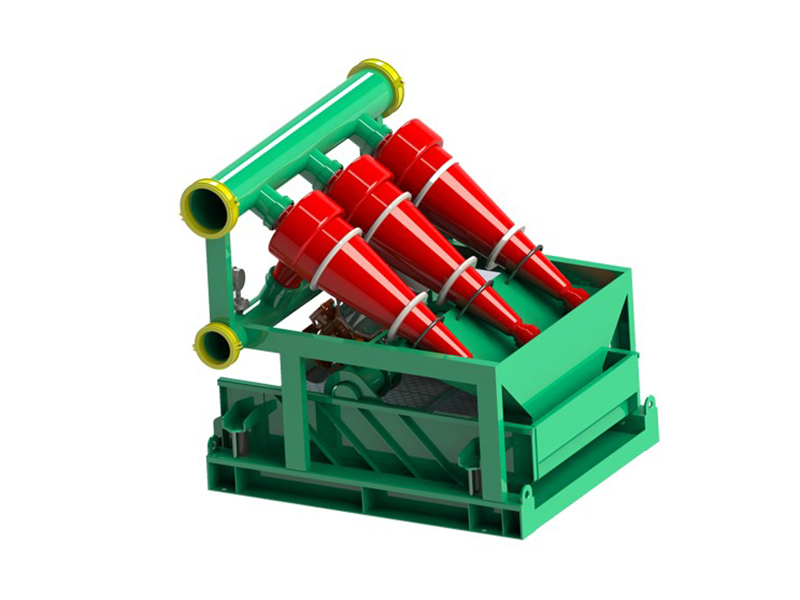
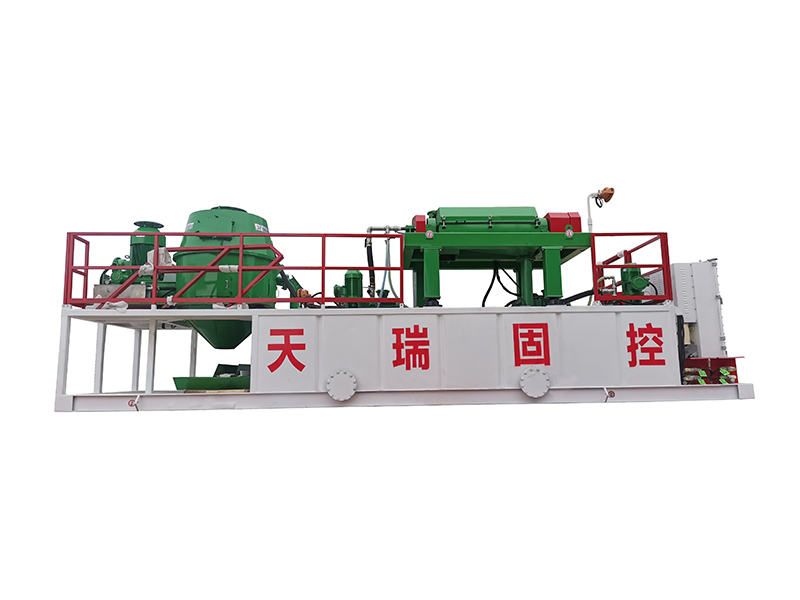
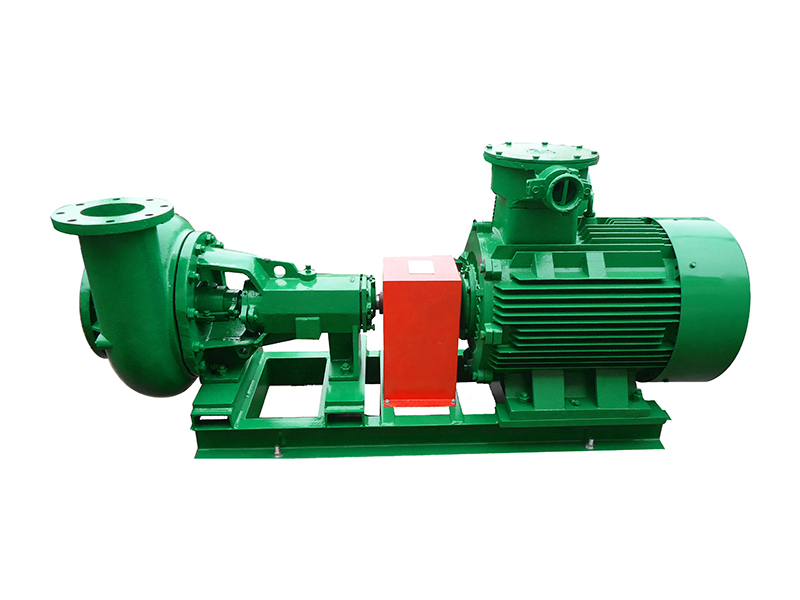
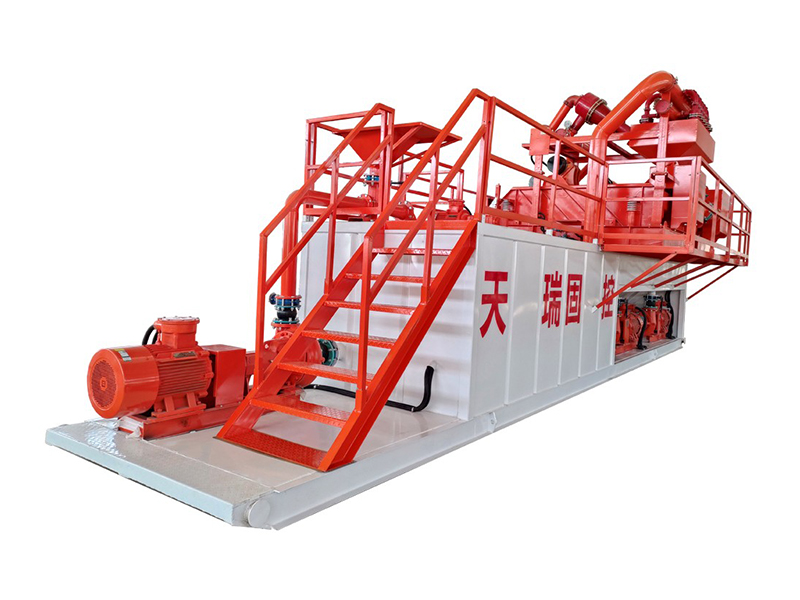
Optimizing rheology, reducing chemical shear time, and driving down non-productive time (NPT) across high-pressure unconventional basins.
Utilizing high-velocity jet nozzles paired with convergent-divergent venturi throats to generate strong negative pressure (vacuum), drawing dry powder instantly into the high-turbulent fluid stream without back-flow or clumping.
Engineered to handle bentonite and barite additions compliant with API Specification 13A, featuring ergonomic bag-ripping tables and optional dust collection ports to support US OSHA crystalline silica safety regulations.
Venturi nozzles and mixing chambers are manufactured from tungsten carbide, ceramic, or high-chrome alloys, drastically extending operational lifespan when circulating abrasive weighted mud systems up to 20 ppg.
From pad drilling in West Texas to urban trenchless infrastructure across the Eastern Seaboard.
Conventional low-pressure swirling hoppers waste expensive polymers. Modern US drilling outfits demand high-shear vortex nozzles that instantaneously hydrate biopolymers, lowering chemical procurement budgets by up to 20%.
With enhanced enforcement of workplace safety regarding crystalline silica exposure during sack-dumping, hoppers with integrated bag cutters, hinged dust hoods, and extraction vacuums are becoming mandatory on North American rigs.
Automation is rapidly entering the mud pit area. TR Solids Control collaborates with systems integrators to supply automated hopper metering valves, load cells, and variable-frequency motor controllers for real-time rheological control.
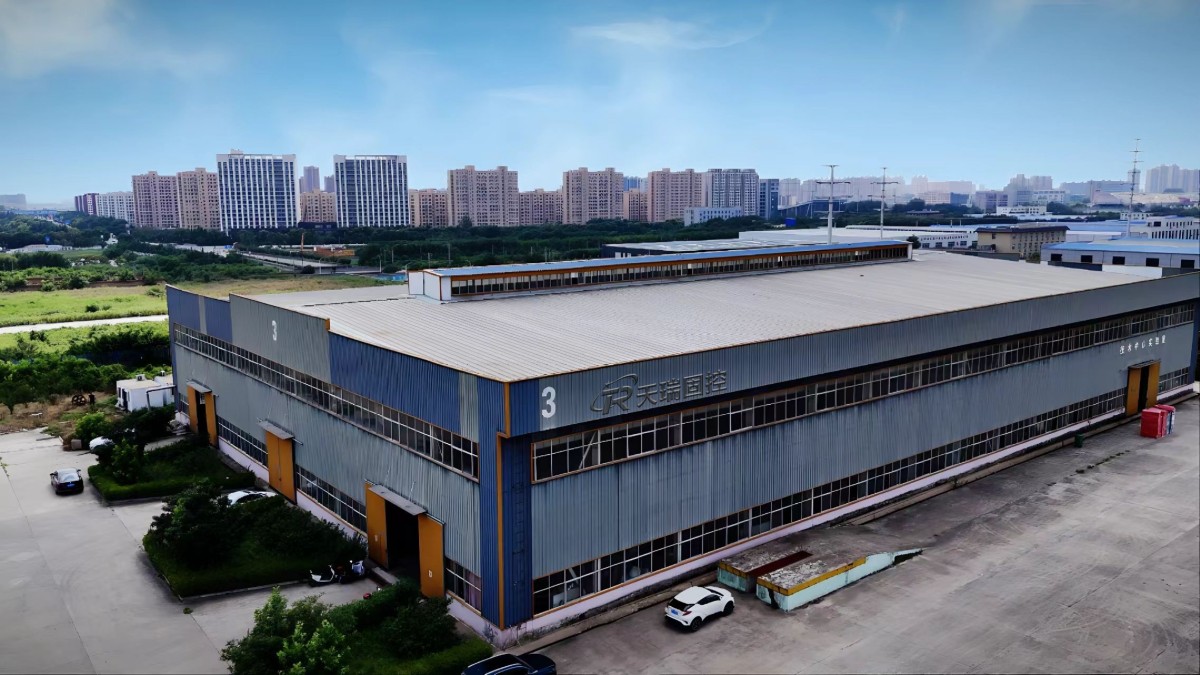
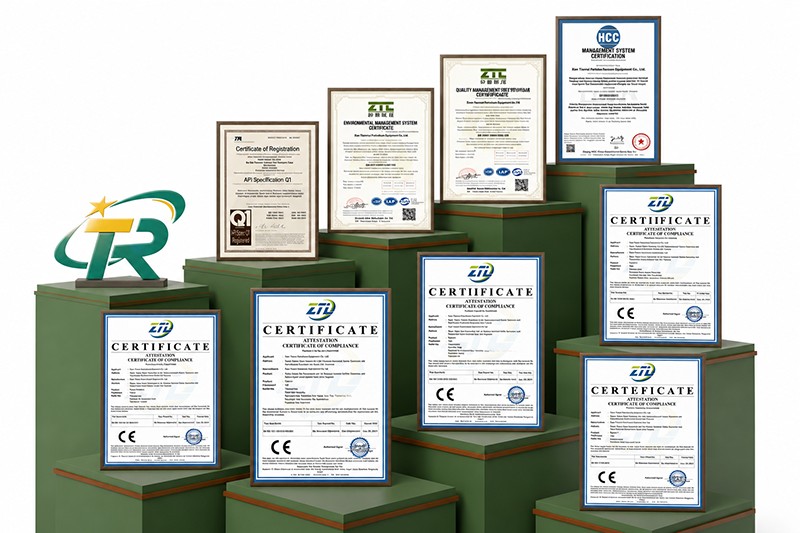
A trusted global manufacturer delivering world-class solids control machinery and customized engineering solutions.

Key technical parameters to consider when balancing mud pump head, venturi vacuum, and chemical feed rate.
Single hopper units suit standard HDD and shallow well setups. For continuous high-rate weighting on offshore platforms or pad rigs, dual-hopper configurations permit simultaneous bulk barite feeding and chemical additive introduction without pressure drop.
Proper matching between the centrifugal feed pump (typically 55 kW to 75 kW in US field operations) and the venturi nozzle diameter is essential to prevent fluid back-up into the hopper cone during heavy sack dumping.
Circulating high-density drilling fluids loaded with quartz sand or coarse calcium carbonate rapidly erodes substandard steels. Our hoppers utilize replaceable polyurethane, tungsten carbide, or hardened Ni-Hard alloy nozzle inserts for extended duty cycles.
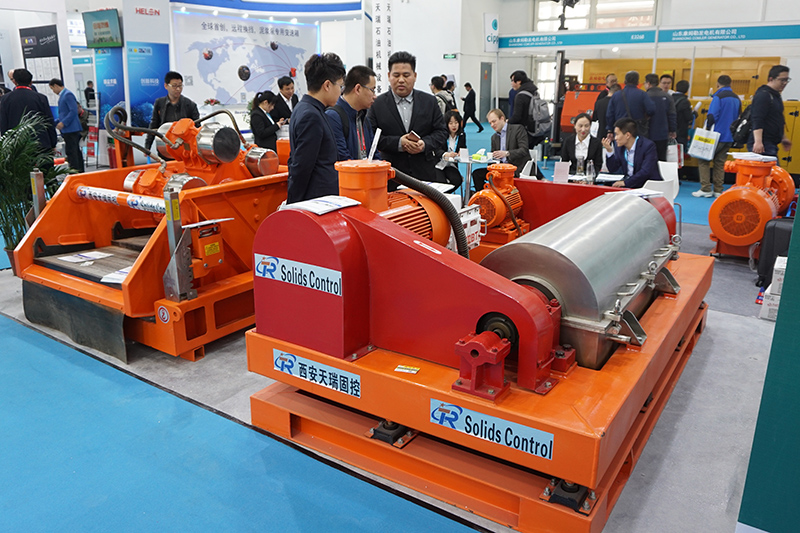
Review our complete spectrum of primary, secondary, and tertiary solids separation machinery engineered to API standards.