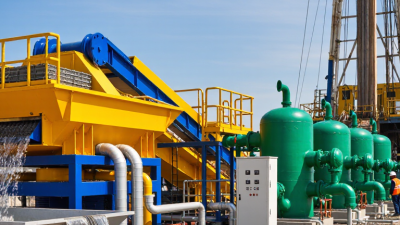
Picking the right oil sludge recycling equipment in 2026 isn’t just about blindly comparing what brochures say. You’ve gotta find a system that actually fits your specific sludge, the conditions at your site, how much you need to process, and what recovery results you’re aiming for. For example, a sample that’s as thick as syrup will act totally different from one filled with sand, water, and stubborn solids. So, it’s really important to test with representative material before you settle on a process—those small details can make a huge difference.
And honestly, equipment selection should start by understanding the sludge itself, not just relying on sales specs. — [Insert a verified industry expert’s name and approved quotation]
That piece of advice makes a lot of sense, but of course, make sure you verify the quote and the source first. When it comes to choosing equipment, it’s also smart to think about what happens during the rough spots, not just a smooth demo. Can the feed system handle viscosity that changes over time? Do the heating, separation, and discharge parts work well with the kind of solids you have? And what about routine maintenance—are pumps, screens, and seals easy for operators to reach and service?
For instance, an oil sludge vacuum pump might help control transfer, but it’s important to see how it fits into the whole process rather than just looking at it as a standalone gadget. Always ask for performance data based on similar feed materials, get clear info on the test conditions, and see how the supplier measures the recovered oil, water, and leftover solids. Because results can really vary, and that uncertainty is something to pay attention to—don’t just settle for shiny promises.
This guide will walk you through what to consider when comparing capacity, process design, operation needs, safety features, and support from suppliers. It’ll also point out some assumptions you should question before making a purchase. The best choice isn’t usually the flashy one—it’s the one backed up by actual testing, solid limits, and evidence that operators can verify and trust.
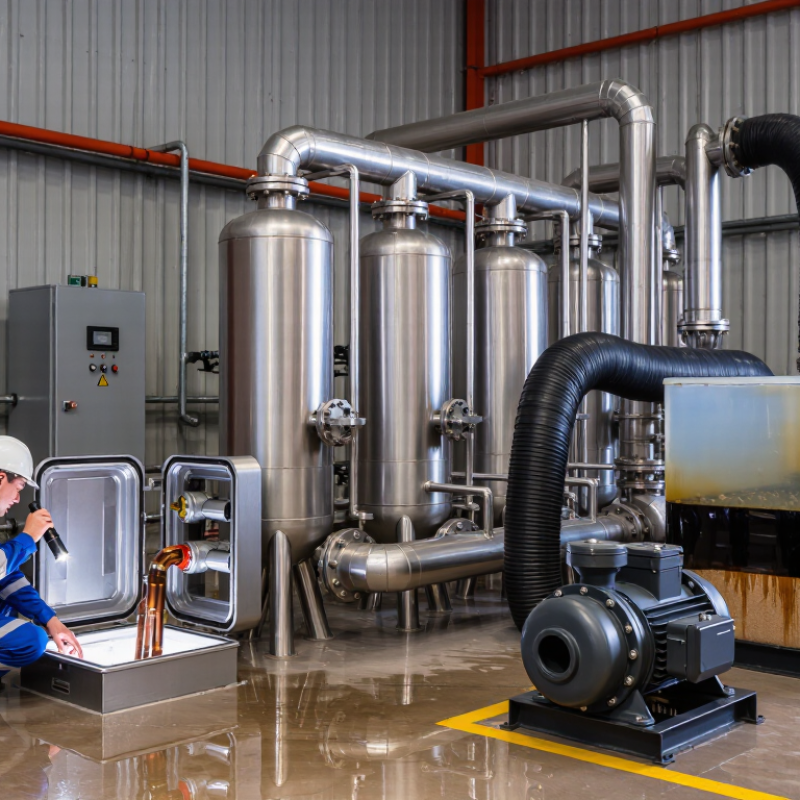
Oil Sludge Recovery System selection begins with identifying what the sludge actually contains. Tank bottoms may combine water, heavy oil, sand, rust, and fine sediment. Sludge from a refinery separator can have a different water content and particle size. These differences affect heating needs, separation performance, and residue volume.
Collect representative samples from several points, not just the surface. Let them settle, then record visible layers, odor, and temperature; lab tests can confirm water, solids, and oil content. Small details matter. A gritty sample may need stronger solids handling, while a water-rich sludge may require more effective dehydration. Results can vary between batches, so one test is rarely enough.
Define the recycling goal before comparing equipment. Is the priority recovering usable oil, reducing waste volume, or producing a more consistent feed for further treatment? These goals can conflict. Higher oil recovery may require more energy or longer processing, and the remaining solids still need careful handling. Be realistic about changes in feed quality. A system that performs well on a clean sample may struggle with cold, thick sludge in winter.
Oil Sludge Processing Unit selection should begin with a clear picture of the feedstock, not a brochure’s headline capacity. Oil sludge can vary from thick tank-bottom paste to watery material with sand, rust, and fibrous debris. Ask for representative samples from several points and record how they change over time. A single sample may be misleading. Check water, solids, oil content, viscosity, and particle size; seasonal temperature can alter pumping behavior too.
Site conditions matter just as much. Measure available floor space, access for delivery vehicles, power supply, drainage, and the distance between storage and processing areas. A narrow doorway or weak floor can complicate installation more than expected. Plan for odor control, ventilation, spill containment, and safe access for routine cleaning. Keep room for maintenance. Operators need space to inspect screens, pumps, and heated lines without working around stacked containers.
Match the equipment configuration to the actual material and operating schedule. For example, abrasive grit may call for more robust wear parts, while variable water content can affect heating demand and separation performance. Request a trial using representative feedstock, and ask what operating data will be recorded. Results from an idealized sample may not reflect daily conditions. I would also leave some design margin, but not guess wildly; excessive capacity can raise costs and complicate control. Some uncertainty is unavoidable, so document assumptions and revisit them after initial operation.
Assess feedstock composition alongside site conditions before selecting a treatment process.
Example screening profile: oil 25%, water 45%, and solids 30% by weight. These illustrative values are not project measurements; confirm composition with representative laboratory testing. High water content can increase heating and dewatering needs, while abrasive solids and site limits on space, utilities, and emissions can influence equipment choice.
Comparing Oil Sludge Recycling Technologies
Oil sludge varies by water, solids, and recoverable oil, so equipment should match a measured feed—not a brochure’s ideal sample. The U.S. EPA’s 2023 Risk Management Program guidance emphasizes process-specific hazard assessment; in practice, this supports reviewing heat, pressure, emissions, and residue handling before selecting an Oil Sludge Treatment System. Small details matter. A cold, waxy sample can behave very differently from warm tank-bottom sludge.
Centrifuges separate free water and solids with relatively little heat, but fine particles may remain in the oil. Thermal desorption handles contaminated solids by heating them, though it needs energy and careful vapor treatment. Solvent extraction can recover oil from difficult mixtures, yet adds solvent recovery and operating complexity. A 2020 review in the Journal of Environmental Management describes these methods as dependent on sludge composition and operating conditions, rather than offering one universal winner. Ask suppliers to test representative samples and report oil recovery, residual moisture, energy use, and final-residue mass. Then check those figures against your own pilot run. It may be inconvenient, but a short trial can expose assumptions that look convincing on paper.
Matching capacity begins with the sludge, not the machine’s headline throughput. Measure daily feed volume, operating hours, water content, solids, and viscosity across several batches. A tank sample can look uniform while the bottom layer behaves like wet clay. It happens. IOGP’s 2022 Environmental Performance Indicators report tracks produced-water volumes across reporting companies, illustrating how strongly oilfield waste streams vary by operation. Produced water is not the same as sludge, so use the report as context—not as a sizing factor.
Convert your measured feed into an hourly rate, then add room for peak deliveries and routine cleaning downtime. For example, 12 cubic metres per day processed over 10 hours requires at least 1.2 cubic metres per hour before any allowance for variability. Test a representative sample for separation and dewatering; otherwise, a nominal capacity can be misleading. Mud Cooling Equipment may be relevant where hot feed needs controlled cooling before downstream treatment, but cooling duty should be based on measured inlet temperature and flow. A modest buffer tank can help absorb irregular arrivals. It also takes up space, so check the site layout.
Ask suppliers to state capacity against your feed characteristics and operating schedule, not a generic sludge figure. Record the assumptions in the quotation. Then revisit them after commissioning; real sludge has a way of disagreeing with a neat spreadsheet.
How to Choose Oil Sludge Recycling Equipment in 2026
Environmental, safety, and regulatory features deserve close inspection before comparing processing capacity. Ask how the system controls vapors, captures leaks, and manages wastewater. Look for sealed transfer points, secondary containment, and accessible sampling ports. Small details matter. A drain beneath a pump can reveal more than a glossy efficiency claim.
Check that temperature and pressure alarms are visible, tested, and linked to clear shutdown procedures. Operators should be able to reach emergency stops without crossing hot or slippery areas. Request maintenance records, emissions data, and operating instructions for the exact configuration being offered. Then compare these documents with requirements from the relevant local authorities. Rules and permits can vary by site, feedstock, and process, so a supplier’s general statement is not enough.
Ask how residual water, recovered oil, and solids are measured and documented. Reliable records help demonstrate consistent operation and support required reporting. Confirm that sensors can be calibrated and that inspection points remain reachable after installation. I would also ask what happens during a power failure or unexpected feed change. It is an uncomfortable question. Still, equipment rarely runs under perfect conditions, and even a capable system may need adjustments once real sludge arrives.
| Evaluation area | What to check | Evidence to request | Practical selection question |
|---|---|---|---|
| Feed characterization | Confirm the expected range of water, oil, solids, salts, and contaminants. Sludge composition can vary by source and may affect separation performance and emissions. | Representative laboratory analyses, sampling plan, and documented design feed limits. | Has the proposed process been evaluated using samples representative of the actual sludge and its variability? |
| Recovery performance | Assess oil recovery, residual oil in solids, water quality, throughput, and product specifications. Results depend on feed properties and operating conditions. | Performance test protocol, defined measurement methods, operating conditions, and written acceptance criteria. | Are recovery and throughput guarantees clearly defined for the specified feed, rather than presented as universal figures? |
| Air emissions and odor | Identify potential emissions from heating, drying, storage, vents, and transfer points. Determine whether vapor capture or treatment is needed. | Process flow diagram, emissions estimates, control-device details, and applicable permit review. | Can the supplier provide information needed for the site’s air-permitting and emissions assessment? |
| Water and wastewater | Check the quantity and quality of separated water, including possible oil, suspended solids, and other contaminants that may require treatment. | Expected wastewater characteristics, sampling results from relevant tests, and a proposed treatment or disposal route. | Is there a documented, permitted destination or treatment step for each liquid stream? |
| Residuals and waste classification | Account for separated solids, spent media, filters, and other residues. Their legal classification depends on composition and local rules. | Residuals mass balance, analytical data where available, and a plan for characterization and lawful management. | Does the plan avoid assuming that recovered solids are non-hazardous or suitable for reuse without testing? |
| Process and fire safety | Review hot surfaces, pressure, rotating equipment, flammable vapors, ignition sources, and safe isolation for maintenance. | Hazard assessment, equipment safeguarding details, emergency shutdown logic, and applicable fire and electrical design documentation. | Have site-specific hazards and the properties of the feed been considered in the equipment layout and controls? |
| Worker protection | Evaluate enclosed transfer, exposure controls, access platforms, guarding, lockout provisions, and task-specific procedures. | Operating and maintenance manuals, risk assessment, training requirements, and inspection schedule. | Can routine sampling, cleaning, and maintenance be performed with practical exposure and access controls? |
| Permits and regulatory fit | Confirm requirements for waste handling, air emissions, wastewater discharge, storage, transport, and workplace safety in the installation jurisdiction. | Permit matrix identifying responsible authorities, required approvals, application inputs, and compliance responsibilities. | Has the project team checked current local requirements instead of relying on a generic claim of regulatory compliance? |
| Monitoring and records | Check availability of process alarms, operating data, maintenance logs, and records needed to demonstrate consistent operation. | Instrumentation list, alarm descriptions, data-retention options, and sample operating and maintenance forms. | Can the operator document feed conditions, operating settings, incidents, and residuals management? |
| Reliability and lifecycle | Consider wear, corrosion, fouling, cleaning frequency, spare parts, utilities, and downtime under the expected operating schedule. | Utility consumption estimates, maintenance plan, critical-spares list, and service-life assumptions for wear components. | Does the lifecycle estimate include maintenance, consumables, residue handling, and required environmental controls? |
Note: Regulatory obligations vary by jurisdiction, feed composition, process design, and discharge or disposal route. Verify applicable requirements with the relevant authorities and qualified environmental, process-safety, and permitting professionals before purchase or operation.
How to Choose Oil Sludge Recycling Equipment in 2026
Supplier evaluation should begin with verified field experience, not attractive brochures. Ask for three operating references using sludge with similar water, solids, and oil content. The IEA’s Oil 2024 report projects global oil demand will reach about 105.4 million barrels per day by 2030. That suggests continued sludge generation, but equipment performance will vary sharply between sites. Request laboratory test results, separation efficiency, energy use, and residue quality from comparable installations. No spreadsheet replaces sludge sampling.
Operating cost deserves deeper inspection. Compare electricity, heating fuel, polymer, maintenance, labor, and residue-disposal expenses per treated tonne. The U.S. Energy Information Administration reports that industrial energy prices can differ substantially by region, so supplier calculations must use local tariffs. Ask whether quoted capacity applies to wet sludge or dry solids. This small detail can distort payback estimates. It is easy to miss.
Long-term support often determines real value. Check spare-parts availability, remote diagnostics, technician response times, and operator training. UNEP’s Global Waste Management Outlook 2024 projects global waste volumes will rise from 2.3 billion tonnes in 2023 to 3.8 billion tonnes by 2050. Reliable support will become more important as treatment demand grows. Insist on measurable service levels and documented commissioning procedures. I would still test twice. A lower purchase price may hide longer downtime, unfamiliar controls, or costly heating requirements. Ask suppliers to model five-year costs under reduced throughput, because actual sludge rarely behaves perfectly.
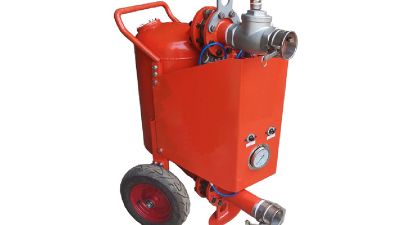
Sludge vacuum pumps are engineered for solids-control transfer where conventional centrifugal pumps may struggle with high viscosity, abrasive particles, and changing fluid conditions. In oil and gas operations, drilling mud, cuttings, and waste fluids can quickly overload transfer systems if solids settle or passages become restricted. Industry guidance from the International Association of Oil & Gas Producers identifies drilling waste and contaminated fluids as key materials requiring controlled collection, transfer, and handling. Vacuum-driven suction helps maintain a steady flow over long distances while reducing the risk of blockage.
A high-chromium iron cyclone provides enhanced resistance to abrasive wear caused by sand, cuttings, and other suspended solids. This material selection is particularly valuable in applications where slurry density and particle loading fluctuate during drilling operations. Clamp connections allow fast removal and replacement of the cyclone, helping reduce maintenance time and supporting safer field servicing. The design can handle high-viscosity sludge without relying solely on gravity or repeated manual clearing.
According to U.S. Environmental Protection Agency waste-management assessments, oil and gas extraction has historically generated very large volumes of drilling-related waste, making efficient transfer an important part of environmental and operational control. A robust sludge vacuum pump supports cleaner containment practices by moving solids-laden fluids directly to treatment, storage, or disposal equipment. Its vacuum suction system is suitable for remote sites, extended pipelines, and demanding solids-control duties where dependable transfer performance is essential.
Measure daily feed volume, operating hours, water content, solids, and viscosity across several batches. One sample may not represent the whole stream.
Divide daily volume by planned operating hours. For example, 12 cubic metres over 10 hours requires at least 1.2 cubic metres per hour, before allowances for peaks and cleaning.
Representative tests reveal how the sludge separates and dewaters. A stated capacity can mislead if its assumptions do not match your feed.
Consider controlled cooling when hot feed needs temperature management before downstream treatment. Base the cooling duty on measured inlet temperature and flow.
Ask whether capacity refers to wet sludge or dry solids. Require figures tied to your feed characteristics and operating schedule.
Request operating references using similar water, solids, and oil content. Review test results for separation efficiency, energy use, and residue quality.
Compare electricity, heating fuel, polymer, maintenance, labor, and residue disposal per treated tonne. Use local energy prices.
Check spare-parts availability, remote diagnostics, technician response times, operator training, and documented commissioning steps. Get service levels in writing.
Model five-year costs, including reduced throughput and downtime. A lower purchase price can hide extra heating needs or costly delays. Test the assumptions twice.
Choosing the right Oil Sludge Recycling Equipment in 2026 begins with understanding the sludge itself and defining clear recycling goals. Operators should evaluate whether the material contains recoverable oil, water, solids, or other contaminants, then examine feedstock variation, moisture levels, particle size, temperature, available space, utilities, and site conditions. These factors help determine which treatment approach and equipment design can deliver stable results.
Technology comparisons should include separation efficiency, energy use, automation, maintenance needs, and the quality of recovered materials. Equipment capacity must match daily and seasonal processing requirements without creating unnecessary investment or operational bottlenecks. Buyers should also review emissions control, worker protection, spill prevention, monitoring systems, and compliance features. Finally, supplier reliability, installation assistance, spare-parts availability, training, lifecycle costs, and long-term technical support should be assessed together. A well-matched system can improve resource recovery, reduce disposal volumes, control operating expenses, and support safer, more consistent sludge management.