Leave Your Message
-
Phone
-
E-mail
-
Whatsapp
-
WeChat

API-grade robust machinery optimized for viscous slurry handling, precision solids classification, and uninterrupted coating supply chains.
In modern advanced manufacturing, optical films (polarizing films, anti-reflective coatings, prism sheets, TAC/COP films) and precision electronic substrates (flexible copper clad laminates, ceramic capacitors, MLCCs, and lithium-ion battery electrodes) demand extreme consistency in slurry dispersion and fluid purity. Micro-contamination, pinholes, streaks, and uneven optical density are direct consequences of poorly controlled particle agglomeration and uncontrolled particulate retention.
Traditionally, the optical and precision electronic coating sector relied solely on delicate, low-capacity cleanroom cartridge filters that frequently suffered from premature clogging, high consumable replacement costs, and sudden pressure fluctuations that ruptured coating layers. By adapting API Standard Solids Control Systems—renowned for their structural integrity, continuous multi-stage classification, high flow-rate handling, and extreme reliability—manufacturers achieve a ruggedized, closed-loop fluid treatment infrastructure that bridges coarse separation, medium classification, and micro-clarification before reaching cleanroom terminal filtration heads.
This hybrid engineering methodology delivers steady hydraulic pressure, continuous automated solids stripping, minimum solvent evaporation, and high chemical resistance, radically improving production yields while driving down slurry loss.
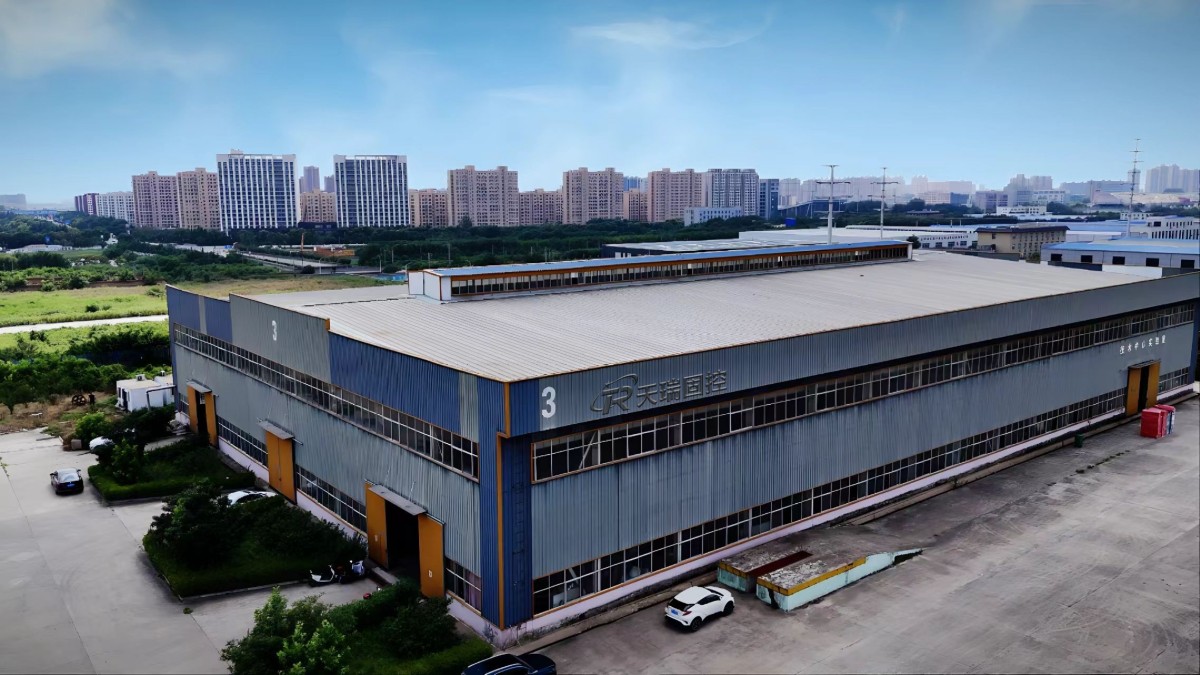
How heavy-duty petroleum and industrial fluid separation standards are re-engineered for ultra-clean, high-viscosity, and solvent-rich electronic slurries.
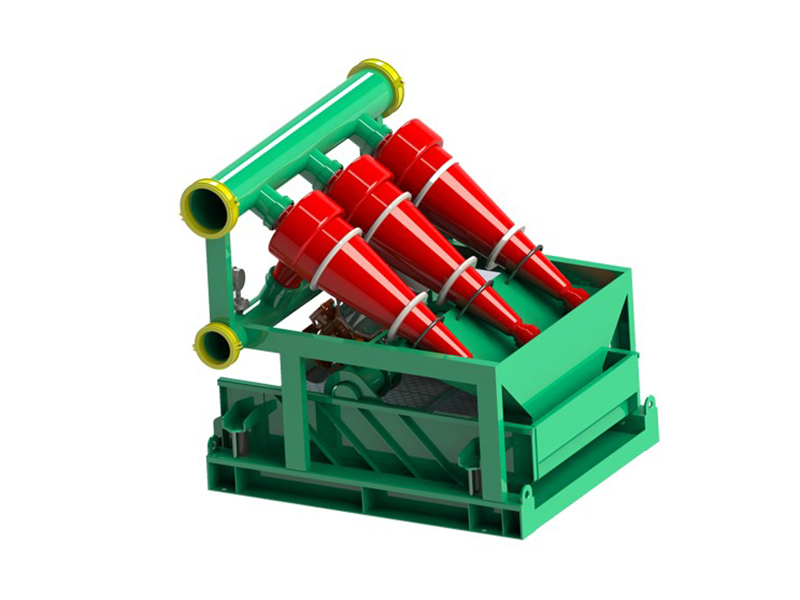
Combines high-G linear shale shakers with fine composite mesh screens, hydrocyclone desanding units, and micro-decanter centrifuges to systematically remove solid contaminants from 100 microns down to 2 microns in continuous inline circulation.
Complies with API and ATEX/IECEx standards. Designed with sealed nitrogen-purged covers, chemical-resistant fluoroelastomer seals, and flameproof electric drives to handle volatile organic solvents (MEK, toluene, acetone, NMP) safely.
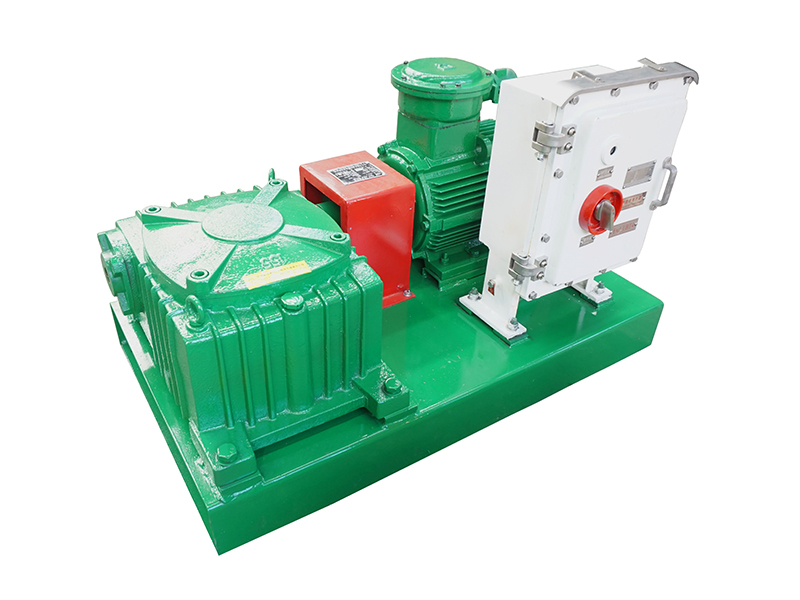
Equipped with low-shear positive-displacement progressive cavity pumps, high-torque fluid agitators, and continuous aeration control that protect sensitive polymer matrices and prevent coating streaks caused by thixotropic breakdown.
From optical grade PET/TAC display substrates to semiconductor slurry recovery, discover where API solids control creates measurable competitive edges.
Optical functional films require coating thickness uniformity with tolerances lower than ±0.05 μm. Silica nanoparticles, metal oxide dopants, and cross-linking acrylic resins used in hard coatings are prone to forming micro-gels and micro-aggregates during high-speed recirculation. An API-standard solids control setup utilizes high-frequency fine shakers equipped with polyurethane and stainless micro-meshes to continuously scalp oversized agglomerations without fracturing primary functional nano-fillers. This directly prevents optical haze, bubble encapsulation, and light scattering artifacts.
In MLCC manufacturing, barium titanate (BaTiO3) ceramic slurries must exhibit perfectly homogenized rheological behavior. Oversized agglomerated particles create dielectric breakdown and short circuits across ultra-thin green sheets (≤ 1 μm). Incorporating high-torque mud agitators and precision desanding hydrocyclones guarantees that high-density ceramic particulate suspensions remain uniformly dispersed without sedimentation in intermediate surge tanks, ensuring consistent slot-die coating flow.
During the continuous mixing and slot-die coating of battery electrode materials (NMC, LFP, and graphite dispersed in NMP or water), slurry waste and edge trimming run-offs represent significant monetary loss. Heavy-duty API centrifugal pumps and decanting centrifuges recover and recondition valuable active materials and costly solvents from waste streams, returning clarified liquids and purified slurry back into the mixing loop under closed nitrogen blankets.
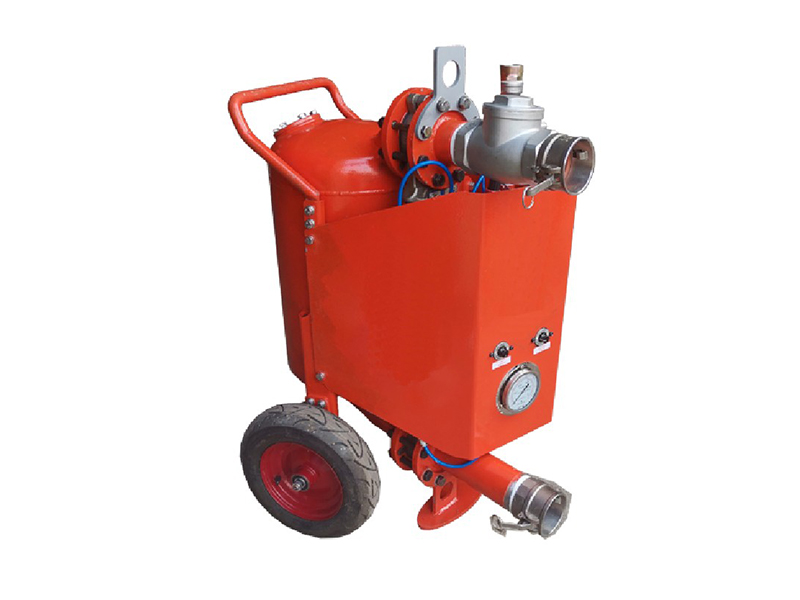
High-frequency circuit substrates require void-free adhesive and polyimide coating layers. By using pneumatic sludge vacuum pumps and low-vibration fluid transfer mechanisms, abrasive polyimide precursors and micro-metallic residues are evacuated without introducing micro-bubbles or shearing fragile polymer chains, maintaining superior peel strength and dielectric constant integrity.
| Performance Parameter | Standard Cleanroom Filtration | API Standard Solids Control Hybrid System |
|---|---|---|
| Primary Removal Mechanism | Static membrane / disposable cartridge barriers | Continuous multi-stage dynamic centrifugal & hydrocyclonic separation |
| Continuous Flow Rate Capacity | Low to Moderate (10 - 50 L/min) | High to Ultra-High (100 - 1500+ L/min) without cartridge choking |
| Handling of High Solids Concentration | Rapid clogging, frequent line shutdowns | Handles up to 30%-60% solid mass fraction seamlessly |
| Solvent & Pressure Shock Tolerance | Susceptible to housing deformation & seal failure | Heavy-duty API-rated steel structure, explosion-proof, shock-resistant |
| Operating Consumable Cost | Extremely high (daily/weekly cartridge changeouts) | Minimal (cleanable reusable screens, long-life cyclone cones) |
| Process Stability & Pressure Drop | Variable (ΔP surges as filter cakes accumulate) | Steady continuous fluid pressure with zero batch interruption |
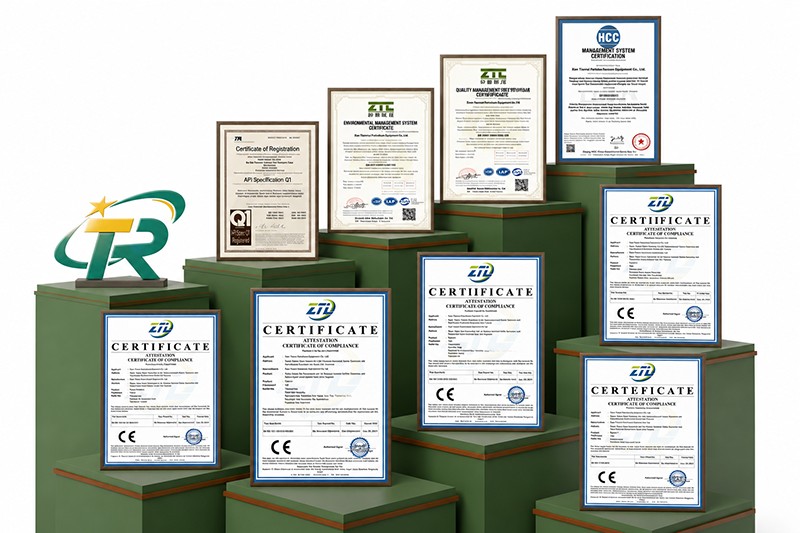
Established in 2010, TR Solids Control is a certified global manufacturer specializing in drilling fluid solids control equipment and integrated industrial separation solutions.
Established in 2010, TR Solids Control is a professional manufacturer specializing in drilling fluid solids control equipment and integrated solutions. We are dedicated to the design, manufacture, sales and services of solids control systems, following strict quality standards and providing reliable products, professional support and fast response for global customers.
During the past years, together with our experienced engineering team and strong supply chain partners, we have supported drilling contractors, oilfield service companies and industry partners across Middle East, Africa, Russia, South America, Southeast Asia and other regions, delivering efficient solids control solutions for various drilling operations, precision industrial coatings, and environmental fluid treatment loops.
Smart automation is revolutionizing how optical film and electronics coaters monitor particle size distribution and fluid rheology in real time.
Integration of inline laser diffraction particle counters directly into the solids control discharge line, automatically adjusting shaker screen vibration angle and centrifuge G-force based on real-time particle size distribution (PSD).
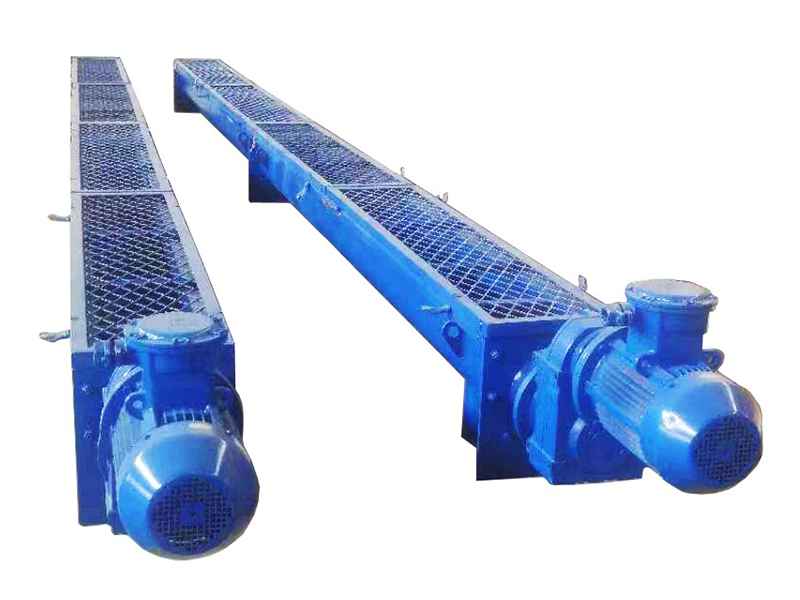
High-efficiency secondary solvent drying and dewatering screw conveyors minimize toxic chemical waste disposal costs, recovering up to 98% of high-grade volatile carriers like N-Methyl-2-pyrrolidone (NMP) and specialty esters.
Cloud-connected PLC controls monitor bearing temperature, motor torque, seal integrity, and vibration anomalies across all pumps and agitators, preventing unexpected line stops in continuous roll-to-roll coating operations.
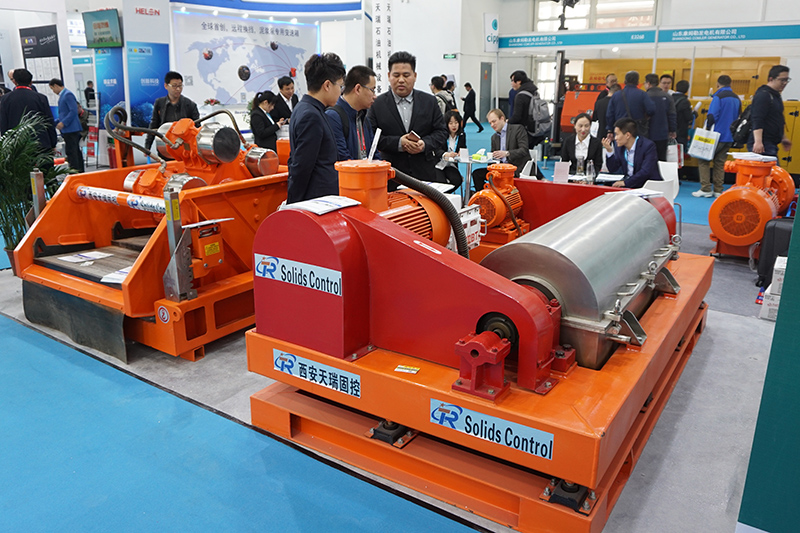
Explore our full line of heavy-duty solids control machinery adapted for optical substrate manufacturing, electronic coating loops, and drilling fluid recovery.
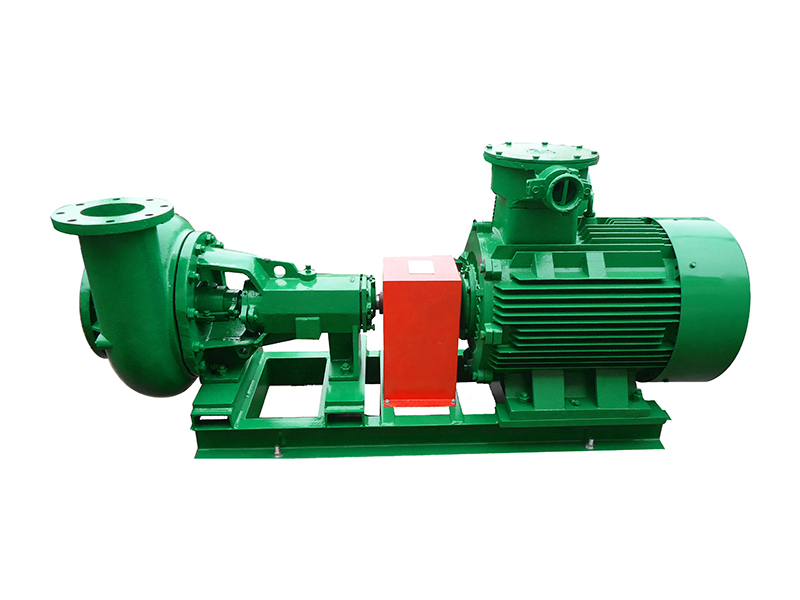
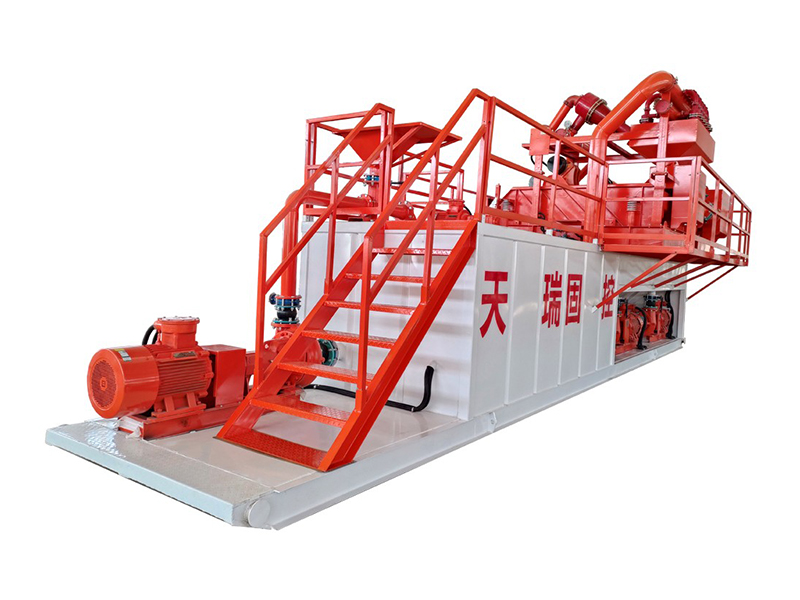
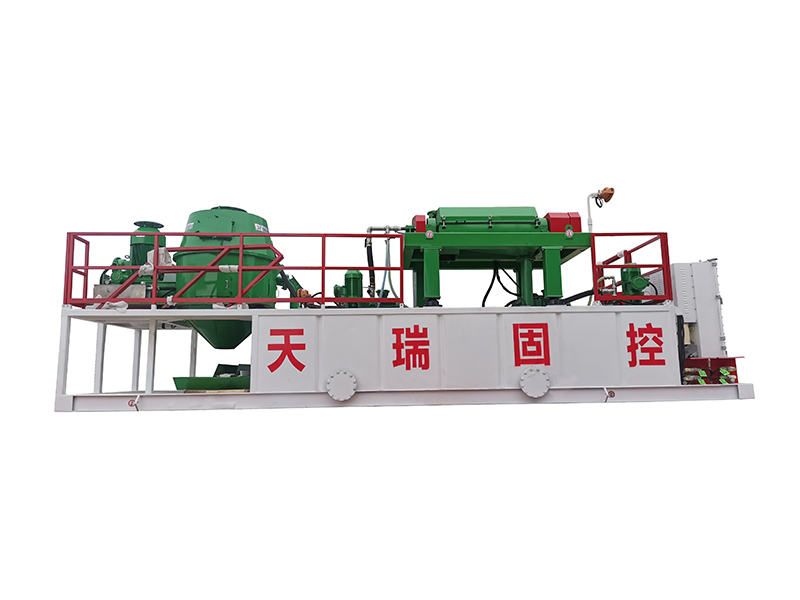

Get answers to critical technical questions regarding API standard solids control integration in optical film and electronic coating lines.
Disposable cartridge filters plug rapidly when solids loading rises, creating severe pressure swings that cause thickness irregularities and coating streaks. An API-standard system serves as an upstream continuous high-volume separation stage that strips coarse particulate, micro-gels, and abrasive aggregates dynamically. This stabilizes system pressure, prevents cartridge choking, reduces consumable replacement costs by up to 80%, and guarantees continuous 24/7 roll-to-roll uptime.
Our systems can be built to full ATEX/IECEx explosion-proof ratings with completely sealed stainless steel fluid tanks, nitrogen blanket purge ports, vapor recovery manifolds, and chemical-resistant perfluoroelastomer (FFKM) seals. This eliminates VOC emissions into cleanroom atmospheres and prevents ignition risks.
By utilizing a multi-stage process—shale shakers with composite screens (100–40 μm), hydrocyclones (40–15 μm), and high-G decanter centrifuges (down to 2–5 μm)—we achieve precise particle classification, stripping detrimental oversized clusters while preserving the active sub-micron functional particles in suspension.
Yes. Our in-house design and engineering department utilizes 3D CAD and CFD modeling to manufacture custom-engineered skid footprints, explosion-proof control consoles, and tailored pipe manifold geometries to match your specific cleanroom or chemical preparation workshop layout.