Leave Your Message
-
Phone
-
E-mail
-
Whatsapp
-
WeChat

Engineered for seamless integration into high-viscosity textile binder synthesis, non-woven saturation baths, and continuous polymer coating reclamation lines.
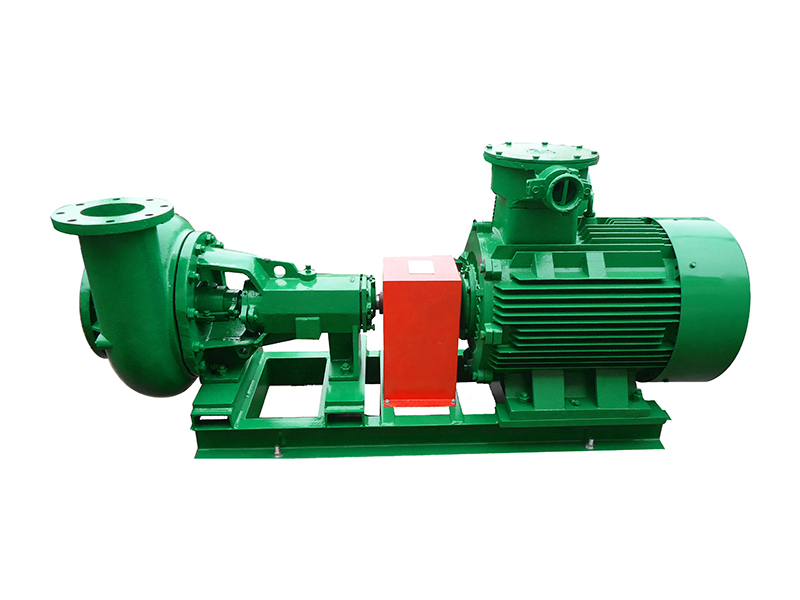
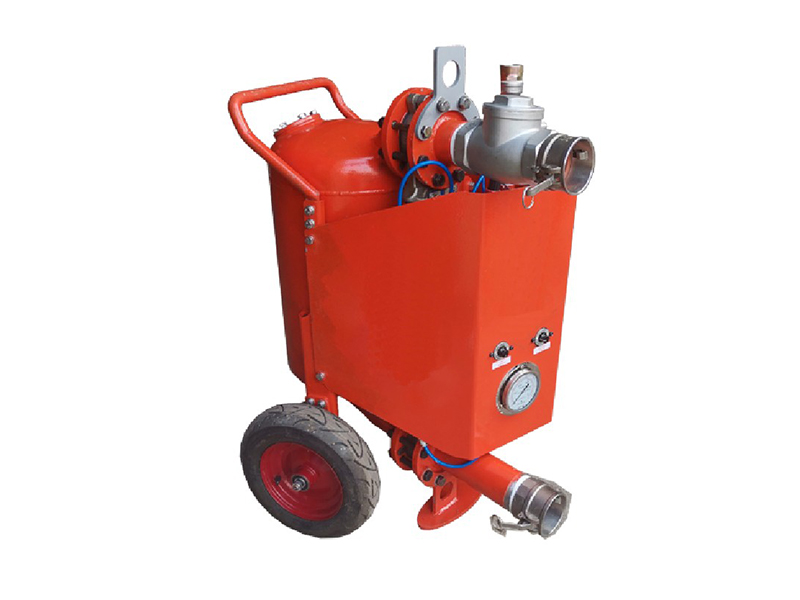
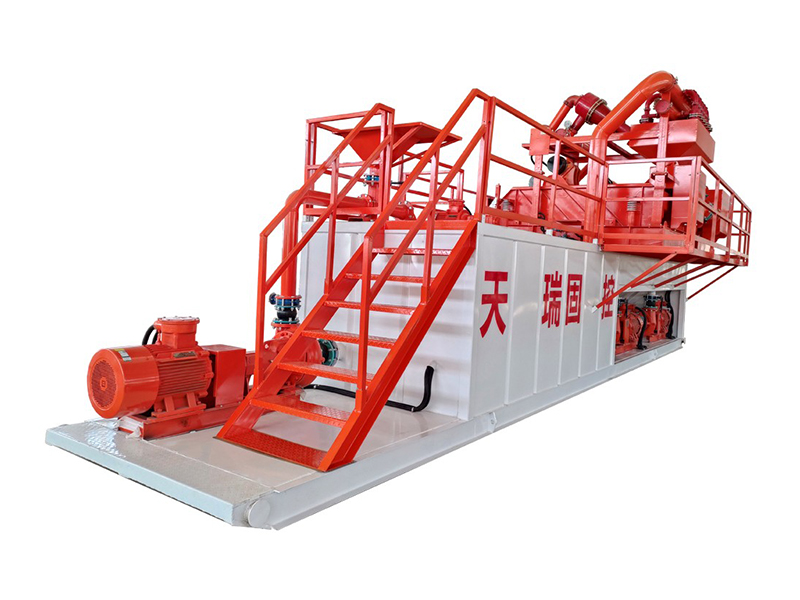
How heavy-duty fluid separation methodologies from API drilling standards elevate non-woven fabric coating accuracy, eliminate web streaks, and cut chemical downtime.
Non-woven fabric manufacturing and technical textile coating demand absolute consistency in adhesive application. Whether producing spunbond hygiene layers, needle-punched geotextiles, automotive interior linings, or meltblown filtration media, the adhesive coating process is vulnerable to particulate contamination, cross-linked polymer gels, raw material aggregates, and ambient micro-debris.
Standard filtration systems often fail due to rapid clogging caused by high fluid viscosity, thixotropic behavior of binder emulsions, and sticky polymer deposits. By adapting rugged, heavy-duty API Standard Solids Control Systems—originally developed for rigorous rheology control in high-pressure oilfield fluid circuits—textile coaters achieve uninterrupted, closed-loop micron separation without shear degradation of delicate polymeric binders.
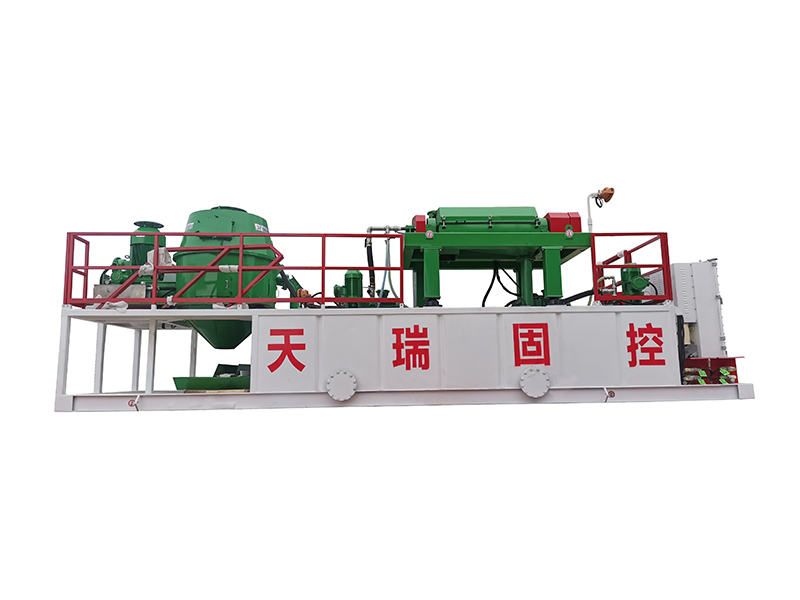
Traditional inline cartridge or bag filters create massive pressure drops and generate significant hazardous waste through discarded elements. In contrast, an API-compliant continuous solids control layout employs staged physical separation:
1. Primary Scalping & Degritting: Eliminates oversized agglomerates and fiber shedding directly from the coating bath return line.
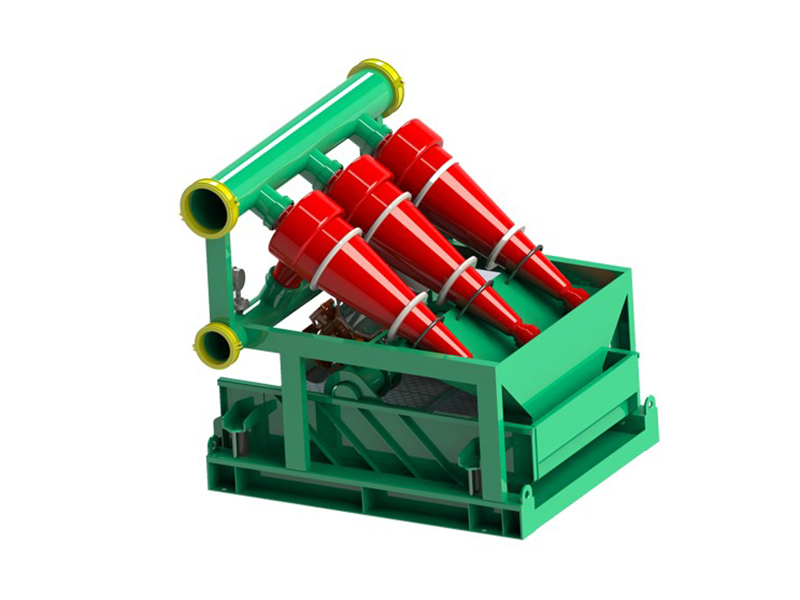
2. Hydrocyclonic Desanding & Desilting: Uses centrifugal acceleration to separate particulate matter down to 15–20 microns without requiring disposable filter consumables.
3. Homogenization & Agitation: Mud agitators and vortex shear hoppers keep synthetic adhesives, EVA copolymers, and polyurethane dispersions in perpetual suspension, preventing sediment stratifications.
Built with oilfield-proven ruggedness, vibration dampening, and abrasion-resistant polyurethane linings that withstand continuous 24/7 non-woven chemical runs.
Recirculates expensive textile adhesives, resin dispersions, and aqueous washes, recovering up to 85% of process fluids while concentrating dry solids for disposal.
Calculated low-shear flow paths prevent polymer chain shearing, emulsion fracturing, or unwanted micro-foaming during high-throughput coating cycles.
Tailored solids control configurations addressing specific industrial rheologies, from hot-melt lamination to waterborne PU textile dipping.
In wet-laid and spunlace non-woven production, cellulosic fibers and synthetic binders coexist in high-volume immersion baths. Continuous fiber shedding quickly contaminates the chemical bath. An integrated API solids control unit equipped with high-G desander cyclones extracts shed fibers and inorganic filler agglomerates (such as CaCO3 and TiO2) before they foul knife-coater heads or transfer rollers.
High-performance protective clothing, medical barrier gowns, and tarpaulins utilize high-viscosity polyurethane (PU) and acrylic adhesives. Foreign solid contaminants cause uneven film thickness and structural delamination. The positive-displacement vacuum transfer pumps combined with solid-liquid separator skids maintain uniform coating density and eliminate micro-voids across web widths exceeding 3.5 meters.
The industrial landscape for non-woven finishing is shifting rapidly toward automated Industry 4.0 paradigms. Future-proof API solids control systems are now integrating:
• Real-Time Acoustic Viscosity Sensors: Automatically throttling centrifugal pumps and hydrocyclone feed pressures to match fluctuating resin viscosities.
• Automated Cyclone Apex Adjustment: Micro-actuators that tune underflow discharge orifices based on real-time particle density sensors.
• Predictive Maintenance IoT Telemetry: Continuous monitoring of pump vibration harmonics, impeller wear indexes, and screen mesh blinding thresholds to avert sudden coating line halts.
| System Module | API Standard Rating | Textile & Non-Woven Application | Cut Point / Separation Range | Operational Efficiency |
|---|---|---|---|---|
| Hydrocyclone Desanding Unit | API Spec 13C / ISO 13501 | Latex Emulsion & SBR Binder Clarification | 40 – 100 μm Solids Removal | > 95% Recirculation Efficiency |
| Centrifugal Feed Pumps | ANSI / API Heavy-Duty Standard | Adhesive Coating Circulation & Transfer | Handles viscosities up to 3500 cP | Continuous 24/7 Duty Rating |
| Pneumatic Sludge Vacuum Pump | ATEX / API Hazardous Environment | Latex Coagulum & Tank Bottom Recovery | Transfers solids with up to 80% dry matter | Zero Internal Impeller Wear |
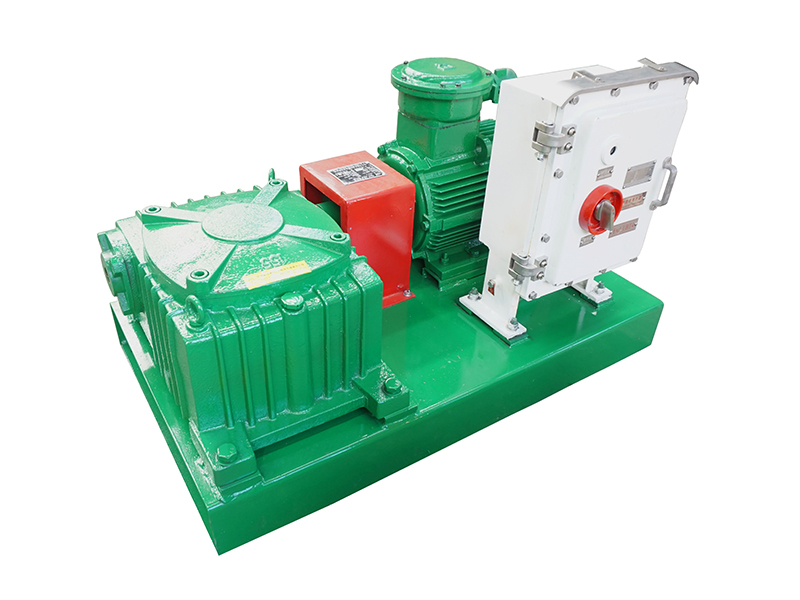
| Direct-Drive Mud Agitators | API 13C Standard Compliance | Binder Resin Blending & Suspension Tank | Prevents pigment & filler sedimentation | Up to 35% Energy Reduction |
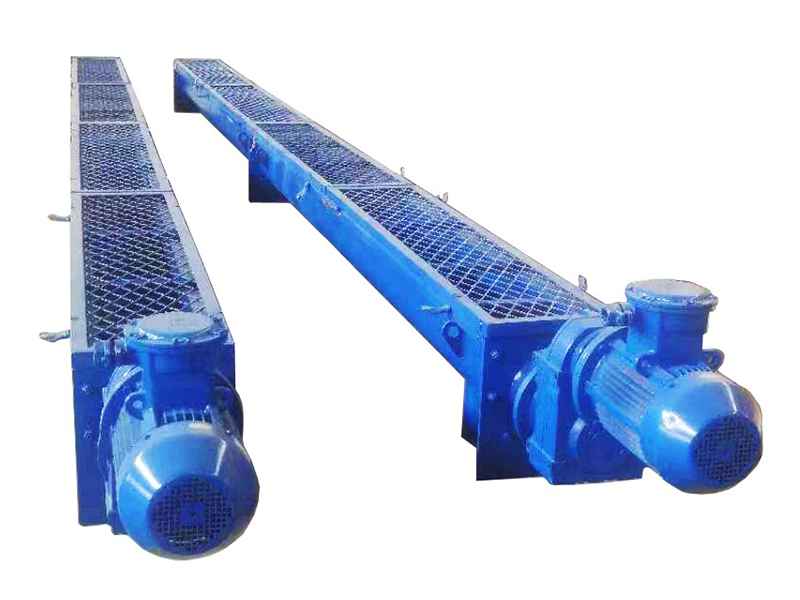
| Screw Conveyor & Transfer | Heavy Industrial ISO/API Grade | Coating Cake Handling & Discharge | High-torque continuous conveying | Dust-tight, leak-free design |
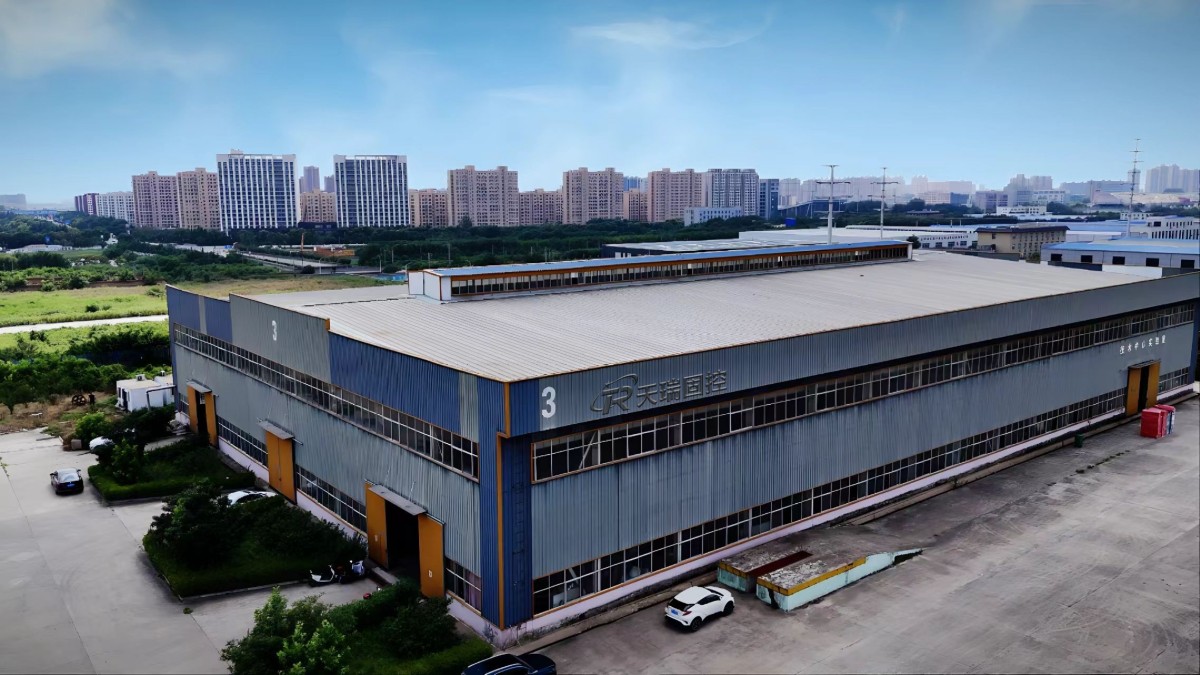
Browse our complete lineup of API-certified separation machinery, heavy fluid transfer pumps, agitation systems, and closed-loop mud recycling solutions.