Leave Your Message
-
Phone
-
E-mail
-
Whatsapp
-
WeChat

High-reliability solids separation and slurry fluid conditioning machinery configured for medical polymers and high-viscosity adhesive compounding.
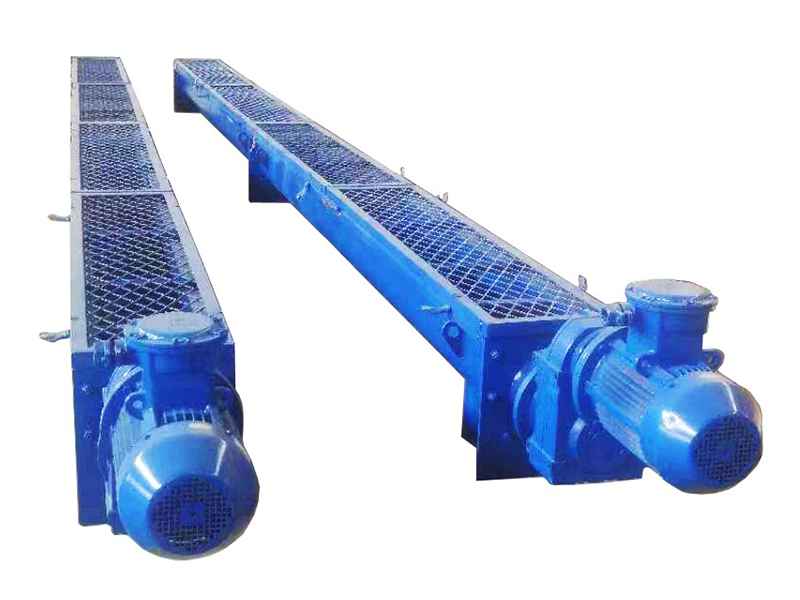
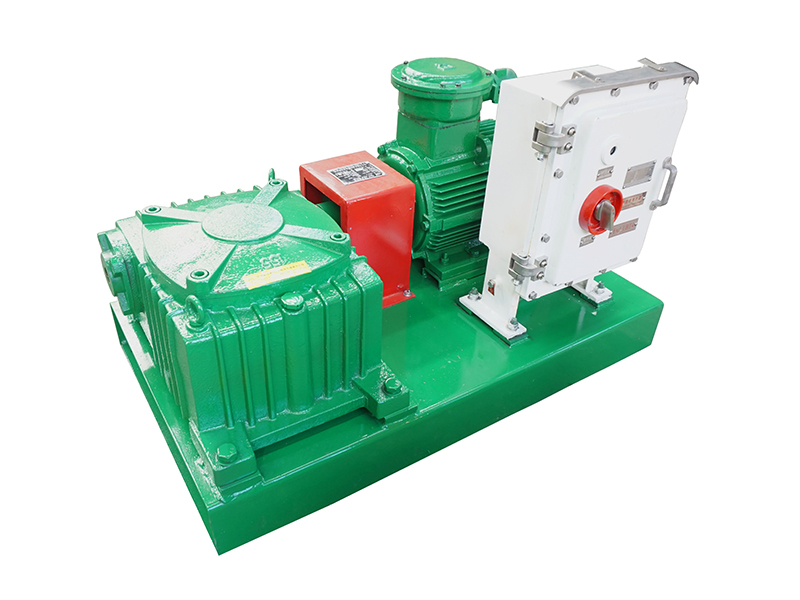
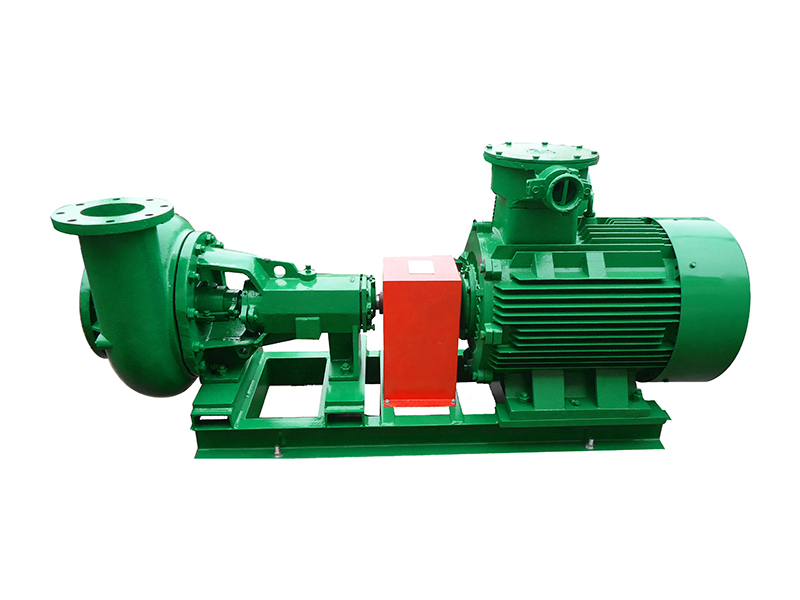
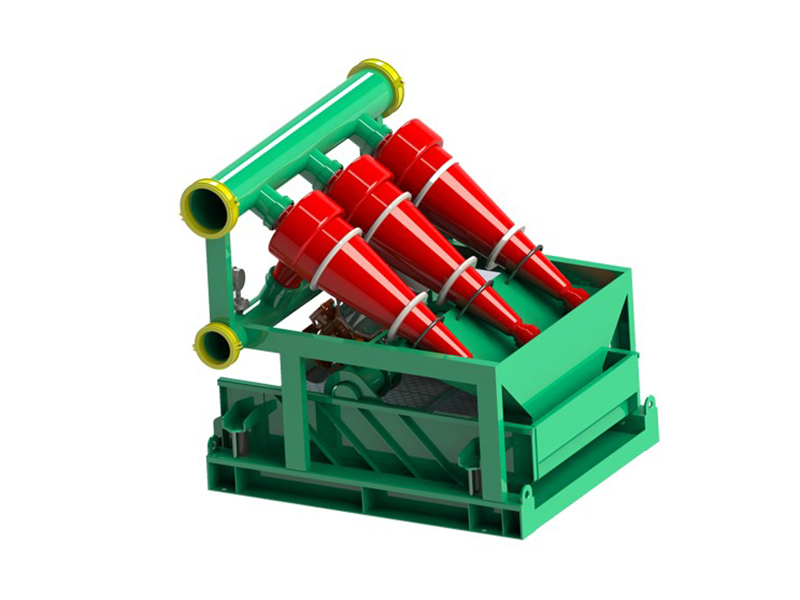
The global wound care, surgical fixation, and transdermal therapeutic markets are undergoing an unprecedented surge in quality stringency. In modern medical adhesive dressing and tape manufacturing, formulations consist of intricate matrices comprising acrylic polymers, polyurethanes, synthetic rubber, silicone gels, hydrocolloids, and specialized antimicrobial fillers like zinc oxide, colloidal silver, and micro-encapsulated active agents. Achieving an ultra-uniform coating on delicate substrates (such as non-woven fabrics, PU films, and micro-perforated polyethylene) requires flawless fluid homogeneity and zero agglomeration.
Traditionally, fine chemical coating facilities relied on low-shear batch filtration that suffered from rapid filter blinding, unpredictable pressure surges, and high material wastage. By adopting API (American Petroleum Institute) standard solids control engineering—long renowned for handling aggressive, non-Newtonian, high-viscosity, and solids-laden continuous fluids—advanced medical tape and dressing manufacturers are securing industrial-scale reliability, continuous closed-loop de-sanding, precision degassing, and microscopic agglomerate removal.
Built with explosion-proof electrics, anti-abrasive tungsten carbide linings, and high G-force balanced rotating bodies capable of handling high-viscosity adhesive matrices 24/7 without thermal degradation.
Multi-stage hydrodynamic separation separates un-dissolved raw polymers, oversized zinc oxide clumps, and foreign particulate matter, ensuring a defect-free coating on ultra-thin medical films.
Enclosed environmental systems allow clean recovery of expensive pharmaceutical-grade solvents (ethyl acetate, heptane, toluene) and unreacted resins, cutting chemical consumption by up to 34%.
The continuous synthesis, dissolution, compounding, and recovery of medical-grade adhesives impose strict rheological requirements. The deployment of API-derived solids control systems establishes an uninterrupted processing ecosystem across various distinct operational phases:
Hydrocolloid dressings designed for advanced chronic wound management require high concentrations of carboxymethylcellulose (CMC), pectin, and gelatin suspended in elastomer carriers. API standard mud agitators and high-shear mixing manifolds ensure total de-lumping and uniform solid-liquid dispersion without thermal scorching or premature cross-linking.
High-cohesion surgical tapes rely on solvent acrylics compounded with tackifiers and curing agents. API-rated centrifugal pumps and desanding hydrocyclone units effectively remove micro-gels and catalyst debris under ATEX / explosion-proof standards, protecting micro-metering slot-die coating nozzles from clogging.
Zinc oxide surgical adhesive tapes require rigorous mineral dispersion. Multi-cone desander systems provide selective classification, rejecting particle clusters greater than 15 microns while retaining essential sub-micron active compounds for maximum skin breathability and therapeutic efficacy.
Post-coating cleaning cycles generate hazardous wash fluids laden with adhesive residue. Sludge vacuum transfer pumps and high-G solids decanting systems separate polymer sludge into dry cakes for safe disposal while recycling wash solvents back into secondary synthesis cycles.
As the medical device sector accelerates toward breathable, hypoallergenic, and water-resistant transdermal delivery systems, production speeds are expanding from 50 m/min to over 250 m/min. At these speeds, a single 30-micron agglomerate can cause continuous longitudinal streak defects, resulting in thousands of meters of scrapped surgical dressing web.
Implementing heavy-duty solids control systems equipped with automated PLC feedback, variable frequency drives (VFD), and real-time viscosity regulation has become a definitive benchmark for Tier-1 medical supply contract manufacturing organizations (CMOs). The convergence of heavy mechanical solids control engineering with ultra-clean pharmaceutical hygiene standards represents the next frontier of medical manufacturing efficiency.
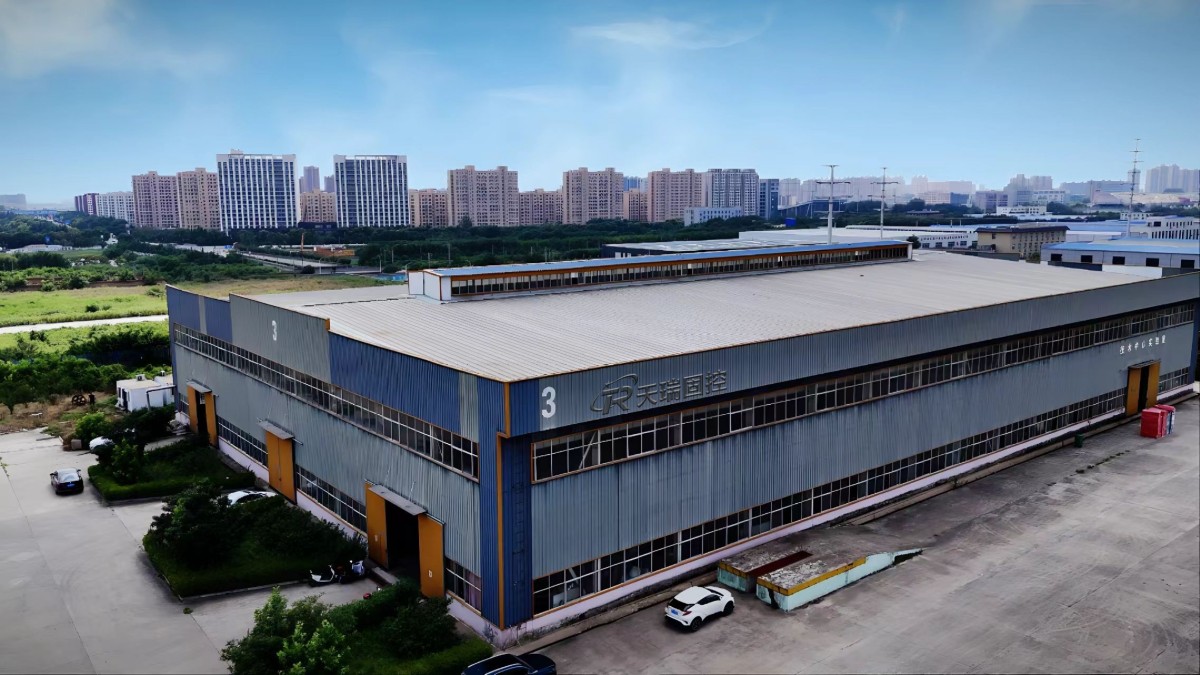
Established in 2010, TR Solids Control is a professional manufacturer specializing in drilling fluid solids control equipment and integrated solutions. We are dedicated to the design, manufacture, sales and services of solids control systems, following strict quality standards and providing reliable products, professional support and fast response for global customers.
During the past years, together with our experienced engineering team and strong supply chain partners, we have supported drilling contractors, oilfield service companies and industry partners across Middle East, Africa, Russia, South America, Southeast Asia and other regions, delivering efficient solids control solutions for various drilling and industrial processing operations.
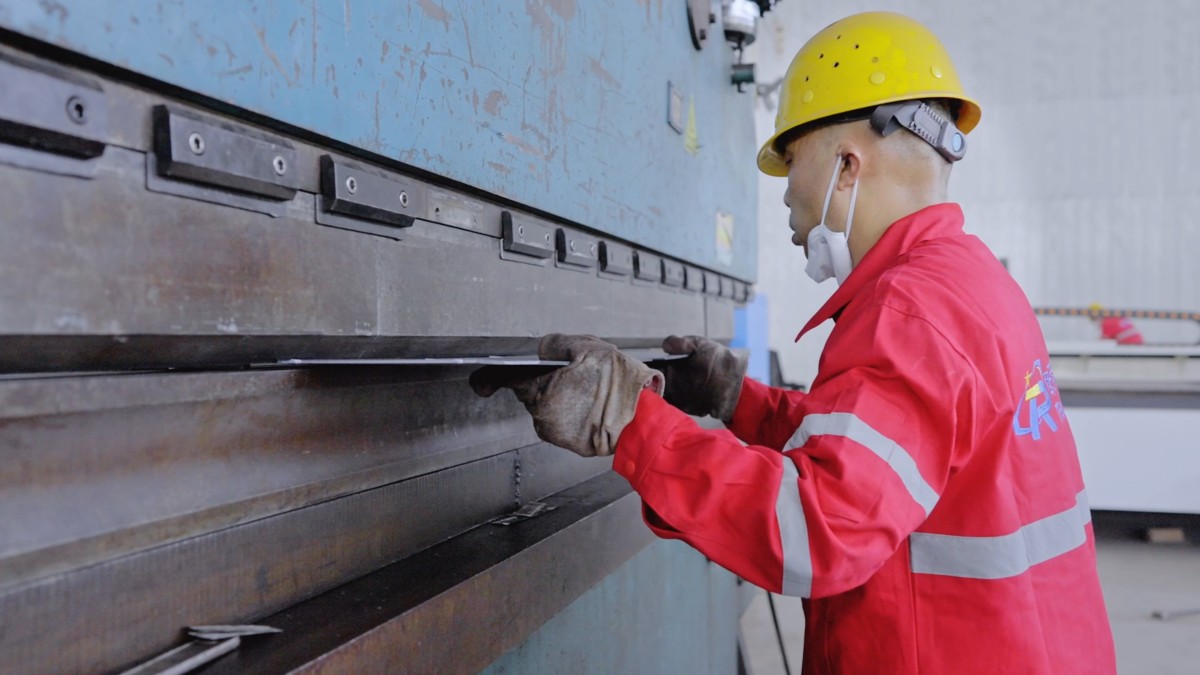
World-class manufacturing capability, strict international certifications, and global operational footprints.

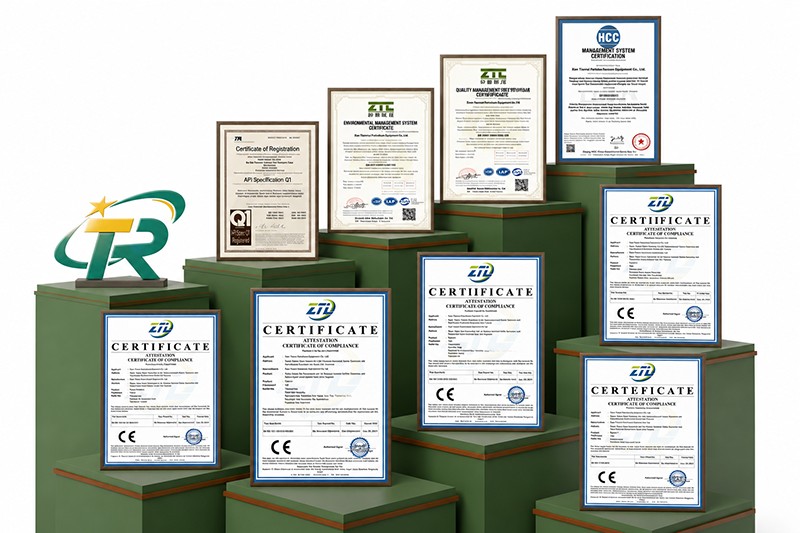
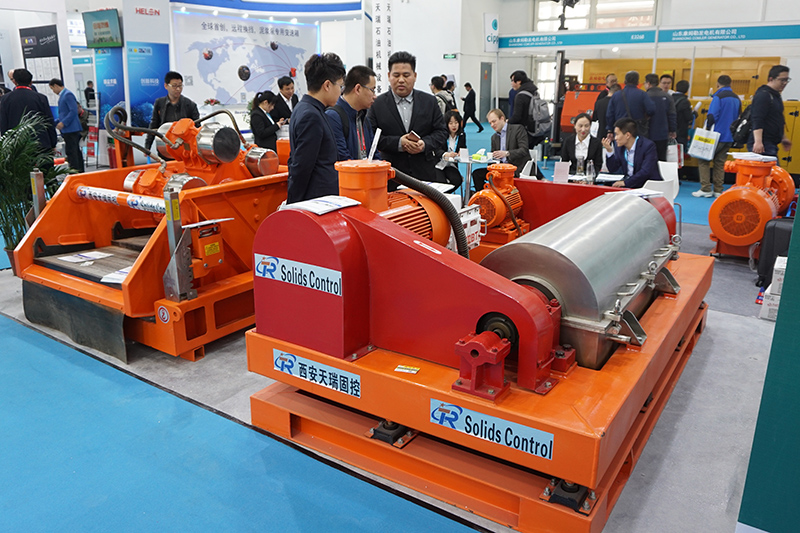
Manufacturing • Engineering • Global Service
Comprehensive API standard equipment portfolio adaptable for oilfield drilling fluid recycling, industrial sludge management, and medical adhesive slurry purification.
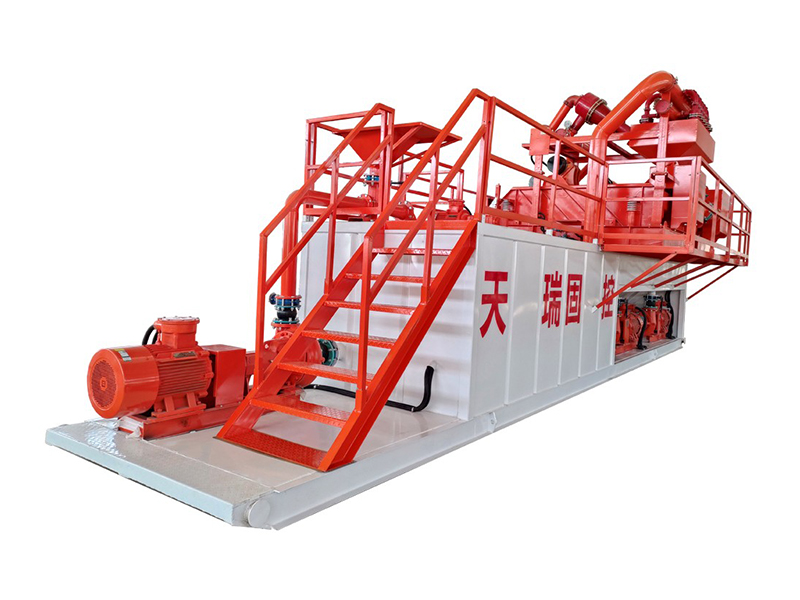
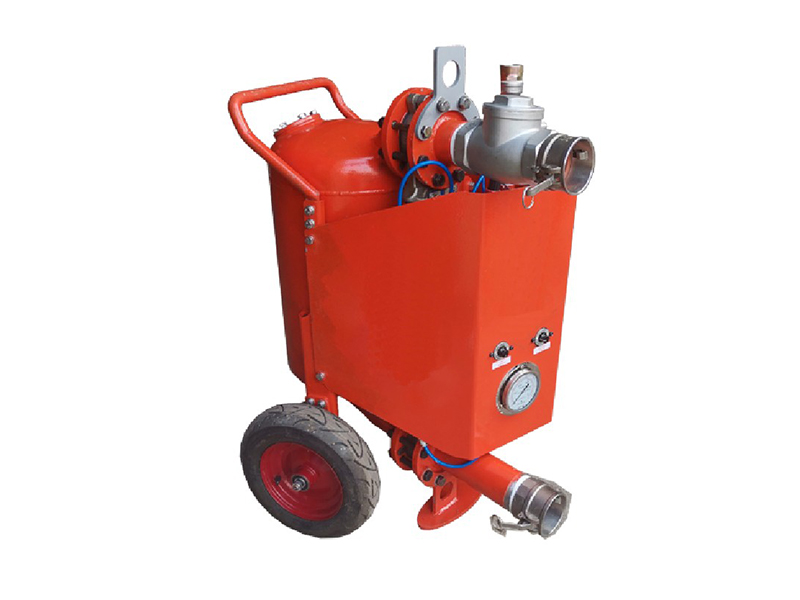
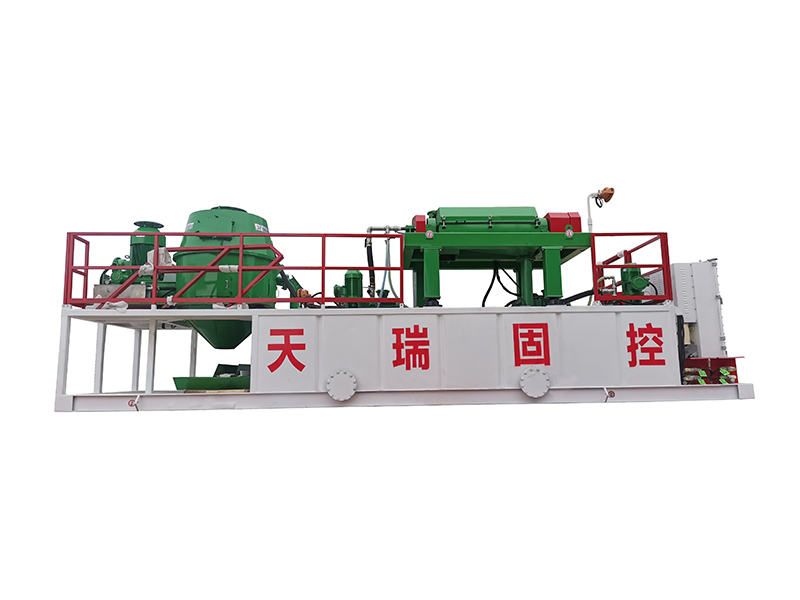
API equipment can be customized with 304/316L stainless steel contact surfaces, hermetically sealed explosion-proof motor enclosures (ATEX/IECEx certified), and sanitary CIP (Clean-In-Place) washdown connections. The modular skid design allows the primary mechanical separation unit to sit outside or adjacent to the ISO Class 7/8 coating cleanroom while delivering ultra-clean fluid straight to the coating heads.
Yes. By utilizing open-vane mechanical impellers, variable-speed VFD control, and broadened volute passages, API centrifugal pumps minimize shear-induced degradation while effectively conveying non-Newtonian pseudoplastic fluids such as polyisobutylene (PIB), silicone resins, and acrylic copolymers.
The primary economic drivers include a 25–40% reduction in coating defect reject rates, significant solvent recovery, eliminated manual filter cartridge changeout downtime, and an extended continuous operational cycle for slot-die or reverse-roll coater lines.