Leave Your Message
-
Phone
-
E-mail
-
Whatsapp
-
WeChat

In the contemporary optoelectronic and semiconductor manufacturing paradigm, the performance ceiling of display panels, flexible printed circuits (FPC), solar photovoltaic films, and optical multilayer filters is fundamentally governed by surface uniformity and defect density. Functional optical films—ranging from anti-reflective (AR), anti-glare (AG), and polarizing triacetyl cellulose (TAC) to indium tin oxide (ITO) sputtered barrier layers—require chemical coating suspensions with rigorously controlled rheological behaviors and strict particle size boundaries. Even minuscule micro-gels, un-sheared polymer agglomerates, or external contaminants exceeding 15 to 45 microns inevitably cause pinholes, optical distortion, haze deviations, and dielectric breakdown during continuous roll-to-roll (R2R) slot-die or micro-gravure operations.
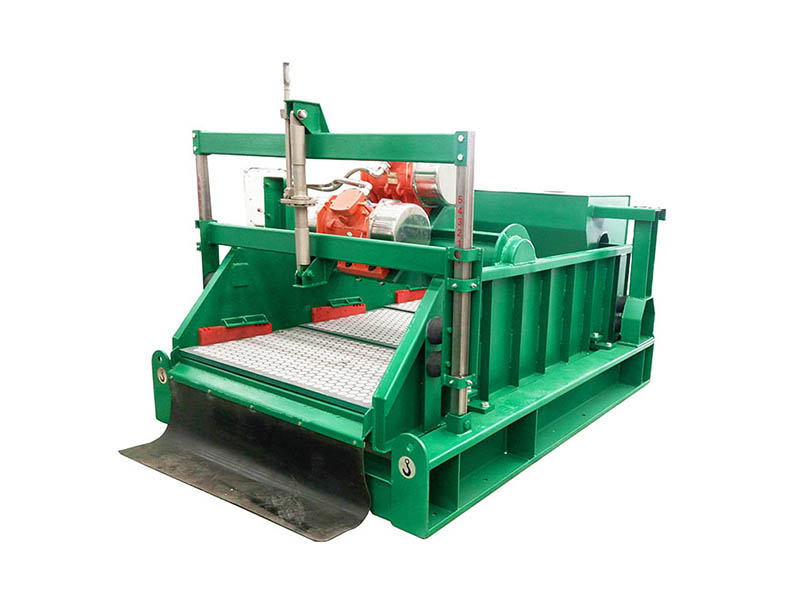
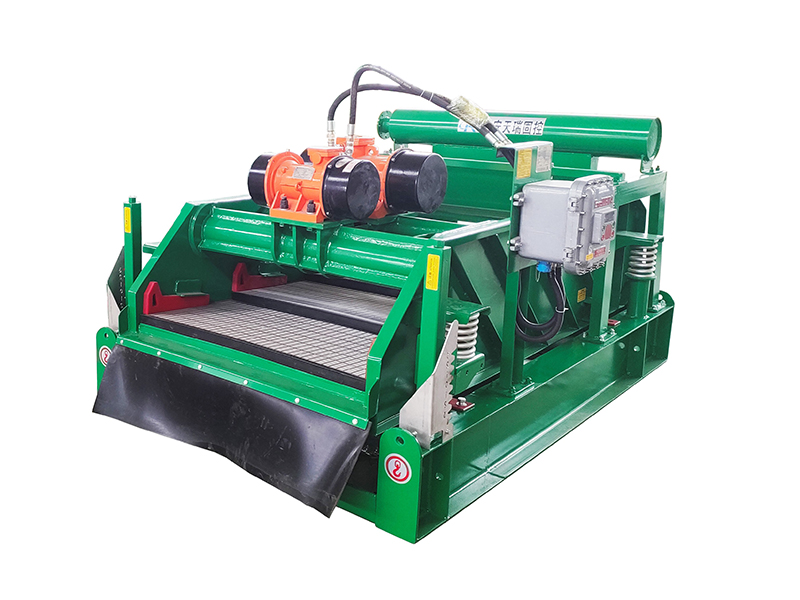
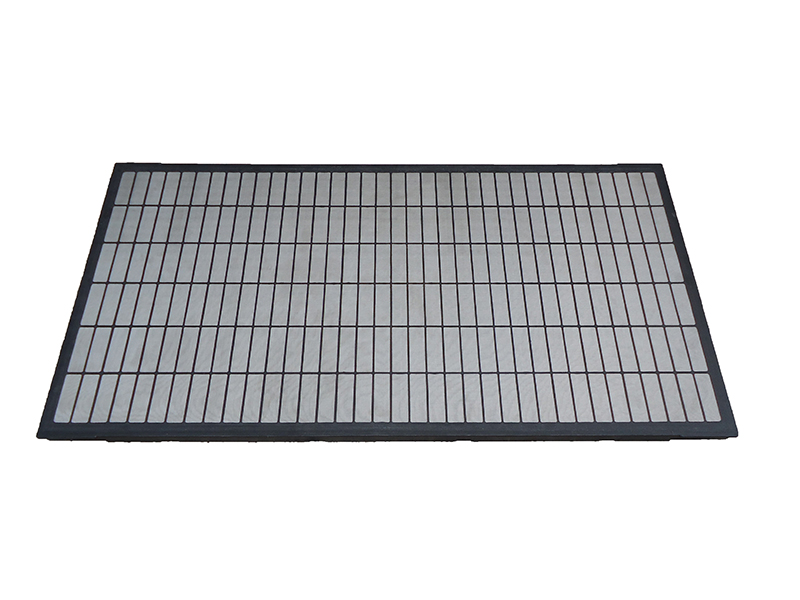
To achieve uncompromising slurry purity under high-throughput conditions, the advanced coating industry has transitioned from static depth filtration cartridges toward dynamic, continuous vibrating solids-control systems powered by API RP 13C standardized shaker screens. Originally developed for heavy-duty separation under rigorous flow dynamics, API-certified screens adapted with stainless steel 316L/304 wire cloth, composite structural frames, and multi-layered mesh geometries deliver unmatched cut-point precision ($D_{100}$ cut ratings) and non-blinding screening behavior for high-solids, high-viscosity electronic emulsions.
1. Optical Grade Functional Film Wet Coating: During the wet-coating formulation of brightness enhancement films (BEF), quantum dot enhancement films (QDEF), and hard-coated acrylic sheets, UV-curable monomers and nano-silica/zirconia particle mixtures must remain completely homogeneous. API shaker screens act as the critical pre-die barrier filter, efficiently extracting polymer gels, skinning debris, and un-sheared matte particles without clogging. The continuous vibrational acceleration prevents the screen cloth from building up a cake layer, preserving consistent flow rates throughout long industrial batch runs.
2. Ceramic Slurries for Multi-Layer Ceramic Capacitors (MLCC): In MLCC tape casting, sub-micron barium titanate ($BaTiO_3$) slurries are pumped continuously through vibratory separation units. API standard screens with high conductance values enable ultra-fine filtration, eliminating oversized grains that would otherwise cause micro-voids, dielectric short circuits, and structural delamination during low-temperature co-firing processes.
3. Conductive Pastes and Semiconductor Packaging Inks: Silver conductor pastes, copper thick-film inks, and solder mask resists contain dense metallic particles suspended in organic vehicles. Shaker screens utilizing pre-tensioned composite wire cloths provide uniform conductance across the entire deck area, effectively removing agglomerated metal clusters while maintaining rheological consistency.
| API RP 13C Designation | $D_{100}$ Cut-Point Range (μm) | Conductance (kD/mm) | Screen Mesh Configuration | Target Electronic / Optical Applications |
|---|---|---|---|---|
| API 140 | 106.0 – 125.0 | 2.85 – 3.40 | 3-Layer SS316L Pyramid Mesh | Coarse resin pre-filtration, optical adhesive bulk clarification |
| API 170 | 90.0 – 105.0 | 2.20 – 2.75 | 3-Layer SS316L Composite Flat | Anti-glare (AG) particle grading, battery cathode precursor slurries |
| API 200 | 75.0 – 89.9 | 1.65 – 2.10 | Multi-Layered Fine Calendered Mesh | Hard-coat optical resin filtration, solder mask ink purification |
| API 230 | 63.0 – 74.9 | 1.25 – 1.60 | Pre-tensioned Reinforced Composite | MLCC tape casting slurries, high-purity dielectric suspensions |
| API 270 | 53.0 – 62.9 | 0.85 – 1.15 | Ultra-Fine Micro-Aperture Cloth | Quantum dot coating dispersions, photoresist monomer refining |
| API 325 | 45.0 – 52.9 | 0.55 – 0.80 | Nano-Grade Triple Layer Diffusion Bonded | Micro-LED encapsulant, ultra-thin polarizing protective layers |
The future of shaker screen technology in precision electronics is being shaped by three technological frontiers: composite polymer frame integration, multi-frequency vibration modulation, and intelligent condition monitoring. Traditional steel-framed screens often exhibit tension degradation under sustained high-frequency loads, causing mesh sag and imprecise particle separation. In contrast, modern injection-molded composite frames offer consistent tensioning throughout their operational lifespan, 30% lower weight for reduced energy consumption, and high resistance to solvents like ketones and esters.
Furthermore, integration with variable frequency drives (VFD) and linear-to-elliptical motion switches allows operators to tailor the screening action in real-time based on slurry viscosity changes. In smart cleanroom installations, IoT vibration sensors on the shaker basket continuously evaluate screen surface health, notifying manufacturing execution systems (MES) prior to mesh fatigue, thus eliminating the risk of undetected screen tears compromising optical film batches.
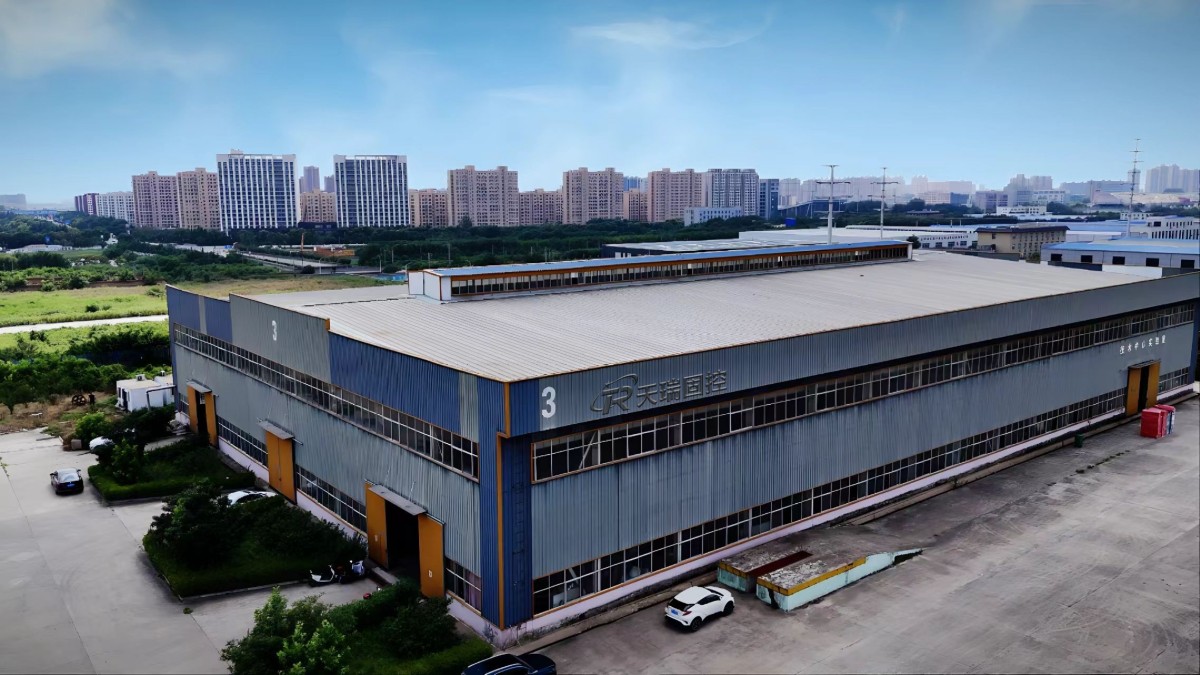
Established in 2010, TR Solids Control is a professional manufacturer specializing in drilling fluid solids control equipment and integrated solutions. We are dedicated to the design, manufacture, sales and services of solids control systems, following strict quality standards and providing reliable products, professional support and fast response for global customers.
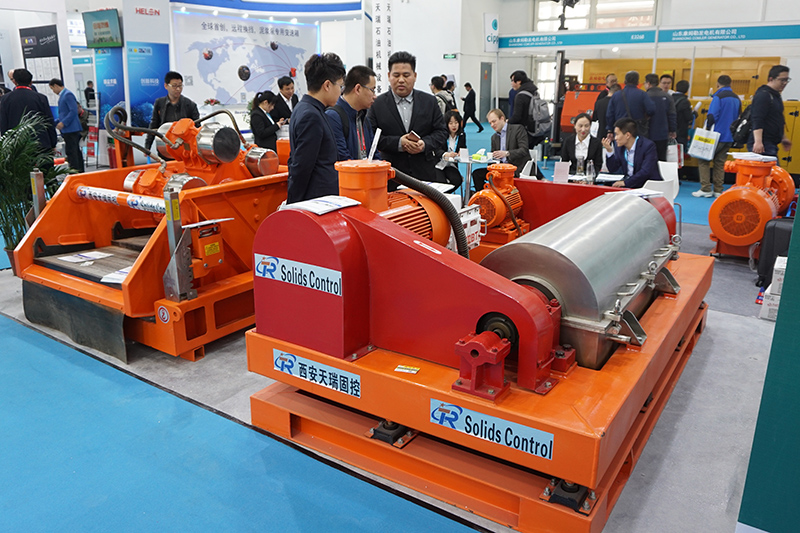
During the past years, together with our experienced engineering team and strong supply chain partners, we have supported drilling contractors, industrial coating operators, oilfield service companies and industry partners across Middle East, Africa, Russia, South America, Southeast Asia and other regions, delivering efficient separation and screening solutions for diverse manufacturing operations.
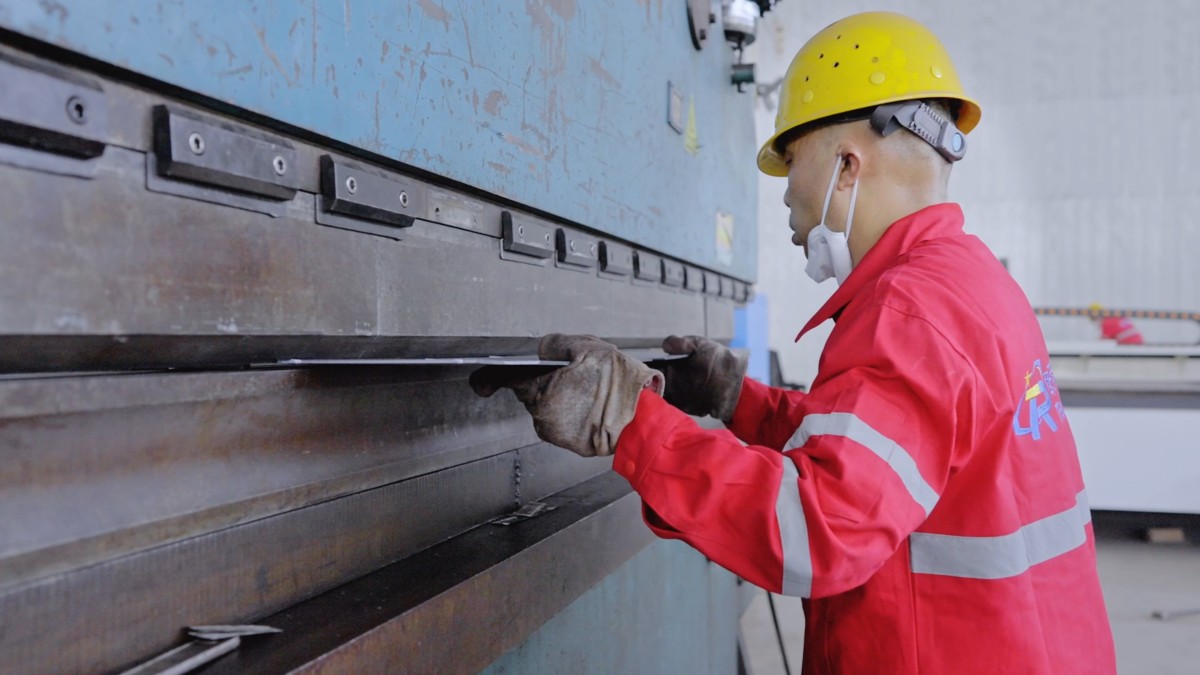
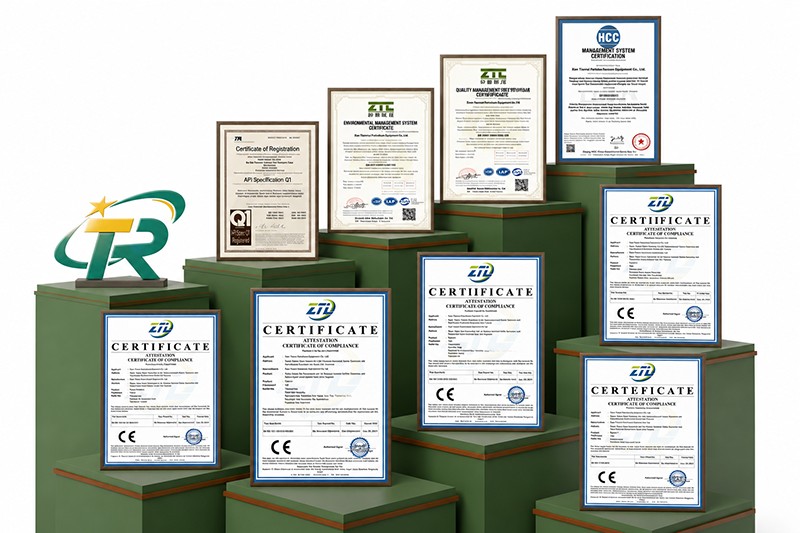
State-of-the-art manufacturing facilities, accredited quality control, and international deployment capability

Manufacturing • Precision Engineering • Global Service