Leave Your Message
-
Phone
-
E-mail
-
Whatsapp
-
WeChat

High-precision vibrating separation units and premium composite screen meshes calibrated for viscous medical adhesives, acrylic hydrogels, and polymer purification.
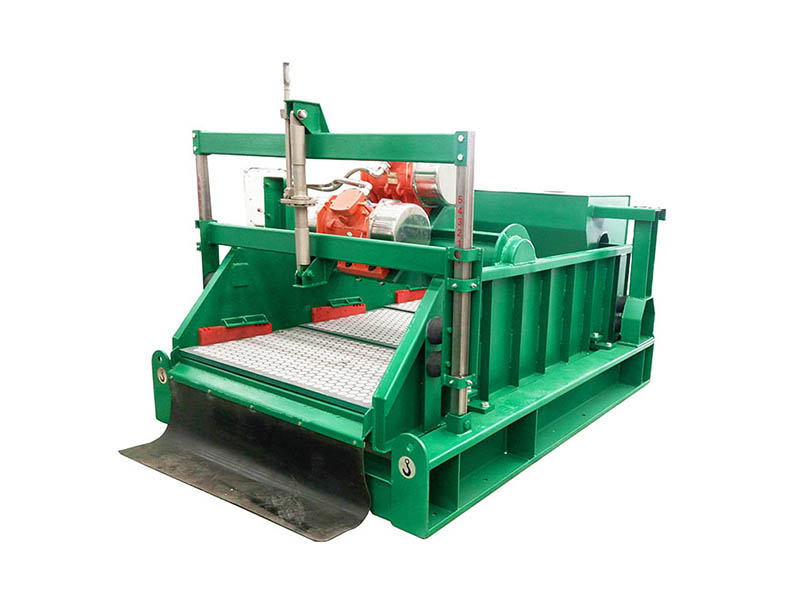
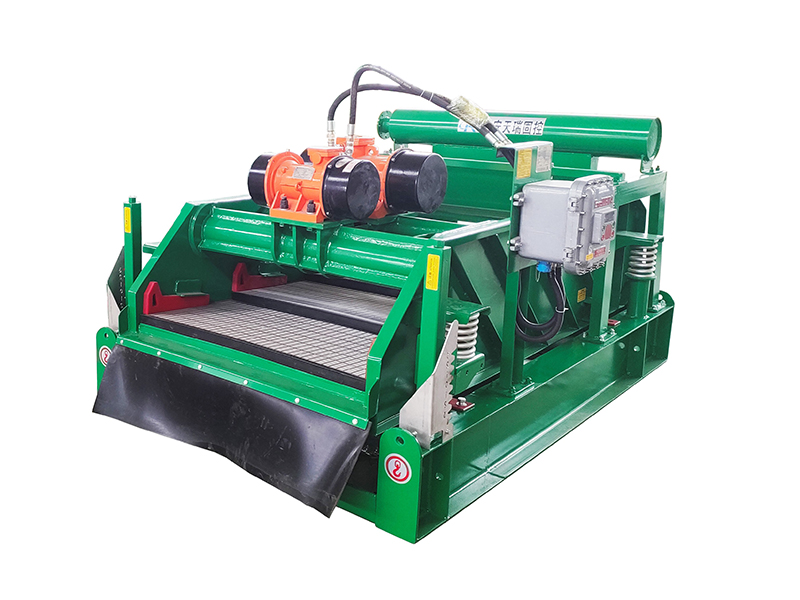
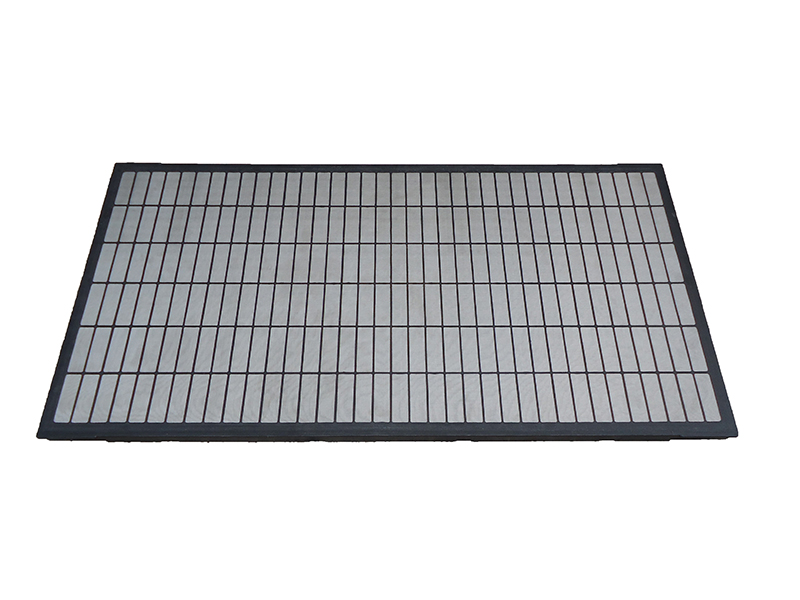
How high-frequency vibratory solids control and API-standardized filtration media revolutionize the processing of medical dressings, bio-compatible tapes, and surgical adhesives.
The modern medical adhesive dressing and surgical tape manufacturing industry operates at the confluence of advanced material science, rigorous clinical safety standards, and high-throughput automated conversion. Whether synthesizing acrylic pressure-sensitive adhesives (PSAs), bio-compatible silicone soft gels, polyurethane hydrocolloids, or specialized rubber-based matrices for transdermal drug delivery patches, manufacturing plants face critical challenges in slurry homogenization, contaminant elimination, and particulate size classification.
In high-speed coating lines for medical dressings, even microscopic un-dispersed polymer agglomerates, crosslinked micro-gels, foreign airborne particulates, or fibrous contaminants can compromise the coating uniformity. Defects on adhesive webs cause coating streaks, bubble entrapment, pinhole voids, and inconsistent tackiness. In critical wound care applications, irregular adhesive coverage leads to premature dressing detachment, poor moisture vapor transmission rates (MVTR), pain upon removal, or bacterial micro-leakage around surgical incision margins.
To prevent these quality failures, global medical tape and wound dressing manufacturers have adopted high-performance API-standardized vibratory shaker screens and solid-liquid separation systems. Originating from rigorous heavy-duty fluid purification engineering, API Shaker Screens (conforming to API RP 13C mesh standards) offer unmatched structural integrity, exact D50/D90 cut-point retention, and extreme resistance to mechanical fatigue under high-frequency G-force vibration. When adapted for medical polymer processing, these screen systems provide an indispensable barrier against adhesive imperfections.
Quality Assurance Benchmark: Integrating high-G shaker screens into medical adhesive compounding loops eliminates over 99.4% of oversized particulate agglomerations and foreign inclusions without breaking shear-sensitive polymer chains, ensuring pristine coating uniformity on micro-porous polyurethane and non-woven dressing carriers.
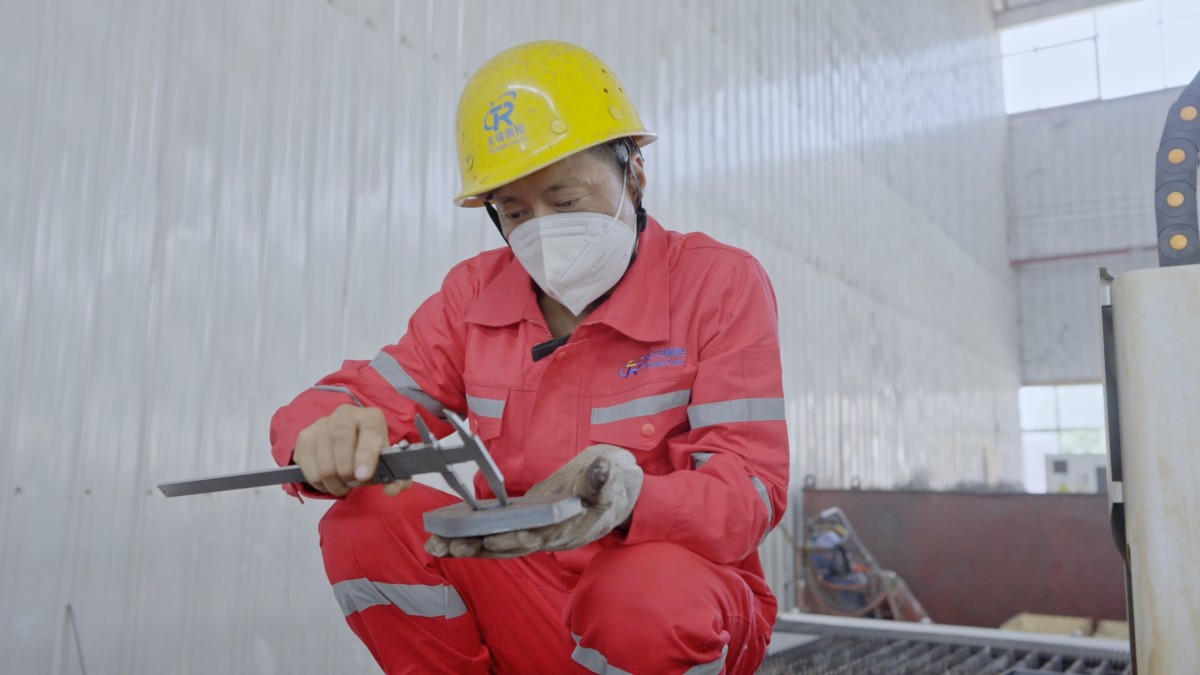
Every screen is calibrated under standardized test dust procedures, guaranteeing precise separation cut-points (from 20 microns up to 400 microns) without aperture drift or screen blinding during high-viscosity adhesive handling.
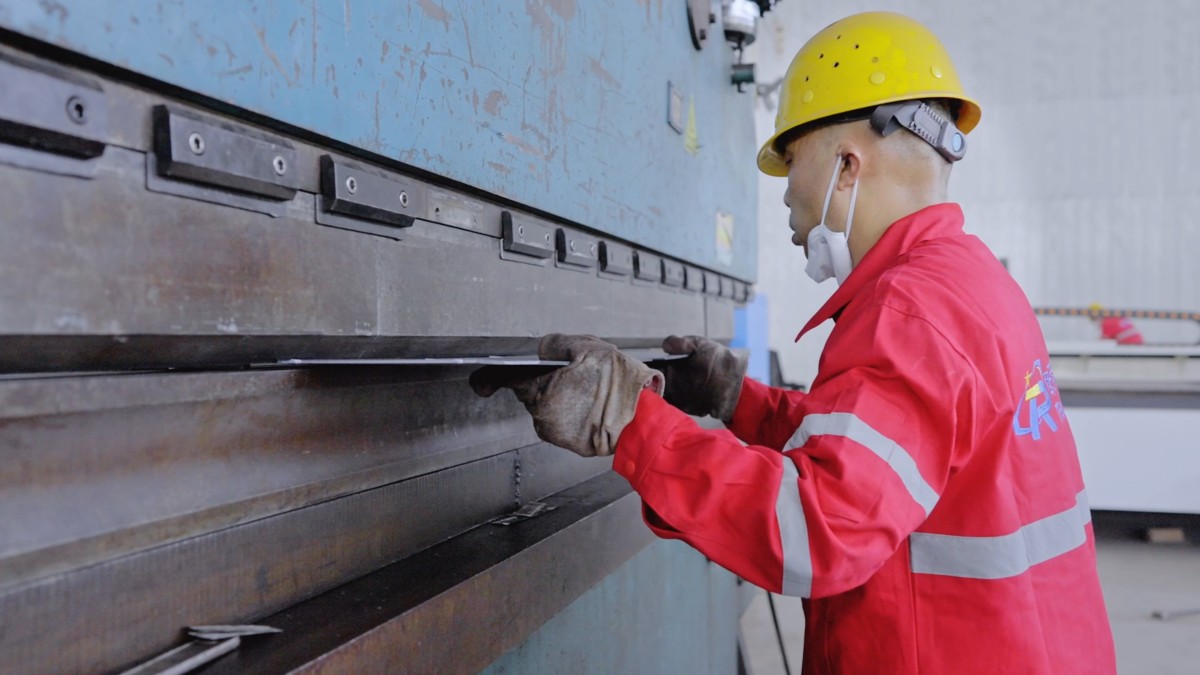
Fabricated using pharmaceutical-grade 304/316L stainless steel wire cloths and FDA-compliant composite frames, our shaker screens withstand aggressive solvent flushes, sterile autoclave routines, and hot adhesive melts.
Multi-layered progressive mesh architectures deliver massive liquid conductance, preventing blinding under viscous shear and supporting uninterrupted continuous tape roll coating speeds up to 120 m/min.
From raw elastomer dissolution to solvent recovery and hot-melt polymer extrusion, discover where API vibrating screen technology secures zero-defect medical manufacturing.
Medical dressings require distinct adhesive formulations suited for diverse clinical conditions—ranging from high-breathability surgical incision tapes to ultra-gentle neonatal silicone fixators, waterproof IV dressing films, and exudate-absorbing hydrocolloid bandages. Each formulation involves complex fluid rheology where vibratory screen separation plays a pivotal quality-assurance role:
| Adhesive / Dressing Type | Key Contaminants Filtered | Recommended API Screen Mesh | Process Impact & Benefit |
|---|---|---|---|
|
Solvent Acrylic PSAs (Surgical Tapes & Film Dressings) |
Insoluble gel micro-particles, polymerized skin skins, reactor wall crusts | API 140 to API 230 (105μm – 63μm) | Prevents knife-coating streaks and pinholes on thin 20μm breathable polyurethane membranes. |
|
Silicone Soft Gels (Atraumatic Wound Contact Layers) |
Crosslinker unreacted aggregates, silica filler clusters, air-entrained dust | API 170 to API 325 (90μm – 45μm) | Ensures pristine optical clarity, skin-gentle painless removal, and zero pore clogging in perforated wound pads. |
|
Hydrocolloid Matrices (Chronic Wound & Ulcer Dressings) |
Oversized Sodium CMC granules, synthetic rubber lumps, mineral clusters | API 60 to API 120 (250μm – 125μm) | Guarantees uniform fluid absorption swelling index across the dressing surface without lumpy hot spots. |
|
Hot-Melt Adhesives (HMPSAs) (Heavy-Duty Orthopedic Strapping) |
Tackifying resin char, oxidized polymer degraded skins, fibrous lint | API 80 to API 170 (180μm – 90μm) | Protects extrusion die slots from clogging, eliminating co-extrusion thickness variations on woven backings. |
|
Solvent Recovery Circuits (Ethyl Acetate / Toluene Recovery) |
Fine adhesive aerosol mist carryover, carbon bed fines, condensation debris | API 200 to API 400 (75μm – 38μm) | Protects downstream distillation columns and condenser tubes from sticky polymeric fouling. |
As regulatory agencies including the US FDA, European EMA (MDR 2017/745), and ISO (ISO 10993 for biological evaluation of medical devices) enforce stricter purity mandates on direct skin-contact adhesives, the separation equipment industry is evolving rapidly. Key technological transformations include:
1. Fully Enclosed Vapor-Tight Sanitary Shakers: When handling volatile organic solvents (such as ethyl acetate, heptane, or methyl ethyl ketone) in acrylic tape polymerization, sealed vibratory separators operating under inert nitrogen blanketing eliminate volatile organic compound (VOC) emissions while maintaining sterile batch conditions.
2. Ultrasonic-Assisted Anti-Blinding Screen Meshes: Highly viscous polymers with pseudoplastic behavior easily blind conventional meshes. Superimposing high-frequency ultrasonic waves (35 kHz) onto linear vibratory screens breaks surface tension at the aperture boundaries, boosting adhesive throughput by up to 280% without enlarging mesh opening sizes.
3. AI-Driven Smart Mesh Integrity Sensors: Modern intelligent manufacturing units employ acoustic and laser deflection sensors on API shaker screens. These sensors continuously monitor screen tension, wear cycles, and detect micro-tears in real time, preventing defective batches before medical dressings reach automated packaging lines.
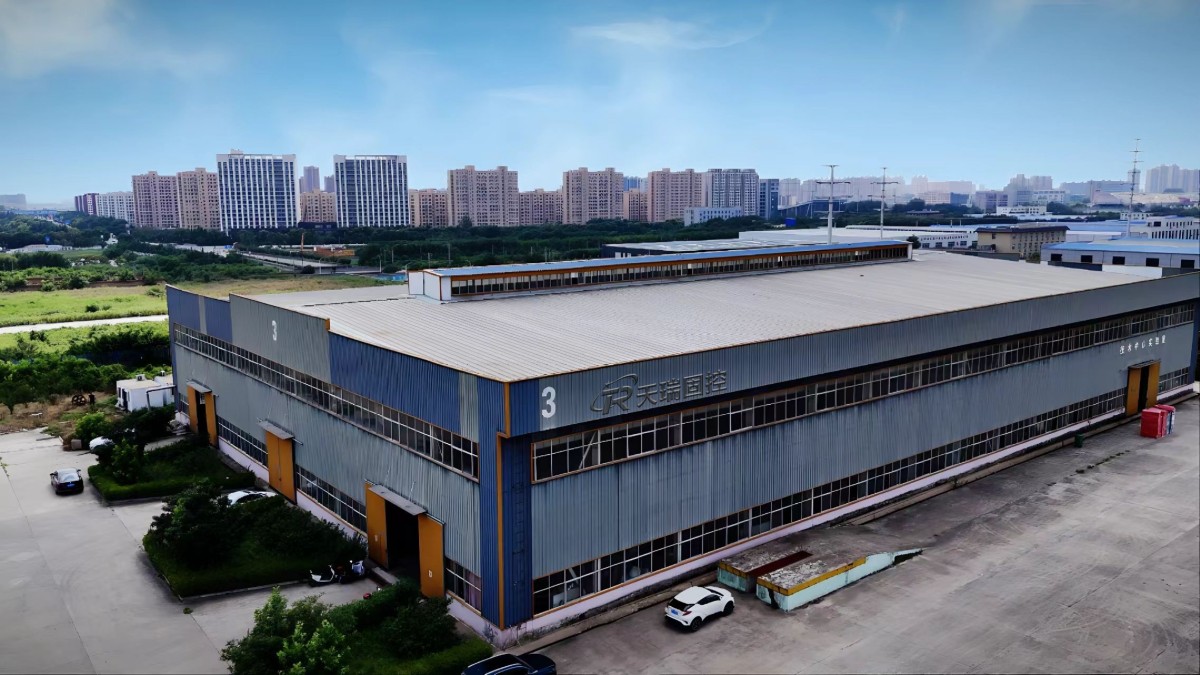
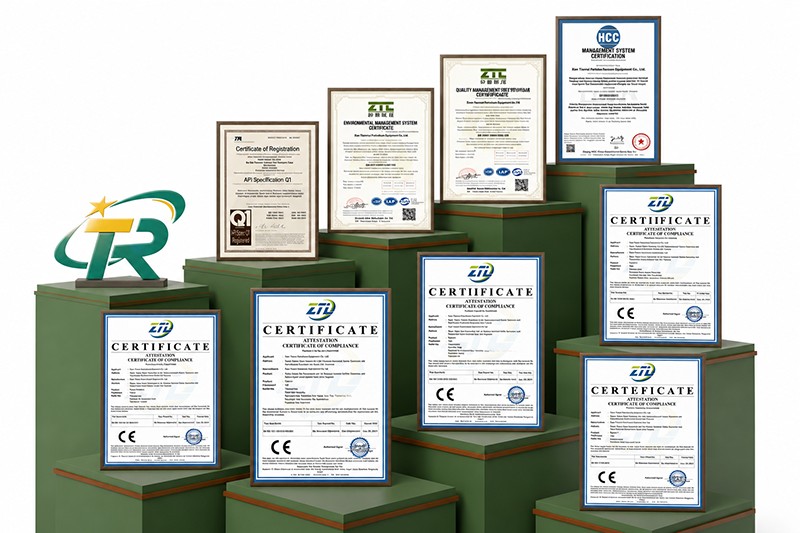
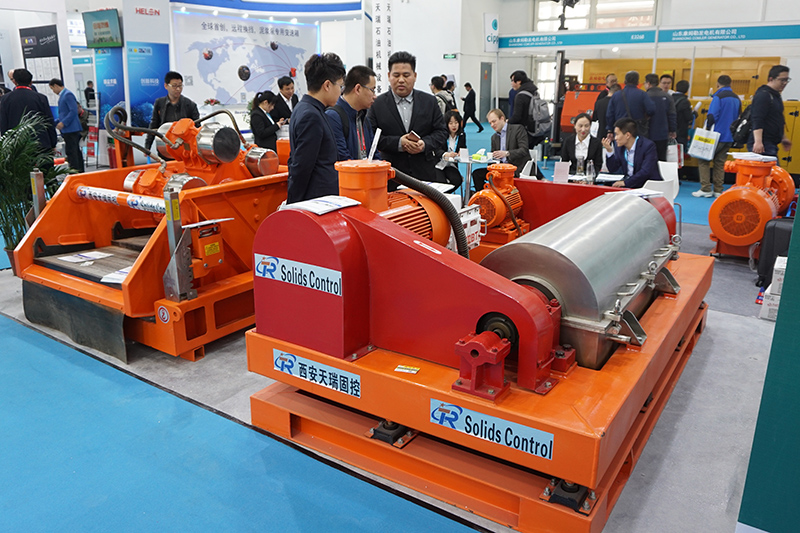
Established in 2010, TR Solids Control is a professional manufacturer specializing in drilling fluid solids control equipment and integrated solutions. We are dedicated to the design, manufacture, sales and services of solids control systems, following strict quality standards and providing reliable products, professional support and fast response for global customers.
During the past years, together with our experienced engineering team and strong supply chain partners, we have supported drilling contractors, oilfield service companies and industry partners across Middle East, Africa, Russia, South America, Southeast Asia and other regions, delivering efficient solids control solutions for various drilling operations.
By bringing our decades of heavy-duty separation engineering into industrial polymer, chemical, and medical tape adhesive refining, we provide cross-industry solutions that guarantee extreme reliability, long service life, and unmatched processing efficiency under continuous operational conditions.
Explore our full line of solids control systems, linear & elliptical shale shakers, and API standard composite replacement screens engineered for heavy industrial and medical adhesive applications.