Leave Your Message
-
Phone
-
E-mail
-
Whatsapp
-
WeChat

High-efficiency hydrodynamic modules engineered for high-viscosity suspension, defoaming, and high-precision dispersion
How API-standard jet hydrodynamic mixing is revolutionizing the coating formulation process in silicone-coated release papers and precision release films (PET/PP/PE)
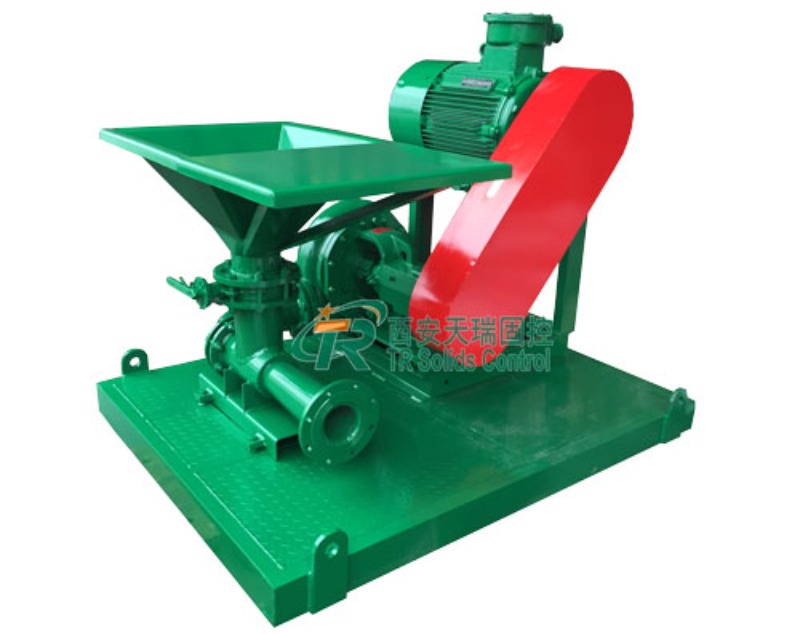
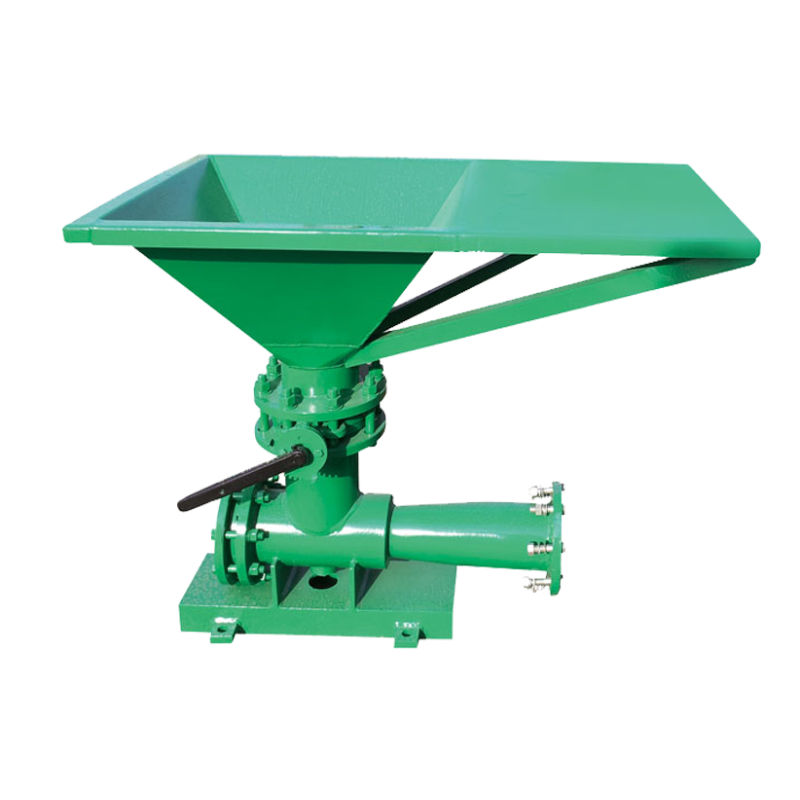
In the modern manufacturing landscape of release paper and release film processing, surface chemistry, silicone emulsion integrity, and precise barrier coating uniformity determine end-product release force and thermal stability. While the API Jet Mud Mixer was originally forged under the rigorous demands of API-compliant heavy drilling fluids and high-density bentonite-barite suspension preparation, its foundational fluid dynamics—specifically Venturi-driven continuous shearing, extreme negative-pressure additive induction, and vortex dispersion—are now establishing an indispensable engineering benchmark across industrial specialty coating, polymer suspension formulation, and release liner slurry preparation.
Utilizes precision Venturi nozzles and high-velocity jet streams to disintegrate agglomerates without thermal polymer degradation.
Provides constant dynamic recirculation, eliminating sedimentation in complex filler-laden primers and barrier slurries.
Negative pressure suction rapidly draws fine inorganic powders (silica, clay, calcium carbonate) directly into the turbulent fluid core.
The global release liner market is witnessing exponential growth driven by the electric vehicle (EV) battery pouch cell production, MLCC (Multi-Layer Ceramic Capacitors) casting, semiconductor die-attach films, medical transdermal patches, and high-performance pressure-sensitive adhesive (PSA) labels. In these ultra-clean and high-tolerance domains, micro-defects such as pinholes, fish-eyes, un-dispersed particulate clumping, or rheological inconsistencies can lead to catastrophic peeling failure, dielectric breakdown, or coating delamination.
Traditional batch agitation vessels equipped with low-speed impellers frequently suffer from the formation of stubborn agglomerates ("fish-eyes") when dry functional powders—such as nanosilica matting agents, inorganic barrier clays, conductive carbon additives, or crosslinking catalysts—are introduced into silicone, solventless polyurethane, or water-based acrylic emulsions. The adaptation of heavy-duty API Jet Mud Mixers offers continuous, inline hydrodynamic shearing that wets, hydrates, and disperses micro-powders in milliseconds, transforming sluggish batch cycles into high-throughput, closed-loop continuous continuous compounding workflows.
Applying an API Jet Mud Mixer within release liner manufacturing plants spans multiple mission-critical stages along the chemical compounding and raw material preprocessing lines:
1. Inorganic Barrier Slurry Compounding for Paper Base: Glassine, CCK (Clay Coated Kraft), and SCK papers require dense, super-smooth barrier coats to prevent costly silicone absorption into the raw paper fibers. Jet mud mixers rapidly ingest kaolin clay, titanium dioxide, and starch binders under massive shear, ensuring ultra-homogenous coating colors with uniform rheology and zero micro-coagulates.
2. Functional Additive Dispersion for Release Films: Optical and electronic grade PET release films require sub-micron silica or antistatic nano-particles suspended in solvent or UV-curable matrices. The jet mud mixer's high-pressure nozzle creates intense cavitational shear zones that dismantle nanoparticle clustering while preserving high optical clarity and uniform light transmittance across high-speed roll-to-roll coating lines.
3. Closed-Loop High-Density Liquid Recirculation & Maturation: Operating in combination with mud tanks and mud guns, the mixer maintains long-cycle fluid mobilization for viscous polymers, preventing heavy barrier additives from stratifying during long coating runs and eliminating batch-to-batch release force variations.
As the converting sector transitions toward Industry 4.0 automation, carbon-neutral manufacturing, and water-borne/solvent-free formulations, the engineering of jet mud mixing stations is advancing rapidly. Next-generation systems incorporate ceramic-lined Venturi throats and tungsten carbide vortex chambers to resist extreme abrasive wear caused by hard mineral fillers. Furthermore, closed intelligent monitoring integrates IoT differential pressure sensors and inline viscometers, automatically modulating jet velocity to achieve target fluid viscosity curves in real time.
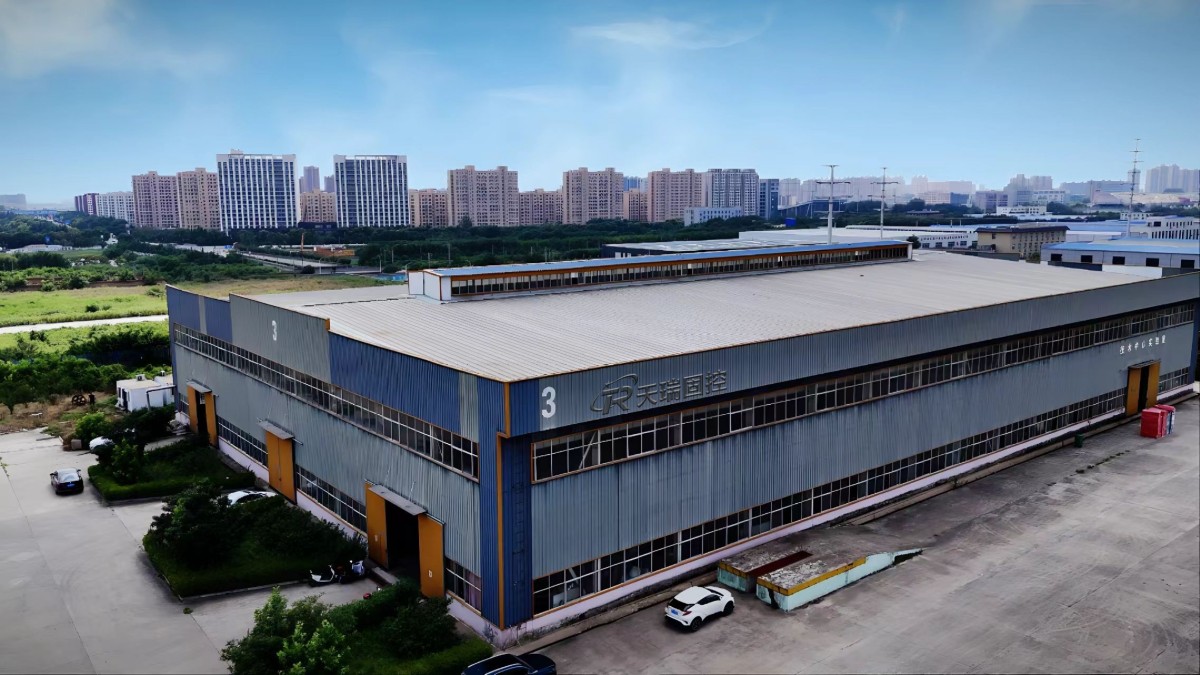
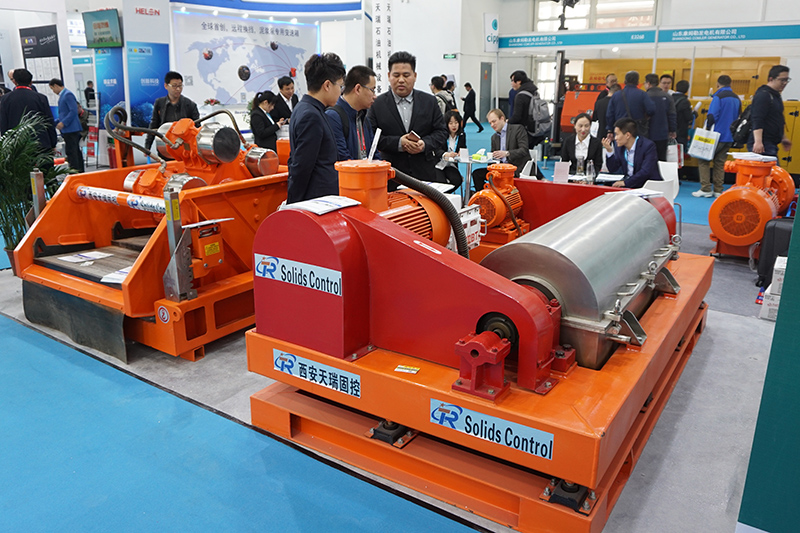
Established in 2010, TR Solids Control is a professional manufacturer specializing in drilling fluid solids control equipment and integrated solutions. We are dedicated to the design, manufacture, sales and services of solids control systems, following strict quality standards and providing reliable products, professional support and fast response for global customers.
During the past years, together with our experienced engineering team and strong supply chain partners, we have supported drilling contractors, oilfield service companies and industry partners across Middle East, Africa, Russia, South America, Southeast Asia and other regions, delivering efficient solids control solutions for various drilling operations.
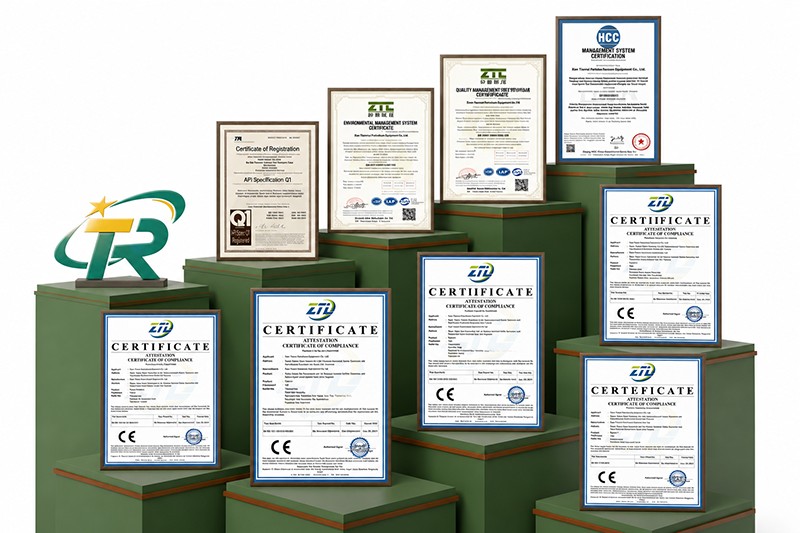
International standard manufacturing, certified quality management, and prominent global presence

Comprehensive equipment line for high-demand separation, mud recycling, and precision fluid conditioning