Leave Your Message
-
Phone
-
E-mail
-
Whatsapp
-
WeChat

Engineered for high-volume automated paint protection film plants demanding sub-micron dispersion purity and homogeneous polymer chemical slurries.
The global automotive Paint Protection Film (PPF) sector is experiencing an unprecedented technological expansion driven by surging consumer demand for luxury vehicle aesthetics, ultra-high optical clarity, hydrophobic self-healing surfaces, and extended exterior longevity. Traditionally dominated by mechanical extrusion and batch-stirred lacquering, contemporary PPF production relies heavily on aliphatic thermoplastic polyurethane (TPU) substrates coated with intricate multi-layer functional topcoats. These topcoats encapsulate advanced nano-ceramic fillers, fluorocarbon sliding agents, hindered amine light stabilizers (HALS), and ultraviolet absorbers (UVA). In this rigorous industrial ecosystem, raw material homogeneity is directly linked to the optical transmittance, haze rating, and tensile elongation of the cured film.
The operational bottleneck in modern high-speed slot-die or micro-gravure PPF coating lines frequently manifests during the raw liquid slurry synthesis and additive compounding phase. Introducing ultra-fine dry powders—such as precipitated silica nanoparticles (10–50 nm) for anti-scratch performance or colloidal inorganic dispersants—into viscous polyol matrix polymers poses immense physical challenges. Conventional low-shear mechanical blade mixers regularly suffer from incomplete wetting, generating resilient micro-agglomerates colloquially termed "fish-eyes". When processed through micro-gap coating dies running at 30 to 60 meters per minute, these undispersed micro-clusters generate microscopic optical distortions, surface pinholes, and phase separation, forcing film converters to discard entire roll runs. Consequently, optical film manufacturers are aggressively transitioning toward high-capacity inline hydrodynamic systems: the 55kw Jet Mud Mixer stands at the forefront of this industrial transformation.
Generates up to 180 m³/h circulation velocity with ultra-intense localized shear fields, breaking sub-micron clusters without degrading polyol polymer chains.
Negative pressure hopper geometry ensures zero airborne dust emission while instantly wetting nano-silica, fluoropolymers, and inorganic stabilizers.
Eliminates micro-gels and aeration bubbles, delivering the rheological uniformity demanded by high-speed slot-die coating heads under 100-class cleanroom environments.
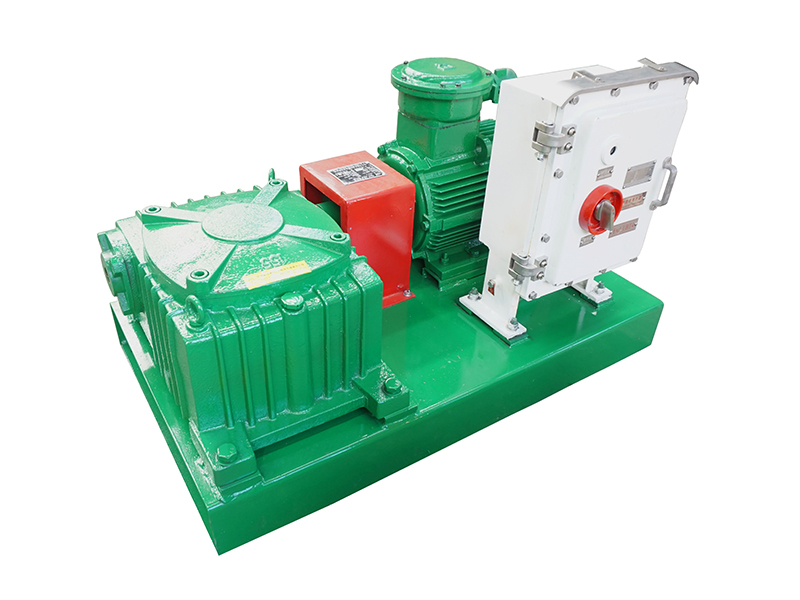
The 55kw Jet Mud Mixer operates on the combined principles of Bernoulli's theorem, Venturi hydrodynamic depressurization, and high-velocity vortex acceleration. Powered by an explosion-proof, heavy-duty 55 kilowatt induction motor coupled with an industrial-grade centrifugal slurry pump, the system propels the base chemical carrier fluid (such as methyl ethyl ketone, ethyl acetate, or liquid prepolymer resins) through a precision-machined convergent nozzle. As the high-pressure fluid enters the constriction zone, fluid velocity escalates exponentially while static pressure drops sharply below atmospheric thresholds, creating a robust vacuum within the mixing chamber.
Dry additives loaded into the hopper are spontaneously drawn into this high-velocity core through the Venturi throat. Unlike conventional stirrers where dry powder floats atop turbulent eddies, the 55kw Jet Mixer forces dry particulates to intersect the liquid stream at the precise focal point of maximum kinetic energy. The fluid encounters immediate cross-shear gradients exceeding 100,000 s⁻¹, initiating micro-cavitation and total liquid-solid surface wetting within milliseconds. The expanding diffuser section then converts velocity back into dynamic discharge pressure, channeling the homogeneous slurry downstream into curing prep-vessels or continuous circulation loops.
| Operational Parameter | 55kw Industrial Jet Unit Specifications | Impact on PPF Coating Performance |
|---|---|---|
| Electric Motor Rating | 55 kW (75 HP), 380V/460V, 50/60 Hz, Ex-Proof Class I Div 1 | Provides consistent high-torque delivery when processing high-viscosity polyurethanes |
| Fluid Throughput Rate | 120 – 180 m³/h (528 – 792 GPM) | Enables real-time continuous batch preparation for multi-line coating plants |
| Venturi Throat Diameter | DN150 – DN200 Precision-cast Alloy / Ceramic Lined | Resists abrasive wear from continuous nano-silica and ceramic slurry induction |
| Operating Viscosity Range | Up to 15,000 mPa·s (cP) | Accommodates dense acrylic PSA resins, TPU solvent solutions, and dense topcoat slurries |
| Powder Ingestion Capacity | Up to 150 – 250 kg/min (Dry Nanomaterials) | Reduces batch mixing cycle from 4 hours to under 25 minutes |
The versatility of the 55kw Jet Mud Mixer makes it an indispensable asset across multiple specialized processing stages in high-grade paint protection film production facilities:
A. Nano-Ceramic & Self-Healing Topcoat Compounding: Modern "instant-healing" PPF films incorporate hydrogen-bonded elastomeric polyurethanes blended with functionalized multi-walled carbon nanotubes, organoclay, or nano-silicon dioxide. Achieving uniform nano-dispersion without thermal overheating is critical. The high fluid throughput of the 55kw mixer allows for intensive mechanical shear at controlled bulk fluid temperatures, circumventing premature polymerization of isocyanate reactive components.
B. Pressure Sensitive Adhesive (PSA) Homogenization: Automotive wrap films demand removable, repositionable, optically invisible acrylic pressure-sensitive adhesives that leave zero adhesive residue on OEM clearcoats. The 55kw jet unit excels at synthesizing crosslinking agents, tackifiers, and ultra-violet stabilizers into solvent-borne or water-borne acrylic matrices, guaranteeing uniform tack, peel strength, and rheological consistency across wide-web rolls up to 1.83 meters.
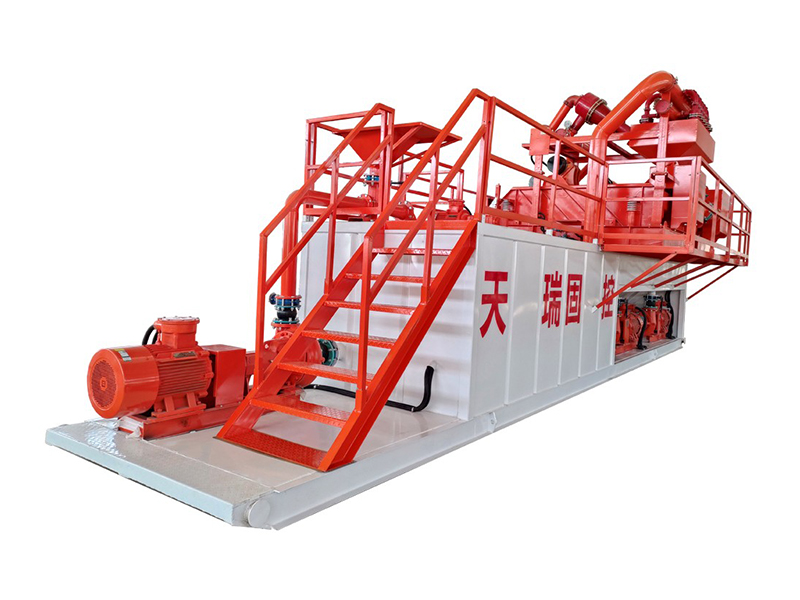
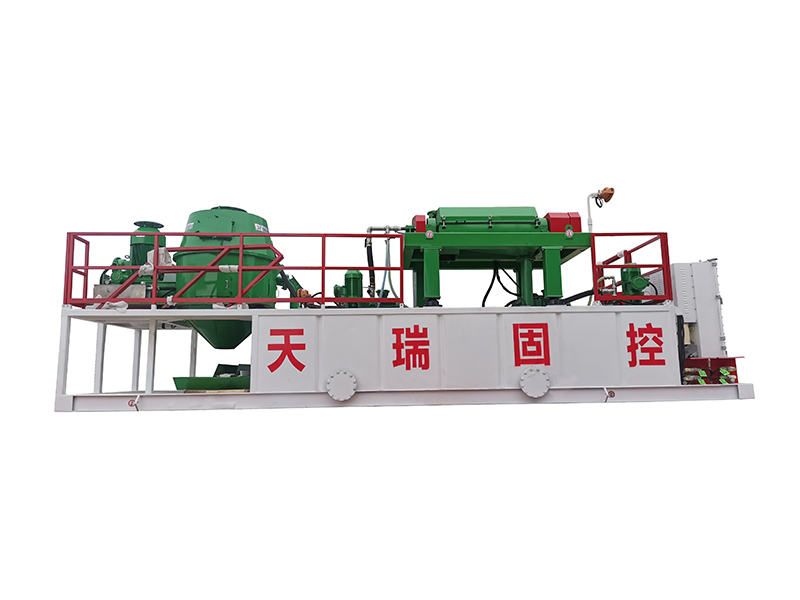
C. Closed-Loop Solvent Recovery & Slurry Waste Minimization: Cleanroom coating installations generate significant volumes of washing solvents containing residual suspended polymers. Connecting the 55kw mixer into solid-control cyclonic systems (such as high-G drying shakers and decanter centrifuges) enables rapid re-slurrying, flocculant activation, and clean solvent recovery, reducing overall VOC emissions and disposal costs by upwards of 42%.
One of the primary hazards in optical film slurry preparation is micro-aeration. When traditional high-speed cowl blades beat liquids in open tanks, vortex vortices suck ambient air into the suspension, resulting in billions of micro-bubbles that require 12 to 24 hours of vacuum degassing before the slurry can safely enter cleanroom slot-die coater heads. The 55kw Jet Mud Mixer resolves this defect through enclosed hydraulic containment. Because material ingestion occurs entirely within the pressurized Venturi housing below atmospheric liquid level, the introduction of non-condensable ambient air is prevented. Furthermore, localized shear forces pulverize agglomerates down to primary particle diameters, eliminating micro-gels that would otherwise plug inline 1-micron cartridge filters.
As the electric vehicle (EV) market accelerates, automotive manufacturers are increasingly partnering with Tier-1 film coaters to offer factory-installed pre-cut PPF packages. This transition shifts the industry from artisanal low-volume converting to 24/7 automated roll-to-roll chemical processing. The adoption of the 55kw Jet Mud Mixer directly supports this industrial scaling by delivering repeatable, PLC-integrated slurry preparation with integrated sensor monitoring for flow rate, differential pressure, and motor load. Furthermore, its ability to handle bio-based thermoplastic urethanes and ultra-high-solids coatings aligns with stringent international ESG directives aimed at curtailing greenhouse gas emissions and chemical manufacturing waste.
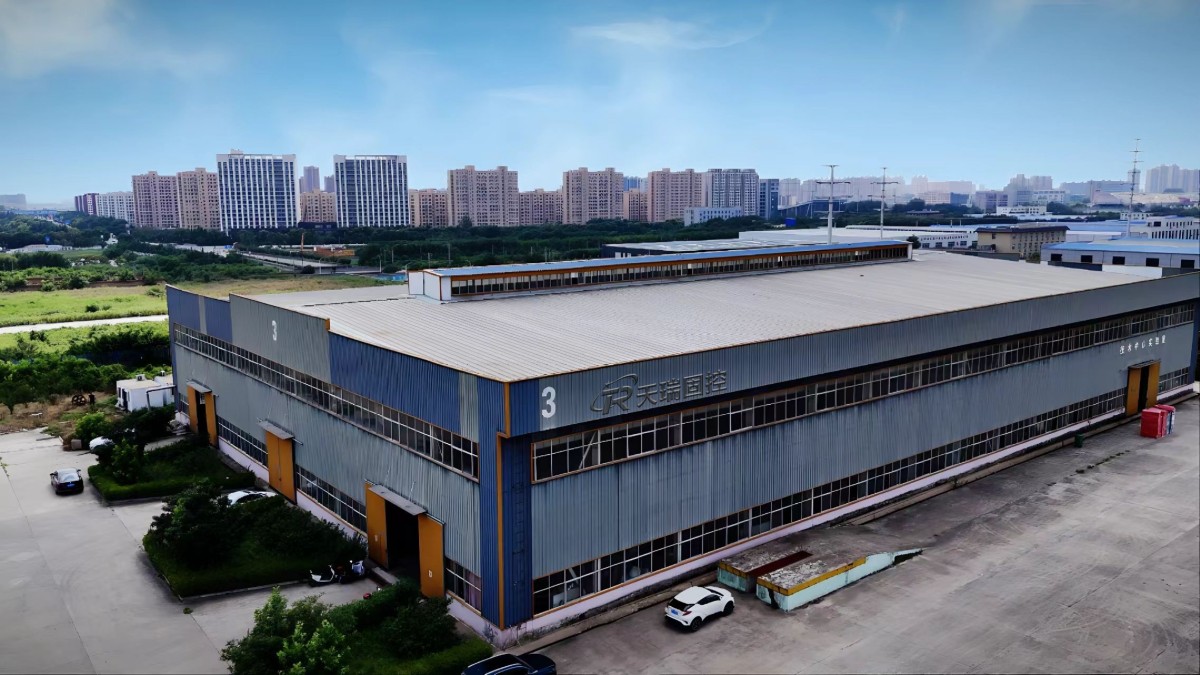
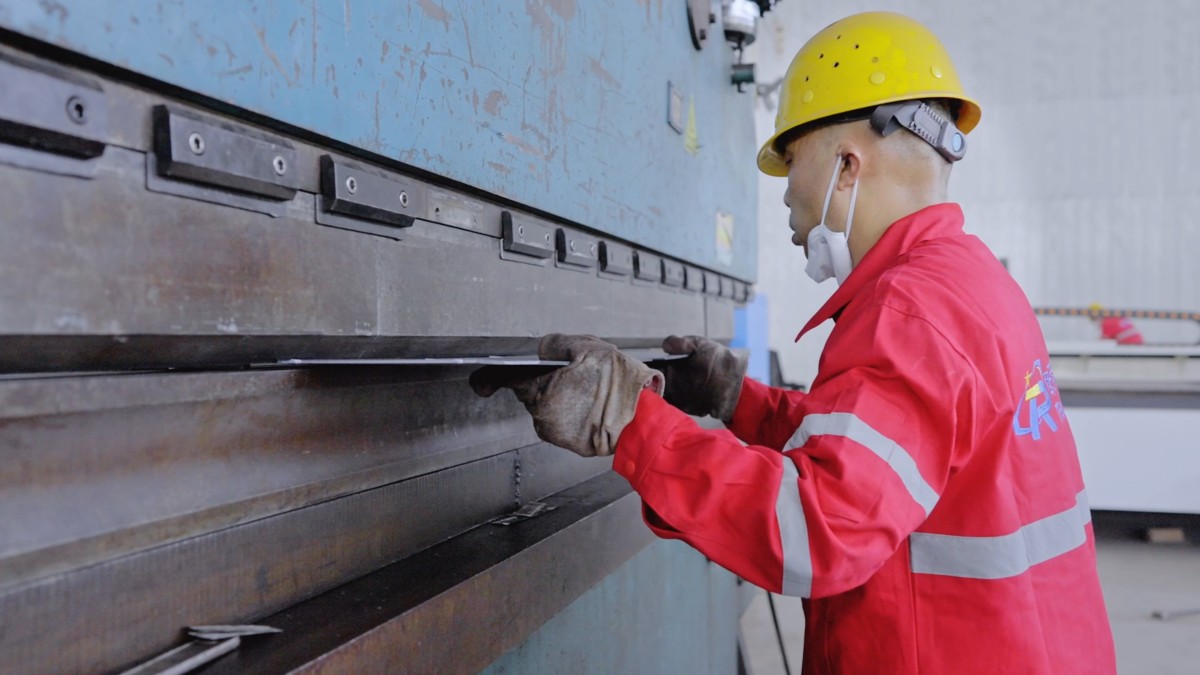
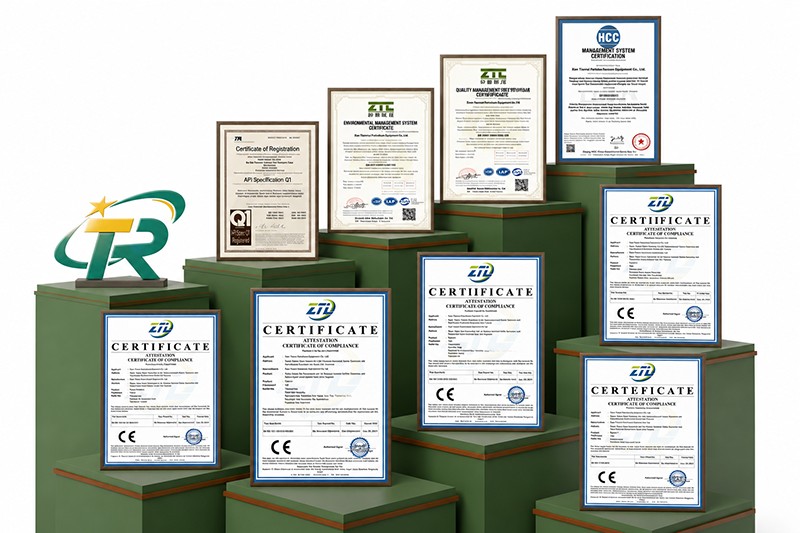
Standardized manufacturing, rigorous international quality certifications, and global industrial presence.

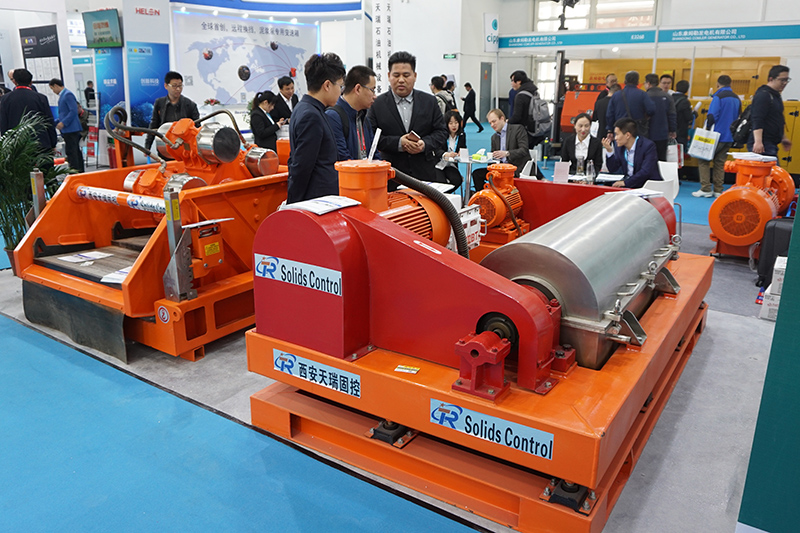
Deploying heavy-duty fluid handling, high-shear Venturi jet mixing, and intelligent solids management for automotive PPF coating, chemical recycling, and advanced drilling applications.